
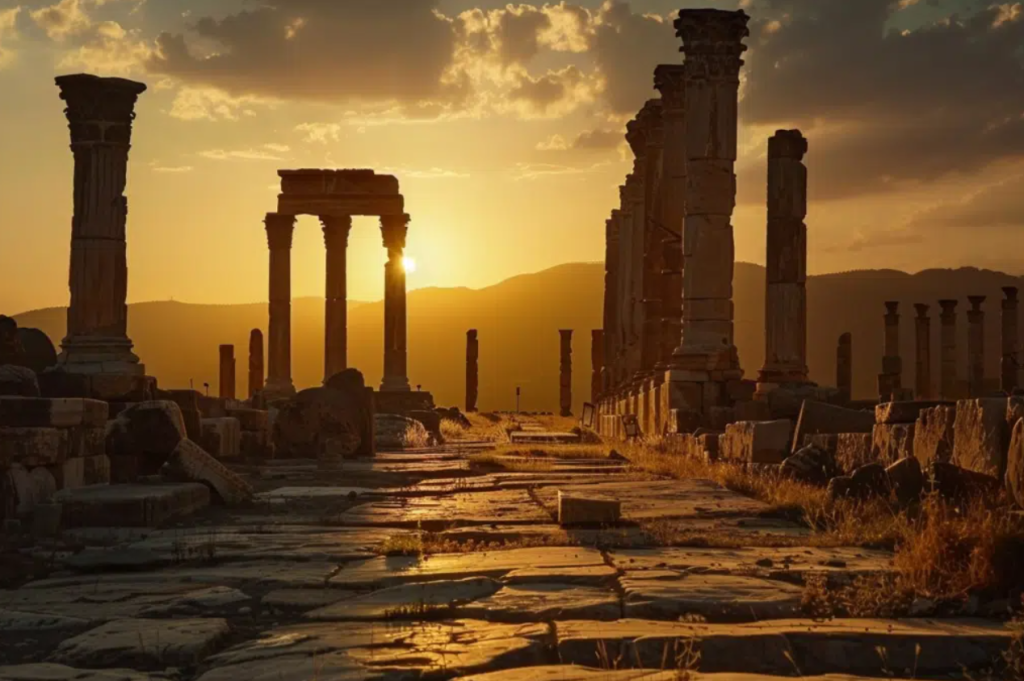

Yes, you can backpack Algeria, but only half of it on your own. In the north, trains, buses and shared taxis link Algiers, Oran, Constantine and the Kabyle mountains, and you can plan day by day. Djanet, Tamanrasset and the Tassili are another matter: foreigners in the Sahara are expected to go with an approved Algerian agency, so those are booked trips rather than bus rides.
Algeria is Africa's largest country (about 2.38 million km²), and over four-fifths of it is desert. The north has the cities, the Roman towns of Timgad, Djemila and Tipasa, and roughly 1,200 km of Mediterranean coast; the south has the M'Zab Valley, the Tassili n'Ajjer and the Hoggar. Some French gets you a long way here, next to the two official languages, Arabic and Tamazight; English is much less common outside hotels.
Below are the visa rules, how money works (including the informal exchange market), transport, where to go and what things cost in autumn 2026. For the classic version of the trip, with more comfort and fewer bus stations, see our main Algeria guide.
What you need to know before visiting Algeria
Entry requirements and visas
Most travelers need a visa, and it has to be arranged before you fly. UK, EU, US and Canadian citizens all apply through an Algerian consulate, and there is still no e-visa (October 2026). Consulates issue tourist, business, family and work visas; for a backpacking trip you want the tourist visa.
Give it time. In London, the consulate's own estimate is about 10 working days if you apply in person and at least 15 by post, with roughly 5 more around summer, New Year, Ramadan and Eid. The UK fee is GBP 85, cash or postal order only. Other countries set their own fees and waiting times, so check with your consulate.

The London consulate's list for a tourist visa: two forms, two photos, copies of every passport page, proof of income or employment, and a passport with at least six months' validity and two blank pages.
On top of that, show where you'll stay, with a hotel booking, a certificat d'hébergement from a host certified by their town hall, or an invitation and itinerary from an Algerian travel agency. Traveling independently, a hotel booking is the simplest; make it refundable. Travel insurance is required for most nationalities, though not for British and Irish citizens applying in London.
There is a visa on arrival, but it won't help an independent backpacker. You only qualify on an organized trip, booked through an approved Algerian agency, that takes in the southern Saharan wilayas. The agency submits the request before you fly; on landing you pay the fee (commonly reported at about EUR 110) and get a visa of up to 30 days.
Carry your passport on long journeys. You need it to check into hotels, board domestic flights and buy a SIM card, and you may be asked for ID at police and gendarmerie checkpoints. Keep a paper and a digital copy of your passport and visa, plus your insurance details, somewhere separate.
Getting to Algeria by air, sea and land
Most backpackers fly into Algiers, Oran or Constantine from Europe or Istanbul. By sea, ferries sail from France and Spain in the summer season (roughly mid-June to mid-September 2026): Marseille to Algiers takes about 20 to 26 hours, while Spain to Oran or Mostaganem is an overnight crossing of roughly 10 to 15 hours. A foot passenger pays roughly EUR 150 to 250 one way.
Overland, the only open route is from Tunisia, by road or on the Tunis to Annaba train, three times a week. The border strip has its own official travel advice, so read your government's current guidance and check your insurance covers the crossing. The Morocco land border has been closed since 1994, so from Morocco you have to fly.
Currency exchange
Bring cash in euros or US dollars. Algeria in effect runs two exchange rates. Banks, ATMs and every card payment use the official one: about 150 DZD to the euro and 134 to the dollar in early October 2026.
The other is the informal market, called the "square" after Square Port Saïd in Algiers (every big city has its own spot), where the same euro got you about 275 DZD and a dollar about 237. With a gap that wide, nearly everyone changes cash there, Algerians and visitors alike.
Be clear about the legal position. Exchange-control law says money is changed at banks and approved bureaux, so the square is technically outside the law, even though it trades in the open and crackdowns target big dealers, not tourists changing small sums. This isn't something to do on your own: your guide, host or agency can sort it out with someone they know, or arrange it for you. Change modest sums, count every note, and never change on the street after dark.
Customs is the other half of the picture. On arrival you declare foreign currency above EUR 1,000 (the figure in Algerian customs' own 2026 guidance). Declare more than that and customs may want official exchange receipts when you leave, which the square never hands out.
The fix: bring under EUR 1,000 in cash, or change part of it at a bank. Dinars stay in Algeria too, since non-residents may not export them, so spend them before your flight.

The Bank of Algeria publishes the official rate every day, but it is the central bank, not a place to change money. For that, go to a commercial bank such as the National Bank of Algeria (BNA), which changes cash at the official rate against your passport and hands over the receipt customs may ask for. Expect slow service and short hours, and not every branch offers it.
Don't count on your card. Locals pay with CIB and Edahabia cards, which visitors can't get; a foreign Visa or Mastercard is mostly accepted in large international hotels, airline offices and some upscale shops and restaurants. Elsewhere you pay cash, and in the south almost always. City ATMs, including those at Algiers airport, often take foreign cards (travelers report the most luck with BNA, BEA, BDL, Société Générale Algérie and BNP Paribas El Djazaïr), but withdrawal limits are low.
Every card payment and ATM withdrawal goes through at the official rate. Since 150 dinars to the euro is about 45% fewer than 275, a meal or room paid that way costs you roughly 80% more than with cash changed on the square.
Keep the card for emergencies and for hotel bills that have to go on one. Still choosing a destination? Here is how Algeria's prices compare with Morocco, Tunisia and Europe.
Best time to visit Algeria
The short version: spring and autumn for the north, October to April for the Sahara. The two overlap in March, April, October and November, the best months for a trip that covers both.
Spring (March to May) and autumn (September to November) are the comfortable seasons in the north, for city walking in Algiers, Oran and Constantine and for hiking in the Djurdjura and the Aurès. Winter there is cool and wet, and the high mountains get snow.
The Sahara season runs roughly from October to April. Days are warm, but desert nights in December and January can drop close to freezing. Air Algérie's seasonal direct flights from Paris to Djanet run in roughly the same window.

Summer is the wrong time for the desert, with temperatures above 45°C (113°F) in places. July and August are when Algerian families take their beach holidays, so coastal towns are at their busiest and rooms fill up. June and September are calmer on the coast.
Getting around in Algeria
Algeria is big: Algiers to Tamanrasset is nearly 2,000 km by road. In the north you can mix trains, buses and shared taxis; for the south, fly. Most of it is cheap, slow and paid in cash.
Domestic flights
For long distances, fly. Between them, Air Algérie and its subsidiary Domestic Airlines reach every part of the country, and a single flight saves you a day or two on the road.
Fares are low by European standards. On booking sites in autumn 2026, Air Algérie one-way tickets between Algiers and Oran started at around 4,700 DZD, about 35 USD at the official rate (the rate you pay with a foreign card). Book early for the Sahara season and around Eid, when southern flights fill up.

Tassili Airlines, which many older guides mention, no longer exists under that name: it became Domestic Airlines, part of Air Algérie, in August 2025. Flights within the north take about an hour, while Algiers to Tamanrasset takes about two and a half hours.
Trains
In the north, the national railway SNTF links Algiers with Oran, Constantine, Annaba and many towns in between. It's comfortable and cheap. It is not fast.
Don't expect speed: Algeria has no high-speed rail. On the 2026 timetable the Coradia express covers Algiers to Oran in about 4.5 to 5 hours (ordinary trains take about 6), and it often runs late. The line goes inland through the Chlef valley, not along the sea. First-class carriages are air-conditioned and roomier.
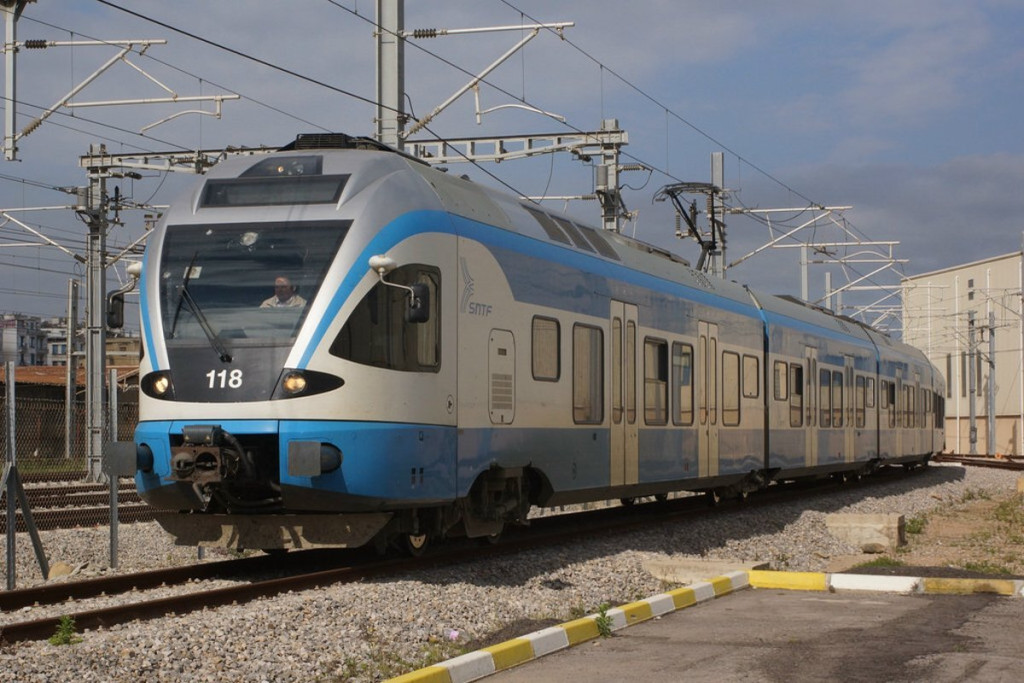
Coming from Tunisia, there's a cross-border train too. Tunis to Annaba runs three times a week each way and resumed on 15 September 2026 after summer track work. The timetable says about 9.5 hours, and a second-class seat costs about 1,640 DZD.
The catch is coverage. There are no trains to Djanet or Tamanrasset, many branch lines see only a few trains a day, and timetables change, so check at the station a day ahead.
Buses
Buses are what most Algerians use for long trips, and the cheapest way to cover distance.
They are slow and timetables are loose, but long-distance coaches reach southern towns that trains don't. In Algiers the main intercity bus station is at Caroubier (Kharouba).
In more of a hurry? Take a shared taxi (taxi collectif). It leaves when every seat is full, so there's no timetable, but the trip is quicker than the bus.
Shared taxis
Shared taxis cost a bit more than buses and run between towns and wilayas on set routes from taxi stations. Watch out for unlicensed drivers, known locally as "fraudeurs", who often charge well above the normal fare.

They stop running in the evening, so aim to arrive before dark. The earlier in the day you turn up at the station, the faster cars tend to fill.
City taxis
Meters are often missing or broken in city taxis, so settle the price before you get in. A taxi from Algiers airport to the center runs roughly 1,500 to 2,500 DZD. For a fraction of that, ride the airport train to Agha for 80 DZD (about 20 to 25 minutes) or ETUSA bus 100 to Place des Martyrs for 50 DZD.
Ride-hailing apps are easier. Yassir is the Algerian market leader, and Heetch, TemTem and inDrive also operate; Uber does not. The app shows the price before you book, so there's no haggling, but most drivers expect cash and some apps need a local phone number.
Car rental in Algeria
Renting a car makes sense in the north, where it gets you to Kabyle villages, Roman sites and coastal coves that buses serve badly. The Sahara is different: the authorities expect foreign visitors there to travel with an approved agency, with police or gendarmerie escorts on some routes, so a self-drive desert trip isn't realistic.
Away from the main roads, public transport thins out quickly, and a car is often the only practical way to reach small mountain villages.
Main highways such as the East-West motorway are in good shape, while rural roads are narrower and less maintained. Expect police and gendarmerie checkpoints: slow down, don't cross a barrier without permission and have your passport ready, as the UK FCDO advises.
Fuel stations get scarce once you leave the cities, so fill up whenever you can on long drives.
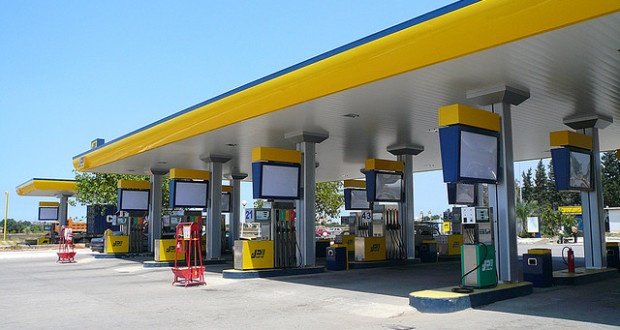
Fuel is cheap. Since 1 January 2026, unleaded petrol costs 47 DZD a liter and diesel 31 DZD, about 0.35 and 0.23 USD at the official rate (0.20 and 0.13 USD at the informal rate).
Practical tips for local transportation
On long desert drives, carry a few liters of water per person and some food, as there can be long gaps between towns. In the south, stick to the route your agency has planned; it knows where to refuel and where the checkpoints are.
Our usual advice for backpackers: fly to the south, take the train between Algiers, Oran and Constantine, use shared taxis for shorter hops, and rent a car for a few days in Kabylie or the Aurès.

For driving, we find Waze the most reliable app in Algerian cities. For walking, download offline maps before you set off, since mobile data is patchy in the south.
In smaller towns, walking is the easiest way around. Most have a compact center where the market, the old quarter and the bus or taxi station are close together.
Algeria packing essentials
Pack for two climates: hot days and cold nights in the desert, and cool, wet winters in the north.
For the desert, and for the coast in the warm months, loose cotton or linen is the most comfortable. Long sleeves protect you from the sun better than sunscreen alone.
Light colors such as beige, khaki and white reflect the sun and stay cooler.
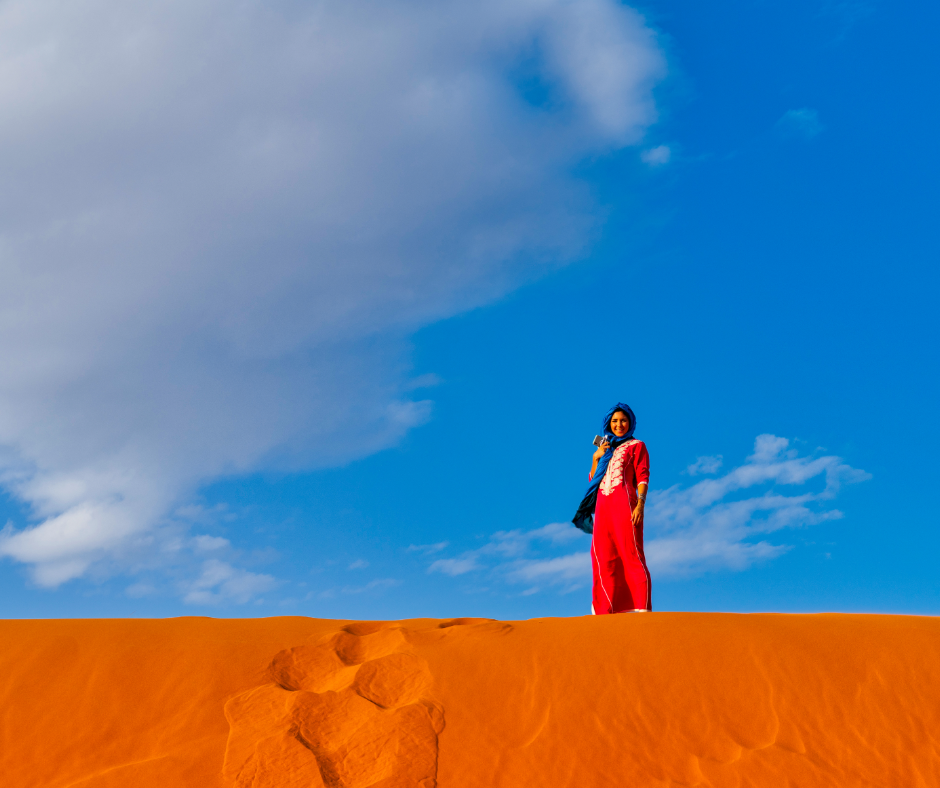
Bring a warm layer and a jacket. Desert nights in winter can get close to freezing, and the Djurdjura and the Aurès stay cold well into spring.
Add a wide-brimmed hat, sunglasses, sunscreen and a large scarf. The scarf keeps sand out of your face when the wind picks up, and women can use it as a headscarf when visiting a mosque.
Dress is conservative outside beach resorts. Women are expected to cover shoulders and knees, and men usually wear long trousers rather than shorts, especially in the south and the M'Zab Valley, where expectations are stricter.
Long, loose clothes also happen to be the most practical choice in the desert, where they keep off sun and blown sand.
Backpacking Algeria: money, timing and the visa
Budget from about USD 25 a day if you change cash informally, or about USD 45 at the official rate, and plan on trains, coaches and shared taxis in the north and a flight plus a licensed agency for the Sahara. For the north, go between March and May or September and November; for the desert, October to April.
Sort the visa first, since there's no e-visa and London quotes about 10 working days and GBP 85. Once you land, a Mobilis, Djezzy or Ooredoo SIM bought with your passport gives you a month of data for about 1,000 to 1,500 DZD.
Best destinations in Algeria for backpackers
Most first trips combine a few northern cities with one Saharan region. If you want them stitched into a route, our 10-day Algeria itinerary links the north with the Sahara.
Here are the places we'd put on a backpacker's list, north first and then the south, with the practical catch for each.
Algiers: The white city of the Mediterranean
Algiers is called "Alger la Blanche", Algiers the White, for the white buildings that climb the hills above its bay. The center is mostly 19th and 20th-century French boulevards, with the Ottoman Casbah rising behind them.
UNESCO listed the Casbah in 1992. Its citadel went up between 1516 and 1592, and the steep lanes below it hold old mosques, palaces and family houses, many in poor repair. The UK FCDO advises visiting with a good local guide, and without one you'll get lost.

For views over the city and the bay, go up to the Martyrs' Memorial (Maqam Echahid), a concrete monument about 92 m high, inaugurated on 5 July 1982 for the 20th anniversary of independence from France. The national museum of the independence war is underneath it.
Notre-Dame d'Afrique, a neo-Byzantine basilica inaugurated in 1872, stands on a clifftop in Bologhine with wide views over the Mediterranean.
Algiers deserves two or three days. For the main sights and activities in more detail, see our guide to the city.
Oran: Algeria's second city and the home of raï
Oran is Algeria's second city, a port in the west shaped by nearly three centuries of on-and-off Spanish rule (1509 to 1792), then by the Ottomans and the French.
Santa Cruz Fort, built by the Spanish between 1577 and 1604, sits on Mount Murdjadjo high above the city. The view over the port and the bay is the reason to go up; the chapel beside it was added in the 19th century.

In the center, Place du 1er Novembre is the main square. Nearby, the Pasha Mosque was built in 1796 with money from the ransom of Spanish captives.
Oran is the home of raï, which grew out of Bedouin and urban folk song in the Oran region in the early 20th century and joined UNESCO's intangible heritage list in 2022.
For food, try karantika (or garantita), a baked chickpea-flour flan sold from street stalls and Oran's best-known snack. Chorba soup is everywhere, and méchoui (whole roast lamb) is mostly made for feasts and Eid.
To plan your stay, see our comprehensive guide to Oran.
Constantine: The city of bridges
Constantine sits on a rock plateau cut off by the Rhumel gorge, and its bridges are why most people come. The Sidi M'Cid suspension bridge dates from 1912 and hangs about 175 m above the river, while the newest crossing, the Salah Bey viaduct, is a cable-stayed bridge from 2014.
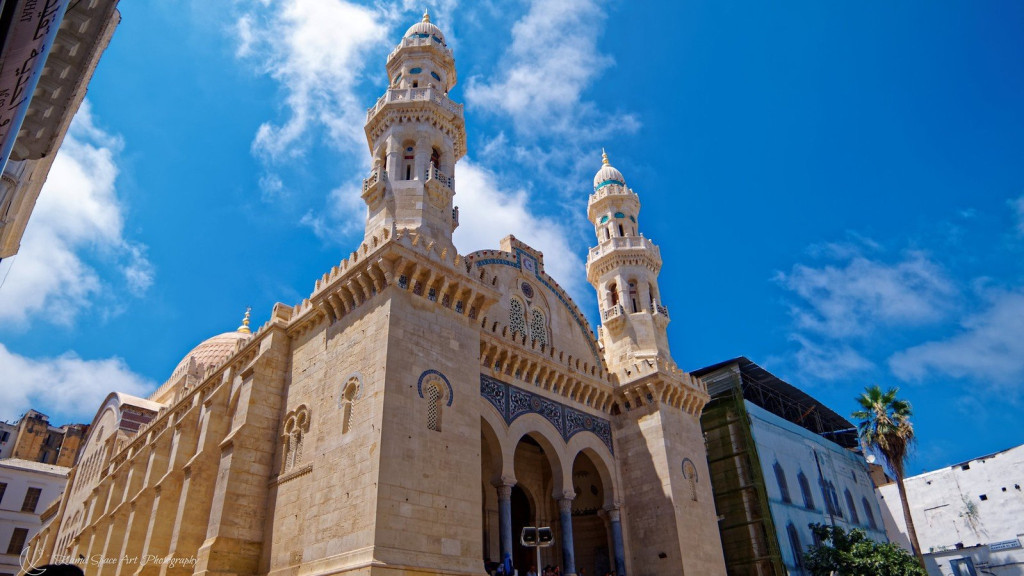
The Emir Abdelkader Mosque, completed in 1994, has two minarets of about 107 m and is the second-largest mosque in Algeria after the Great Mosque of Algiers. The Palace of Ahmed Bey, built between about 1825 and 1835, is the other big sight in town.

Two Roman towns on the UNESCO list (both inscribed in 1982) are within day-trip range: Djemila, about 110 km away, and Timgad, about 120 km, each under two hours by road.
If you only have time for one, we'd say Djemila has the more dramatic mountain setting and Timgad the more complete street grid. We've also written a full guide to the city.
The Kabyle Region: hiking the Djurdjura and village trails
Kabylie, the Tamazight-speaking mountain region east of Algiers, is the best part of northern Algeria for hiking. Few foreign tourists come, so the trails are quiet, but there's little tourist infrastructure either.
The region covers mainly the wilayas of Tizi Ouzou, Béjaïa and Bouira, between the coast and the Djurdjura range of the Tell Atlas. Expect steep hills covered in olive groves, with villages strung along the ridges.
Tizi Ouzou is the main town and a good base, with buses and shared taxis from Algiers. For the high mountains, head to Tikjda in Djurdjura National Park (created in 1983), where Barbary macaques live in the cedar forest.
Villages around Aït Bouadou and Maâtkas in Tizi Ouzou wilaya sit on steep hillsides with long views over the valleys. On the Béjaïa side, Ighzer Amokrane is a market town on the Soummam valley floor, on the main road between Algiers and Béjaïa. These are lived-in places, so ask before photographing people.
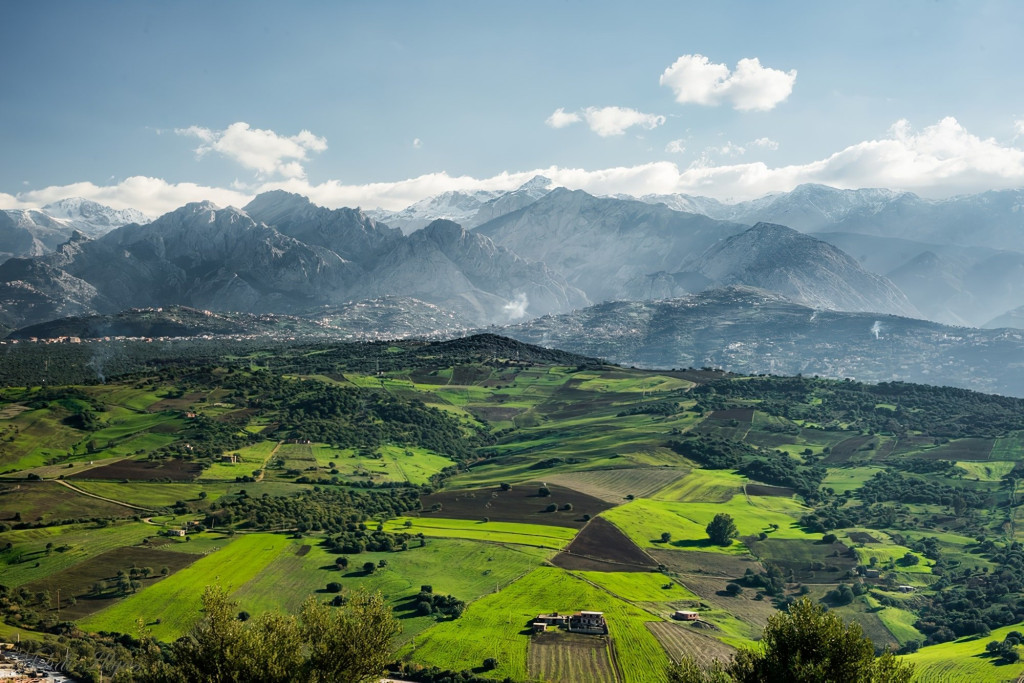
The trails run through oak and cedar forest, olive groves and high passes. The Djurdjura's highest point, Lalla Khedidja (2,308 m), is also the highest peak of the Tell Atlas.
Closer to Algiers, Djebel Bouzegza (about 1,030 m), in Boumerdès wilaya on the western edge of Kabylie, is a popular day hike with wide views over the hills.
One practical note: these mountains have little waymarking and few facilities, so hike with a local guide and tell your host where you're going.
Summer is wedding season, with Kabyle music and dancing in the villages, and the region is known for its pottery, woven rugs and the silver jewelry of Beni Yenni.
Algerian coastal villages: Béjaïa and the Kabyle coast
Outside July and August, the Kabyle coast between Azeffoun and Béjaïa is the quieter side of the Algerian seaside.
Azeffoun is a fishing port on the Tizi Ouzou coast. At Béjaïa, Gouraya National Park (created in 1984, a UNESCO biosphere reserve since 2004) covers the cliffs above the city, and the Cap Carbon lighthouse, built in 1906, stands about 220 m above the sea. East of Béjaïa, Tichy is a beach town with a long sandy beach.
The coast here alternates cliffs and small coves. Tichy and the beaches near Béjaïa get very busy in July and August, so for quiet swims come in June or September.

You can walk the cliff paths in Gouraya, swim off the rocks and eat grilled fish in the small ports. Béjaïa has an airport and a ferry port, and buses run along the coast road.
Tassili n'Ajjer National Park: rock art in the Sahara
Tassili n'Ajjer is a sandstone plateau in the far southeast, above the town of Djanet. It has been a UNESCO World Heritage site since 1982, listed for both its landscape and its rock art, and it is also a national park. Wind has carved the sandstone into arches, pillars and narrow canyons.
UNESCO counts more than 15,000 drawings and engravings, made over thousands of years from about 10,000 BC to the first centuries AD. They show wild animals, herds of cattle, hunters, horses and later camels, a record of the Sahara drying out. You'll often read that the paintings are 12,000 years old; that applies at most to the earliest work, and its dating is disputed.

You can't visit on your own. Trips into the park are run from Djanet by approved agencies with a guide, by 4x4 and on foot, and reaching the main rock-art sites takes several days. Don't pick up flints or potsherds: taking antiquities out of the country can lead to prison.
We'd put it at the top of any Sahara list, but it is a booked trip with an agency rather than a backpacking stop.
Djanet: Gateway to the Sahara
Djanet is an oasis town deep in the Sahara and the base for the Tassili and the Erg Admer dunes. It is a wilaya in its own right, and Air Algérie flies there from Algiers and, in the Sahara season, direct from Paris.
The town follows a palm grove along the wadi, with old quarters built of mud brick on the slopes above it.
From Djanet, agencies run 4x4 and camel trips to the dunes, the rock formations and the rock-art sites.

Djanet is a Tuareg town. The Tuareg are an Amazigh (Berber) people of the central Sahara, known for the indigo veil the men wear. Their Sebeïba ceremony, held in Djanet at Ashura and on UNESCO's intangible heritage list since 2014, next falls around 15 June 2027, in the heat of summer.
Tamanrasset: The heart of the Hoggar Mountains
Tamanrasset is the main town of the far south, nearly 2,000 km from Algiers by road and about two and a half hours by plane.
It sits below the Hoggar (Ahaggar), a volcanic massif of basalt peaks and plateaus. Mount Tahat, Algeria's highest peak, is usually given as 2,908 m.

The classic trip is to the Assekrem plateau (about 2,726 m), where Charles de Foucauld built a hermitage in 1911, for sunrise and sunset over the peaks. It's a long 4x4 drive from town, and nights up there are cold.
As in Djanet, you travel here with a licensed agency and local Tuareg guides, and on some routes the authorities assign a police or gendarmerie escort, which the agency arranges. Look up your government's latest advice for the Hoggar route you have in mind, and confirm your insurance covers it, before you pay a deposit.
Ghardaïa and the M'zab Valley
Ghardaïa is the largest of the five fortified towns (ksour) of the M'Zab Valley, about 600 km south of Algiers. The valley has been a UNESCO World Heritage site since 1982. Its towns were founded between about 1012 and 1350 by the Mozabites, who follow the Ibadi school of Islam.
The old town climbs a hill to the mosque at the top, with narrow lanes, white and ochre houses and a market square at the bottom. The carpets woven in the valley are one of the best things to bring home, and our guide to shopping in Algeria explains what else to look for.

The rules are strict. Beni Isguen, next door, can only be visited with a local guide hired at the gate, non-residents can't stay inside overnight, and photographing people, especially women, is not accepted. Cover shoulders and legs.
Ghardaïa makes a good base for two or three days. The other four ksour (El Atteuf, Bounoura, Melika and Beni Isguen) are all a short drive away, and the valley is cut into the Chebka, a rocky limestone plateau rather than sand dunes. Buses and flights connect it with Algiers.
Backpacker routes for one, two and three weeks
These routes use public transport in the north and a flight plus an agency trip in the south. Travel times are scheduled times, and trains often run late.
One week in the north
- Days 1 and 2: Algiers, the Casbah with a local guide, the Martyrs' Memorial and Notre-Dame d'Afrique.
- Day 3: Tipasa and the Royal Mausoleum, about 70 km west, by bus or shared taxi (about 1.5 hours each way).
- Day 4: Algiers to Constantine on the Coradia (about 6 h 45 to 7 h 30, three trains a week) or by coach or a short flight.
- Day 5: day trip to Djemila, about 110 km away.
- Day 6: day trip to Timgad, about 120 km away.
- Day 7: back to Algiers by plane or on the night train.
Two weeks: the north plus the Sahara
- Week 1: the route above, or swap Constantine for three days in Kabylie (Tizi Ouzou and Tikjda).
- Week 2: fly to Djanet (about 2 h 15) or Tamanrasset for a six- or seven-day agency trip in the Tassili n'Ajjer or the Hoggar, between October and April.
Three weeks
- Add Oran (about 4.5 to 5 hours on the Coradia from Algiers) and Tlemcen in the west, two or three days for both.
- Add Ghardaïa and the M'Zab Valley, about 600 km south of Algiers by coach, or a short flight.
- Finish with the week in the Sahara, flying back to Algiers for your flight home.
Hiking in Algeria
Northern Algeria has good walking and very few other hikers. Trails are rarely marked, so for anything beyond a forest stroll go with a local guide and tell your host your plans. The Sahara treks are only done with a licensed agency.
- Lalla Khedidja (2,308 m), Djurdjura National Park: the highest peak of the Tell Atlas, a long, hard day from the Tikjda area. Late spring to autumn; snow in winter. Guide recommended.
- Tikjda cedar forest, Djurdjura: easy to moderate forest walks where Barbary macaques live. Spring to autumn.
- Djebel Bouzegza (about 1,030 m), Boumerdès: a moderate day hike close to Algiers with wide views over the hills. Spring and autumn.
- Chréa, Blida Atlas: cedar forest above Blida, reached by road, or by the cable car from Blida when it is running. Easy to moderate; snow in winter.
- The Edough above Annaba: cork oak forest paths around Seraïdi (about 850 m), with the cable car up from town. Easy, all year.
- Gouraya National Park, Béjaïa: cliff paths above the sea and the climb to Yemma Gouraya (about 660 m). Moderate; best in spring and autumn.
- Assekrem (about 2,726 m), Hoggar: a short climb from the refuge for sunrise over the peaks, about 80 km from Tamanrasset by 4x4. Agency trip only, October to April.
- Tassili n'Ajjer, from Djanet: multi-day treks on the plateau with donkeys carrying the gear. Agency and Tuareg guide only, October to April.
Practical tips for backpacking in Algeria
A few things work differently in Algeria, and knowing them in advance saves time and trouble.
Safety, checkpoints and the south
Independent travelers we meet are often surprised by how relaxed and welcoming Algeria feels compared with what they had read online. In Algiers, Oran and Constantine the precautions are the everyday kind: watch your phone and wallet in crowded markets and on buses, and agree taxi fares before you get in.
Outside the cities, a few rules shape the trip. The deep south is visited with a licensed agency, and the remote border areas aren't on any normal itinerary. We only run trips on routes we have tested ourselves. A licensed local agency and its guides handle each one, and we have never had an incident on them.
The authorities take the safety of foreign visitors seriously. Expect checkpoints on intercity roads and, in some regions, police who ask about your plans or ride along for part of the way. It's routine: keep your passport handy and explain where you're heading.
In the south, traveling with a licensed agency is the rule rather than a choice, and it also means someone else deals with permits, escorts where they're required, water and fuel.
Emergency numbers: police 17 (or 1548), ambulance 1021 or 16, fire 14. Operators speak Arabic and French, so if you can, ask your host or guide to make the call.
For more detail, our full guide about safety in Algeria goes through it region by region.
SIM cards and local connectivity
A local SIM is cheap and worth buying on day one, mainly for maps and ride-hailing apps.
There are three operators: Mobilis (state-owned, with the best coverage in the south), Djezzy and Ooredoo. Coverage is good in the cities but, as the FCDO notes, patchy or nonexistent in remote parts of the Sahara.

You need your passport to buy and register a SIM. All three operators have shops at Algiers airport and in the towns.
Data is cheap. In 2026, about 1,000 to 1,500 DZD bought 10 to 50 GB for 30 days, depending on the operator and the offer. That's about 7.50 to 11 USD at the official rate, or 4 to 6 USD at the informal rate.
Hotels and cafés in the cities usually have Wi-Fi, but it is often slow.
Health, vaccines and insurance
Check with a travel clinic a few weeks before you go. The US CDC recommends being up to date on routine vaccines (including measles and a polio booster), plus hepatitis A and typhoid for most travelers, and hepatitis B and rabies depending on how you travel. Algeria was certified malaria-free by the WHO in 2019.
Pharmacies are easy to find in towns, and the big cities have private clinics. The main health risks for backpackers are the heat in the south, stomach upsets and road traffic. Take travel insurance with medical cover and evacuation that explicitly covers every region on your route, including the Sahara.
Where to stay in Algeria
Accommodation runs from international chain hotels in the big cities to simple family guesthouses in small towns. Backpacker hostels of the European kind are rare.
Algiers, Oran and Constantine have the widest choice, from chains to small budget hotels. In smaller towns there are fewer options and they are more basic, often family-run guesthouses.
International chain hotels charge international prices, and they are among the few places that take foreign cards, at the official rate.
Algeria has a network of public youth hostels (auberges de jeunesse), mostly used by Algerian students and groups. Some take foreign travelers and some don't, so call ahead. The other budget option is a homestay: staying with a family is the best way to see daily life, and we can put you in touch with host families in several regions.

A budget hotel or guesthouse room costs about 4,000 to 7,000 DZD a night (autumn 2026), more in Algiers. That's about 30 to 52 USD at the official rate, or 17 to 30 USD with cash changed at the informal rate.
Paying guesthouses in cash keeps costs down. Add food and transport, and a realistic daily budget for Algeria starts at around $25 to $45.
In the south, rooms are simpler. In Djanet and Tamanrasset most visitors sleep in guesthouses or desert camps arranged by their agency, and the cost is usually part of the tour price.
Rooms fill up in the desert around Christmas and New Year, on the coast in July and August, and around the two Eids, when Algerians travel to see family.
Book ahead for those dates. The Eid dates move about 11 days earlier each year, and our guide to public holidays in Algeria explains what to expect on each one.
What a backpacking day costs
Prices in autumn 2026, with US dollars at the official rate (about 134 DZD/USD, what a card pays) and the informal rate (about 237 DZD/USD).
| Item | DZD | USD, official | USD, informal |
|---|---|---|---|
| Budget hotel or guesthouse room, per night | 4,000 to 7,000 | 30 to 52 | 17 to 30 |
| Couscous or simple plate, popular restaurant | 600 to 1,200 | 4.50 to 9 | 2.50 to 5 |
| Bottled water, 1.5 liters | 35 to 55 | 0.26 to 0.41 | 0.15 to 0.23 |
| Algiers metro ride | 50 | 0.37 | 0.21 |
| Algiers tram ride | 40 | 0.30 | 0.17 |
| Airport train to central Algiers | 80 | 0.60 | 0.34 |
| Algiers to Oran, Coradia second class | 1,130 to 1,350 | 8.45 to 10.10 | 4.75 to 5.70 |
| SIM card with 10 to 50 GB for 30 days | 1,000 to 1,500 | 7.50 to 11.20 | 4.20 to 6.30 |
| Museum or Roman site entry | 200 to 300 | 1.50 to 2.25 | 0.85 to 1.25 |
| Tips for a Sahara crew, per traveler per day | 1,500 to 2,000 | 11.20 to 15 | 6.30 to 8.40 |
Our rough daily totals from these prices: about 6,000 DZD on a shoestring (a basic room, two simple meals, local transport and one entry ticket), which is about USD 25 with cash changed informally or USD 45 at the official rate. A more comfortable day with a better room and taxis comes to about 12,000 DZD, roughly USD 51 or USD 90. A Sahara week is priced separately by the agency, as a package.
What to eat in Algeria
Algerian food mixes Amazigh (Berber), Arab, Ottoman and French influences, and it changes a lot from region to region.
Expect soups and stews, grilled meat, bread at every meal and plenty of pastries. A few dishes worth looking for: rechta (fresh noodles in a white sauce) in Algiers, chakhchoukha (torn flatbread in a spiced tomato sauce) in the east, and mhadjeb (stuffed semolina crêpes) from street stalls everywhere.
Couscous is the staple, served with vegetables and lamb or chicken. It has been on UNESCO's intangible heritage list since 2020, shared with Algeria's Maghreb neighbors.
A plate of couscous or another simple dish in a popular restaurant costs about 600 to 1,200 DZD (autumn 2026), roughly 4.50 to 9 USD at the official rate or 2.50 to 5 USD at the informal rate. Rounding up the bill is usually enough, since tipping in Algeria works on small amounts, often 100 to 200 dinars.
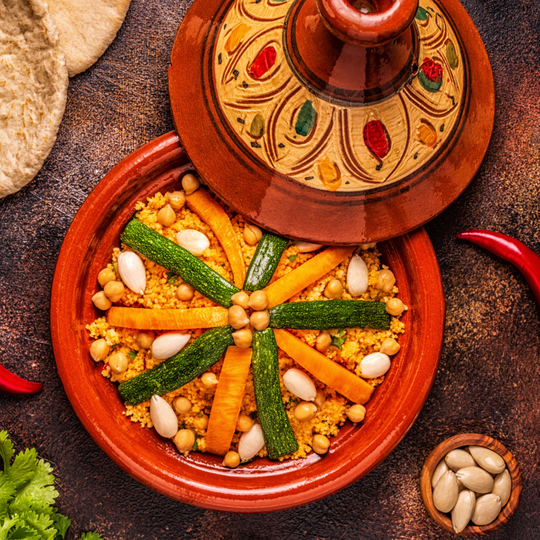
Algerian tajines are slow-cooked stews of meat (usually lamb or chicken) with vegetables, olives or prunes. For something sweet, look for makroud, diamond-shaped semolina pastries filled with dates and fried or baked, and kalb el louz, an almond and semolina cake soaked in syrup.
Most visitors drink bottled water. City tap water is treated, but supply and quality vary, and bottles are cheap: a 1.5-liter bottle cost about 35 to 55 DZD in shops in 2026.
In the desert, carry more water than you think you need, at least a few liters a day, and refill a reusable bottle from large bottles to cut down on plastic.
Respecting local customs in Algeria
Algeria is a Muslim country and fairly conservative, especially outside the big cities and in the south.
Public displays of affection beyond holding hands are frowned upon. Drinking alcohol in public is illegal, though you can buy it in licensed shops, hotels and some restaurants.
Women don't have to wear a headscarf, except inside mosques, but covering shoulders, cleavage and knees draws less attention, particularly in small towns.
Men should avoid shorts away from the beach.
The weekend is Friday and Saturday. On Friday many shops close, especially around the midday prayer, so don't plan errands for Friday lunchtime.
During Ramadan (expected to begin around 8 February 2027, depending on the moon), many restaurants close in the daytime and opening hours change. Don't eat, drink or smoke in public between dawn and sunset. Evenings are busy, with cafés open late after the fast is broken.
Be careful with cameras. Landscapes and historical sites are fine to photograph.
Ask before photographing people, especially women, and in the M'Zab don't photograph residents at all. Never photograph police, military or gendarmerie sites, checkpoints, ports, airports or government buildings. Leave the drone at home: you need official authorization to bring one in, and customs usually confiscates them on arrival.
Budgets, hostels, borders and vaccines
Can I really backpack Algeria on about USD 25 a day?
Yes, if you change cash informally: about 6,000 DZD covers a basic room, simple meals, local transport and an entry ticket (autumn 2026). Pay by card or ATM at the official rate and the same day comes to about USD 45. The Sahara is extra.
Will I find hostels, or is it hotels all the way?
Hardly any of the European kind. Most backpackers use budget hotels and family guesthouses at about 4,000 to 7,000 DZD a night, or a homestay through a local contact; some public youth hostels, mostly used by Algerian groups, accept foreigners if you call ahead.
I'm in Morocco. Can I go overland?
No. The land border between Morocco and Algeria has been closed since 1994, and the UK Foreign Office tells travelers not to try to cross it. From Morocco you have to fly. The only open land route for visitors is from Tunisia, by road or on the Tunis to Annaba train.
Which shots do I need before I go?
No vaccine is required for entry unless you arrive from a yellow fever country. The CDC recommends routine vaccines, hepatitis A and typhoid for most travelers, and hepatitis B and rabies for some trips. There is no malaria: the WHO certified Algeria malaria-free in 2019. See a travel clinic before you go.
Is any of the Sahara open to independent travelers?
Not the deep south. The authorities expect foreign visitors in Djanet, Tamanrasset and the Tassili to travel with a licensed Algerian agency, and the national parks need a guide anyway. You can travel independently to northern Sahara towns such as Ghardaïa, though police at checkpoints may ask about your plans.
Is Algeria a good destination for backpackers?
Yes, if you're comfortable with some friction: a visa that takes weeks, cash for almost everything, little English outside the cities, and agency-only travel in the Sahara.
In return you get Roman towns with few other visitors, cities where foreign tourists are still unusual, and some of the best desert scenery in the Sahara.
For a first trip of two weeks, we'd spend the first week in the north (Algiers, Constantine with Djemila or Timgad, and a few days in Kabylie) and the second on an agency trip to Djanet or Tamanrasset, sometime between October and April.
Start with the visa, since it's the slowest step. The Sahara part needs a licensed agency anyway: we arrange desert trips with local guides, cooks and drivers through licensed Algerian partner agencies, and the agency's invitation and itinerary can support your visa application.


