


You land in Algiers and open your wallet to find a thick stack of dinars while your brain tries to calculate the cost of a simple coffee in your home currency. This immediate math fatigue is a common experience for travelers in Algeria because the currency feels large and the payment systems vary wildly between neighborhoods.
That is why our team at WildyNess created this guide to give you a clear, realistic breakdown of what you will actually spend on the ground.
Daily Spending Tiers for Every Traveler in Algeria
Your total cost in Algeria depends heavily on your preference for comfort and how much ground you intend to cover. While the country is generally affordable compared to Europe or North America, specific choices in lodging and transport can shift your daily average significantly.
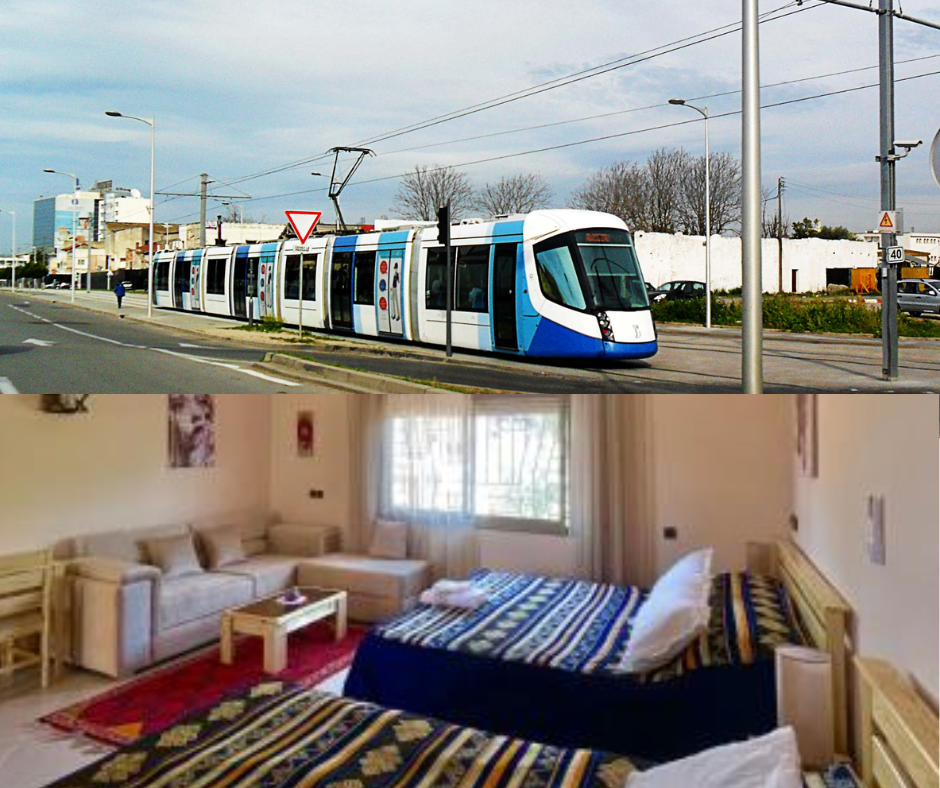
The budget traveler should expect to spend between $30 and $60 per day. This tier involves staying in simple guesthouses or budget hotels that cost roughly 3,500 to 6,000 DZD per night. You will primarily eat at local street food stalls and use the extensive public metro and tram networks in the cities. By keeping your activities DIY and sticking to local transport, you can see the major sights without straining your finances.
The mid-range traveler typically budgets between $70 and $140 per day. This budget allows for comfortable three-star hotels, more frequent use of ridesharing apps, and sit-down meals at established restaurants. You will have enough flexibility to hire a local guide for a day in the Casbah or take a domestic flight to save time on long-distance routes. This is the most common lane for visitors who want a balance of authentic experience and modern convenience.
The luxury traveler should plan for $200 to $350 or more per day. This covers stays at international hotel chains or high-end boutique properties in the capital. It also includes private drivers for regional excursions and all-inclusive desert tours that prioritize comfort in remote locations. Even at this level, Algeria offers high value for the service provided.

Navigating the Algerian Dinar and Cash Logistics
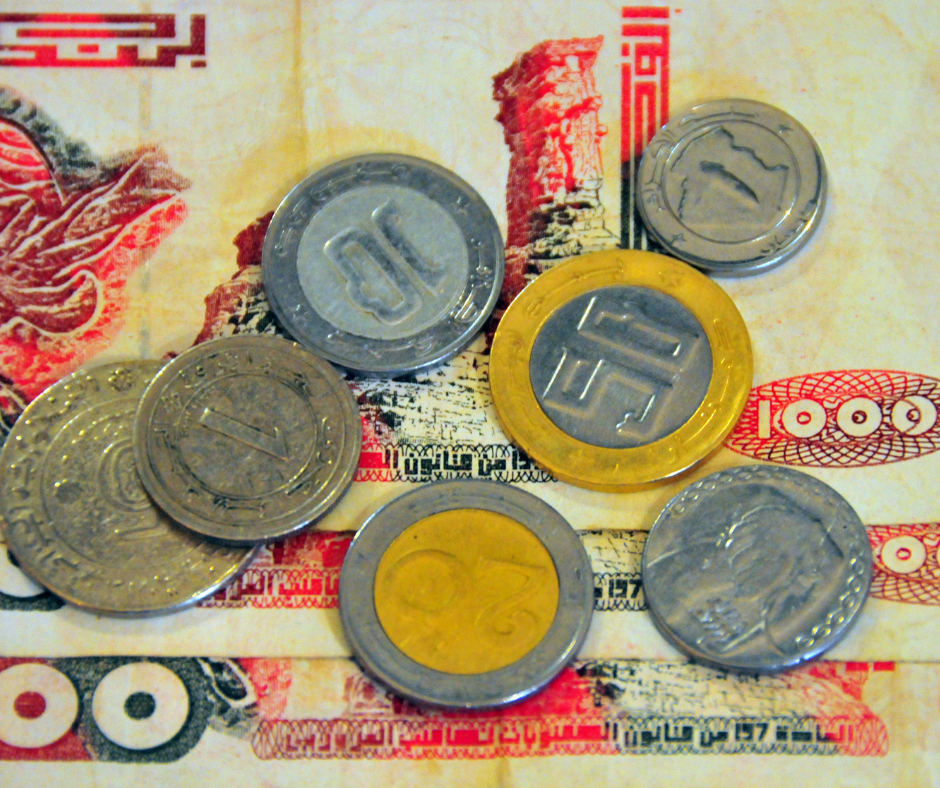
The Algerian Dinar is the only currency used for daily transactions and cash is the primary way people pay for things. While high-end hotels and some businesses in Algiers or Oran accept international cards, you will find that guesthouses, taxis, and local markets are strictly cash only. You should plan to carry enough physical currency to cover your daily needs plus a small reserve for emergencies.
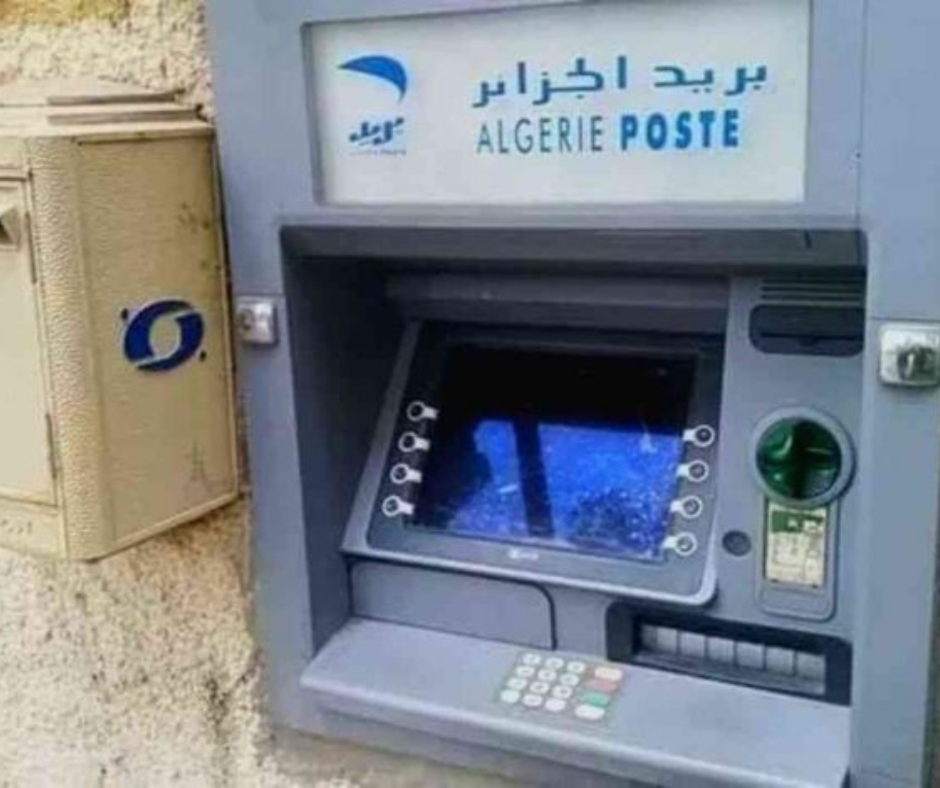
You will find ATMs in all major urban centers, usually located inside or near bank branches for better security. However, it is a smart strategy to arrive with a backup supply of euros or US dollars. Official exchange offices and banks are the only legal way to convert your money. You may hear about a parallel market offering higher rates, but we strongly advise sticking to official channels to remain compliant with local laws and ensure your trip stays hassle-free.
For daily spending, try to keep a mix of smaller denominations. High-value notes can be difficult for small shop owners or taxi drivers to change. When you need to withdraw more cash, do so in larger cities before heading to remote areas like the Sahara or the Aurès Mountains, where ATMs can be scarce or out of service.
Accommodation Costs Across Algeria
Hotels
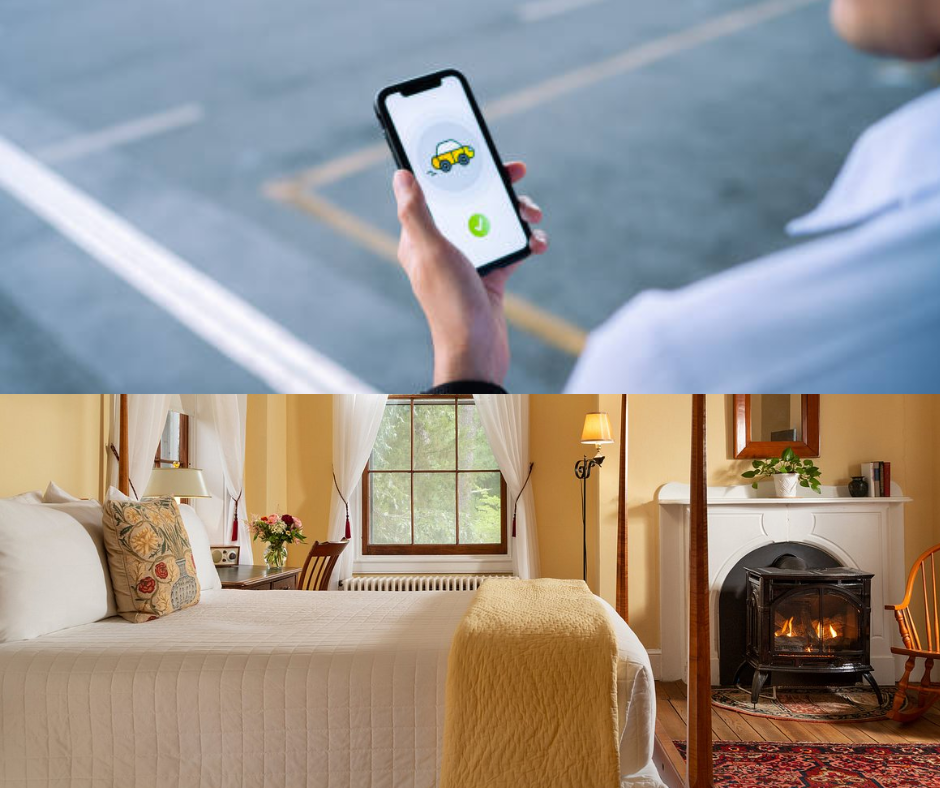
Lodging is the most significant part of your daily budget and prices vary based on the city and the season. In Algiers, you can find a clean, basic private room in residential areas like Kouba or Hussein Dey for $20 to $40 per night. If you want a specific option in this range, Hotel Samir in Algiers offers tidy rooms in a convenient location for $40 a night. These spots often include breakfast and offer a more local feel than the busy city center.
Mid-range hotels in cities like Constantine or Oran usually range from $50 to $90 per night. These properties typically offer better Wi-Fi, air conditioning, and professional service.
If you are looking for brand-name luxury or historic boutique stays, prices start at $120 and can exceed $250 in the heart of the capital. The Sofitel Algiers Hamma Garden sits at the top of this range, from $150 to $250 a night for first-rate service and skyline views. In Oran, the Royal Hotel offers a similar level of comfort with a touch of history, starting around $200 a night.
Guesthouses
For a more traditional stay, family-run guesthouses across the country offer real value. Auberge des Ruines in Timgad sits right next to the Roman ruins and serves local dishes.
Ti-Massine, tucked in a palm grove near the Erg, blends traditional design with modern comfort.
Dar el Hamra in the M'zab Valley puts you inside a working oasis town.
These guesthouses typically run $25 to $50 a night and often include a home-cooked meal with your host.
Sahara Camping
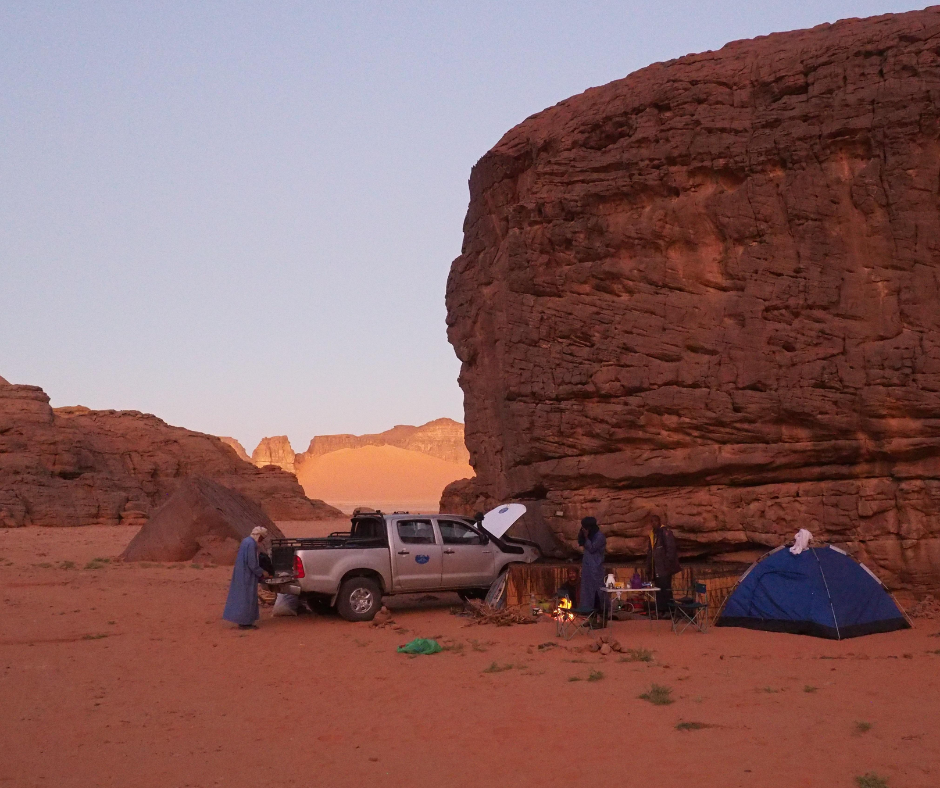
If you want a night under the stars, camping is worth considering. Sahara Camp near Taghit puts you right in the dunes, with basic amenities and guided activities included.
In the El Oued region, local guides can set up a similar desert camping trip. Both options run $30 to $100 a night, guide included.
Couchsurfing
Couchsurfing is the cheapest way to stay in Algeria, and sometimes the most memorable. Hosts often share meals and daily life with you, not just a room. Pick a host carefully: look for detailed reviews and someone who lives with family. It costs nothing beyond a thank-you gift or a shared meal, so it is worth keeping in mind if you are traveling on a tight budget.
We recommend booking your experiences and stays at least a few weeks in advance during the peak winter season.
Dining and Food Expenses in Algeria
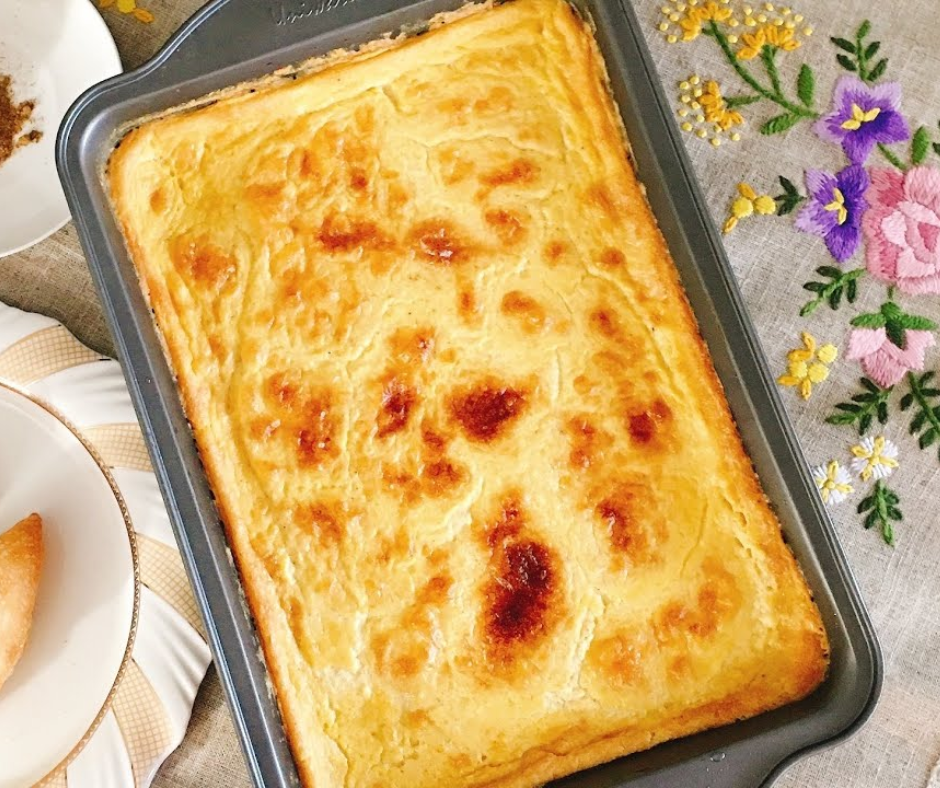
Food in Algeria is one of the best ways to save money while still enjoying the culture. If you eat like a local, your food costs will be surprisingly low. A typical street food meal consisting of a mahjouba (a spicy stuffed pancake) or a portion of larantika (a chickpea-based flan) costs between 150 and 300 DZD (max of 1.5 euros). These are filling, delicious, and available on almost every corner.
Bourreks (stuffed pastries) and briks fall in the same range, and you will find them everywhere from the Corniche to the Casbah.
For a mid-range dining experience, a three-course meal in a local restaurant usually costs between 1,200 and 2,500 DZD per person. You can expect traditional dishes like couscous, tajine, or fresh Mediterranean fish along the coast.
Chakchouka, a tomato and egg stew, is a filling classic in this range too. Adventurous eaters can try camel meat or snails at the night markets for a similar price.
A simple coffee or a glass of mint tea at a cafe will cost you about 60 to 120 DZD.
To stay hydrated, a 1.5-liter bottle of water from a small shop is roughly 30 to 50 DZD.
For something sweet, baklawa or kalb el louz (a semolina cake) runs about 100 to 150 DZD a piece. Zlabia, a syrupy fried treat, costs as little as 20 to 30 DZD.
We suggest budgeting about $10 to $20 per day for food if you are mixing street food with one nice sit-down meal. This allows you to sample the diverse flavors of the country without overthinking the cost.
For a better idea on food in Algeria, we suggest reading Algeria Food Tour: An Authentic Guide to Local Flavors & Street Food
Getting Around on a Budget in Algeria
Public transport in Algerian cities is exceptionally affordable. In Algiers, the metro and tram systems are modern and efficient. A single ride costs 50 DZD, and a 24-hour pass is 150 DZD. This is the fastest way to bypass the heavy traffic of the capital. Local buses are even cheaper, often costing less than 30 DZD per trip, though they can be crowded and difficult to navigate without some French or Arabic.
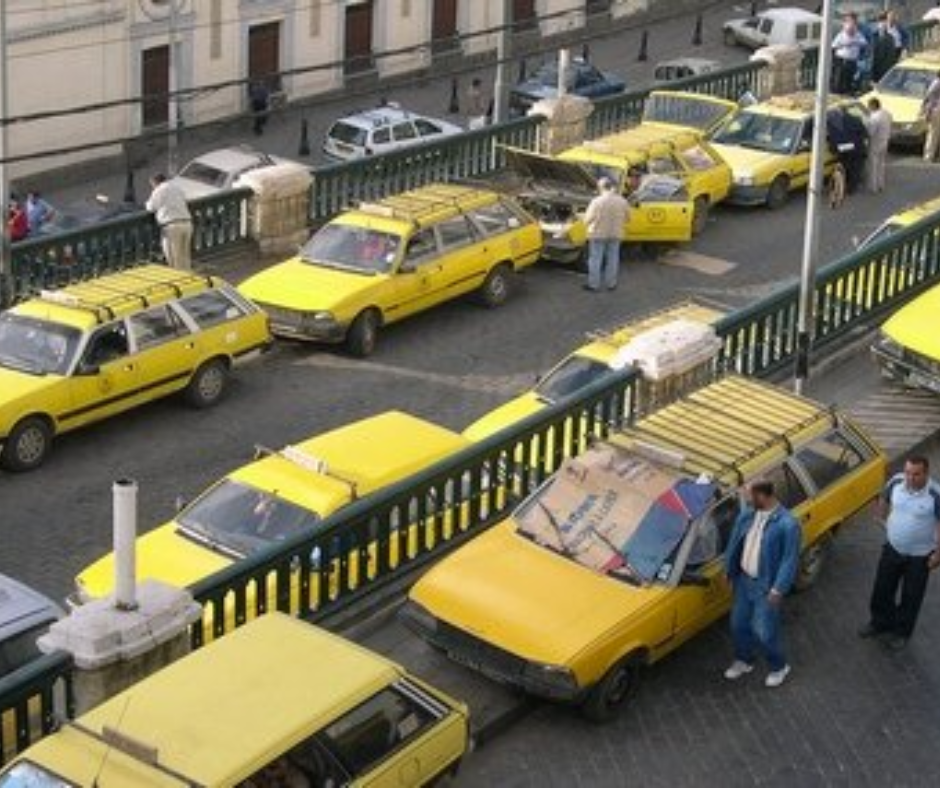
Taxis are plentiful but rarely use meters. You must agree on the price before you get into the car. A short ride within the city should cost between 300 and 600 DZD. To avoid the stress of price negotiation, we recommend using ridesharing apps like Yassir or Heetch. These apps provide a fixed price in advance and are generally considered safer and more transparent for international travelers. Note that while you book through the app, you still pay the driver in cash at the end of the ride.
For intercity travel, you have three main options. Large coaches are the most budget-friendly, connecting all major towns for a few hundred dinars. Shared taxis, known as louages, are slightly more expensive but faster because they depart as soon as they are full. If you need to cover the long distance between the north and the Sahara, domestic flights are the best choice. A round-trip ticket from Algiers to Djanet or Tamanrasset usually costs between $60 and $120, which is a worthwhile investment to save two days of driving.
Sahara Tours and Major Excursion Costs in Algeria
The Sahara Desert is the highlight of many trips to Algeria, but it requires specific budgeting. Because of the logistics involved, most travelers join an organized tour. A standard 7 to 10 day expedition into the deep south typically costs between $500 and $900 per person. This price usually includes 4x4 transport, all meals, camping equipment, and the services of local guides and cooks.
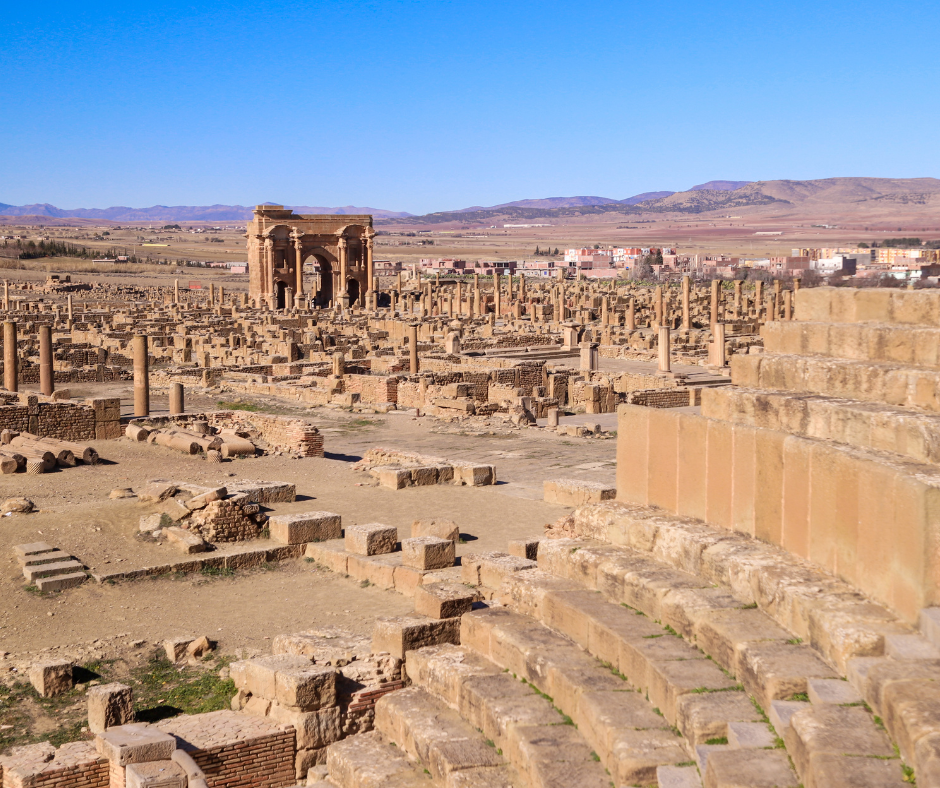
If you are visiting historical sites in the north, entry fees are very low. Tickets for the Roman ruins of Tipaza, Timgad, or Djemila are generally under $10 USD. In Algiers, the Bardo Museum and the Martyrs' Memorial charge a similar small fee, usually 200 to 500 DZD.
Hiring a private guide at these sites for a few hours will usually cost between 2,000 and 4,000 DZD. This is a great way to support the local economy while gaining a deeper understanding of the history.
Berber villages make for a memorable day trip too. Guided tours usually run 5,000 to 10,000 DZD ($35 to $75), transport and a local guide included. Meals along the way cost 500 to 1,500 DZD, and an overnight in a village guesthouse adds another 2,000 to 5,000 DZD.
If you are planning your trip right now, these experiences may be helpful to you.
Upfront Costs: Getting There, Visas and Data
Before anything else, budget for the flight itself. From Europe, expect to pay $100 to $400 depending on the season. Longer routes from the US typically run $600 to $1,200. Booking a few months out and flying midweek keeps you on the lower end.
If you are coming from Europe, a ferry is a solid alternative, especially if you are bringing a car. Algiers, Oran and Bejaia are the main ports, with regular service from Spain, Italy and France. A one-way ticket runs $100 to $300 depending on the route and class.
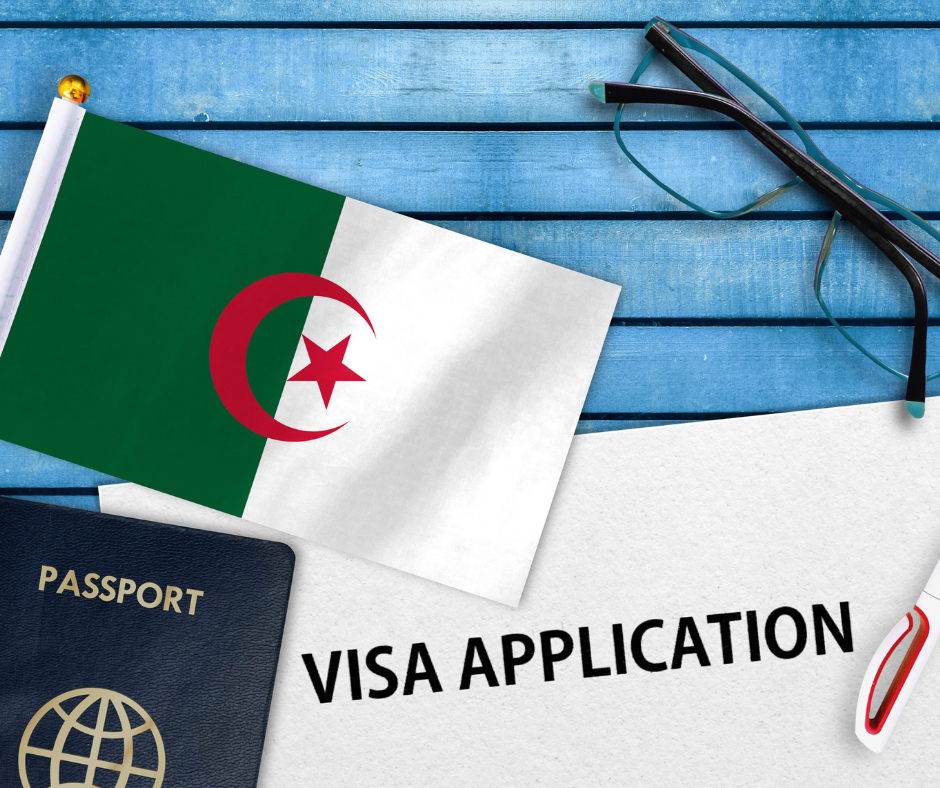
Before you leave home, you must account for the visa fee. Most nationalities require a visa to enter Algeria, and the cost depends on your passport. For US citizens, the fee is typically $160. Many European travelers pay between €115 and €130 for a standard tourist visa. Always check with your local consulate for the most current pricing and requirements, as these can change.
Read all about Algerian visa in Your Guide to Algeria: Visa, Safety, and Security
Travel insurance is worth adding to your list of upfront costs. Plans typically run $50 to $150 per person, or about 4 to 12% of your total trip cost. It covers the basics: medical emergencies, trip cancellation and lost luggage.
Once you arrive, getting a local SIM card is the most cost-effective way to stay connected. You can buy a SIM card from providers like Mobilis, Djezzy, or Ooredoo at the airport or in any city center for a small fee. A large data package of 50GB to 100GB usually costs around 2,000 to 3,000 DZD. This is much cheaper than using international roaming and ensures you can use ridesharing apps and maps throughout your stay.
Tipping and Social Etiquette
Tipping is not mandatory in Algeria, but it is highly appreciated for good service. In casual restaurants or cafes, rounding up the bill or leaving an extra 100 to 200 DZD is a kind gesture. In more upscale restaurants, a 10% tip is standard if the service was excellent.
For tour guides and drivers, tipping is more common. If you are on a multi-day desert tour, a tip of 500 to 1,000 DZD per day for the lead guide and a similar amount to be shared among the support staff is a respectful way to show your gratitude. For hotel bellboys or cleaning staff, 100 to 200 DZD is an appropriate amount.
Final Thought about Daily Costs
Managing your budget in Algeria is about understanding the local cash economy and choosing the right transport for the distance. By prioritizing local food and using a mix of public transit and ridesharing apps, you can keep your daily spending low while still enjoying high-quality experiences.
IF you still have questions or you want help planning your Algerian trip for local travel experts, this page where you describe your ideal trip may be very helpful for you.
Also read: How Cheap is Algeria & How Much Does It Cost to Visit It?


