As the largest country in Africa, Algeria is an attractive destination to explore. You'll completely enjoy Algeria's abundant beauty and cultural heritage with proper preparation.
Visiting this country is no different than visiting any other destination. Precautions and meticulous planning are always required.
Prioritizing safety and security in your travel plan to Algeria is totally rational. It’s only natural to seek information on all aspects before your visit to avoid any risks of travel.

We highly encourage you to read this guide we compiled, thoroughly. It will help you get further information on safety in Algeria before visiting.
We promise an honest report on safety in Algeria and give you essential travel tips to follow.
Safety situation in Algeria
While challenges exist, Algeria's safety situation is far from catastrophic. Similar to all other countries, it is proactively implementing security measures to improve safety for all.
In fact, Algeria is a zero-tolerance country for violence. It has a large number of local police officers and security forces.
Visitors and foreign nationals, particularly Westerners, are treated with great care.
All you need to know about safety in Algeria:
Safety worries have increased in Algeria in recent years as a result of growing criminal activity and possible attacks.
Yet, the security level in Algeria depends on the region you plan to visit.

-
Security in major cities:
While traveling, you will likely visit larger cities and public places. Major cities have witnessed an improvement in safety in recent years, such as Oran and Algiers. It's where local authorities work alongside security forces to guarantee the safety of both foreigners and Algerian citizens.
However, petty theft, such as pickpocketing, can occur especially in busy areas such as public spaces and tourist attractions.
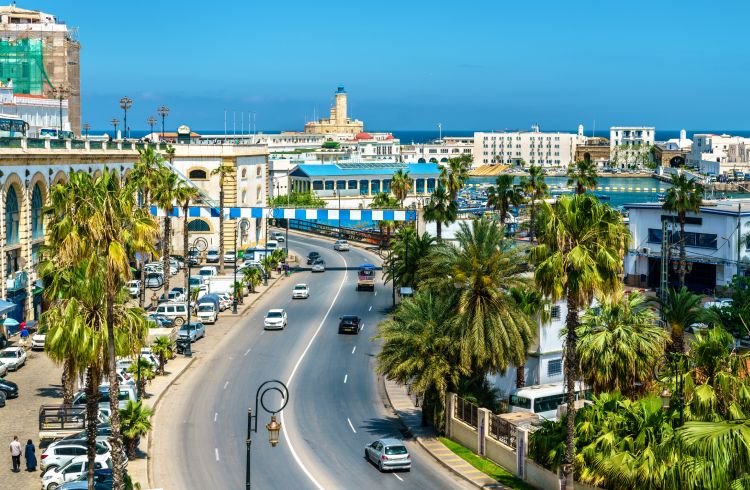
We highly recommend keeping personal belongings secure and avoiding displaying expensive items. It's indeed the same reflex you should have in all the other crowded places around the world.
-
Security in border regions:
Tourists are generally not allowed in these places. There are some active terrorist organizations. Yet, they mostly operate in areas that share borders with Libya, Mauritania, Mali, and Niger.
The FCDO travel advice recommends avoiding all travel within 30 kilometers of Algeria’s borders with these countries.

The Algerian government has designated certain areas as no-go zones due to their security situation.
Furthermore, there have been reports of terrorist attacks in a few remote regions, most notably the Sahara Desert. Kidnapping is a potential high-risk in these areas.
Should these concerns hold you back from visiting?
Definitely not! Algeria, the largest African country, is a promising adventure to live. If you’re traveling from foreign countries, you should just take necessary precautions to ensure their safety.

Even terrorist activities have mostly targeted the state of Algeria. The few cases involving foreign nationals are rare.
Following a well-planned itinerary, will help you be far from remote areas, or those with a high threat of terrorist attack.
Solo female travelers
Traveling alone as a woman in Algeria can come with its challenges. If you’re a solo female traveler, you run the risk of being harassed or catcalled. No need to be alarmed by that!
If you feel threatened, don't be afraid to draw attention to yourself by yelling. Your safety comes before manners.
If you have previously taken solo trips to Egypt and India, you will have enough experience to adjust in Algeria with ease. Like any other Arab Muslim country, Algeria requires a certain level of cultural adaptation.
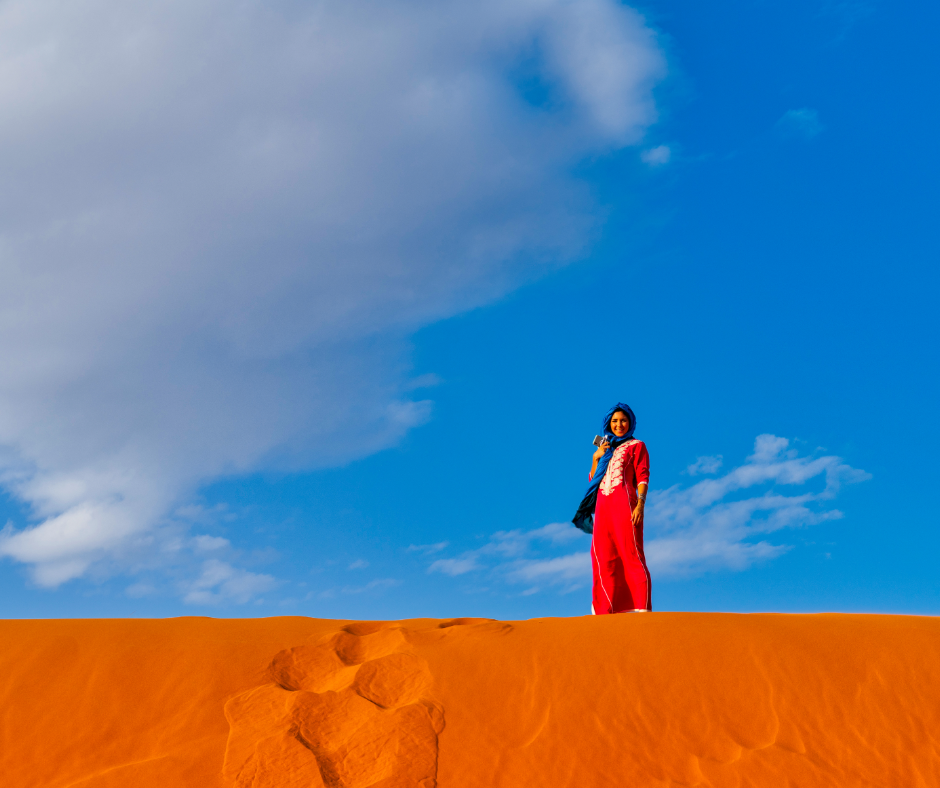
Remember that understanding local customs is key to a comfortable and safe stay. Modest attire is typically expected.
Jason Billam Traveler
Covering your arms, legs, and shoulders will help you blend in and avoid unwanted attention. You might also want to avoid wearing a lot of jewelry or carrying big amounts of cash.
To keep things smooth, avoid wandering off solo, especially in unknown spots. It's safer to go exploring in a group with friends or locals! Not to mention that sharing the adventure is usually more fun.
Stick to daylight hours during outdoor activities. If you take a taxi, the back seat can provide an additional degree of comfort. If you feel in danger or fear for your safety, call the local police.
Healthcare situation and essential health tips to follow
It's crucial to remember that, like to other countries, Algeria has health precautions to take into consideration during your stay.
You can have a safer and more comfortable trip if you stay informed of the possible health risks, including serious diseases.

Consulting a travel health professional prior to your trip about recommended vaccines or prescription medication is a smart idea.
-
Vaccinations:
Following vaccines is advised by the World Health Organization. Consider getting vaccinated against typhoid, hepatitis A, and hepatitis B to stay healthy and enjoy the exquisite traditional food.
Getting vaccinated is also recommended if you're traveling to an area where cholera has been detected, particularly in light of the major outbreak that occurred in the northern parts of Algeria in 2018 such as Tipaza, Alger, Médéa or Aïn Defla.
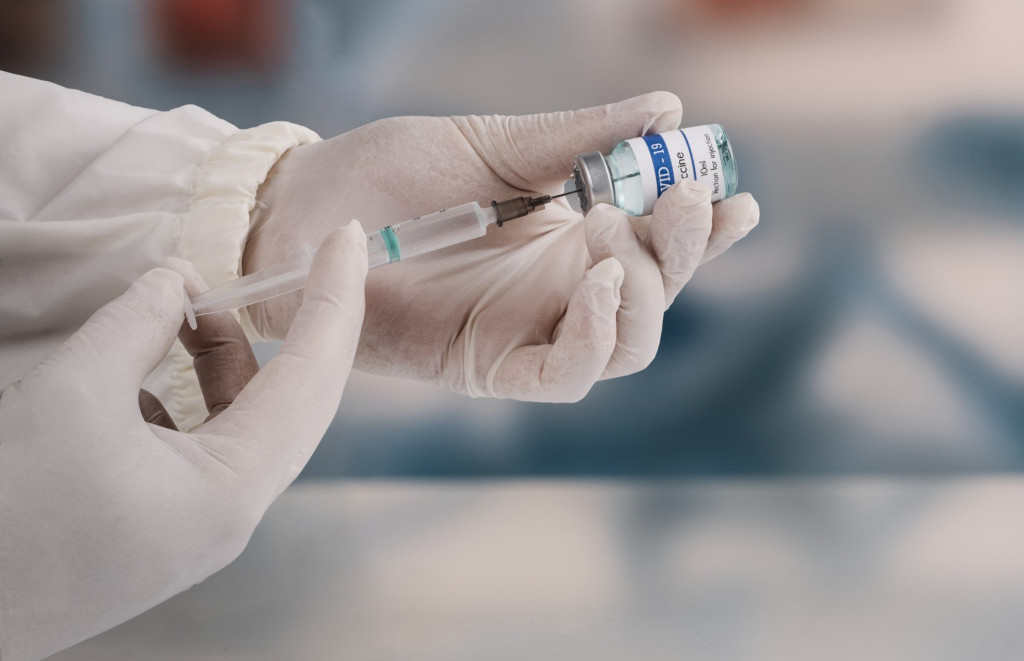
A further booster can give you extra peace of mind throughout your trip, especially given the rise in polio incidence worldwide.
Make sure you have your vaccination records on hand if you're traveling from a yellow fever risk region. Additionally, rabies vaccination is advised for people who may interact with animals or spend more time in high-risk environments.
Although yellow fever does not occur in Algeria, an official yellow fever vaccination certificate may be required depending on your itinerary.
You can find more information on the WHO website.
-
Tips to stay safe:
Prepare a travel health pack so you can take care of minor medical conditions while you're out and about.
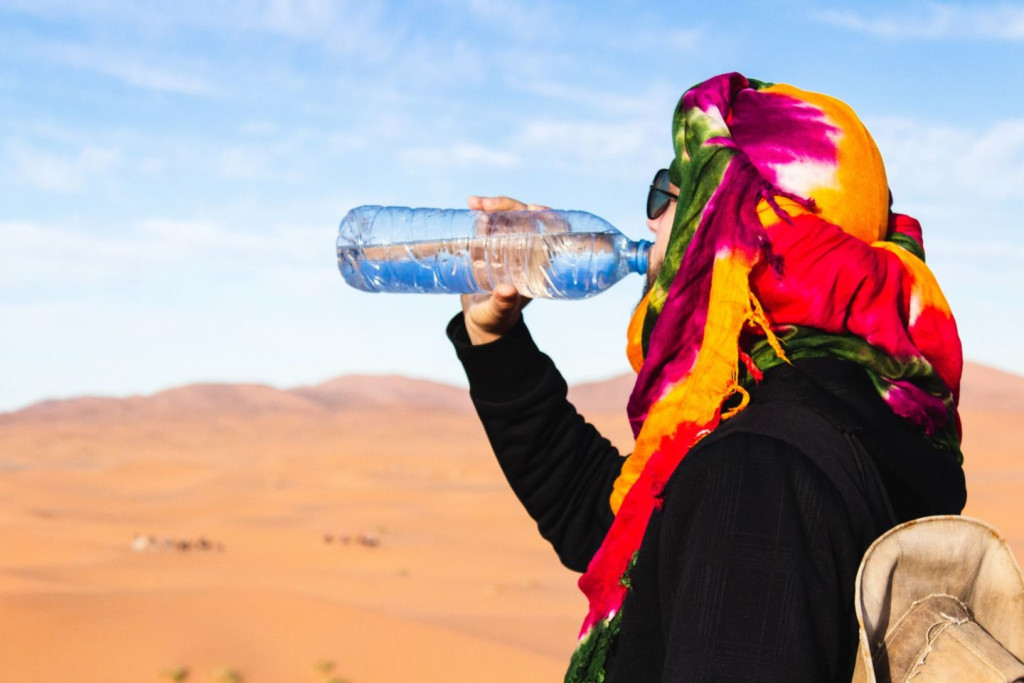
We also recommend drinking only bottled water and avoiding street food if unsure of its safety. Consider using mosquito repellents as well.
Don't forget to prepare appropriate travel insurance to cover any medical emergencies. It is also ideal to get informed about accessing emergency services during your stay.
Access to health care is not always equal. Note that like most countries, healthcare facilities in urban areas are better than rural areas.
As public medical facilities may be limited, consider heading to private clinics for better care.
Natural disasters and key precautions
Like many countries in the region, Algeria may occasionally experience natural events like floods, forest fires, and earthquakes. However, these occurrences are infrequent, so there’s no need to let them discourage you.
While these natural events are infrequent, it’s always a good idea to stay informed and prepare ahead of time. To guarantee a smooth and pleasurable journey, familiarize yourself with local conditions and safety precautions.
Algeria frequently experiences water shortages, especially from April to October. This is mostly because growing demand has an influence on basic services during dry summers.
Demonstrations may occasionally result from these shortages. It's a good idea to have extra fresh water on standby.
The Kabylie region in northern Algeria for example, is a captivating destination. Yet, you need to take specific precautions before visiting, to ensure your safety during catastrophic events.

Regularly check the local news and weather reports. Recognize safe zones and emergency exits. Don't forget to keep a map on hand or get offline maps.
Always keep a charged power bank, first aid supplies, and a flashlight in your emergency kit. Bottled water is essential to stay hydrated.
Keep out of fire-prone locations and respect restricted areas. Follow the advice of your tour guide and the local authorities.
You should also maintain a list of emergency contacts for security, fire departments, and hospitals.
Sahara Desert and adventure tourism
Algeria's Sahara Desert offers amazing chances for adventurous travel enthusiasts. Huge sand dunes, diverse cultures, and expansive vistas are all available to visitors. Yet, safety is crucial when exploring this area.
Traveling with competent tour guides is strongly advised. Organized tours guarantee secure exploration, experienced guides, and safe transportation.
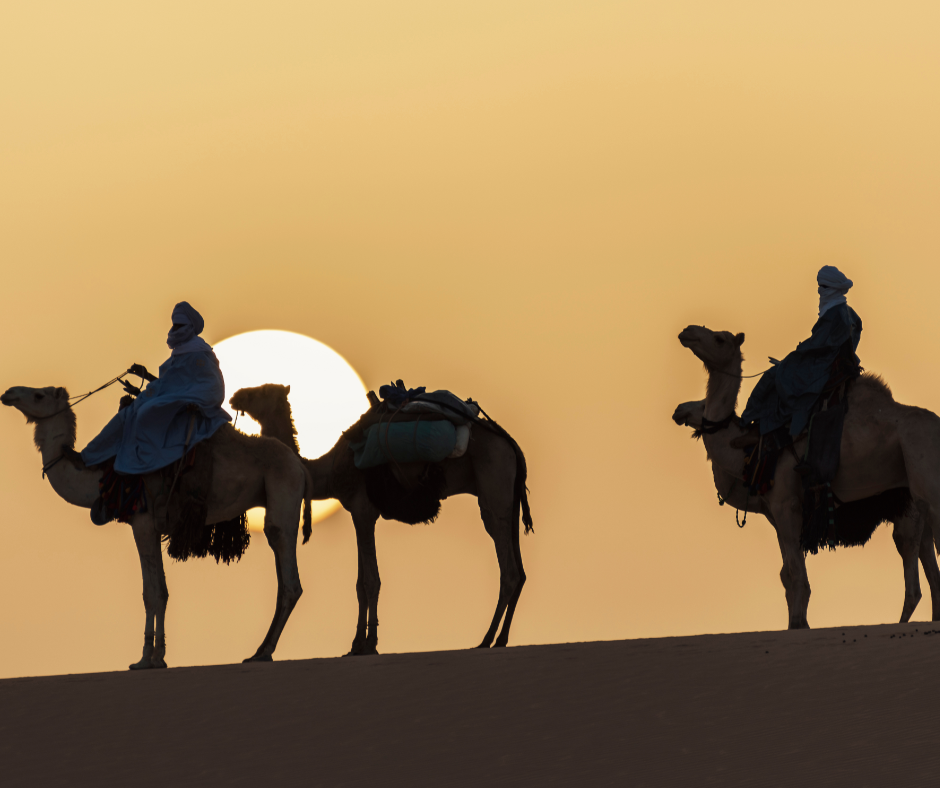
You should be fully prepared. Since dehydration presents a major problem in the desert, you should pack plenty of bottled water.
To keep yourself off the intense sun, wear sunglasses, sunscreen, a hat, and light-colored, long-sleeved clothes. Scheduling your activities for early in the morning or late in the afternoon is a great idea to avoid the intense midday heat.
Ensure to obtain travel insurance that includes medical evacuation and helicopter rescue.
It is important to stay away from sandstorm-prone locations and follow the guide's recommendations for safe routes. Make sure you're physically fit and ready for the activity. It’s smart to recognize the signs of heatstroke and dehydration.
Inform a family member, a friend or your host about your itinerary and expected return. Get full information about the activity before heading off and keep yourself updated on the weather and potential dangers.
By taking these basic safety measures, your journey in the Algerian Sahara may be memorable and risk-free.
Security measures to keep in mind
To improve your safety when traveling in Algeria, you can take specific security measures.
- Before you head across the country, make sure to verify the most recent directives from both local authorities and the Algerian government.
- For a safe stay, select hotels with robust security measures.
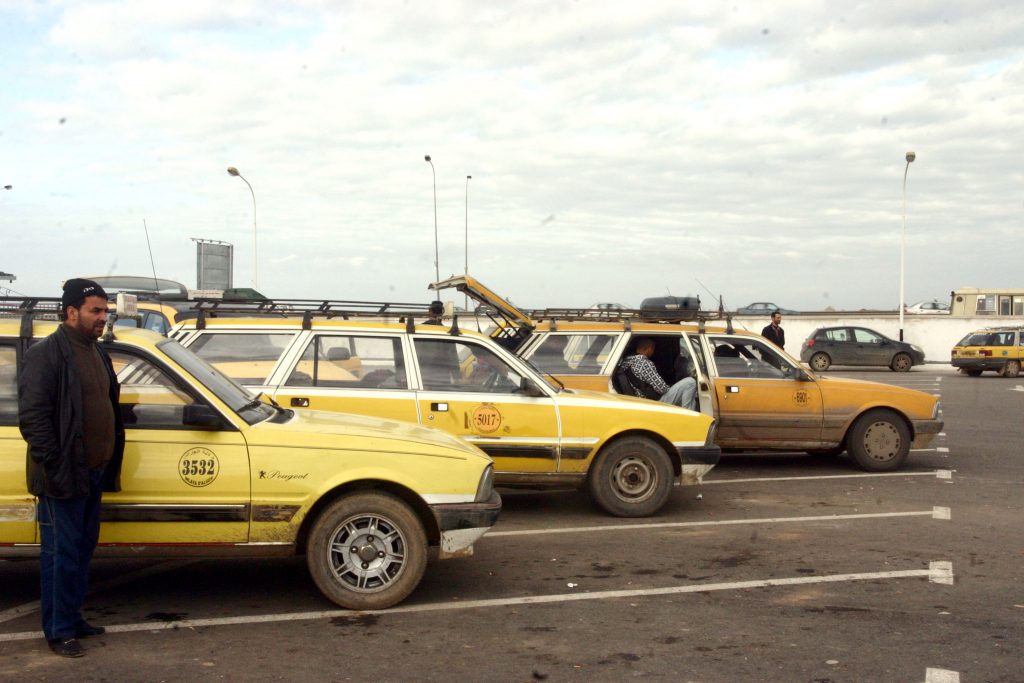
- Rather than accepting rides from strangers, it is best to use the taxi service based on your hotel recommendations.
- For added safety, consider hiring a knowledgeable travel tour guide. Don't forget to let your hosts or hotel know your itinerary. Don’t forget to keep your phone and charger close at hand at all times.
- Avoid unknown places, especially in rural areas and after dark is essential.
- It's not recommended to carry valuables or big sums of cash.
- You should also limit walking for long distances.
- We also recommend keeping up with the latest news by joining local social media groups and following the news.
- When in Algeria, you can use landlines or cell phones to call the following numbers to reach emergency services:
- Fire Department: 14
- Police: 1548
- Algerian National Gendarmerie: 1055
Local customs to respect
As part of the Islamic Maghreb, Algeria is marked by cultural customs and Islamic values. Religion has a significant influence on local customs, whether by daily prayers, modest dress, or hospitality to guests.
You can have a more favorable experience and a greater understanding of Algerian culture by respectfully engaging with local customs.
Public behavior expectations
Public displays of affection in public are not appreciated. Customs can be even more conservative in rural regions than they are in bigger towns like Algiers.
Although alcohol is not prohibited in Algeria, the country's 99% Muslim population regards it with suspicion. Your best option for enjoying a drink is to head to one of the international hotel bars.
You can pay a visit to the Sofitel or Radisson Blu, which are both less than two miles (3 km) from the city center. You should avoid drinking publicly during the holy month of Ramadan.
Note that public displays of affection, like holding hands or kissing, aren’t socially accepted.
Remember that there are severe consequences for using, possessing, or dealing in prohibited substances. Offenders risk jail time and huge penalties.
Furthermore, keep in mind that Algerian law does not recognize same-sex relationships, and that those who identify as LGBTQI+ may face discrimination or imprisonment.
Always carry photo identification with you in case Algerian authorities request to see it. Having a photocopy of your passport and visa on hand is also a good idea in case they get lost or confiscated.

Finally, taking pictures of critical locations is forbidden, including government buildings, military sites, and bridges. Prior to taking pictures of official buildings or people, always get permission.
Holy month of Ramadan
For Muslims, Ramadan is a holy month in which they fast every day from dawn to sunset. Out of respect for those who are fasting, avoid drinking, smoking, or chewing gum in public throughout the day during this month.
Shouting in public, dancing, or playing loud music can also be viewed as culturally inappropriate.
You can get further information from the personnel at your hotel, your tour guide, or your local contacts. It's an exciting experience to immerse yourself in the local customs and rituals throughout this month.
The majority population of Algeria is Muslim. Therefore, travel plans and opening hours may change during the holy month of Ramadan.
Plenty of businesses and open spaces close during daylight hours. Public transportation schedules can also be impacted. Prepare your activities accordingly.
What you need to know before visiting Algeria
Transportation in Algeria
Algeria offers a variety of public transportation options. You can choose from buses, planes, trains, trams, and the metro in Algiers.
Some public and private vehicles can be poorly maintained. Avoid using local or intercity buses solo, since petty theft and sexual harassment incidents occasionally happen there. You can use reputable tour operators instead.
The Algerian Railway Company (SNTF) is in charge of operating trains. They provide frequent and comfortable connections to multiple cities from Algiers including Oran, Tlemcen, Annaba, Constantine, and Bejaia.
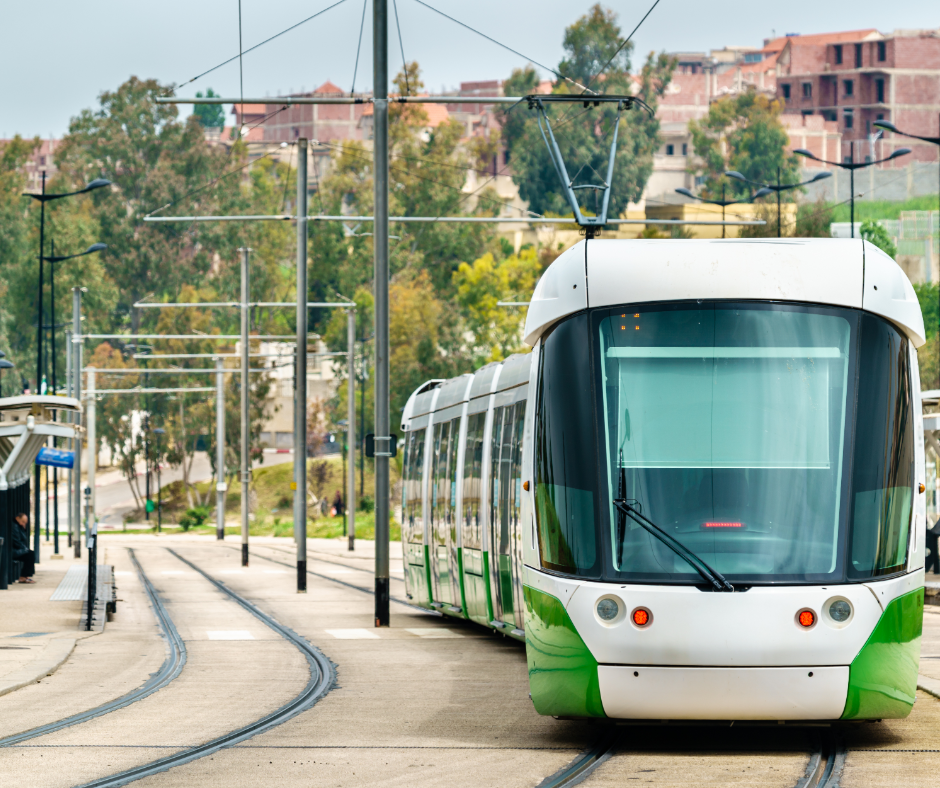
Particularly in the south, there may not be as much transportation available. In major cities, shared taxis called "louages" are a faster alternative to buses. They operate on fixed routes and they are an efficient means of transportation both within and across cities.
We also recommend downloading the Yassir mobile app, which is similar to Uber for your rides. Prior to your ride, you can check the fare and follow the route. It's far more practical, less expensive and safer than taxis.
Waze is the application that functions the best for maps in Algeria. You can find your way to restaurants, lodging facilities, and historical sites.
Driving in Algeria
Although there are still issues, Algerian road conditions have improved recently. Road quality varies outside of Algiers. A 4x4 vehicle is a must in desert areas because of the unpaved roads.
There are risky driving situations due to few twisting roads particularly in mountainous regions. Wintertime driving in the north can be dangerous.
Visibility may be impeded in the south by winds carrying sand. Plus, traffic lights may not always function properly. It is best to stay on well-known routes.
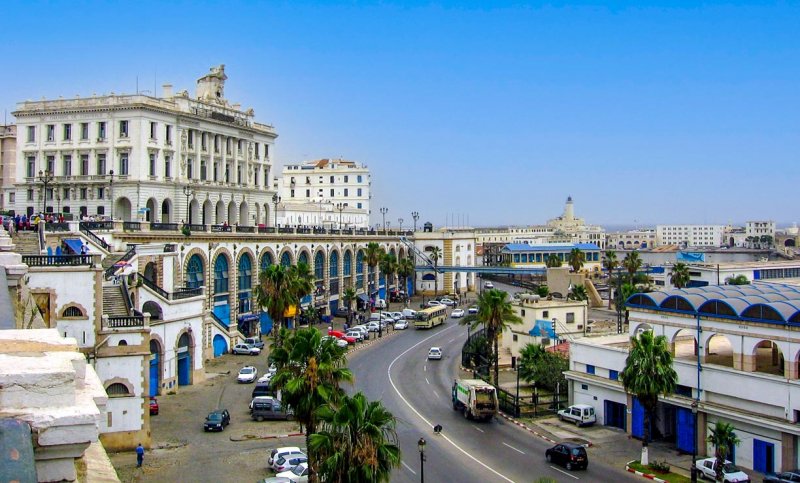
In urban regions, heavy traffic and congestion are frequent. Unpaved roads and potholes can make driving challenging. Vehicles with poor maintenance also increase the risk. We advise driving extremely cautiously and staying on maintained roadways.
Prioritizing your safety is essential when driving in Algeria. Keep your doors locked and windows closed at all times.
For extra precaution, consider traveling in a convoy if possible. When parking, make sure to use a secure facility. Try not to leave your belongings in the vehicle. Taking these safety measures will make the trip safer.
Secure payment methods in Algeria
The possibilities for safe payment are increasing in Algeria. Using cutting-edge encryption, banks are improving internet safety.
A lot of establishments, such as hotels and means of transportation, in major cities like Algiers accept credit cards. Our travelers prefer to use prepaid cards because of their ease and extra protection.
To avoid fraud, stick to well-known places. For small purchases and trips to rural areas, always have cash on hand since credit cards are not commonly used in rural areas.

E-wallets and mobile payment methods are rising as well. But you need to use reliable sites and safeguard important data to stay safe.
Currency exchange in Algeria is restricted, due to the inability to get Algerian dinars outside of the country. The best places to exchange money are authorized exchange agencies or legitimate banks.
ATMs are available in major cities, yet their performance isn't always reliable. Make sure you have enough cash on hand to pay for daily expenses, especially if you plan to go outside of cities.
Language in Algeria
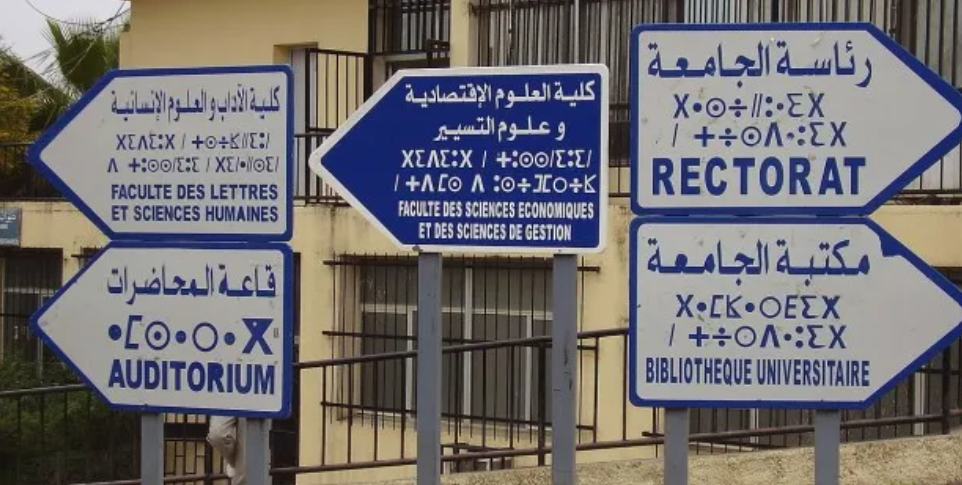
Following the country's 1962 independence, some road signs containing French were removed. This made navigating challenging for foreigners.
In addition to Arabic, the majority of Algerians living along the coast still speak French. Conversely, A small yet growing number of people speak English.
Internet in Algeria
To use the internet in Algeria, you'll need to get a local SIM card with data. Prices can vary depending on the data plan; normally, they fall between €5 and €10 per month.
There are three main networks available. You should choose Ooredoo for reliable quality and Mobilis for broad coverage.
Final Thoughts and Recommendations
The news shouldn't stop you from traveling to Algeria!
A little planning goes a long way, just as at any destination. Remember that understanding the Algerian culture is key for a safe visit. It's crucial to follow local laws and customs to keep yourself safe.

Consulting official government travel advisories and local authorities for detailed information will help you make the most out of your Algerian adventure.
Algeria is prepared to extend a warm welcome! This jewel offers stunning scenery, a vibrant culture, and friendly locals. All you need is to get informed, make plans, and travel with peace of mind.
You can explore our must-see landmarks to include in your travel itinerary.
Seize the chance to explore the beauty of this country and discover the warmth of its people.