


Traveling through Algeria is like diving into a living museum. Being the largest country in Africa and 10th largest in the world, this gem has something to offer to everyone.
Whether you're drawn to the Desert of Sahara, the Mediterranean coast, or ancient cities with Roman roots, Algeria promises unforgettable experiences. Its historical ruins, bustling cityscapes, and expansive deserts will amaze you.
To help you make the most of this journey, we offer you this in-depth travel guide. We gathered all what you need to know, including how to choose the finest accommodation, how to navigate the roads with ease, and how to pack for the desert.
Our guide will help you make the most of your trip to Algeria, regardless of your level of experience. It will make every step of your journey smooth and unforgettable.
Table of Contents
- Algeria, a blossoming hotspot for tourists
- Must-see sites and activities
- Key travel considerations
- Essential packing list for the Algerian Desert
- Driving instructions and roadway conditions
- Where to stay: Accommodations across Algeria
- Useful applications for your trip
- The optimal season to visit
- Why Algeria?
Algeria, a blossoming hotspot for tourists
This vast nation is known for its diverse landscapes. It includes coastal towns along the mediterranean sea, lush northern regions, and endless dunes of the Sahara.
This African landmass has been shaped by centuries of history. French rule, along with influences from neighboring Arab nations, has left a lasting mark on the Algerian identity.

Home to over 44 million people, Algeria is both a former French territory and a deeply traditional community.
Its official language is Arabic, with the Algerian Arabic dialect spoken widely. French is often understood in urban centers. Yet, English is rarely spoken.
Major cities such as Algiers, Oran, Constantine and Annaba serve as key urban centres. Each with its own unique attractions.
Today, the Algerian government prioritizes stability and tourism. The country is opening its doors to travelers.
Must-see sites and activities
Algeria’s stunning landscapes make it an unforgettable travel destination. But beyond its stunning scenery, Algeria is also a land of deep cultural and spiritual significance. Its rich heritage is beautifully reflected in its ancient religious sites.
The most famous ones are the Great Mosque of Algiers, the Great Mosque of Tlemcen and the Roman Catholic basilica of Notre Dame d'Afrique.
-
Top sites in Algiers to discover
-
Religious sites in Algiers
One of the most significant landmarks in the capital is Djamaâ El-Djedid. It is one of Algiers' historic mosques, located in the lower Casbah district. Built in 1660, it features impressive Moorish-style architecture.
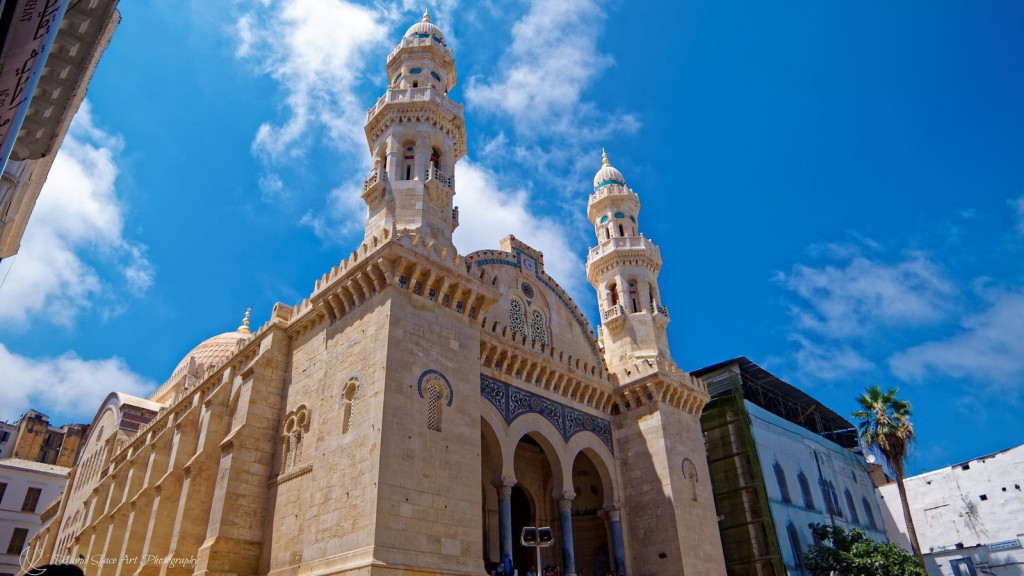
A mere 250 meters away, you'll find the historic Ketchaoua Mosque. It is renowned for its intricate design and deep spiritual significance.
Both mosques offer a glimpse into Algeria's religious heritage. The architectural mastery of Islamic craftsmanship makes them must-visit sites in Algiers.
-
Botanical Garden of Hamma
The Botanical Garden of Hamma in Algiers is an escape into nature if you need a break from urban exploration.
Located in northern Algeria, the park is home to diverse flora. It offers beautifully landscaped paths perfect for a leisurely walk or picnic amidst Algeria’s green spaces.

-
Vibrant markets of Algiers
No visit to Algeria would be complete without experiencing the vibrant bustling markets of Algiers. Wander through the vibrant souks, where local vendors sell traditional crafts, textiles, and spices.
Not only do they offer a chance to buy unique items, but they also give insight into Algeria’s informal economy and the everyday life of its people. The colorful atmosphere captures the spirit of Algerian culture.
-
Visit the City of Bridges
Another historical gem is the City of Constantine. It is famously called the "City of Bridges" for its dramatic cliffs and suspended bridges. The city is a noteworthy location that showcases Algeria's engineering marvels and natural beauty.

It draws visitors to its breathtaking vistas and ancient landmarks, such as the Ahmed Bey Palace. Enjoy the panoramic views from the Sidi M’Cid and Mellah Slimane bridges. They marvel at the city’s engineering wonders.
-
Discover the ancient Roman legacy
Constantine is also home to nearby Roman ruins and historic sites. They are ideal for history enthusiasts. A day trip to the Roman ruins of Timgad is a must. It offers well-preserved remnants of Roman civilization amid Algeria’s landscapes.
This UNESCO World Heritage site stands as one of the best-preserved ancient Roman cities in the world. It showcases grand arches, intricate mosaics, and stone structures. This historic city will transport visitors back to Roman North Africa.
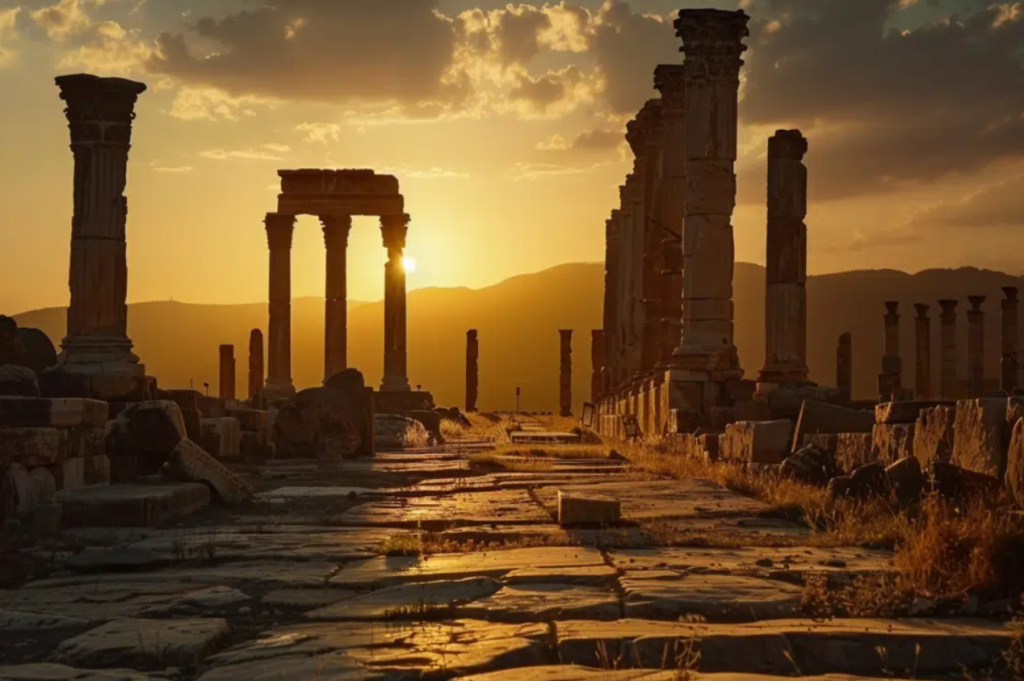
Its ancient ruins provide a unique perspective on Algeria’s place within ancient empires. It is a top choice for travelers interested in the area’s past.
-
Admire the charm of Oran
Visiting the beautiful coastal city of Oran will leave you in awe. Known as Oran el Bahia or "the radiant, it is the second largest city in Algeria.
Oran is renowned for its stunning ocean views and beautiful beaches. It is ideal for summer months getaways as well as romantic holidays. It has a lively blend of history, culture, and Mediterranean charm.
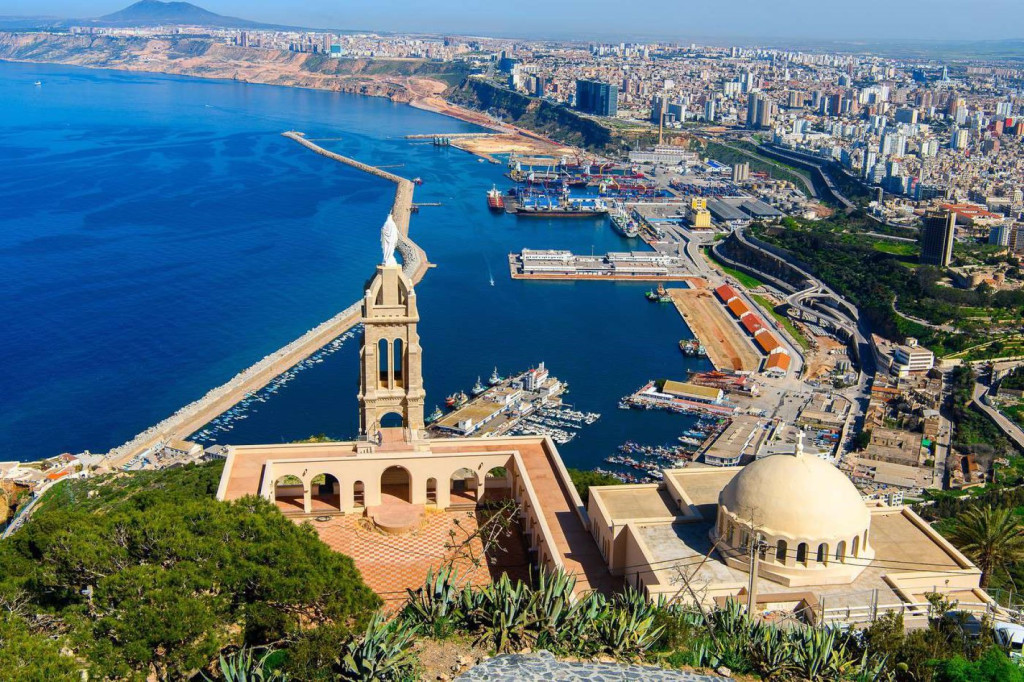
Enjoy walks along the coast with stunning views of the blue sea, and explore the city’s vibrant modern port alongside its historic landmarks.
Oran’s music scene, cuisine, and seaside vibe are the perfect way to wind down.
-
Explore Berber villages
While you're in Algeria, you won’t want to miss exploring Berber villages. This immersion into the local way of life reveals a side of Algeria that few places can offer.
It is filled with culture, history, and the awe-inspiring beauty of the Sahara’s vast landscapes.
The Kabylie region is a great place to fully immerse yourself in the rich Amazigh culture.
Discover quaint villages, enjoy local food, and experience the warmth of the Kabyle local people. Their customs and language have endured for many generations.
You can also visit Tizi Ouzou, a region initially established by the Turks and then enlarged by the French. It provides a distinctive fusion of local customs and historical influences.
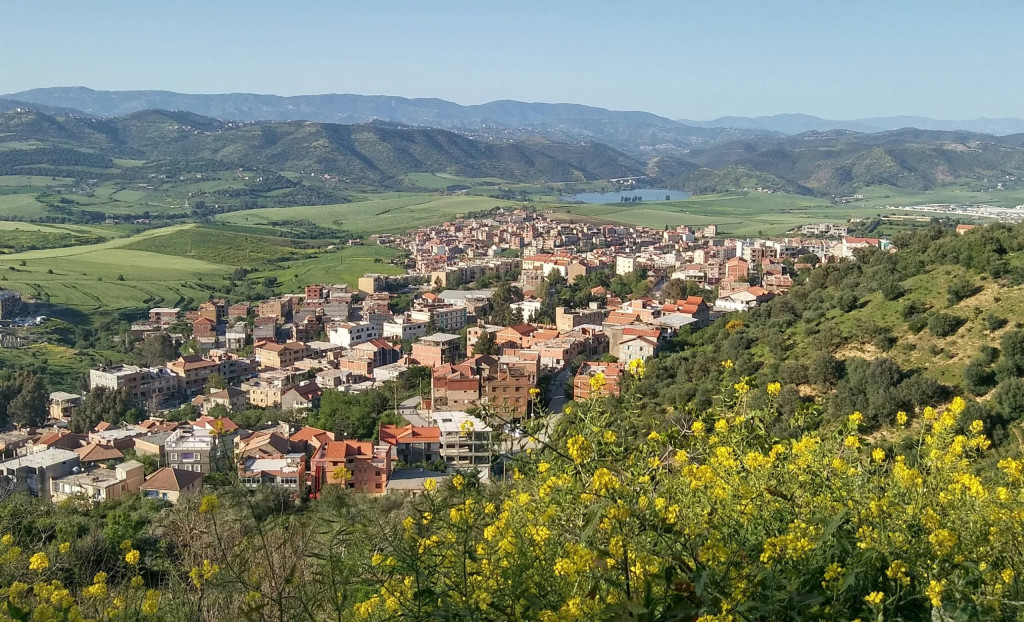
Walking through the Djurdjura Mountains or experiencing the coastal charm of Bejaïa are also among the most enchanting experiences.
-
Experience the magic of the Sahara desert
Adventure seekers will find desert excursions in Southern Algeria especially rewarding. Spend time exploring small desert villages. You’ll encounter traditional Berber life, unique handicrafts, and desert hospitality.
Consider staying in a traditional guesthouse. Or you can embark on a camping adventure under the stars. It’s an unparalleled way to experience the vast, open skies and the silence of the Sahara desert.

Activities like camel trekking and stargazing make this part of the trip magical. You will experience the beauty and tranquility of the Sahara.
Key travel considerations
-
Visa requirements
Regardless of the reason or length of your trip, you will require a visa to visit Algeria. You can apply for a work, family, business, or tourist visa through the Algerian consulate in your country, depending on the purpose of your trip.
With your application, travel agencies can help make sure all the requirements are fulfilled. Getting legal counsel can also be beneficial too. By keeping up with the most recent visa rules and processes, you may steer clear of typical problems.

While in Algeria,, your essential travel documents are a must-have, just like your clothing. Be sure to carry both paper and digital copies of your passport, an Algerian visa, and proof of adequate travel coverage.
Health insurance documents are also useful in case of any emergencies.
-
Travel safety essentials
Although Algeria is generally safe for tourists, it’s wise to be aware of travel-related risks.
Before setting out on your trip, take time to understand local customs and review current travel advisories. This is essential for a smooth and memorable journey.
This African country has experienced social upheaval and militant activity in the past, particularly during the period of civil war. Yet, following a well-planned itinerary will help you avoid remote areas or regions with a higher risk of terrorist attacks.
The FCDO travel advice provides regularly updated information on safety conditions. It helps you stay informed on potential risks of travel and areas to avoid.
Keep in mind that certain border regions, like those near Tunisia or the Western Sahara, may require extra caution.
For emergency services, both the Algerian Embassy and the Algerian consulate are excellent resources. Within Algeria, local police and Algerian security forces are also available to help when needed.
-
Health precautions
Health and safety are also paramount. As you make your travel plans, be sure to prepare a health pack that includes any prescription medication you may need.
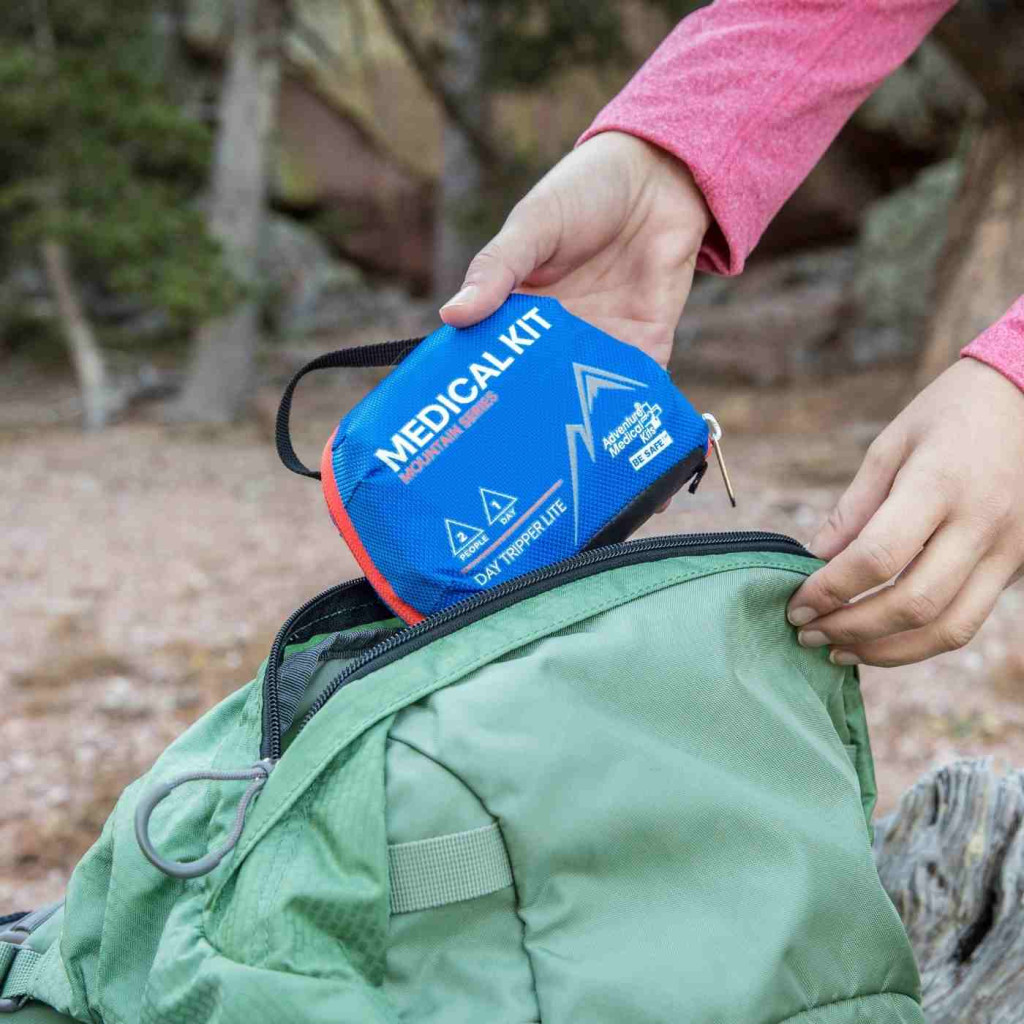
This is especially important if your travels will take you into remote rural districts or the Algerian desert, where medical services may be limited.
Appropriate travel insurance will ensure that you’re prepared for any unexpected health issues. It allows you to focus on enjoying the journey through this beautiful, diverse country.
-
Following local laws
Respecting local laws and customs is key to an enjoyable experience in Algeria. The nation combines socially advanced perspectives with conservative values.
Following a modest dress code is especially important in public places. It shows extra respect at sacred sites and other significant locations.
©Jason Billam
Public expressions of affection are not welcomed. In opposition to larger cities like Algiers, customs in rural areas can be even more conservative.
Keep in mind that kissing or holding hands between couples are not socially acceptable. It's also advised to limit alcohol use to places with licenses as it's illegal to consume alcohol in public.
You can have a better experience and gain a deeper understanding of Algerian culture by respecting local customs.
-
Secure payment
In Algeria, the options for secure payment are growing. By implementing advanced encryption, banks are enhancing online security.
In major cities like Algiers, credit cards are accepted at many businesses, including hotels and transportation. Prepaid cards are the method of choice for our travelers due to their convenience and additional security.
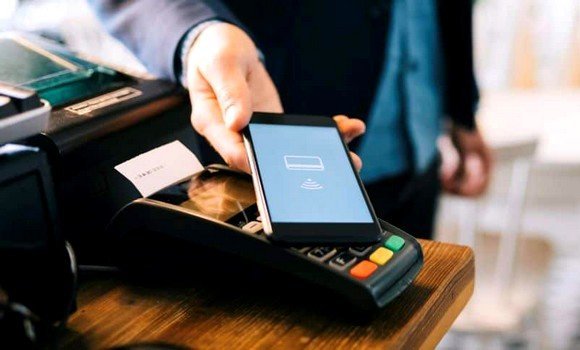
However, many small businesses and services still operate on a cash-only basis. That's why it is imperative to have some cash in Algerian dinars on hand.
It is advisable to save credit and debit cards for emergencies or bigger expenses. You'll probably need to use cash if you live in a remote or arid area.
Essential packing list for the Algerian Desert
Packing for Algeria, particularly for the Sahara Desert, requires careful thought. The extreme environment of the desert presents unique challenges.
The intense daytime heat and cool nights along with the lack of easy access to basic amenities. With the right items, you can ensure both comfort and safety during your adventure.
-
Dress code for the Sahara
Lightweight, breathable fabrics are essential for your desert wardrobe. Opt for natural materials like cotton and linen that allow air to circulate. Those help you stay cool while offering essential sun protection.
Light-colored clothing in shades like white, beige, and khaki reflects sunlight. They keep your body temperature down in the midday heat.

Since Algeria is a conservative country, modest clothing is also essential. Women, in particular, should wear attire that covers their arms and legs. On the other hand, men should opt for longer pants over shorts.
Not only does this show respect for local customs. It also provides practical coverage from the harsh sun and any dust or sand carried by desert winds.
A wide-brimmed hat and sunglasses are crucial for further sun protection. They help shield your face and eyes from the intense glare.
-
Essential health guidelines for the Sahara
Sunscreen with a high SPF and a moisturizing lip balm are must-haves. The dry air and constant sun exposure can quickly lead to dehydration and sunburn, even if you're careful, so keep these items within reach for reapplication throughout the day.
If you’re on prescription medication, be sure to bring an ample supply, as they may be hard to find in more isolated regions. It's advisable to carry your medications in their original packaging.
Keep a copy of any prescriptions or relevant medical documents, in case you need to explain their use at customs or to a medical professional during your stay.
For any emergencies or minor injuries, pack a compact first aid kit. It needs to include antiseptic, bandages, and other essentials.
This kit can be a lifesaver for handling small scrapes or blisters. It is particularly useful if you plan on venturing into remote areas as medical help may be hard to reach.
Water is indispensable in the desert. While some tours and guided trips may supply bottled water, it's wise to carry an ample supply of your own. Along with high-energy snacks.
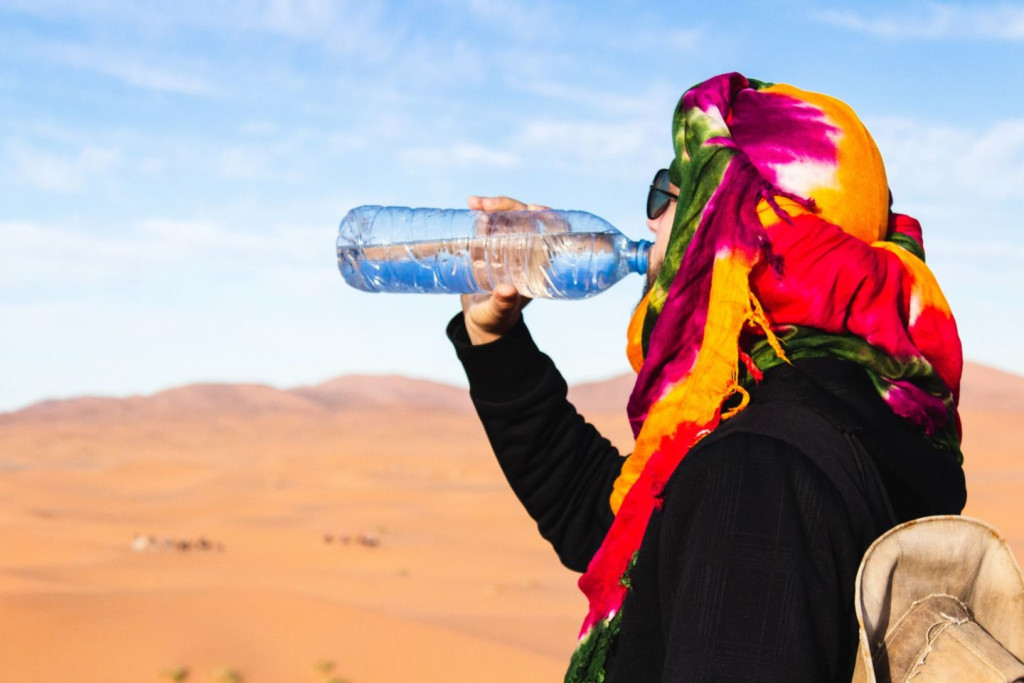
When traveling through isolated areas, having extra snacks is crucial. These resources may not be available nearby.
By preparing well, you can enjoy the magic of the Sahara with peace of mind. Knowing you’re ready for any challenges the desert might present.
Driving instructions and roadway conditions
Driving through Algeria offers an adventurous way to explore the country's vast and varied landscapes.
Navigating the roads is generally easy within Algeria's larger metropolitan centers, such as Algiers. Though exploring the more remote or isolated regions requires careful planning and sound judgment.
-
Road conditions
Road conditions can vary significantly depending on the region. Main highways and well-worn desert routes are generally in good condition.
However, some routes can be challenging. Those that run through desert regions where sandstorms occasionally affect visibility and road quality.
Isolated rural areas may also present rougher terrain and narrower roads. Drivers must be ready for unexpected changes in driving conditions from Algeria's primary urban areas.
-
Public transportation in Algeria
Note that Algeria offers a variety of public transportation options. In Algiers, you can take the metro, buses, trains, trams, and airplanes.
Train operation is handled by the Algerian Railway Company (SNTF). From Algiers, they offer convenient and regular connections to a number of destinations, including Oran, Tlemcen, Annaba, Constantine, and Bejaia.
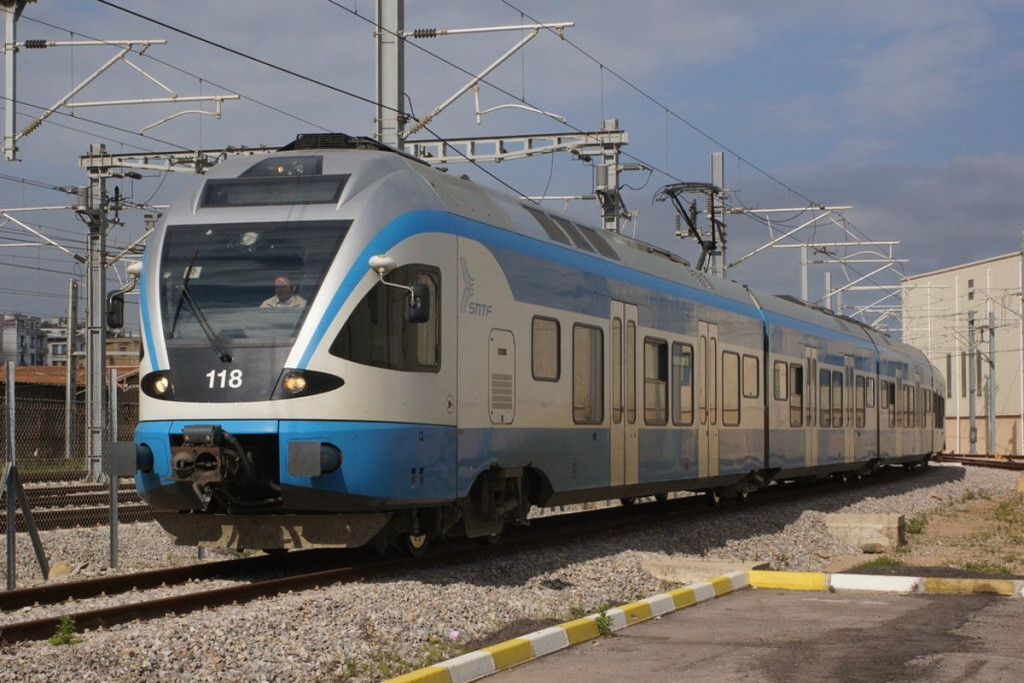
There might not be as much transportation available, especially in the south. "Louages" or shared taxis are a quicker option than buses in large cities.
They are an effective mode of transportation both inside and outside of cities, and they run on predetermined routes.
-
Driving culture
Navigating Algeria’s roads safely also means being mindful of the driving culture. It can vary significantly from place to place. In certain regions, informal economies affect the enforcement of traffic laws.
Rules sometimes are followed loosely. For this reason, defensive driving is essential. Particularly when sharing the road with local drivers.

While local law enforcement is generally visible in urban areas, police presence may be minimal in more remote or rural areas.
Travelers should be aware of their surroundings and keep emergency contacts within reach. Especially when heading into isolated regions.
-
Car rental in Algeria
Renting a car is a convenient option for travel freedom. Rental services are readily available at the main international airports such as Boumediene Airport (ALG).
Consider places like Algiers, Oran, and Constantine to conveniently access a number of Algerian car rental companies, such as Travelcar and Hertz.
To rent a vehicle, however, you’ll need an international driver’s license. Having one will ensure compliance with local regulations and make any interactions with local law enforcement smoother.
If you want to secure a cheaper rental car in Algeria, make your reservation at least one day in advance of your trip.
-
Fuel stations and costs
Fuel is another essential consideration, especially for those venturing into the Sahara or more sparsely populated regions. Gas stations become increasingly rare as you move further away from cities.
It’s wise to fill up whenever you find a station in a town or larger settlement. Running low on fuel in a remote area can be inconvenient at best and dangerous at worst. Plan your stops and refuels cautiously.
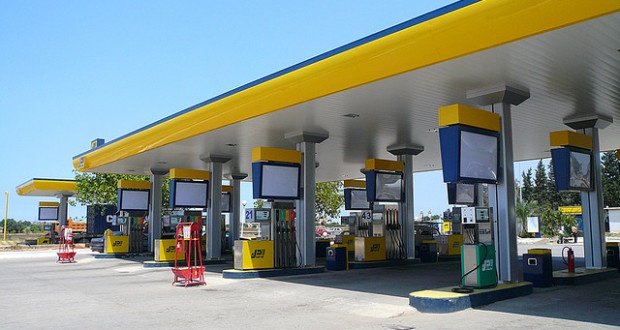
It’s wise to also plan your fuel budget according to your vehicle's specific fuel type and consumption needs.
The cost of gasoline in Algeria was approximately 46 Algerian dinars per liter as of January 2022, which is equivalent to 0.33 US dollars per liter.
Liquefied petroleum gas (LPG) cost nine Algerian dinars, or 0.064 US dollars, per liter, whereas diesel fuel cost about 29 Algerian dinars, or 0.21 US dollars.
-
Currency exchange
Although Algeria's foreign exchange situation is improving, there are still limited options to exchange your money into local currency. It’s wise to exchange a sufficient amount to cover your needs until your next opportunity.
Payment cards are widely accepted, but carrying enough cash in Algerian dinars remains essential for day-to-day transactions.

Reliable currency exchange services are provided by banks like Bank of Algeria and National Bank of Algeria.
It's best to exchange foreign currency for local currency at authorized exchange agencies or reputable institutions, avoiding the black market for safety and legality.
Where to stay: Accommodations across Algeria
Algeria offers a diverse array of accommodations to fit every traveler’s needs and preferences. From culturally immersive guesthouses to modern hotels in bustling cities. Each providing a unique way to experience this expansive nation.
-
Guesthouses experiences
If you're looking to dive into Algeria’s heritage, traditional guesthouses in historic locations, such as the Auberge des Ruines at Timgad, are perfect.
It offers a taste of local culture and history. These guesthouses are often family-owned, featuring traditional Algerian architecture and local cuisine. It creates an immersive experience that connects visitors to the country's heritage.
Staying at places like the Guesthouse Dar el Hamra in the M’zab Valley, allows guests to experience daily life as it has been for centuries in Algeria’s oasis towns.
-
Hotel options across Algeria
In major cities, Algiers and Oran provide a range of hotel options. From budget-friendly spots to upscale accommodations that combine comfort with proximity to attractions.
In Algiers, the Sofitel Algiers Hamma Garden is a high-end choice. It is known for its luxury amenities and beautiful views of the city and the Botanical Garden.

For travelers looking for something more budget-conscious, Hotel Samir in Algiers is an affordable option. It offers clean rooms and a central location. It makes it easy to explore the city's bustling markets and landmarks like the Ketchaoua Mosque.
In Oran, the Royal Hotel Oran provides a mix of luxury and historical ambiance, with decor inspired by Algeria’s French colonial past.
-
Try camping in Algeria
Camping in the desert offers an unparalleled experience of Algeria’s natural beauty. The Sahara Camp near the town of Taghit provides organized camping experiences.
Visitors can sleep under the stars while exploring some of the Sahara’s most scenic dunes and landscapes.
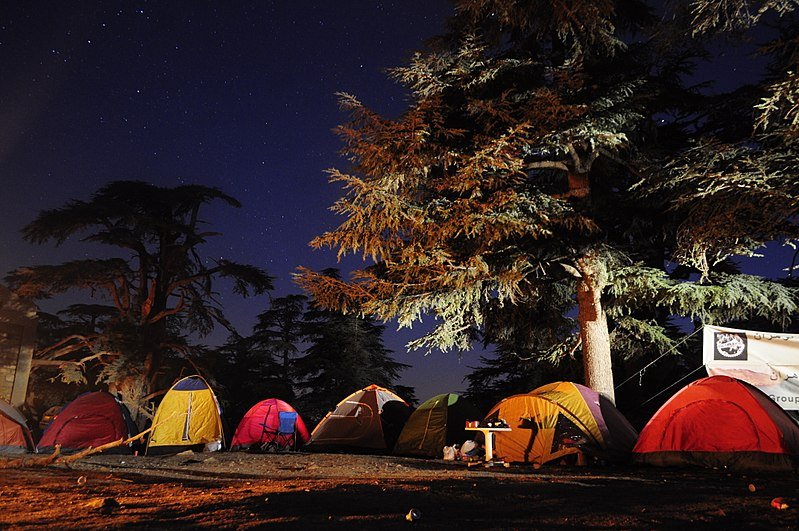
You should anticipate risks in remote areas, including unpredictable weather and challenging terrain. Opting for a local guide ensures a safer, more enjoyable experience as you take in the vastness of the Sahara.
These options allow you to tailor your stay to experience the country in a way that resonates with your style.
Useful applications for your trip
Technology can be a real asset on your journey through Algeria. It helps you navigate, communicate, and manage logistics more smoothly.
Several apps stand out for their practicality. Particularly when exploring remote areas or navigating language differences.
-
Travel apps to enhance your experience
Navigating Algeria’s vast landscapes is easier with digital tools. An Algeria travel handbook or pre-downloaded maps may also be useful.
Apps like Google Maps generally work well within cities and larger towns. Maps.me is also an excellent choice for offline navigation. It is useful in Algeria’s more isolated regions where internet access can be spotty.
By downloading maps in advance, you’ll have reliable directions even when you're off the grid. It makes it a lifesaver in rural districts or the vast stretches of the desert.

Being well-prepared for the unique driving conditions in Algeria allows you to enjoy the freedom of the open road while taking in the country’s dramatic and diverse scenery safely.
-
Your go-to currency app
For managing currency, XE Currency is highly useful. Algeria’s local currency, the dinar, may be less familiar to some international travelers.
This app helps you keep track of conversions between the dinar and major currencies like the USD or Euro.
It’s helpful for budgeting and planning as you move between urban centers and rural areas, where cash transactions are often more common.
-
Break language barriers
Google Translate can be invaluable for bridging communication gaps. The app’s offline feature allows you to download language packs.
You can use it without a data connection, helping with everything from ordering meals to understanding signage.
-
Navigate your road trip with ease
For more adventurous travelers venturing into border regions or rural parts of Algeria, iOverlander is an excellent resource.
This app is particularly popular with campers, overlanders, and those looking for road trip insights. It provides information on campsites, gas stations, and other essential services.
It’s user-driven, so updates often include recent advice and tips from other travelers.
The optimal season to visit
Traveling to Algeria requires careful planning to align with the best time for each region.
If you’re considering exploring Southern Algeria and the Sahara Desert, the best time to visit is during the warm season between October and April.
During this period, temperatures are moderate. This creates perfect conditions for desert excursions and outdoor adventures.

For coastal destinations along the Mediterranean coast, the summer season from May to September is ideal. This is the best time to enjoy the region's colorful atmosphere, bustling seaside towns, and pristine beaches.
By scheduling your vacation around these ideal times of year, you can take full advantage of Algeria's breathtaking scenery and unique experiences.
Why Algeria?
Algeria is a land of contrasts. It’s a country that tells its story through its people, architecture, and natural beauty. It invites you to visit its ancient ruins, serene coastal towns, and vast desert expanses.
With careful planning and attention to detail, your travels can turn into an unforgettable experience. You can dig deeper in our comprehensive safety guide to ensure your security.
You can also check our recommended 10-day itinerary to discover Algeria in 2025 as an inspiration.
So, plan your travels, pack your bags and get ready to experience the rich tapestry of Algeria. The land where history, culture, and nature converge in one expansive nation.


