
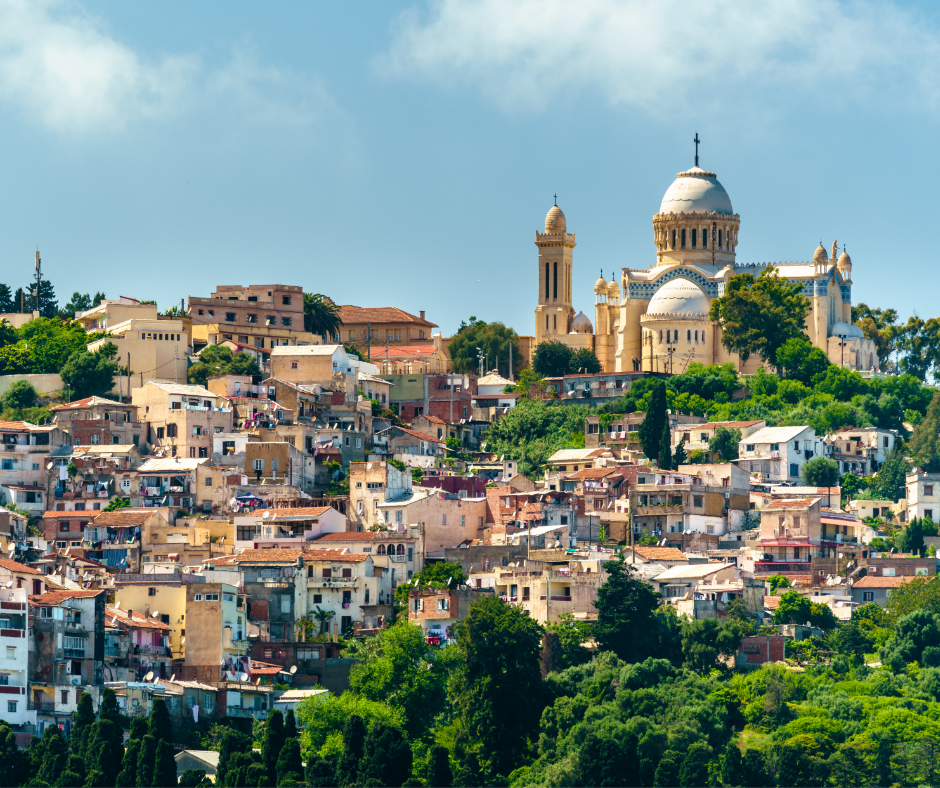

If you're weighing Algeria against Morocco or Tunisia for your next trip, cost is probably the first question. Algeria delivers big landscapes, deep history, and a coastline and desert that rival its more visited neighbors, at prices that are hard to beat once you're on the ground.
The catch: getting there costs more than it does for Morocco or Tunisia.
In this guide, we compare Algeria's daily costs to its neighbors and to Europe, show you exactly where it's a bargain, where it costs more, and how to time your trip to close the gap.
Is Algeria Cheap Compared to Morocco and Tunisia?
Short answer: close, but not quite. On the ground, a budget day in Algeria runs $30 to $60, a mid-range day $70 to $140, and a luxury day $200 to $350. Morocco sits in a similar band, $30 to $60 budget, $70 to $150 mid-range, $200 to $400 luxury. Tunisia tends to run a little lower, especially mid-range, where $75 to $120 a day is typical against Algeria's $70 to $140.
The real difference shows up before you land. Morocco and Tunisia both pull in European low-cost carriers, so round-trip flights can drop under €80 in the off-season. Algeria doesn't see that same budget-airline traffic. Flights from Europe usually start at $100 and can climb to $400, even outside peak season.
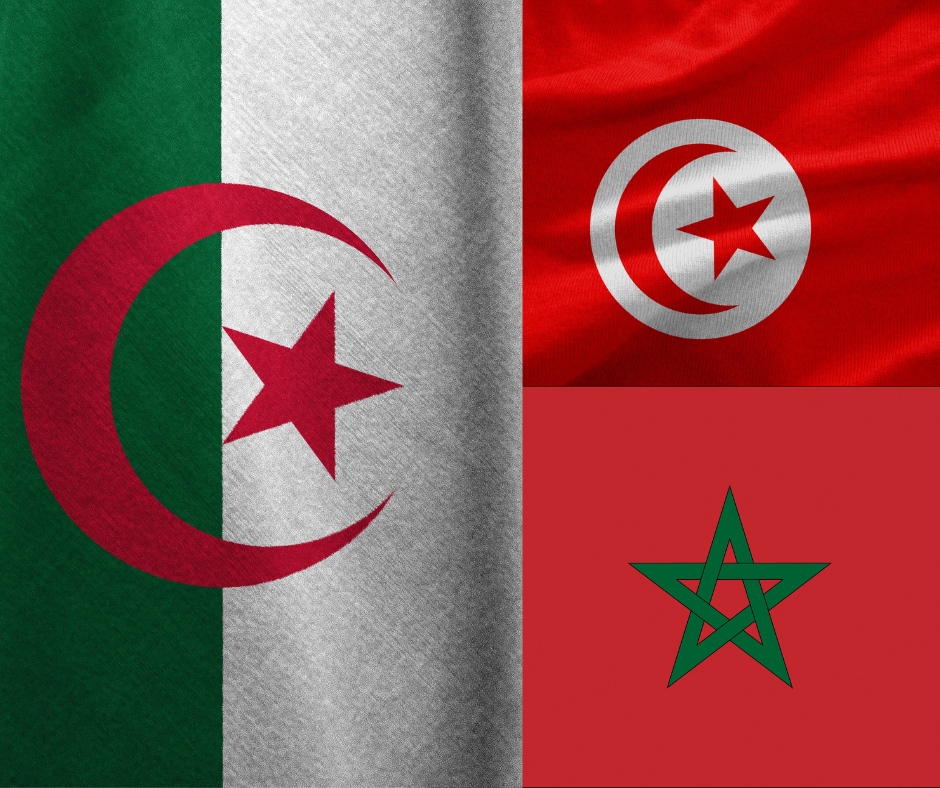
The other difference is the visa. Most travelers from Europe, the UK, the US, Canada and Australia can enter Morocco visa-free for up to 90 days. Tunisia offers similar visa-free access to many of the same nationalities on short stays. Algeria requires a visa for nearly everyone, US citizens included, typically around $160, with a two to three month lead time. That's a real cost and a real planning hurdle its neighbors don't have.
How Does Algeria Compare to Europe?
The comparison here isn't close. A single hostel bed in Western Europe often costs more than a full budget day in Algeria. A sit-down meal in Paris or Rome can run $25 to $40, close to what covers a full day of food in Algeria. Even Algeria's luxury tier, $200 to $350 a day, lands around what a mid-range hotel and dinner costs in most Western European capitals.
Where Europe still wins is the flight. If you're already on the continent, a budget carrier can get you to Lisbon or Athens for less than Algeria's visa fee alone. Add in the visa and the higher flight cost, and Algeria's savings show up once you land, not before you leave.
Where Algeria Is a Bargain?
Food is the clearest win. A full day of eating, street food plus one sit-down meal, rarely tops $20. Public transport in the cities is close to free, a metro ride in Algiers runs about 40 US cents. Guesthouses and family-run stays across the country cost $25 to $60 a night for a genuinely local experience, not a stripped-down tourist room.
Historical sites are another strong point. Entry to Roman ruins like Timgad or Djemila runs under $10, and a full day with a private guide rarely tops $150.
Where Algeria Costs More?
The visa is the biggest one. Budget $160 and two to three months of lead time before you even book a flight, a cost and a wait that Morocco and Tunisia largely spare you.
International flights run higher too, generally $100 to $400 from Europe and $600 to $1,200 from the US, since Algeria sees far less budget-carrier competition than its neighbors.
The Sahara is the other splurge. A multi-day tour into the deep south, through Tassili n'Ajjer's prehistoric rock art or the oasis town of Djanet, costs more here than an equivalent trip out of Marrakech, mostly because the infrastructure is newer and the logistics, permits, 4x4 transport, remote guiding, take more to arrange. What you get in return is a far less touristed desert.
How to get to Algeria ?
By Air
-
Airports in Algeria
When traveling to Algeria, choose your airport wisely. Algeria has 33 airports with scheduled passenger flights.
Houari Boumediene Airport in Algiers is the main airport offering both international and domestic flights. It is located just 20 kilometers from the city center.
It serves over 78 destinations globally, with airlines like Air Algérie, Turkish Airlines, and Air France operating direct flights. They include connections from major cities like New York and San Francisco.

Oran’s Ahmed Ben Bella Airport and Constantine’s Mohamed Boudiaf International Airport are excellent alternatives for regional travel.
Other key airports include Rabah Bitat Airport in Annaba, catering to the eastern region, and Hadj Bey Akhamok Airport in Tamanrasset, serving southern Algeria and gateway to the Sahara.
Pack wisely for domestic flights because baggage regulations may be strict. Be prepared for possible layovers, particularly in Algiers.
-
How to find the cheapest flight?
Finding the cheapest flights to Algeria requires smart planning. It heavily depends on your dates of travel. However, there are some digital tools to help you choose wisely.
If you're still looking for the best flight deals, you can use online comparison tools.
The Kayak’s flight price forecast tool can be very practical. It predicts not only the best time to book but also the best prices. It can also help you find cheap hotels, cheap cruises, and even rental cars.
If you're a Momondo user, you will get the most accurate insights and price comparisons across airlines. It will help you identify deals on round-trip flights and find the cheapest one-way flight price.
This in-one travel app will give you an overview on flight options. This will make it easier to compare average prices for international and domestic flights.

Note that you can download both applications on App Store and Google Play.
To secure the best deal, monitor prices regularly and book during off-peak seasons for significant savings.
To get the best flight deals and ensure a comfortable flight to Algeria, consider booking your tickets on the cheapest days, typically Tuesdays or Wednesdays, when airlines often offer discounts.
By land
As the border between Tunisia and Algeria is open, you can travel from Tunisia to Algeria via land.
If you're coming from nearby North African countries, this route is ideal. The highways close to Annaba and Tebessa are the primary crossing points.
If you're driving, make sure all of the required documents are in order, including your driver's license and visa. It's also crucial to have a GPS or trustworthy map to guide you.
However, public transport options such as trains and taxis also operate between Tunisian cities and Algeria. Taxis operate on fixed routes, and passengers share the ride with others.
This makes it a cost-effective option for traveling long distances. These taxis are widely available and usually depart when full.
After nearly 30 years, the train line that runs between Algeria and Tunisia has been restored.
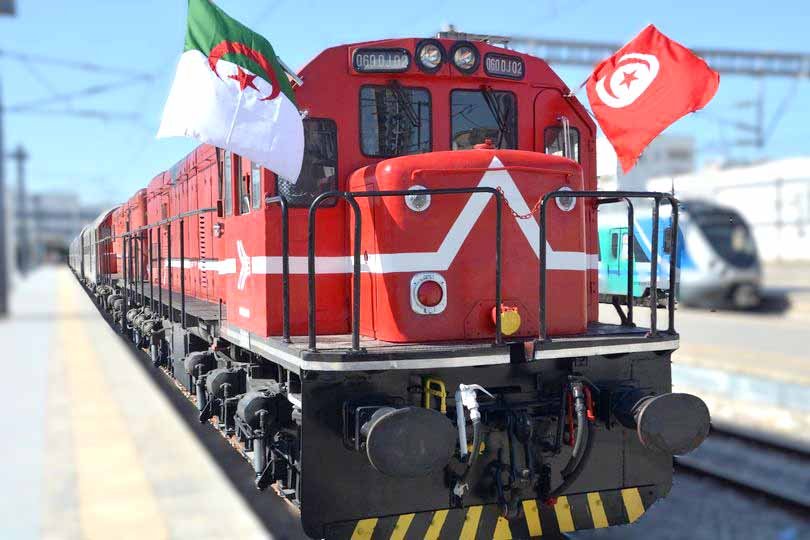
It departs on Mondays, Wednesdays, and Fridays at 8:25 AM, heading to the city of Annaba, with stops in Béja, Jendouba, Garaet El Djemaa, and Souk Ahras.
Second-class tickets cost 855 DZD (1.22 USD) for a one-way trip, while first-class tickets are 990 DZD (1.41 USD).
Round-trip tickets are 1597.5 DZD (2.27 USD) in second class and 1822.5 DZD (2.59 USD) in first class.
Reservations are required for the return trip. Note that children under 4 travel for free, and there are discounted fares for children aged 4 to 12.
By Sea
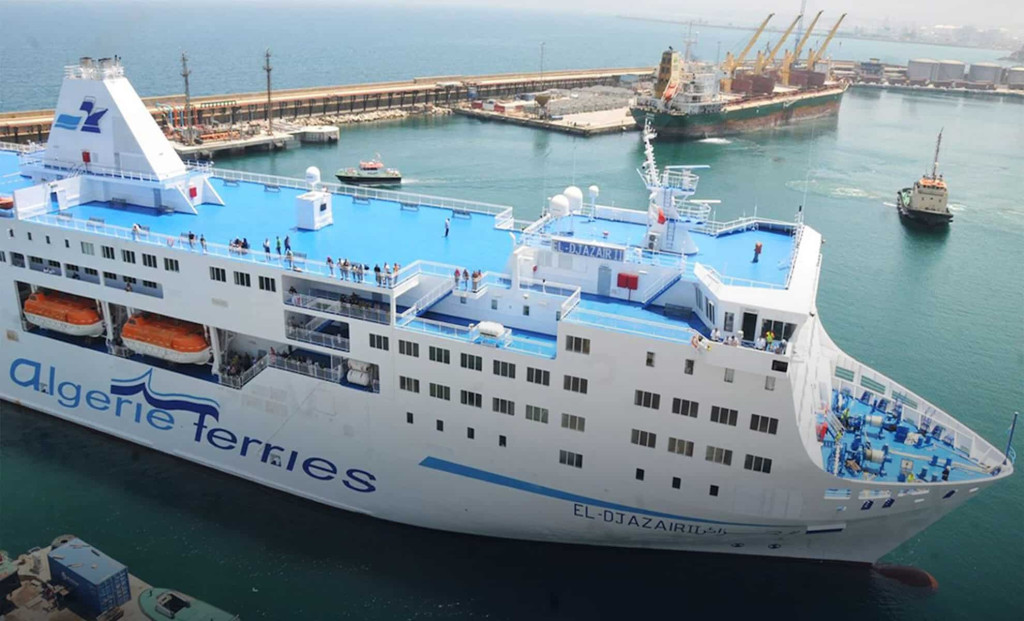
If you're visiting from Europe, ferries connecting Algeria to Spain, Italy, and France are available.
Algiers, Oran, and Bejaia are the main ports of entry. Given that they can transport vehicles, these ferries make a practical choice for drivers.
Regular service providers include Corsica Linea and Algérie Ferries. We recommend booking in advance, especially during the summer when demand is higher.
To check ferry schedules to Algeria, you can visit the Algérie Ferries website, the national ferry company. It provides details on services to and from European destinations like France and Spain.
Find the best routes and rates by using Direct Ferries which compiles schedules from multiple providers for additional options and comparisons.
Furthermore, local travel agents can offer up-to-date information, particularly for seasonal routes.
After disembarking, you may find taxis, buses, or other public transport options available to get to your destination. It’s a good idea to pre-arrange transfers or check local taxi rates to avoid confusion.
Practical tips
-
Visa requirements
If you intend to travel to Algeria, you will need a visa regardless of the purpose or length of your trip. You can apply for a tourist, business, family, or work visa.
You should apply for two to three months prior to your intended departure date. Depending on the kind of visa you're applying for, Algerian visa costs differ.
To pay these fees you can use standard methods of payment such as cash, certified check, or money order. Also some consulates accept payments online.

Processing times normally fall between 5 and 15 business days. Although this process can be slow and expensive, it is certainly worthwhile. Travel agencies can assist you for a more seamless experience.
You can get further information on the necessary paperwork and eligibility requirements for an Algerian visa here. Note that Algeria is currently working on launching a new eVisa.
Timing The visit to Algeria Narrows the Gap
Spring (March–May) and fall (September–November) are the ideal seasons to visit Algeria.
During these months, the average temperature ranges between 15°C and 25°C (59°F to 77°F). At these times, the northern part of Algeria becomes perfect for exploring historic landmarks and scenic coastal regions.

While winters in the north can bring rain and lower temperatures, summers can be hot, particularly in inland and southern areas.
Keep in mind that ticket prices are also affected by the seasons. Travel costs are generally fair in the spring and fall. However, demand and rates might increase during summer and winter vacations.
Making reservations on off-peak or the cheapest days of the week will result in better rates.
First steps to do upon arriving in Algeria
-
Buy a local sim card
To stay connected, you should purchase a local SIM card at the airport or major stores in Algiers.
Operators like Mobilis and Djezzy offer affordable prepaid plans with reliable coverage.
If your phone is unlocked, using a local SIM card can often be cheaper than paying for international roaming charges.
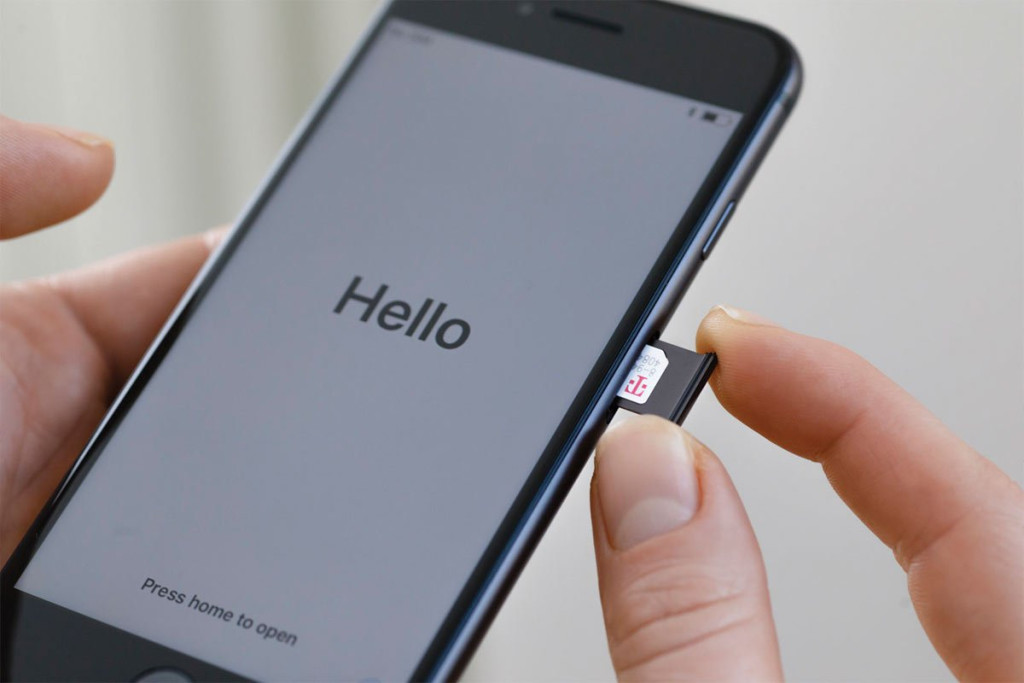
Grab a local SIM at the airport or in any city center. It's cheap and saves you from roaming fees. For exact data package prices, see our Algeria Travel Costs 2026: Complete Daily Budget Guide ($30-$350).
-
Exchange money
It’s also wise to exchange some currency upon arrival. We recommend exchanging your money in advance at the airport or through local banks.
The local currency is the Algerian Dinar (DZD). While international credit cards are accepted in larger cities, smaller towns and remote areas may require cash.

Lastly, familiarizing yourself with local customs and basic sentences in Algeria’s official languages (Arabic or French) will help you navigate the country with ease.
Final thoughts and recommendations
So, is Algeria cheap? On the ground, yes, close to Morocco and noticeably better value than most of Europe. The catch is everything before you land: the visa cost, the wait, and pricier flights than its neighbors offer. Budget for those upfront costs and Algeria delivers exceptional value once you arrive, the Sahara, the Roman ruins, and the Mediterranean coast, all at prices that go a long way.
For the full day-by-day cost breakdown, including accommodation, food, and tour pricing, see our complete Algeria daily budget guide.
For the ultimate travel experience, make sure to explore our latest guide on creating the perfect 10-day itinerary and make the most out of your Algerian adventure.


