

If you’re planning your next trip to Algeria, don’t forget to peek at the holiday calendar. Timing is everything, unless you’re into surprise adventures!
Algerian holidays are more than just days off. They are a testament of deep-rooted customs and rich cultural norms. You’ll be lucky to immerse yourself in the country's unique heritage and witness the vibrant daily life in Algeria during patriotic national days or religious celebrations.
Holidays can come with their own set of practicalities. Schedules frequently change, and a lot of government and business offices close. A little forethought goes a long way to navigating these changes smoothly.
We've put together a complete checklist to help you plan your trip with ease and confidence.
Why Plan Around Algerian Holidays?
Planning a trip to Algeria, offers a unique blend of cultural exploration and natural beauty.
As Africa’s largest country, Algeria is renowned for its rich heritage and unique identity. Its impressive history makes it a truly worthwhile destination.
Algerians take great pride in their culture. You can notice this especially during their holidays and celebrations.
That’s why aligning your visit with Algerian holidays is an excellent way to experience its unique culture. You will learn more about their rich traditions and local customs.
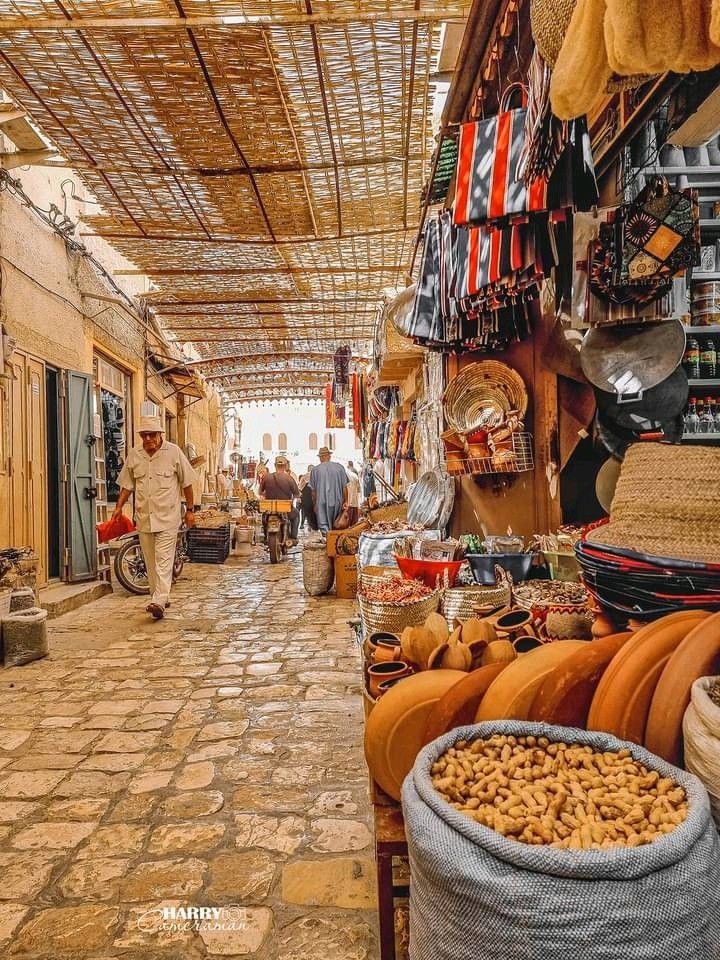
These occasions are not only a time for festivity. They are also an opportunity to showcase the country’s rich traditions, music, cuisine, and warm hospitality.
Algeria's holidays follow both the Gregorian calendar and the Islamic lunar calendar, reflecting the country’s dual influences of global and religious observances.
National holidays:
Revolution Day and Independence Day are important holidays in Algeria. Algeria's independence from colonial rule is celebrated on July 5th as Independence Day. While the start of the independence movement is commemorated on November 1st as Revolution Day.
These holidays are the best time to visit Algeria's main cities. You will be able to attend large celebrations in public squares in larger cities like Algiers, Oran, and Constantine.
These celebrations are also marked by patriotic displays, including parades and cultural performances.

You can admire flag-raising ceremonies and wreath-laying at national landmarks, mainly at the Martyrs' Memorial in Algiers.
The New Year's Day (January 1st) is also considered a national holiday in Algeria. It is celebrated as the first day of the year in the Gregorian calendar. It blends modern traditions with local customs.
In larger cities like Algiers and Oran, you can attend public events such as concerts, firework displays, and street festivals marking the first day of the year.
Religious holidays:
If you’re visiting during religious holidays, Algeria’s Islamic traditions will impress you. Remember that Algeria is a predominantly Sunni Muslim country.
The dates of the religious holidays change every year because they are based on the Islamic lunar calendar.
Holy days such as Eid al-Fitr and Eid al-Adha are celebrated with rich traditions that reflect the nation's cultural and religious heritage.
The Holy month of Ramadan
In Algeria, the Holy month of Ramadan serves as a testament to the religious fervor and rich cultural traditions.
In order to prepare for the fast, families gather for suhoor, the pre-dawn meal, to eat and drink water.
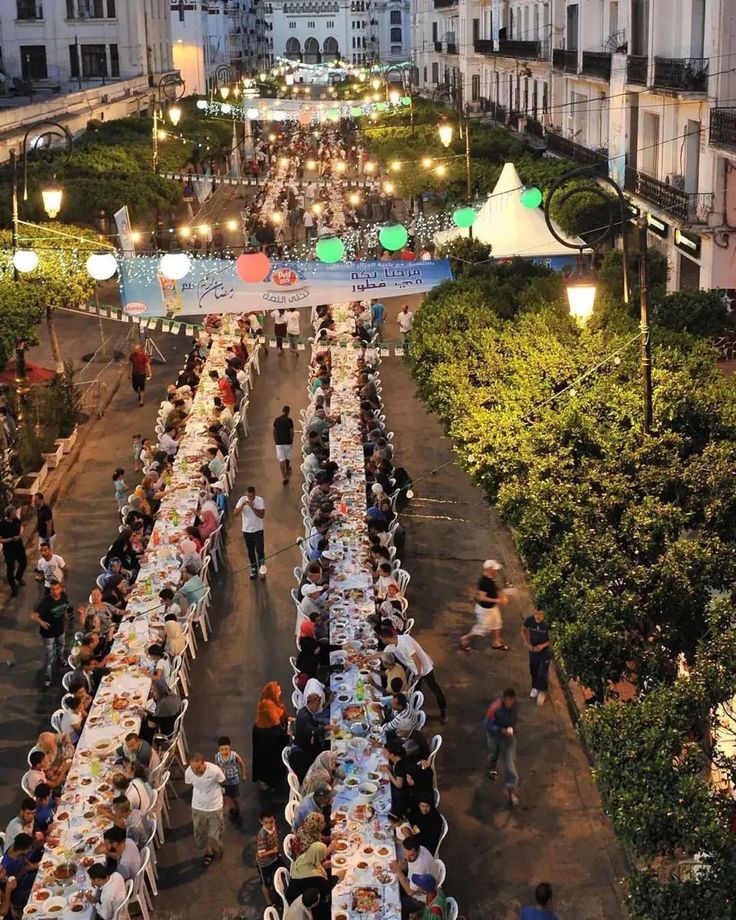
The next iftar meal is a feast for the senses. When the sun sets, Algerians break the fast with milk and dates, following the Prophet's custom.
Then, they enjoy traditional foods like chorba frik, a filling soup made with meat and wheat, and bourek, which are crispy pastry rolls.
Families usually enjoy green mint tea with honey-and-nut-rich sweet delicacies like baklawa and ktayefs after the taraweeh prayers.
During Ramadan in Algeria, many people share meals with those in need. This kind gesture ensures everyone can break their fast together and feel the community's support.
After dusk, the streets come alive with vendors selling a range of breads, sweets, and other necessities for Ramadan. Throughout the holy month, this nocturnal bustle helps Algerians feel more united and connected to one another.
Eid al-Fitr
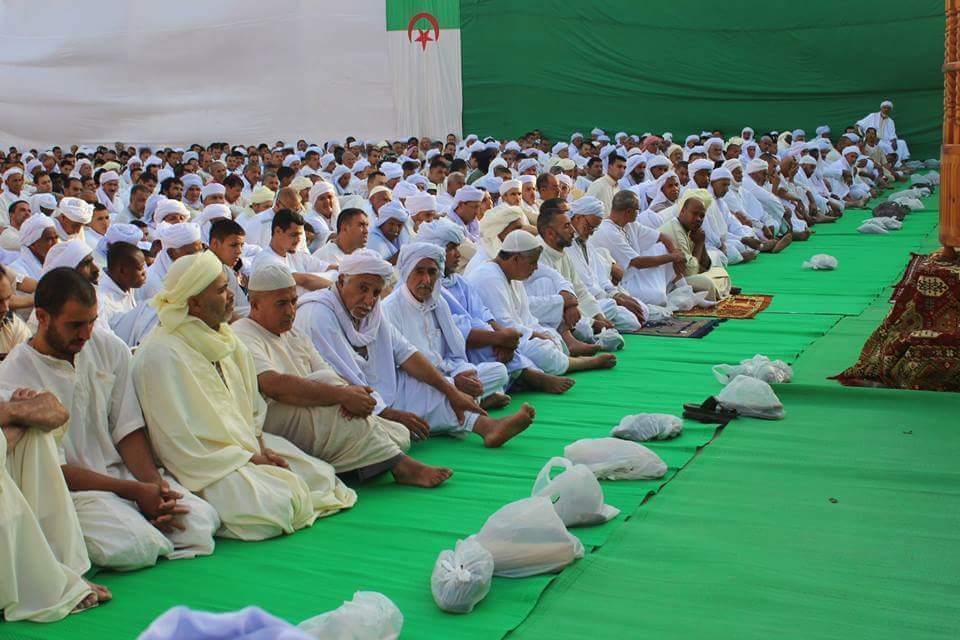
Eid al-Fitr marks the end of Ramadan. After communal prayers in mosques, this joyous occasion is followed by charity activities like Zakat al-Fitr. This action includes offering food or monetary donations to those in need.
Families gather in their finest attire to offer thanks, seek blessings and exchange gifts and sweets.
They also taste traditional dishes like Tajine, Mhajeb, Rechta, and a variety of sweets like Makroud and Griwech. This creates a feeling of happiness and community.
Eid al-Fitr is a season of joy, giving, and connection in Algeria. The streets come alive with celebratory energy. While parks become crowded with families taking in the holiday atmosphere.
Eid al-Adha
The Feast of Sacrifice, also known as Eid al-Adha, honors Prophet Ibrahim's readiness to offer his son as a sacrifice. Morning prayers and the ceremonial offering of a sheep, mark its beginning.
A third of the meat is then given to the family, a third to friends and family, and a third to those in need. This act reflects obedience, gratitude, and generosity and highlights the importance of compassion.
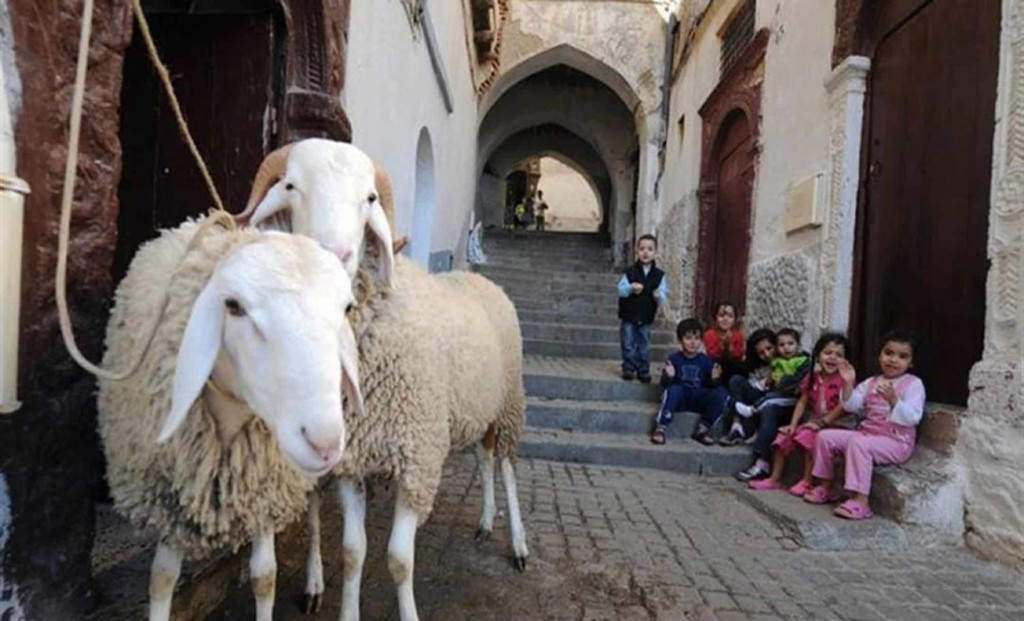
The day is marked by savoring special dishes using the fresh meat from the sacrifice.
Mechoui, a slow-roasted lamb dish, and maraq lahem, a tasty stew, are popular dishes.
The filling meals that are offered throughout the day are complemented by the bourak and kesra.
Mawlid al-Nabi
The Prophet Muhammad's birthday, Mawlid al-Nabi, is another important event. It is celebrated with readings of the Quran, and get-togethers while savoring traditional treats.
People often light candles, gift children and perform circumcisions on this date.
Mosques and public areas frequently organize special prayers and festivities. They also organize private celebrations. Such moments promote devotion and solidarity throughout the country.
If you’re spending it with an Algerian family or friends, you can savor the traditional Tamina, a sweet dish made from semolina, butter, and honey. It is usually served as a dessert after the famous couscous with chicken and chickpeas.
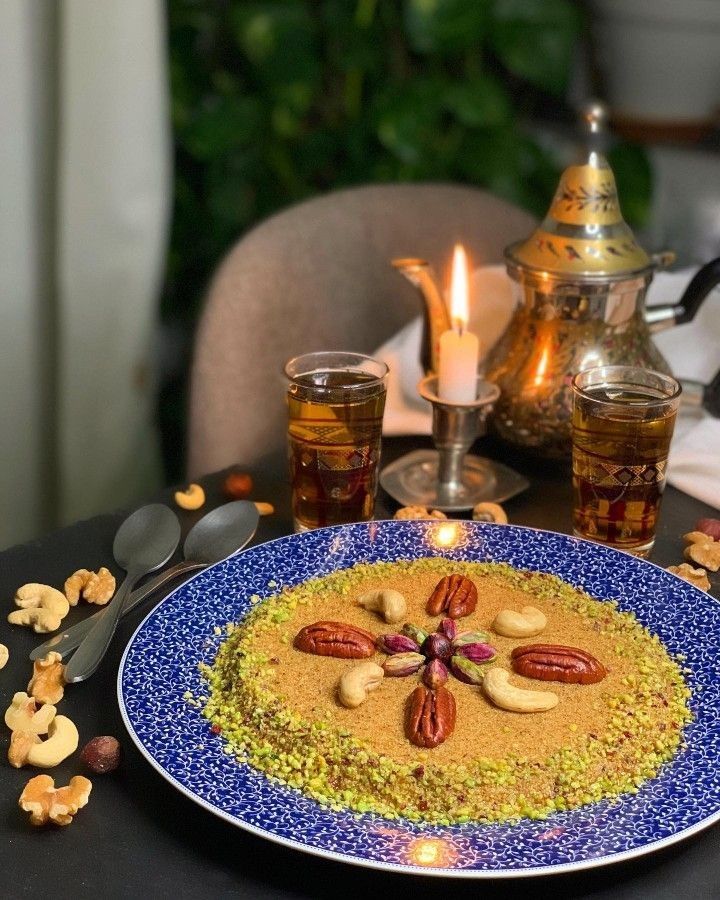
It features steamed couscous grains served with tender chicken and chickpeas in a flavorful broth. This dish is a symbol of unity and festivity.
Seasonal and local celebrations
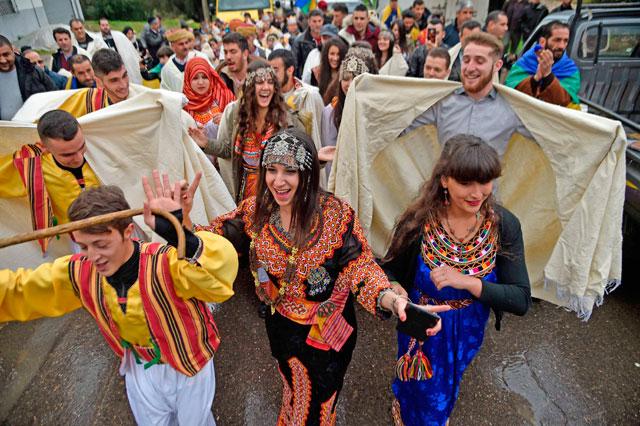
Yennayer, the Amazigh New Year, is a vibrant celebration in Algeria. It is observed annually on January 12th. Recognized as a public holiday since 2018, it honors the rich Berber heritage integral to Algerian culture.
You'll notice people, especially women, adorned in traditional Amazigh clothing and jewelry, embracing the festive spirit of Yennayer.
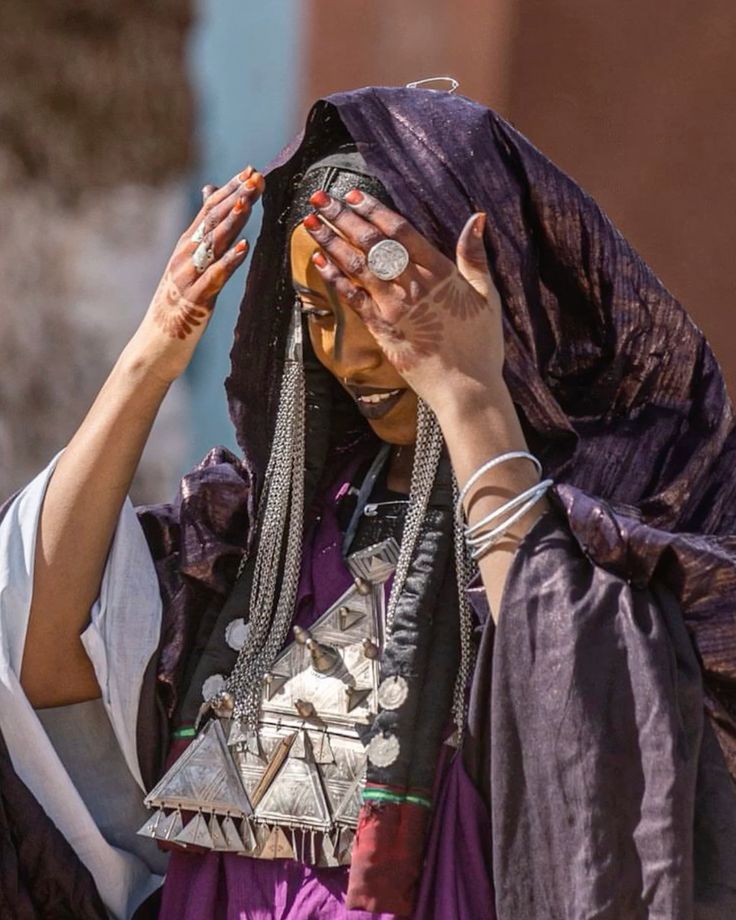
In regions such as M'zab, this day is closely linked to agricultural customs. It reflects the community's strong bond with the land. Yennayer does not only highlight Algeria's cultural richness. It also promotes pride and solidarity among the country.
These holidays are extremely important events that showcase Algeria's sense of community and cultural identity.
Visits to family and friends, large traditional dinners, and gatherings with loved ones are what define them.
The Algerian holidays often reflect spiritual reflection, community gathering, and celebration, creating priceless moments.
What to do during the holidays:
Spending the holidays in Algiers can offer you an unforgettable experience. The capital offers a bustling atmosphere, especially around New Year’s Day and Eid celebrations. Street markets, family gatherings, and festive meals fill the air.
Explore historical and cultural sites
Algeria is home to a large number of historically significant sites including UNESCO World Heritage Sites. For a glimpse of Algeria's past, spend the holidays exploring the medieval city of Al-Qal'a of Beni Hammad or the ancient ruins of Timgad during the holidays.
The UNESCO-listed Casbah is a historic town with charming alleyways lined with traditional houses. You may experience Algeria's past among its joyous present at the many cultural institutions that are open throughout the holidays.
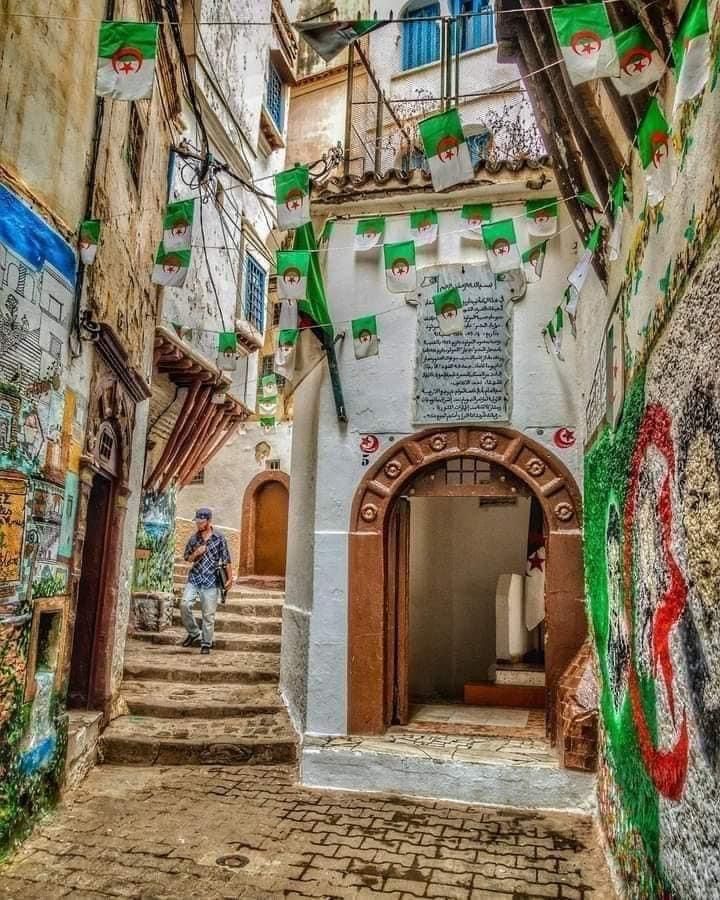
Visit the M’zab Valley
If you choose to visit Algeria during Yennayer, you're sure to enjoy your time in M’zab Valley. Known for its deep cultural heritage, it is a must-visit during this unique occasion. We bet you’ll enjoy the celebration of traditional agricultural rituals.
You’ll also enjoy a more intimate, community-driven celebration that offers an authentic experience of Algerian holiday customs.
Outdoor adventures in nature
If you're an adventurer at heart, the varied landscapes of Algeria will enchant you. You can enjoy a plethora of outdoor activities during the holidays.
Trek through the Sahara Desert or the Aurès Mountains for a sense of nature and breath-taking vistas. If you're a sea lover, you can unwind on Algeria's Mediterranean coastline. It is ideal for diving and snorkeling, exploring hidden coves, or enjoying water sports like snorkeling and diving.
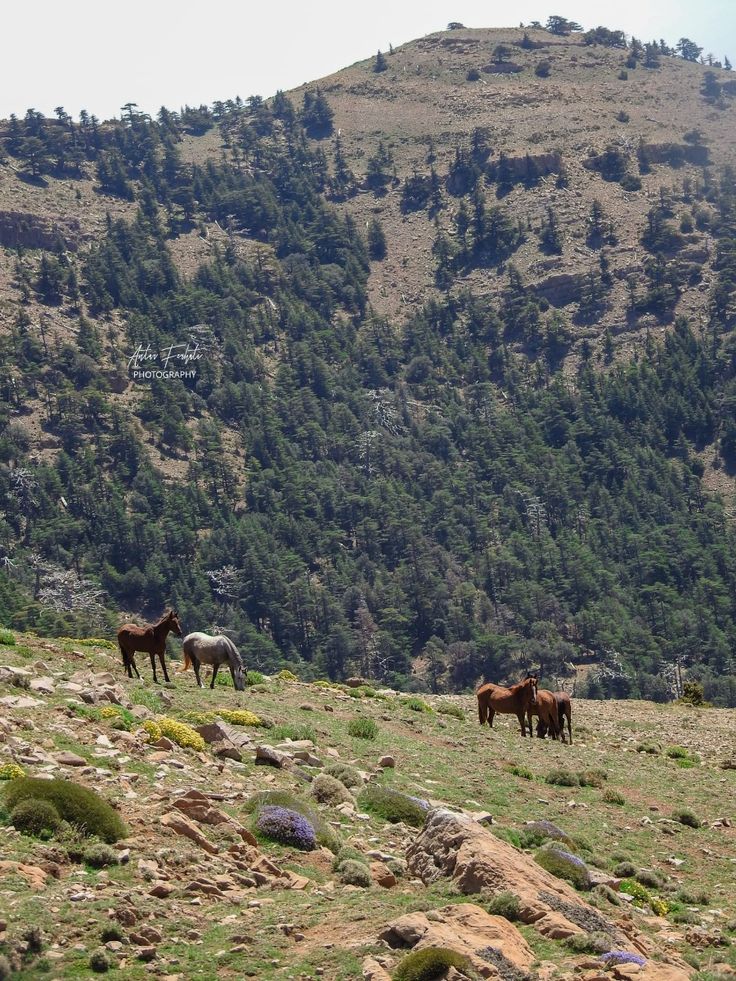
You should also consider winter for visiting the mountains. If you're lucky enough, you can admire some light snowfall in areas like Djurdjura National Park.
Savor Algerian cuisine
Algeria's delicious food is best enjoyed around the holidays. Try traditional foods like chebakia, a sweet dessert typically offered during Eid celebrations, or the famous couscous feast with lamb or chicken during Ramadan or Eid.
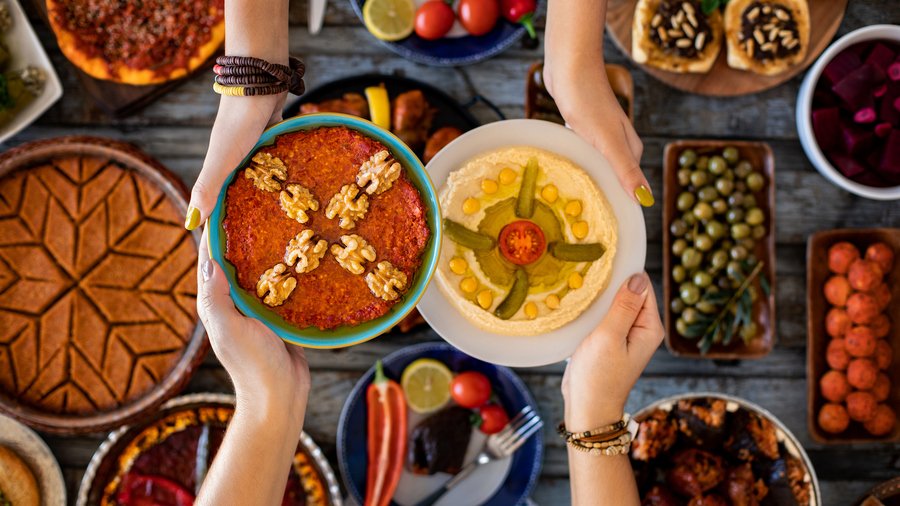
Additionally, holiday menus often feature baklava and other pastries prepared with honey and nuts. You can also taste freshly made cuisine and get a personal look at Algerian hospitality by visiting local markets, particularly around the holidays.
Attend events and festivals
Many cities celebrate significant events with festivals, exhibitions, and performances over the holiday season. In particular, art exhibits, musical performances, and culinary events are frequently held during Yennayer. We bet you'll enjoy the traditional music and the authentic atmosphere that come with it.
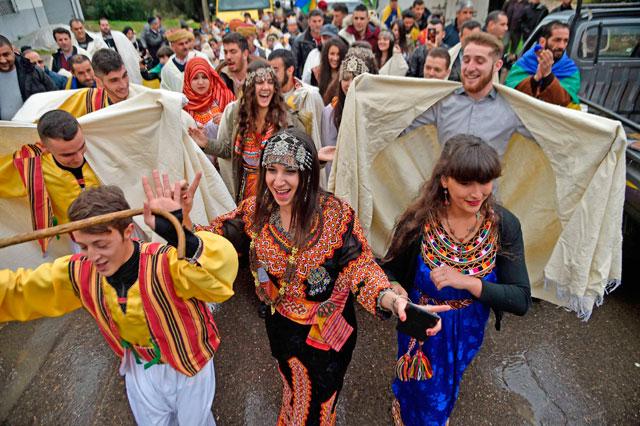
The music is an essential component of the festivities, whether it is the cheerful rhythms of Amazigh songs, the melancholic melodies of Chaâbi, or the stirring chants of Raï.
Keep an eye out for local festivities and celebrations. Attending these festivities will immerse you in Algeria's thriving cultural landscape.
How to make the most of holidays: Practical tips
Remember that the best time to travel depends on your interests and the holiday types you wish to experience.
However, it's crucial to understand local customs, time, and logistics while organizing a vacation to Algeria during its bustling holiday season.
Here is all the information you need for a smooth and remarkable trip, whether you're visiting UNESCO World Heritage sites or attending Algerian festivals.
Expect administrative closures during holidays
Anticipate administrative closures at banks, government offices, and some businesses during significant Algerian holidays.
During Ramadan or Eid al-Adha, several services, including the travel and tourism industry, may also have reduced hours.
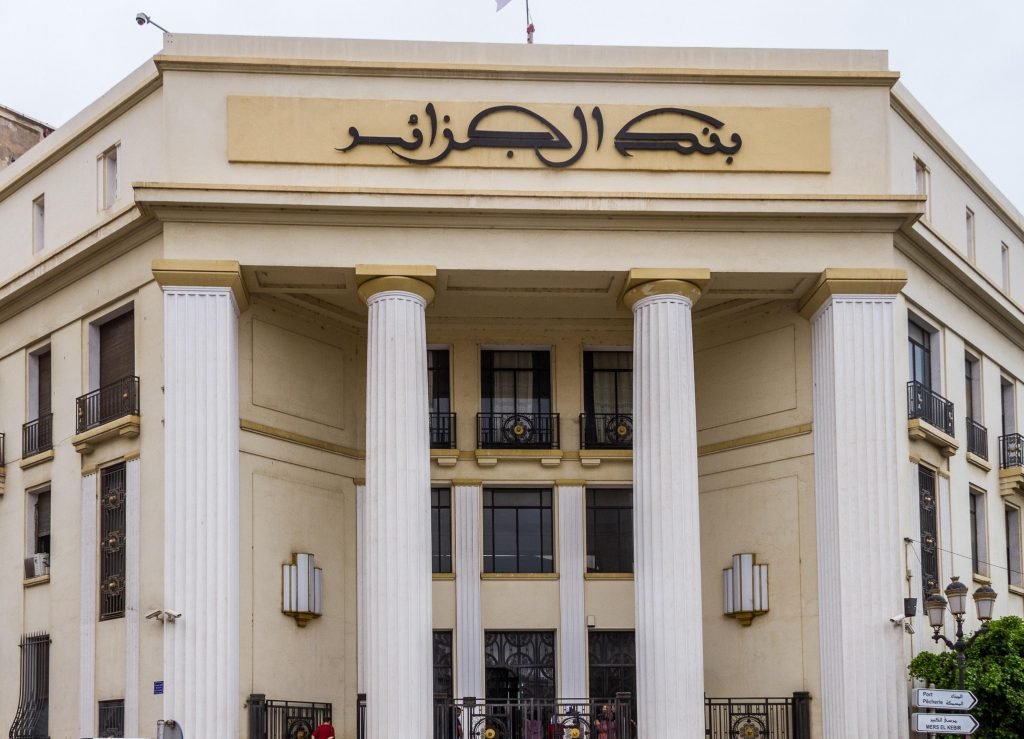
Smaller local businesses, particularly in more distant areas, may close for extended periods of time.
Note that major international companies may continue to operate in large cities.
If you're a tourist, this means you need to finish administrative work prior to vacations.
You should also check the opening hours of famous landmarks including UNESCO World Heritage sites before visiting.
Plan ahead to avoid holiday price surges
Algeria's tourism industry experiences booms during the busiest vacation seasons. Prices for accommodations and tours may increase, particularly in larger cities like Algiers and Oran.
We highly recommend opting for small group tours, for a budget-friendly option. You can enjoy a more intimate and customized experience.
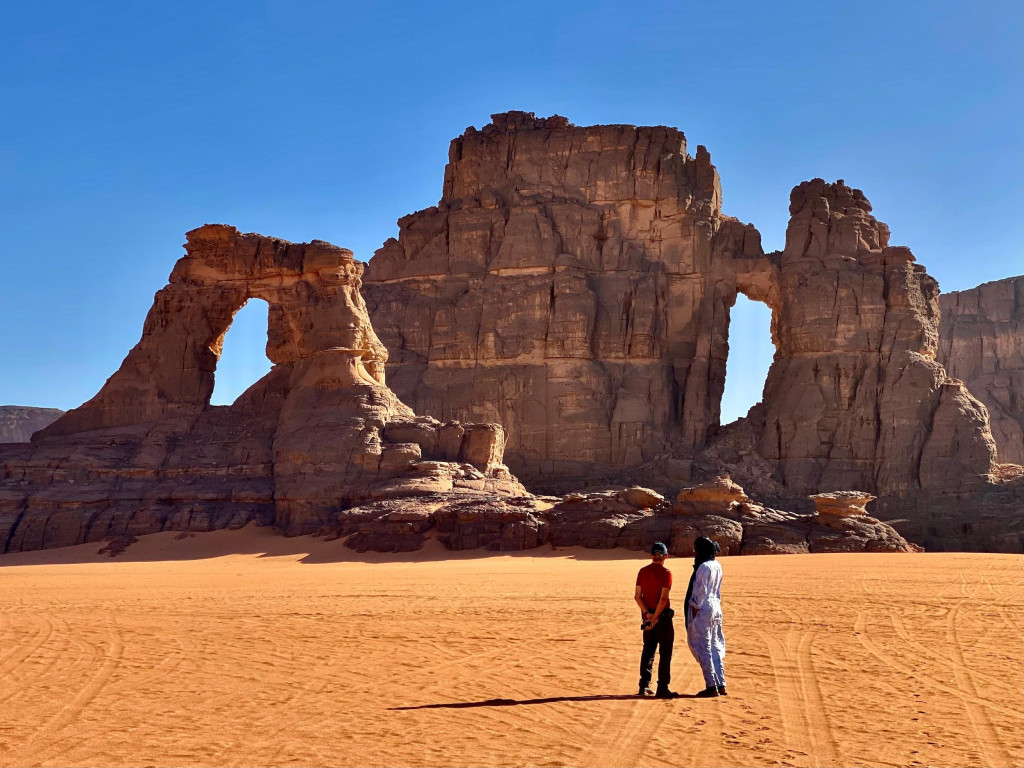
Choosing small guesthouses or Airbnbs will also allow you to experience authentic Algerian hospitality without breaking your budget.
As airlines are more likely to experience a rise in demand, the prices will definitely get higher. We advise you to book your tickets early, especially during major holiday seasons like New Year’s Day or Eid.
Respect the local customs
Algerians take their holidays seriously. That’s why respecting Algeria's rich cultural and religious traditions is crucial when traveling there during the holidays.
Understanding and embracing local traditions is a key to a joyous and smooth experience. For example, greeting people with "Eid Mubarak" on Eid al-Fitr and Eid al-Adha shows respect for the significance of the occasion.
Make sure to dress modestly, especially while you are visiting sacred places of worship or attending Eid prayers.
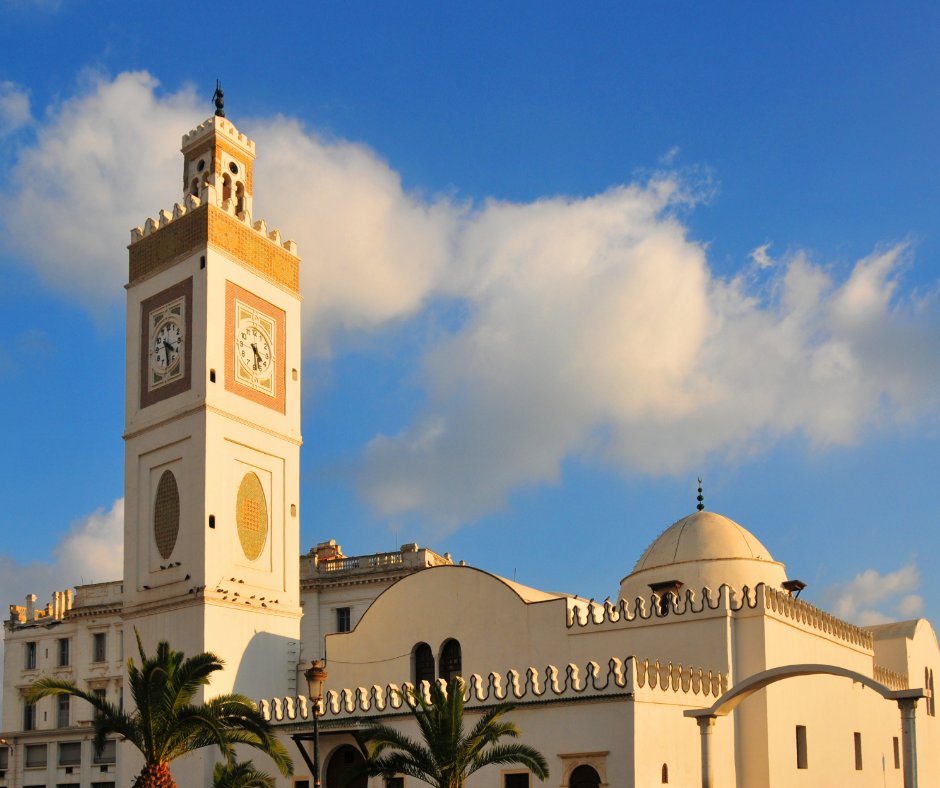
Likewise, during Ramadan, it's critical to consider regional fasting traditions. While it is not forbidden for foreigners to eat or drink in public during the day, it is greatly appreciated when they show consideration by avoiding doing so in public.
Navigate local transportation changes
Consider using local transportation for a more authentic experience, but be aware that during holiday types like Eid, travel can be crowded.
Keep in mind that local transportation can be affected by the festivities. Since a lot of people take time off to celebrate with their families, local transportation might experience a surge in demand.
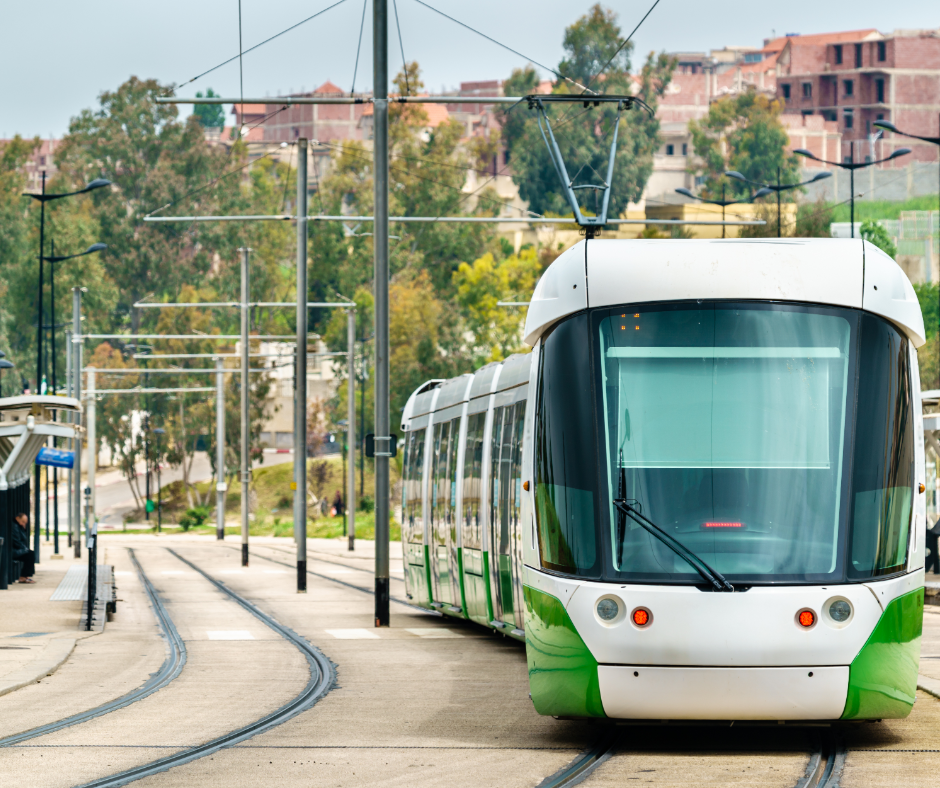
This is more likely to happen in larger cities such as Oran and Algiers. Public buses and trains might run on limited schedules or take a break entirely.
Some taxis may also be unavailable in smaller towns, so renting a car may be a more reliable option.
Domestic flights may also see price hikes or reduced availability during the holiday season. You should take this into consideration if you're planning to travel between cities or regions.
Anticipate last-minute changes
It's critical to plan ahead for any last-minute changes to guarantee a seamless vacation to Algeria during the holidays.
Holiday dates, especially Islamic ones, are based on moon sightings, which can shift schedules.
That’s why it’s essential to stay informed about the next national holidays in Algeria by using reliable tools like QPPStudio’s long-term forecasts. It is renowned for its accuracy and responsiveness.
Always check local transit, attraction, and service schedules, as well as the public holiday calendar, ahead of time to prevent any interruptions.
You should anticipate any potential changes and plan accordingly.
Final thoughts and recommendations
Nestled in the heart of North Africa, Algeria’s festive celebrations mirror the country's diverse history, fusing Arab, Berber, and French influences. These holidays invite you to experience the country's deep-rooted hospitality and the kindness of its people.
Yet, even though these celebrations create a cheerful mood, they also draw more people and more expensive pricing. This makes it challenging to fully immerse yourself in the local way of life without interruptions.
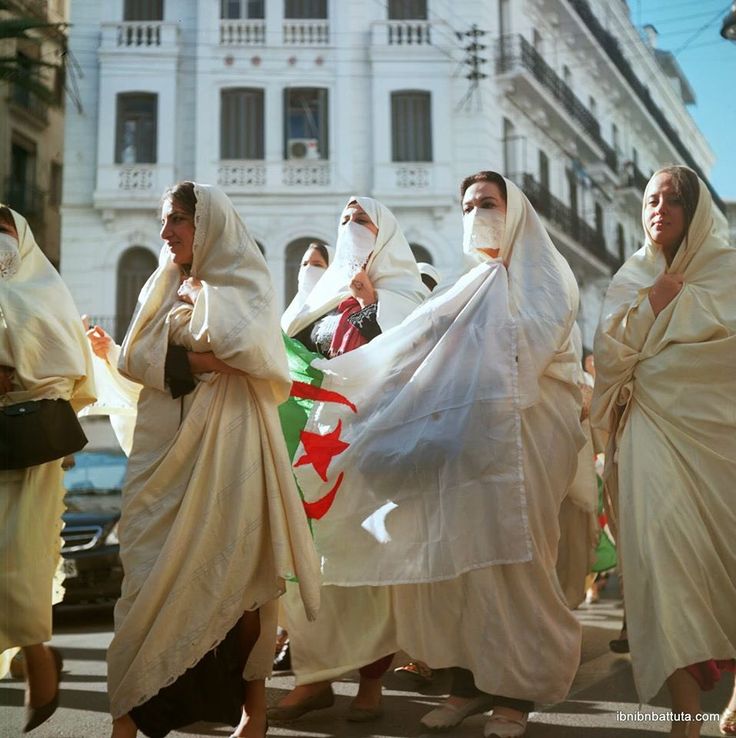
You can enjoy a more tranquil pace if you travel during slower periods, such as the weeks after Yennayer. This time of year offers a fantastic chance to experience Algeria's cultural diversity without being overrun by visitors.
You'll have more time to interact with locals, experience authentic customs, and enjoy the natural beauty of the country at your own pace. You’ll also have a more intimate connection with the places you visit.
Due to lower demand, traveling during these times of year can frequently result in more reasonably priced lodging and transportation options.
Explore our travel guide to Algeria to uncover its hidden gems. Whether you're planning to visit during the next holiday or at any time of the year, it will help you carefully plan your itinerary.


