
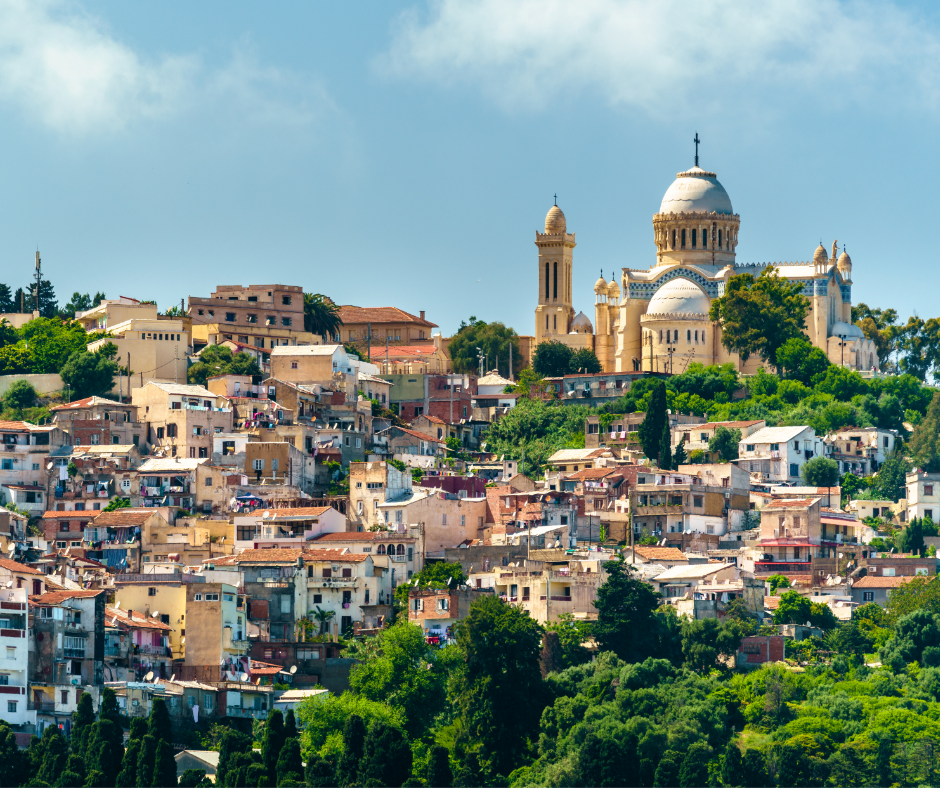

On the ground, Algeria costs about the same as Morocco, a little more than Tunisia and far less than Western Europe. The expensive part comes before you land: a visa most Western travelers must get from a consulate in advance ($160 for US citizens, GBP 85 in London), and fewer cheap flights than its neighbors get.
One more thing moves every number in this guide: how you get your dinars. Paid by card or changed at a bank, everything costs nearly 80% more than with cash changed on the informal market (autumn 2026 rates).
Below we compare daily costs with Morocco, Tunisia and Europe, then cover getting there, visas, timing and money. For the bigger picture beyond money, start with our complete guide to Algeria.
How far does your money go in Algeria?
- The verdict: cheap once you land, around Morocco's level and far below Western Europe (autumn 2026).
- Per person, per day: $30 to $60 on a budget, $70 to $140 mid-range, $200 to $350 for luxury (our estimate, flights excluded).
- The up-front hit: the visa, $160 for US citizens and GBP 85 at the London consulate.
- Dinars per euro: about 150 officially, roughly 275 on the informal market.
- How to pay: cash. Few places take cards, and those that do charge the official rate, so you pay about 80% more.
- Cheap: food, city transport (an Algiers metro ride is 50 DZD) and museums (about 200 DZD).
- Pricey: Sahara trips, and flights from anywhere other than France and Spain.
- Best-value timing: spring and autumn; for flights, skip July, August and the Eid holidays.
Is Algeria Cheap Compared to Morocco and Tunisia?
Short answer: close, but not quite. These are our rough per-person estimates for autumn 2026, flights excluded. A budget day in Algeria runs $30 to $60, a mid-range day $70 to $140, and a luxury day $200 to $350.
Morocco sits in a similar band: $30 to $60 budget, $70 to $150 mid-range, $200 to $400 luxury. Tunisia tends to run a little lower, especially mid-range, where $75 to $120 a day is typical.
Those dollar figures hide one big variable. Banks, ATMs and card payments use the official rate, about 134 DZD to the US dollar (Banque d'Algérie, October 2026), while cash changed informally fetches about 237. So 10,000 DZD of hotel and meals costs about $75 by card and about $42 in cash changed informally. The money section below explains how to handle it.
The bigger difference is the flight. Ryanair and easyJet fly to Morocco from all over Europe, and Tunisia's coast gets heavy charter traffic, so cheap seats are easy to find.
Algeria's low-cost service comes mostly from France and Spain (Transavia, Volotea, Vueling), alongside Air Algérie and Air France. Low-cost promotions do appear on the Marseille route. From elsewhere in Europe you usually connect, and summer fares climb when the diaspora flies home.
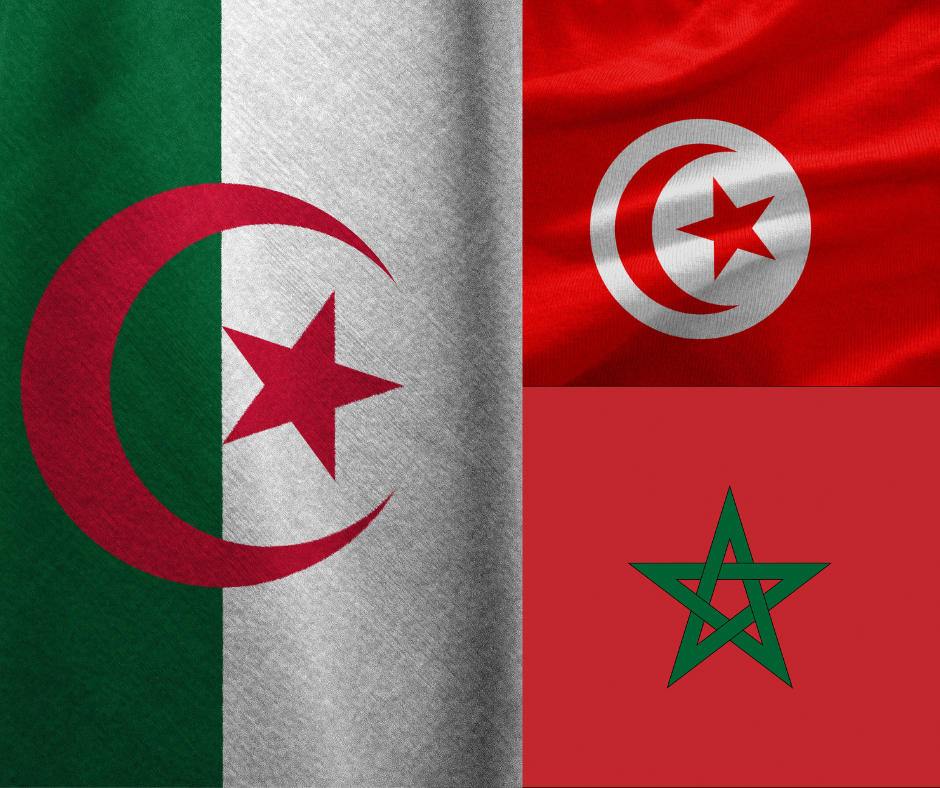
The other difference is the visa. Most travelers from Europe, the UK, the US, Canada and Australia can enter Morocco visa-free for up to 90 days, and Tunisia waives visas for many of the same nationalities. Algeria requires a visa from a consulate for most Western passports: $160 for US citizens at the Washington embassy, GBP 85 at the London consulate.
Give it a month or so to come through. The exception is an organized tour of the south booked through an approved Algerian agency, which can get you a visa on arrival (details below).
How Does Algeria Compare to Europe?
The comparison here isn't close. A dorm bed in Paris or Amsterdam can cost as much as a budget day in Algeria. A sit-down meal in Paris or Rome can run $25 to $40, more than a full day of food in Algeria. Even Algeria's luxury tier, $200 to $350 a day, lands around what a mid-range hotel and dinner costs in most Western European capitals.
Where Europe still wins is the flight. If you're already on the continent, a budget carrier can get you to Lisbon or Athens for less than Algeria's visa fee alone. Add in the visa and the higher flight cost, and Algeria's savings show up once you land, not before you leave.
Where Algeria is a bargain
Food is the clearest win. In a popular restaurant, couscous or a simple main costs about 600 to 1,200 DZD, which is $4.50 to $9 even at the official rate.
A day of street food with one sit-down meal rarely goes over $20 paid that way, and with cash changed informally it comes to a little over half that. City transport costs almost nothing: an Algiers metro ride is 50 DZD (about 37 US cents at the official rate, 21 cents at the informal one) and the tram is 40 DZD. Budget hotels and guesthouses charge about 4,000 to 7,000 DZD a night, more in Algiers, which works out at roughly $30 to $52 at the official rate or $17 to $30 with informally changed cash.
Historical sites are another strong point. National museums charge 200 DZD, and Roman sites such as Timgad and Djemila cost a few hundred dinars, under $4 even at the official rate. A private guide for the day is the bigger expense, so agree the price, and whether transport is included, before you set off. Set a little aside for the guide as well, since tipping in Algeria is expected for good service on tours.
Prices on the ground, autumn 2026
Each price gets two euro figures, because the rate depends on how you got your dinars: about 150 to the euro by card, at a bank or from an ATM, and about 275 for cash changed informally.
| What you are paying for | Dinars | EUR by card or ATM | EUR, cash changed informally |
|---|---|---|---|
| Algiers metro ride | 50 | 0.33 | 0.18 |
| Algiers tram ride | 40 | 0.27 | 0.15 |
| Airport train to central Algiers | 80 | 0.53 | 0.29 |
| Taxi, Algiers airport to the center | 1,500 to 2,500 | 10 to 17 | 5.50 to 9 |
| Couscous or a simple main in a popular restaurant | 600 to 1,200 | 4 to 8 | 2.20 to 4.40 |
| Budget hotel or guesthouse room, per night | 4,000 to 7,000 | 27 to 47 | 15 to 25 |
| National museum ticket | 200 | 1.33 | 0.73 |
| Algiers to Oran by Coradia train, second class | 1,130 to 1,350 | 7.50 to 9 | 4.10 to 4.90 |
| Prepaid mobile data, 30 days | 1,000 to 1,500 | 6.70 to 10 | 3.60 to 5.50 |
| Unleaded petrol, per liter | 47 | 0.31 | 0.17 |
Where Algeria gets expensive
Start with the visa: $160 for Americans and GBP 85 for Britons, plus the paperwork (a hotel booking or an agency invitation, proof of income) and either a trip to the consulate or a postal application. Most Western travelers heading to Morocco or Tunisia skip all of that.
Flights cost more once you leave the French and Spanish routes. There are no direct flights from the US (Air Algérie's only North American route is Montreal), so Americans connect through Europe or Istanbul.
The Sahara is the other splurge. A multi-day trip to Djanet and the Tassili n'Ajjer rock art costs more than a desert trip out of Marrakech, for three reasons. Getting there means a flight, either Air Algérie's seasonal direct service from Paris to Djanet (roughly October to May) or a connection via Algiers. Foreigners in the south travel with an approved agency, which also arranges the police or gendarmerie escort the authorities assign on some routes.
And the 4x4s, cooks and guides all have to be organized locally. In return you share the rock art with far fewer people than the dunes at Merzouga.
Sample budgets for a trip to Algeria
These totals multiply our daily estimates above and add the visa. Flights are left out because they swing so much by route and season. The visa figure is the US one; a UK visa is GBP 85.
| Trip | On the ground | Visa | Total before flights |
|---|---|---|---|
| 10 days, solo, budget | $300 to $600 | $160 | $460 to $760 |
| 10 days, couple, mid-range | $1,400 to $2,800 | $320 | $1,720 to $3,120 |
| 7 days, solo, luxury | $1,400 to $2,450 | $160 | $1,560 to $2,610 |
A Sahara extension to Djanet or the Hoggar sits on top of any of these, with a domestic or seasonal flight, a 4x4, a cook and a guide. We price those trips to the route and group size, so ask us for a quote rather than relying on a generic figure.
How to get to Algeria
By Air
Airports in Algeria
Air Algérie alone flies to around 30 airports inside the country, so where you land depends on the trip.
Houari Boumediene Airport in Algiers handles most international and domestic flights. Covering the 20 km into the center costs very little: 80 DZD and about 20 to 25 minutes on the SNTF train to Agha, or 50 DZD on ETUSA bus 100 to Place des Martyrs.
A taxi runs about 1,500 to 2,500 DZD (roughly $11 to $19 at the official rate, $6 to $11 at the informal one), so settle the price with the driver first. Yassir, the local ride-hailing app, quotes about 2,000 DZD; Uber does not operate in Algeria.
Air Algérie, Air France, Transavia and Turkish Airlines all fly direct to Algiers, with routes across Europe, the Middle East and Africa.

Oran’s Ahmed Ben Bella Airport and Constantine’s Mohamed Boudiaf International Airport are excellent alternatives for regional travel.
Inside the country you fly Air Algérie or Domestic Airlines, which went by the name Tassili Airlines until 2025. Many southern flights route through Algiers, so expect a connection, and carry your passport: you need it to board.
How to find the cheapest flight?
Fares to Algeria swing a lot with the dates, so compare before you book.
Flight comparison sites show how fares move across the dates around your trip, so check a few days either side of your ideal departure.
Compare one-way and return fares too: two one-ways on different airlines are sometimes cheaper.

Season matters more than the day of the week. Fares from France peak in July and August, when much of the Algerian diaspora flies home, and around the Eid holidays. Flying midweek can shave a little more off.
By land
The land border with Tunisia is open, so you can travel in from there by road or rail. (The Moroccan border has been closed since 1994.)
The main crossings are Oum Teboul (El Tarf, near Annaba), Bouchebka (Tébessa) and Taleb Larbi (El Oued, opposite Hazoua in Tunisia). Border areas get their own entries in official travel advice, so read the current version for the crossing you plan to use and confirm that your insurance covers that stretch.
If you're driving, have your passport, visa, driving license and the car's papers ready.
Shared taxis also cross the border, for example between Tunis and Annaba. They run fixed routes and leave when full.
Fares are low but unofficial, so settle the price before you set off.
The Tunis-Annaba train restarted in August 2024 after nearly 30 years. It was suspended for track work in summer 2026 and resumed on 15 September 2026.
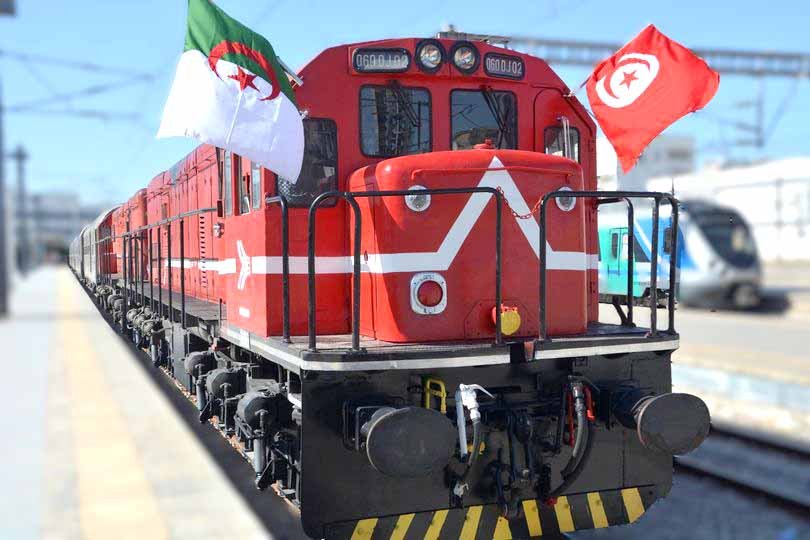
Trains run three times a week in each direction, stopping at Béja, Jendouba, Ghardimaou and Souk Ahras. The trip takes most of a day, and border checks often cause delays.
One-way tickets cost 1,640 DZD in second class and 1,900 DZD in first (2026 fares). That is about $12.30 and $14.20 at the official rate of about 134 DZD to the dollar, or roughly $6.90 and $8 with dinars changed informally at about 237.
Round trips cost 3,040 DZD in second class and 3,485 DZD in first: about $22.75 and $26.10 at the official rate, or roughly $12.80 and $14.70 at the informal rate.
By Sea
Ferries link Algeria with France and Spain, with the most sailings in summer (roughly mid-June to mid-September).
The main ports are Algiers, Oran and Béjaïa, with some sailings to Skikda, Annaba and Mostaganem. The ferries carry cars, which is the main reason to take one.
Algérie Ferries and Corsica Linea sail Marseille to Algiers in about 20 to 26 hours. GNV sails from Sète, and Baleària from Barcelona and Valencia; the crossings from Spain are shorter, roughly 10 to 15 hours overnight. Book early for July and August.
To check ferry schedules to Algeria, you can visit the Algérie Ferries website, the national ferry company. It provides details on services to and from European destinations like France and Spain.
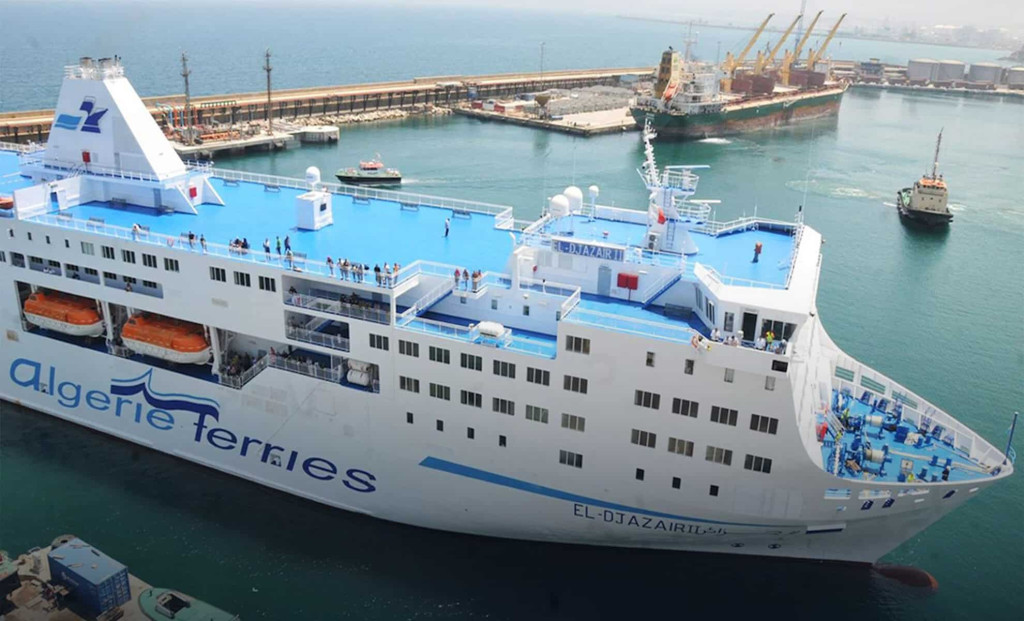
Corsica Linea, GNV and Baleària publish their own timetables too, so compare crossings on the operators' sites.
Taxis wait at the ports. Fix the price with the driver before your bags go in the trunk, or book a transfer ahead.
Practical tips
Visa requirements
Most Western visitors need a visa before they travel. Algerian consulates issue tourist, business, family and work visas. Only a handful of nationalities, Tunisians and Malaysians among them, skip the visa altogether, and organized tours of the south can use the visa on arrival.
Apply a month or more before departure. Fees depend on nationality: $160 for US citizens, and GBP 85 at the London consulate (GBP 270 for a work visa).
Each consulate sets its own payment rules. London takes cash or a postal order only; the Washington embassy asks for a USPS money order.

Processing in London takes about 10 working days if you apply in person and at least 15 by post, with roughly 5 more in summer and around Ramadan and Eid. The visa on arrival works differently and only for an organized Sahara trip: the approved Algerian agency files your request with the Tourism Ministry, you check in for your flight with a QR-code authorization, and you pay the fee when you land (commonly reported at about EUR 110).
The itinerary has to include the southern wilayas. We can help with either route: the agency invitation and itinerary letter for a consulate application, or the visa-on-arrival request through our licensed Algerian partner agencies.
The paperwork and eligibility rules are in our guide to the Algerian visa. An e-visa has been announced several times, but none existed as of October 2026.
Timing your visit to Algeria to narrow the gap
Spring (March to May) and fall (September to November) are the ideal seasons to visit Algeria.
During these months, the average temperature ranges between 15°C and 25°C (59°F to 77°F) in the north. That is the weather you want for Roman sites like Timgad and Djemila, which have very little shade.

While winters in the north can bring rain and lower temperatures, summers can be hot, particularly in inland and southern areas.
Season changes the bill too. In the Sahara the season runs roughly October to April; in summer the deep south is too hot for most trips. Ramadan, expected to begin around 8 February 2027, is harder on a tight budget, since many cafés and restaurants stay shut until evening.
First steps to do upon arriving in Algeria
Buy a local SIM card
Buy a local SIM at Algiers airport, where the operators have shops, or in any city center. The seller registers it to your passport, so have it on you.
There are three operators: Mobilis (state-owned, with the best coverage in the south), Djezzy and Ooredoo. The FCDO notes that coverage is patchy or unavailable in remote southern areas.
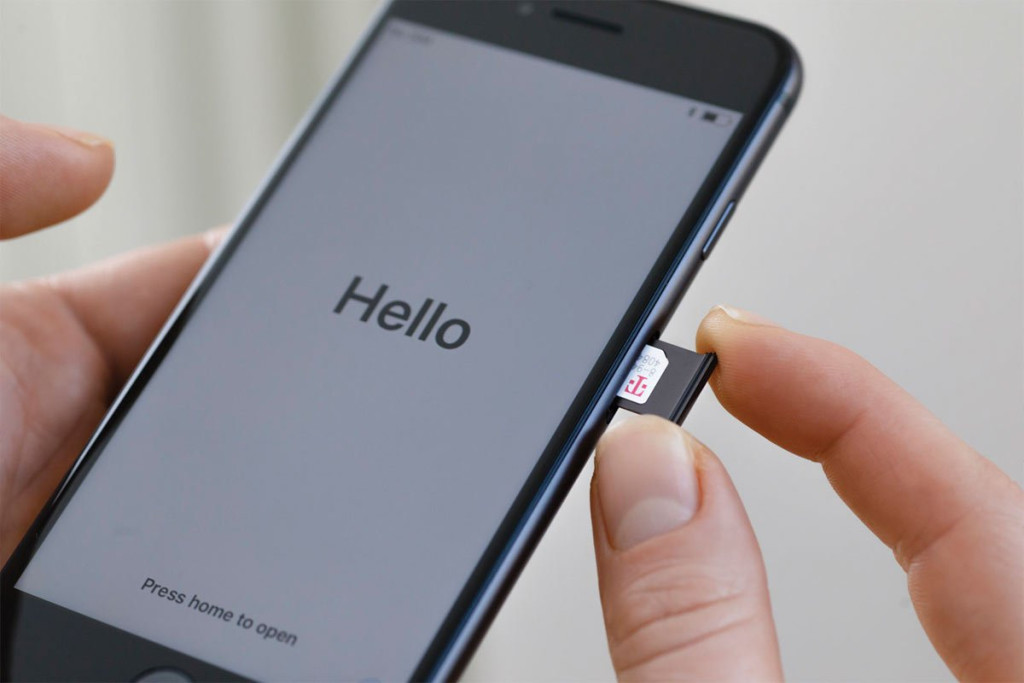
If your phone accepts foreign SIM cards, a local one costs far less than roaming. In 2026, 30 days of prepaid data cost about 1,000 to 1,500 DZD for 10 to 50 GB, roughly EUR 7 to 10 at the official rate. For more prices, see our Algeria Travel Costs: Daily Budget Guide.
Exchange money
Bring euros or dollars in cash, because the rate you get decides how cheap Algeria feels. Banks, ATMs and cards all pay the official rate of about 150 dinars to the euro (autumn 2026). The informal "square" market pays roughly 275: in Algiers that means Square Port Saïd, and every big city has its own spot. Put the other way round, a euro spent on a card buys about 45% fewer dinars, so everything comes out about 80% dearer than with cash changed informally.
Strictly speaking, the square sits outside Algeria's exchange-control rules. It also runs in plain sight, and locals and visitors alike use it, because the official rate is that much worse. Don't go alone: your guide, host or agency can put you in touch with a changer they know well, or handle it for you. Change modest sums, count every note, and never change money on the street after dark.
Plan to pay for most of the trip in cash, and mind the EUR 1,000 line. Declare more than that on arrival and customs may want to see official exchange receipts on the way out, so either change part of it at a bank or arrive with less than EUR 1,000. Non-residents may not take dinars out of the country, so spend them before your flight home.
The local currency is the Algerian dinar (DZD). Foreign Visa and Mastercard cards work in large international hotels, airline offices and some upscale shops and restaurants; elsewhere it is cash only, and the south is almost entirely cash. Cash also helps in the souks, where carpets, copperware and Deglet Nour dates are among the best souvenirs to buy in Algeria, and prices are open to friendly bargaining.

Lastly, learn a few greetings and the numbers in Arabic or French. Arabic and Tamazight are the official languages, but French is widely used in cities, and knowing numbers helps when you bargain.
How to keep a trip to Algeria cheap
Bring cash euros or dollars. Paying by card or changing at a bank makes everything about 80% dearer.
Change through a trusted contact. Your guide, host or agency can take you to a reliable changer.
Eat where locals eat. Popular restaurants serve a full plate for 600 to 1,200 DZD.
Use public transport in Algiers. The metro is 50 DZD, the tram 40 DZD and the airport train 80 DZD.
Travel in spring or autumn. Flights from France peak in July, August and around Eid.
Watch for promo fares from France and Spain. Transavia, Volotea and Vueling run the low-cost routes.
Buy a local SIM. A month of data costs less than a few days of roaming.
Share a driver. A private car and driver costs the same whether one or four people ride in it.
Weekly budgets, hotel rates and paying by card
How much should I budget for a week on the ground?
For one person, our estimates come to $210 to $420 on a tight budget and $490 to $980 mid-range. Neither figure includes flights or the visa ($160 for a US one, GBP 85 for a UK one). How you get your dinars moves both a lot: by card, prices run about 80% higher than with cash changed informally.
Would Morocco work out cheaper?
Not once you are there: our estimates put a budget day at $30 to $60 in both. The gap opens before you go, with a consulate visa for most Western travelers and fewer low-cost flights. What you get back is big sights with far fewer visitors.
What does a cheap hotel room cost?
About 4,000 to 7,000 DZD a night, more in Algiers: EUR 27 to 47 at the official rate, or EUR 15 to 25 with cash changed informally (autumn 2026).
Will my bank card work?
Only in some places: large international hotels, airline offices and a few upscale shops and restaurants. ATMs in cities and at Algiers airport often take foreign Visa and Mastercard, but reliability varies by bank, and every card transaction uses the official rate. Elsewhere, and almost everywhere in the south, it is cash only.
The verdict on cost
So, is Algeria cheap? On the ground, yes: about Morocco's level and well below most of Europe, especially if you pay in cash dinars. The costs come before you land: the visa, the wait for it, and fewer cheap flights than its neighbors get.
Plan a month or more ahead and fly from France or Spain, and the numbers work; for a last-minute trip, Morocco or Tunisia is simpler. Travelers on the tightest budgets can stretch it further still, as our guide to backpacking in Algeria shows.
For the full day-by-day cost breakdown, including accommodation, food, and tour pricing, see our complete Algeria daily budget guide.
To see how the costs fit into an actual route, start with our perfect 10-day itinerary. Prefer to have the numbers worked out for you? Send us your budget and dates and we will build a trip around them.


