
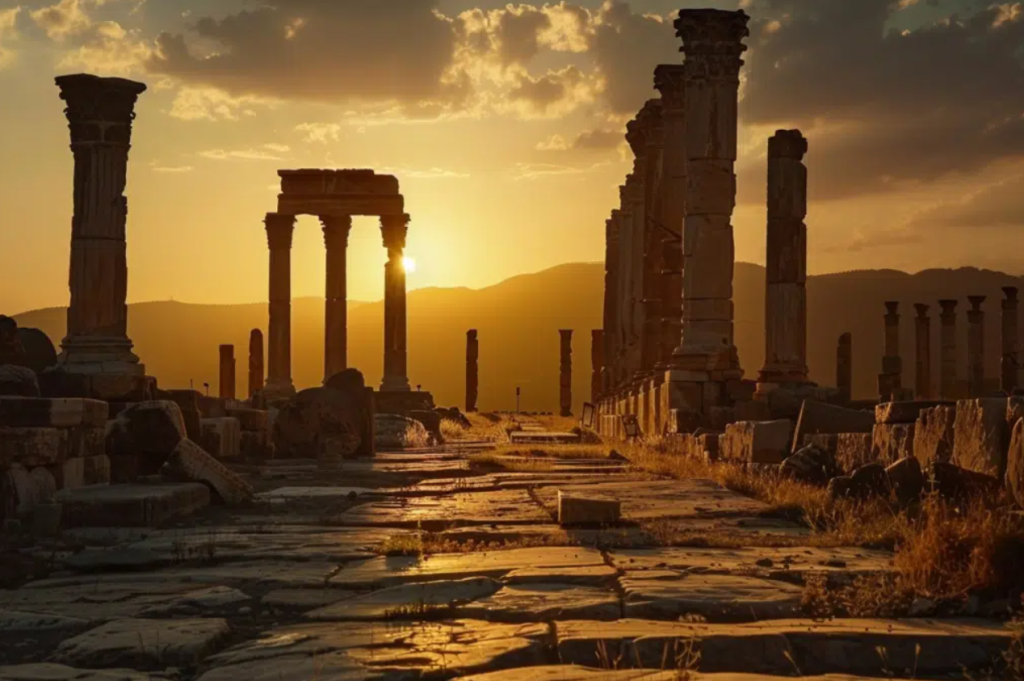

As the largest country on the
Steeped in history, culture, and natural beauty, Algeria is a country with a rich and complex heritage. It is shaped by its Arab, Berber, and French influences. From the golden sands of the
Are you prepared to kickoff the journey of a lifetime? WildyNess team has you covered!
We've compiled the best tips and insights in this guide to help you confidently explore Algeria. Learn how to plan your vacation, what to pack, and how to make the most of your journey while being safe and respectful of local customs.
What you need to know before visiting Algeria
Entry requirements and visas
Regardless of the purpose or duration of your trip, entering Algeria requires some preparation. Most travelers need a visa. Depending on the reason for your trip, you can apply for a tourist, business, family, or work visa through the Algerian consulate in your country.
The application process is straightforward but thorough. We highly advise you to apply well in advance.

Seeking legal advice can also be advantageous to facilitate the process. You can avoid common issues by staying up to date on the latest visa regulations and procedures.
Remember that you must always carry your essential travel documents when you are in Algeria. Make sure you have a copy of your passport (digital and paper), your Algerian visa, and proof of travel insurance.
Currency exchange
Once in Algeria, make sure to have some

On the other hand, banks like Bank of Algeria and National Bank of Algeria offer more reliable currency exchange services.
Mobile payment systems and e-wallets are becoming more popular in Algeria. They provide safe and practical transaction options. There are services like PayPal and WebMoney that help you swap currencies, send money, and make payments online.
However,
We advise you to save
Best time to visit Algeria
The
These seasons offer mild temperatures. Which makes it perfect for exploring cities like Algiers, Oran, and Constantine and hiking through the
In contrast, the

Summers can be extremely hot. With temperatures exceeding 45°C (113°F) in the desert regions. You better spend this period on the Algerian
Getting around in Algeria
Navigating Algeria requires thoughtful planning. The country offers many ways to get around, each catering to different budgets, preferences, and distances. With a mix of modern and traditional transport systems, you can easily reach both urban hubs and remote desert oases.
Domestic flights
Traveling within Algeria is easy and cost-effective. If you're planning to travel long distances,
Flights between major cities like Algiers, Oran, and Constantine are reasonably priced. With one-way tickets often ranging from 30 to 70 USD, depending on the time of booking and travel season. Booking tickets in advance is recommended, especially during peak travel periods.

Air Algérie and Tassili Airlines operate regular flights that connect major cities with the southern desert towns. The flight durations are short, typically under two hours. This means you can explore a diverse array of landscapes and regions within a relatively short time frame. Which makes it perfect for travelers with limited time.
Trains
In
It makes it easy to journey across the lush Mediterranean coast and enjoy the changing landscapes. In first-class carriages, travelers will find spacious, air-conditioned seating. This ensures a relaxed ride.
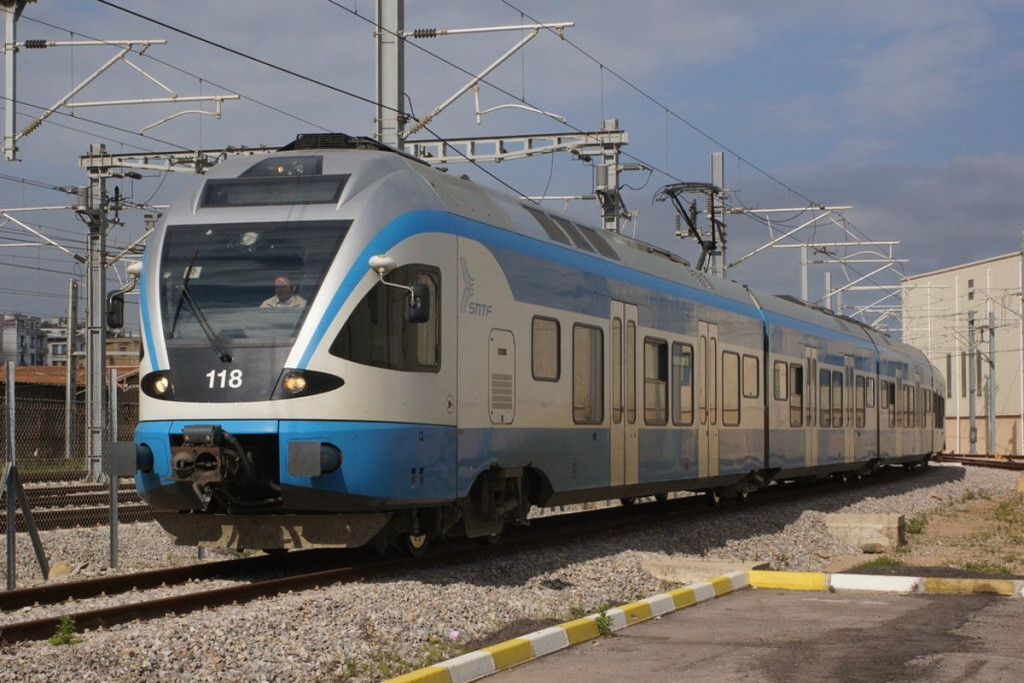
Trains are an excellent choice for those looking to enjoy the view. It spares you the stress of driving or dealing with the unpredictability of bus schedules.
The rail network is well-maintained. While it may not cover the entire country, it remains an efficient and scenic way to explore Algeria’s northern regions.
Buses
For longer, budget-friendly travel, buses are the most common and affordable mode of transportation.
While buses can sometimes be slow and have less predictable schedules, they remain the most cheap way to travel across the country. Travelers looking for a faster alternative often opt for louages. Or shared taxis, which are widely available.
These vehicles leave once they are full. It makes their schedules somewhat flexible and convenient for those traveling with a bit more urgency.
Louages
While slightly more expensive than buses, louages or shared taxis provide a more direct and quicker route. Especially when traveling between cities or to more remote destinations. These shared taxis are a common way to move inside and between cities.

They operate on fixed routes. Yet, their schedules can be unpredictable due to the need to fill all seats before departure. It gets harder to find them after dark because they typically stop operating in the evening. It is always best to check departure times at the nearest station.
Taxis
In larger cities , taxis are widely available and are efficient. It’s a
Ridesharing apps like Yassir offer a more modern and convenient method. It offers quick bookings, displays rates upfront to eliminate fare negotiations.
This user-friendly app also ensures travelers safety through geolocated rides and certified drivers.
Car rental in Algeria
If you’re planning to explore the
Renting a vehicle is also the best way to visit remote
Yet, driving in Algeria requires some caution. Road conditions can vary significantly. While major highways are generally in good condition, rural roads can be less maintained. It’s essential to ensure your car is well-equipped for long journeys.
Another crucial factor to take into account is fuel. As you get farther away from cities, gas stations become more and more limited. You need to plan your stops and refuels cautiously.
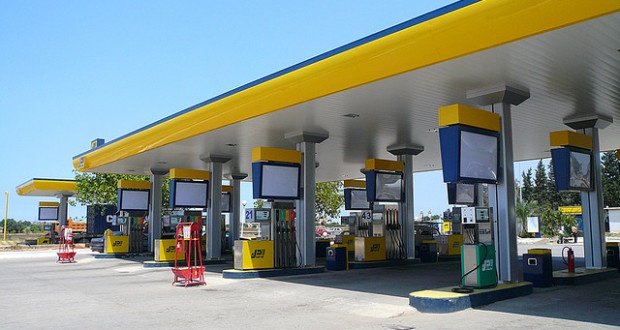
It's also a good idea to adjust your gasoline budget to the particular fuel type and consumption requirements of your car.
As of January 2022, the price of gasoline in Algeria was about 46 Algerian dinars per liter, or 0.33 US dollars per liter.
Tips for navigating local transportation
Transportation in Algeria is relatively straightforward. But there are a few practical tips to ensure a smooth experience. Cash is the preferred payment method for most transportation.
During long journeys, especially in the desert or remote areas, make sure to carry a
By combining these various modes of transportation, you can tailor their journey according to your specific needs and preferences.
You can choose to fly between major cities, take a scenic train ride along the coast, share a ride in a louage or rent a car to explore Algeria’s vast desert landscape.

The best app for maps in Algeria is Waze. You can find your way to restaurants, lodging facilities, and historical sites.
Remember that getting around the country is part of the adventure itself. Whether your travels take you to bustling cities, ancient ruins, or remote desert dunes, Algeria’s diverse transportation options offer a way to immerse yourself in the unique charm of this North African gem.
For those staying in smaller towns, walking is often the most practical and enjoyable way to explore. Many towns have compact city layouts, making it easy to visit markets, historical sites, and other local attractions by foot.
Algeria packing essentials
As you pack for Algeria, prioritize your comfort above all else. You should consider the diverse climate and activities you might encounter.
Breathable and lightweight materials are crucial for your desert and warm coastal places trips. Make sure to bring natural textiles that circulate air, like cotton and linen. Both help you stay cool and offer essential sun protection.
Make sure to bring light-colored clothing, such as khaki, beige, and white, which will help you stay cool during the day by reflecting sunlight.
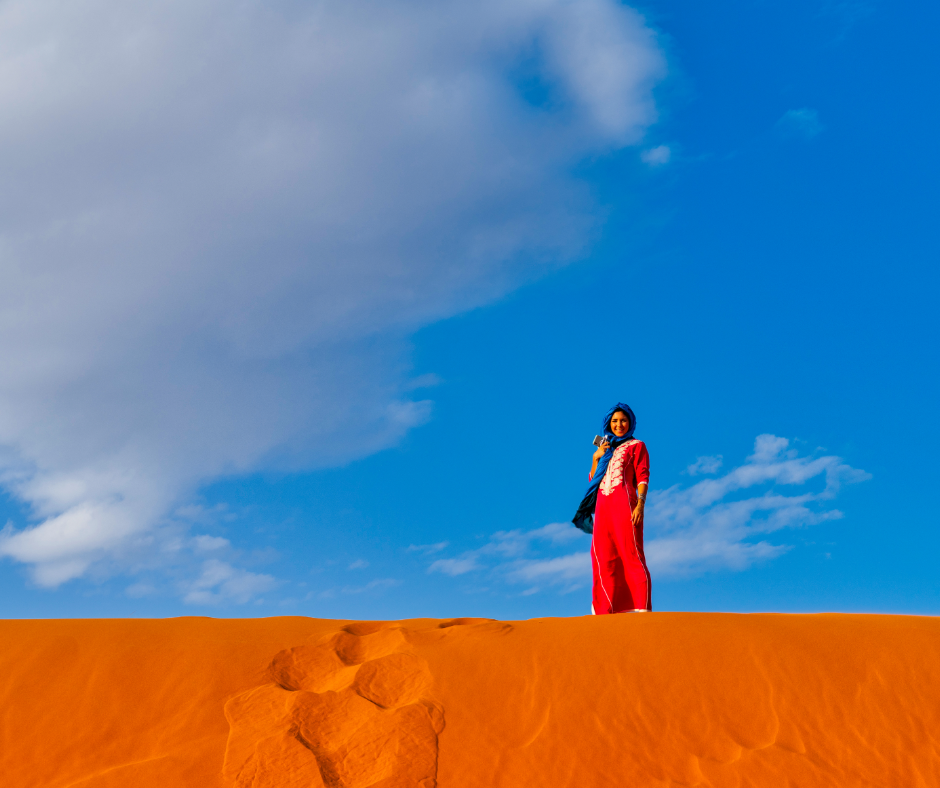
However you should bring layers, including a jacket, for cooler evenings or if your visit includes journeys to mountainous regions.
Having a wide-brimmed hat, sunglasses, sunscreen, and a scarf to shield your face during sandstorms will help you stay safe in the blazing desert. If you're a female traveler, you can use it as a headscarf to enter sacred places such as mosques.
Algeria is also a conservative country, thus modest clothing is required. Particularly for women, arms and legs should be covered. Men should, on the other hand, wear longer pants instead of shorts.
This not only demonstrates respect for local customs. It also provides protection against the blazing heat and any grit or sand that desert winds can carry.
Must-visit destinations in Algeria
The diverse landscapes, cultural heritage, and historical significance make Algeria a unique destination. From the bustling streets of Algiers to the vast dunes of the Sahara and the rugged Kabyle Mountains, there are plenty of experiences waiting for you.
Whether you are drawn to its beaches, ancient
Algiers: The white city of the Mediterranean
Algiers is often called the "White City" for its distinctive whitewashed buildings. The city beautifully blends modernity with its colonial past.
The Kasbah, a

For panoramic views of the city and sea, head to the Martyrs’ Memorial. It's a towering structure dedicated to the country’s independence from French rule.
Also, don't miss the Basilica of Notre-Dame d'Afrique. Take your time to admire its intricate blend of Christian and Islamic architecture. You can also enjoy its magnificent views over the Mediterranean.
You can check our guide to explore Algiers's
Oran: Algeria’s cultural heart
Oran is a lively city known for its music, arts, and Andalusian heritage. It offers a dynamic mix of culture and coastal beauty.
The Santa Cruz Fort is one of the

The city is also home to historical sites like the Boudhaoua Mosque and Place du 1er Novembre. It's where you can feel the pulse of local life.
Oran is internationally recognized as the birthplace of the iconic Raï music. You can catch live performances or explore local festivals to discover this vibrant musical heritage.
Don't miss the chance to savor the local delights of this city. Dishes like chorba (soup) and mechoui (slow-roasted lamb) are a must-try.
To plan your stay at Oran, make sure to read our comprehensive guide.
Constantine: The city of bridges
Dramatically perched atop cliffs, Constantine is one of the most scenic cities in Algeria. Known as the "City of Bridges," Constantine's landscape is dominated by its impressive bridges. They link the city to the surrounding valleys. For instance, its famous Sidi M’Cid Bridge offers breathtaking views of the gorge below.
The city is also home to Emir Abdelkader Mosque, one of the largest in Africa. The

You can enjoy exploring the remnants of Algeria’s Roman past. Constantine offers a striking combination of natural beauty and historical depth.
That makes it a must-visit for those interested in Algeria’s cultural heritage. We've also compiled an extensive guide to help you fully enjoy your visit to this fascinating city.
The Kabyle Region: A trekker's paradise
The Kabyle region is an undiscovered gem for trekkers and backpackers. If you're seeking authentic cultural experiences and stunning landscapes, this is the ideal place for you!
Nestled in the northern foothills of the
Tizi Ouzou serves as a base for exploring the surrounding mountains. From here, you can venture into the valleys and climb the peaks.
You'll encounter traditional Berber villages untouched by modernity. Villages like Ighzer Amokrane, Ait Bouaddou, and Maatkas are perched on steep hills. They offer awe-inspiring views of the surrounding countryside.
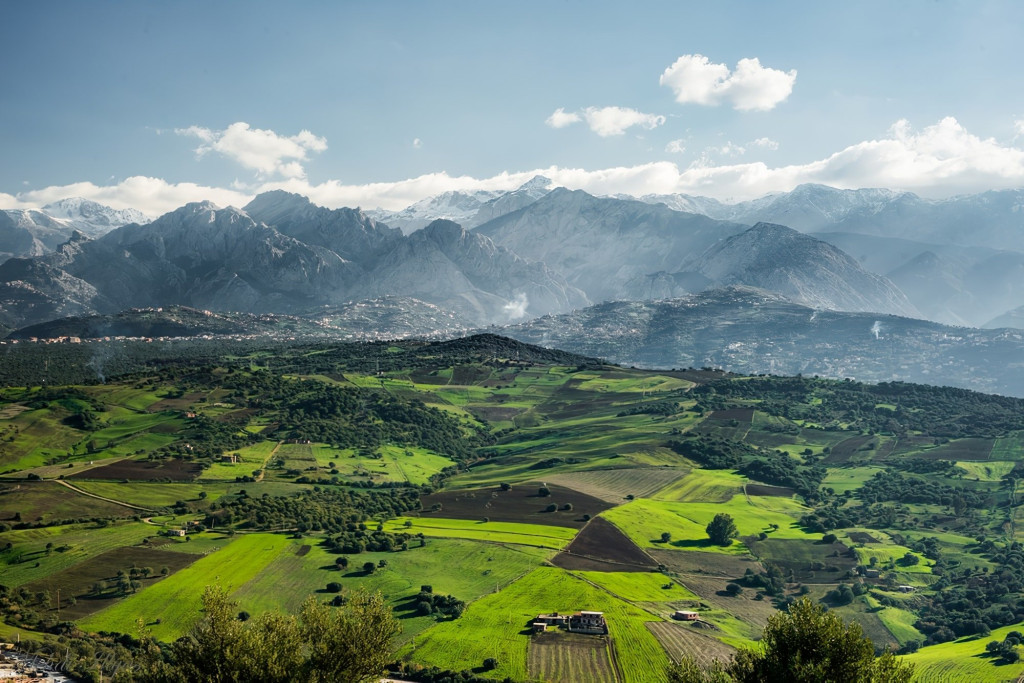
The region is perfect for trekking. Its paths take you through dense forests, olive groves, and mountain passes.
One of the most popular treks is the ascent to Jebel Bouzegza. It's a peak that offers panoramic views of the Kabyle region and beyond.
Along the way, you’ll pass through small villages. You can experience the warm hospitality of the Kabyle people, known for their rich traditions, crafts, and strong cultural identity.
The region’s Berber music and dances, as well as its distinctive architecture, provide a cultural immersion that is hard to match. This
Enjoy the serenity of Algerian coastal villages
While the cities of
Villages like Tichy, Azeffoun, and Cap Carbon are hidden gems off the
With rocky cliffs, hidden coves, and crystal-clear waters. The region’s

You can hike along the cliffs, take a dip in the sea, or visit the small fishing towns that dot the coastline. If you're passionate about exploring the great outdoors, this part of Algeria offers the perfect mix of adventure and relaxation.
Tassili n ’Ajjer National Park: An ancient Desert wonderland
Some of the paintings in the park date back 12,000 years. They depict the daily life of prehistoric people, including animals, hunters, and ritualistic scenes.

Exploring the park requires a guided tour, as it’s vast and remote. But the reward is a unique glimpse into both Algeria’s natural and human history.
The stark beauty of the desert, combined with the artistic wonders of the rock art, makes
Djanet: Gateway to the Sahara
Located on the edge of the
The town is famous for its palm groves and traditional adobe houses. It is marked by a timeless atmosphere.
From Djanet, you can venture into the desert on camelback or in a 4x4. Exploring towering dunes, ancient desert shrines, and unique rock formations.

Djanet is also home to the Tuareg people, who have lived in the region for centuries. They are a semi-nomadic Berber people known for their distinctive blue turbans and colorful history. This oasis town is a great starting point if you're looking to experience the Sahara's true essence.
Tamanrasset: The heart of the Hoggar Mountains
Situated in the heart of the Sahara, Tamanrasset is a cultural and geographical hub that offers both natural beauty and cultural heritage.
Surrounded by the stunning Hoggar Mountains, this city serves as a launch point for treks into the desert and mountains. The landscape is a hiker’s dream, with jagged peaks, deep valleys, and ancient rock art.

One of the most famous treks is to Assekrem, a plateau that offers one of the best sunset views in the world. Tamanrasset is also a place to immerse yourself in the life of the Tuareg.
This city is an essential stop for anyone wanting to experience the heart of the country. You can have a glimpse into the nomadic desert lifestyle by interacting with the friendly locals.
Ghardaïa: The jewel of the M’zab Valley
Ghardaïa is a stunning town in the M'zab Valley. The valley has five fortified cities. It is a
Ghardaïa, the most famous of these cities, offers a picturesque labyrinth of narrow alleys, whitewashed houses, and bustling souks. It has a fascinating blend of history, architecture, and spirituality.

The M’zab Valley is an ideal for those interested in both cultural immersion and nature. The surrounding desert landscape with its rolling dunes and rocky hills adds to the charm of this ancient oasis town.
Ghardaïa is also an excellent base for exploring nearby desert sites. Including the ancient ruins of Banc d'Arguin and the Ben Zerga Oasis. It is a peaceful retreat for those looking to escape the more tourist-heavy areas of the country.
Practical tips for backpacking in Algeria
Algeria offers adventurous travelers a wealth of experiences. But, as with any destination, it’s crucial to be well-prepared and informed to make the most of your trip.
Here are some practical tips that will ensure your backpacking adventure in Algeria goes smoothly. Covering everything from safety concerns to understanding local customs.
Travel with caution
Algeria is generally considered safe for tourists, especially in major cities and popular tourist attractions. Yet, like any other country, it’s essential to stay informed about local conditions and remain vigilant.
Over the past few years, Algeria has invested significantly in improving safety and infrastructure. Yet, you should take into consideration that in certain areas, particularly near the eastern and southern borders, you need to take extra safety measures. Be aware if you're traveling near the borders with Mali, Niger, and Libya.
The northern cities like Algiers, Oran, and Constantine are considered quite safe for tourists. With a strong police presence and well-patrolled areas.

The southern
The
Before visiting, always check travel advisories from reliable sources. This will help you stay informed of any updates about potential risks. Especially in areas close to the borders with countries facing instability. Check our full guide about safety in Algeria to learn more insights and tips.
SIM cards and local connectivity
Staying connected while traveling through Algeria is relatively straightforward through local SIM cards. They are essential for navigation and accessing travel-related information.
The major mobile providers offer competitive rates and reliable coverage across the country. That includes many remote desert areas.

SIM cards can be purchased at
For instance, at Algiers' Houari Boumediene Airport, you’ll find kiosks offering prepaid SIM cards with a variety of data packages.
Prices for SIM cards are quite affordable, with basic plans starting around 500–1000 DZD (roughly 3–7 USD).
Data packages vary from 500 DZD (about 3 USD) for 1GB to 2000 DZD (about 15 USD) for 10GB, depending on your needs. This will allow you to stay connected with loved ones or use online tools for navigation. Something especially useful when exploring remote desert regions.
Wi-Fi is available in some urban areas, especially in hotels, cafés, and restaurants. However, it can be slow and unreliable.
This makes a local
Where to stay in Algeria
Algeria offers a diverse range of accommodations that suits all types of travelers. Whether you're looking for luxury, budget, or something between, you'll find plenty of options.
In larger cities like Algiers, Oran, and Constantine, you'll find a mix of upscale hotels, mid-range options, and budget hostels. In smaller towns or rural areas, guesthouses and family-run accommodations are more common. They offer an authentic experience and an opportunity to engage with the local culture.

If you're traveling on a tighter budget, mid-range hotels offer good comfort at 4000–8000 DZD (28–55 USD) per night. They usually have basic services and decent amenities.
If you’re looking to save money, budget hostels or guesthouses in smaller towns provide simple, clean rooms for 1500–3000 DZD (10–20 USD) per night. Many of these places are family-owned, offering a welcoming atmosphere and a great chance to meet locals.
Accommodations are more basic in remote regions like the
From simple guesthouses in remote desert towns to basic desert camps. You can find accommodations ranging from 15 to 50 USD per night, depending on the location and type of lodging.
Keep in mind that during the high tourist season or during major national events and festivals, the rooms can fill up quickly.
That's why we highly recommend booking accommodations in advance. Checking our guide to public holidays in Algeria will offer you a glimpse on what to expect during these festive periods.
What to eat in Algeria
Algeria’s cuisine reflects its diverse history and cultural influences. It combines Berber, Arab, and French culinary traditions.
Algeria is also known for its rich stews, grilled meats, and spices, all which make for an exciting food experience. You’ll find an array of hearty, flavorful dishe and local pastries being widely available throughout the country.
One of the most popular dishes is couscous, a traditional North African dish made from semolina, often served with vegetables and lamb or chicken.
Expect to pay around 400–700 DZD (roughly 3–5 USD) for a generous portion of couscous in a local restaurant. This allows you to enjoy delicious Algerian cuisine without breaking the bank.
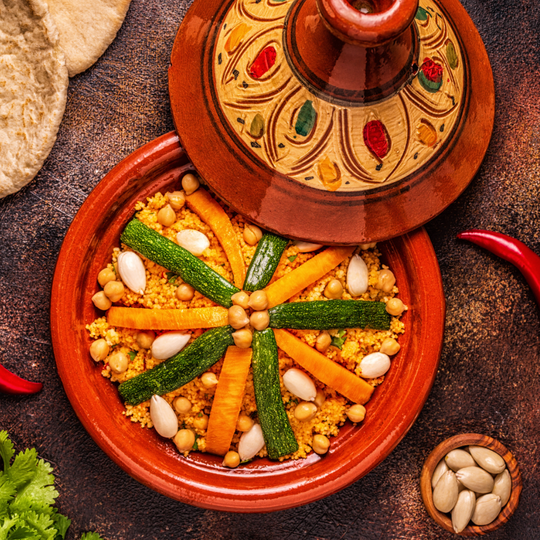
Tagine, another favorite, is a slow-cooked stew that combines meat (usually lamb or chicken), vegetables, and a medley of spices. You can also indulge in sweet Algerian pastries such as makroudh. It's a deep-fried semolina pastry filled with dates or almonds, which is a must-try snack.
As for drinking water, it's important to note that tap water in Algeria is generally not safe to drink. Bottled water is widely available, and you can find it in supermarkets, restaurants, and convenience stores. A bottle of water typically costs around 30–70 DZD (0.20–0.50 USD).
It's advisable to carry a reusable
Respecting local customs is a must
Algeria is a predominantly
The country’s conservative cultural values, especially in rural areas, mean that it’s important to dress modestly and be aware of the significance of religious practices and local traditions.
For women, this generally means wearing clothing that covers the shoulders, cleavage, and knees. While it's not required to wear a headscarf, we advise you to dress modestly, particularly in smaller towns or more rural regions.
For men, dressing modestly is also important. Avoid wearing shorts in conservative areas and be mindful of local sensitivities.
You should take into consideration that fridays are a special day of prayer. Many businesses will close during prayer times (usually around noon to 1 pm). It’s a
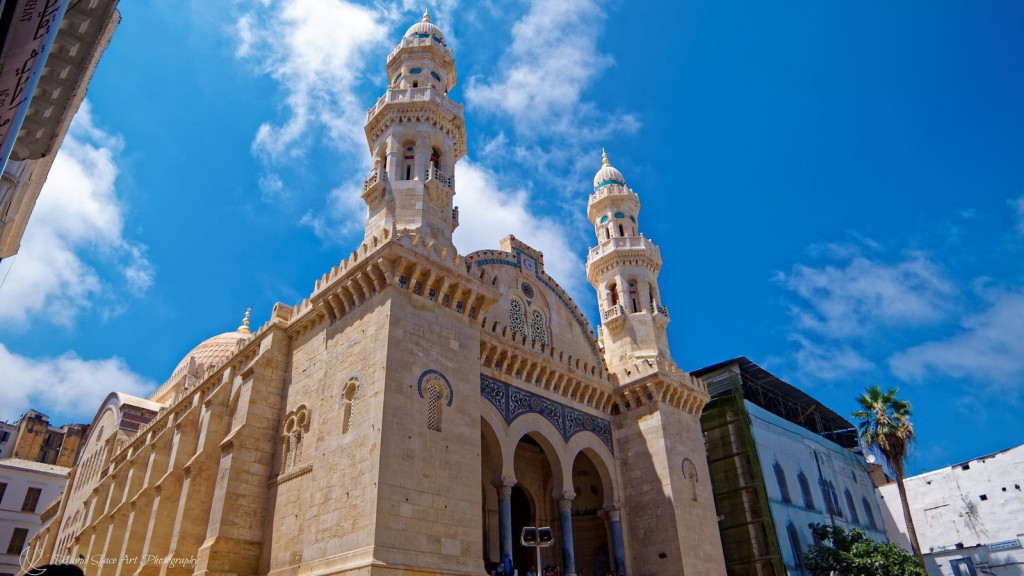
When visiting Algeria during Ramadan, be aware that many businesses, restaurants, and shops may close or have altered hours during the day. During this holy month, It's respectful to avoid eating, drinking, or smoking in public during daylight hours.
Cultural sensitivity is essential when taking photographs. Photographing landscapes and historical sites is acceptable.
However, always ask for permission before taking photos of local people since some individuals, especially in rural areas, may feel uncomfortable. For a trouble-free experience, you should also avoid taking photos of government buildings, military facilities, and other sensitive sites.
Why Algeria should be your next destination
Algeria is a country of striking contrasts. It's where ancient history meets modernity, and diverse landscapes offer an array of experiences that are both enriching and unforgettable.
This North African gem is one of the continent’s most underexplored destinations. And for those who venture beyond its borders, it rewards with a unique blend of culture, history, and natural beauty that’s hard to find anywhere else.
As Algeria continues to develop its tourism infrastructure and international travel becomes increasingly accessible, it is destined to become a sought-after destination in the
If you're seeking a travel experience that goes beyond the typical tourist path, Algeria offers a chance to experience the North
So, pack your bags, take the plunge, and discover this hidden gem in the heart of


