
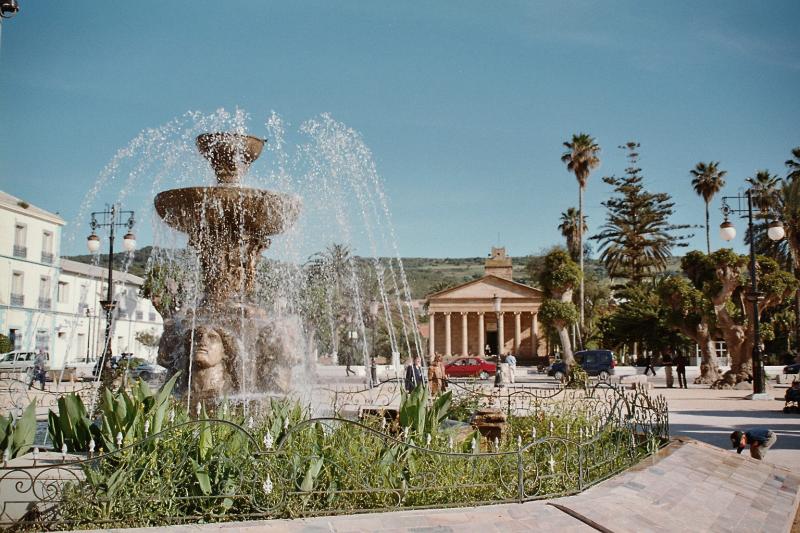

Nestled in the heart of North Africa, Algeria stands as the largest country on the continent. A vast expanse of diverse landscapes, rich history, and vibrant cultures. From the turquoise waters of the Mediterranean coast, to the sprawling sands of the Sahara Desert, this country offers an endless array of unforgettable experiences.
Algeria’s duality is striking. Bustling urban areas contrast with tranquil rural regions. Time seems to stand still amidst rolling hills, quaint villages, and age-old traditions.
You can immerse yourself in the awe-inspiring coastal views or venture into remote areas for an adventure infused with the mystique of the desert.
Considering the variety of experiences Algeria offers, planning ahead is crucial. Each destination has its own unique logistical requirement
This guide is your ultimate resource for planning a perfect journey. With detailed information at your fingertips, you’ll be equipped to safely and confidently explore all that Algeria has to offer.
Whether it’s the vibrant cityscapes, serene rural backdrops or splendid natural wonders, Algeria promises a journey like no other.
What you need to know before traveling to Algeria
Visa and entry requirements
If you’re an international traveler, entering Algeria requires careful preparation and adherence. A valid passport is the first essential document.
The type of visa you will need depends on the nature of your travel plans. You also need to complete a visa application form according to the purpose of your visit.

In addition, you may need to provide supplementary documents to support their entry. These can include a letter of invitation from a host in Algeria or a certificate of accommodation confirming where you will stay.
You might also need a hotel reservation if your accommodations are pre-arranged. And if you’re applying for a temporary work authorization, an employment contract is required.
It’s important to consult the Algerian embassy or consulate in your country for the most accurate and up-to-date information. Keep in mind that requirements can vary depending on the type of visa being sought.
You should also be aware of the Algerian government’s regulations on visa validity. A maximum stay is imposed on all visas, and the length of this stay varies based on the visa type.

Make sure that your travel itinerary aligns with the duration permitted by your visa.
We strongly recommend beginning the application process ahead. This allows enough time to gather any extra documents that may be needed and to address any unforeseen delays.
Preparation will ensure a smooth entry into Algeria. It will also allow you to focus on the experiences awaiting you in this fascinating country.
Your safety checklist for Algeria
Before embarking on your journey to Algeria, it is a must to focus on your health and safety. Start by consulting a travel health professional to ensure you are up-to-date on necessary vaccinations.
If you need prescription medication, ensure it is carried in its original packaging and a doctor’s note.
Algeria’s health care system varies significantly depending on location. In urban areas, medical facilities are generally adequate, with well-equipped hospitals and pharmacies.
But, remote areas and rural regions often lack advanced medical infrastructure. Access to specialized care may be limited.
For unexpected health emergencies, you should secure comprehensive travel insurance. It needs to include coverage for repatriation assistance and medical evacuation services.

This is important if you plan to explore Algeria’s remote or rural landscapes such as the Sahara Desert or border regions.
In urban areas, petty theft can pose a problem, particularly in crowded places and on public transportation. Keep your belongings secure, avoid displaying valuable items. And remain vigilant in busy markets or while using transit systems.
Taking proactive measures ensures a well navigation of the diverse landscapes and cities. All while minimizing potential risks. Proper preparation ensures a journey that is both safe and memorable.
Following these tips allows you to fully immerse yourself in the wonders of this North African destination. Stay informed and prepared with our updated safety tips for traveling in Algeria.
Your guide to transportation and road conditions
Algeria offers a blend of modern transportation options and challenging terrains. It reflects the country’s vast and varied geography.
In most larger cities, public transportation options are readily available and affordable. Cities like Algiers boast modern tram systems that link key neighborhoods and attractions. While buses and taxis cater to more localized travel.
The train network connects major centers and provides a scenic way to explore the landscapes. Though schedules can be inconsistent and delays are not uncommon.
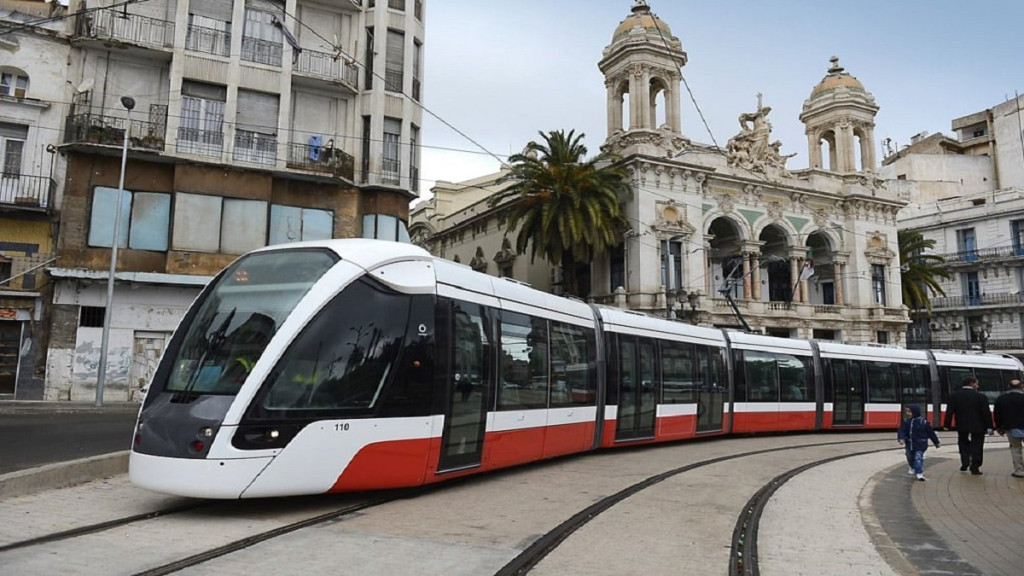
In urban areas, roads are generally well-maintained and provide smooth travel within cities. Yet, as you venture into remote areas or rural regions, road conditions can become more difficult. With uneven surfaces, lack of proper signage, and unpredictable hazards.
If you’re planning to explore these regions, you should exercise caution. Hiring a local guide is a good idea, particularly when navigating the Sahara Desert or the rugged mountainous areas. Local guides are invaluable for their knowledge of the terrain and for ensuring safety.
For long-distance travel, domestic flights offer a convenient and efficient way. These flights are particularly useful for traversing vast distances.

If you’re heading into rural areas or regions with limited public transport options, you should plan ahead, especially when driving.
Renting a vehicle can provide flexibility. But it’s important to be aware of the local traffic rules and potential challenges.
Whether you’re flying, navigating the bustling streets of Algiers, or journeying through the serene expanse of the Sahara. Algeria offers a variety of transportation options to suit every traveler’s needs.
Navigating Algeria’s local customs and culture
Respect local laws
For a safe and respectful visit, you need to be aware of and respect the country’s local laws and cultural customs. Algeria places a strong emphasis on cultural sensitivity. You should make every effort to understand the social norms. Such norms shape daily life in the country.
One of the most important aspects to keep in mind is that public displays of affection and sexual acts in public are prohibited. It can lead to legal consequences.
Another critical point for visitors to consider is that homosexuality is criminalized. You should be discreet and mindful of your actions in order to avoid violating local laws.
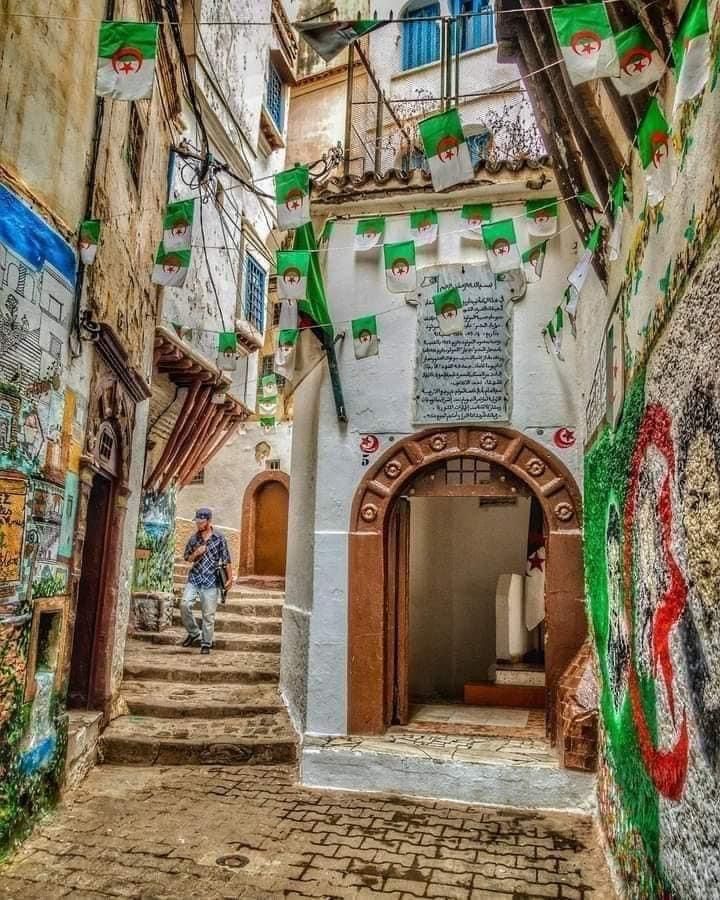
While this may not impact most tourists directly, it is important to be aware of the cultural context and legal framework in place.
It is also important to note that consuming alcohol outside designated areas. Outside of licensed restaurants or bars, alcohol is not allowed.
Although alcohol is available in some venues, it is not widely consumed in public. And excessive drinking may be frowned upon in certain contexts.
For female travelers, dressing modestly is recommended. Particularly in rural areas, where traditional norms may be more strictly observed. Covering shoulders, head, and avoiding revealing clothing can help reduce unwanted attention.
Furthermore, women are advised to avoid traveling alone after dark. As certain areas may be less safe, particularly for those unfamiliar with the environment.
What to expect about languages in Algeria
While Algerian Arabic is the official language, many people in urban areas also speak French. The latter serves as the country’s secondary language due to its colonial history.
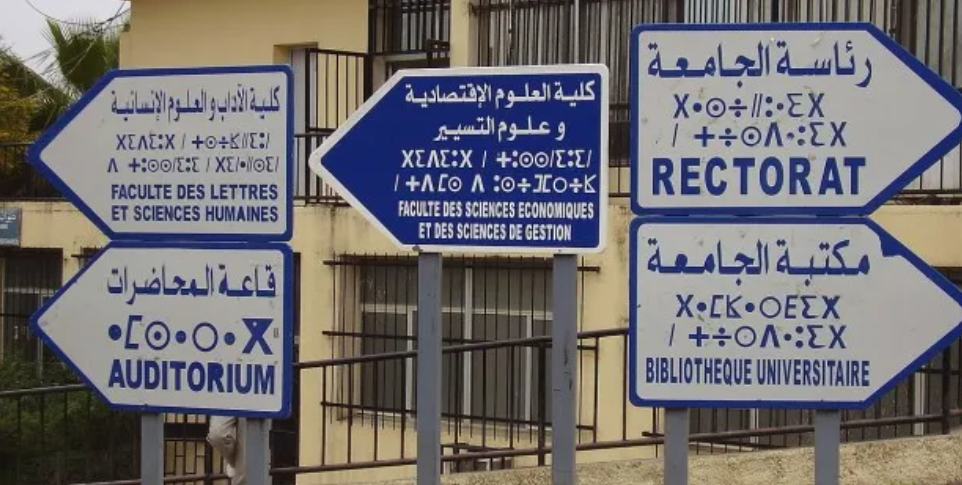
In the cities, you’ll find that French is mostly understood. Especially in business, government, and educational settings. But, English is not spoken much.
Learning a few basic Arabic or French phrases would facilitate connecting with locals. Simple greetings and expressions of gratitude can go a long way in fostering positive interactions.
By respecting the legal and cultural landscape, you can avoid potential misunderstandings. It also shows appreciation for the country’s rich heritage and social norms. Adapting to these local expectations ensures a more harmonious and enjoyable experience.
Accommodation and budgeting tips for a smart stay in Algeria
Where to stay in Algeria
A wide range of accommodation options are available to suit different preferences and budgets. In major cities, you can find luxury hotel rooms with modern amenities. They offer a comfortable and secure stay.
These hotels often provide extra services like airport transfers and guided tours. Smaller boutique hotels or guesthouses offer a chance to immerse yourself in local culture as well.

In remote areas or rural regions, accommodation options are more modest. Even with basic services, they provide a welcoming environment indeed.
Whether you’re staying in a 5-star hotel or a charming rural guesthouse, we advise you to book accommodation in advance. This helps you ensure that the place meets your expectations and avoid any surprises.
Payment options in Algeria
Credit cards are generally accepted in larger cities. Yet, in rural areas and remote regions, cash is often the preferred method of payment.
Many small businesses and local accommodations may not have the infrastructure to accept cards. So it’s a good idea to carry enough cash for your travel in these areas. ATMs are available in most urban centers. But they may be less common in more remote locations, so planning ahead is essential.
While traveling in Algeria, it’s crucial to be cautious with your currency exchange. Avoid using the black market to exchange money. It is not only illegal but can also lead to significant legal issues with authorities.

Instead, exchange currency at official banks, authorized exchange offices, or ATMs. These transactions ensure you receive a fair exchange rate. This way you can avoid any complications during your trip.
Familiarize yourself with the financial regulations for an extended stay. Some businesses may also accept USD in specific areas. But Algerian dinars (DZD) are the official currency. Be mindful of carrying the correct denomination for daily expenses.
Whether enjoying luxury in the cities or venturing into the more rustic corners. Being prepared for financial and lodging needs will enhance your experience.
Safety tips and emergency services for traveling in Algeria
Algeria has seen improvements in its political stability in recent years. Yet, travelers should remain vigilant about potential risks, such as natural disasters or civil unrest. These events have been rare in the past year but it's still wise to prepare for any unexpected situations.
When traveling to Algeria, it’s essential to stay informed about the security situation. This will help you ensure your safety throughout your journey. Following official channels on social media will keep you updated of any safety concerns or alerts.

Emergency services in Algeria are available in major cities. Hospitals, fire departments, and police stations can handle a range of situations. But, in remote areas and rural regions, response times may be slower due to limited infrastructure and resources.
If you find yourself in an emergency, it’s crucial to know how to contact local authorities. In urban areas, emergency numbers for police or medical help are generally easy to access.
Luckily, most major cities have English-speaking personnel. They can guide you in urgent situations.
Contacting the nearest embassy or consulate can be vital in serious emergencies. It’s also a good idea to have the contact information of your embassy handy. You can either save it on your phone or write it down in case you lose access to your device.
Healthcare is generally adequate. Yet, remote areas may not have the same level of access to specialized care. It’s important to travel with medical insurance that includes emergency evacuation coverage. Being prepared for potential risks ensures you can respond fast.
Algeria’s gems: Top cities and attractions to explore
Algeria offers visitors a blend of ancient heritage and modern allure. Its cities, each unique in character and history. They serve as gateways to explore the nation’s vibrant culture and breathtaking landscapes.
Wander through the beauty of Algiers
Algiers, the capital and largest city, stands out as a dynamic metropolis where history and modernity coexist. Known as the “White City,” Algiers is famed for its Ottoman-era Casbah, a UNESCO World Heritage Site.
This labyrinth of narrow alleys and whitewashed buildings is home to historical landmarks such as the Ketchaoua Mosque and the Palace of the Dey.
Beyond the Casbah, Algiers offers a stunning Mediterranean coastline. It has serene promenades and vibrant neighborhoods that showcase its evolving urban spirit.
From the verdant Jardin d'Essai El Hamma to the famous Martyrs' Memorial, take the time to admire the timeless beauty of this city.
Situated in the Mohamed Belouizdad area, the Jardin d'Essais, also called the Botanical Park of Hamma, is a veritable oasis of greenery. If you're a nature enthusiast, this place is sure to become your favorite.

You can explore museums like the National Museum of Fine Arts or the Bardo Museum. They display artifacts spanning Algeria’s millennia-old history.
A visit to Notre Dame d'Afrique, a Roman Catholic church, is also a must. Located atop a hill overlooking the Bay of Algiers, it offers stunning views of the city and the Mediterranean Sea.
Immerse yourself in Oran’s beauty
Oran, Algeria’s cultural hub, captivates visitors with its lively music scene and colonial charm. As the birthplace of the world-renowned Rai music genre, the city is alive with rhythm and energy.
With its bustling cafes and boutiques, Oran's Place du 1er Novembre is a great place to start your tour. You can explore the historic Sidi El Houari quarter after admiring the neoclassical Town Hall, Baroque Theater, and Winged Victory Statues.

Moreover, enjoy the tranquil Letang Garden and learn about Ottoman magnificence at Hassan Pacha Mosque.
Enjoy a cultural immersion at the Ahmed Zabana National Museum or take in Oran's architectural gems, such as the spectacular Abdelhamid Ben Badis Grand Mosque.
The iconic Santa Cruz Fort, perched atop a hill, offers panoramic views of the city and its bustling waterfront. Oran is waiting for you to discover its lively soul!
Stroll through Constantine’s splendid views
Constantine or the “City of Bridges,” is an architectural marvel. It is built atop a dramatic gorge. The city’s suspension bridges, including the iconic Sidi M’Cid Bridge, offer breathtaking views of the rugged landscape below.
Constantine also boasts significant cultural and historical sites such as the Ahmed Bey Palace and the Cirta Museum. Both showcase artifacts from the region’s rich history.
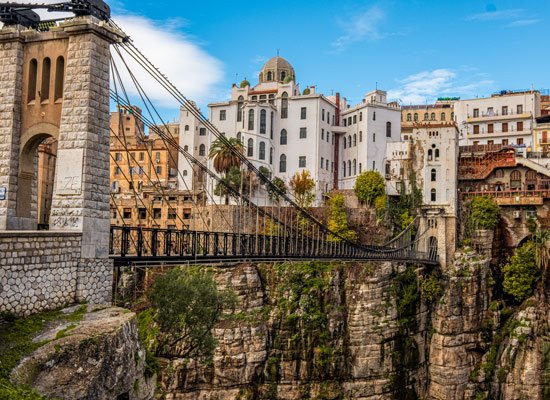
Discover the Emir Abdelkader Mosque in Constantine, one of Africa's largest mosques. It is a magnificent example of 20th-century architecture. It has elaborate interiors and imposing minarets.
Additionally, take in the traditional ambiance of the Grand Mosque of Constantine. This mosque is a historical treasure from the eighth century. Situated 695 meters above the Rhumel River, the Monument aux Morts is a must-see.
It is renowned for its expansive city views. It offers a peaceful spot for contemplation as well as a picturesque vista.
Step back in time with Timgad and Djemila
Algeria’s historical treasures extend beyond its cities to ancient Roman ruins. The latter are among the best-preserved in the world.
Timgad and Djemila are remarkable examples of Roman engineering and urban planning. Timgad is often called the Pompeii of Africa. It features impressive structures like Trajan’s Arch and a vast amphitheater.
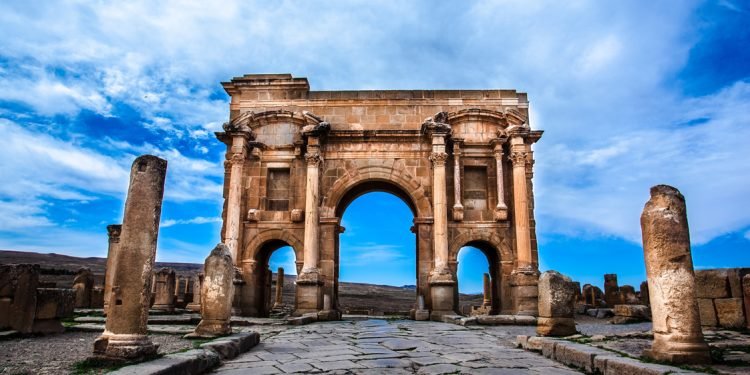
Meanwhile, Djemila’s ruins, nestled in the mountains, harmoniously integrate Roman architecture. With the surrounding natural beauty, it's a must-visit destination for history enthusiasts.
Explore Algeria’s southern treasures
The country’s southern regions reveal an entirely different but equally captivating side. The Sahara Desert is a vast expanse of golden dunes and rugged mountains.
It offers a world of adventure and serenity. Tamanrasset serves as the gateway to the Hoggar Mountains. It's a mystical range that is particularly stunning at sunrise and sunset.
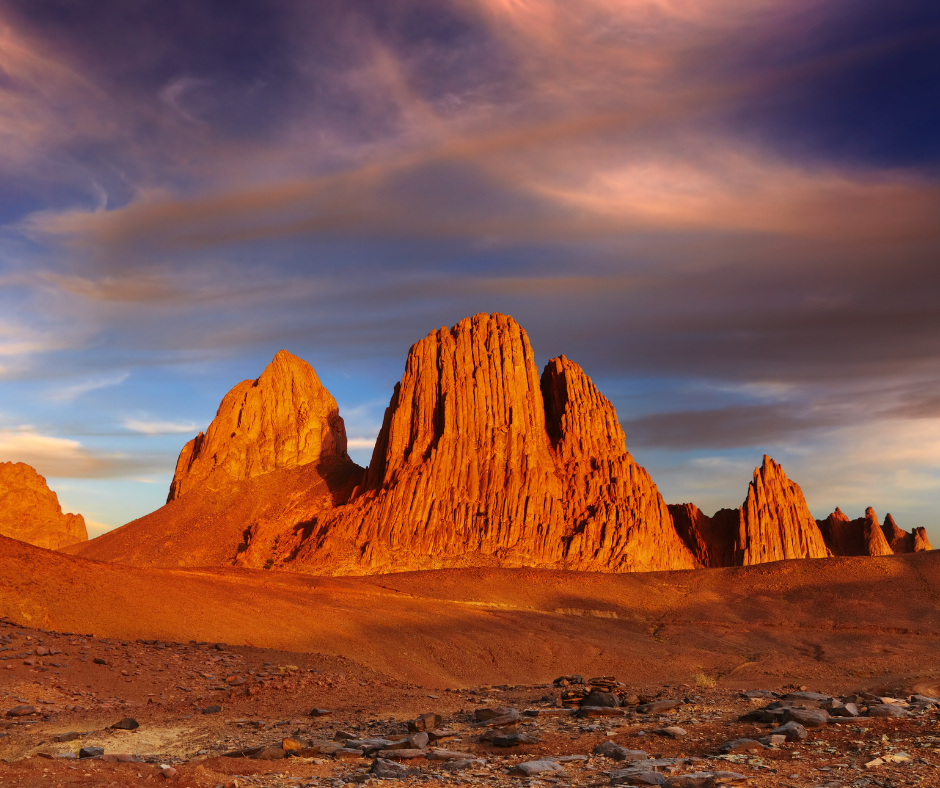
Further into the desert lies Djanet. It's an oasis town that opens the door to the Tassili n’Ajjer, another UNESCO World Heritage Site.
This area is renowned for its prehistoric rock art and unique sandstone formations. Visitors have a chance to connect with the ancient past in a setting of unparalleled beauty.
Explore the Charm of Annaba and Tipaza
Other highlights of Algeria’s diverse landscape include the coastal city of Annaba. Known for its natural beauty and historical significance.
The ancient ruins of Hippo Regius, a former Roman city, attract history enthusiasts. The magnificent Basilica of St. Augustine stands as a testament to the region’s heritage. Similarly, Tipaza, located along the Mediterranean coast.
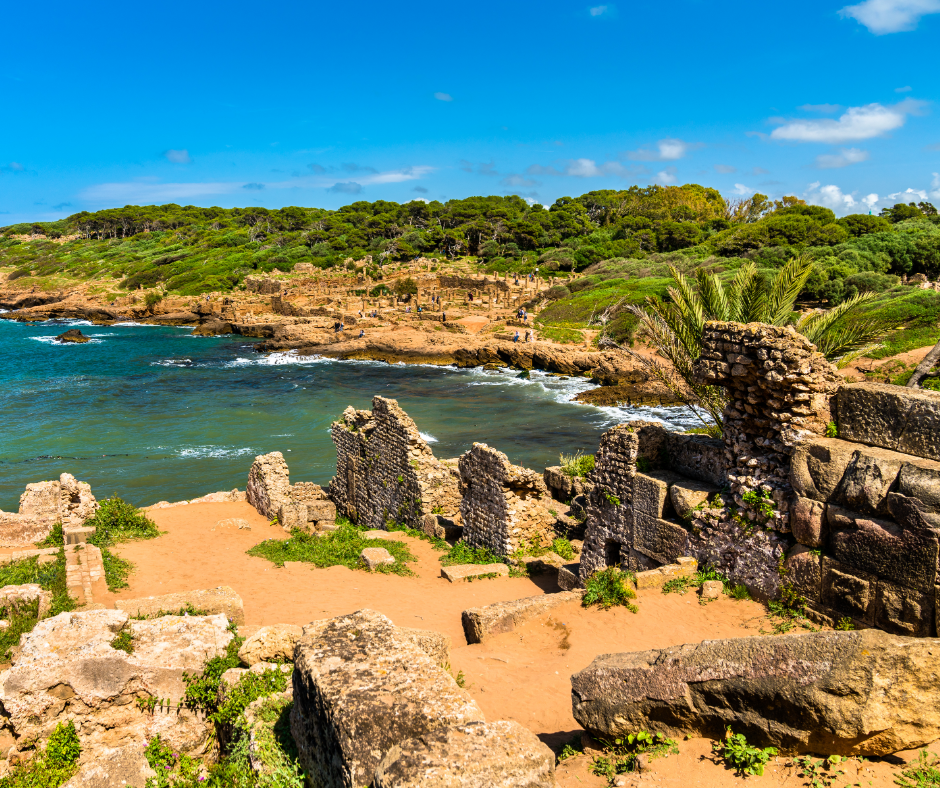
It offers a picturesque blend of Roman ruins and serene seaside views. This UNESCO World Heritage Site includes an amphitheater, basilicas, and the remains of a Roman port. Which makes it an ideal destination for those seeking both history and coastal charm.
From its energetic cities to its tranquil rural areas and awe-inspiring desert landscapes. Algeria is a country of contrasts. Algeria promises an unforgettable journey filled with cultural richness and natural wonders.
Explore the wonders of Algeria with confidence
Algeria is a land of unparalleled beauty. It's where the Mediterranean coast meets the vast expanse of the Sahara Desert. And where ancient history intertwines with modern culture. From the bustling cities to the tranquil rural regions, Algeria offers an incredible array of experiences.
Your trip might turn into an amazing adventure if you plan beforehand and pay attention to the tiny details. Discover the finest of Algeria in 2025 by following our updated 10-day itinerary and you can discover everything you need to know before your trip by reading our latest article about Algeria.
What are you waiting for? Now’s the perfect time to give it a try!


