

Getting around Algeria comes down to three systems: the metro, tram and ride-hailing apps in Algiers, SNTF trains, coaches and shared taxis between the northern cities, and domestic flights with Air Algérie or Domestic Airlines for the Sahara, where the distances turn the road into a two-day trip. It is cheap by European standards (a metro ride is 50 DZD, and a Coradia seat from Algiers to Oran was 1,130 to 1,700 DZD on the 2026 timetable), but nearly everything is paid in cash, and timetables are not always kept.
Even the airport run is cheap if you skip taxis: the train to Agha costs 80 DZD and bus 100 costs 50 DZD. Below is each option with the fares we checked in October 2026, how to book it and what tends to go wrong. For everything beyond transport, from visas to the places worth seeing, see our guide to traveling in Algeria.
Algiers Metro and Tramway: Routes and Fares
The Algiers Metro is the quickest way past the capital's traffic. It has one line, about 18.5 km long with 19 stations, running from Place des Martyrs at the foot of the Casbah through the city center to El Harrach Centre, with a branch to Aïn Naâdja. It does not reach the airport yet: the extension from El Harrach was scheduled for the second half of 2026 but had not opened in any report we found.
A single ticket costs 50 DZD, a 10-trip ticket 400 DZD and a 24-hour pass 150 DZD, which saves money from your fourth ride. Every station sells tickets at a staffed counter or a machine. A combined metro and tram ticket costs 70 DZD (all fares checked October 2026).
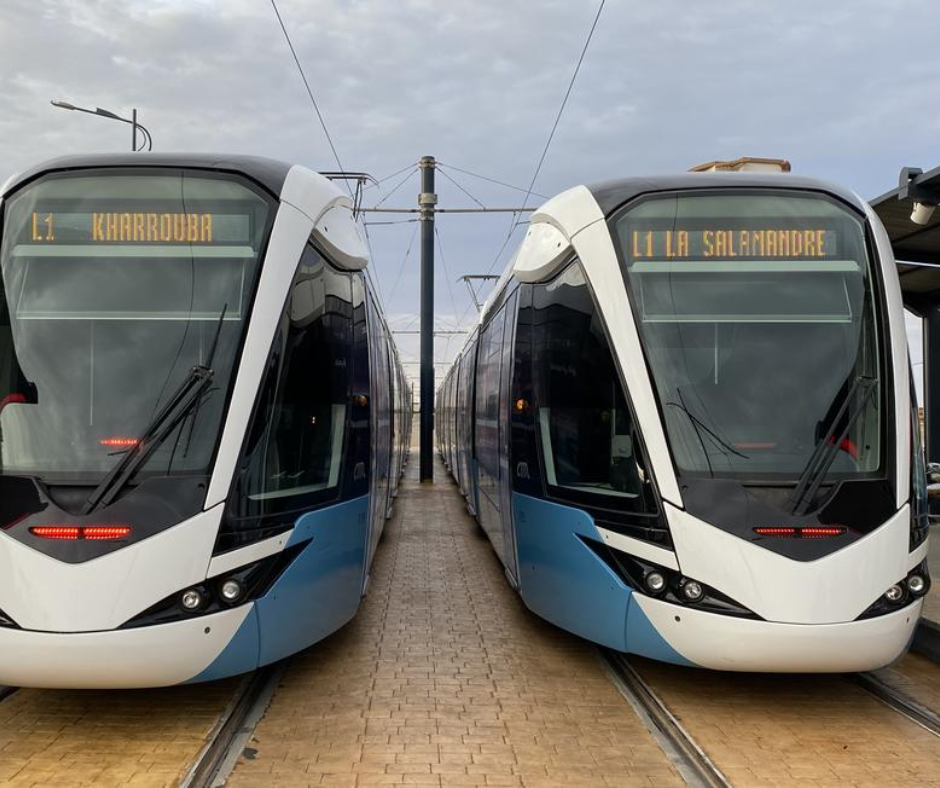
The tramway runs through the eastern suburbs. It is slower than the metro, with street-level stops, but useful for the residential districts and for the Pins Maritimes exhibition center. Since 25 May 2026 every tram ride costs a flat 40 DZD; the old zone fares are gone.
Validate your ticket in the machine on the platform or inside the tram, because inspectors do check and fine riders without one. At rush hour both the metro and the tram are packed, so move toward the doors a stop before yours.
For sightseeing, Place des Martyrs is the station to know. You come up at the foot of the Casbah, a few minutes' walk from the Ketchaoua Mosque and Djamaa El Kebir in the lower town. Tafourah-Grande Poste is the stop for the French-era boulevards and the main shopping streets.
The Grande Poste itself has been closed inside for restoration since 2019, so you only see the facade. Stations are clean and have security staff, and in daytime the metro is an easy choice for solo travelers.
Trams and cable cars outside Algiers
Six more cities have a tram, all run by Setram, the same company that operates the Algiers line. Each has a single line, with tickets sold at machines and counters on the platforms. The last published single fare we found outside Algiers was 40 DZD (Constantine), but check at the machine, since fares change.
- Oran (opened 2013, 18.7 km, 32 stops): from the Sidi Maarouf bus station through the city center, past Place du 1er Novembre and the Emir Abdelkader stop, then south to Es Senia. It is the easy link between the coach station and the center.
- Constantine (2013, about 18 km): from the Ben Abdelmalek Ramdane stop near the center out to the new town of Ali Mendjeli and the university. The old town and the bridges are best done on foot.
- Sidi Bel Abbès (2017, about 14 km).
- Ouargla (2018, about 10 km), the only tram in the Sahara.
- Sétif (2018, about 15 km).
- Mostaganem (2023, about 14 km), the newest line.
Cable cars
Several cities use cable cars (téléphériques) as everyday transport, and they make cheap viewpoints. In Algiers, the short line from El Hamma, by the Jardin d'Essai, up to the Maqam Echahid was running in the latest reports. The other Algiers line, from Bologhine up to Notre-Dame d'Afrique, hasn't run for years. Constantine's cable car reopened in April 2025, and Annaba's line up to Seraïdi reopened on 21 July 2025.
In Tlemcen, the cable car to the Lalla Setti plateau came back into service in early July 2026 after maintenance. Most run in daytime only and close for maintenance now and then, so check locally before you build a day around one.
Using Ride-Hailing Apps and City Taxis
Ride-hailing apps have changed city travel in Algeria, mostly because street taxis rarely run the meter. Yassir, an Algerian company, is the market leader, and Heetch and TemTem also work in the big cities. Uber does not operate in Algeria.
Install at least two apps and register them with a local SIM, since some need an Algerian number (Mobilis, Djezzy and Ooredoo have shops at Algiers airport and need your passport to register a SIM). The app shows the price before you book, so there is nothing to negotiate. Payment is nearly always in cash at the end of the ride, so keep small notes.
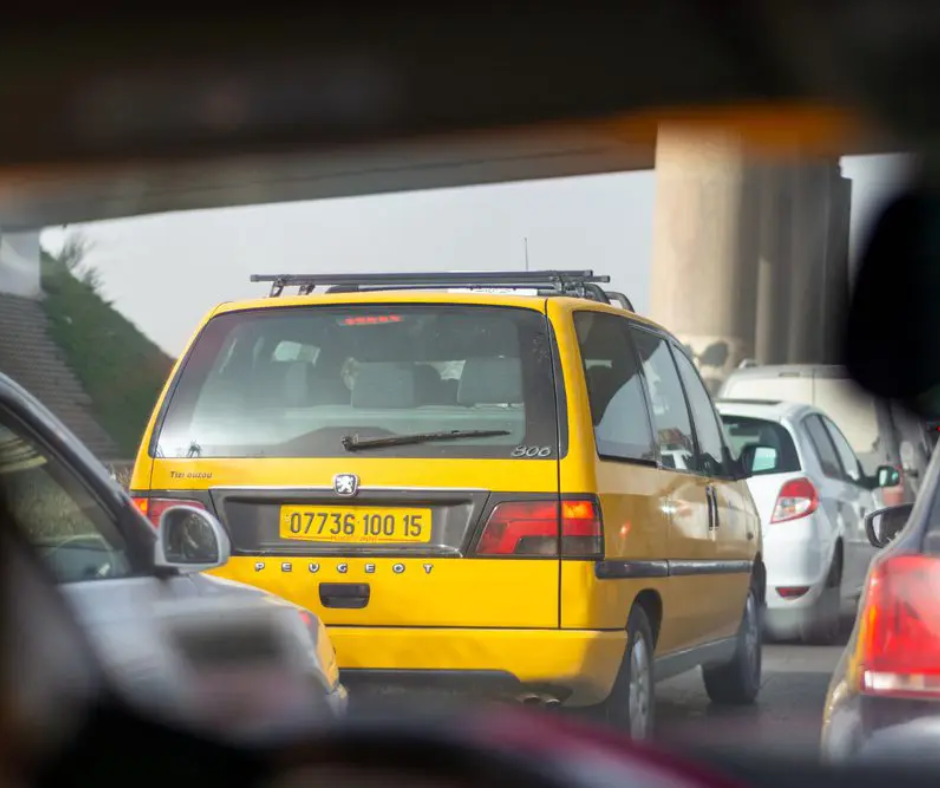
The yellow street taxis of Algiers are still everywhere, at ranks or flagged down in the street. Most have a meter, but drivers rarely switch it on for a visitor, so agree the fare before the car moves. A short ride across central Algiers usually costs a few hundred dinars; check what Yassir quotes for the same trip and use that as your reference when you bargain. Expect to pay more at night, when it also gets harder to find a driver willing to go out to the suburbs.
With an app ride, check the plate and the driver's name against the app before you get in. Most passengers sit in the back. If the app lets you share your trip, send it to a friend, especially late at night. Drivers are often chatty and happy to suggest somewhere to eat, but nobody minds if you would rather stay quiet.
Intercity Trains: SNTF Routes, Times and Fares
The Société Nationale des Transports Ferroviaires (SNTF) runs the national rail network, which is mostly in the north. On the two main lines, Algiers to Oran and Algiers to Constantine, the train is more comfortable than the bus and you can get up and walk around. The best trains are the air-conditioned Alstom Coradia units, with first and second class.
Algeria has no high-speed rail, though. On the April 2026 timetable the fastest Algiers to Oran Coradia (the 08:00) was scheduled at about 4 h 40, the other Coradias at about 5 h to 5 h 30 and the ordinary trains at about 6 h, and delays are common.
Fares on that timetable were 1,530 to 1,700 DZD in first class and 1,130 to 1,350 DZD in second on a Coradia, and 900 to 1,200 DZD on the ordinary trains. Converted, a Coradia seat comes to about EUR 7.50 to 11.30 if you pay at the official rate (150.5 DZD/EUR, autumn 2026), and EUR 4.10 to 6.20 with dinars changed informally at about 275. The Algiers to Constantine Coradia came back in 2025 after a seven-year break: three trains a week each way, scheduled at about 6 h 45 to 7 h 30.

Buy long-distance tickets at least a day ahead in summer and around public holidays, especially the two Eids. The station ticket window is the reliable option. SNTF publishes timetables and fares on sntf.dz, but the site is slow and times change, so confirm your departure at the station the day before. Trains starting from Algiers or Oran usually leave on time; the delays build up along the way.
How to buy Algerian train tickets
The station ticket window (guichet) is still the dependable way, and it takes cash. Ask for the train time, the class and the date, and check that the ticket shows your coach (voiture) and seat (place) number. On a Coradia, first class has roomier seats; second class is fine for a day trip. Carry your passport, as you should on any long journey.
SNTF launched online booking on sntf.dz in November 2024, starting with the 08:00 Algiers to Oran train in both directions and promising other long-distance lines later. Seats can be booked up to the day before travel. Online payment in Algeria normally runs on local CIB and Edahabia cards, so with a foreign card plan on the window. Ask about changes and refunds before you pay.
There is also an international train. The Tunis to Annaba service restarted in August 2024 after about 30 years and runs three times a week each way via Ghardimaou and Souk Ahras, taking about nine and a half hours on the 2026 timetable. It was suspended for track work in summer 2026 and resumed on 15 September 2026. Fares are about 1,640 DZD in second class and 1,900 DZD in first.
Allow time for passport and customs checks at the border. It is one of three ways to make the Tunisia to Algeria crossing, along with direct flights and the road borders in the north and near Nefta.
Since the line crosses into Tunisia, look at your government's current travel advice for the border area and confirm your insurance covers the journey. On any long train ride, bring your own food and water for the whole trip.
Long-Distance Buses and the Gare Routière
Buses are the backbone of Algerian transport and reach almost every town and village in the country. Every major city has a central bus station, or "gare routière," which acts as the hub for both public and private bus companies. In Algiers, the Caroubier station is the largest and serves destinations across the entire country. These stations are busy and can be overwhelming, so arriving at least 45 minutes before your desired departure time will give you enough space to find the correct ticket booth.
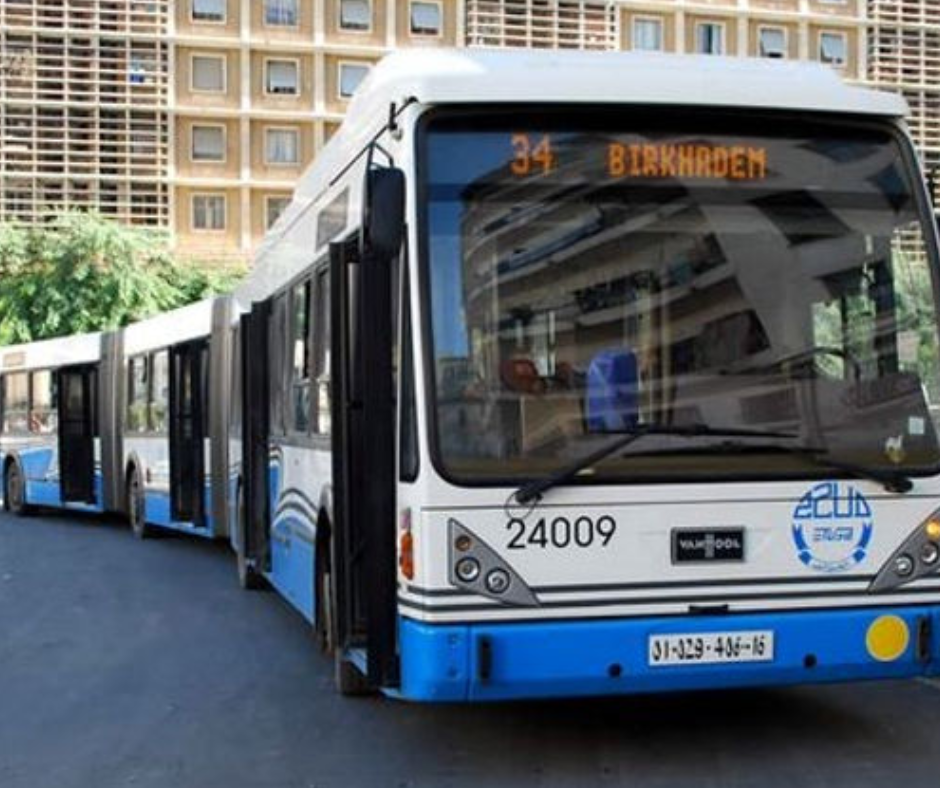
Private bus companies often have newer coaches and better air conditioning than the public ones, for a little more money. Coaches are usually the cheapest way between cities, but we could not find a current official fare list: the last regulated Algiers to Oran fare we found was 830 DZD, from 2018, so expect to pay more today and ask at the counter. Since 18 May 2026, Sogral, the company that runs the bus stations, sells some tickets online through its Mahatati app.
Online sales started with Algiers to Biskra, Sétif and Tlemcen, and payment is by Algerian CIB or Edahabia card, so most visitors will still buy at the counter. Tickets carry a seat number, so check your stub. On long runs toward the Sahara, to Ghardaïa or Biskra for example, buses stop at roadside rest areas for meals and prayers. That same road south is one of the classic routes for an Algeria road trip if you would rather drive it yourself.
Long-distance buses are generally safe, but keep your valuables in a small bag on your lap, not in the overhead rack or the hold. Women traveling alone can ask the ticket office or the driver for a seat next to another woman; it is a normal request. If you are unhappy with your seat for any reason, ask the driver or the conductor to move you.
Shared Taxis Between Cities (Taxis Inter-Wilayas)
Shared taxis, called taxis collectifs or taxis inter-wilayas in Algeria, are often the fastest way between neighboring cities. They are usually seven-seat station wagons or minivans that leave from a set station once every seat is sold. There is no timetable, so you might wait five minutes or an hour depending on the route. They cost more than the bus but are quicker and more direct.
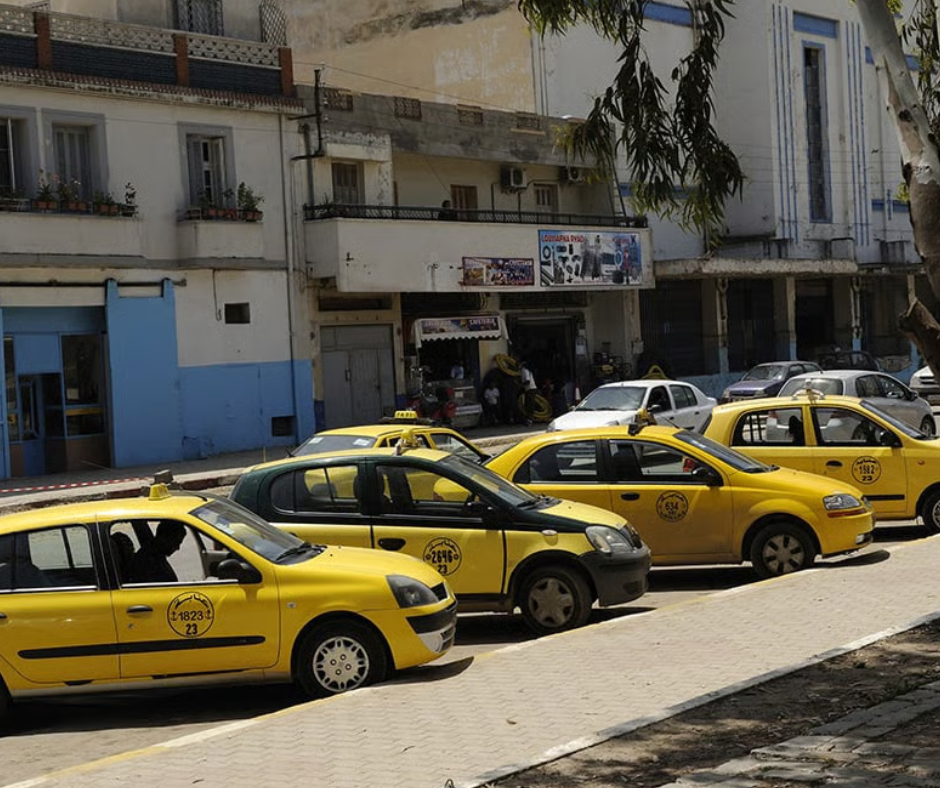
To find these vehicles, you should head to the "station de taxi", which is often located near the main bus station or a major city entrance. You pay for a single seat, and if you are in a hurry or carrying excessive luggage, you have the option to pay for two seats to speed up the departure or gain extra space. The drivers are known for their speed, so if you prefer a more relaxed pace, the train or a large coach might be a better fit.
Shared-taxi fares are regulated per kilometer, and on busy routes the other passengers know the going rate, so ask one of them if a quote sounds high. The last official Algiers to Oran figure we found was 1,300 DZD a seat, from 2018; treat it as a floor, not today's price. You pay the driver, or a dispatcher at a small booth, before you leave. Have your destination written in French or Arabic, because the stations are loud and crowded.
Domestic Flights to the Sahara
On a one- or two-week trip, flying is the only sensible way to reach the Sahara; this is Africa's largest country. From Algiers, Air Algérie and its subsidiary Domestic Airlines, which took over from Tassili Airlines in August 2025, serve the southern hubs, among them Djanet, Tamanrasset and Timimoun. The flight to the deep south takes about two hours, a little less to Timimoun. By road, Algiers to Tamanrasset is roughly 2,000 km, more than two days of driving.
Book early for the Saharan season, roughly October to April, and especially for Christmas, New Year and the school holidays, when flights to Djanet and Tamanrasset fill up. A ticket paid by foreign card is charged at the official exchange rate. For getting to Algeria in the first place, see how to get to Algeria from Europe and taking the ferry to Algeria.
You can book on Air Algérie's website, but an Air Algérie agency in any big city is easier if you need to change a date or add checked luggage. On an organized Sahara tour, the agency usually books the flights for you.
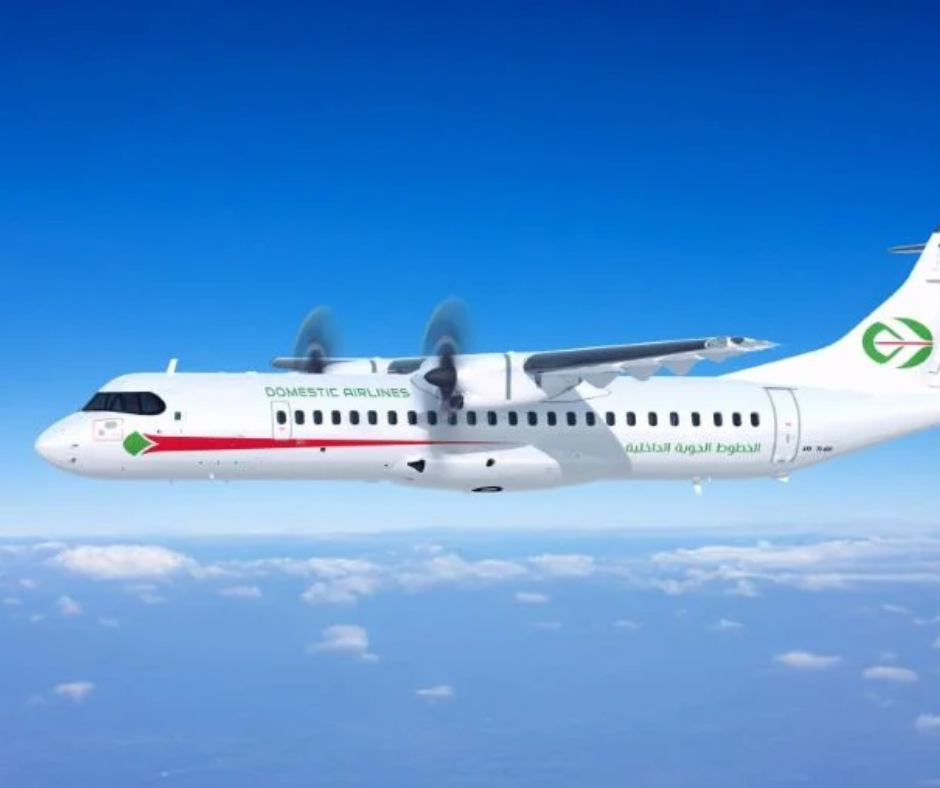
At Houari Boumediene, domestic flights use Terminal 1, a separate building from Terminal 4 (the West Terminal), where most international flights arrive. The two are within walking distance, but leave plenty of time if you are connecting from an international flight. Some low-cost airlines moved to Terminal 1 from September 2026, so check the terminal on your booking. Security is thorough: you will show your passport and boarding pass several times, and foreigners need the passport for every domestic flight.
Airport Transfers: Houari Boumediene to Algiers
With luggage, a ride-hail car is the easiest way out of Houari Boumediene Airport: Yassir, Heetch or TemTem charge about 1,500 to 2,500 DZD to central Algiers (autumn 2026), roughly EUR 10 to 17 at the official 150.5 DZD/EUR. Drivers pick up from a set area outside arrivals, and you will often need the in-app chat to find each other. The app needs mobile data, so buy your SIM in the arrivals hall first.
Official airport taxis wait outside the arrivals hall around the clock. The drivers are registered but rarely use the meter for visitors, so expect roughly the same 1,500 to 2,500 DZD to central Algiers, more after dark. Agree the price before your bags go in the trunk.
The cheap options are the train and the bus. The SNTF airport train runs to Agha station in central Algiers, stopping at Bab Ezzouar and El Harrach, in about 20 to 25 minutes for 80 DZD. It runs roughly hourly, and the last train leaves the airport at about 22:25. ETUSA bus 100 runs about once an hour until around midnight, to Place des Martyrs via the Caroubier bus station and Tafourah-Grande Poste, for 50 DZD; it takes 45 to 60 minutes.
ETUSA line 39 also runs from the airport to Place Maurice Audin. None of these is much fun with several large suitcases, and there's still no metro link to the airport. Flying into the west instead? Oran has its own shuttle and tram connections, all explained in our Oran airport guide.
Fares and journey times side by side
Here are the autumn 2026 fares we checked. The last column gives two euro prices: first what a card pays at the official rate (about 150.5 DZD/EUR), then what you pay with cash changed informally (about 275 DZD/EUR). Times are as scheduled; trains often run late.
| Trip | How long | Dinars | € by card / € with cash changed locally |
|---|---|---|---|
| Algiers metro, single ride | - | 50 | 0.33 / 0.18 |
| Algiers tram, any ride | - | 40 | 0.27 / 0.15 |
| Airport to Agha, SNTF train | 20 to 25 min | 80 | 0.53 / 0.29 |
| Airport to Place des Martyrs, ETUSA bus 100 | 45 to 60 min | 50 | 0.33 / 0.18 |
| Airport to central Algiers, ride-hail or taxi | depends on traffic | 1,500 to 2,500 | 10 to 17 / 5.50 to 9 |
| Algiers to Oran, Coradia second class | about 4 h 40 to 5 h 30 | 1,130 to 1,350 | 7.50 to 9 / 4.10 to 4.90 |
| Algiers to Oran, Coradia first class | about 4 h 40 to 5 h 30 | 1,530 to 1,700 | 10.20 to 11.30 / 5.60 to 6.20 |
| Algiers to Oran, ordinary train | about 6 h | 900 to 1,200 | 6 to 8 / 3.30 to 4.40 |
| Algiers to Constantine, Coradia (3 a week) | about 6 h 45 to 7 h 30 | ask at the station | - |
| Tunis to Annaba, international train | about 9 h 30 | 1,640 (2nd) / 1,900 (1st) | 10.90 to 12.60 / 6 to 6.90 |
| Algiers to Djanet, flight | about 2 h 15 | varies by date | - |
Paying Fares, Cash and Traveler Etiquette
Public transport in Algeria runs on cash. You might pay for a flight online by card, but the metro, buses, trains and taxis all want Algerian dinars (DZD). Carry small notes: taxi drivers and bus conductors often cannot change a 1,000 or 2,000 DZD note.
How you get those dinars matters more than any fare. Pay by card or take cash from an ATM and you get the official rate, roughly 150 DZD per euro (autumn 2026); the informal "square" changers give about 275, so the same ticket costs about 80% more on a card.
Changing informally is technically against the exchange-control law, yet it happens openly and most locals and visitors do it: go through your guide, host or agency and count the notes. One exception: if you declared over 1,000 euros on arrival, change part of it at a bank and keep the receipt, since customs may ask for official receipts on the way out.
On the metro and buses, give your seat to older passengers and pregnant women. On long trips people sometimes offer to share food or start a conversation; it is fine to accept, and just as fine to stay quiet and watch the view. Do not photograph police, soldiers, checkpoints, airports, ports or government buildings, and that includes shots from a train or bus window.
Public transport is generally safe, but pickpockets work crowded stations, so keep your phone and wallet in a front pocket or a zipped bag. In the Sahara you will not use much public transport anyway: the authorities expect foreign visitors in the south to travel with an approved agency, which arranges the vehicles.
In the north, a group can hire a car with a driver for a day of sightseeing through a licensed agency or a hotel, which often costs less per person than taxis and saves you juggling bus and taxi stations. Renting your own car is the other option, and our Algeria car rental guide helps you pick the right vehicle for the route. Once you have the keys, read up on driving in Algeria, because checkpoints and roundabouts work a little differently here.
Transport FAQ
Can you buy Algerian train tickets online?
Partly. SNTF has sold some long-distance seats on sntf.dz since November 2024, starting with the 08:00 Algiers to Oran train, and bookings close the day before travel. Online payment generally needs an Algerian CIB or Edahabia card, so most visitors buy at the station window with cash.
What time does the Algiers metro open and close?
The metro runs from about 05:00 to 23:00 every day. In summer 2026 the operator extended the last trains to midnight on Fridays and Saturdays. Hours can change during Ramadan and on holidays, so check the notices in the stations.
Is there a train from Algiers to Annaba?
Yes. A daily night train links Algiers with Annaba via Bouira, Sétif and Constantine. On the latest published timetable it left Algiers at 18:40 and Annaba at 20:20, arriving the next morning. Buy the ticket at the station a day or two ahead, especially around holidays.
Does Uber work in Algeria?
No. Use Yassir, the Algerian market leader, or Heetch, TemTem or inDrive. Drivers usually expect cash, and some apps need a local number, so buy a SIM card at the airport first.
Is there public transport to the Sahara?
Coaches run to Ghardaïa, Biskra and towns further south, but in the deep south the authorities expect foreign visitors to travel with an approved agency. For Djanet, Tamanrasset or Timimoun, fly from Algiers and let the agency handle transport on the ground.
Our short version: in Algiers, use the metro, the tram and Yassir; between the northern cities, take a Coradia if the timetable suits you and a coach or shared taxi if it does not; for the Sahara, fly. Have cash in small notes for all of it.
If you are planning a route that mixes trains and southern flights, send us your dates and we will tell you which connections work. We can also arrange an airport pickup and private transfers for the legs where public transport does not line up.
Read also:
Algeria Travel Costs: Daily Budget Guide
Algeria Solo Travel: Safety & Logistics Guide


