Finding the right ferry to Algeria can feel very confusing. You have to compare routes from France and Spain, each with different travel times and operators.
You also need to prepare the right visa, vehicle papers, and customs documents before you even reach the port. Once on board, choosing the right cabin and knowing what to expect during the crossing makes a big difference to your comfort.
That's why our team at WildyNess put together this guide. We walk you through the main routes, the paperwork you need, what to expect on board, and how to handle disembarkation smoothly once you arrive.
Mediterranean Ferry Routes to Algeria
Traditional Crossings from French Departure Ports
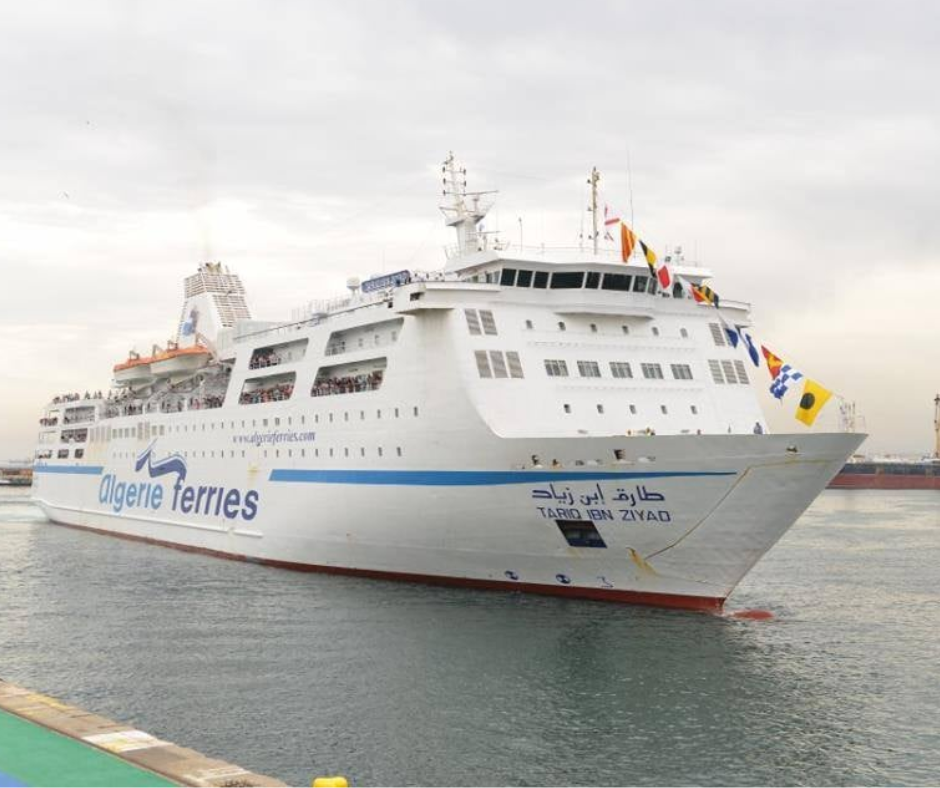
The maritime corridor originating in southern France represents the most heavily trafficked connection point for passenger ships heading to northern Algeria. Marseille stands as the historic foundational hub for these sailings, hosting multiple weekly departures operated by Corsica Linea and Algérie Ferries.
The journey from Marseille to the central port of Algiers typically averages between twenty-one and twenty-four hours depending on open sea conditions and vessel specifications.
For travelers targeting the eastern regions or the Kabylia mountain corridors, alternative crossings operate out of both Marseille and Sete, routing directly into the regional deep-water ports of Bejaia, Skikda, and Annaba with travel times hovering around twenty-two to twenty-six hours.
High Efficiency Connections from Spanish Terminals
Departing from the Iberian Peninsula offers significantly shorter transit durations and generally lower baseline ticket tariffs for both foot passengers and drivers.
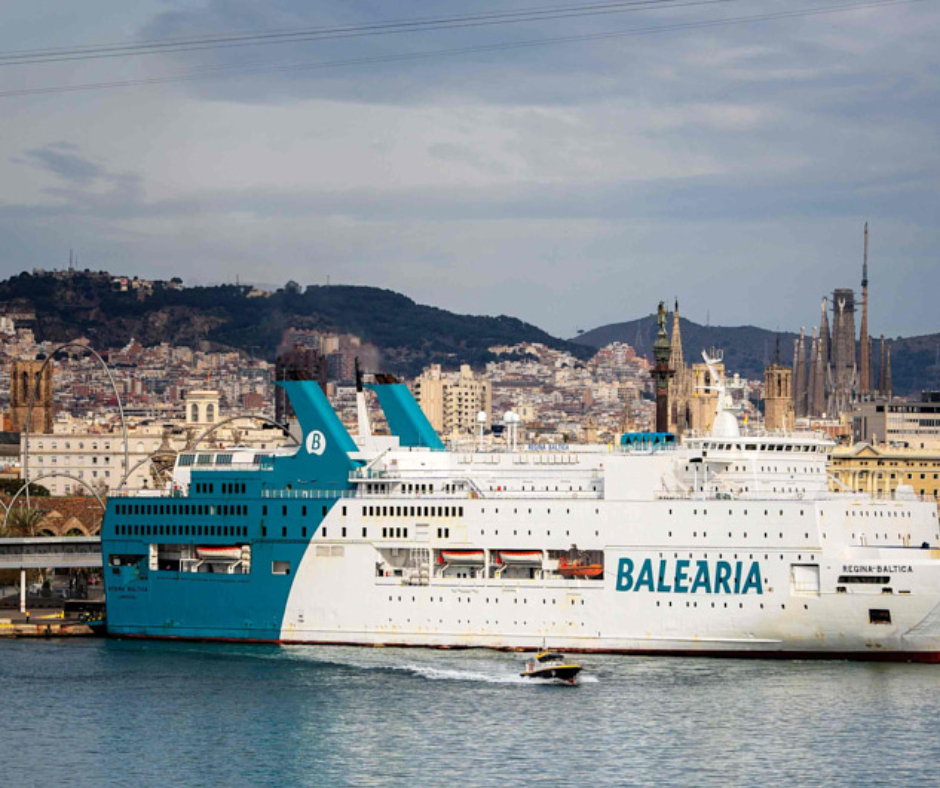
The port of Valencia serves as a critical strategic gateway, offering a highly consistent connection to Mostaganem operated by
Baleària which takes approximately fifteen to eighteen hours.
Almeria, where Naviera Armas runs conventional vessels directly to Oran and Ghazaouet in under eleven to twelve hours.
For those aiming for the cultural center of western Algeria, the Alicante to Oran route remains a major link utilized extensively by travelers moving vehicles and heavy cargo across the narrowest stretches of the Mediterranean.
Comparative Operator Fleet and Service Standards
Selecting the proper maritime company directly impacts the overall operational quality and on-board experience of your international crossing.
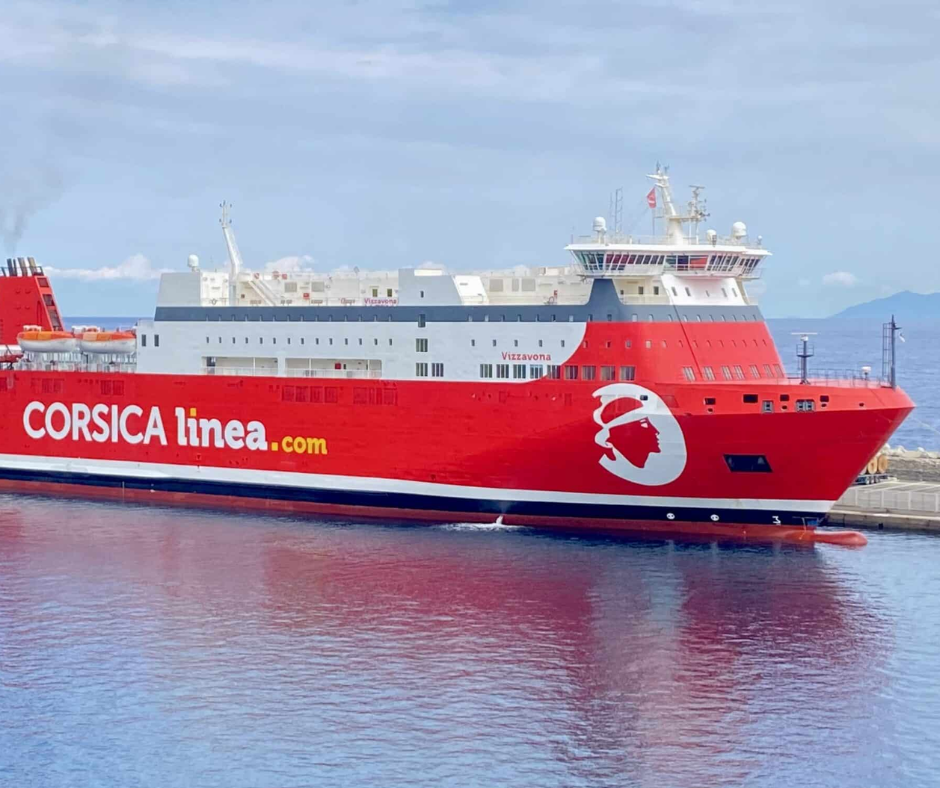
Corsica Linea utilizes large, highly stable vessels such as the Méditerranée and the Jean Nicoli, which feature expansive commercial garages and extensive dining facilities catering to long-haul travelers.
Grandi Navi Veloci provides competitive services from Sete to Algiers and Bejaia, deploying ships optimized for reliable commercial shipping alongside standard consumer cabins.
Newer regional entrants like Nouris Elbahr Ferries have expanded options for the 2026 season, introducing flexible routes from Alicante and Marseille to help relieve capacity strains during the dense summer immigration peaks.

Mandatory Document Preparation and Port Border Controls
The border crossing protocols at both European departure terminals and Algerian arrival ports are exceptionally thorough and strictly enforced.
Failing to organize your legal and mechanical paperwork prior to arriving at the harbor will result in immediate denial of boarding or lengthy detentions at the customs lanes.
Visa Procurement and Biometric Passport Controls
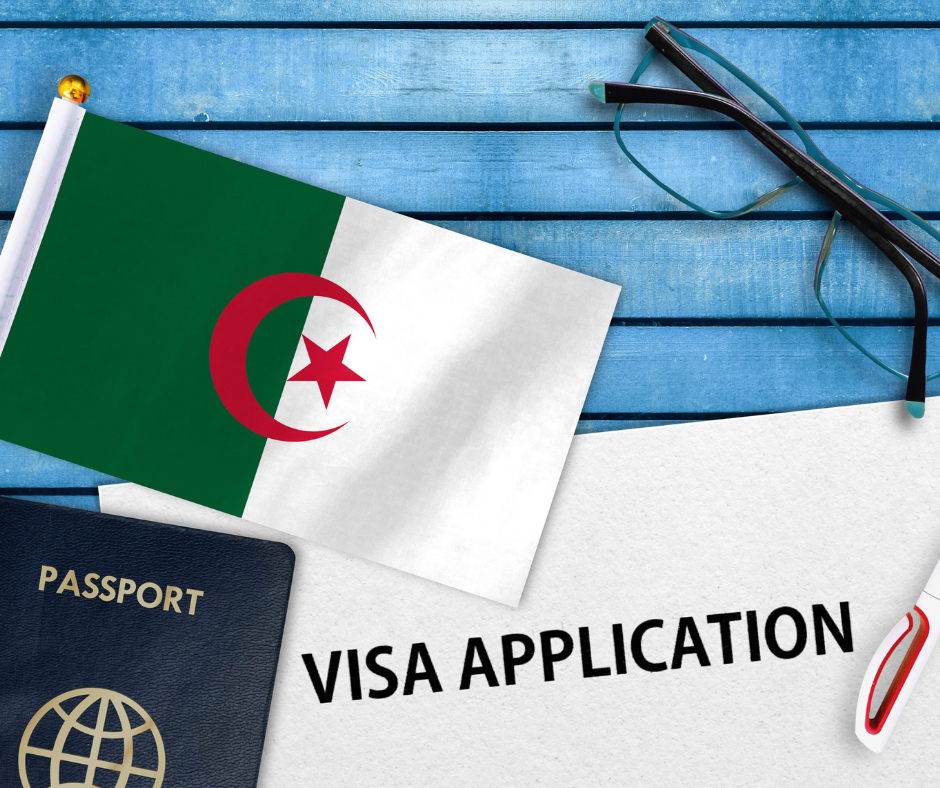
Algeria maintains a strict reciprocal entry visa policy for the vast majority of international passport holders. You must secure the appropriate entry visa from the Algerian consulate in your home nation well in advance of your travel dates because visas are absolutely not issued upon arrival at the ferry terminals.
Your biometric passport must possess a minimum validity timeline of six months beyond your projected date of exit from North Africa.
During the initial port check-in, you must present physical paper copies of your approved tourist visa, validated travel health insurance policies, and a confirmed accommodation certificate or hotel booking verification.
Vehicle Temporary Import Laws and Customs Declarations
Bringing a foreign-registered car, motorcycle, or camper van onto an Algerian ferry requires navigating specific customs regulations designed to track imported machinery.
Drivers must obtain a temporary import document known as the Titre de Passage en Douane at the arrival port, which legally links the vehicle chassis number to the owner's passport registration.
You must ensure that your international automobile insurance policy explicitly covers the territory of Algeria, or you will be legally mandated to purchase local third-party border insurance at the port customs window before exiting the secure harbor zone.
The vehicle registration papers must match the driver's identification perfectly, and any roof racks, trailers, or storage modifications must be declared accurately on the initial manifest to avoid heavy border fines.
Port Check In Timelines and Seasonal Congestion
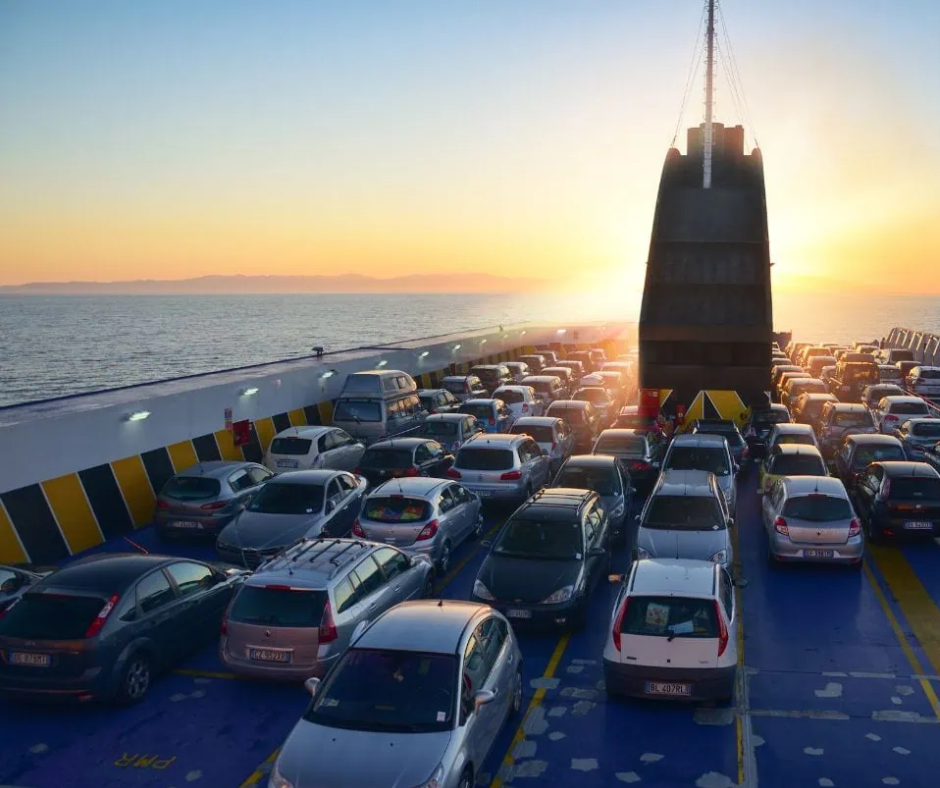
The physical scale of roll-on roll-off passenger ferries demands extensive processing windows to clear hundreds of vehicles through international customs checks.
If you are traveling with an automobile, you must arrive at the departure port at least five to six hours prior to the official sailing time listed on your voucher.
Foot passengers traveling without a vehicle should clear the initial terminal check-in gates a minimum of three hours before departure.
During the peak summer migration months of July and August, passenger volumes multiply significantly, requiring extreme patience as border guards verify vehicle vehicle heights, tracking weights, and maritime security declarations.
Comprehensive Shipboard Cabin and Accommodation Strategy
Spending nearly an entire day on open water requires a deliberate approach to selecting your personal living space on board the vessel.
Shifting your accommodation selection from basic seating to dedicated quarters fundamentally changes your physical readiness upon landing.
Analyzing Cabin Classifications and Private Amenities
Standard passenger tickets default to simple pullman-style reclining chairs located in massive communal lounges, which can become noisy and chaotic during overnight crossings.
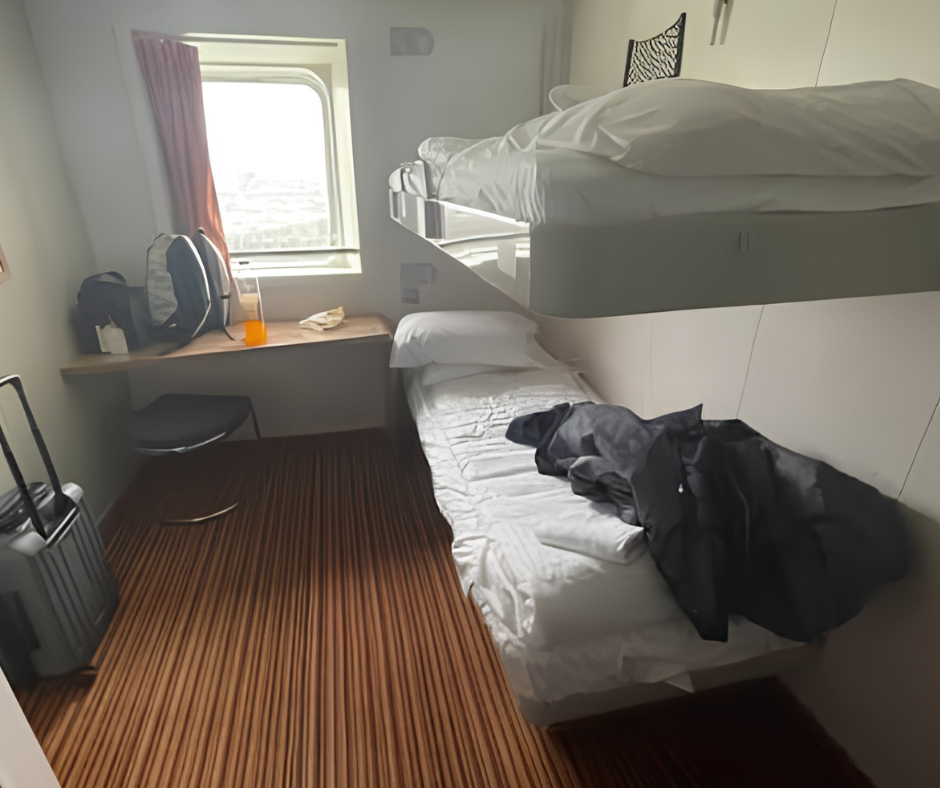
Upgrading to a private stateroom grants you access to an insulated sanctuary equipped with private shower facilities, individual bedding, and dedicated electrical outlets.
Inside cabins are highly cost-effective and completely dark, making them excellent for uninterrupted sleep, whereas outside cabins feature a sealed porthole window that provides natural light and views of the sea.
For family groups or those requiring specialized assistance, operators provide multi-berth suites and wheel-chair accessible cabins that must be reserved months in advance due to limited shipboard availability.
Packing a Dedicated Cabin Bag for the Crossing
Once the ferry departs the loading dock, the vehicle decks are legally locked by the ship security crew for the entire duration of the open-sea voyage due to maritime safety laws. This means you will have absolute zero access to your car or stored luggage until the ship docks at the final destination port.
You must assemble a compact daypack containing all essential overnight electronics, universal charging cords, prescription medications in their original pharmacy boxes, light clothing layers, and personal toiletries.
Keeping these vital items inside a separate, easily portable tote allows you to transition smoothly from the vehicle ramp to your assigned cabin without dragging large pieces of luggage up the steep ship stairwells.
Pet Travel Regulations and Kennel Facilities
Transporting domestic animals on international Mediterranean routes involves adhering to strict international veterinary health codes. Every pet must be embedded with an approved microchip, hold an active European pet passport, and display completely up-to-date rabies vaccination certifications.
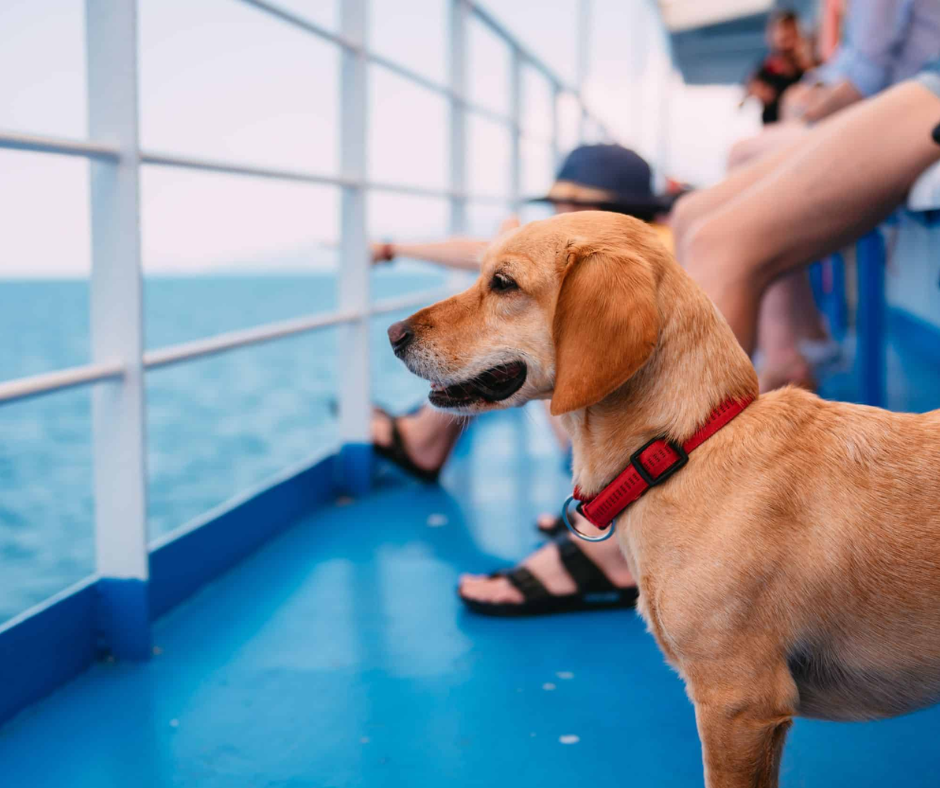
Operators like Baleària and Corsica Linea provide specialized pet-friendly cabins where animals can reside with their owners, alongside dedicated air-conditioned on-board kennels for standard travelers.
You must verify the specific animal restrictions of your chosen operator prior to booking because certain vessels limit pet access to designated exercise decks during specific hours of the maritime transit.
On Board Dynamics and Comfort Optimization
Sustaining your physical comfort and mental focus during a twenty-four-hour maritime transit involves understanding the infrastructure and limitations of the vessel.
Proper planning helps you avoid common inflation costs and keep your travel routine orderly.
Managing Nutrition and Fresh Water Supplies
While modern ferries feature multiple self-service cafeterias, formal dining rooms, and small coffee bars, the pricing on board is heavily marked up compared to shoreside markets.
The available hot food selections generally prioritize regional halal options, traditional stews, and simple pasta dishes, but lines during peak meal hours can require long wait times.
Experienced maritime travelers mitigate these challenges by packing an independent supply of nutrient-dense snacks, including dried fruits, nuts, flatbreads, and multiple liters of bottled drinking water.
Having your own food stash ensures that you can eat according to your own schedule and maintain proper hydration without constantly visiting the ship store.
Motion Sickness Mitigation and Sea Sickness Tactics
The Mediterranean Sea can develop significant wave swells and sudden structural rolling patterns, particularly when crossing open water stretches during early spring or late autumn weather transitions.
To minimize the debilitating effects of motion sickness, you should request a cabin located mid-ship on a lower deck, as this central positioning experiences the lowest level of physical pitch and roll.
Utilizing over-the-counter motion sickness medications or natural ginger supplements at least one hour before the ship releases its mooring lines provides the best preventative protection.
Spending time on the open mid-decks while focusing your eyes on the stable horizon line can also help your equilibrium adjust to the motion of the hull.
Digital Detachment and Off Line Entertainment Infrastructure
Open ocean transit quickly moves beyond the reach of standard terrestrial mobile phone towers, resulting in a total loss of cellular data signals shortly after clearing the harbor breakwater.
While satellite-based Wi-Fi networks are increasingly available for purchase on modern ships, the connection speeds are frequently slow and unsuitable for heavy data streaming or professional video conferencing.
You should proactively download all necessary travel documents, maps, books, podcasts, and offline entertainment playlists onto your devices before leaving the port terminal.
Embracing this period of digital disconnection allows you to rest thoroughly, monitor your route via the public observation screens, and prepare mentally for the overland journey ahead.
Final Port Disembarkation and Initial Overland Transition
Arriving at an Algerian port presents a distinct sequence of logistical events as hundreds of passengers and vehicles are processed through the national immigration gates simultaneously. Navigating this final phase calmly requires following precise operational steps.
Execution of the Disembarkation Sequence
When the ship approaches the final destination harbor, an announcement will instruct passengers to prepare for arrival, but vehicle owners will not be permitted down to the garage decks until the vessel is completely moored.
You must remain in the public lounge spaces or your private cabin until the crew officially opens the security stairwells to prevent overcrowding in the narrow access corridors.
Once you reach your car, immediately start your engine when directed by the deck marshals and follow the exit lanes carefully, taking note of the high steel ramps and tight vehicle clearances.
Foot passengers will follow a separate designated pedestrian gangway leading directly into the main terminal customs building for immediate passport processing.
Managing Port Currency Exchanges and Border Formalities
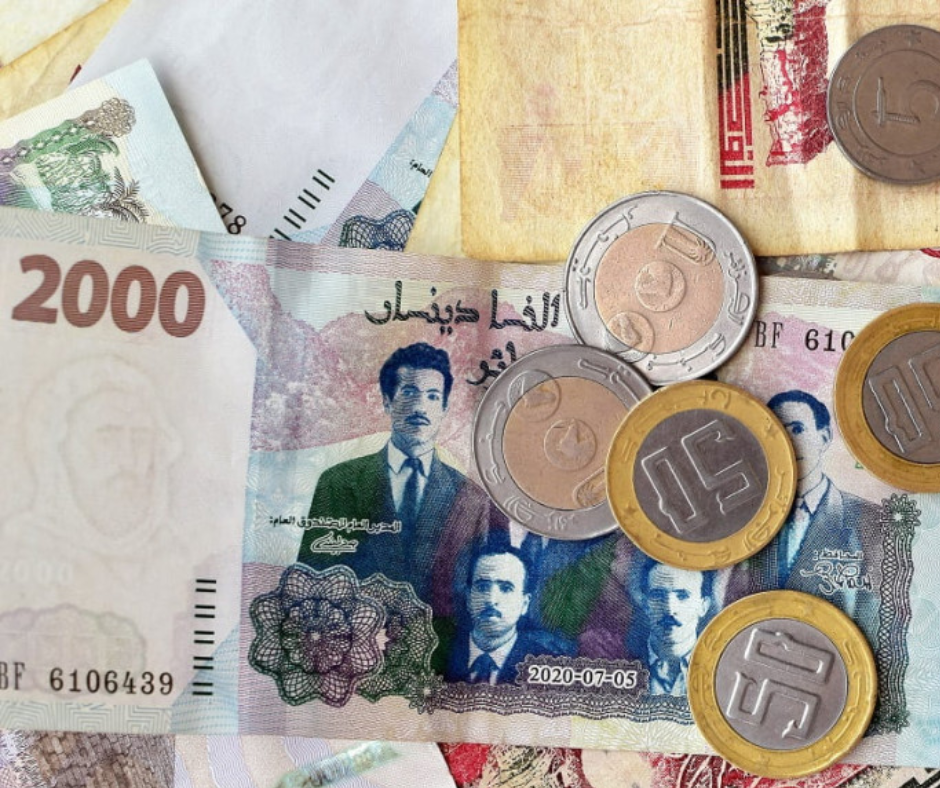
The local currency is the Algerian Dinar, and international banking cards are rarely accepted for daily transactions outside of major international hotel chains.
Upon clearing the physical passport stamp station, you must locate the authorized port exchange booth or local bank branch inside the terminal to convert your euros or dollars into local cash bills.
If you have imported a vehicle, you must complete the final physical verification matching your vehicle papers with the passport temporary import stamp before the harbor gate security will allow your car to cross the outer perimeter line.
Taking your time to double-check all stamped paperwork at this final gate prevents unexpected administrative delays before you hit the open highway.