

British citizens need a visa before flying to Algeria, and for anyone living in the UK that means one paper application to the Consulate General of Algeria in London: two forms, two photos, your passport, proof of where you'll stay, proof of a job or income, and an £85 fee. Allow about 10 working days if you hand it in yourself and at least 15 if you post it.
Everything below follows the consulate's own published requirements, checked in October 2026 on cglondon.mfa.gov.dz. Where the consulate is vague (it is on photos and employment letters), we say so and tell you what we'd send. One limit first: the London consulate only handles applications from UK residents. If you hold a British passport but live abroad, you apply to the Algerian embassy or consulate in your country of residence.
Two shortcuts you'll read about online don't help most UK travelers. Algeria has no e-visa: it has been announced several times but still had no launch date in October 2026.
As for the visa on arrival, it is real but narrow: it covers organized tours only, booked through an approved Algerian travel agency, and the itinerary has to take in the southern Sahara wilayas. Your agency lodges the request before you travel, the fee (commonly reported at about EUR 110) is paid when you land, and the visa runs for up to 30 days to match the tour. For a city trip to Algiers, Oran or Constantine, you apply in London.
The London application in five points
- Apply in London only if you live in the UK. The Consulate General of Algeria is at 5 Portal Way, London W3 6RT, and it turns away non-residents, whatever passport they hold.
- Budget £85 for a tourist visa. Business and family visas cost the same, transit is £60 and work £270. Pay in cash or by postal order at the counter, by postal order only if you post it, and don't expect a refund if you're refused.
- Give it time. About 10 working days in person, at least 15 by post, and roughly 5 more in the consulate's busy periods.
- Leave the insurance certificate out of the file. British and Irish citizens don't have to send one, though you should still travel insured.
- Don't plan around an e-visa or the visa on arrival. There is no e-visa, and the visa on arrival only works for organized southern Sahara tours booked through an approved Algerian agency.
Before you apply: passport, forms and photos
Passport validity and blank pages
Your passport must be valid for at least six months from the day you arrive in Algeria. That's the UK Foreign Office (FCDO) wording, and the consulate also asks for six months' validity.
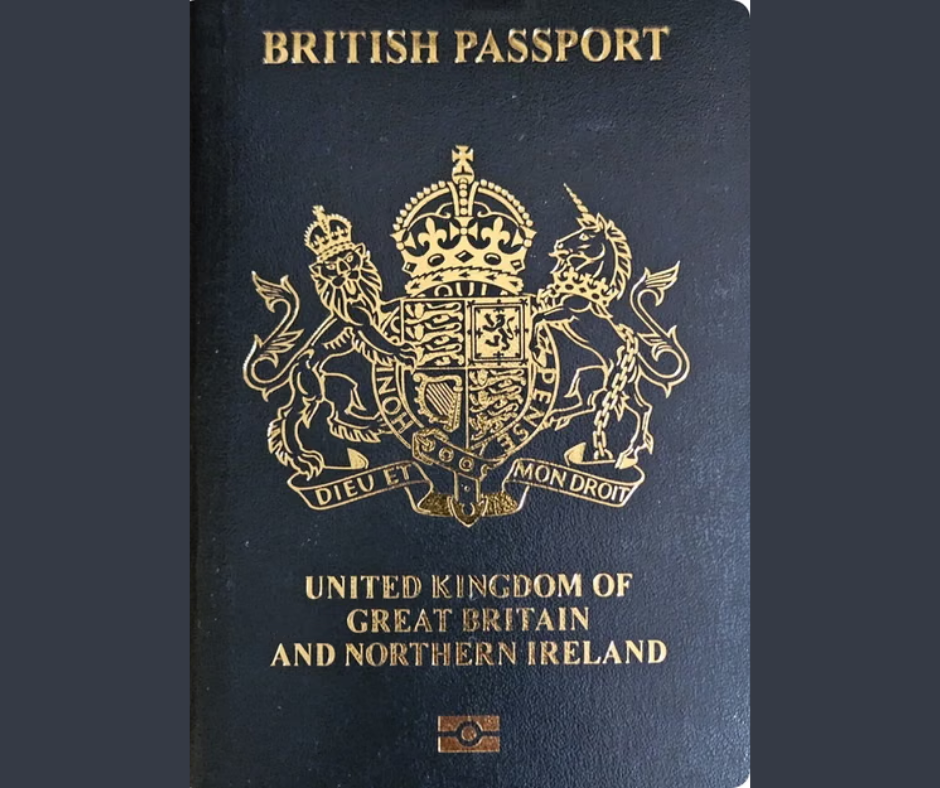
It also needs at least two blank pages for the visa to be issued. Along with the original passport, hand in two sets of photocopies of all its pages.
If you're short on either, renew through HM Passport Office before you apply. Remember that the consulate keeps your passport while it processes the visa, so you can't use it for other trips for the two to four weeks that takes.
The application forms
The consulate asks for two application forms, each completed, dated and signed by the applicant. Use its standard visa application form, which it publishes as an on-screen fillable PDF on the Forms page of cglondon.mfa.gov.dz.
Put identical details on both copies. Typing into the PDF and printing it twice is the easiest way to keep names, dates and passport numbers matching. If you fill it in by hand, use black ink and capitals, then sign and date each form.
Don't leave boxes empty. The consulate says applications with missing information will be delayed or rejected: an incomplete file is refused at the counter, or posted back if you applied by post. Write "N/A" where a question doesn't apply to you.
Passport photos
You need two recent passport-size photos, one stuck to each form.
The consulate doesn't publish a detailed photo specification for visas, so the safe choice is a standard UK passport photo: plain light background, recent, face fully visible, no hat or tinted glasses.
Write your first and last name in pencil on the back of each photo before you attach it. The consulate asks for this, and it's an easy one to forget.
Supporting documents the London consulate asks for
Besides the forms, photos and passport, a tourist visa file needs two things: proof of where you'll stay and proof of a job or income.
Children under 18 need their own visa, even when traveling with their parents, plus a copy of their birth certificate and a parental authorization. If you're not a British citizen, add proof that you live in the UK. The consulate also reserves the right to ask for extra documents, so keep the originals of everything you copy.
Proof of employment or income
The consulate's list says only "letter of employment" or "evidence of activity or income". It doesn't say what the letter must contain.
For employees, we'd send a recent letter on company letterhead, signed by your manager or HR, that confirms your job title, how long you've worked there and that your leave for the trip is approved. Nothing in the consulate's rules asks for your salary, so leave it out if you'd rather.
If you're self-employed, a recent tax return (such as your HMRC SA302) or your company accounts shows your income. Retired applicants can use a pension statement, and students a letter from their school or university.
Hotel booking, accommodation certificate or agency invitation
You also have to show where you'll stay. The consulate accepts any one of three documents.
The simplest is a hotel booking confirmation in your name with the hotel's address and your dates. A free-cancellation booking does the job and costs nothing if the visa is late.
If you're staying with friends or family, your host gets a certificat d'hébergement (accommodation certificate) certified by their town hall in Algeria. It must show the host's name and address and how they are related to you.
If you're on an organized tour, the Algerian travel agency provides an official invitation with your itinerary. If you plan your trip with us, we arrange that invitation and itinerary letter through a licensed Algerian agency, ready for your London application, and for Sahara trips we can file the visa-on-arrival request through our licensed partner agencies instead. Check that any agency you use really is licensed, since unofficial operators are one of the Algeria travel scams worth knowing about.
Travel insurance: not required for British citizens
The insurance rule depends on your passport.
For British and Irish citizens, the Consulate General of Algeria in London states that travel insurance is not required. Many other nationalities applying in London, including French, German, Canadian and Australian citizens, must include it.
Buy a policy anyway; you just don't send proof of it with the application. The FCDO recommends cover for medical evacuation and notes that private clinics are usually better than government hospitals. Read the small print too, and check your policy covers your whole route, including any time in the Sahara.
Business and family visit visas from the UK
A business visa costs the same £85 for British passport holders. The forms, photos, passport and copies are as for a tourist visa. Instead of a hotel booking and proof of income, you send two letters: one from your UK (or Irish) employer giving your position and the purpose of the trip, and an invitation from the company or institution in Algeria that you are visiting.
The family visa is for the spouses and children of Algerian citizens, also £85. A spouse adds a copy of the marriage certificate or the Algerian family book, plus a copy of the Algerian partner's consular registration card.
If the partner isn't registered with the consulate, add a certificat d'hébergement from their town hall in Algeria. For a child, the documents are the Algerian parent's registration card, a birth certificate and a parental authorization. The authorization is signed at the consulate, or notarized if you apply by post.
Submitting your application and paying the fee
You can hand the application in at the consulate (yourself, or through a courier or visa agent) or send it by post.
Applying in person at the London consulate
The Consulate General of Algeria is at 5 Portal Way, London W3 6RT. No appointment is needed for visa applications.
Visas are lodged and collected in the morning only, and the consulate's own pages don't quite agree on the days: its visa application page says 9:30 am to 1:00 pm, Tuesday to Saturday, while its opening-hours page lists the visa section as Tuesday to Friday, 9:00 am to 1:00 pm. It is closed on Sundays and Mondays, on Algerian public holidays (including both Eids and Yennayer on 12 January) and on Good Friday, Christmas and Boxing Day, so check with the consulate before planning a Saturday visit.
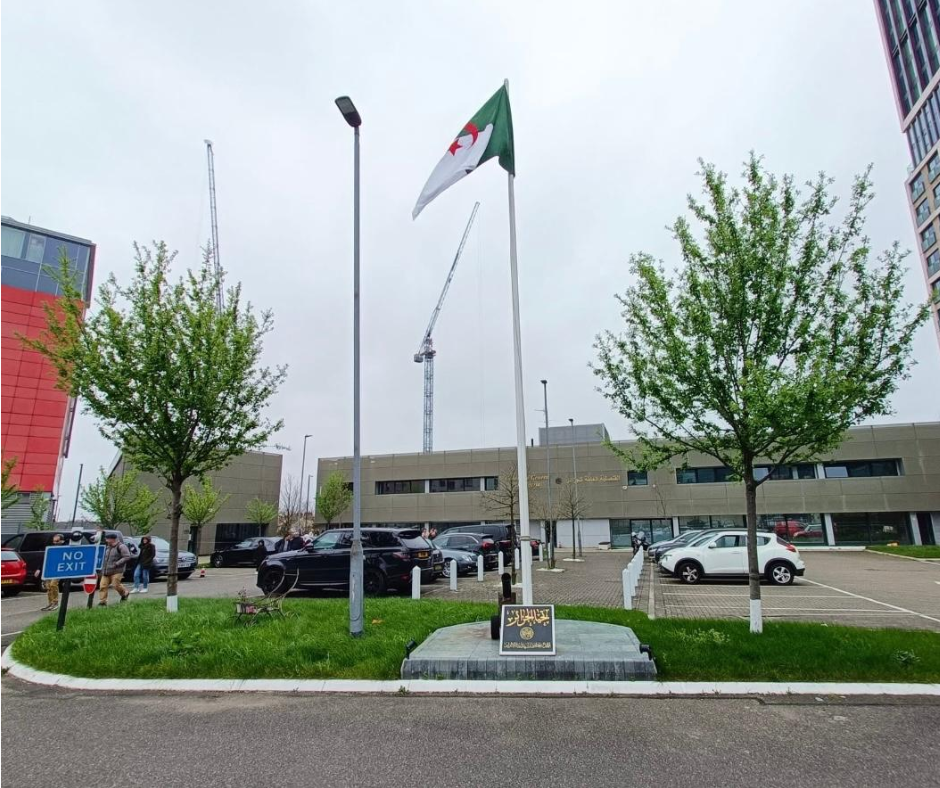
Expect queues in the periods the consulate itself names as its busiest: summer, New Year, Ramadan and Eid. Its hours can also change around the Islamic holidays.
Going in person has one real advantage: if something is missing, you find out at the counter instead of when the file comes back in the post. You collect your passport at the same counter in the morning opening hours.
Applying by post, and how to pay
If you live far from London, apply by post and use a tracked service. The processing time only starts when your envelope reaches the consulate, and the consulate says it isn't responsible for postal delays.
Include a prepaid, self-addressed Special Delivery envelope for the return of your passport, and keep its barcode number so you can track it.
For British passport holders the fee is £85 for a tourist visa (£60 for transit, £270 for work visas), and it isn't refunded if the visa is refused. By post you can only pay by postal order, made payable to "The Algerian Consulate General" (the wording on the consulate's fees page) with your name written on the back.
In person you can pay in cash or by postal order, in pounds only. The consulate doesn't take checks, debit cards or credit cards, and you should never send cash by post. Irish passport holders living in the UK pay £60 for a single entry or £100 for multiple entries.
Processing times and how to avoid delays
Timing is where most applications go wrong. The consulate has no express service, and it says your departure date doesn't change how long processing takes.
How long it takes, and the busy periods
The consulate's published times: visas lodged in person are generally issued within 10 working days, and postal applications take at least 15 working days from the day they arrive.
Add about 5 working days for each busy period it names: the summer holidays, New Year, Ramadan and the Eids. For a spring 2027 trip, keep in mind that Ramadan should begin around 8 February. An application can also take longer if it needs prior approval from the authorities in Algeria, which the consulate warns can happen.
We'd apply four to six weeks before you fly, and at the six-week end if you're posting it in summer.
How long the visa lasts and how many entries
The consulate doesn't publish a standard validity for tourist visas. The visa in your passport states its validity dates, the number of entries and the length of stay allowed.
In practice these are matched to the trip you describe, so give real dates on the form and make the hotel booking or invitation cover the whole stay. If you need to leave Algeria and come back, for example to visit Tunisia, ask for a multiple-entry visa when you apply. For British passport holders the fee is £85 either way.
Check the sticker before you leave the counter or open the envelope. If the dates or entries don't match your plans, contact the consulate's visa section before you book anything.
Don't buy non-refundable flights until the visa is issued: the consulate itself advises against it and says any loss is yours. Direct flights take about three hours. Air Algérie flies to Algiers from Heathrow and Stansted (plus Manchester on its summer 2026 schedule), and British Airways flies from Gatwick; check the current timetable when you book. What happens once the visa is in your passport, from cash to SIM cards, is covered in our Algeria travel tips.
A final check before you send it
Before you seal the envelope or join the queue, go through the file against the consulate's list:
- two forms, completed, dated and signed
- two passport photos with your name in pencil on the back
- your passport, valid six months from arrival with two blank pages, plus two sets of copies of all its pages
- a hotel booking, certified accommodation certificate or agency invitation with itinerary
- a letter of employment or evidence of income
- for children, a birth certificate copy and parental authorization
- £85 in cash or a postal order, and a Special Delivery return envelope if posting
Keep a copy of everything you send, including the postal order receipt.
When the passport comes back, check the visa's dates and number of entries before you book anything else. Overstaying is serious: the FCDO says you're likely to be detained at the airport on departure and could face prosecution and up to three months in prison. Checkpoints, dress and the rest of the day-to-day are covered in our guide to staying safe in Algeria, and the comment we hear most from travelers afterward is that the country was calmer and friendlier than they had braced for.
What UK travelers usually ask us
Do I need a return flight ticket to apply?
No. The London consulate's tourist list asks for proof of accommodation, proof of income and your passport documents, not a flight booking, and it advises against buying a non-refundable ticket before the visa is issued.
I have a British passport but live in Spain. Can I still use London?
No. London handles applications from UK residents only, so you apply to the Algerian embassy or consulate where you live. Each one sets its own fees and document list, and some, especially in the Schengen area, require travel insurance even for British citizens.
How do dual British-Algerian citizens enter Algeria?
Algeria treats you as an Algerian citizen, so ask the consulate's consular section about traveling on a valid Algerian passport rather than applying for a visa. Men of Algerian origin may be liable for national service, as the UK Foreign Office notes. To return to the UK, carry your British passport too.
Do I need a business visa for a work meeting in Algiers?
Yes, the business visa, at the same £85. The two letters it needs are described in the business and family section above.
For transport, money and regional planning, browse our guides to traveling in Algeria.
We can also help you map the itinerary day by day. All you have to do is reach out to us.
Once the visa is sorted, these help with the rest of the planning: our Algeria Travel Guide, a breakdown of Algeria Travel Costs 2026, and Is Algeria Worth Visiting? What to Know Before You Go (2026). For routes, start with 3 Days in Algeria: A 72-Hour Algiers and Tipaza Itinerary, the Algeria North Itinerary or the 10-Day Algeria Itinerary: Full Route Plan.


