
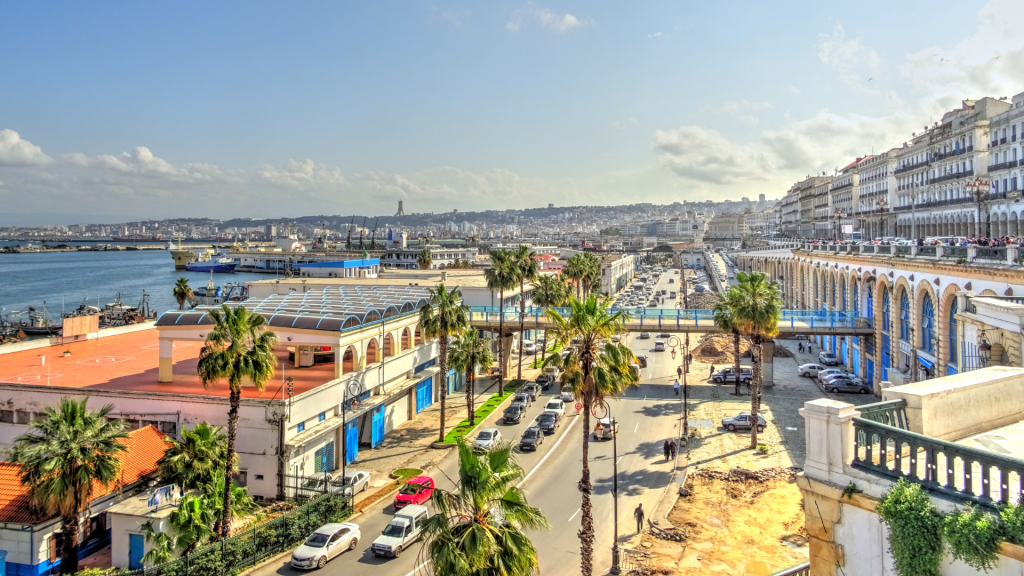

Planning a trip to a destination that feels off the beaten path often brings up a specific type of anxiety regarding visas, local laws, and cultural expectations.
That is why our team at WildyNess created this guide to help you navigate every logistical hurdle and cultural nuance with total ease.
Essential Requirements for Entering Algeria
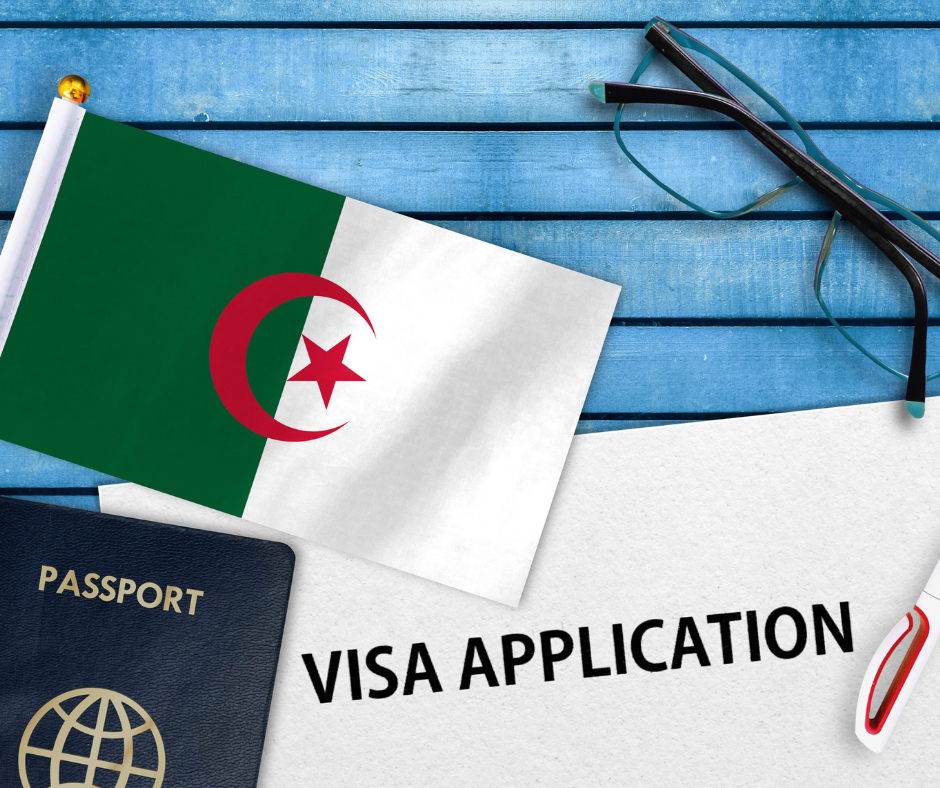
The first step in your journey involves navigating the administrative side of international travel. Most foreign nationals require a visa to enter Algeria, and this process is managed through Algerian consulates rather than electronic systems or arrivals desks.
You should start this process at least four to six weeks before your intended departure date to account for processing times and potential document requests.
Understanding the Visa Application Process
Most travelers will apply for a tourist visa which requires a passport with at least six months of remaining validity from your date of entry.
You will need to provide a completed application form along with passport sized photographs and a confirmed hotel booking or an invitation letter from a licensed travel agency. It is also common for consulates to request a copy of your round trip flight itinerary and proof of travel insurance that covers the duration of your stay.
Finalizing Your Entry Documentation
Once you receive your visa, you should keep both physical and digital copies of all your supporting documents. Immigration officers at the airport may ask to see your proof of accommodation or your return flight details upon arrival.
Timing Your Trip for the Best Experience
Algeria is the largest country in Africa and features a climate that varies significantly between the Mediterranean coast and the vast Sahara Desert. Choosing when to visit depends entirely on which landscapes you intend to explore because the heat in the south can be extreme while the north can be quite rainy in the winter.
Exploring the Northern Cities and Coastline
The best time to visit northern cities like Algiers, Oran, and Constantine is during the spring months of March to May or the autumn months of September to November. During these windows, the weather is mild and pleasant for walking through historic Casbahs or visiting Roman ruins like Tipaza.
Summer can be quite humid and crowded as locals flock to the beaches, while winter brings cooler temperatures and occasional rain to the Atlas Mountains.
Venturing into the Sahara Desert
If your goal is to see the towering dunes of the Sahara or the rock forests of Tassili n'Ajjer, you must plan your visit between November and March. Daytime temperatures are comfortable for trekking and photography, though you should be prepared for nights that drop toward freezing.
Traveling to the deep south during the summer months is generally discouraged because temperatures frequently exceed 45 degrees Celsius which makes outdoor activity dangerous.
Navigating the Cash Based Economy of Algeria
One of the most important Algeria travel tips involves understanding how money works on the ground. Algeria is still very much a cash society where credit cards are rarely accepted outside of international hotel chains and high end boutiques. You will need to carry enough physical currency to cover your daily meals, transport, and shopping in the local markets.
Managing Currency Exchange and Rates
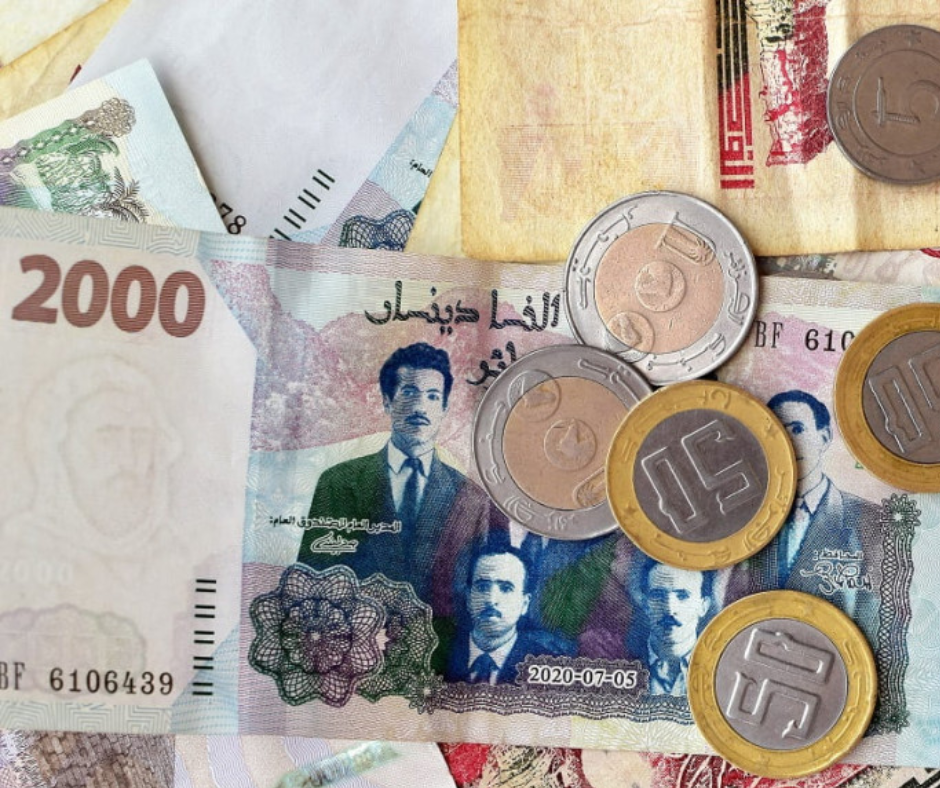
The official currency is the Algerian Dinar and you will find that there is a significant difference between the official bank rate and the parallel market rate.
While the informal exchange is common, we recommend using official banks or authorized exchange offices at the airport to ensure your transactions are legal and documented. It is wise to carry Euros or US Dollars in clean and crisp bills because these are the most widely accepted currencies for exchange.
Accessing Funds and Using ATMs
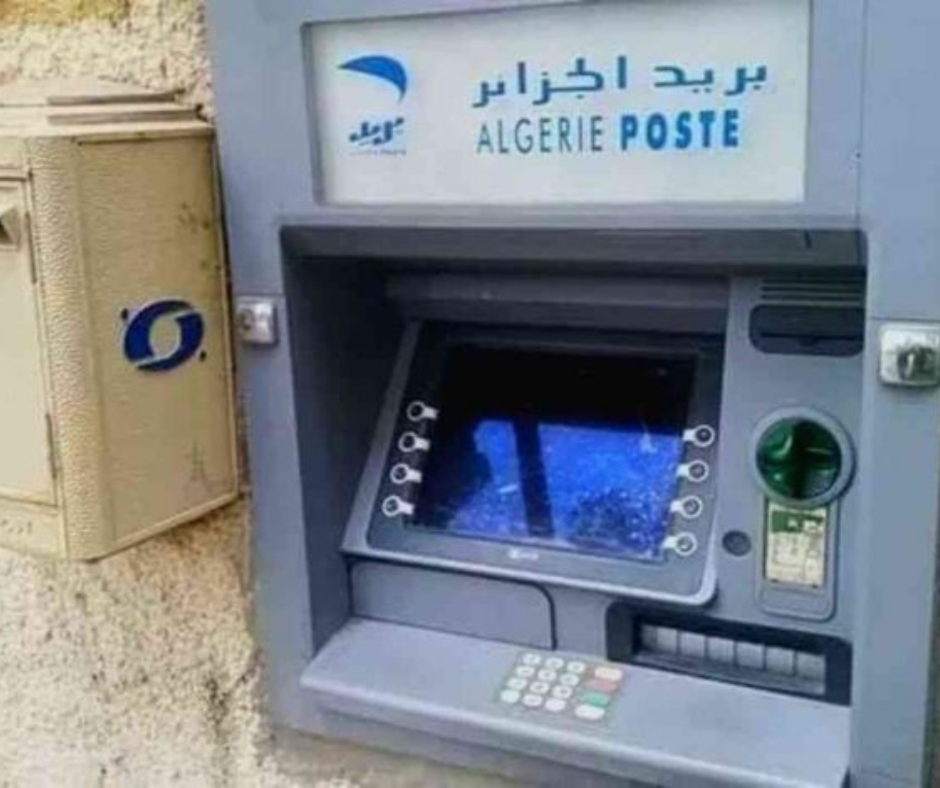
While ATMs are becoming more common in major urban centers like Algiers, they can be unreliable for foreign cards and often run out of cash during weekends or holidays.
You should never rely solely on your debit card when traveling to smaller towns or southern oases where banking infrastructure is limited. We suggest withdrawing larger sums when you find a working machine in a big city to sustain you through the rural legs of your trip.
Choosing the Most Efficient Transportation Methods
Getting around a country of this size requires a strategic mix of transport options to save time and energy. Domestic travel is surprisingly affordable and well connected which allows you to bridge the gap between the northern Mediterranean coast and the southern desert gateways.
Utilizing Domestic Flights and Trains
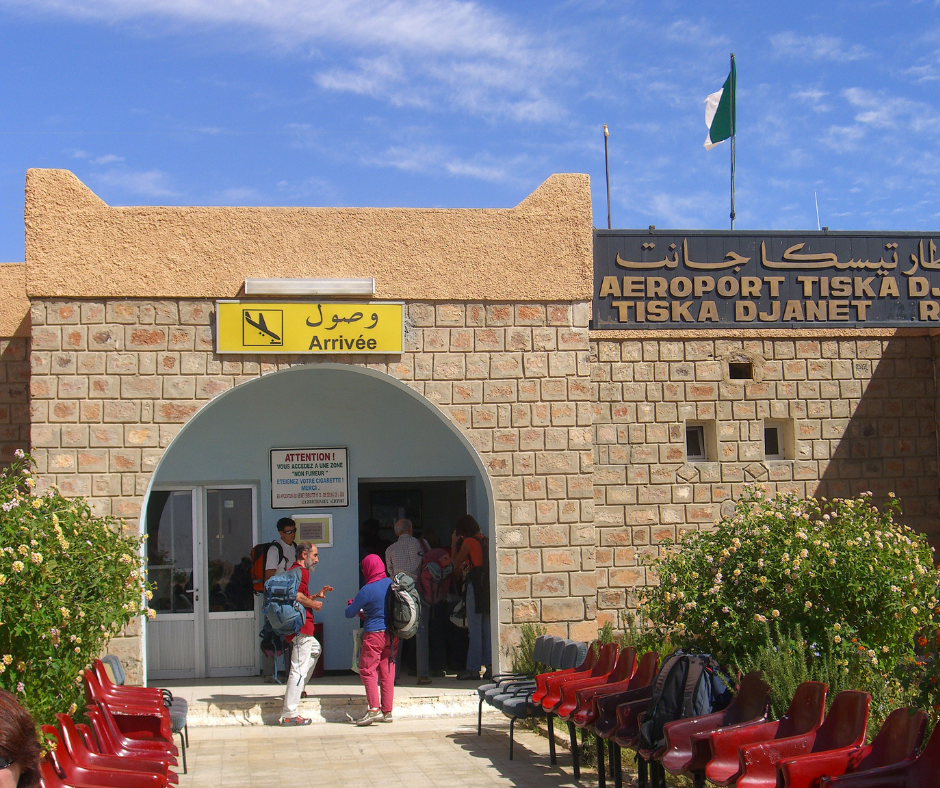
Air Algérie operates an extensive network of domestic flights that are the most practical way to reach distant cities like Djanet or Tamanrasset.
A flight that takes two hours can replace a grueling thirty hour bus ride across the desert. For travel between northern cities, the SNTF railway offers a comfortable and scenic alternative with regular service between Algiers, Oran, and Constantine.
Local Transport and Rideshare Apps
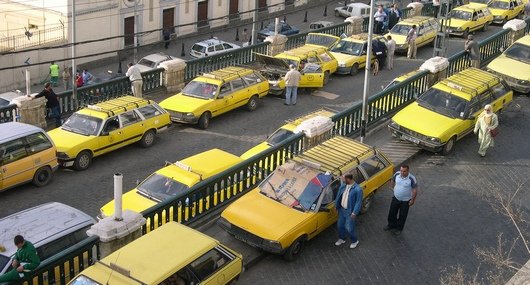
Inside the major cities, you can use rideshare applications like Yassir or Heetch which provide a transparent price and eliminate the need to negotiate with taxi drivers.
In areas where these apps are not available, you will find collective taxis known as louages that depart once they are full. This is a very common way for locals to travel between nearby towns and offers an authentic look at daily life in Algeria.
Respecting Cultural Etiquette and Local Norms
Algeria is a conservative society deeply rooted in Islamic traditions and Berber heritage. Respecting these norms will not only keep you out of awkward situations but will also open doors to the incredible hospitality for which the country is known.
Dress Codes for Men and Women
Modesty is the general rule for both genders when moving through public spaces and residential neighborhoods. Women should opt for loose clothing that covers the shoulders and knees, and keeping a light scarf in your bag is helpful for visiting mosques or protecting yourself from the sun.
Men should avoid wearing sleeveless shirts or very short shorts in city centers and should instead choose trousers or longer shorts to maintain a respectful appearance.
Social Graces and Public Behavior
Public displays of affection are generally frowned upon and should be kept to a minimum to respect local sensibilities. When you are in a market or a shop, it is polite to greet the owner with a simple greeting before asking for prices. You should also always ask for permission before taking photos of people, particularly women or children, as privacy is highly valued in Algerian culture.
Staying Connected with Local Communication Tools
Maintaining a data connection is essential for using maps and translation apps while you explore. While many hotels offer wireless internet, the quality can be inconsistent, so getting a local SIM card is a top priority for most travelers upon arrival.
Purchasing a Local SIM Card
You can easily buy a prepaid SIM card at the airport or at branded kiosks for providers like Mobilis, Djezzy, or Ooredoo. You will need to show your passport to register the card, but the process is usually quick and the staff can help you activate a data bundle on the spot. These packages are very affordable and typically provide enough data for a few weeks of heavy usage for less than ten dollars.
Practical Connectivity Tips
We recommend downloading offline versions of Google Maps for the regions you plan to visit because cellular signals can drop out in the deep desert or remote mountain passes. Having a local phone number is also incredibly useful for coordinating with tour guides or calling your accommodation if you are having trouble finding the entrance in the winding streets of a historic district.
Health and Safety Precautions for Travelers
Algeria is generally a safe country for tourists, but like any destination, it requires a level of situational awareness. The government takes security very seriously and you will notice a visible police presence in most major cities and along the highways.
General Safety and Street Smarts
Pickpocketing can occur in crowded areas like the Algiers Metro or busy markets, so you should keep your valuables in a secure front pocket or a zipped bag. It is also a good idea to avoid walking alone in quiet or poorly lit areas late at night. Most travelers find that the biggest challenge is not crime but rather the heavy traffic and fast driving in urban areas, so be extra cautious when crossing the street.
Health and Hydration in the Heat
The sun in North Africa is intense even on days that feel breezy or cool. You must drink plenty of bottled water to stay hydrated and use high SPF sunscreen even when you are just walking through the city. It is also wise to stick to cooked foods and peeled fruits in the beginning of your trip to give your digestive system time to adjust to the local water and spices.
Mastering Basic Language and Dining Etiquette
While Arabic is the official language, French is widely spoken in cities and among the younger generation. Learning a few phrases in the local dialect known as Darja will go a long way in building rapport with the people you meet.
Essential Phrases for Daily Interactions
Starting a conversation with "Salam" or "Sabah el kheir" will immediately set a friendly tone. You can use "S'il vous plaît" and "Merci" for most transactions since French is the common language of commerce. If you are in a market, asking "B'chehal?" will help you find out the price of an item in the local dialect which often leads to a more genuine interaction with the vendor.
Understanding Dining Customs
Sharing a meal is a central part of Algerian hospitality and you may find yourself invited to join a family for couscous or tea. If you are eating from a communal dish, it is customary to use your right hand and to eat from the section of the plate directly in front of you. Always accept a second cup of tea as a sign of appreciation for your host's generosity and remember that most traditional meals conclude with a variety of fresh fruits or honey soaked pastries.
Final Preparations for Your Algerian Journey
As you pack your bags and finalize your itinerary, remember that Algeria rewards those who travel with patience and an open mind. The administrative hurdles of the visa or the lack of credit card infrastructure are small prices to pay for the chance to see some of the most preserved Roman ruins in the world and the breathtaking landscapes of the Sahara.
By following these practical Algeria travel tips, you are setting yourself up for a journey that is as smooth as it is memorable. Focus on the northern coast for history and culture, head south for the timeless beauty of the desert, and always leave room in your schedule for an unexpected invitation to tea. Algeria is ready to show you its wonders if you are ready to embrace its unique rhythm of life.


