

Trying to figure out how to navigate a country as vast as Algeria in just seventy-two hours can feel like a logistical puzzle.
That is why our team at Wildyness created this guide to help you maximize a short stay by focusing on the historic heart and the Roman coast.
Planning Your 72-Hour Trip
Three days is not enough time to see the Sahara and the northern coast, so we recommend focusing your energy on Algiers and the nearby archaeological sites. This allows you to experience the layers of Ottoman, French colonial, and modern Algerian history without spending half your trip in an airport.
Before you land at Houari Boumediene Airport, ensure your paperwork is in order. Most nationalities require a visa which should be secured well in advance at your local consulate. We suggest printing two physical copies of your visa, your hotel confirmation, and your travel insurance. While digital copies are great, Algerian border authorities often prefer physical documents during entry and exit procedures.
Read also: Your Guide to Algeria: Visa, Safety, and Security
Money is the next priority. Credit cards are rarely used outside of international hotel chains. You will need cash for almost everything, from street food to taxi rides. While banks and official exchange booths exist, many travelers utilize the informal exchange market at Square Port Said in Algiers for better rates. We recommend carrying Euros or US Dollars for this purpose as they are the preferred currencies for exchange.
Regarding your wardrobe, Algeria is a conservative country. You should pack clothing that covers your shoulders and knees. For women, a lightweight scarf is the most versatile item you can carry. It serves as protection from the sun during the day and a respectful head covering if you decide to enter a mosque.
Read also: What to Pack and Wear in Algeria: A Traveler’s Guide to Packing Smart
Day 1: The Architecture and Soul of Algiers
Casbah
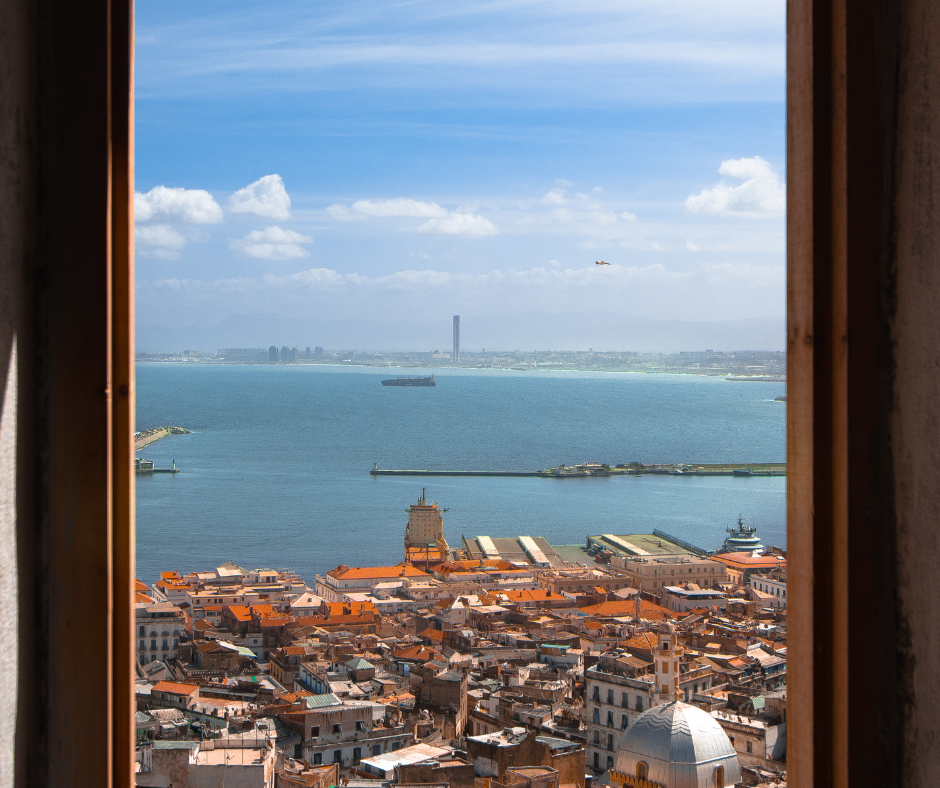
Your first day should be dedicated to the Casbah, which is the historic heart of the city and a UNESCO World Heritage site. This is not a place for a casual stroll with a map because the layout is a deliberate maze designed for defense. We recommend starting your morning at the top of the hill near the Citadel and walking downward toward the sea.
As you descend the steep staircases, you will notice the architecture shifts from crumbling Ottoman palaces to narrow residential alleys. The Casbah is a living neighborhood, not a museum. You will pass craftsmen carving wood, families carrying fresh bread from communal ovens, and children playing in doorways. We suggest hiring a local guide for this portion of the trip. A guide can help you find "hidden" spots like the beautiful interior courtyards of traditional houses that look plain from the outside.

Lunch
For lunch, stay within the lower Casbah or head toward Place des Martyrs. Look for a small local spot serving sardine-based dishes or a hot bowl of chorba frik. Chorba is a traditional soup made with cracked green wheat, tomato, and lamb. It is filling, nutritious, and serves as the perfect fuel for a day of climbing stairs.
Read also: Algeria Food Tour: An Authentic Guide to Local Flavors & Street Food
And: Where to Eat Couscous in Algeria | WildyNess Guide
White City Afternoon
In the afternoon, transition from the old city to the "White City" built during the French colonial era. Walk along Rue Didouche Mourad to see the Haussmann-style buildings that give Algiers its nickname, Alger la Blanche. Your destination is the Grande Poste, a stunning example of Neo-Moorish architecture. Even if you don't have mail to send, the interior woodwork and domed ceiling are worth a quick look.
End your first day at the Memorial du Martyr. This iconic concrete monument commemorates the Algerian War of Independence. It sits on a hill overlooking the entire city. We recommend arriving an hour before sunset to watch the lights come on across the bay. To get there, use the Yassir app, which is the local equivalent of Uber. It takes the guesswork out of pricing and ensures you have a reliable ride back to your hotel.
Day 2: Roman Ruins and Coastal Freshness
Tipaza
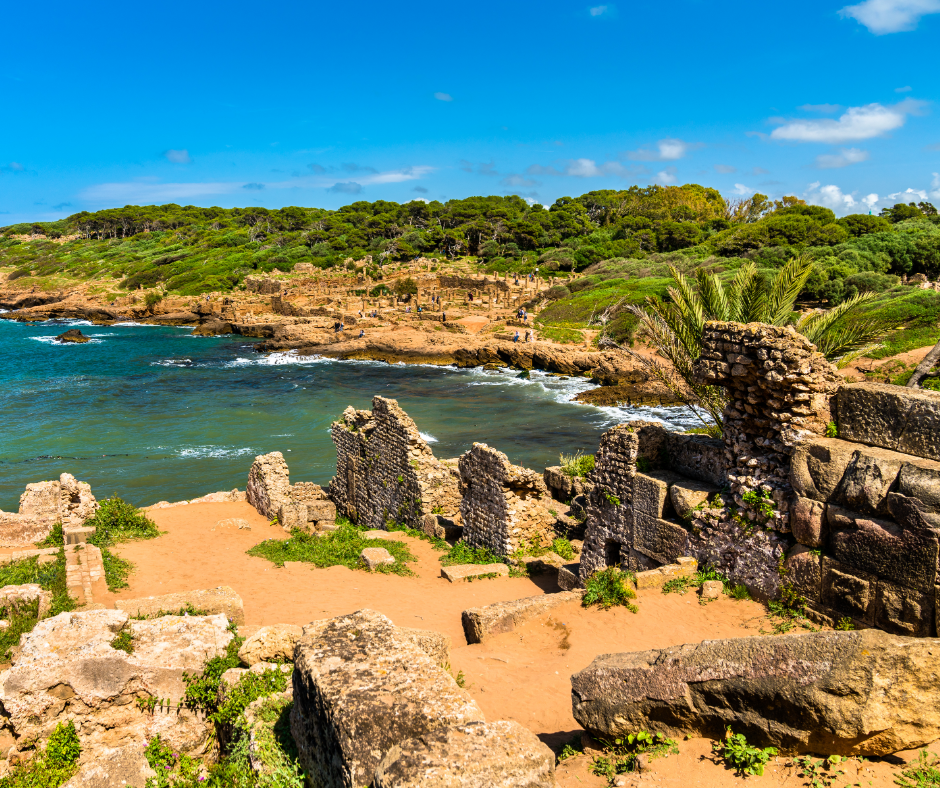
On your second day, leave the city center for a trip to Tipaza, located about seventy kilometers west of Algiers. This was once a vital Roman military colony and later a Christian center. The ruins here are unique because they are situated right on the edge of the Mediterranean Sea.
You can reach Tipaza by hiring a private driver for the day or by taking a "louage" from the Caroubier taxi station. A louage is a shared long-distance taxi that leaves once all seats are filled. It is an authentic and affordable way to travel like a local.
Once you arrive at the archaeological park, give yourself at least three hours to explore. You will see the remains of the Great Basilica, an ancient amphitheater, and the Roman baths. The site is overgrown with wildflowers and shaded by olive trees, making it feel more like a park than a dusty excavation site. We suggest walking all the way to the shoreline where ancient stone pillars lay partially submerged in the turquoise water.
Just outside the ruins is the modern town of Tipaza, which is famous for its seafood. Walk down to the port for lunch. You can select fresh fish directly from the morning's catch and have it grilled on the spot. Order a side of "maakouda," which are small fried potato cakes seasoned with garlic and parsley. They are usually served with a side of harissa for a spicy kick.
The Way Back
On your way back to Algiers, stop at the Royal Mausoleum of Mauretania. This massive circular stone structure is the tomb of Queen Cleopatra Selene II and King Juba II. It sits on a hill with a panoramic view of the Mitidja plain. The scale of the masonry is impressive and provides a different perspective on the region's pre-Roman history.
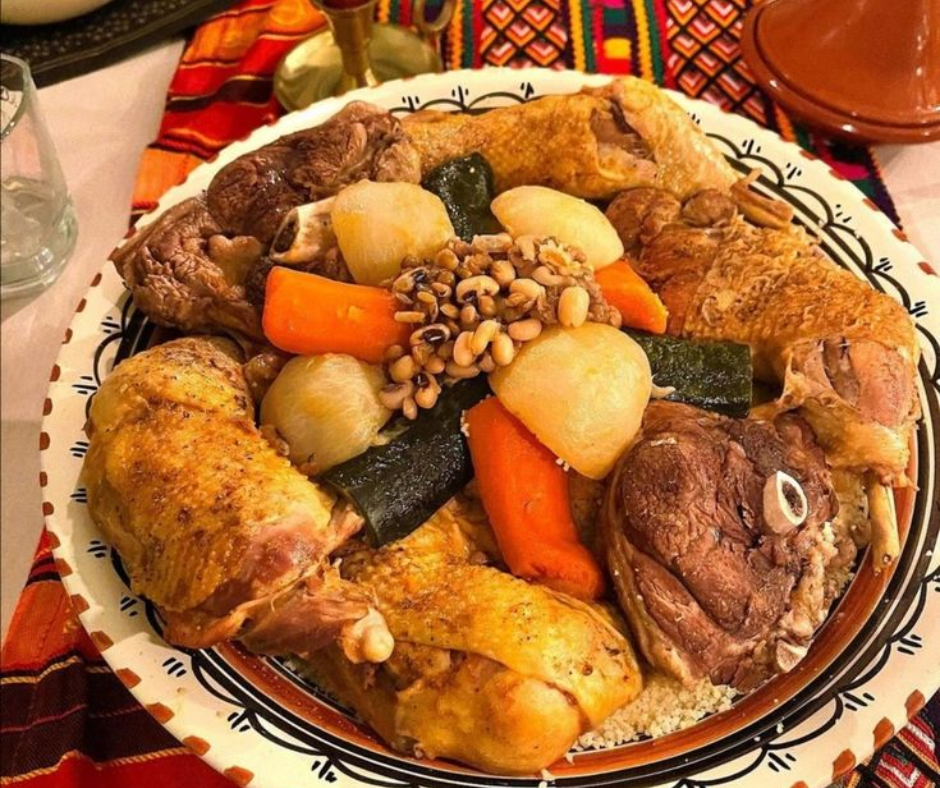
Return to Algiers in the evening and head to the neighborhood of El Biar for dinner. This area is home to many traditional restaurants where you can try a proper Algerian couscous. Unlike Moroccan couscous, which is often sweet, Algerian couscous is usually savory and served with a rich red or white sauce, lamb, and plenty of vegetables like chickpeas and zucchini.
Day 3: Gardens, Basilicas, and Modern Landmarks
Jardin D'Essai Hamma
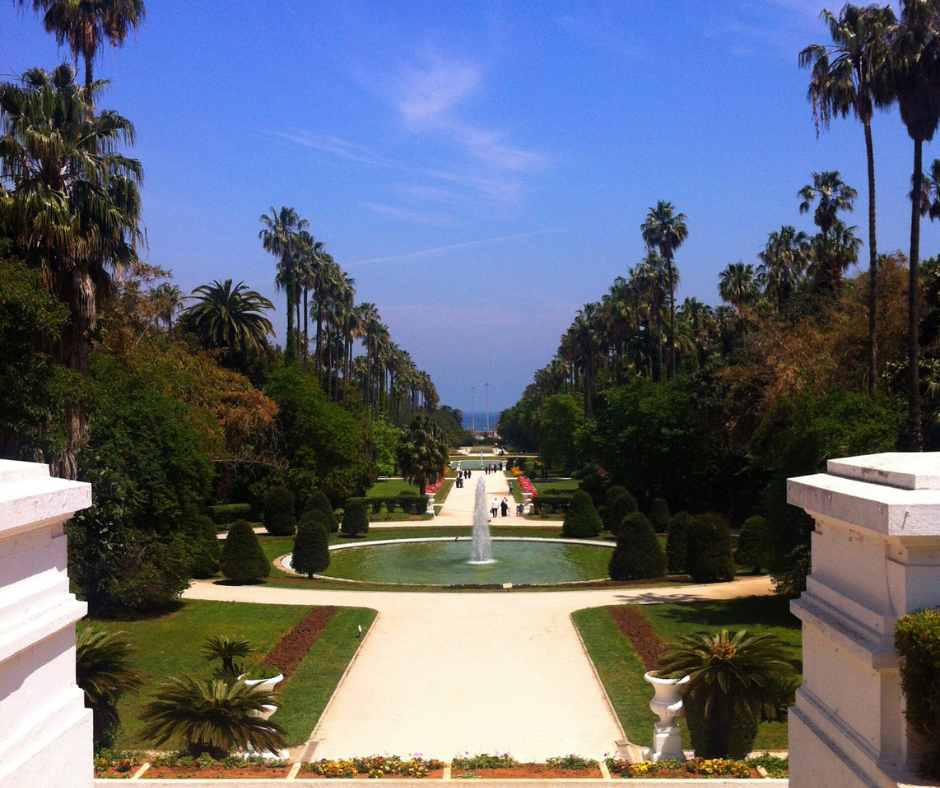
Start your final day at the Jardin d'Essai du Hamma. This botanical garden was established in 1832 and covers over thirty hectares. It is divided into a formal French garden and a wilder English garden. It is a peaceful place to spend a morning away from the city traffic. You can reach the garden easily by taking the Algiers Metro to the Jardin d'Essai station.
After enjoying the greenery, take the nearby cable car up the hill to the National Museum of Fine Arts. Even if you only stay for a short time, the view from the museum balcony looking down the central aisle of the gardens toward the sea is one of the best photo opportunities in the city.
Final Afternoon
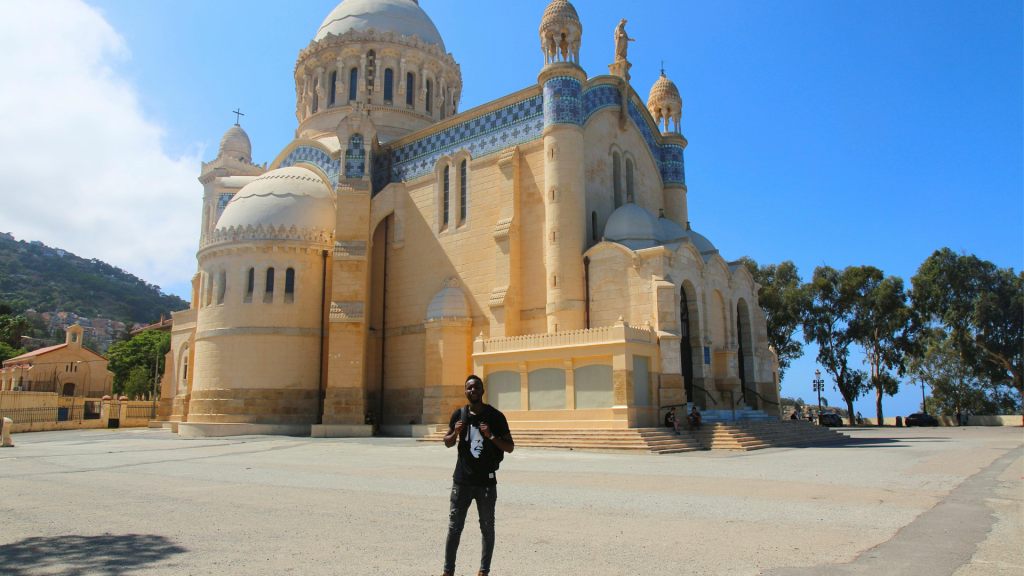
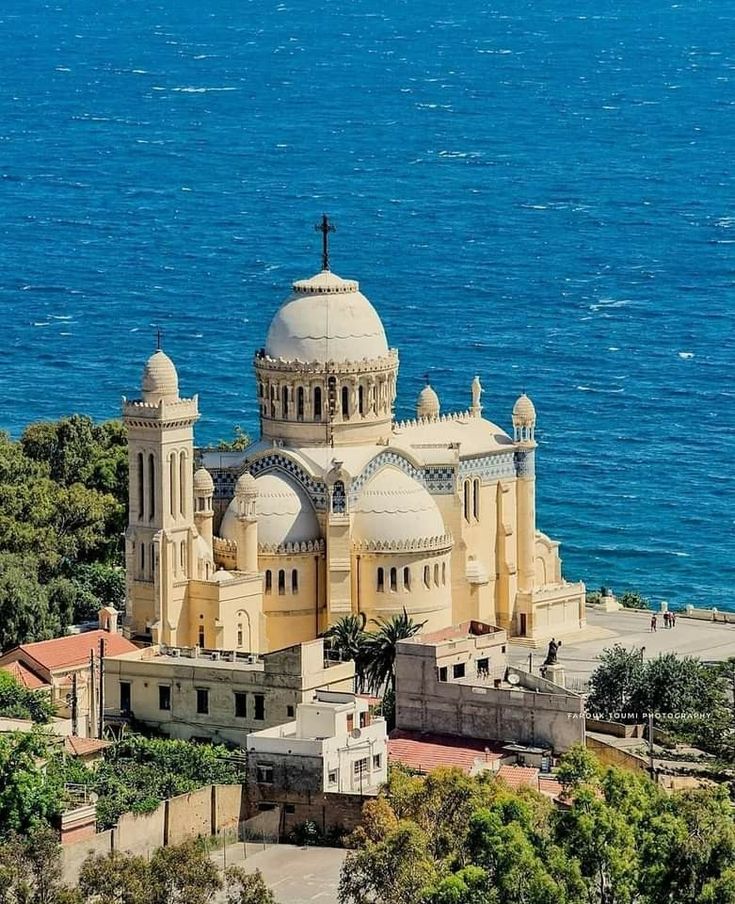
For your final afternoon, visit the Basilica of Notre-Dame d'Afrique. This cathedral sits on a cliff on the opposite side of the bay from the Martyr’s Memorial. The interior is decorated with blue tiles and a famous inscription that reads "Our Lady of Africa, pray for us and for the Muslims." This reflects the religious plurality and history of the region. We suggest taking the cable car from the Bologhine neighborhood to reach the top. It is a short, scenic ride that saves you a very steep walk.
Spend your last few hours at the Great Mosque of Algiers, known as Djamaa el-Djazair. This is a record-breaking structure that features the tallest minaret in the world, reaching two hundred and sixty-five meters. The prayer hall can hold over one hundred thousand people. While the mosque is a place of worship, the surrounding plaza is a public space where families gather. It is a perfect spot to sit and reflect on your journey.
Before you head to the airport, stop at a local patisserie to pick up some "kalb el louz." This is a dense, semolina-based cake flavored with orange blossom water and stuffed with almonds. It is a local favorite and pairs perfectly with a final glass of hot mint tea.
Practical Logistics for a Smooth Stay
To stay connected, we recommend buying a local SIM card at the airport or at a shop in the city center. Mobilis and Djezzy are the two main providers with the best coverage. You can get a plan with plenty of data for less than ten dollars. This is essential for using the Yassir app and navigating the winding streets of Algiers with GPS.
When it comes to local transport within Algiers, the metro and tram system are modern and very cheap. A single ticket costs about fifty Dinars. However, the system does not cover the hilly interior of the city, which is why taxis and the Yassir app will be your primary way of getting around. If you take a regular street taxi, always agree on the price before the car starts moving.
Safety in Algiers is generally high for travelers who stick to the main areas. Like any large city, you should be mindful of pickpockets in crowded markets like the Casbah or on public transport. We suggest keeping your phone and wallet in a secure front pocket or a cross-body bag.
Language is another factor to consider. While Arabic is the official language, French is widely spoken in Algiers. English is becoming more common among the younger generation and in the tourism industry, but learning a few basic phrases in Arabic or French will go a long way in making connections with locals. A simple "Saha" for thank you or "Salam" for hello will always be met with a smile.
Packing and Preparation Checklist
Since you only have three days, we suggest traveling with a carry-on bag to avoid wait times at the luggage carousel. Your packing list should include:
A high-SPF sunscreen and a wide-brimmed hat because the Mediterranean sun is surprisingly strong even in the spring and autumn. Comfortable walking shoes with good grip. The stones in the Casbah and at the Tipaza ruins can be slippery and uneven. A portable power bank to keep your phone charged for navigation and photos. A modest outfit for mosque visits, consisting of long trousers or a long skirt and a shirt that covers the elbows. Basic medications for stomach sensitivity, as the change in diet and spices can sometimes affect travelers.
Algeria is a country that rewards those who come with an open mind and a sense of curiosity. In just three days, you can experience the intersection of ancient civilizations and modern North African life. From the heights of the Notre-Dame d'Afrique to the quiet Roman streets of Tipaza, every corner of this region tells a story of resilience and hospitality.
If you still have some questions or need help planning these 3 days or even more throughout Algeria, don't hesitate to reach out.


