


If you have two or three days in Algiers, give the first to the Casbah and the lower town around Place des Martyrs, the second to the Hamma side (the Jardin d'Essai, the Fine Arts museum and the Martyrs' Memorial), and keep the third for the Roman ruins at Tipaza. Below are the places we'd put on a first visit, with how to reach them and roughly what they cost.
Algerians call the capital El Bahdja, and the French called it Alger la Blanche, after the white buildings stacked on the hills above the bay. It splits roughly in two: the Ottoman Casbah on the hillside, and the French-built center below it, with newer districts such as Hydra and Mohammadia spreading further out.
Two things to know before you start. Algiers is hilly and spread out, so you'll mix walking with the metro, taxis and the odd cable car. And it's a working capital, not a resort: few signs are in English, and most places outside the big hotels take cash only.
The 15 sights side by side
| Sight | Area | Getting there | Entry | Time |
|---|---|---|---|---|
| 1. The Casbah | Hillside above the port | Metro to Place des Martyrs | Free; a guide is extra | Half a day |
| 2. Ottoman mosques and Palais des Raïs | Lower Casbah | Metro to Place des Martyrs | Free (mosques) | 1 to 2 hours |
| 3. La Grande Poste | Center | Metro to Tafourah-Grande Poste | Outside only | 15 minutes |
| 4. Place des Martyrs | Lower town | Metro to Place des Martyrs | Free | 30 minutes |
| 5. Sacré-Cœur cathedral | Center | Metro to Khelifa Boukhalfa | Free | 30 minutes |
| 6. Bab El Oued | West of the Casbah | On foot from Place des Martyrs | Free | 1 to 2 hours |
| 7. Martyrs' Memorial | Riadh El Feth | Cable car from the Jardin d'Essai, or taxi | Free outside | 1 hour |
| 8. Jardin d'Essai | Hamma | Metro to Jardin d'Essai | About 150 to 200 DZD | 1 to 2 hours |
| 9. Fine Arts museum | Hamma | Metro to Jardin d'Essai | About 200 DZD | 1 to 2 hours |
| 10. Djamaa el Djazaïr | Mohammadia | Taxi, 20 to 30 minutes | Free; minaret visits supervised | 1 to 2 hours |
| 11. Notre-Dame d'Afrique | Bologhine | Taxi or Yassir | Free | 1 hour |
| 12. Antiquities museum | Parc de la Liberté | Taxi or bus | 200 DZD | 1 to 2 hours |
| 13. Tipaza | 70 km west | Car, or bus from Tafourah | A few hundred DZD per site | Full day |
| 14. Bardo Museum | Near the Antiquities museum | Taxi or bus | 200 to 300 DZD | 1 to 2 hours |
| 15. Teri Park | Chéraga | Taxi or Yassir | Pay per game | 2 to 3 hours |
Getting two good days out of Algiers
- Give the city two full days, and a third if you want Tipaza.
- Leave the airport by train (80 DZD) or ETUSA bus 100 (50 DZD); a taxi costs about 1,500 to 2,500 DZD.
- Get around on the one metro line (50 DZD) and the tram (40 DZD), or call a Yassir or Heetch, since there is no Uber.
- Carry dinars in cash: outside the big hotels, almost nowhere takes cards.
- Come between March and May or from late September to November.
- Pack something that covers shoulders and knees for the mosques, and a headscarf if you are a woman.
1. The Casbah of Algiers
Most first visits begin in the Casbah of Algiers, the old Ottoman town climbing the hillside above the port, on UNESCO's list since 1992. People lived here long before the Ottomans: the Punic trading post of Ikosim stood on this spot, using the small islands off the shore as a harbor.
Its houses, mosques and palaces mix Ottoman and older Moorish building styles, packed onto a slope that drops steeply to the Mediterranean.

We recommend going with a guide. The lanes twist and climb, a few alleys are closed off and plenty of houses are in poor repair, so losing your way is easy. A local guide knows the way between the palaces, mosques and workshops, so you see far more in a morning.
The lanes are lined with small shops, workshops, neighborhood mosques and old houses. At the very top stands the Citadel (Dar es-Soltane), the fortress the Ottomans built between 1516 and 1592, where the last deys of Algiers lived after 1817.
2. Ottoman mosques and the Palais des Raïs
Several Ottoman-era palaces survive in and around the Casbah, with carved wood, tiled walls and arcaded courtyards. Down on the edge of Place des Martyrs, the Djamaâ el Djedid (New Mosque) dates from 1660. Look for its white central dome and square minaret.
Ketchaoua Mosque is a few minutes' walk away, at the foot of the Casbah. It is documented from 1612 and was rebuilt in 1794. The French turned it into the Cathedral of St Philippe in 1832 and rebuilt it between 1845 and 1860. It became a mosque again at independence in 1962 and reopened in April 2018 after a restoration funded by Turkey's TIKA agency.
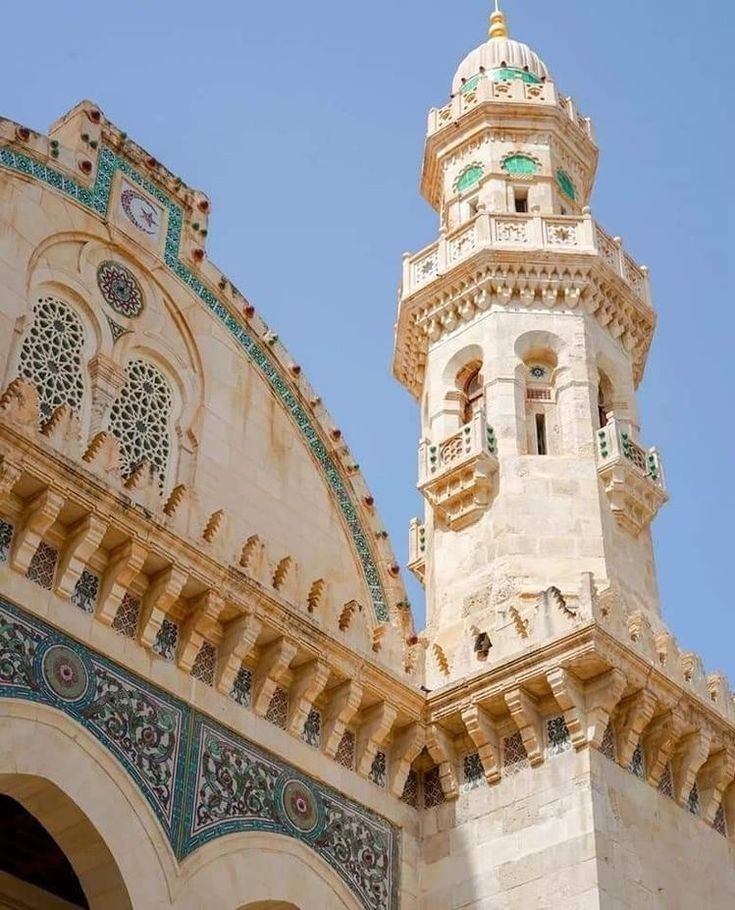
Between them, the two mosques tell a good part of the city's religious history: one was built for Ottoman Algiers, the other changed faith twice in 130 years.
Then walk down to the Palais des Raïs, also called Bastion 23, right on the seafront at the bottom of the Casbah.
It began as a fort built in 1576 under Ramdhan Pasha to defend this side of the town. Over the next two centuries it grew into a group of three palaces and six fishermen's houses, and it is now the last surviving quarter of the lower Casbah, most of which was demolished in the French period.

Today it is an arts and culture center. Inside are tiled courtyards, carved wooden ceilings and terraces that look straight out to sea.
More Casbah palaces and small museums
Two more Ottoman houses in the lower Casbah are now museums. Dar Mustapha Pacha was begun in the 16th century and finished by Dey Mustapha Pacha in 1798 to 1799.
It has more than 500,000 old tiles on its walls and houses the national museum of illumination, miniature and calligraphy. Dar Khdaouedj el Amia, built around 1570, holds the national museum of popular arts and traditions: costumes, jewelry, carpets, pottery and copperwork.
Dar Aziza, a 16th-century palace facing Ketchaoua Mosque, is used as offices, so you see it from outside. Opening days change, so have your guide check before you go.
3. La Grande Poste and Rue Didouche Mourad
La Grande Poste is the white neo-Moorish building at the bottom of Rue Didouche Mourad. Architects Jules Voinot and Marius Toudoire designed it as the city's main post office, and it opened in 1913.
The façade is all horseshoe arches and carved stucco. The plan is to turn the main hall into a national postal museum, but the interior has been closed since 2019 and restoration was still unfinished in 2025, so for now you see it from outside.
It's easy to reach: Tafourah-Grande Poste metro station is right beside it. The square in front is open at all hours and costs nothing.
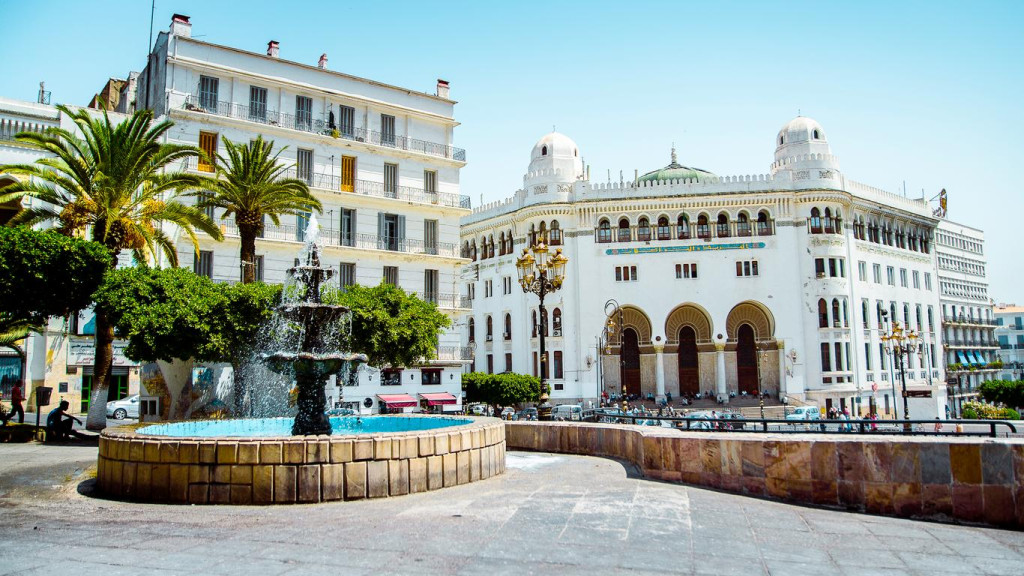
The streets around it are where everyday Algiers happens. Rue Didouche Mourad and Rue Larbi Ben M'hidi are lined with cafés, pastry shops and clothes shops, and they fill up in the late afternoon.
Stop for a coffee and watch the street for a while. It's a good way to get a feel for the city before you head up into the Casbah.
From here, a half-day walk on foot links the lower Casbah, the colonial center and Bab El Oued: the next three stops.

4. Place des Martyrs
Start at Place des Martyrs, the big square at the foot of the Casbah. It's about 20 minutes on foot from La Grande Poste along Rue Larbi Ben M'hidi and Rue Bab Azoun, or two stops on the metro (Place des Martyrs is the end of the line). The French army laid it out after 1830 as the Place du Gouvernement, and it's where the old Ottoman town meets the colonial one.
The authorities regularly clear the informal stalls that crowd the square, but the streets around it stay busy. Rue de la Lyre, just above Ketchaoua Mosque, is known for its wedding-dress and traditional clothing shops and has a market of the same name.
There are old cafés around the square for a coffee or a mint tea, and the benches are a good place to sit and watch people go by.
5. The Sacré-Cœur cathedral
Back in the center, near the top of Rue Didouche Mourad, is the Sacré-Cœur, Algiers' Catholic cathedral. It's a concrete modernist church built in the late 1950s and early 1960s to a design by Paul Herbé and Jean Le Couteur. It became the cathedral in 1962, when Ketchaoua went back to being a mosque.
From outside it's a tall, curved concrete shell; inside, the dome rests on four concrete arches and is topped by a rose window. It stands on a city street, not a viewpoint, so come for the architecture rather than the view.

The nearest metro station is Khelifa Boukhalfa. Entry is free and donations are welcome. It's a working church, so avoid service times.
6. Bab El Oued's street life
Bab El Oued, just past the Casbah along the coast, is Algiers' best-known working-class neighborhood. It is densely built, crowded and loud, especially in the evening.
Most of it went up in the European style from the late 19th century, when it was home to working-class settlers, many of Spanish origin. The streets are lined with apartment blocks with balconies rather than Casbah-style houses.
Its center is Place des Trois Horloges, named after the three-faced clock in the middle.
The Triolet market and the El Kettani seafront are both in the neighborhood, and there are plenty of cheap snack bars and family restaurants for lunch. Don't expect English menus.
7. The Martyrs' Memorial (Maqam Echahid)
From the Jardin d'Essai, a short cable car (about 260 m) climbs to the Martyrs' Memorial, with views over the bay on the way up. A taxi works too.
The Martyrs' Memorial, or Maqam Echahid, was inaugurated on 5 July 1982 for the 20th anniversary of independence. It honors those who died in the War of Independence (1954 to 1962).

Three concrete palm leaves rise around an eternal flame. At the foot of each leaf stands a bronze soldier, each one for a different stage of the struggle.
Under the monument, which is usually given as 92 m high, is the National Museum of the Mujahid, devoted to the independence war. The Riadh El Feth complex next door has cafés and shops if you need a break.
8. The Jardin d'Essai du Hamma
The Jardin d'Essai du Hamma is Algiers' botanical garden. It sits in the Belouizdad district (the old Belcourt), on the slope between the Fine Arts museum and the sea.
It was founded in 1832 to test which plants would grow in Algeria, and it covers about 32 hectares.
It holds around 1,200 plant species, and its long alleys of palms, ficus and dragon trees make it a good shady walk on a hot day. Entry is a small fee, about 150 to 200 DZD in recent reports.
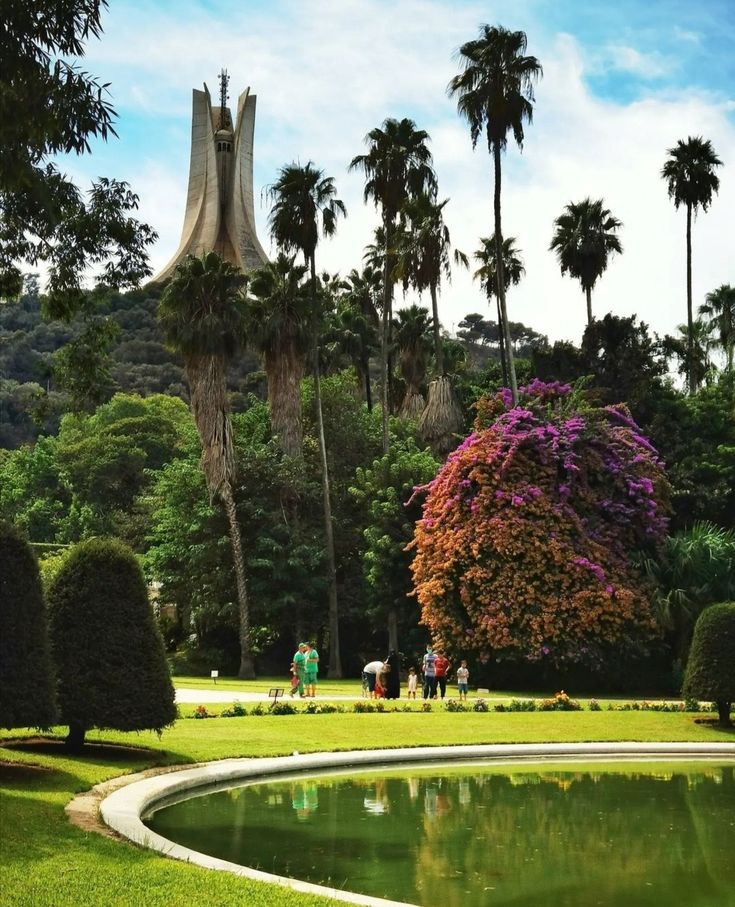
One part is a formal French garden, the other a looser English-style park.
On the hillside above the garden, in Belouizdad, is the Cervantes cave. Miguel de Cervantes, then a captive in Algiers, hid here with his companions in 1577 during one of his failed escape attempts. Ask locally whether it's open before you climb up.
The garden runs down toward the bay, and the Promenade des Sablettes in Hussein Dey, a seafront walkway with palm trees, cafés and playgrounds, is close by. If seaside promenades are your thing, Oran's waterfront is just as lively, as our guide to things to do in Oran shows.
9. The National Museum of Fine Arts
The National Museum of Fine Arts sits just above the Jardin d'Essai in Hamma. It opened in 1930 and holds around 8,000 works, which makes it one of the largest art museums in Africa. The collection goes from European painters such as Delacroix, Renoir, Monet and Matisse, and sculpture by Rodin, to Algerian artists including Mohammed Racim, Baya and Yellès.
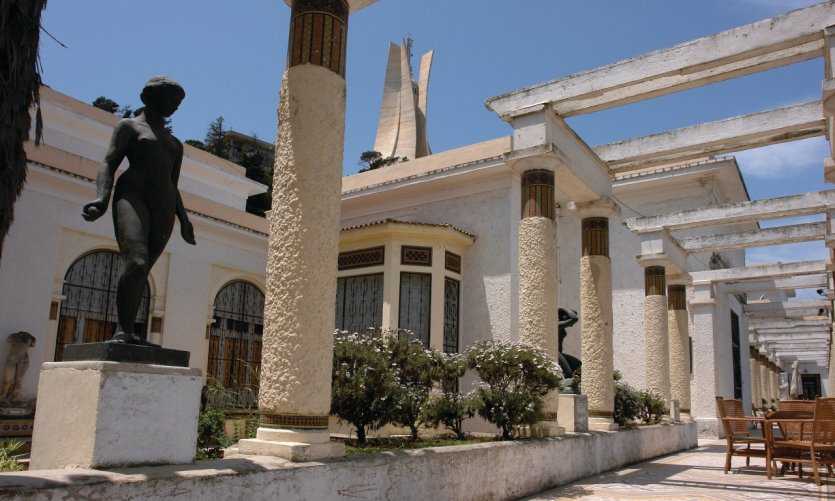
The terrace looks out over the garden and the bay. Take a taxi or the metro to Jardin d'Essai station. Entry is around 200 DZD, the usual price for a national museum.
10. Djamaa el Djazaïr, the Great Mosque of Algiers
The Great Mosque, Djamaa el Djazaïr, is out in Mohammadia, on the bay east of the center. Building work finished in 2019, and it was officially inaugurated on 25 February 2024. It is the largest mosque in Africa and the third largest in the world, and its 265 m minaret is the tallest anywhere.
The prayer hall holds 37,000 people and the whole complex up to 120,000. It was designed by the German firm KSP Jürgen Engel and built by China State Construction.
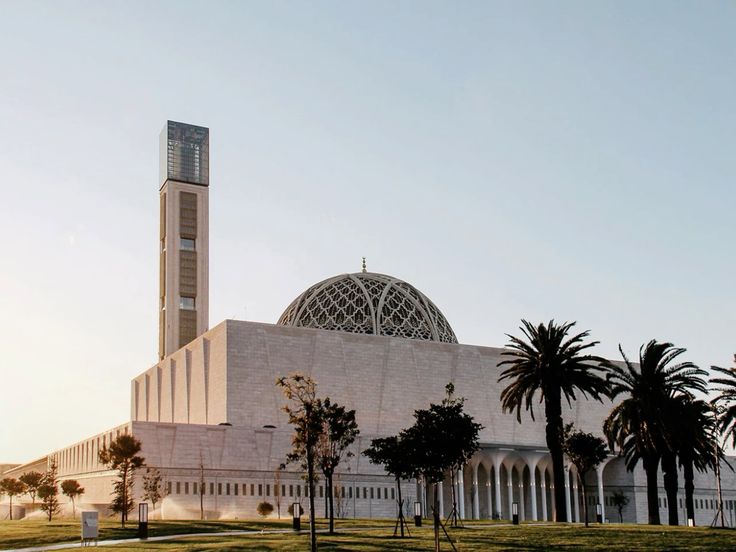
The building is modern, but the decoration draws on North African Islamic design, with carved wood, marble and calligraphy.
The complex also has a library designed for up to a million books, a museum of Islamic art, a Quranic school and a helipad for official visitors.
Entry is free. An observation deck near the top of the minaret looks over the whole bay, but visits to the minaret and the museum are supervised and sometimes need booking, so ask at the entrance or have your guide check. Cover shoulders and knees, women should bring a headscarf, and avoid prayer times, especially Friday midday. It's 20 to 30 minutes by taxi from the center.
11. Notre-Dame d'Afrique
Notre Dame d'Afrique is a Catholic basilica on a cliff above Bologhine, west of the center, looking across the Bay of Algiers. The neo-Byzantine church took about 14 years to build and was inaugurated in 1872. Above the altar, an inscription asks Our Lady of Africa to pray for us and for the Muslims.

It's open daily, roughly 11:00 to 12:30 and 15:00 to 17:30. Those were the hours reported in 2026; they change, and Friday afternoons may be closed.
Entry is free and donations are welcome. Getting up from the center by taxi costs a few hundred dinars (settle the price first), or book a Yassir.
You may read about a cable car up from Bologhine. Don't count on it: it hasn't run for years. Take a taxi or Yassir, or walk up the steep road if you have the legs for it.
12. The National Museum of Antiquities and Islamic Arts
The National Museum of Antiquities and Islamic Arts is in the Parc de la Liberté. Its collection was started in 1835, which makes it Algeria's oldest museum, and it has been in its current building since 1897.
The antiquities side has Roman mosaics, statues and bronzes, along with Punic finds.
The Islamic arts wing, opened in 2003, covers calligraphy, ceramics and other decorative arts.
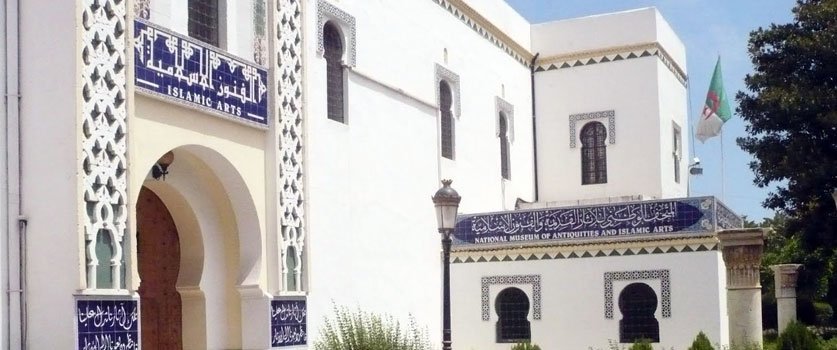
Entry is 200 DZD, with students at half price and children free. Take a taxi or a bus. The Bardo Museum is a few minutes' walk away, so you can see both in one morning.
Opening days and hours change, so check before you go.
Afterwards, the Parc de la Liberté is a shady place to sit for a while.
13. Day trip to Tipaza's Roman ruins
Tipaza is the easiest Roman site to reach from Algiers.
The ruins sit on the coast about 70 kilometers west of the capital, and UNESCO listed them in 1982. Tipaza started as a Punic trading post before Rome made it a colony.
In the archaeological park you can see an amphitheater, several basilicas and necropolises right above the sea.
On a hill at Sidi Rached, east of Tipaza on the way back to Algiers, is the Royal Mausoleum of Mauretania, also called the Tomb of the Christian Woman. It's a round stone tomb about 60 m across and now about 32 m high, usually linked to Juba II and Cleopatra Selene, though its date and its owners are still debated.
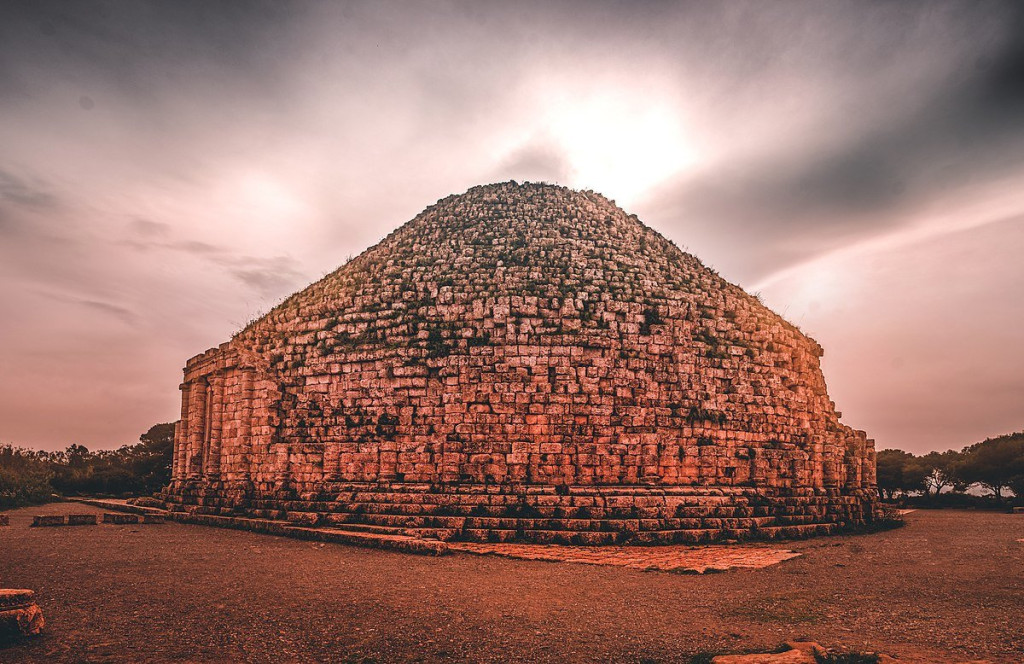
Buses to Tipaza leave from the Tafourah bus station in central Algiers. They're cheap but stop often, so allow two hours or more. The ruins are at the edge of Tipaza town, within walking distance of the center.
By car the trip takes about 1 to 1.5 hours, and a car is the only easy way to add the mausoleum, which has little public transport. We'd book a driver for this day trip so you can see both sites without waiting for buses.
Tickets for the archaeological park and the mausoleum are paid separately, in cash, at a few hundred dinars each (prices reported in 2025 ranged from 200 to 500 DZD). There's little shade in the ruins, so go early in summer.
14. The Bardo Museum: prehistory and ethnography
The Bardo Museum is in a late 18th-century Moorish villa from the Ottoman period, with a French extension added in 1879.
It opened as a museum in 1930 and covers prehistory and ethnography, including a model of the tomb of Tin Hinan, the Tuareg ancestor queen.
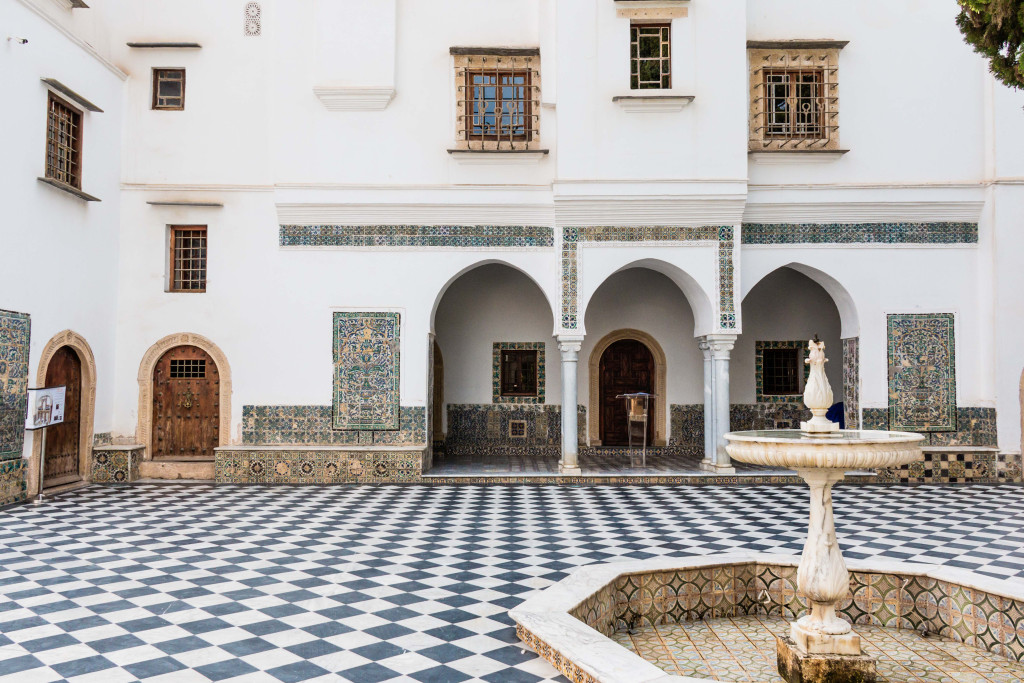
The ethnography rooms have traditional clothing and Berber jewelry, and the house itself, with its tiled courtyard and carved woodwork, is half the reason to go.
Allow an hour or two, and pair it with the Antiquities museum nearby. Entry is in the usual 200 to 300 DZD range for national museums, and the garden is a quiet place to sit afterwards.
15. Teri Park, for families with children
Teri Park is an indoor amusement park in Chéraga, on the western edge of Algiers, aimed at children aged roughly 4 to 12, so it's only worth the trip if you're traveling with children.
It has arcade games, a mini bowling alley, a zip line, virtual reality games, a 4D cinema and a separate area for small children.
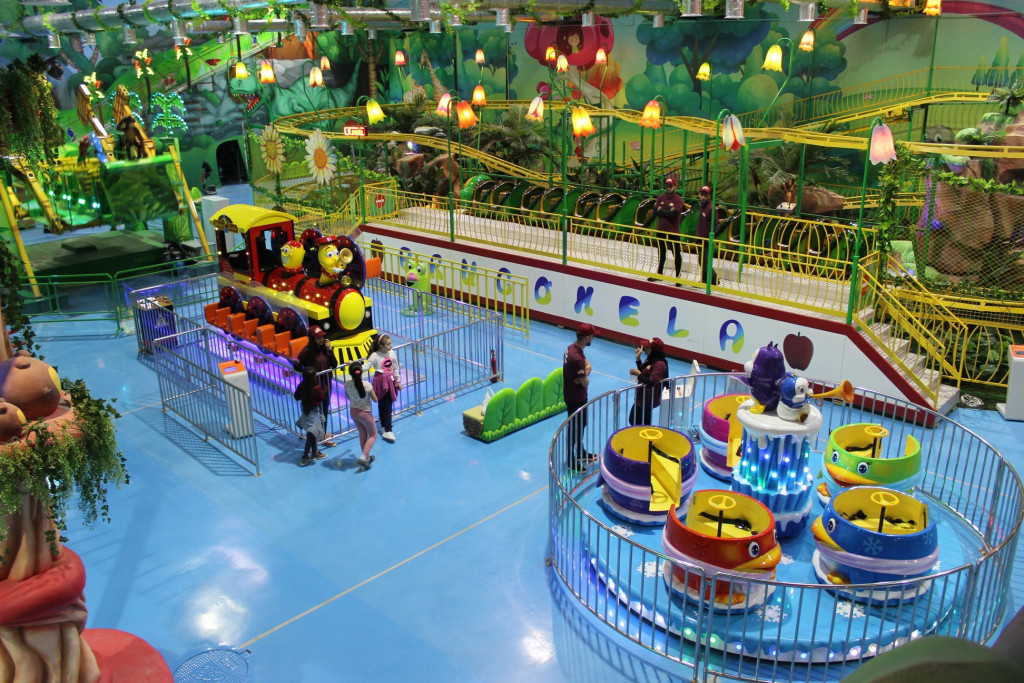
You pay with a rechargeable card or wristband loaded with points (the card itself cost about 300 DZD in 2025 reports), and each game uses up points. There's a food court for snacks.
A taxi or Yassir is the easiest way to get there. It opens in the afternoon and is busiest at weekends (Friday and Saturday), so go on a weekday if you can.
Where and what to eat in Algiers
Rechta is the dish Algiers claims as its own: thin fresh noodles in a white sauce with chicken, chickpeas and turnip, the family dish for Mawlid and Yennayer. Chorba frik, a soup of green cracked wheat, is the Ramadan staple, and bourek, fried pastry rolls with minced meat, go with it. For street food, look for mhadjeb, a thin semolina crêpe stuffed with tomato and onion, and garantita, the warm chickpea-flour flan better known from Oran, sold in a piece of baguette.
Kalb el louz, semolina and almond cake soaked in syrup, is the Algiers specialty to look for in the pastry shops on Rue Didouche Mourad, and a Ramadan favorite too. A coffee in a popular café costs about 50 to 120 DZD; smart cafés and hotels charge more. Lunch in a popular restaurant, a simple plate, runs about 600 to 1,200 DZD. Most restaurants don't serve alcohol; licensed hotels and a few restaurants do, and drinking in public is illegal.
Evenings on the waterfront
Algiers comes out after dark in summer. The arcaded Boulevard Che Guevara, built in the 1860s on vaults above the port, is the classic evening walk below the Grande Poste. Further east, the Promenade des Sablettes runs for 4.5 km along the bay, free to enter and busy with families until late in summer.
Riadh El Feth, by the Martyrs' Memorial, has cafés and ice cream. During Ramadan the city is quiet by day and fills up after the evening meal.
Metro, taxis and hotels in Algiers
Meters are rare in Algiers taxis, so settle the price before the car moves; hops around the center usually come to a few hundred dinars. Yassir and Heetch work for ride-hailing (Uber doesn't operate in Algeria).
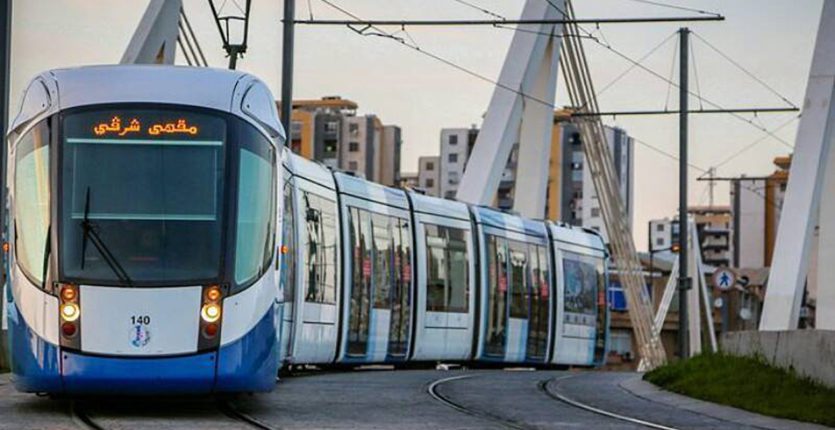
The metro has one line, from Place des Martyrs out to El Harrach and Aïn Naâdja. A ride costs 50 DZD and a 24-hour pass 150 DZD. The tram has charged a flat 40 DZD since May 2026. Buses and minibuses cost a few dozen dinars, and shared taxis are another cheap option for the suburbs.
Away from the big hotels and a few upscale restaurants, Algiers runs on cash dinars, and where you change them matters: cards and banks give about 150 to the euro (autumn 2026), the informal market at Square Port Saïd by the National Theater about 275. That market works openly although it is against the currency rules on paper, so let your guide or host bring you to a changer they know, and if you declared more than EUR 1,000 on arrival, change part of your money at a bank, because customs can ask for official exchange receipts when you leave.
Algiers has hotels at every level, though fewer cheap ones than you might expect, and you'll need your passport to check in. At the top end, the Sofitel Algiers Hamma Garden is next to the Jardin d'Essai. Hôtel Sidi Yahia is a 4-star in Hydra, in the quieter residential hills above the center.
On a budget, Hotel Samir on Rue Didouche Mourad is central and a short walk from the Sacré-Cœur, but guest reviews mention tired rooms and no elevator.
The Afric Hotel-Casbah, about 700 m from Place des Martyrs, puts you within walking distance of the Casbah. We haven't listed prices, because they move with the season and the exchange rate. Across Algeria a budget room runs roughly 4,000 to 7,000 DZD a night; expect Algiers to sit at the top of that range or above it.
What we get asked most about Algiers
Is Algiers worth visiting?
Yes, if you want a real capital with few tourists: a UNESCO-listed Ottoman Casbah, French-era boulevards, Roman Tipaza an hour away and the world's tallest minaret. Beach-and-pool travelers will be happier elsewhere.
Is Algiers safe for tourists?
Most visitors find it relaxed, and travelers on our trips are often surprised by how calm it feels. Use normal big-city sense: watch for pickpockets in crowds and on buses, agree taxi fares first and carry your passport. For the Casbah, the UK Foreign Office advises a good local guide.
Can you visit the Casbah of Algiers without a guide?
You can, but we wouldn't on a first visit. The lanes are steep, unsigned and partly blocked off, and a guide gets you into palaces, houses and workshops you would otherwise walk past.
Can non-Muslims visit the Great Mosque of Algiers?
Yes, outside prayer times and dressed modestly, with women in a headscarf. The museum and the minaret deck take separate tickets and sometimes booking, and access to the prayer hall varies, so ask at the entrance.
Is English spoken in Algiers?
Not much. Darja and French are the everyday languages; hotel staff, guides and some younger people speak English, taxi drivers and menus rarely. A few words of French go furthest.
How many days, and when to go
Two full days cover the Casbah, the center and the Hamma sights; add a third for Tipaza. For most visitors Algiers is only the first stop, and our ranking shows which Algerian cities to visit next.
Group the sights by area to save time in taxis. The Casbah, Place des Martyrs and Bab El Oued go together. So do La Grande Poste, Rue Didouche Mourad and the Sacré-Cœur, and the Jardin d'Essai, the Fine Arts museum and the Martyrs' Memorial, which the cable car links. The Antiquities and Bardo museums make a pair too.

Wear shoes with good grip: the Casbah is all steps and slopes.
Public transport is cheap, and the metro, tram and cable cars reach most of the places above. For a fuller breakdown of what a trip costs, our Algeria cost guide has the numbers.
We'd pick spring (March to May) or autumn (late September to November) for walking the city; July and August are hot and humid. We can arrange an airport pickup, with a driver waiting at arrivals, and a local guide for the Casbah and the museums, so tell us when you are visiting.
If you're planning to go beyond Algiers, here is a detailed guide to Algeria’s must-visit destinations. Along the coast, Bejaia and its Gouraya National Park are about four hours east by road, and Annaba, with the ruins of Hippo Regius, makes a good last stop near the Tunisian border.


