
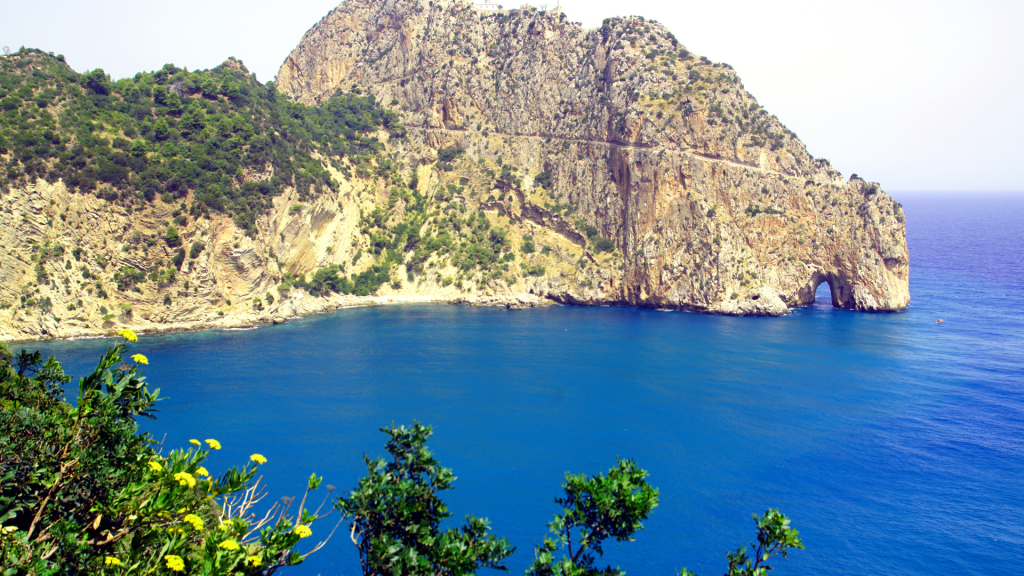

Finding the right balance between rugged mountain trekking and relaxed Mediterranean coastal living can be a challenge for any traveler.
That is why our team at WildyNess created this guide to help you navigate Bejaïa with the ease of a local.
Exploring the Heights of Gouraya National Park
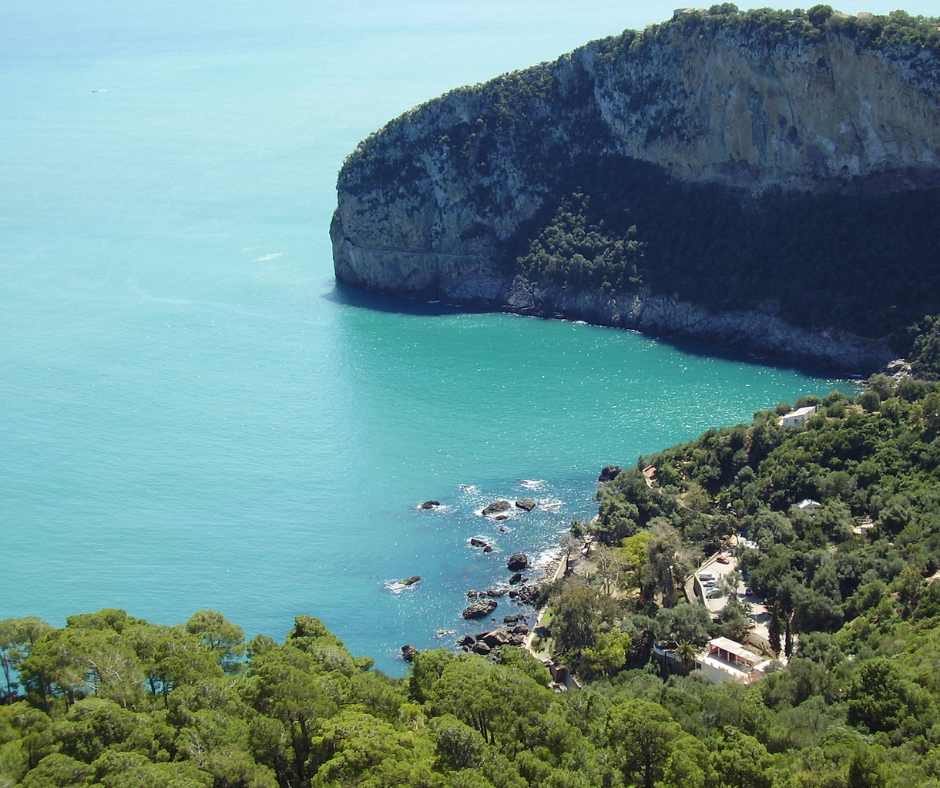
Gouraya National Park is a UNESCO-recognized biosphere reserve that serves as the crown jewel of the region. Most visitors come here to experience the dramatic meeting of the Atlas Mountains and the Mediterranean Sea. The park is home to a diverse array of flora and fauna, including the endangered Barbary macaque.
Because the park covers such a large area, we recommend dedicating at least one full day to exploring its various sectors. You will find that the air becomes noticeably crisper as you ascend the winding roads leading away from the city center.
The park is not just a natural haven but also a site of deep cultural significance for the local Kabyle people. Throughout the year, you will see residents and visitors alike making the pilgrimage to the various high points for both recreation and spiritual reflection.
It is important to remember that this is a protected area, so staying on the marked trails is essential for preserving the delicate ecosystem. We suggest starting your journey at the park entrance near the city to get your bearings before heading toward the more remote coastal cliffs.
Read also: Algeria in Summer: Best Beaches, Cities & Travel Tips for the Season
Trekking to the Yemma Gouraya Fort
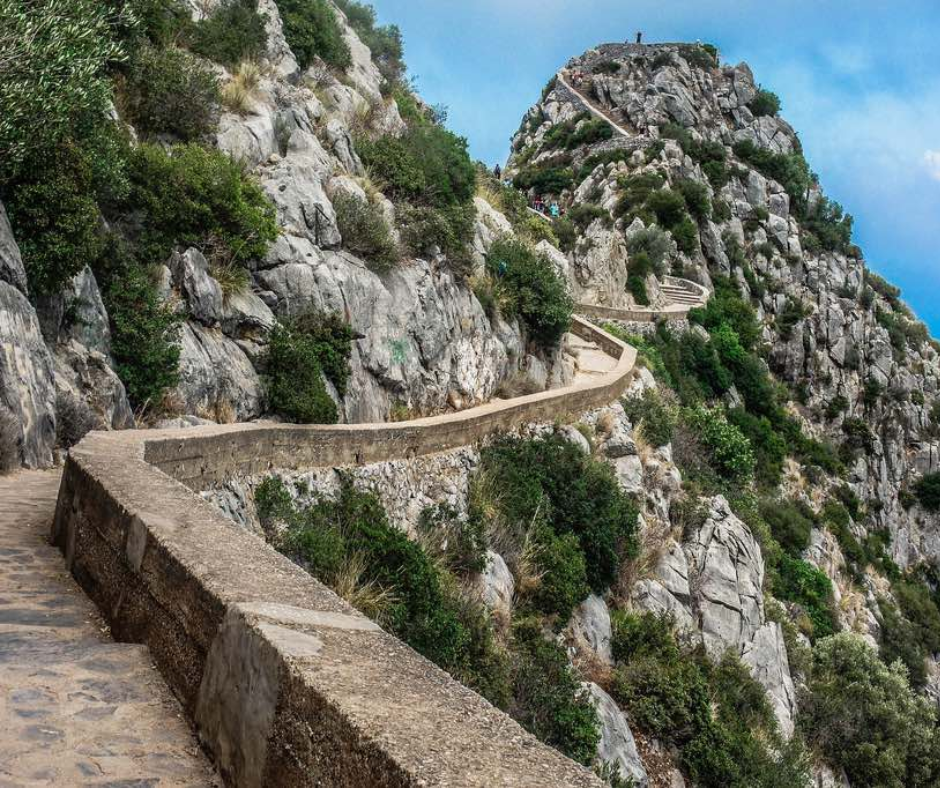
The hike to the summit of Yemma Gouraya is the most iconic activity in the city and offers a rewarding challenge for those who enjoy being active. At the top sits an ancient fort and marabout dedicated to the patron saint of Bejaïa.
The climb is steady and can be taxing under the midday sun, so we highly recommend starting your ascent in the early morning hours. Once you reach the plateau, you are rewarded with a panoramic view of the Gulf of Bejaïa that extends as far as the eye can see on a clear day.
Wildlife Encounters at Monkey Peak
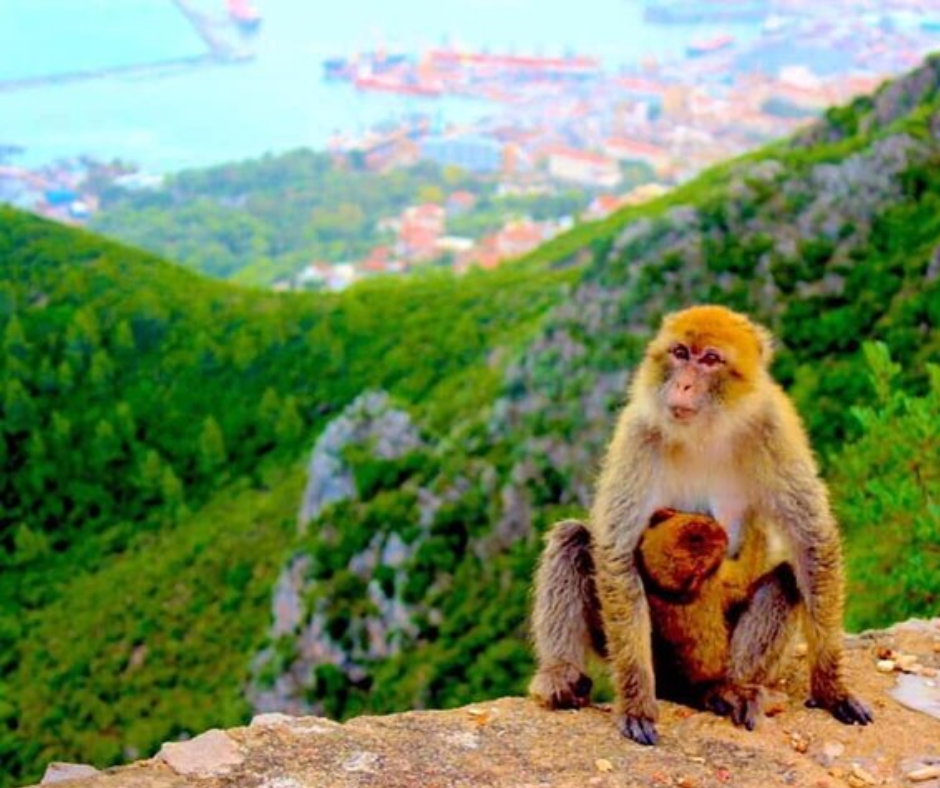
Pic des Singes, or Monkey Peak, provides a unique opportunity to observe Barbary macaques in their natural habitat. These primates are accustomed to human presence, but it is vital to keep a respectful distance and avoid offering them food. Feeding the monkeys can disrupt their natural foraging habits and lead to aggressive behavior.
The peak also serves as an excellent vantage point for viewing the lighthouse at Cap Carbon from above. The combination of wildlife observation and coastal scenery makes this one of the most popular stops within the national park.
Coastal Landmarks and Mediterranean Vistas
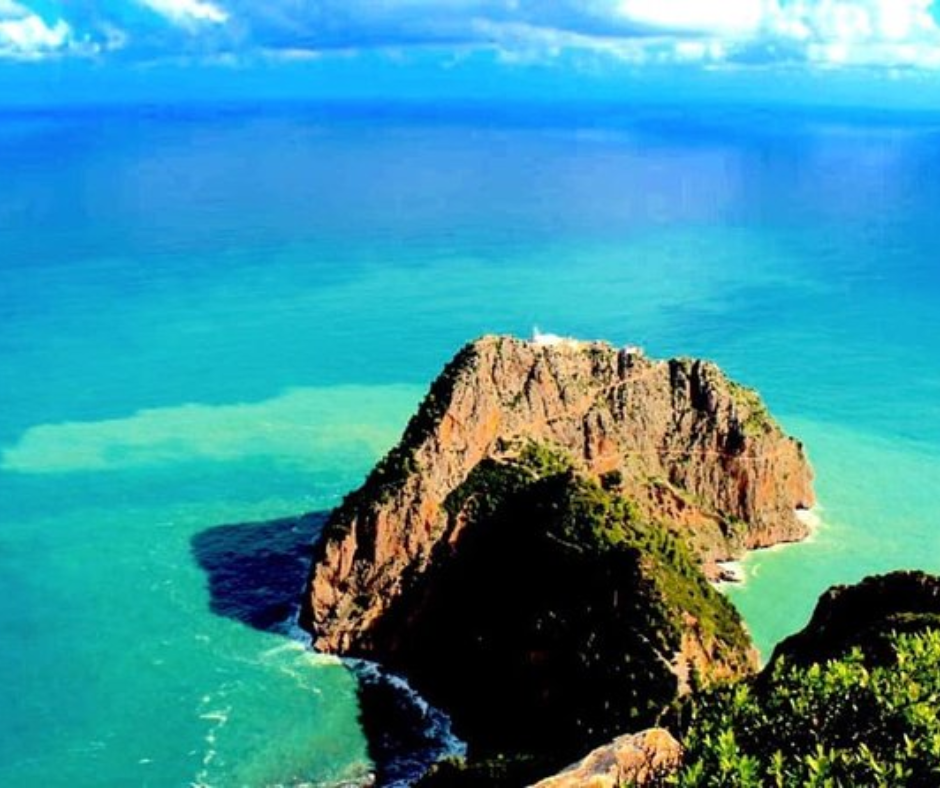
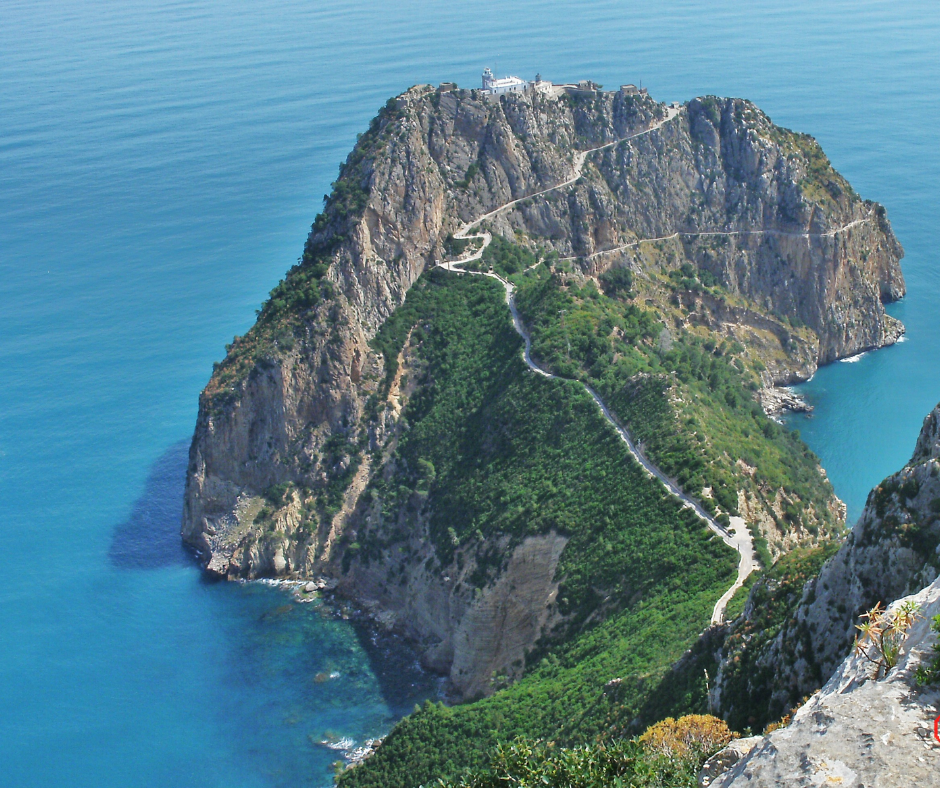
The coastline of Bejaïa is defined by its sheer limestone cliffs and deep blue waters. One of the most famous landmarks in all of Algeria is the Cap Carbon Lighthouse, which stands as one of the highest lighthouses in the world.
The path leading to the lighthouse is carved directly into the cliffside and offers several spots where you can stop to admire the sea caves below. This area is particularly beautiful during the late afternoon when the sun begins to dip toward the horizon and casts a warm light over the rocky shoreline.
For those who want to get closer to the water, the region offers several distinct beaches that cater to different preferences. While some areas are rocky and better suited for fishing or quiet contemplation, others offer soft sand and calm waters for swimming.
The interaction between the mountains and the sea creates a series of small coves that feel secluded even though they are close to the city. To ensure a comfortable experience, we recommend checking the local weather conditions before heading out, as the coastal winds can be quite strong near the capes.
The Historic Reach of Cap Carbon
Reaching the tip of Cap Carbon requires a bit of a walk, but the infrastructure is well-maintained and accessible for most fitness levels. As you walk along the promontory, you will see the Great Sea Arch, a natural rock formation that has been shaped by centuries of wave action.
The lighthouse itself is a marvel of maritime engineering and continues to guide ships into the busy port of Bejaïa. This is a prime location for photography, so ensure your camera is ready for the wide-angle shots of the Mediterranean.
Relaxation at Les Aiguades Beach
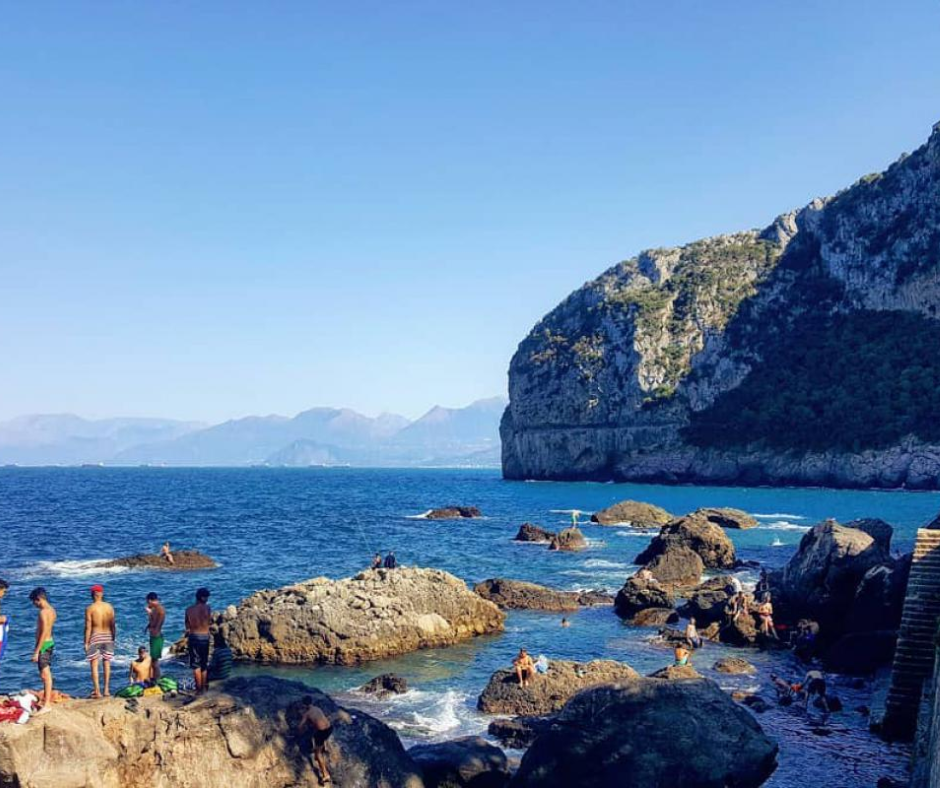
Les Aiguades is a favorite local spot for a refreshing dip in the sea after a morning of hiking. The beach is located at the foot of the mountains and is surrounded by lush vegetation, providing a natural backdrop that feels miles away from the urban bustle.
There are small seasonal kiosks where you can purchase cold drinks and light snacks. Because the beach is part of the national park, the water is exceptionally clear and the environment is kept clean through local conservation efforts.
Tracing Civilization through the Old Town
The history of Bejaïa is a tapestry of various civilizations, including the Vandals, Byzantines, Spanish, and Ottomans. The Casbah of Bejaïa is the best place to begin a historical walking tour, as it contains some of the oldest fortifications in the city.
As you walk through the narrow alleys, you will notice the blend of architectural styles that reflect the city's role as a major Mediterranean trading hub. The stone walls of the Casbah have stood for centuries and continue to house local families and small businesses.
Beyond the Casbah, the city is dotted with historic gates that once served as the primary entrances to the fortified town. These structures are more than just transit points; they are symbols of the city's resilience and strategic importance.
We recommend visiting the Porte de la Sarrazine, which is one of the most well-preserved examples of medieval military architecture in the region. Exploring these sites on foot allows you to appreciate the small details, such as the decorative brickwork and ancient inscriptions that are often missed when traveling by car.
The Legacy of the Sidi Abdelkader Marabout
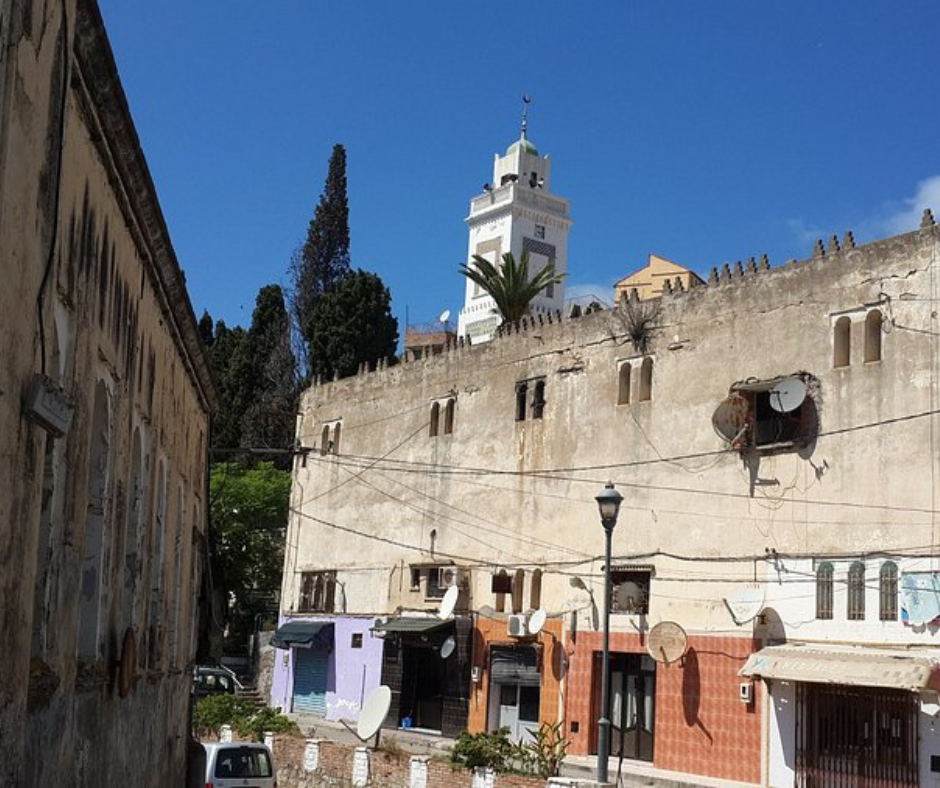
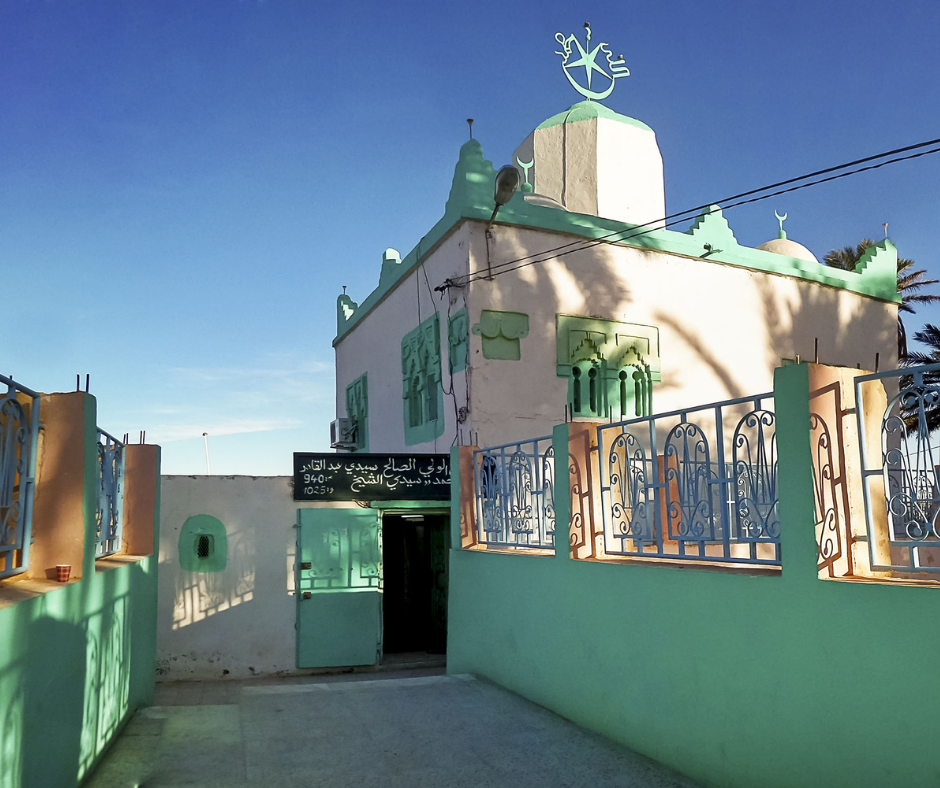
Located near the waterfront, the Marabout of Sidi Abdelkader is a significant spiritual site that honors a revered local figure. The white-domed structure is a classic example of North African religious architecture and offers a peaceful atmosphere for those looking to understand the local faith.
While the interior is often reserved for prayer, the exterior and the surrounding courtyard are open to visitors. This site provides a quiet contrast to the busy port area and serves as a reminder of the city's deep spiritual roots.
Walking Through the Historic Gates
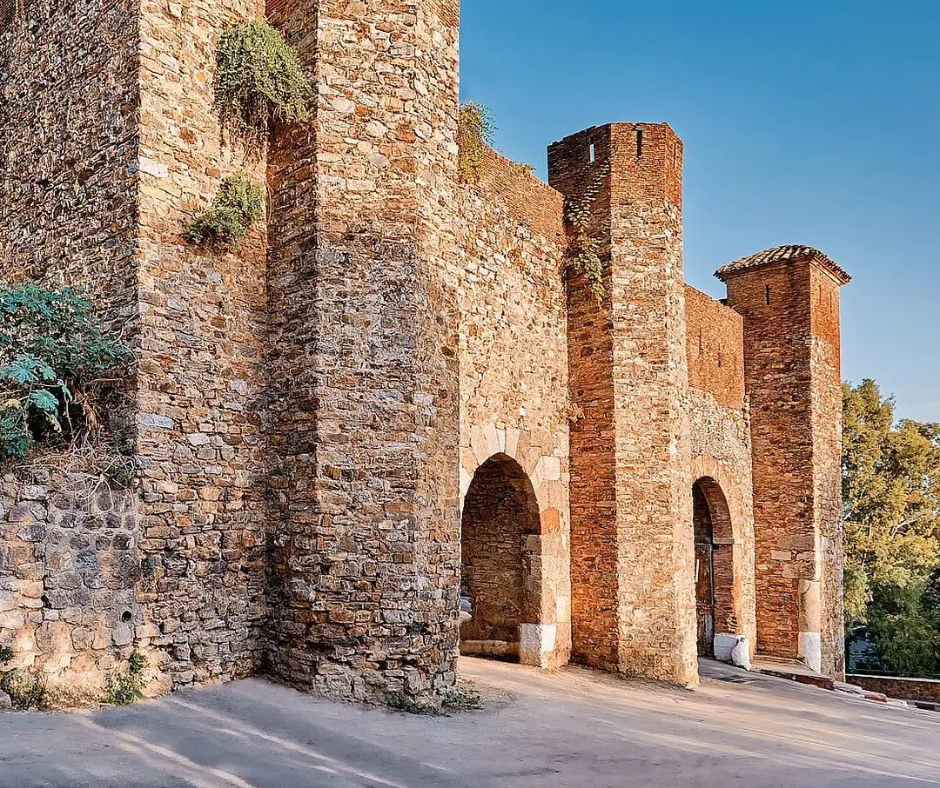
The ancient walls of Bejaïa were once punctuated by several grand gates, and Bab el-Bahr, also known as the Sea Gate, remains one of the most impressive. This gate served as the primary link between the city and the harbor, facilitating the exchange of goods and ideas for generations.
Walking through these gates today feels like stepping back in time, as they mark the boundary between the modern city and the historic core. Each gate has its own story to tell about the sieges and celebrations that have shaped the identity of the city.
Culinary Traditions of the Kabylie Region
The food in Bejaïa is deeply rooted in the traditions of the Kabylie region, where the focus is on high-quality local ingredients and slow-cooking methods. Olive oil is the foundation of almost every dish, and the region is famous for producing some of the finest oil in the Mediterranean.
You should start your culinary journey at a local market, where you can see the seasonal produce and spices that define the local palate. The aroma of freshly baked bread and roasted peppers often fills the air in the residential neighborhoods during the early evening.
One of the most important elements of a local meal is Aghrum, a traditional flatbread that is cooked on a clay griddle. It is often served with a variety of dips, including Hmiss, which is a flavorful blend of grilled peppers, tomatoes, and garlic drizzled with plenty of olive oil.
These simple yet satisfying dishes are a testament to the resourcefulness and skill of Kabyle cooks. For a more formal meal, you will find that couscous remains the centerpiece of the table, often served with lamb or seasonal vegetables in a rich, spiced broth.
The Art of Kabyle Couscous and Seafood
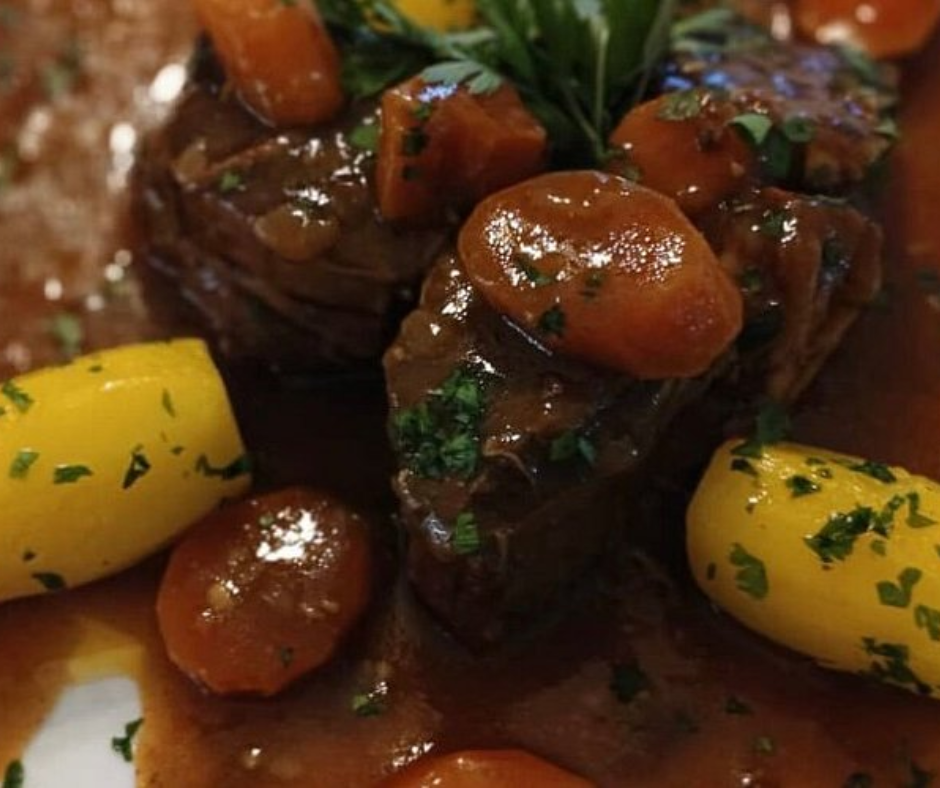
In Bejaïa, the proximity to the sea means that seafood often finds its way onto the traditional couscous platter. You might find varieties served with dried fish or fresh sardines, providing a coastal twist on the classic Algerian dish.
The grains of couscous are typically hand-rolled and steamed multiple times to achieve a light and fluffy texture. Many local restaurants along the harbor specialize in grilled fish, which is caught daily and prepared with minimal seasoning to let the natural flavors shine.
Read also: Where to Eat Couscous in Algeria | WildyNess Guide
Exploring Local Markets and Street Food
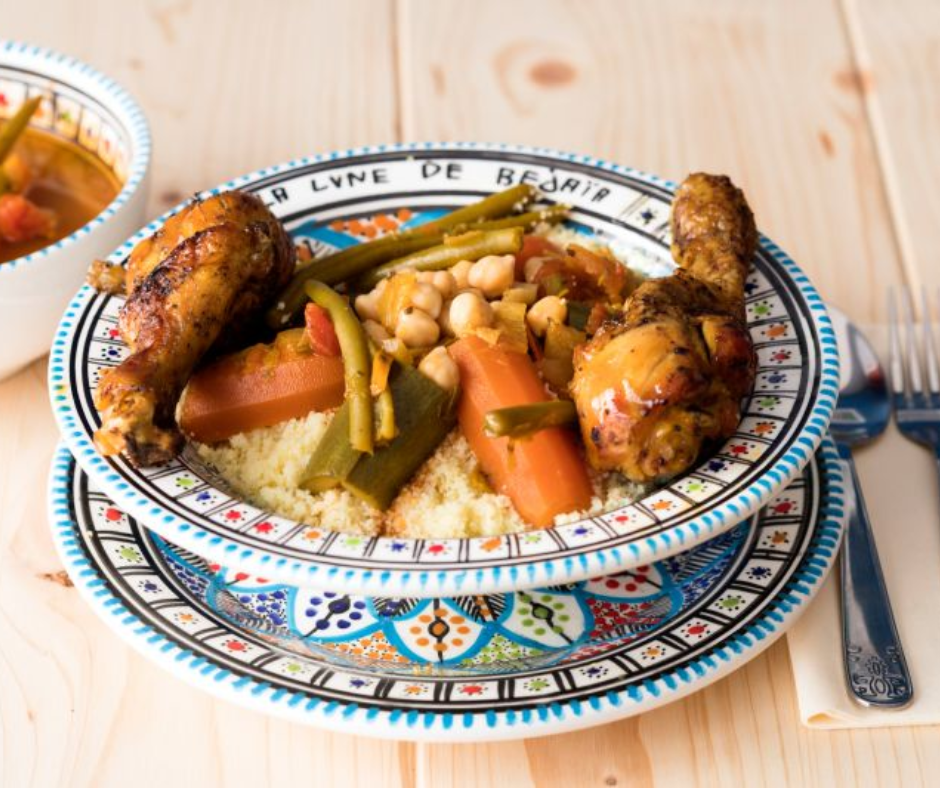
The central market is a sensory experience where you can find everything from local honey and dried figs to artisanal pottery. This is the best place to sample local olives, which come in a dizzying array of varieties and marinades.
For a quick snack, look for vendors selling Garane, a chickpea-based flan that is a popular street food staple. Eating like a local in Bejaïa means being open to new flavors and taking the time to enjoy a slow meal in a busy marketplace or a quiet village café.
Logistics and Respectful Exploration
Navigating Bejaïa is relatively simple once you understand the local transport landscape. Taxis are the most common way to move between the city center and the major sights within the national park. It is standard practice to agree on the fare before the journey begins, as many taxis do not use meters for longer tourist trips.
If you are feeling more adventurous, the local bus system connects the main neighborhoods and is a very affordable option. However, the buses can be crowded and do not always follow a strict schedule, so they are best for those with a flexible itinerary.
Respecting local customs is an essential part of being a responsible traveler in Algeria. While Bejaïa is a cosmopolitan port city, the surrounding mountain villages are more traditional. Dressing modestly by covering your shoulders and knees is appreciated and will help you blend in more easily.
During the month of Ramadan, it is important to be mindful of those who are fasting by avoiding eating, drinking, or smoking in public during daylight hours. Taking these small steps shows that you value the local culture and will often lead to more meaningful interactions with the residents.
Managing Transportation and Currency
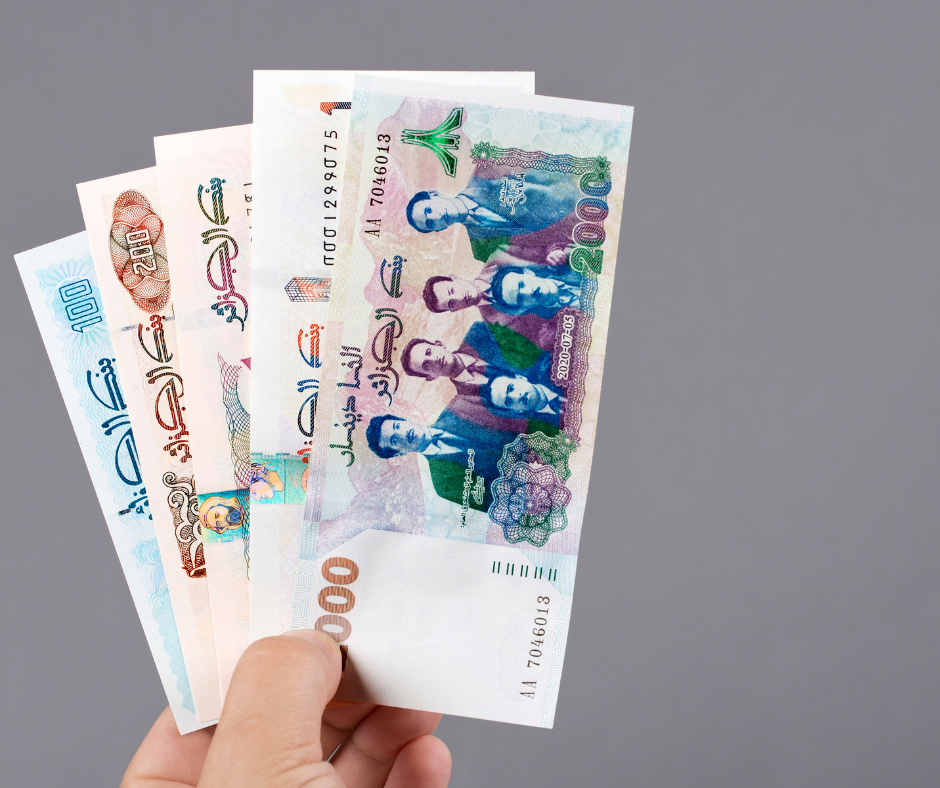
While some larger hotels and restaurants may accept cards, Bejaïa is still very much a cash-based economy. You should ensure that you have enough Algerian Dinars for your daily expenses, especially when visiting markets or taking taxis.
There are several banks and ATMs in the city center, but it is always wise to withdraw cash early in the day to avoid any technical issues. If you plan to explore the Kabylie region further, having a local SIM card is highly recommended for navigation and staying in touch with local guides.
Read also: Your Guide to Algeria: Visa, Safety, and Security
Photography and Social Etiquette
Algerians are known for their hospitality, but it is always best to ask for permission before taking photos of people, particularly women and families. Avoid taking pictures of military installations, police checkpoints, or government buildings, as this is strictly prohibited.
When interacting with locals, a simple "Salam" or "Bonjour" goes a long way in establishing a friendly tone. By approaching your visit with curiosity and respect, you will find that Bejaïa is a city that welcomes visitors with open arms and a rich array of stories to share.
To sum up, Bejaïa is a city that reveals its best secrets to those who are willing to climb its peaks and wander its ancient gates.
Read also: How to Travel Algeria Off the Beaten Path: The Full Guide


