
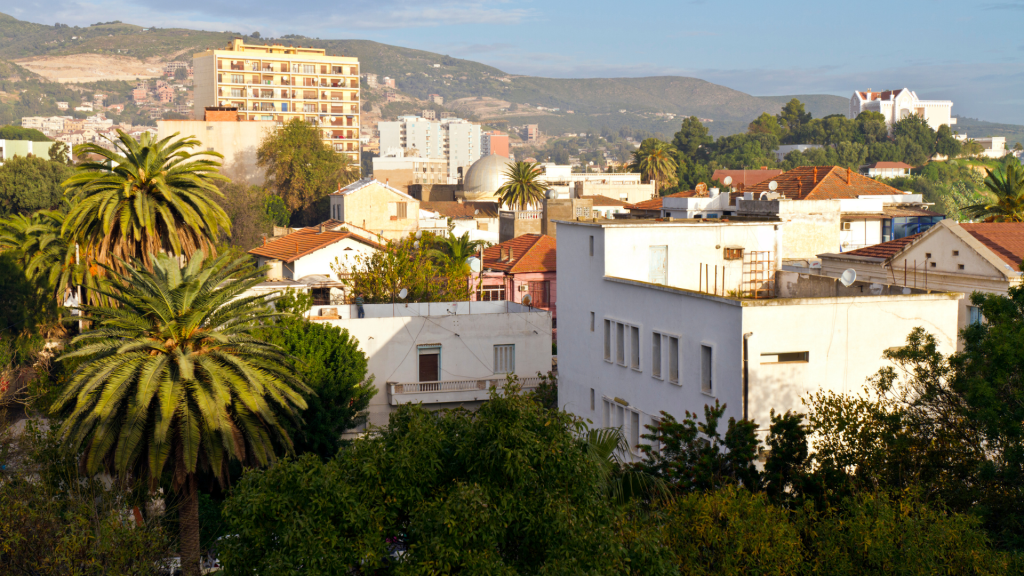

Navigating the logistics of a North African coastal city can often feel like a puzzle that is missing a few vital pieces.
That is why our team at WildyNess created this guide to help you navigate Annaba with the confidence of a local expert.
Uncovering Ancient Civilizations at Hippo Regius
The archaeological site of Hippo Regius serves as the cornerstone of any visit to this region because it offers a direct connection to the Roman and early Christian eras. Walking through the ruins allows you to see the actual streets where Saint Augustine once lived and taught.
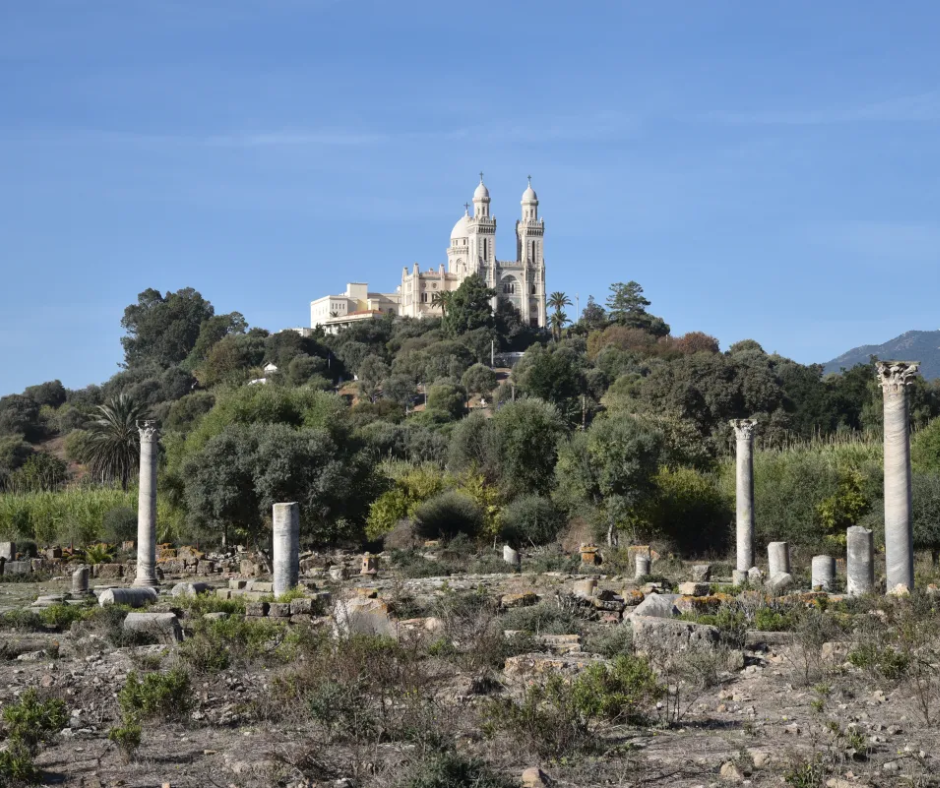
The site is spread across a gentle slope that overlooks the modern city, providing a physical bridge between the ancient past and the present day. We recommend starting your exploration at the Great Forum, which remains one of the largest and most impressive Roman forums in North Africa.
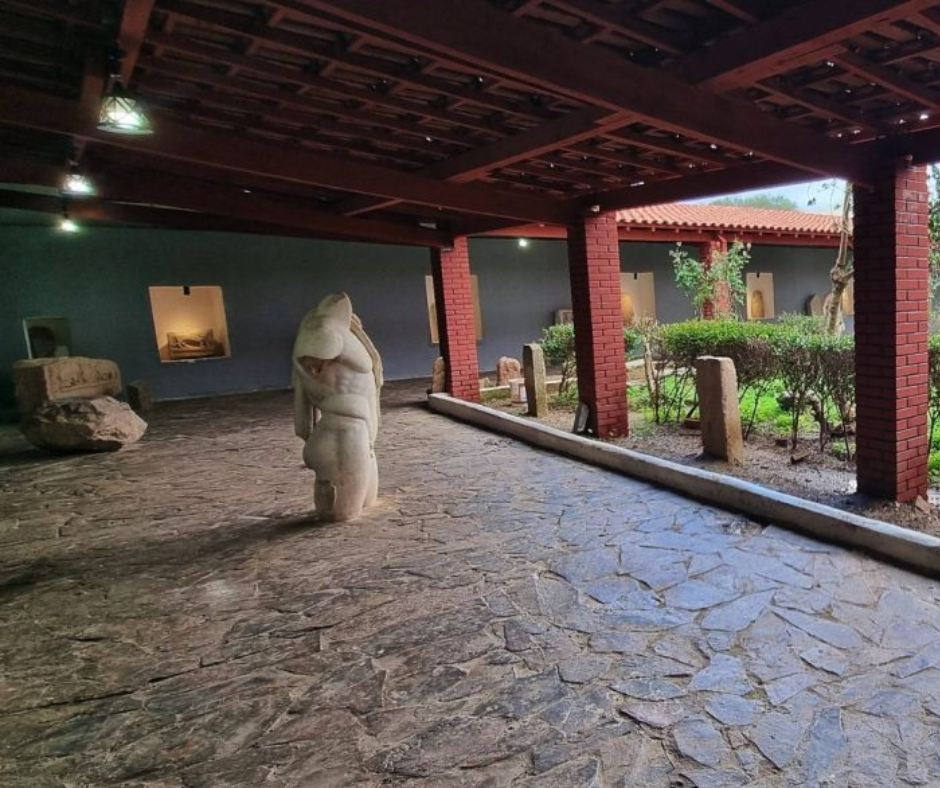
The onsite museum is an essential companion to the ruins themselves. Inside, you will find a collection of remarkably preserved mosaics that depict scenes of daily life, hunting, and mythology. One of the most significant pieces is the Trophy of Hippo, a bronze cast that stands as a symbol of Roman military triumph.
Taking the time to study these artifacts provides the necessary context to understand the crumbling stones outside. To get the most out of your visit, aim to arrive as the gates open in the morning. This allows you to explore the open-air site before the midday sun becomes too intense and while the light is still soft enough for clear photography.
Navigating the Great Forum and Theatre
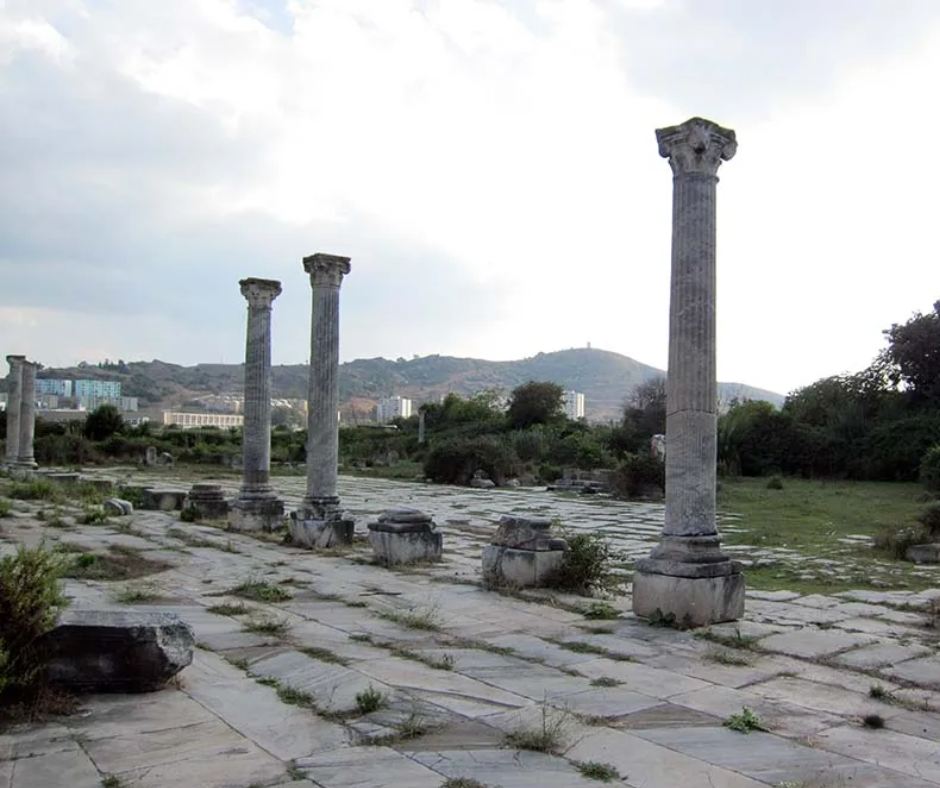
The Great Forum was once the beating heart of the city and its sheer scale remains evident today through the rows of remaining columns. As you walk through the space, you can identify the foundations of various administrative buildings and temples that once housed the city's elite. Just a short walk from the forum lies the Roman Theatre, which is still used occasionally for cultural events.
The acoustics of the semicircular stone structure are a testament to Roman engineering, and climbing to the top tiers provides a view of the surrounding olive groves that frame the archaeological park.
Treasures of the Hippo Regius Museum
The museum houses a wealth of smaller artifacts that bring the history of the Numidian and Roman periods to life. You will see displays of ancient jewelry, pottery, and surgical tools that offer a glimpse into the sophisticated lifestyles of former residents.
The highlight for many visitors is the collection of large-scale mosaics which have been moved indoors for protection. These detailed stone artworks show the incredible craftsmanship of the era and help you visualize the colorful interiors of the villas that once lined the Mediterranean coast.
Spiritual Vistas at the Basilica of Saint Augustine
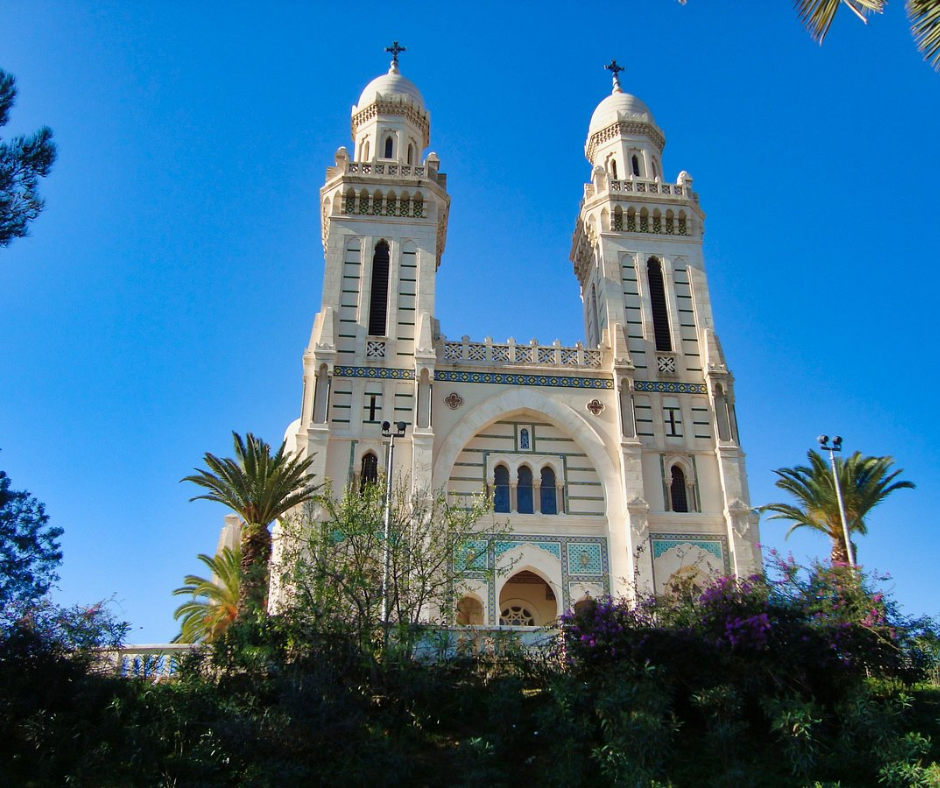
The Basilica of Saint Augustine is a dominant feature of the Annaba skyline, sitting atop a hill that commands views over the entire bay. Built in the late nineteenth century, the architecture is a blend of Roman-Byzantine and Moorish styles, featuring intricate stonework and high vaulted ceilings.
This site is not just a place of worship but a monument to one of the most influential figures in Western philosophy and theology. The interior is quiet and cool, offering a welcome respite from the humidity of the coast. Large stained-glass windows filter the sunlight into vibrant colors, illuminating the nave and the altar area.
Beyond the religious significance, the grounds of the basilica are a prime location for those seeking a panoramic view of the Mediterranean. You can walk along the perimeter walls to see the harbor below and the rugged coastline stretching toward the east.
It is a place where history, faith, and nature converge in a single location. The basilica remains an active site for the local Catholic community, so it is important to maintain a respectful silence during your visit. We suggest checking the local mass schedule if you wish to hear the choir or experience the building during a service, though the site is open to general visitors throughout the rest of the day.
Architectural Features and Symbolism
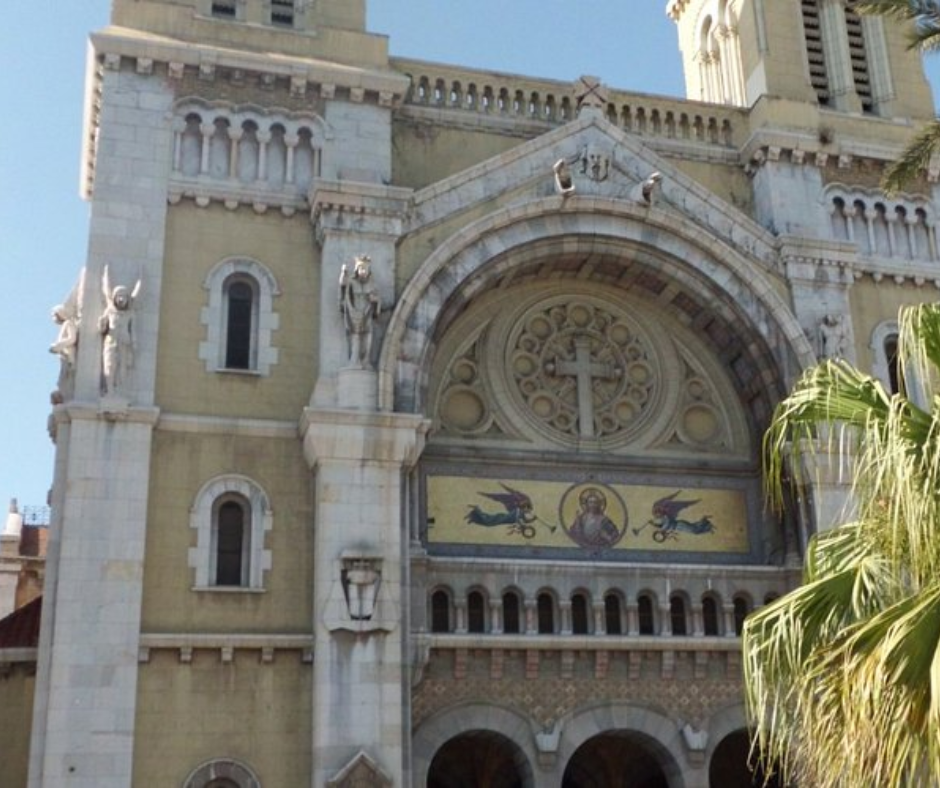
The design of the basilica was intentionally chosen to mirror the Cathedral of Saint Vincent de Paul in Tunis, creating a visual link between the two historic North African cities. You can observe the use of white stone and red brick which creates a striking contrast against the deep blue of the sky and sea.
Inside, the ceiling is adorned with geometric patterns that reflect the local cultural influence on Christian architecture. The building underwent significant restoration in the early twenty-first century, ensuring that the marble columns and decorative elements remain in excellent condition for modern travelers to appreciate.
The Panoramic Terrace and Gardens
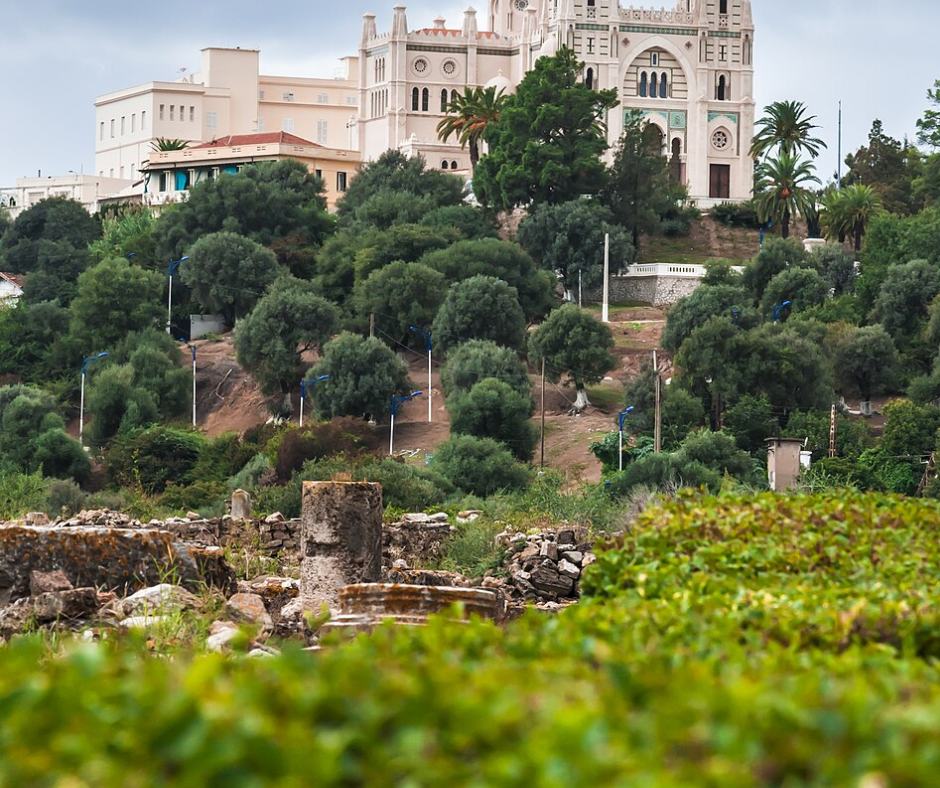
The gardens surrounding the basilica are meticulously maintained and offer several shaded benches where you can sit and absorb the scenery. From this vantage point, you can see the layout of modern Annaba and the way the city has grown around the ancient ruins of Hippo Regius.
It is one of the few places in the city where you can see the mountains of the Edough Massif meeting the sea in a single frame. This spot is particularly popular during the late afternoon as the sun begins to set, casting a golden glow over the harbor and the industrial district in the distance.
Coastal Escapes Along the Corniche
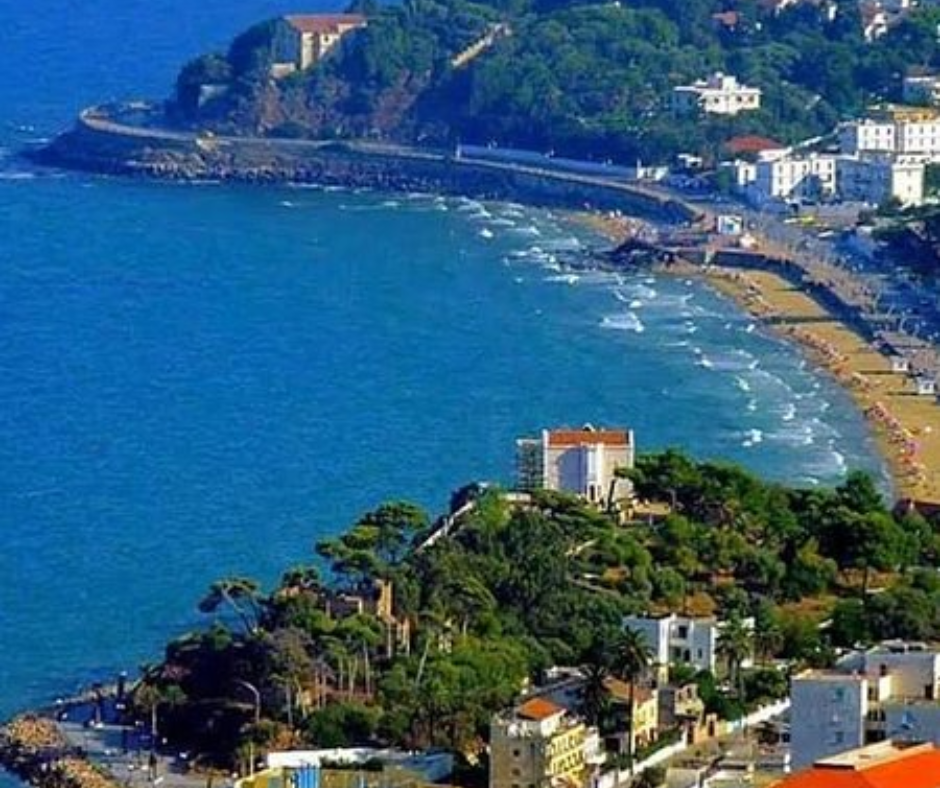
The Annaba Corniche is the focal point of local social life, especially during the long summer evenings. This winding coastal road connects the city center to a series of beaches and rocky coves that are perfect for swimming or sunbathing.
The atmosphere here is lively and welcoming, with families and groups of friends strolling along the sidewalk. If you are looking for a classic beach experience, Ain Achir is the most famous stretch of sand in the area. It offers clear, shallow water and a range of facilities including small kiosks that sell snacks and cold drinks.
For those who prefer a more energetic vibe, Saint-Cloud beach is located closer to the city and is often busier. The waterfront is lined with cafes and restaurants where you can enjoy a meal with a view of the waves. This area is also a great place to observe the local tradition of the evening stroll, known locally as the promenade.
Engaging in this simple activity is one of the best ways to feel the rhythm of the city and connect with the local culture. We recommend bringing a pair of comfortable walking shoes if you plan to explore the entire length of the Corniche, as the distance is greater than it appears on a map.
Explore Annaba: Algeria’s Best-Kept Coastal Secret
Beach Life at Ain Achir
Ain Achir is widely considered the most beautiful beach within easy reach of the city center. The sand is golden and fine, and the water remains relatively calm due to the natural curve of the bay. You can rent umbrellas and chairs for the day, or simply find a quiet spot on the rocks at either end of the beach for a bit more privacy.
During the peak summer months, the area can get quite crowded, so arriving before ten in the morning is the best strategy to secure a prime spot near the water.
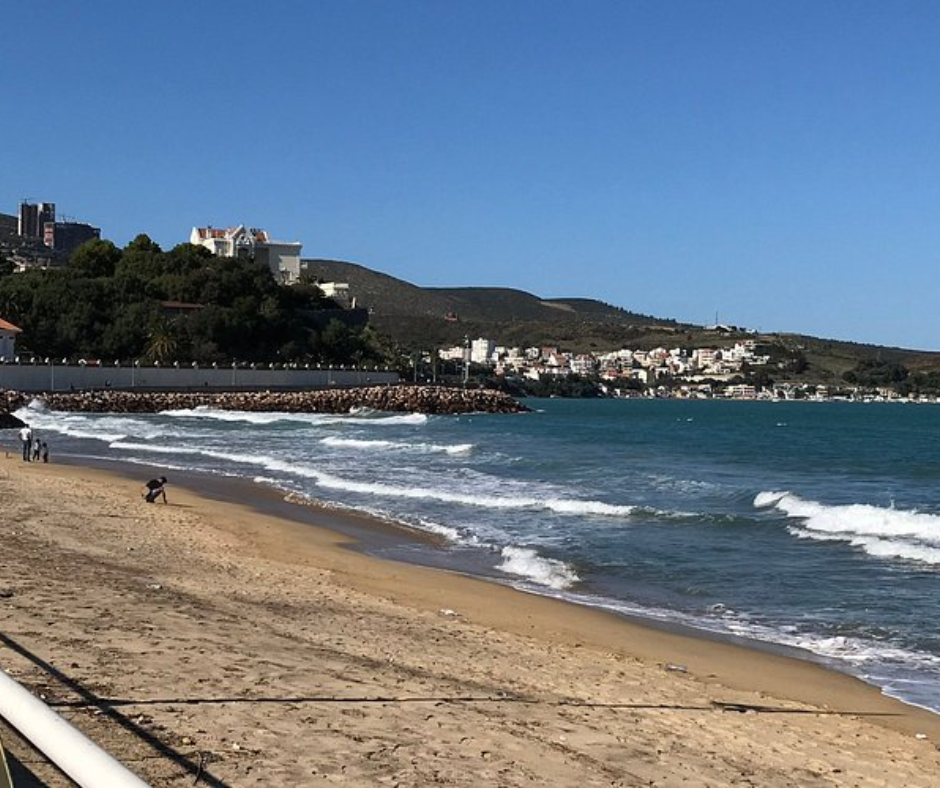
The Social Hub of Saint-Cloud
Saint-Cloud serves as the urban beach of Annaba and acts as a major social hub for the local youth. The promenade here is wider and features several modern installations and seating areas. It is the perfect place to grab a quick coffee or a local ice cream while watching the sunset.
Many of the city's most popular seafood restaurants are located just across the street from the beach, making it a convenient location for a transition from an afternoon of swimming to a formal dinner by the sea.
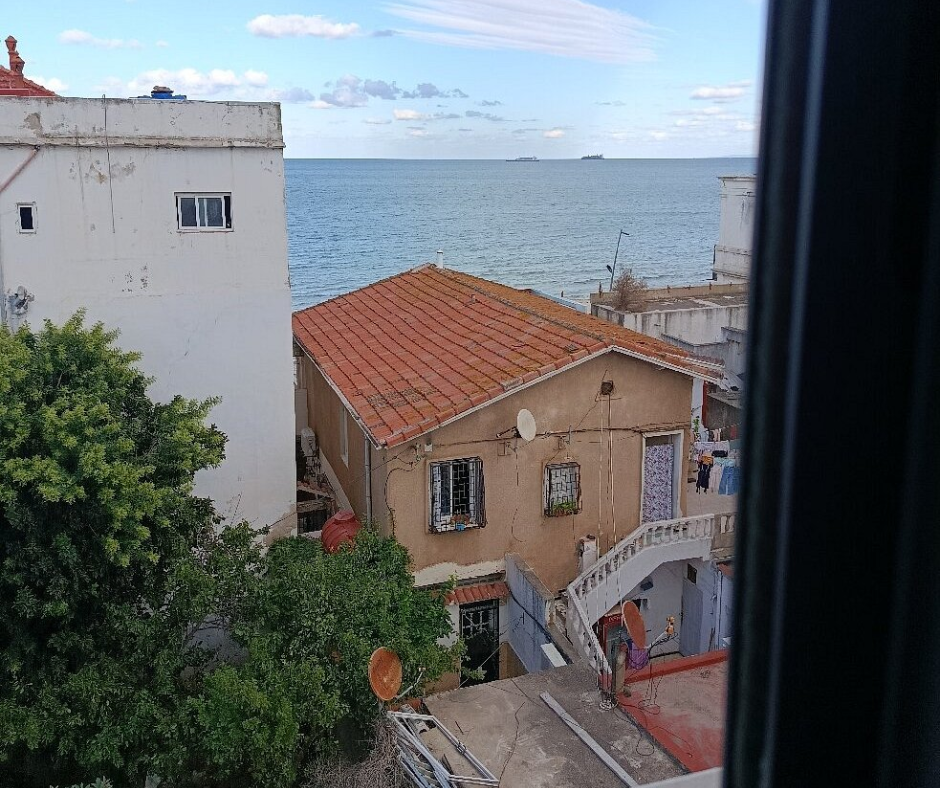
High Altitude Serenity in Seraïdi
If you need a break from the coastal heat, a trip to the mountain village of Seraïdi is the perfect solution. Located high in the Edough Mountains, this village feels like a different world compared to the bustling port below. The air is noticeably cooler and the landscape is dominated by dense forests of oak and pine.
One of the most unique ways to reach Seraïdi is by taking the cable car, known as the téléphérique, which departs from the city center. The journey provides a bird's-eye view of the canopy and the Mediterranean, making the transport itself an integral part of the adventure.
Once you arrive in the village, the pace of life slows down significantly. You can wander through the quiet streets or head into the surrounding woods for a hike. The village is also home to several traditional restaurants that serve hearty mountain cuisine, which is often a nice change from the seafood-heavy diet of the coast.
For those who enjoy photography, the viewpoints near the village offer some of the best perspectives on the coastline of eastern Algeria. It is worth noting that the temperature can drop significantly in the mountains, so even in the summer, a light jacket is a useful item to have in your day pack.
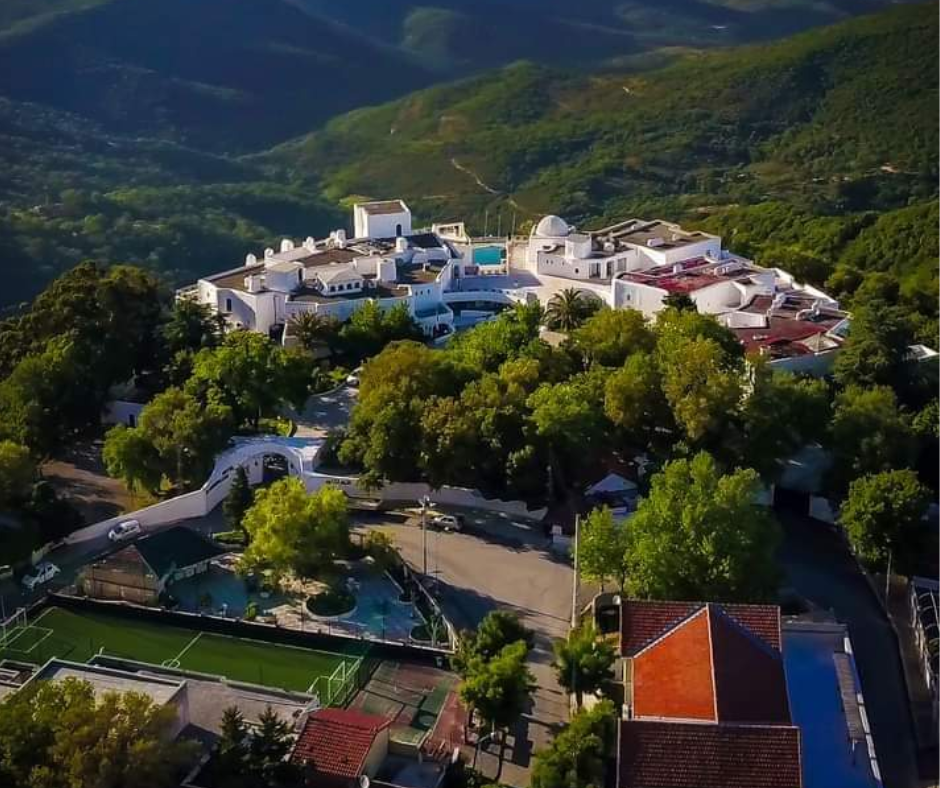
Riding the Seraïdi Cable Car
The cable car is not just a functional piece of infrastructure but a popular tourist attraction in its own right. As the cabins rise above the city, you can see the transition from the urban grid to the lush green slopes of the Edough Massif.
The ride takes about fifteen minutes and offers an unparalleled perspective on the Basilica of Saint Augustine and the harbor. It is a budget-friendly way to experience the local landscape and is a favorite activity for families visiting the area.
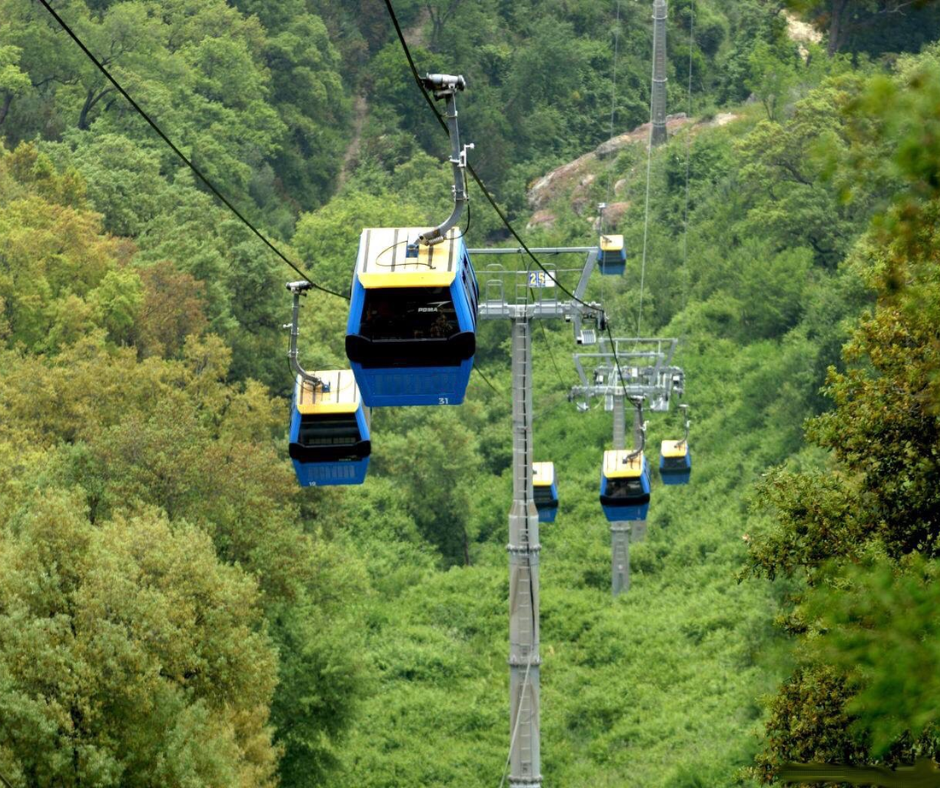
Hiking Trails of the Edough Massif
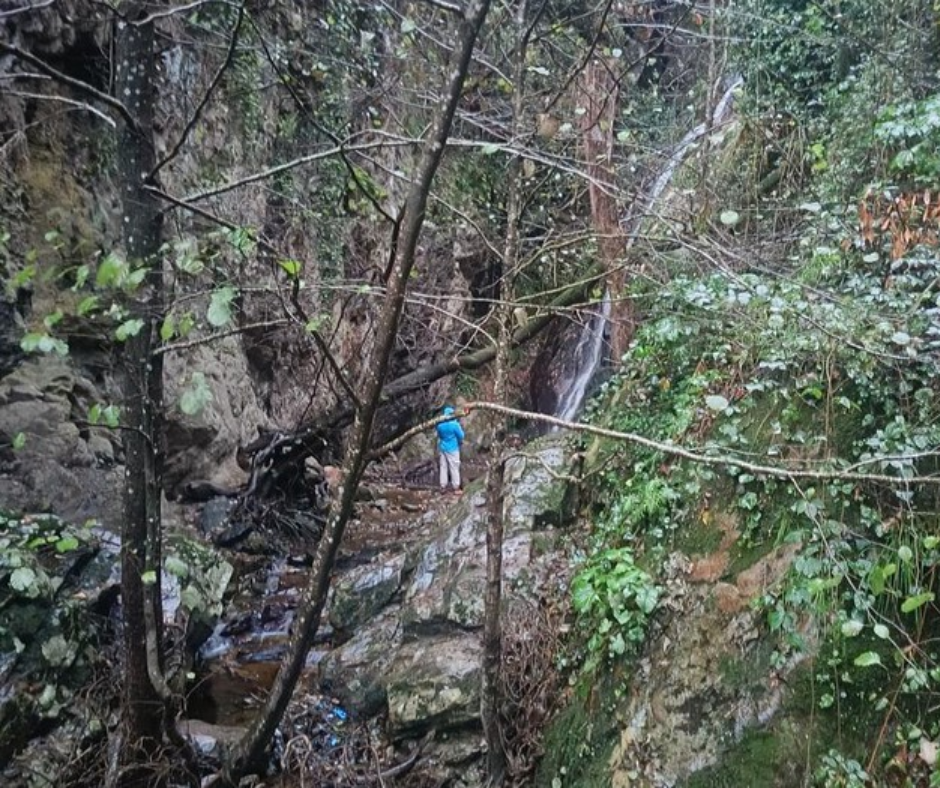
The mountains surrounding Seraïdi are crisscrossed with trails that range from easy forest walks to more demanding climbs. These paths lead through ancient cork oak forests where you can spot local birdlife and occasionally wild boars.
Many of the trails eventually lead to secluded viewpoints that look out over the "Cap de Garde" and the hidden coves that are inaccessible by car. If you plan to spend the day hiking, we suggest hiring a local guide who can share insights into the local flora and fauna while ensuring you stay on the correct path.
Culinary Traditions and the Cours de la Révolution
The Cours de la Révolution is the central nervous system of Annaba and a mandatory stop for anyone interested in the local food scene. This wide, tree-lined boulevard is flanked by colonial-era buildings and is home to dozens of cafes and eateries.
The most iconic culinary experience here is trying the Bourek Annabi. Unlike the smaller versions found elsewhere in Algeria, the Annaba version is large, square, and filled with a mixture of mashed potatoes, meat, cheese, and a whole egg before being deep-fried to a golden crisp. It is a satisfying and flavorful meal that perfectly represents the bold flavors of the region.
After a savory meal, the local tradition is to head to one of the nearby stalls for a Créponné. This traditional Algerian lemon sorbet is an Annaba institution and is known for its creamy texture despite being dairy-free.
Eating a sorbet while walking under the shade of the plane trees on the Cours is a quintessential local experience. This area is also the best place to find a high-quality cup of coffee or traditional mint tea. The cafes are always buzzing with conversation, providing a front-row seat to the daily life of the city's residents.

Mastering the Bourek Annabi
Finding the best Bourek in the city is a point of local pride, and many families have their favorite specific vendor on or near the Cours. The secret to a great Bourek Annabi is the timing of the fry, as the egg inside should remain slightly runny while the pastry becomes perfectly crunchy.
It is typically served with a wedge of lemon and a side of spicy harissa for those who want an extra kick. Watching the street food vendors assemble these parcels with lightning speed is a performance in itself and adds to the charm of the dining experience.

The Legacy of the Créponné
The Créponné was invented in this region and has since become a beloved dessert across the entire country. The traditional recipe uses fresh local lemons and egg whites to create a snowy, refreshing treat that is the perfect antidote to a hot Mediterranean afternoon.
Many of the shops on the Cours de la Révolution have been using the same family recipes for generations. Sitting at a sidewalk table with a cup of this citrusy sorbet allows you to take part in a ritual that has remained unchanged for decades.
Expert Tips for an Authentic Visit
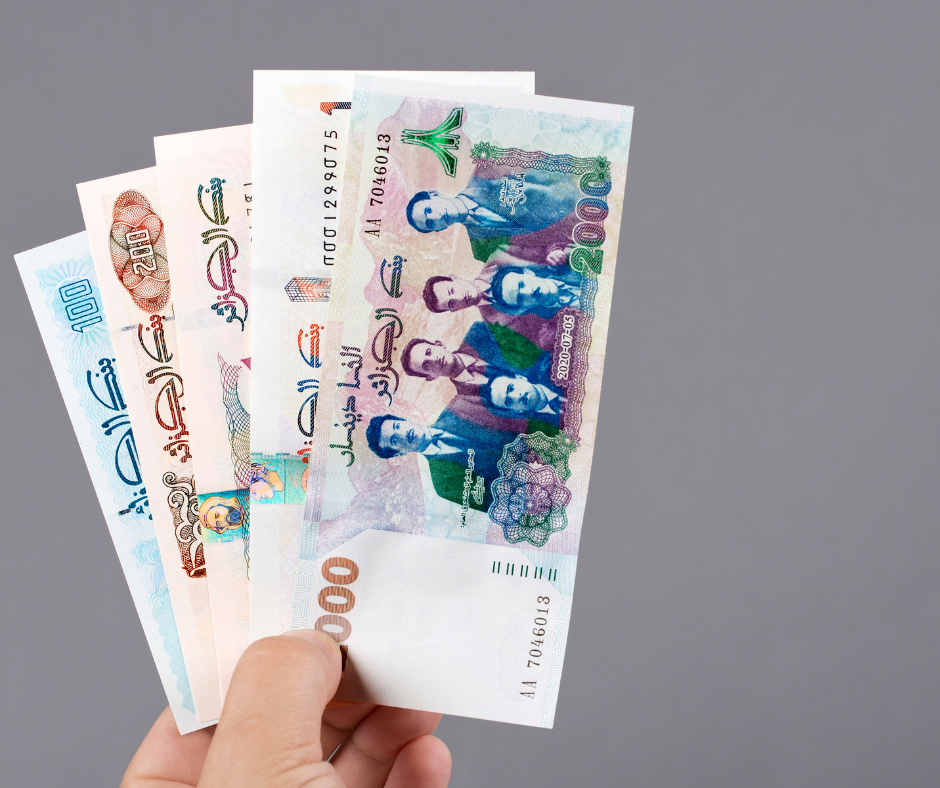
To make the most of your time in Annaba, it is helpful to understand a few local customs and logistical realities. First, while the city is becoming more modern, cash remains the primary way to pay for almost everything from taxis to meals.
We recommend keeping a supply of Algerian Dinars in various denominations to make small transactions easier. Second, while French is widely spoken, learning a few basic phrases in Arabic will go a long way in building rapport with the people you meet. A simple greeting can often turn a standard transaction into a friendly conversation.
When it comes to getting around, the Yassir app is a reliable way to book rides with transparent pricing, which helps avoid any confusion over fares. However, for shorter trips within the center, walking is often the most rewarding option because it allows you to discover the small details of the architecture and the hidden corners of the old town.
Finally, always be mindful of the local dress code, especially when visiting religious sites or traditional neighborhoods. Choosing modest clothing that covers your shoulders and knees shows respect for the local culture and will help you feel more comfortable as you explore.
Currency and Practical Logistics
While you may find ATMs in the city center and near major hotels, they can sometimes be out of service or have long lines. It is always a good idea to exchange your currency at the airport or at a bank upon arrival to ensure you have enough cash for your first few days.
Additionally, we suggest buying a local SIM card if you plan to use navigation apps or stay connected. The process is straightforward and requires only your passport, providing you with affordable data that works well throughout the city and even in the mountain areas.
Cultural Etiquette and Interactions
Algerian hospitality is legendary and you may find yourself being offered tea or invited into a shop for a chat. Accepting these gestures is a great way to experience the genuine warmth of the local community.
When taking photos, it is polite to ask for permission before photographing people, and you should avoid taking pictures of any government or military buildings. By following these simple guidelines, you will find that Annaba is a safe and incredibly welcoming destination that rewards curious and respectful travelers.
And remember traveller, if you need help planning your Ageria itinerary, we are here for you.
All you have to do is reach out to us and you will benefit from our expertise for free.
Read also:
Safety, Visa Requirements & What To Do
Algeria Solo Travel 2026: A Complete Safety & Logistics Guide


