
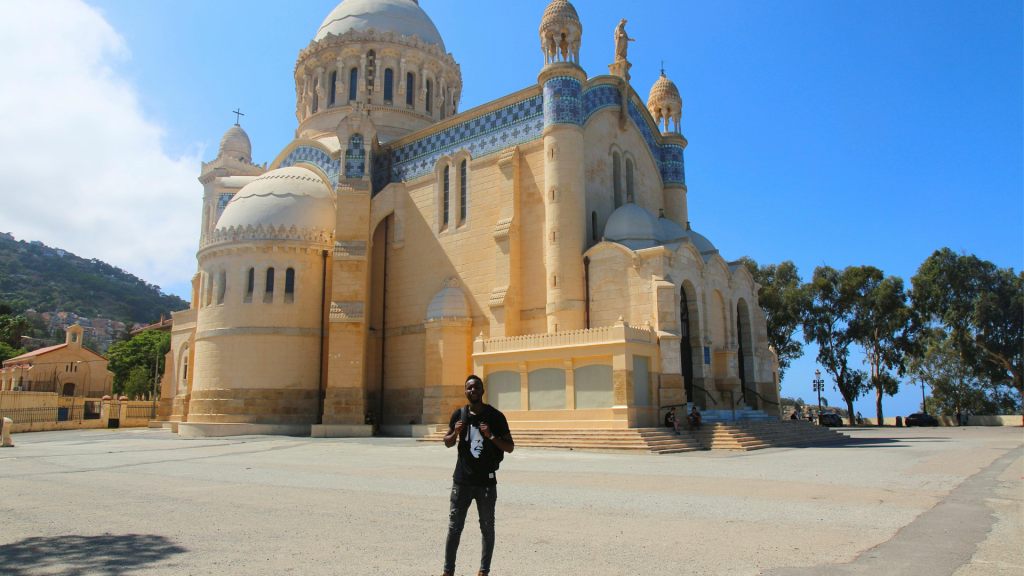

Finding reliable information for a trip across the largest country in Africa can feel like a daunting task for even the most seasoned traveler.
That is why our team at WildyNess created this guide to help you navigate the diverse urban landscapes of Algeria with confidence.
Navigating the Gateway of Algiers
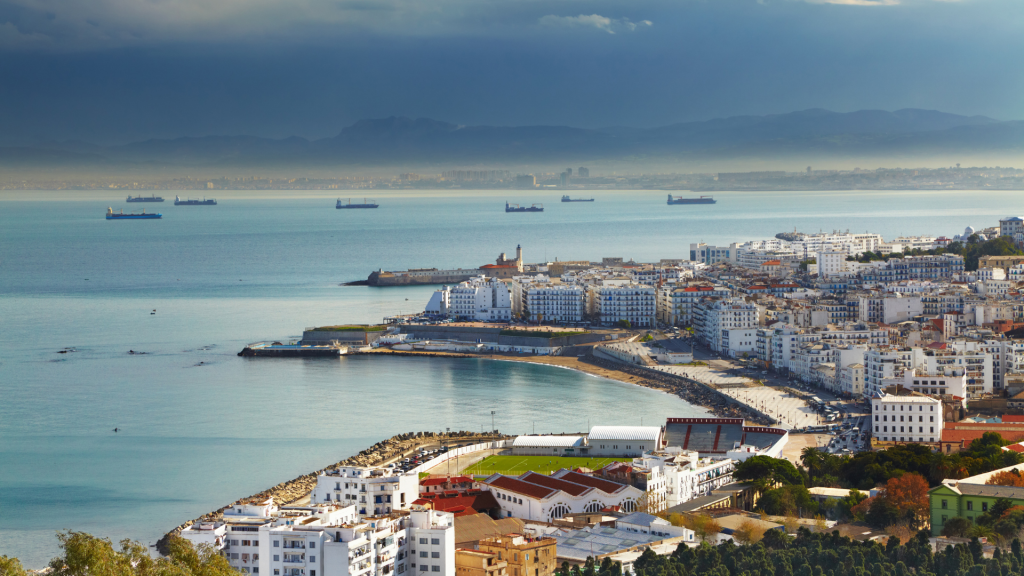
Algiers serves as the primary entry point for most international visitors and functions as the political and cultural anchor of the nation. The city is defined by its dramatic topography, where steep hillsides draped in white buildings overlook the deep blue of the Mediterranean Sea.
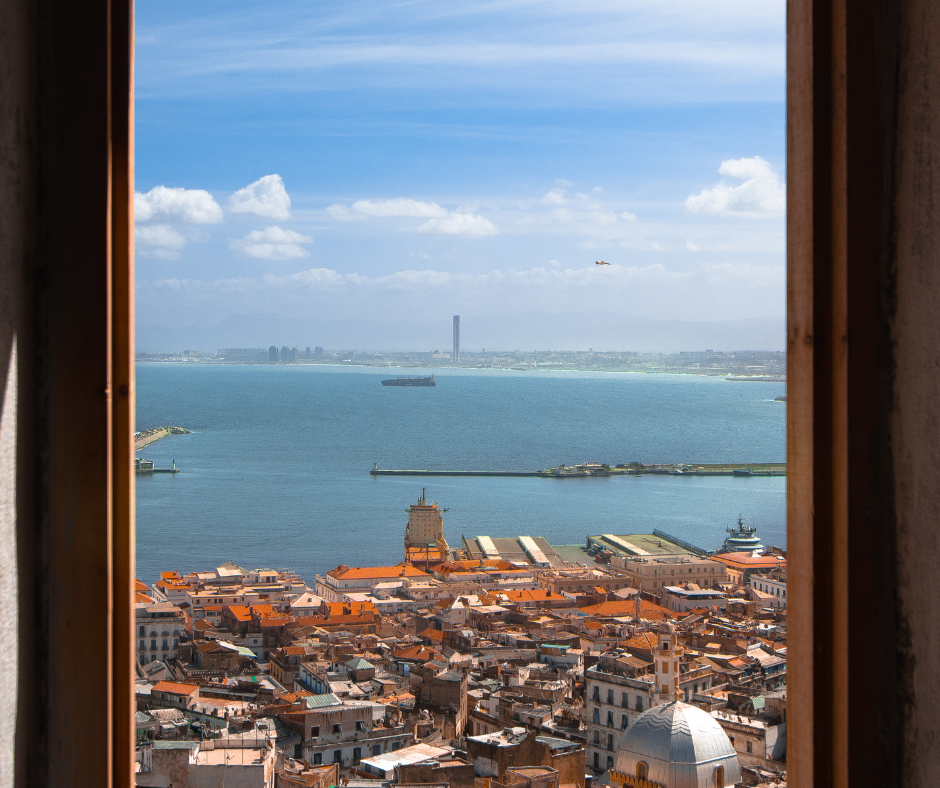
Walking through the capital requires a bit of stamina due to the vertical nature of the streets, but the rewards include some of the most impressive colonial and Islamic architecture in the region.
The Historic Soul of the Casbah
The Casbah of Algiers is a protected UNESCO World Heritage site that represents the traditional heart of the city. This neighborhood is a dense labyrinth of narrow alleys, steep staircases, and hidden courtyards that date back to the Ottoman period.
While it is possible to wander the lower parts alone, hiring a local guide allows you to enter traditional homes and understand the complex role this district played during the war for independence. You will find craftsmen working in small workshops and tiny storefronts selling traditional pastries or hand-carved woodwork.
Architecture of the White City
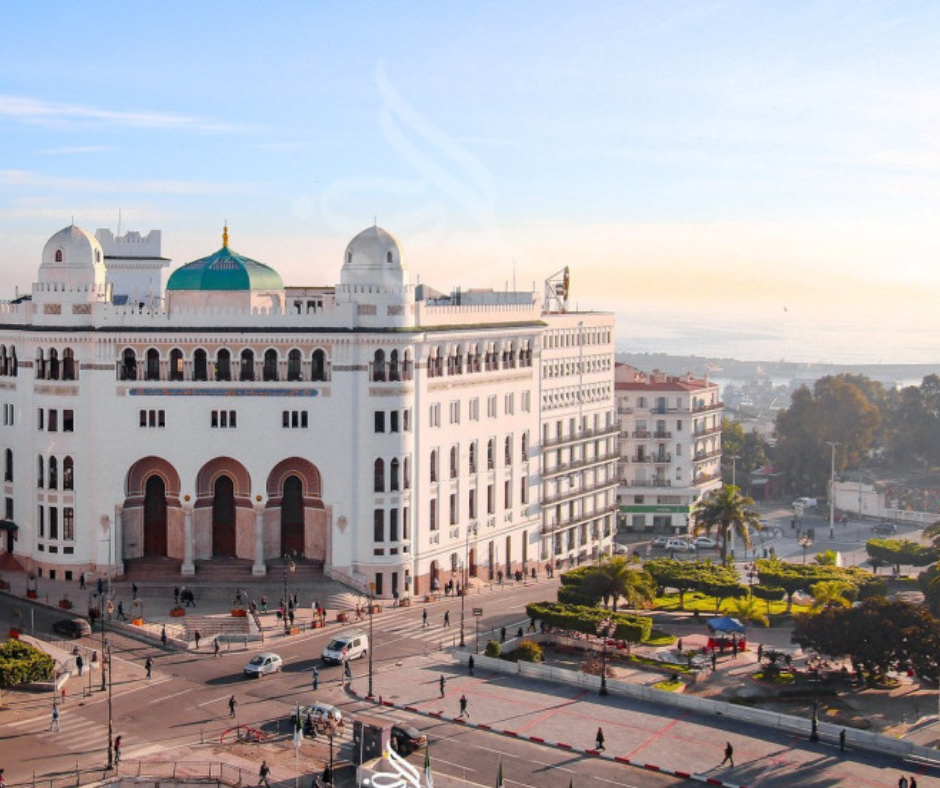
Beyond the ancient walls of the Casbah, the French colonial era left a distinct mark on the city's aesthetic. You should begin your exploration at La Grande Poste, an iconic example of the Neo-Moorish style that serves as a central meeting point for locals.
From there, a short walk leads to the Botanical Garden of Hamma, which offers a quiet escape from the urban noise with its collection of exotic plants and towering palm trees. The Martyrs' Memorial stands on a hill overlooking the bay, providing a panoramic view of the harbor and the sprawling neighborhoods below.
Discovering the Rhythms of Oran
Oran is often referred to as the second capital and possesses a distinct energy that is noticeably more relaxed than Algiers. Known as the birthplace of Raï music, the city has a long history of cultural exchange due to its proximity to Spain and its legacy as a major Mediterranean port.
The streets here are wide and often lined with cafes where the sounds of accordion and synthesizers spill out into the afternoon air.
The Spanish Legacy and Santa Cruz
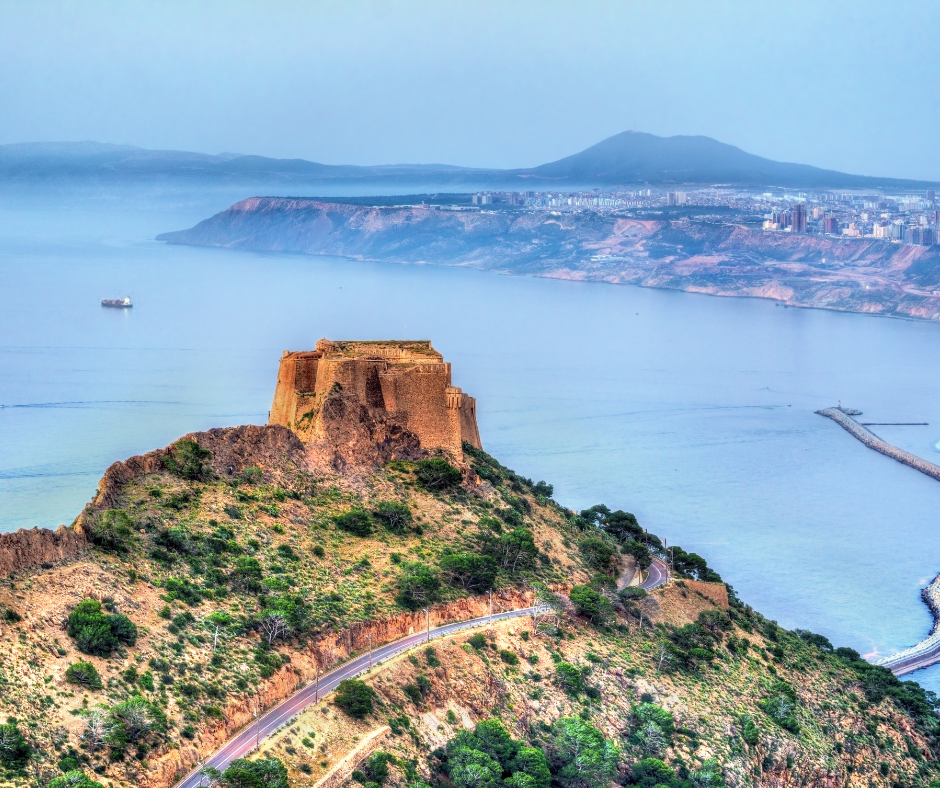
One of the most defining landmarks in Oran is the Fort of Santa Cruz, which sits high atop Mount Murdjadjo. The Spanish built this fortress in the 16th century, and it remains one of the best-preserved military structures in the country. You can take a winding road or a cable car up to the fort to explore the chapel and the battlements.
The view from the summit stretches across the Gulf of Oran and provides a clear perspective on how the city has expanded from its original coastal core into a modern metropolis.
The Urban Pulse of Front de Mer
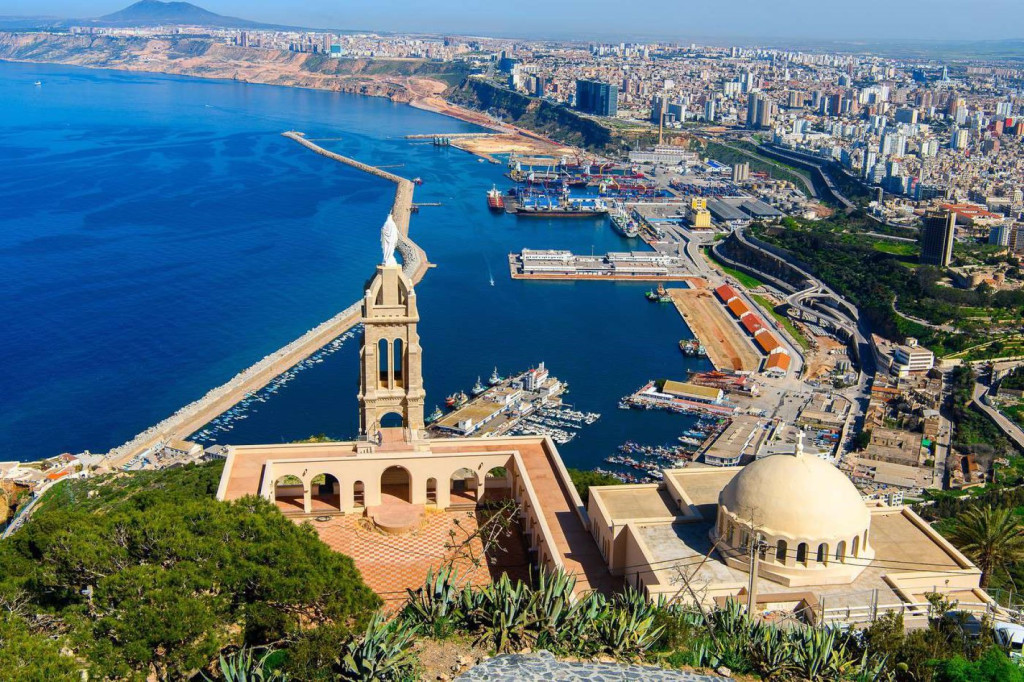
The city center revolves around the Front de Mer, a long seaside boulevard lined with buildings that reflect the grandeur of early 20th-century architecture. This is the best place to sample local street food such as Calentica, a chickpea-based flan that is a staple of Oranian identity.
As evening approaches, the promenade becomes a social hub where families and young people gather to enjoy the sea breeze. If you are interested in the local music scene, many small venues near the city center host live performances where the traditional roots of Raï are still celebrated today.
Crossing the Bridges of Constantine
Constantine is unlike any other city in the world due to its spectacular location on a massive limestone plateau. The Rhumel River has carved a deep gorge through the rock over millions of years, effectively splitting the city into sections that are connected by a series of high-altitude bridges.
This geographical layout has made Constantine a natural fortress for centuries, resulting in a city that feels both ancient and gravity-defying.
The Seven Bridges of the Rhumel
The primary reason people visit Constantine is to walk across its famous bridges, each of which offers a different perspective on the gorge below. The Sidi M’Cid Bridge is perhaps the most iconic, standing over 175 meters above the river bed and offering views that reach far into the surrounding countryside.
Another essential crossing is the Mellah Slimane Bridge, a pedestrian suspension bridge that vibrates slightly as you walk across it, leading directly into the heart of the old medina. For those interested in engineering, the Sidi Rached Bridge features massive stone arches that demonstrate the monumental scale of early 20th-century construction.

The Palace and the Great Mosque
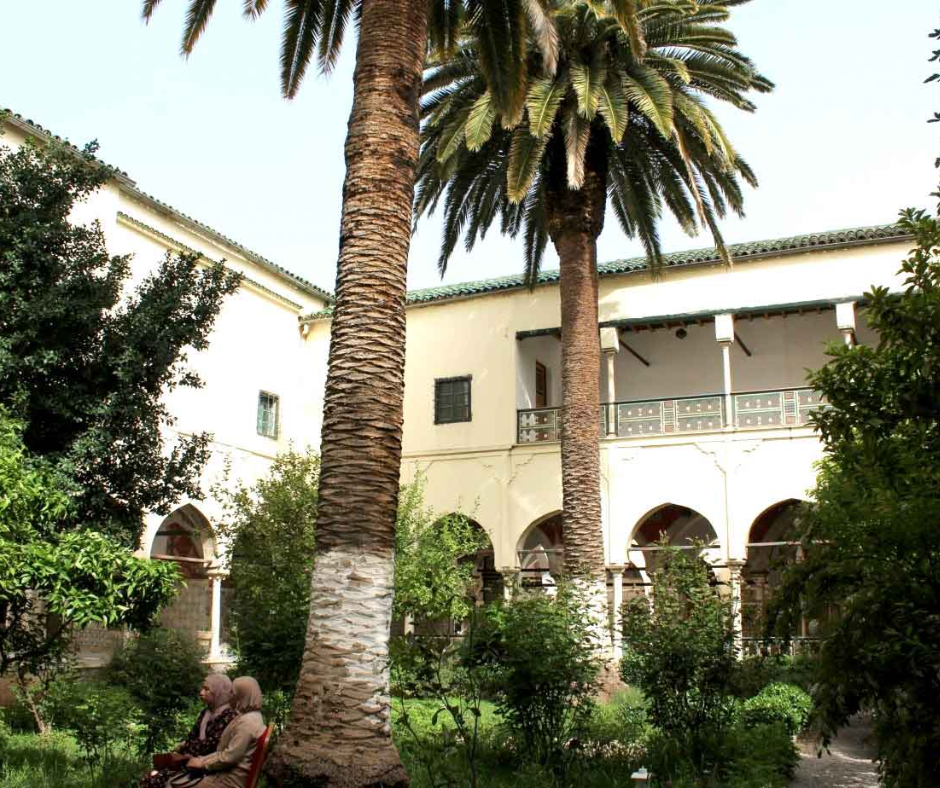
While the bridges provide the visual drama, the interior of the city holds significant cultural treasures like the Palace of Ahmed Bey. This Ottoman-era residence is famous for its colorful murals and lush courtyards that provide a peaceful contrast to the rugged cliffs outside.
Another architectural landmark is the Emir Abdelkader Mosque, which serves as one of the largest houses of worship in the country. Its towering minarets are visible from almost every point in the city, and the interior marble work reflects the high level of craftsmanship found in Algerian religious architecture.
Traveling to the M’zab Valley and Ghardaïa
Moving south from the coastal mountains leads you into the northern reaches of the Sahara Desert, where the M’zab Valley offers a masterclass in urban planning.
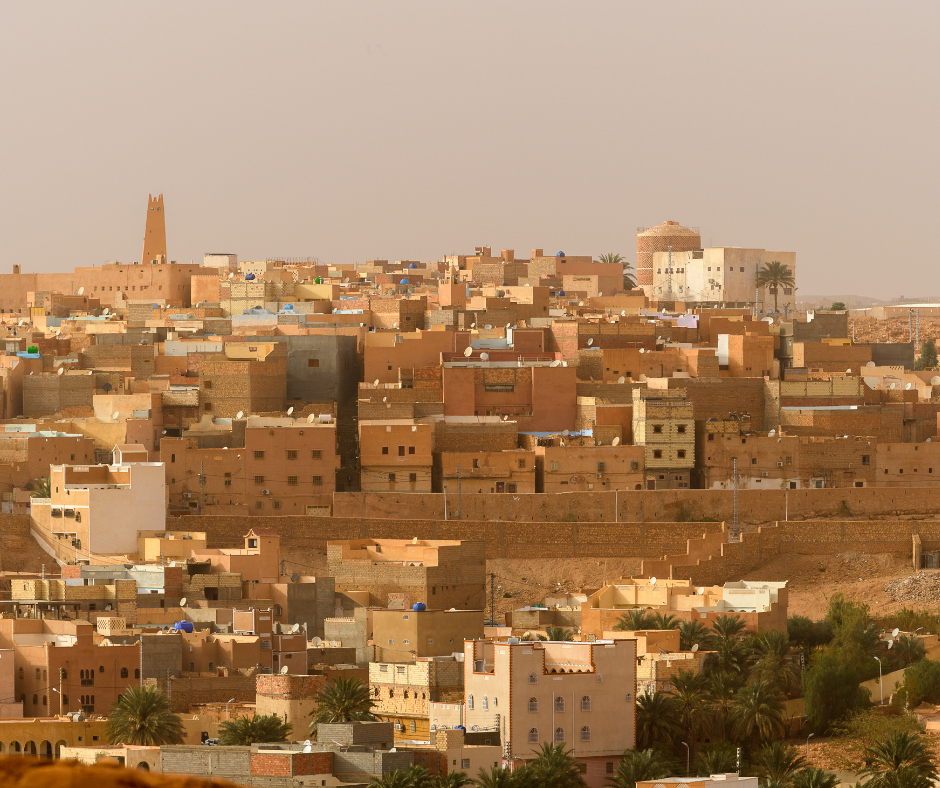
The five fortified cities of the valley, known as the Pentapolis, were built by the Mozabite people nearly a thousand years ago. These settlements were designed to be completely self-sufficient and integrated into the harsh desert environment, using local materials to regulate temperature and manage scarce water resources.
The Geometry of the Ksour
Ghardaïa is the largest of these five cities and functions as the commercial center of the valley. The city is built in a concentric circle around a central mosque, with the houses descending the hillside in a way that ensures every family has access to light and air.
The architecture is characterized by its minimalist, geometric forms and earthy colors, which have influenced modern architects like Le Corbusier. When you visit the central market, you will find a highly organized trade system where local dates, hand-woven carpets, and traditional spices are sold according to ancient customs.
The Traditional Way of Life
The communities in the M’zab Valley maintain a very traditional lifestyle, and visitors are expected to respect local norms regarding dress and photography. You must hire a local authorized guide to enter the old cities, as this ensures that tourism remains respectful of the residents' privacy.
These guides provide essential context regarding the complex irrigation systems that keep the palm groves lush despite the lack of rain. Staying in a traditional guesthouse within the palm grove allows you to experience the quiet rhythm of desert life, where the sound of wind through the trees replaces the noise of the city.
The Andalusian Heritage of Tlemcen
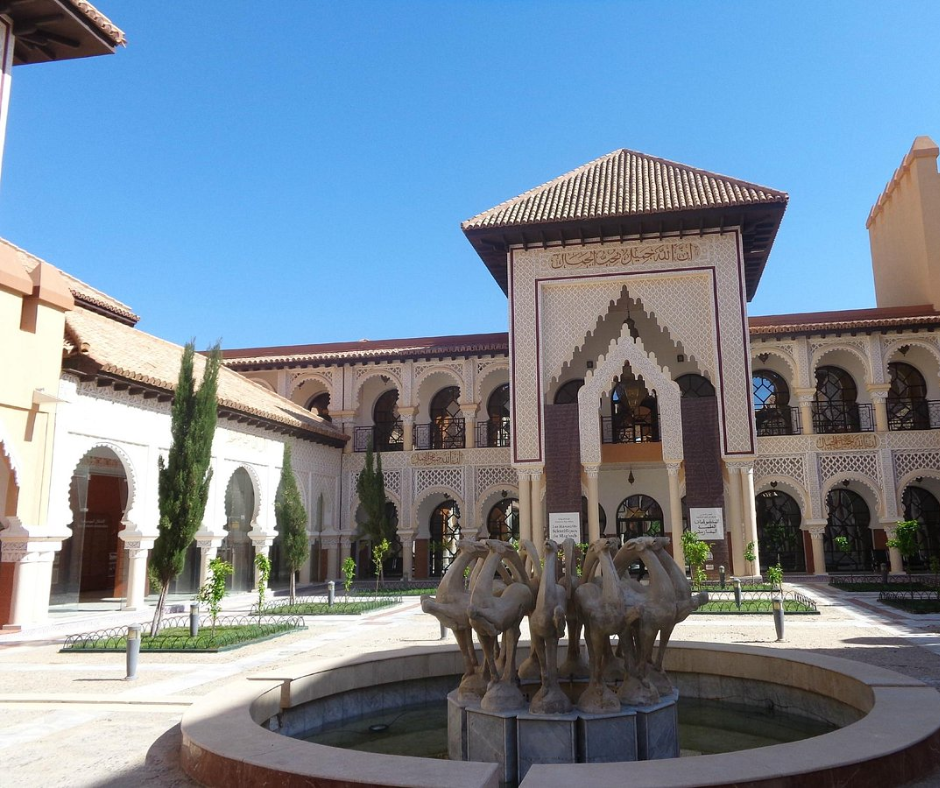
Located near the border with Morocco, Tlemcen is widely regarded as the most beautiful city in western Algeria. It was once a major center of power and learning under the Zayyanid dynasty, and its architecture reflects a deep connection to the Moorish styles of Andalusia.
The city is surrounded by olive groves and vineyards, giving it a Mediterranean feel that distinguishes it from the rugged interior.
The Mechouar and the Great Mosque
The heart of Tlemcen’s history is found at the Mechouar, a royal palace complex that has been meticulously restored to show the intricate stucco work and tile mosaics typical of the Maghrebi-Andalusian style. Walking through the gardens and throne rooms provides a glimpse into the courtly life of the medieval period.
Nearby, the Great Mosque of Tlemcen stands as one of the oldest and most significant Almoravid structures in the world, featuring a famous carved plaster mihrab that attracts historians and art lovers from across the globe.
The Ruins of Mansourah and the Cascades
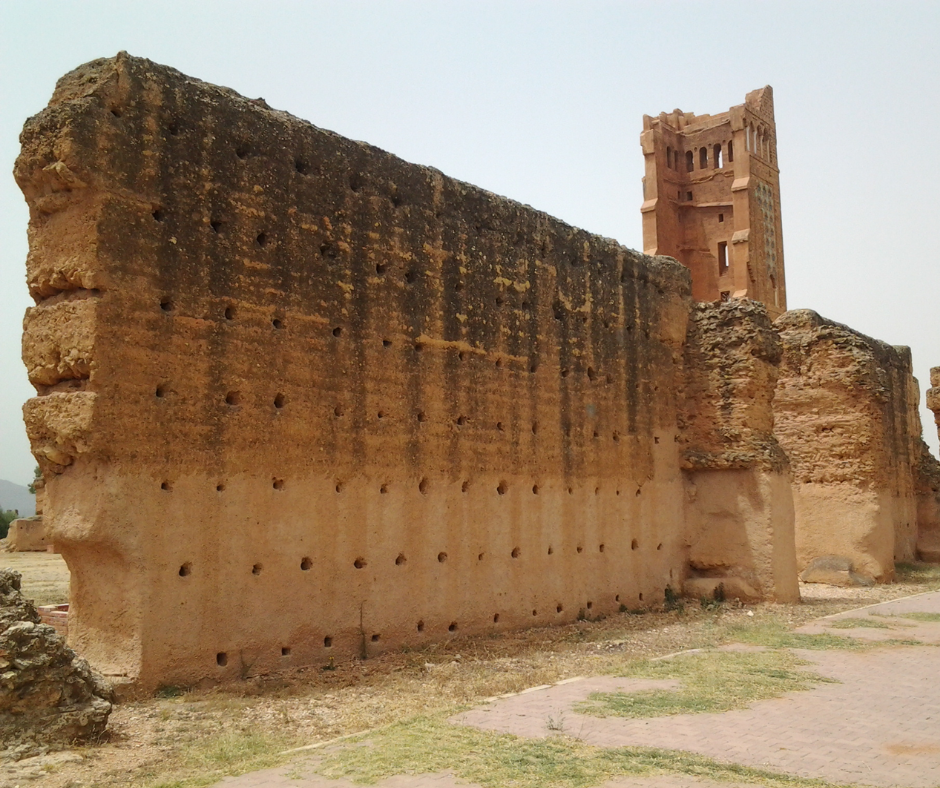
Just on the outskirts of the modern city lie the ruins of Mansourah, a massive 14th-century fortification built during a siege of the city. The most striking remnant is the 38-meter tall minaret which still stands as a lonely sentinel in the landscape.
After exploring the ruins, many travelers head to the nearby waterfalls of El Ourit to enjoy the natural scenery. These cascades were famously bridged by a railway viaduct designed by Gustave Eiffel, creating a unique intersection of natural beauty and industrial history.
Coastal History in Annaba
Annaba is a major port city in the northeast that offers a compelling mix of ancient history and modern coastal living.
The city was known as Hippo Regius in antiquity and served as the home of Saint Augustine, one of the most influential figures in Western Christianity. Today, the city is a lively academic and industrial hub with some of the best beaches in the country nearby.
The Ancient Ruins of Hippo Regius
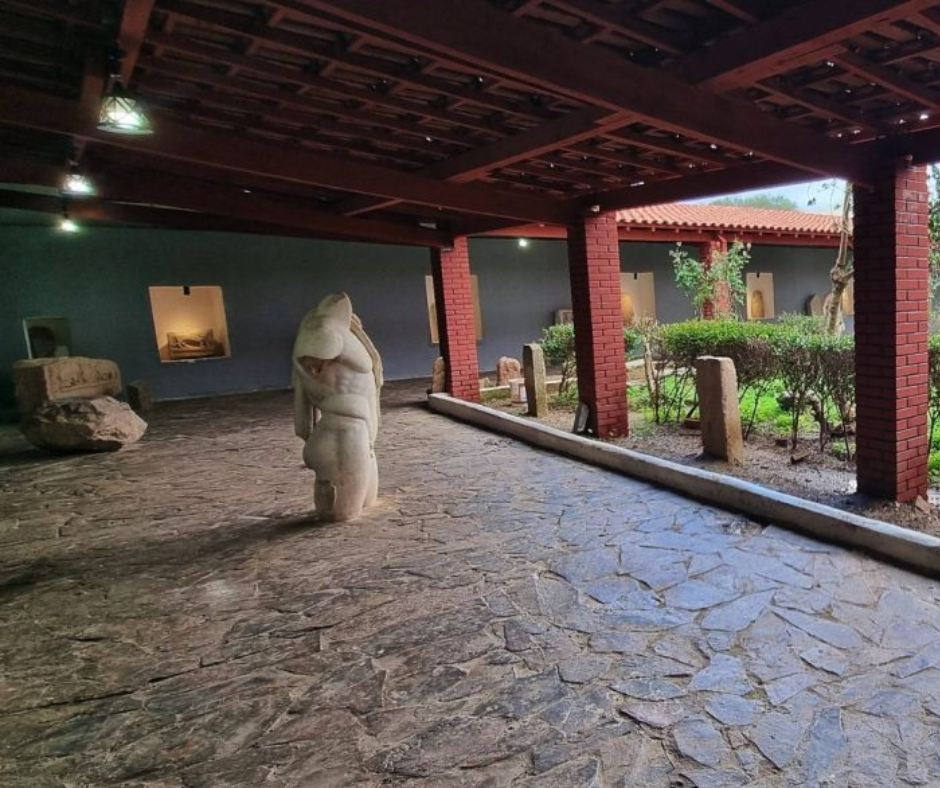
The archaeological site of Hippo Regius is located at the foot of a hill and contains the remains of Roman villas, a large forum, and a theater. You can walk through the ancient streets and see well-preserved floor mosaics that depict scenes of daily life and mythology.
The site is overlooked by the Basilica of Saint Augustine, a 19th-century church that blends Roman-Byzantine and Moorish architectural styles. The interior of the basilica is quiet and cool, offering a place for reflection and a view of the Mediterranean coastline.
Coastal Life at Cours de la Révolution
The center of social life in Annaba is the Cours de la Révolution, a wide pedestrian avenue lined with trees and outdoor cafes. This is where the city comes alive in the late afternoon as locals gather for a coffee or a walk before dinner.
The atmosphere here is quintessentially Mediterranean, with a focus on good food and social connection. For those looking to spend time by the water, the beaches of Seraïdi are located a short drive up into the mountains, offering clear water and a cooler climate than the city center.
Essential Logistics for the Algerian Traveler
Planning a trip through these cities requires an understanding of the vast distances involved. Our team at Wildyness recommends a combination of domestic flights and train travel to make the most of your time. Air Algérie operates a robust network of domestic flights that connect Algiers to distant southern cities like Ghardaïa and Timimoun in under two hours. For travel between the northern cities of Algiers, Oran, and Constantine, the SNTF railway offers a reliable and scenic alternative to driving.
Safety and preparation are equally important when heading into the more remote regions of the country. You should always ensure you have a physical map or offline navigation tools, as mobile signal can be inconsistent in the high mountains or deep desert. It is also wise to notify your accommodation or a local contact when you are heading out on a long drive or a hike. If you are looking for more detailed advice on logistics, our comprehensive guides on backpacking through Algeria and safety protocols provide additional layers of information.
The expansive nature of Algeria is precisely what makes it charming, as it allows for a sense of discovery that is rare in more crowded tourist destinations. Whether you are navigating the ancient alleys of the Casbah or watching the sunset from a bridge in Constantine, the experience is defined by authenticity. Travelers choose Wildyness for our ability to craft journeys that combine these local encounters with seamless logistics, ensuring that your focus remains on the stories you are living. Ready to roll?


