


There are three ways to get from Tunisia to Algeria: fly from Tunis (about 1 hour 20 minutes to Algiers), take the Tunis to Annaba train (about 9.5 hours, three times a week), or cross one of the road borders, near Tabarka in the north or near Nefta in the south. Whichever you pick, most travelers need an Algerian visa before they set off.
The border itself is open: nine road crossings run around the clock, and SNTRI buses joined the train in March 2026. Cross with euros in cash, since Tunisian dinars can't leave Tunisia, and don't plan on driving a Tunisian rental car over, because most agencies won't allow it. Below we compare the three routes, with the paperwork, money rules and border formalities that apply to each. Once you are across, our guide to Algeria covers where to go next.
Getting from Tunis to Algeria: The Options
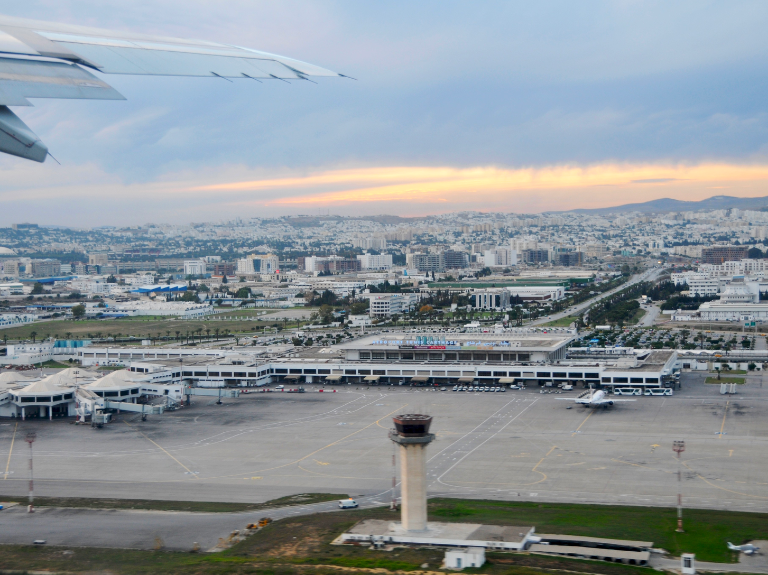
Flying is the quickest way between the two countries. Most travelers leave from Tunis-Carthage International Airport for Algiers or Oran. It saves a long day on the road and two sets of land-border checks.
Air Algérie, Tunisair and Nouvelair all fly Tunis to Algiers, with several departures on most days in 2026. The flight takes about 1 hour 20 minutes, so it's a quick hop if you are short of time.
If you want to start in eastern Algeria, around Annaba, Constantine and their Roman sites, see whether a flight into Constantine or Annaba fits your dates. Direct flights from Tunis to these two cities have been on and off over the years, so the usual routes east are via Algiers, or overland on the train or road straight into Annaba.
Book at least three weeks ahead for July and August and around Eid, when seats on Maghreb routes fill up and fares climb.
Direct Flights and Airlines Between Tunisia and Algeria
Tunis to Algiers is the main route and the one with the steadiest schedule all year.
Get to the airport two to three hours before departure. The flight is short, but check-in, security and passport control at Tunis-Carthage can be slow, especially in summer.
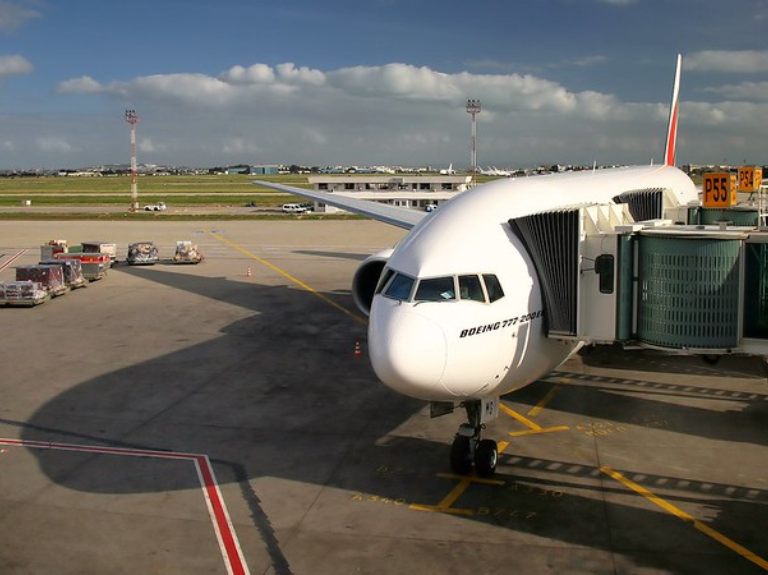
For western Algeria, Tunisair and Nouvelair fly from Tunis to Oran. There are fewer flights than to Algiers and they run on set days of the week, so build your plans around the timetable.
No Oran flight on your day? Fly to Algiers instead and carry on by domestic flight or by Coradia train, about 4.5 to 5 hours west (Algeria has no high-speed rail). If you do land in Oran, our Oran airport guide explains how to reach the city by tram, taxi or ride-hailing app.
Flights to Annaba and Constantine
A direct flight from Tunis to Annaba or Constantine, when one is running, takes you straight to the Roman sites of the east without a detour through Algiers. Don't count on it, though: check the Tunisair and Air Algérie schedules for your dates before you plan around it. Annaba is the nearest large Algerian city to the northern road crossings, and it is where the Tunis train ends.
Check what your fare includes before you reach the check-in desk. Baggage allowances differ between airlines and fare types, and excess weight is paid at the counter.
Our packing list for Algeria is in What to Wear in Algeria: Packing Guide.
Crossing by road
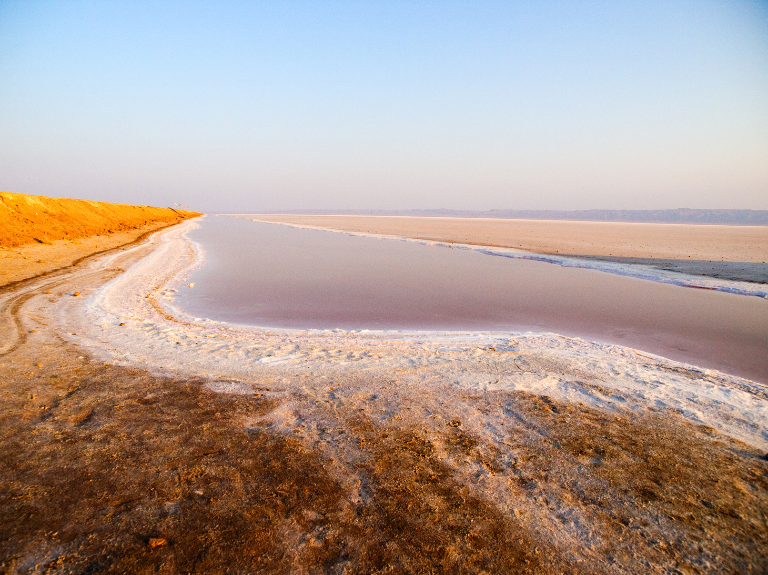
The road is the slow option, and the one where you watch the landscape turn from Tunisian to Algerian outside the window. In the south the crossing is Hazoua, west of Nefta, which faces the Algerian post of Taleb Larbi in El Oued wilaya. Many travelers reach it from Tozeur after driving across the Chott el Djerid salt lake on the causeway from Kebili, so the route links the Tunisian and Algerian Sahara in one trip.
Most Tunisian rental agencies won't let their cars leave the country. Without your own vehicle, you take a taxi or louage (shared taxi) to the border and find separate transport on the Algerian side, or book a transfer that goes all the way through.
The border posts are in rural areas with few taxis waiting, so arrange the Algerian pick-up before you go. If you do bring your own car, have the registration papers and insurance for Algeria in order, and read up on driving in Algeria first, from the permits to the frequent police checkpoints.
Both border posts run routine police and customs checks, and travelers on our trips often say eastern Algeria turned out calmer and friendlier than they had expected. Since this route follows the frontier, read the current official travel advice for the crossing you have in mind, and confirm that your insurance covers it, before you commit.
The Southern Route via Nefta
Nefta is the last Tunisian town before Hazoua, and it is worth a night for the oasis and the Corbeille, the palm-filled hollow below the town. Leave early the next morning so you are through both border posts before the midday heat.
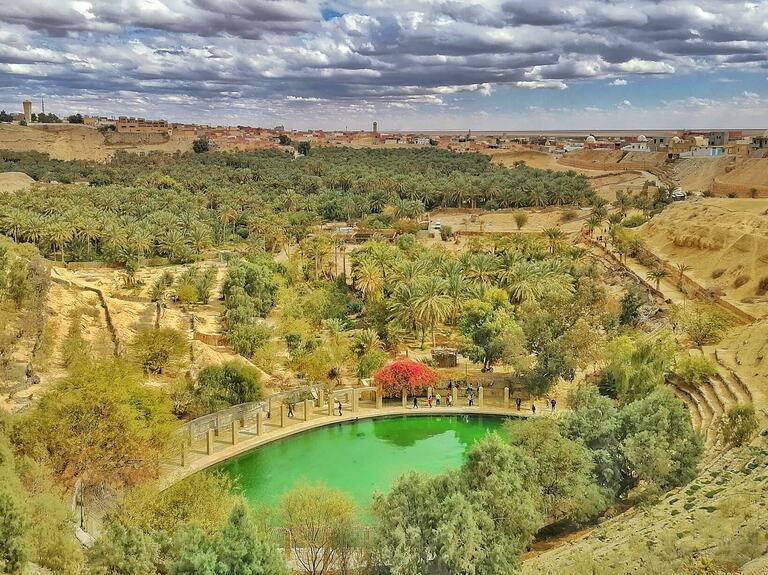
The road west of Nefta is paved, but watch for sand blowing across the asphalt. At the Tunisian post your passport is stamped out. At Taleb Larbi, Algerian police check your passport and visa, and customs looks at your bags and any currency declaration. From there it is 84 km to El Oued, the first sizeable Algerian town.
Northern Crossings and Coastal Routes
In the north, the busiest crossing is Melloula, near Tabarka, which faces Oum Teboul in El Tarf wilaya; it handled about 2.6 million passengers in 2025. Further inland, Babouch, above Aïn Draham in the Kroumirie mountains, faces El Ayoun. Both routes run through green, wooded hills and are the obvious choice between Tunis and Annaba by road. Expect queues in summer, when Algerian families drive to the Tunisian coast: the three Jendouba posts recorded more than 95,000 Algerian arrivals in June 2025 alone.
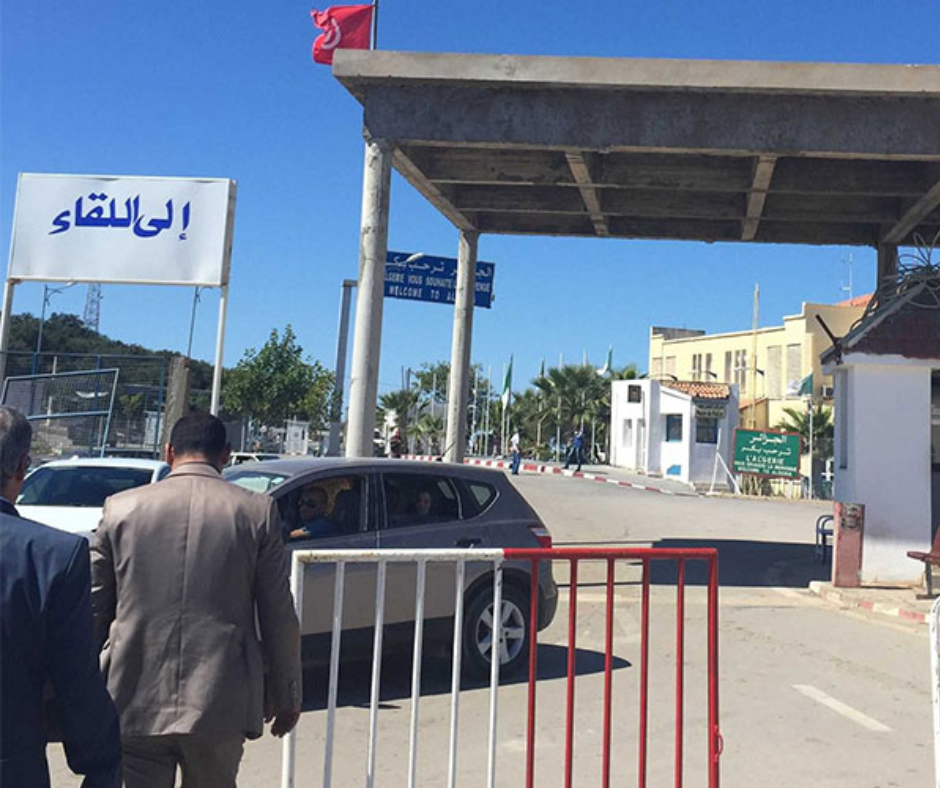
Customs on either side may search your bags and ask about electronics and cash, so keep your passport, visa and any currency declaration together in one folder. From Oum Teboul the road runs past El Kala and the cork-oak hills and lakes of El Kala National Park toward Annaba, a long way from the desert most people picture. From Annaba, you can carry on west along the coast as part of an Algeria road trip toward Constantine and Algiers.
Which road crossing to use
Nine crossings between the two countries reopened after the pandemic, in the Algerian wilayas of El Tarf, Souk Ahras, Tébessa and El Oued. These four are the ones travelers use most:
| Tunisian post | Algerian post | Algerian wilaya | Tunisian town nearby | First Algerian town |
|---|---|---|---|---|
| Melloula | Oum Teboul | El Tarf | Tabarka | El Kala, then Annaba |
| Babouch | El Ayoun | El Tarf | Aïn Draham | El Kala, then Annaba |
| Bouchebka | Bouchebka | Tébessa | Kasserine region | Tébessa |
| Hazoua | Taleb Larbi | El Oued | Nefta | El Oued, 84 km on |
For Annaba and the coast, take one of the two El Tarf posts. Melloula is the busiest, with long queues in July and August. Hazoua is the one for the Sahara around El Oued.
Train From Tunis to Algeria: The Annaba Line
The Tunis to Annaba train restarted on 11 August 2024 after about 30 years without a passenger service. It runs three times a week in each direction and takes about 9.5 hours on the 2026 timetable (7 hours was the scheduled time at the relaunch). On that timetable it left Tunis on Monday, Wednesday and Friday mornings.
From Tunis it follows the Medjerda valley west, stopping at Béja and Jendouba, two farming towns. The last Tunisian stop is Ghardimaou, where Tunisian police and customs check passengers.
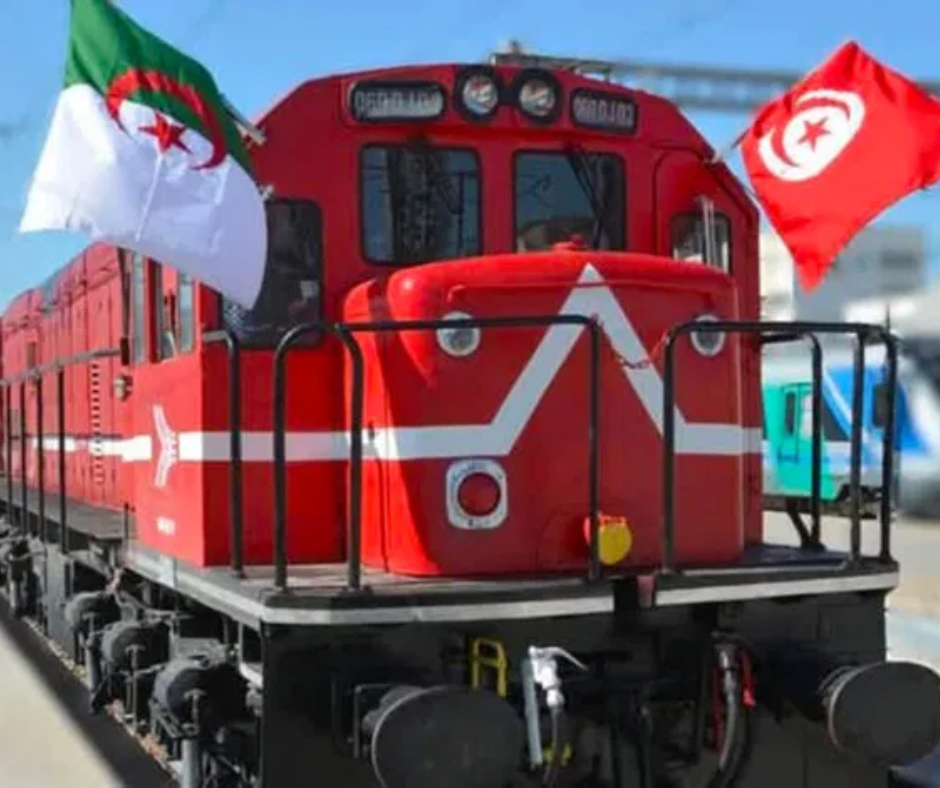
Across the border the train stops at Souk Ahras, the town where St Augustine was born (as Thagaste) and where the Algerian checks take place, before ending in Annaba. It is one train all the way, so you don't change at the border.
Fares in 2026 were about 1,640 DZD in second class and 1,900 DZD in first. The service was suspended in summer 2026 for track work and resumed on 15 September 2026, so confirm it is running before you plan around it. We'd pay the small difference for first class on a ride this long.
The timetable and fares in force in autumn 2026:
| Item | Details |
|---|---|
| Tunis to Annaba | Monday, Wednesday and Friday: leaves 08:25, arrives about 18:20 |
| Annaba to Tunis | Tuesday, Thursday and Sunday: leaves 09:00, arrives about 18:27 |
| Second class, one way | 1,640 DZD (about EUR 11 at the official rate, about EUR 6 at the informal rate) |
| First class, one way | 1,900 DZD (about EUR 13 official, about EUR 7 informal) |
| Return tickets | 3,040 DZD second class, 3,485 DZD first class; valid 30 days |
| Children | Under 4 free; 4 to 12 half price |
| Tickets | At station ticket offices, up to seven days ahead; your passport is required |
| Baggage | 30 kg per passenger; excess is charged |
In Algeria, tickets are also sold at the stations in Annaba, Souk Ahras, Algiers, Oran and Constantine, which helps if you are booking the return leg. Coming back east, spend your dinars before you board: you can't take them out of Algeria.
By bus: Tunis to Annaba and Algiers
Since March 2026, Tunisia's national intercity bus company, SNTRI, has run two lines into Algeria. The Tunis to Annaba bus leaves Bab Saadoun station at 07:00 on Thursday, Friday, Saturday and Sunday. It goes via Béja, Jendouba and Aïn Draham, crosses at Babouch and El Ayoun, then continues through El Kala to Annaba. A one-way ticket from Tunis costs 40 TND; from Annaba it is the equivalent of about 33 TND, paid in dinars.
The Tunis to Algiers bus leaves Bab Alioua station at 20:00 on Thursday and Saturday. It runs through Le Kef and crosses near Kalaat Senan, then heads to Constantine, Sétif and Bordj Bou Arreridj before Algiers. The fare is 120 TND from Tunis. Booking ahead at an SNTRI counter is compulsory and you need your passport.
Everyone gets off at each border post for passport and customs checks, so allow for long stops. These lines are new, so confirm the days with SNTRI before you plan around them.
Visa and Documents for Algeria
Sort out your Algerian visa before you leave home. UK, EU, US and Canadian citizens, like most Western travelers, have to get one from an Algerian consulate in advance, so apply before you fly to Tunisia.
Organized tours that include Algeria's southern wilayas are the one exception: an approved Algerian travel agency files a visa-on-arrival request before you travel, and the visa can then be issued at a land border as well as at an airport. A standard visa needs one of three supporting documents: an invitation and itinerary from an Algerian travel agency, a hotel booking, or a certificat d'hébergement from your host, certified by the local town hall.
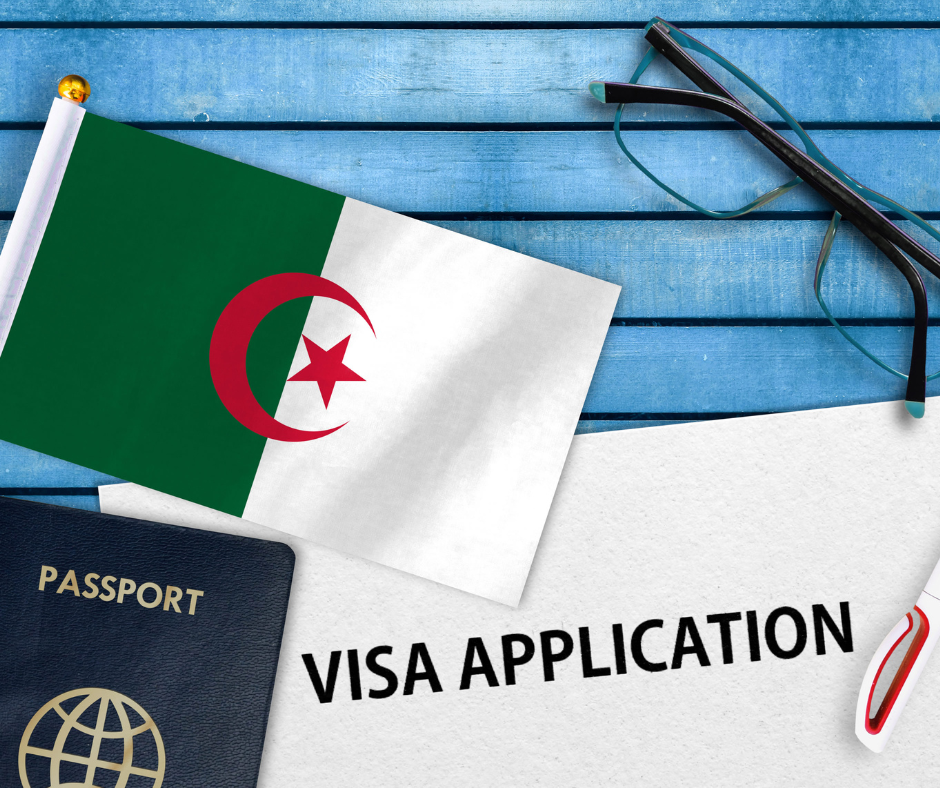
Your passport needs at least six months' validity from the date you enter Algeria. Carry a few paper copies of your passport photo page and visa. You need your passport to check into hotels in Algeria, and a copy speeds things up at reception and at checkpoints.
The full list of requirements is in Algeria Visa: Requirements and Visa on Arrival.
Filling in the visa application
The consulate wants an itinerary that matches your booking or invitation, so name your entry and exit points and the cities you plan to see. You don't have to stick to it to the hour. London quotes about 10 working days for applications made in person and at least 15 by post, with around five more in summer and around Ramadan and Eid, so start at least a month before your trip. The UK fee is GBP 85 (2026).
Visa-free entry to Tunisia (90 days for UK citizens, and most EU, US and Canadian citizens also enter without a visa) tells you nothing about Algeria, which sets its own rules. The short list of passports that can enter Algeria without a visa includes Tunisia, Libya, Mali, Mauritania and Malaysia. Check the rules for your passport with the Algerian consulate before you book anything.
Travel Insurance and Health Records
The insurance rule for the visa depends on your nationality and where you apply. The London consulate asks most applicants for it but not British and Irish citizens, and Algerian consulates in the Schengen area usually require it. Get a policy that covers medical treatment and repatriation in Algeria for your whole stay anyway, and carry a printed certificate in English or French. Make sure it also covers the border crossing you plan to use.
No vaccinations are required to enter Algeria from Tunisia or Europe (a yellow fever certificate only applies if you arrive from a country with yellow fever risk), but make sure your routine ones are up to date. Carry prescriptions for any medicines you bring. If you have a medical condition, a doctor's letter in French makes a visit to an Algerian pharmacy or clinic much easier.
What to See in Northeast Algeria
The region just across the border has a cluster of Roman and early Christian sites. Annaba, the ancient Hippo Regius, is a port city of French colonial streets, with the Basilica of St Augustine (built 1881 to 1900) on a hill above the ruins and the sea. The Seraïdi cable car, back in service since July 2025, climbs into the hills behind the city.

Inland, Constantine stands on a block of rock cut off by the gorge of the Rhumel, and bridges are the way in. Hence the nickname, the City of Bridges. The most dramatic is Sidi M'Cid, a suspension bridge from 1912 hung about 175 m above the river: below you is the bottom of the gorge, and across from you the old town on the cliff edge.
The rest of the city's sights are in Best Things to Do in Constantine.
Hippo Regius: The Roman Ruins of Annaba
The ruins of Hippo Regius are on the southern edge of Annaba. The town was Phoenician, then a Numidian royal town, then Roman, and Saint Augustine was its bishop until he died there during the Vandal siege in 430. You can walk the forum and the old streets and see mosaics still in place. The site is usually quiet, so you often have the stone streets almost to yourself.
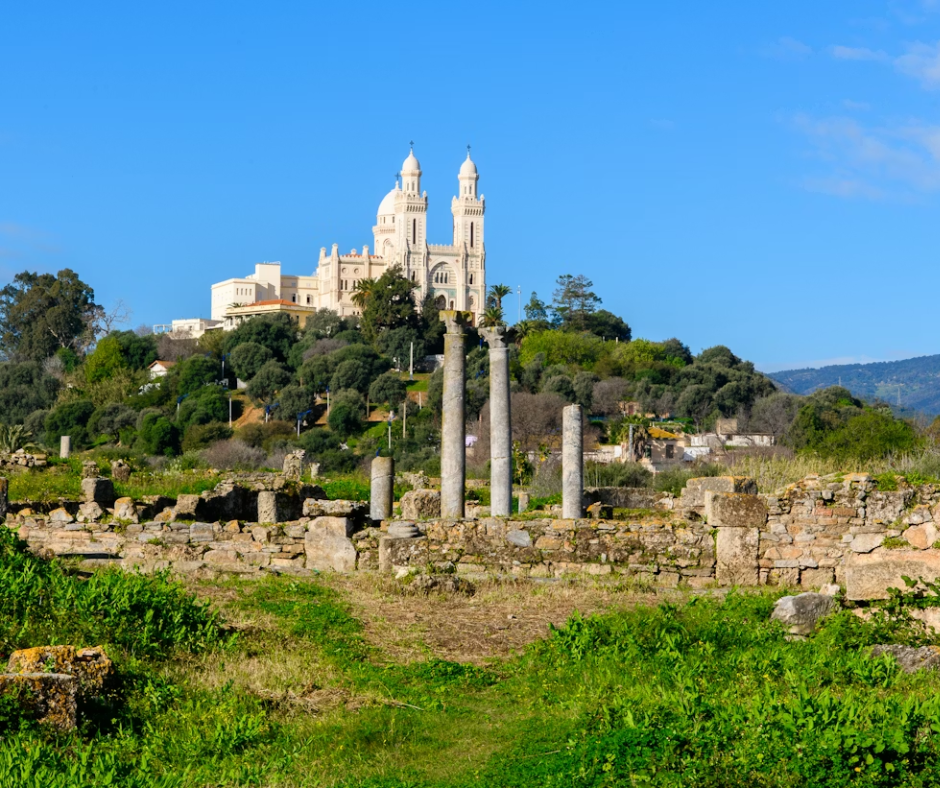
The museum next to the site holds mosaics and statues from the excavations. Allow two to three hours for the ruins, the museum and the walk up to the basilica, and go early in summer.
Constantine and the Gorges
Constantine is Roman Cirta underneath, with an Ottoman-era medina and French boulevards on top. Walk from Place du 1er Novembre into the Souika, the old medina, and on to the Palace of Ahmed Bey (1825 to 1835).
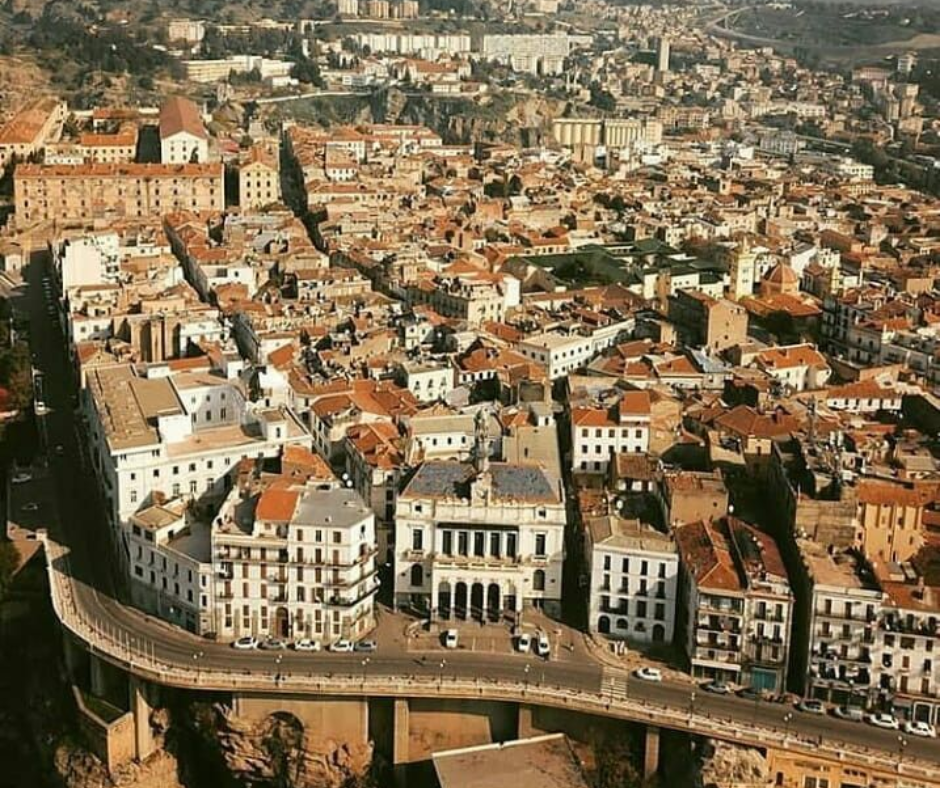
Besides Sidi M'Cid, there is the cable-stayed Salah Bey viaduct (2014), about 1.1 km long, and the Mellah Slimane footbridge (1925), reached by a lift.
Money, phones, customs and etiquette
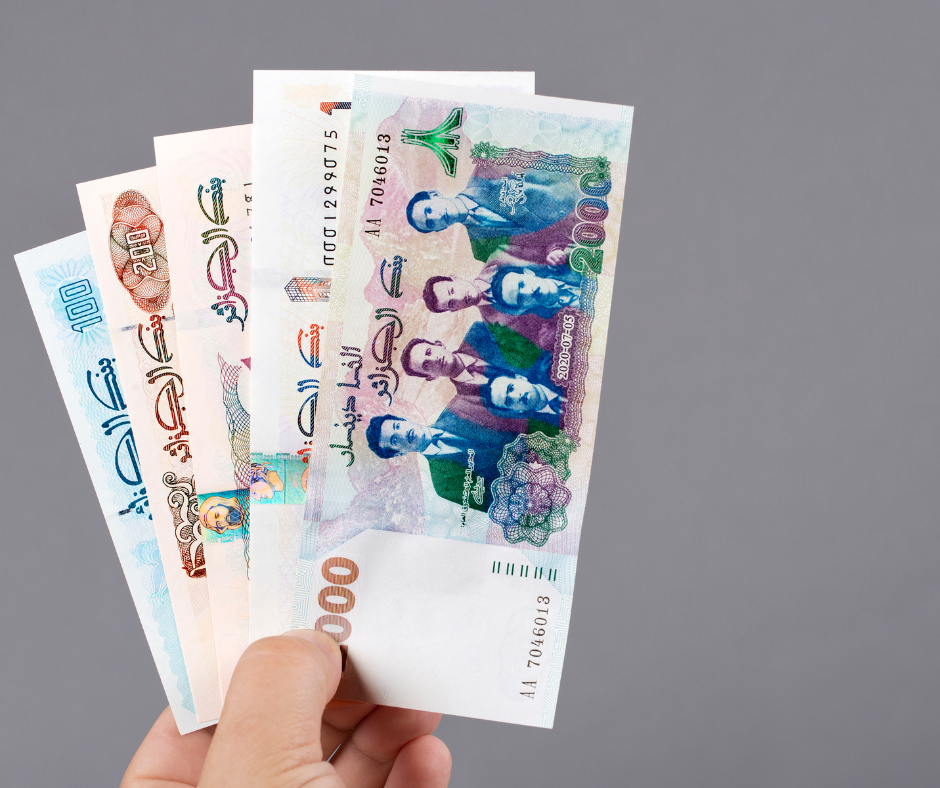
Algeria runs on cash, and a euro changed informally through a trusted contact (about 275 DZD in autumn 2026; that market sits outside the exchange-control law but works openly) goes much further than one drawn from an ATM or spent by card at the official rate of about 150, so cross with euros in cash and ask your guide or host to arrange the change. If you declare more than EUR 1,000 at the border, customs may want official exchange receipts when you leave, so change part at a bank or carry less.
Mobile coverage is good in the cities but patchy in the hills along the border. A local SIM is the cheapest way to stay online: Mobilis, Djezzy and Ooredoo all sell them at Algiers airport and in town centers, and in 2026 about 1,000 to 1,500 DZD bought a prepaid bundle of 10 to 50 GB for 30 days.
Mobile Data and Communication
You need your passport to buy and register a SIM, and shop staff usually set up the data plan for you. Expect to lose signal in the Tunisian south and around the border posts, so download offline maps of the border area and your first Algerian city before you set off.
Use WhatsApp or similar apps rather than international calls. Cafe and hotel Wi-Fi is often slow, so rely on your own data for maps.
Customs and Local Laws
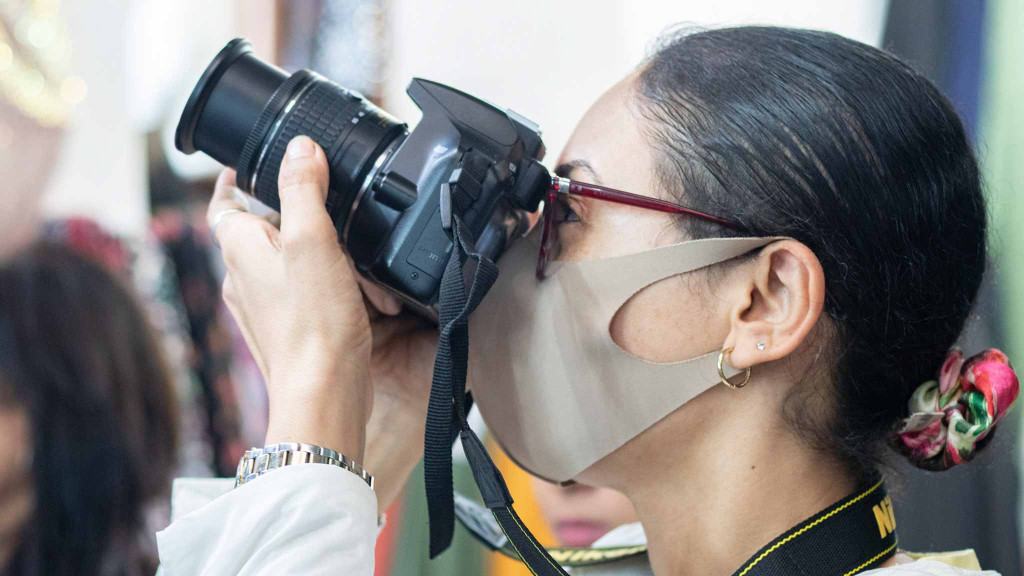
Don't photograph anything at the border: buildings, officers, vehicles or security installations. The same goes for police and military posts, checkpoints, ports and airports anywhere in Algeria. Keep your camera and phone in your bag while you cross.
Algeria is a conservative country. Cover your shoulders and knees, especially at religious sites and in rural villages. Algiers, Annaba and Constantine are more relaxed, but a scarf or light jacket in your bag covers you for a mosque visit.
Border Formalities on Both Sides
Leaving Tunisia, foreign tourists no longer pay a departure tax: the 30-dinar stamp for non-residents brought in in 2014 was dropped the following year. Tunisian customs will want to see your entry declaration if you take out more than the equivalent of 5,000 Tunisian dinars in foreign cash, and declaring is compulsory from 20,000 dinars. Tunisian dinars themselves can't be taken out of the country.
Entering Algeria, foreign currency above EUR 1,000 has to be declared, on a paper form at the post or beforehand online through ALCES, the customs system. Leave the drone at home: the FCDO notes that drones, binoculars, telescopes and some photography equipment are illegal to bring into Algeria without authorization, and drones get confiscated in practice (Tunisia also holds unauthorized drones until you leave). A smartphone and an ordinary camera cause no trouble. Answer questions plainly and politely, and expect to be asked where you are staying.
Language and Social Etiquette
Arabic and Tamazight are Algeria's official languages, and French is widely used in administration, business and daily life. A few words of Darija, the local Arabic, get a warm response, and a greeting before any question goes a long way.
Riding the Tunis to Annaba train
The Tunisian Side of the Train Ride
From Tunis the line heads west up the Medjerda valley through wheat fields and olive groves, and the hills close in after Jendouba as you approach Ghardimaou. Much of the 9.5 hours goes on the two sets of border checks, and delays happen, so don't plan a tight connection in Annaba.
You stay on the same train to Annaba. From there, SNTF trains continue to Constantine and Algiers, including a night train via Constantine on set days of the week. Our Algeria public transport guide covers the trains, buses and shared taxis you will use from there. Algeria's best trains are the air-conditioned Coradia units on the main lines, and on long trips first class is worth the extra.
On Board: What to Expect
On a ride this long you will probably end up talking to the people around you, and a little French or Arabic helps. Bring your own food and water for the whole day, as you can't count on anything being sold on board.
The train is the slowest way across but cheaper than flying, and it drops you in Annaba with no border taxis to arrange. If you are short of time, fly.
Flight, Road or Train: Which to Choose
Fly if you are short of time or heading for Algiers or Oran. Take the train if you want to start in the east (Annaba, Hippo Regius, Constantine) and don't mind a long day. Cross by road if you want to watch the country change at ground level, once you have checked your insurance and arranged transport on the Algerian side.
If you are starting from Europe rather than Tunisia, the ferry to Algeria from Marseille or Alicante is another option, with the most sailings in summer.
Packing Essentials for Both Countries
Pack for the season. From December to February the Sahara gets close to freezing at night and Constantine is often cold and wet, while July and August are hot almost everywhere. Light, breathable layers cover most of the year. Bring shoes with good grip for the uneven stone of the Roman sites and the steep streets of Constantine.
Algeria and Tunisia both use European two-pin plugs at 230 V. A power bank helps on long border waits and train rides.
Before You Cross: A Short Checklist
Get your Algerian visa at home before you travel to Tunisia. Check that the train is running, or the flight days, for your dates. Confirm your travel insurance covers the crossing you pick. Arrive in Algeria with euros in cash, a plan for changing them, and no Tunisian dinars.
Crossing days, rental cars and visas at the border
Can tourists cross the land border right now?
Yes. All nine reopened road crossings run around the clock, the Tunis to Annaba train has been back since August 2024 (with a pause for works in summer 2026), and SNTRI buses started in March 2026; most passports still need an Algerian visa first.
When does the train to Annaba leave Tunis?
At 08:25 on Monday, Wednesday and Friday, reaching Annaba at about 18:20. The return leaves Annaba at 09:00 on Tuesday, Thursday and Sunday. Tickets are sold at station ticket offices up to seven days ahead, on showing your passport; second class costs 1,640 DZD one way (2026).
Will a Tunisian rental company let me drive into Algeria?
Usually not, and the border post would want registration papers and Algerian insurance anyway, so take the train or bus, or a taxi to the border with a pick-up arranged on the Algerian side.
Can I get my Algerian visa at Melloula or Hazoua?
Not a standard tourist visa; that comes from a consulate before you travel. Organized tours that include the southern wilayas are the exception. Their approved Algerian agency files the request before you set off, and the visa can then be issued at a land border.
If you would like the Algerian part of the trip planned for you, send us your route and dates. We can arrange the agency invitation letter for your visa, a driver waiting for you at the border post or at arrivals in Annaba or Algiers, and local guides for Hippo Regius and Constantine. To start, just reach out to us.


