
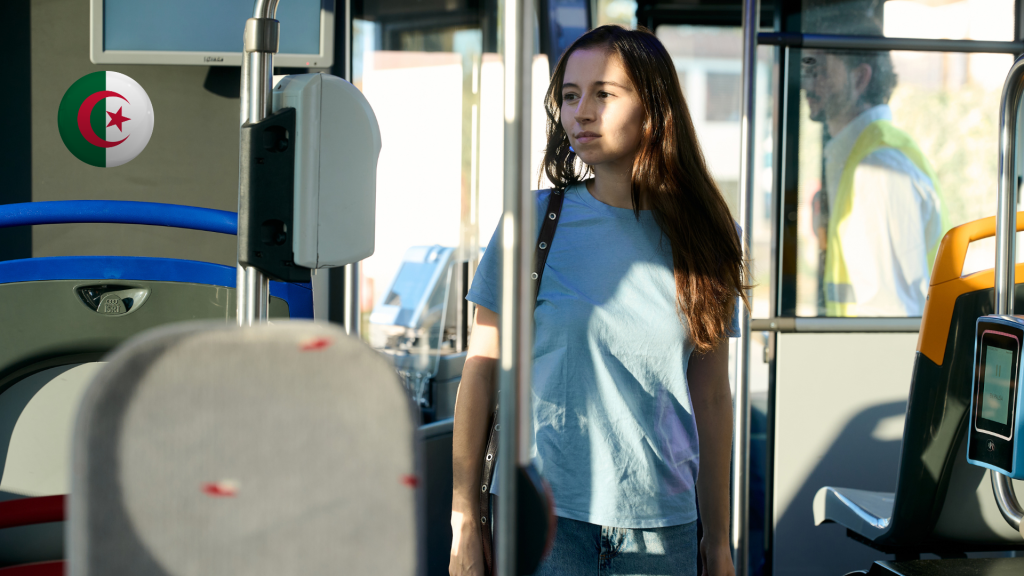

Navigating a new country can feel like solving a moving puzzle when you are trying to balance schedules, languages, and local customs especially if there isn't enough info that can help you out.
That is why our team at WildyNess created this guide to help you master every aspect of Algerian transit with ease.
Navigating Algiers with Metro and Tramway Systems
The Algiers Metro is one of the most efficient ways to bypass the capital's notorious traffic. It currently consists of a single line that stretches from the historic Casbah area toward the eastern suburbs. A single trip costs 50 DZD, but if you plan on making multiple stops, the 150 DZD 24-hour pass is the most economical choice. Tickets are available at every station from manned counters or automated vending machines. For those moving between the metro and the tramway, a combined ticket is available for 70 DZD, while a 24-hour combined pass costs 200 DZD.
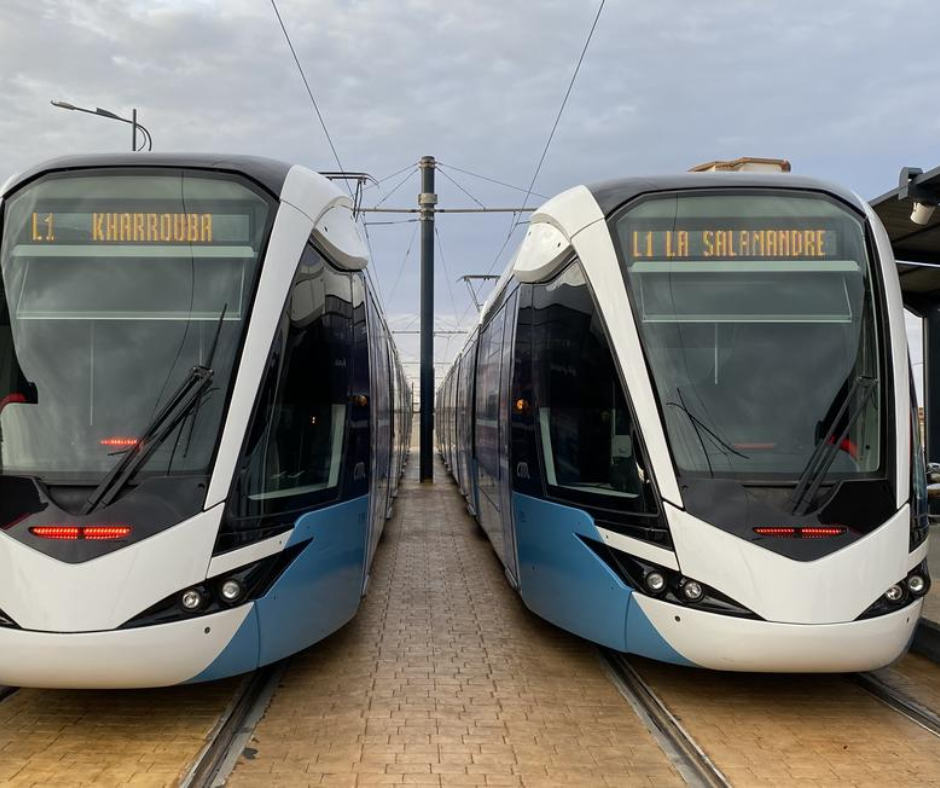
The tramway serves the eastern side of the city and runs along the coast, offering a slower but more scenic alternative to the metro. It is particularly useful for reaching residential areas and the Pins Maritimes exhibition center. You should always validate your ticket at the machines located on the platform or inside the tram car, as ticket inspectors are frequent and strictly enforce fines. During peak hours, these systems become very crowded, so staying near the doors if your stop is approaching is a practical necessity.
For cultural exploration, the Place des Martyrs station is the most significant stop on the metro line. It places you directly at the foot of the Casbah and near the historic mosques of the lower city. The Tafourah - Grande Poste station is the best exit for the city center's colonial architecture and central shopping districts. Most stations are clean and well-guarded, making them a safe choice for solo travelers throughout the day.
Using Ride-Hailing Apps and City Taxis
Ride-hailing has transformed urban travel in Algeria, providing a reliable alternative to traditional street taxis which often lack meters. Yassir and Heetch are the two dominant apps in the country. We recommend downloading both and setting them up with a local SIM card immediately upon arrival. These apps allow you to see a fixed price before you book, which eliminates the need for negotiation. While you book through the app, payment is almost always made in cash at the end of the ride, so keeping small bills is essential.
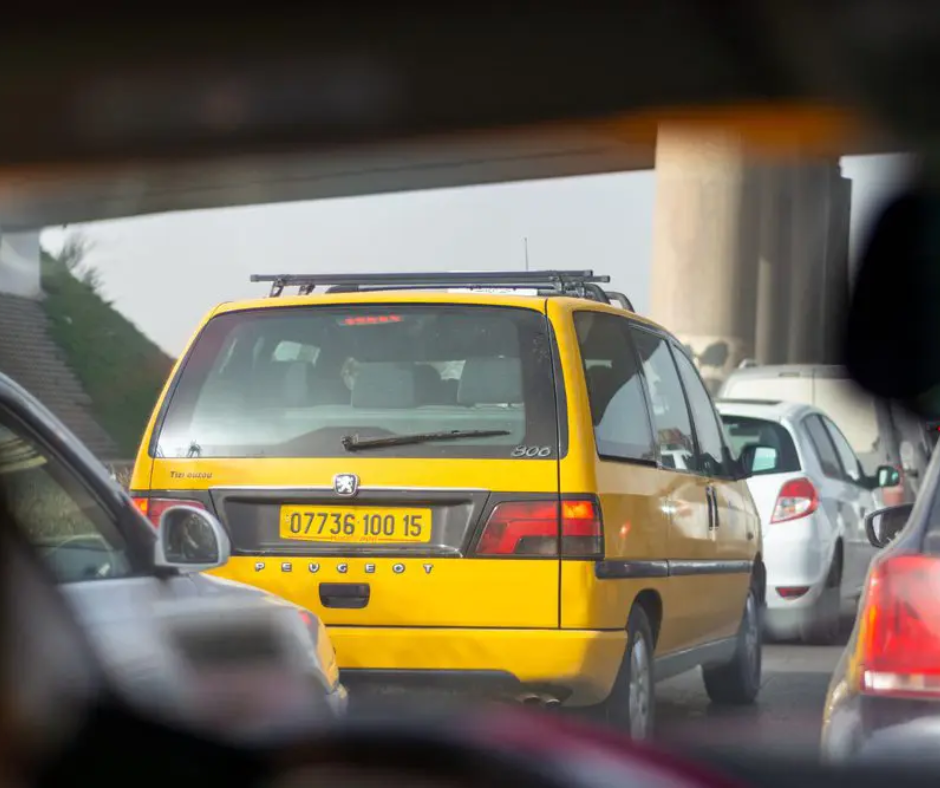
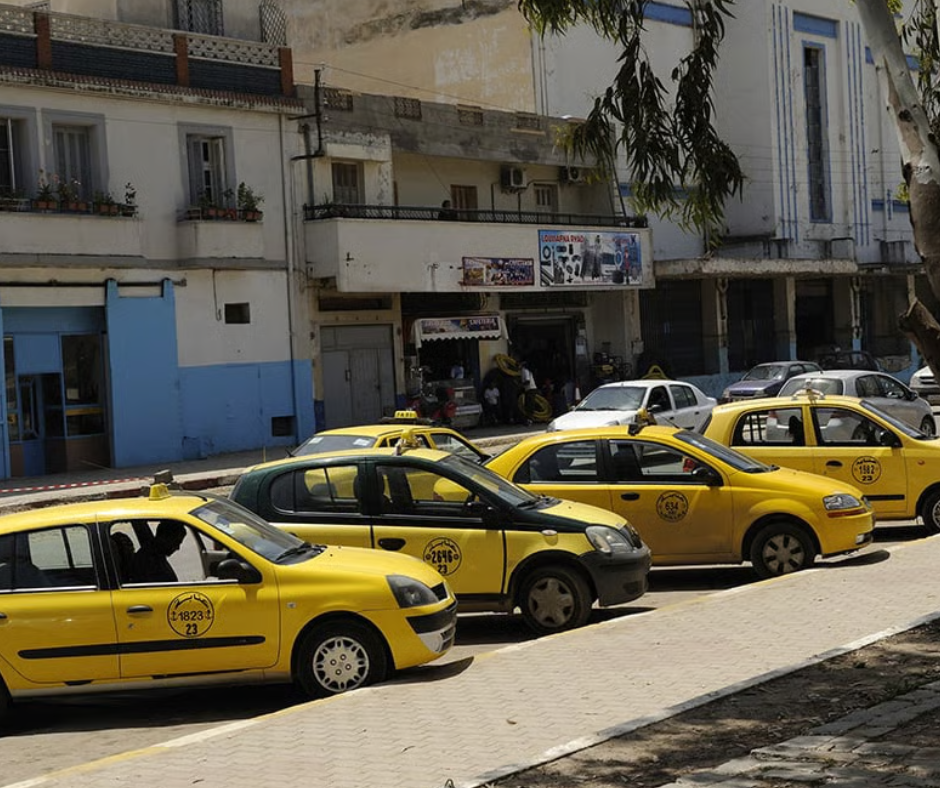
Traditional yellow taxis are still plentiful and can be hailed from the street or found at designated taxi ranks. If you choose a street taxi, you must agree on the fare before the car starts moving. A short ride within Algiers typically costs between 300 and 600 DZD. At night, these prices usually increase, and it becomes harder to find drivers willing to go to specific outskirts. If a driver refuses to use the meter, which is common, politely negotiate based on the estimates you see on ride-hailing apps.
When using ride-sharing apps, always verify the license plate and the driver's identity before entering the vehicle. It is common practice for passengers to sit in the back seat, and for safety, you should share your ride status with a friend through the app’s tracking feature. Most drivers are professional and often provide helpful local tips, but keeping the interaction focused on the destination is the standard etiquette.
Intercity Travel via SNTF Rail Networks
The Société Nationale des Transports Ferroviaires, known as SNTF, operates the national rail network which primarily serves the northern coast. Traveling by train is often more comfortable than the bus, especially on the main line connecting Algiers, Oran, and Constantine. The "Coradia" trains are modern, air-conditioned, and offer both first and second-class seating. A trip from Algiers to Oran takes approximately four hours and is widely considered the most pleasant way to make that journey.
Tickets for long-distance trains should be purchased at least a day in advance during peak summer months or around national holidays. You can buy them directly at the station windows. While SNTF has an online presence, the most reliable way to confirm schedules is to visit the station in person or check their official mobile app. Be aware that while departures from terminal stations like Algiers or Oran are usually on time, trains may experience delays at intermediate stops.
For those looking to travel internationally, the rail link between Annaba and Tunis has recently resumed service. This journey offers a unique way to cross the border, though it requires patience for customs and immigration checks at the border station. On all trains, there is usually a small cafe car or a trolley service selling water, coffee, and snacks, but bringing your own food for longer journeys is a smart move.

Long-Distance Buses and the Gare Routière
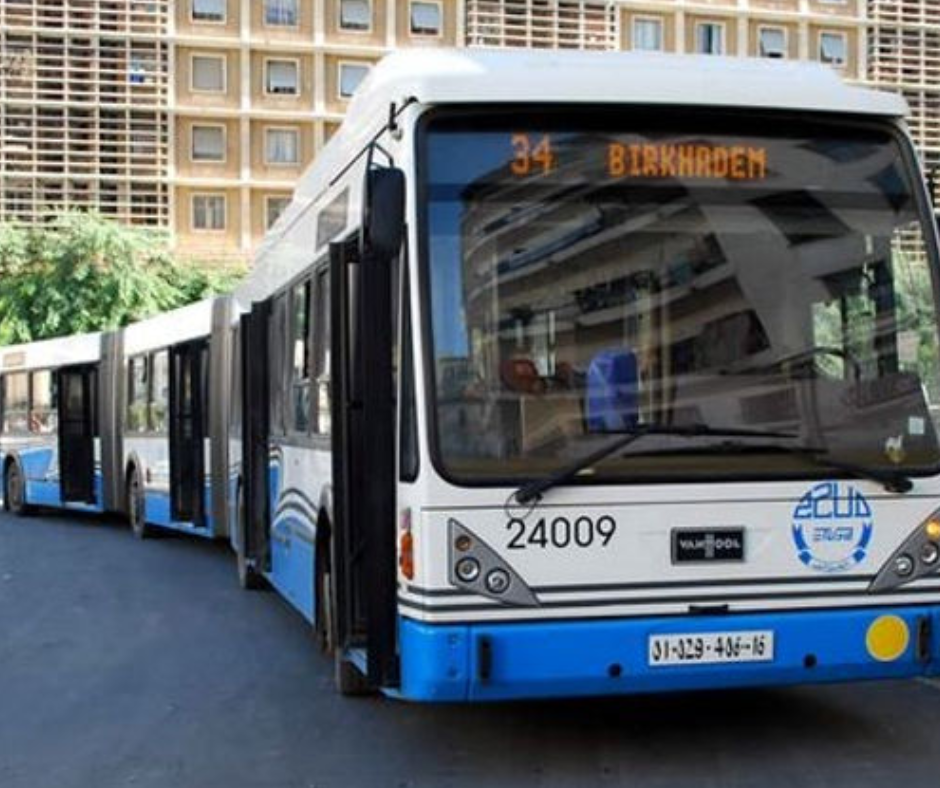
Buses are the backbone of Algerian transport, reaching almost every town and village in the country. Every major city has a central bus station, or "gare routière," which acts as the hub for both public and private bus companies. In Algiers, the Caroubier station is the largest and serves destinations across the entire country. These stations are busy and can be overwhelming, so arriving at least 45 minutes before your desired departure time will give you enough space to find the correct ticket booth.
Private bus companies often offer higher levels of comfort than the public ones, featuring better air conditioning and newer seats for a slightly higher price. Tickets are issued with a specific seat number, so make sure to check your stub carefully. For long journeys, such as those heading toward the gates of the Sahara like Ghardaïa or Biskra, buses will make scheduled stops at roadside rest areas for meals and prayer breaks.
Safety on long-distance buses is generally high, but we recommend keeping your most valuable items in a small bag on your lap rather than in the overhead bins or the luggage compartment. For women traveling solo, it is common for the ticket agent or the driver to ensure you are seated next to another woman. If you find yourself in a seat that makes you uncomfortable, do not hesitate to ask the conductor for a change.
Shared Taxis and Regional Louages
Shared taxis, often called "taxis collectifs" or sometimes "louages" in eastern regions, are the fastest way to travel between neighboring cities. These are usually large seven-passenger station wagons or minivans that depart from specific stations once every seat is filled. There is no fixed timetable, which means you might wait five minutes or an hour depending on the popularity of the route. They are more expensive than the bus but significantly faster and more direct.
To find these vehicles, you should head to the "station de taxi" which is often located near the main bus station or a major city entrance. You pay for a single seat, and if you are in a hurry or carrying excessive luggage, you have the option to pay for two seats to speed up the departure or gain extra space. The drivers are known for their speed, so if you prefer a more relaxed pace, the train or a large coach might be a better fit.
Fares for shared taxis are fixed by the government, so price gouging is rare. You will usually pay the driver directly or a dispatcher at a small booth before boarding. It is helpful to have the name of your destination written in French or Arabic, as these stations can be loud and chaotic. Once the vehicle is full, the driver will collect the remaining fares and head directly to the destination station in the next city.
Domestic Flights to the Sahara and Beyond
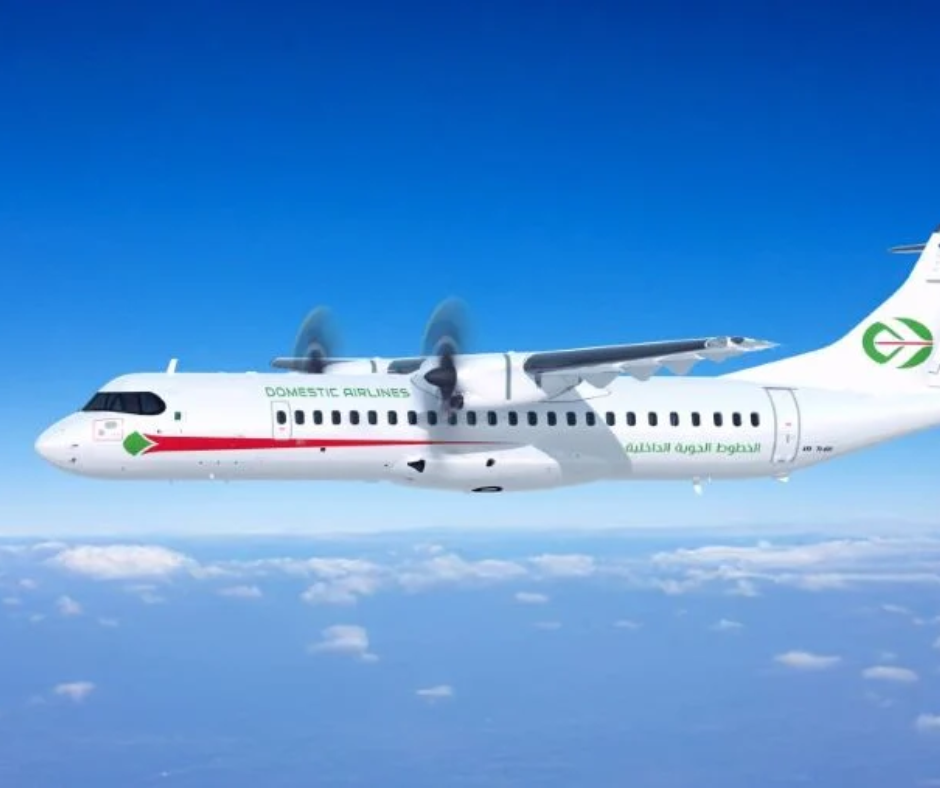
Because Algeria is the largest country in Africa, domestic flights are often a necessity rather than a luxury if you plan to visit the Sahara. Air Algérie and Tassili Airlines operate frequent flights from Algiers to southern hubs like Djanet, Tamanrasset, and Timimoun. A flight to the deep south takes about two hours, whereas the same journey by road could take over two days of constant driving through the desert.
Booking domestic flights should be done well in advance, particularly during the winter trekking season from October to March. Prices are relatively stable but the small planes serving remote oases can fill up quickly. You can book these flights online, but many travelers find it easier to visit an Air Algérie office in person once they are in the country to handle any changes or specific luggage requirements.
Internal flights depart from the domestic terminal at Houari Boumediene Airport, which is separate from the international terminal. Ensure you allow enough time to transfer between terminals if you are connecting from an international flight. Security at domestic airports is thorough, and you will be required to show your passport and ticket multiple times, so keep your documents easily accessible.
Airport Transfers: Houari Boumediene to Algiers
When you land at Houari Boumediene Airport, you have several options for reaching the city center. The most convenient method is to use a ride-hailing app like Yassir or Heetch, which will cost between 1,500 and 2,500 DZD. There is a designated pickup area for these services, though you may need to communicate with your driver via the app's chat feature to find their exact location.
Official airport taxis are available 24/7 outside the arrivals hall. These drivers are registered, but they rarely use meters for tourists. You should expect to pay between 2,000 and 3,000 DZD for a ride to the center of Algiers, with higher rates applicable after dark. Always confirm the final price before the luggage is loaded into the trunk to avoid misunderstandings upon arrival at your hotel.
For budget-conscious travelers arriving during the day, there is a shuttle bus that runs between the airport and the Place Maurice Audin in the city center. The bus is inexpensive, costing about 50 DZD, and runs roughly every 30 minutes. However, the bus can be difficult to manage if you have multiple large suitcases. A railway station at the airport also connects to the central Agha station, though the frequency of these trains can be limited, so checking the schedule on the SNTF app before you land is highly recommended.
Logistics, Fares, and Traveler Etiquette
Cash is the primary currency for all forms of public transport in Algeria. While you might use a card to book a flight online, you will need Algerian Dinars (DZD) for the metro, buses, trains, and taxis. It is helpful to carry a variety of denominations, as taxi drivers and bus conductors often struggle to provide change for large 1,000 or 2,000 DZD notes. Currency exchange is best handled at the airport or official banks, though many travelers use the informal exchange markets for better rates.
In terms of etiquette, it is polite to offer your seat to the elderly or pregnant women on the metro and buses. On long-distance transport, it is common for passengers to share snacks or conversation, though it is perfectly acceptable to remain quiet and enjoy the view. When taking photos at stations, be mindful of the fact that photographing government buildings, police, or military personnel is strictly prohibited and can lead to your equipment being confiscated.
Safety is generally good on public transport, but basic precautions apply. Keep your phone and wallet in your front pockets or a zipped bag in crowded stations. If you are traveling in a group, it is often cheaper and more convenient to hire a private driver for a day of sightseeing through a reputable agency or your hotel. This allows you to visit multiple sites without the stress of navigating various transit hubs.
Mastering the public transport system in Algeria allows you to see the country through the eyes of the people who live there. Whether you are taking the metro to the Casbah or flying over the dunes to Djanet, these connections are the threads that make your journey possible.
Read also:
Algeria Travel Costs 2026: Complete Daily Budget Guide ($30-$350
Algeria Solo Travel 2026: A Complete Safety & Logistics Guide


