
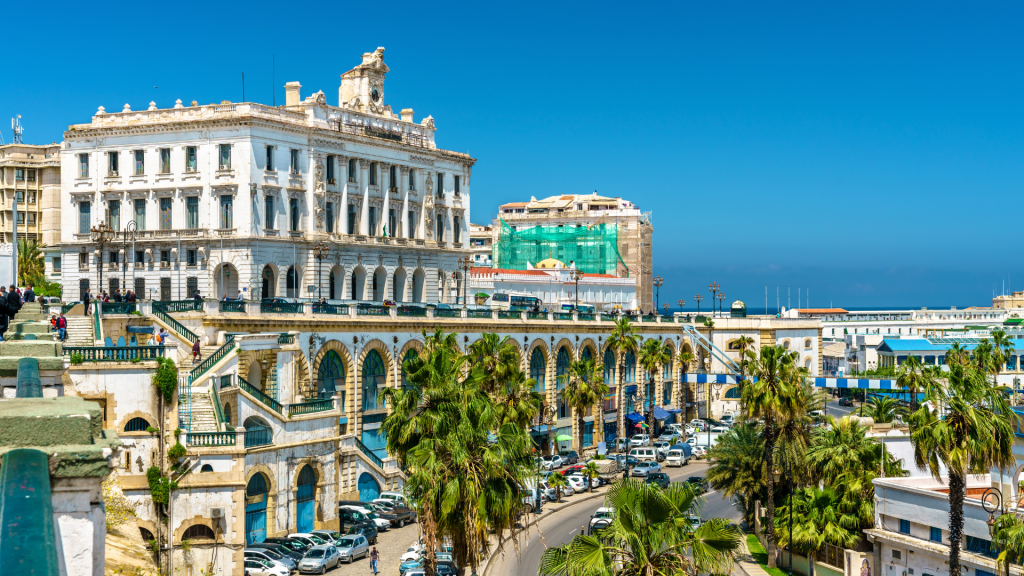

Summer works in Algeria if you stay in the north: swim on the Mediterranean in the morning and see Constantine, Tlemcen or Timgad early or late in the day. Leave the Sahara until October, because desert towns such as Ouargla and In Salah pass 40°C day after day in July and August.
The coast is humid, with highs around 30 to 33°C. The inland cities are drier and a few degrees hotter, and from July Algerian families fill the beaches. Below: where to go, how to plan your day around the heat, and the figures from summer 2026 worth knowing before you book for 2027.
Algeria’s Summer Climate: Coast, Highlands and Desert
Algeria has three summer climates. The coast (Algiers, Oran, Annaba) is Mediterranean: Algiers averages highs of about 32°C in July and August, nights around 20°C, and the air is humid. The northern highlands around Constantine, Batna and Tlemcen are hotter by day and a little cooler at night. South of the Saharan Atlas it is desert heat, which is why the Saharan season runs from about October to April.
Summer weather by city
Average daily high and low in °C, from the long-term climate tables for each city's weather station (1991 to 2020 for Algiers, Oran and Tlemcen).
| City | June | July | August | September |
|---|---|---|---|---|
| Algiers | 29 / 16 | 32 / 19 | 33 / 20 | 30 / 18 |
| Oran | 29 / 18 | 32 / 20 | 32 / 21 | 29 / 18 |
| Annaba | 28 / 17 | 31 / 19 | 32 / 20 | 29 / 19 |
| Béjaïa | 25 / 17 | 29 / 19 | 29 / 20 | 28 / 19 |
| Constantine | 31 / 15 | 35 / 18 | 35 / 19 | 29 / 16 |
| Tlemcen | 30 / 16 | 33 / 20 | 34 / 20 | 30 / 18 |
| Ghardaïa | 37 / 24 | 40 / 27 | 40 / 26 | 35 / 22 |
| Tamanrasset | 36 / 23 | 36 / 23 | 35 / 23 | 34 / 21 |
Two things stand out. The coast barely changes between July and August, and September is still summer, only a degree or two cooler. Tamanrasset, at about 1,320 m, is cooler than Ghardaïa by day, but like the rest of the deep south its travel season only starts in October.
Sea, rain, daylight and crowds
| What you're planning around | What summer brings |
|---|---|
| The sea | About 22°C in June, 24°C in July, 25 to 26°C in August |
| Rain | Almost none: Algiers averages under 2 mm in July |
| Daylight | About 14.5 hours in late June: sunrise around 05:30, sunset around 20:10 in Algiers |
| Crowds | Mid-July to the end of August, when Algerian families are on holiday |
| When we'd go | June or September for the coast; October onward for the Sahara |
How Hot It Gets: Coast vs Inland
Algiers, Oran and Annaba usually get a sea breeze in the afternoon, so the seafront is pleasant from about 5 pm. The catch is humidity: 30°C on the coast can feel heavier than 35°C inland, and the nights stay warm, so check that your room has air conditioning.
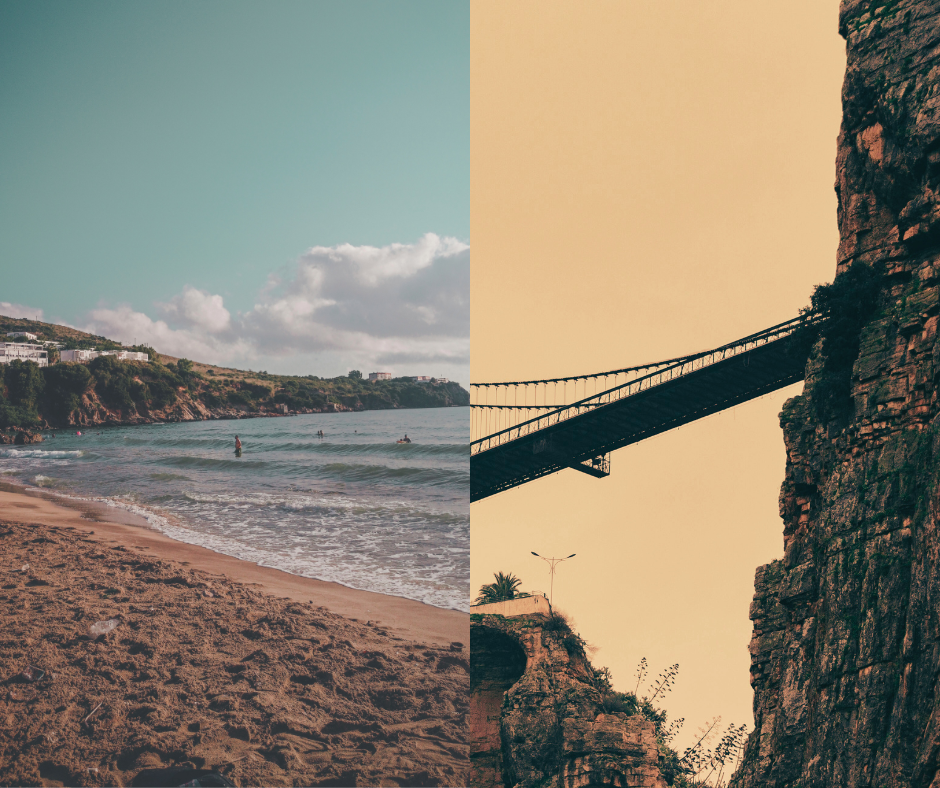
Inland the air is drier and the days hotter. Constantine, at about 690 m, averages 35°C in July, and Batna, the base for Timgad at about 1,050 m, around 33°C, though both drop into the high teens at night. Dry heat feels easier but dries you out faster. Timgad's Roman streets have almost no shade, so carry at least a liter and a half of water each for a morning visit.
Sirocco and heatwave days
A few times each summer the sirocco, called chehili in Algeria, blows hot, dry and dusty air up from the Sahara. On those days the coast loses its sea breeze and temperatures can jump by 10°C in a few hours. In August 2025 the national weather office (ONM) forecast 41 to 45°C in the shade for coastal wilayas from Aïn Témouchent and Oran to Algiers.
When that happens, change the plan rather than push through it. Stay indoors from late morning to late afternoon, drink more than you think you need, and move the ruins to the next day. The ONM issues special weather bulletins (BMS) before heatwaves, and Algerian news sites and TV relay them.
Adapting Your Schedule to the Sun
Daily life shifts with the heat. Shops and markets do most of their business in the morning, many close for a few hours after lunch, and the streets fill again in the early evening. Friday, the start of the Algerian weekend, is the slowest day, and many shops stay shut until after the midday prayer.
Copy that rhythm. Do the physical things, such as a walk in Gouraya National Park or a visit to Timgad or Djemila, in the first few hours after sunrise. Take a long lunch in the shade and go back out in the late afternoon, when families come out for the evening walk. July and August are also forest-fire season in the wooded hills behind the coast, so check local news before a hike and never light a fire or a stove in the forest.
Beating the Heat at Algeria’s Best Beaches
The coastline runs about 1,200 km (998 km by the CIA's simplified measure), and in July and August it is where most of Algeria goes on holiday. Of its 657 beaches, 470 were authorized for swimming in summer 2026.
Those have Civil Protection lifeguards from 9:00 to 19:00, and under the 2026 rules at least 70% of each one has to stay free for anyone to use. Swim only at authorized beaches, where a lifeguard is on duty. Our Algeria beach guide picks out ten beaches, from the coves of Ain Temouchent in the west to Messida near El Kala.
How warm is the sea?
| Sea temperature (°C) | June | July | August | September | October |
|---|---|---|---|---|---|
| Algiers | 21.6 | 23.9 | 25.1 | 24.3 | 21.9 |
| Oran | 21.7 | 24.1 | 25.3 | 24.1 | 21.9 |
| Annaba | 22.2 | 24.7 | 25.7 | 24.9 | 22.8 |
Long-term averages of NOAA satellite sea-surface readings. The water is warmest in August, but September is almost as warm and the beaches are far emptier once Algerian schools go back. For swimming without the crowds, September is the month we'd choose.
The Wild Coves of Jijel and Béjaïa
The forested corniche between Béjaïa and Jijel is the stretch we'd pick for clear water and scenery. In Béjaïa, Gouraya National Park (created in 1984) runs right down to the sea. You can walk out toward the Cap Carbon lighthouse, built in 1906 about 220 m above the water, then go down to Les Aiguades, a small pebble cove with tea and snack sellers. Start early: the headland has little shade by midday.
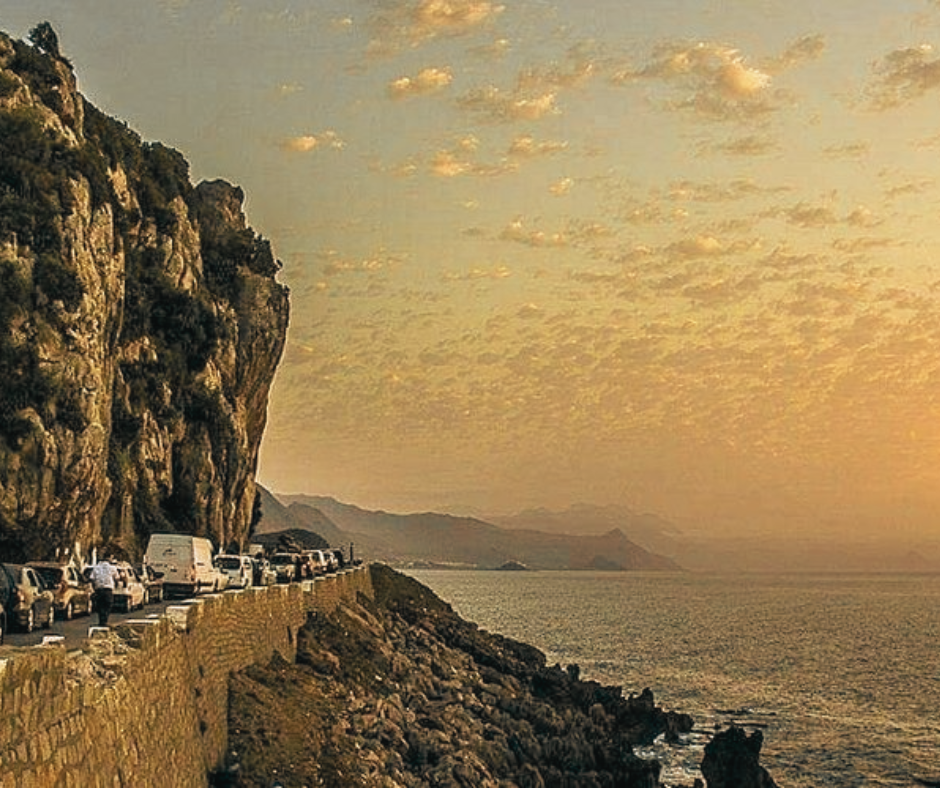
Near Jijel, the Grottes merveilleuses at Ziama Mansouriah, about 35 km west of town on the corniche road, make a good break from the August heat. The caves were found in 1917 during road building and stay at about 18°C all year. Close by is the Plage Rouge (Red Beach), named for its reddish sand and rocks.
Don't expect solitude, though. Jijel is one of the most popular summer destinations for Algerian families, and its beaches and hotels are full in August.
Family-Friendly Beaches in Annaba and El Kala
Annaba has the easiest town beaches in the east. Rizzi Amor (still often called Chapuis) and Rezgui Rachid (the old Saint-Cloud) are on the corniche about 3 km from the center, with cafes and snack bars along the road behind them. Both are packed with families on summer weekends, so come early or on a weekday.
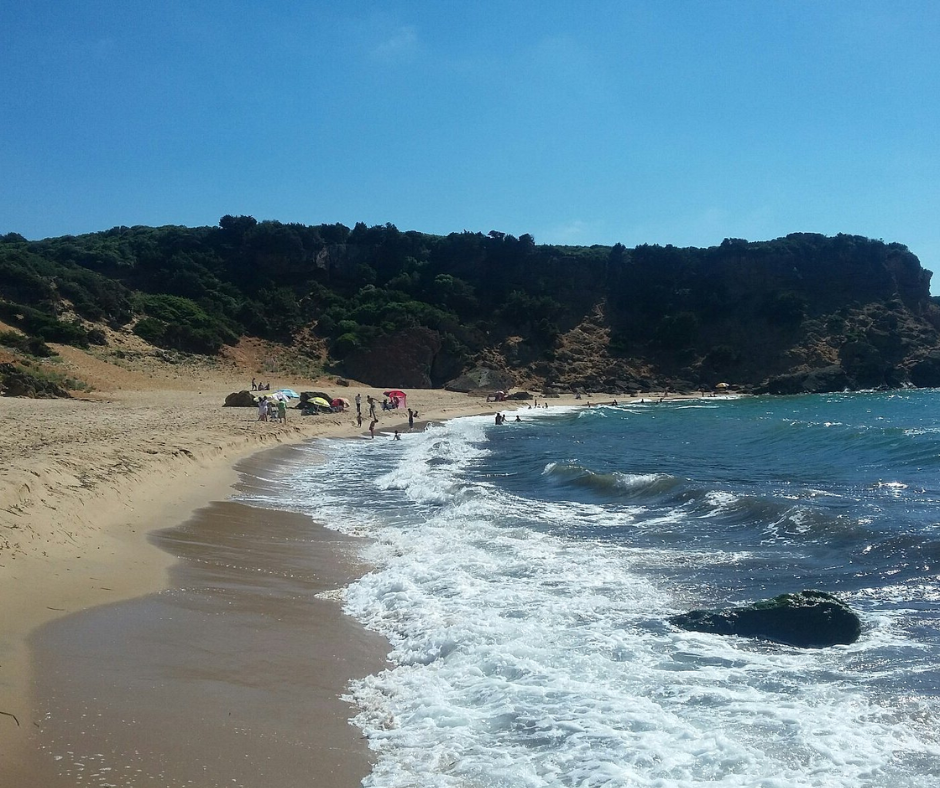
Further east, El Kala is a small port surrounded by the lakes and forests of El Kala National Park, and Messida, east of town, is a long stretch of fine sand popular with families. Because El Kala is near the Tunisian border, read the official travel advice for the area as it stands when you go, and confirm your insurance covers you there.
Experience in Annaba: Explore Annaba: Algeria’s Best-Kept Coastal Secret
Top Summer Destinations in Northern Algeria
Leave the Sahara for the cooler months; the north has plenty for a summer trip. Constantine in the east and Tlemcen in the west are the two cities we'd add to a beach holiday, and the Roman towns of Timgad and Djemila (both on the UNESCO list since 1982) are best seen at opening time.
Once the weather cools in autumn, Djanet and the Tassili n'Ajjer join the list of things to do in Algeria. We run our trips down there with a licensed Algerian agency and Tuareg guides, and the people who go are often surprised at how relaxed and welcoming the deep south turns out to be.
Constantine, the City of Bridges
Constantine is built on a rock plateau split by the Rhumel gorge, with bridges tying the old town to the rest of the city. Its height (about 690 m) does not make it cool: average highs are around 35°C in July and August, though nights drop below 20°C. Cross the Sidi M’Cid suspension bridge (opened in 1912), strung about 175 m above the river, before the heat builds.
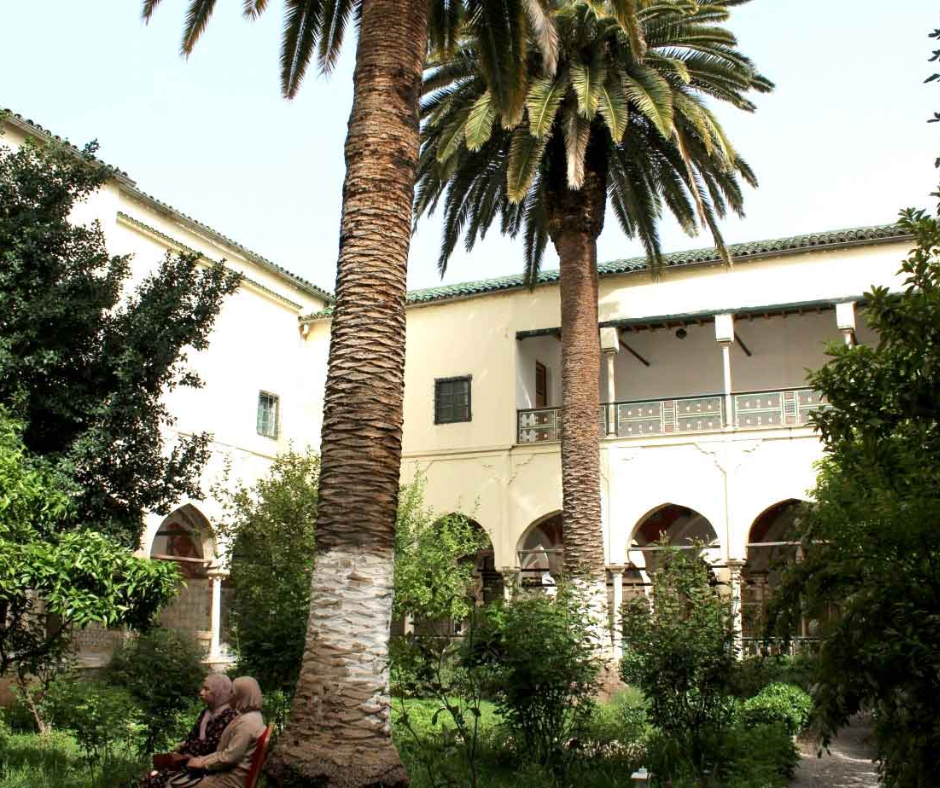
Spend the middle of the day in the Palace of Ahmed Bey, built between 1825 and 1835 for the last bey of Constantine. Its marble-columned galleries and inner gardens of orange trees and palms stay cooler than the streets outside, and more than 2,000 m² of its walls are painted with scenes of the bey's travels.
Also read: Constantine, Algeria: Best Things to Do
Tlemcen's Andalusian Mosques and Monuments
Tlemcen, in the far northwest not far from the closed Moroccan border, was the capital of the Zayyanid kingdom from the 13th to the 16th century, and its mosques are built in the Hispano-Moorish style also seen in Granada and Fez. The Great Mosque was founded in 1082 under the Almoravids, and its mihrab dome is dated 1136. On the western edge of town stand the walls and the 38 m minaret of Mansourah, the city the Marinids built while besieging Tlemcen around 1299 to 1307.
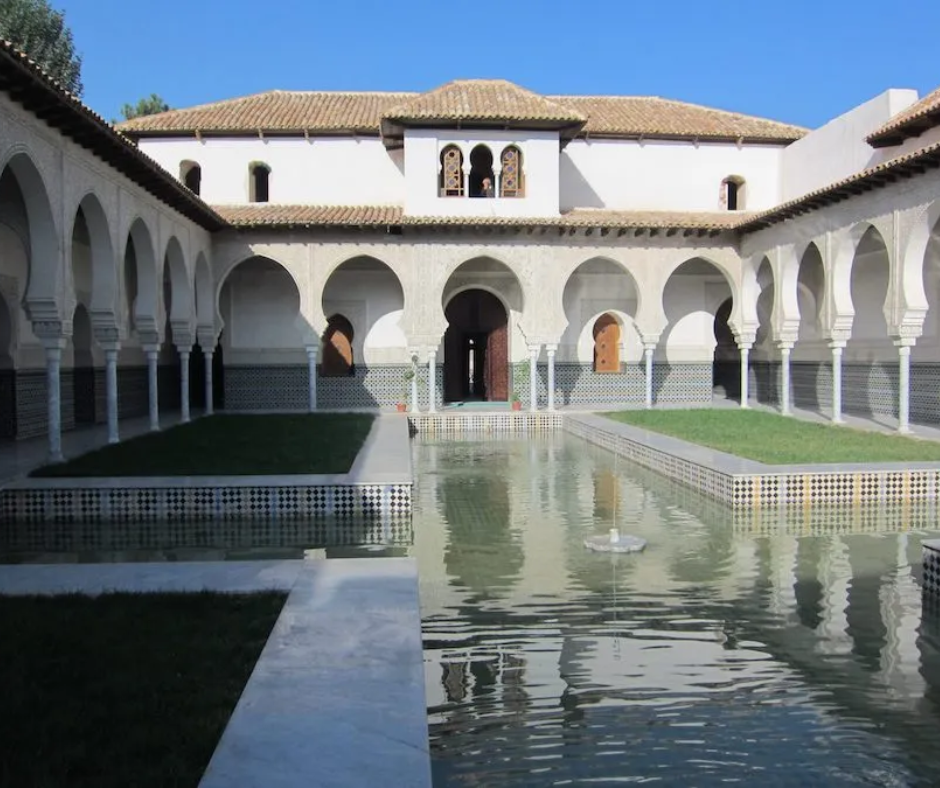
Tlemcen sits at about 840 m, but it is no cool escape: July and August highs average 33 to 34°C, a little above Algiers. Go up to the Lalla Setti plateau above the city in the late afternoon for the park and the view over town, and save the mosques for the morning.
Booking Ahead in High Season
July and August are Algeria's own holiday season. Coastal hotels, ferries and trains fill up with Algerian families and with Algerians living abroad who come home for the summer, so book coastal rooms several weeks ahead for August. Check the dates of Algeria's public holidays too: Independence Day on 5 July is a national holiday and a peak beach day, and in 2027 Mawlid is expected around 14 or 15 August, right in the busiest weeks.
June, July, August or September?
| Month | Weather | Crowds | Dates to know | Best for |
|---|---|---|---|---|
| June | Warm, sea around 22°C | Quiet beaches on weekdays | Ashura around 15 June 2027 (Sebeïba in Djanet) | Sightseeing plus a first swim |
| July | Hot and humid on the coast | Beaches fill from mid-month | 5 July, Independence Day; Timgad festival (9 to 13 July in 2026) | Festivals and beach evenings |
| August | Hottest month, sirocco days possible | Peak: book rooms weeks ahead | Mawlid around 14 to 15 August 2027 | Seafront nightlife, if you don't mind crowds |
| September | Still hot, sea at its warmest after August | Families leave as schools go back | Malouf festival in Constantine (20 to 24 September in 2025) | Swimming without the crowds |
Domestic Flights and Trains
Even northern distances add up: Algiers to Oran or to Constantine is about 400 km by road, around five hours. For the long hops we'd fly. Oran, Constantine, Annaba and Tlemcen are each about an hour from Algiers on Air Algérie or its subsidiary Domestic Airlines (the former Tassili Airlines). Book a few weeks ahead in summer and leave slack for delays.
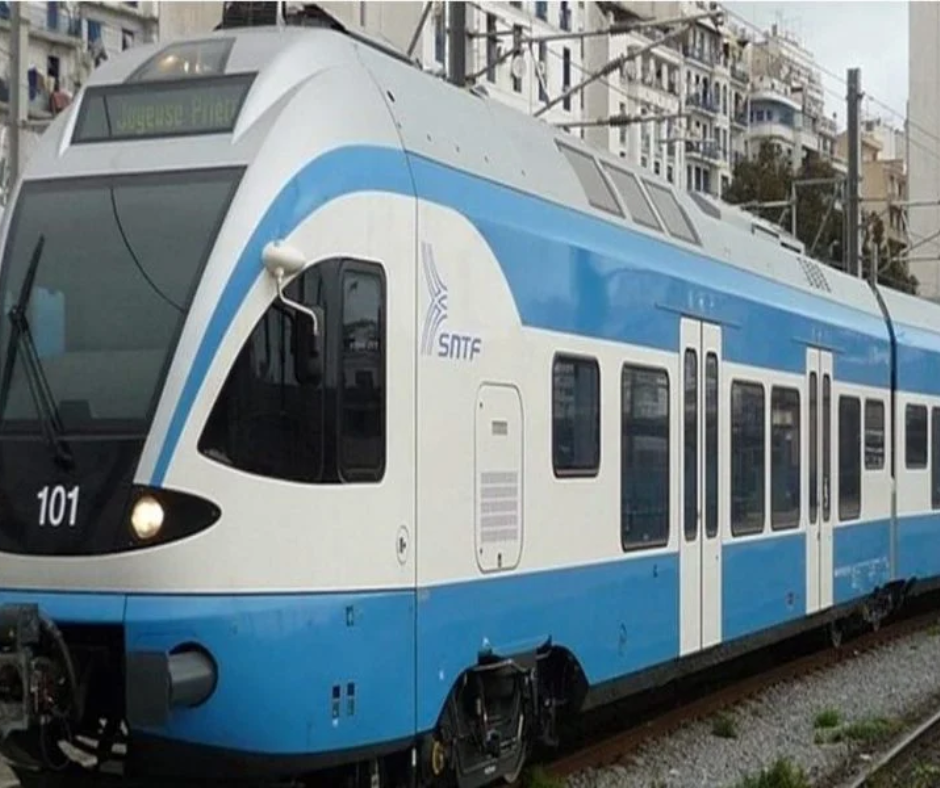
SNTF's Algiers to Oran line runs inland, not along the coast. The fastest Coradia took about 4 h 40 on the April 2026 timetable. The Coradias are air-conditioned, older trains not always, so in summer buy your ticket a day ahead and bring water.
Also Read: Algeria Public Transport: Trains, Buses, Flights
Getting Around Cities with Ride-Hailing Apps
In cities, ride-hailing apps beat waiting on a hot street corner. Yassir is the market leader, and Heetch and TemTem also operate; Uber does not work in Algeria. The fare shows before you book, but many drivers expect cash and some apps need a local number (SIM cards are registered with your passport).
Summer Food and Staying Hydrated
Coping with the heat comes down to drinking enough and eating light in the middle of the day. Summer menus help: more salads, grilled fish and fruit, and fewer heavy sauces at lunch.
Juices and cold drinks
Fresh juice is easy to find. Juice bars in the big cities press orange and lemon and blend fruit cocktails to order. The summer classic is citronnade, a lemon drink of juice, sugar and water, sometimes with mint or orange-blossom water.
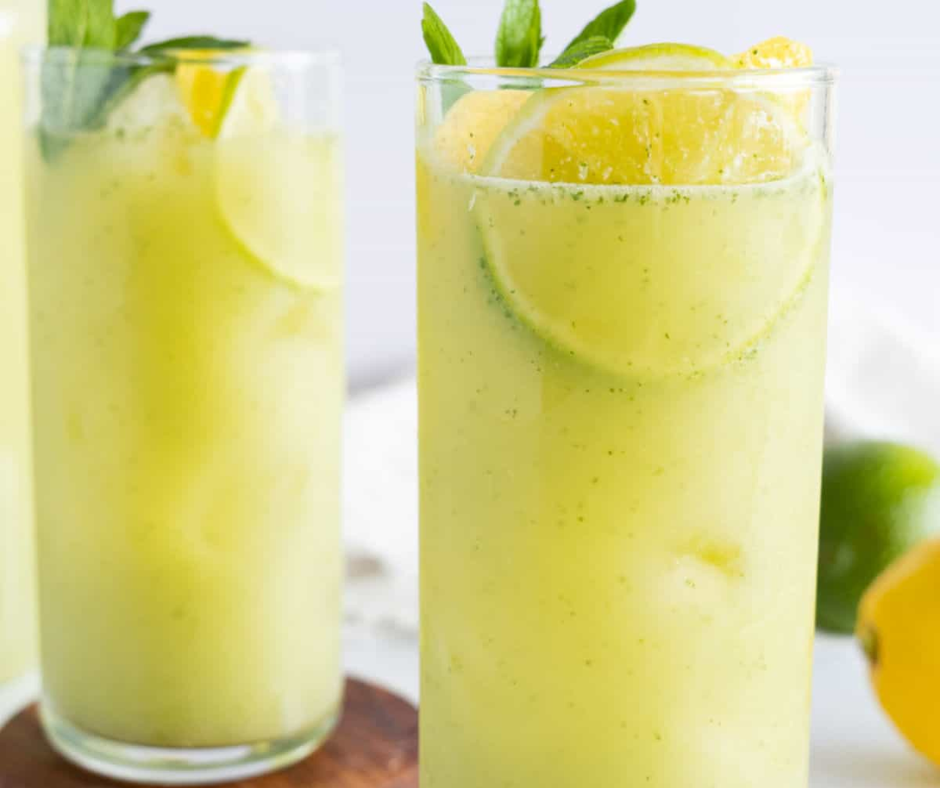
For something more local, try lben, a slightly sour fermented buttermilk sold chilled in cartons in corner shops, or Raïb, milk left to set into a soft, yogurt-like curd. Lben is the classic drink with a summer couscous or a piece of flatbread, and a good one on a hot afternoon.
Eating light: grilled fish and summer fruit
At 35°C, a big plate of couscous at lunch can be too much. On the coast, order grilled fish instead; sardines are the cheap summer staple, served with salad and bread. Summer is also the season for watermelon, melons and grapes, and from late July for figs and prickly pears.
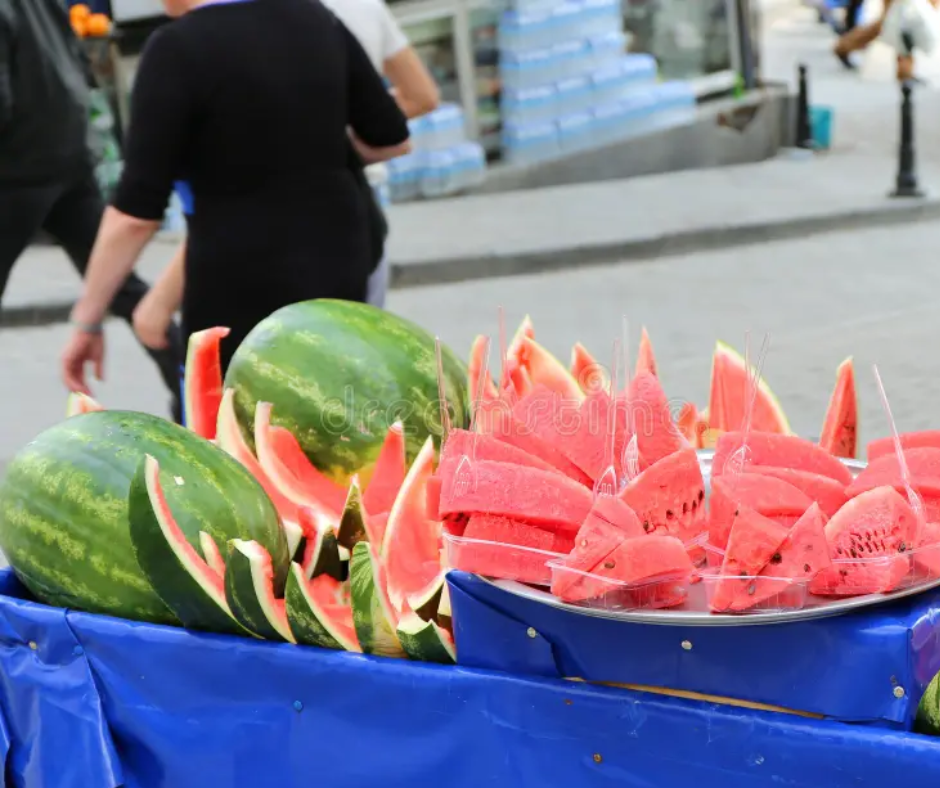
Roadside stalls sell whole watermelons all summer, and markets sell chilled slices. For visas, money and getting around the rest of the country, you can explore our full Algeria guide.
For the rest of the menu: Algerian Street Food: What to Eat and Where
What to wear in the heat, and how to behave
On the beach and in central Algiers or Oran, few people mind what you wear; small towns, inland cities and the south are more conservative. In summer that means finding clothes that cover you and still let the air through.
Dressing for Modesty and Airflow
Loose cotton or linen that covers your arms and legs keeps the sun off and stays cooler than tight synthetic clothes. Away from the beach, people expect shoulders and knees covered. Men are fine in light trousers in town, and knee-length shorts are common on the coast.
Women usually find midi or maxi skirts, loose trousers and tunics the most useful. Carry a light scarf: it keeps the sun off your neck, and women need one to cover their hair in a mosque.
The summer bag
- Loose linen or cotton clothes that cover shoulders and knees
- A wide-brimmed hat and sunglasses
- Sunscreen, reef-safe
- A refillable bottle for water
- A light scarf, for sun on the neck and covering your head in a mosque
- Swim shoes, because the coves of Béjaïa and Jijel are pebbly
- A light sweater for evenings up in Constantine, Batna or Tlemcen
More on packing: What to Wear in Algeria
Evenings out, and asking before photos
Once it's dark, everyone heads for the seafronts, squares and cafes, and in August families stay out until late. Join them; the evening walk on the seafront is one of the best parts of a summer day here. Ask before you photograph anyone, especially women and children, and in conservative neighborhoods expect some people to say no. Keep displays of affection low-key (holding hands is about the limit).
Festivals and Entertainment After Dark
Summer is festival season in the north. Many concerts are open-air and free or cheap, and they start after dark when the heat drops.
The catch is that dates are often announced late and some festivals skip years, so check close to your trip. The main events, including Dimajazz in Constantine and the S'boue of Timimoun, are in our festival calendar for Algeria. In 2027 the S'boue is expected around 21 to 22 August, in the worst of the Saharan heat.
Music and Culture at Timgad and Oran
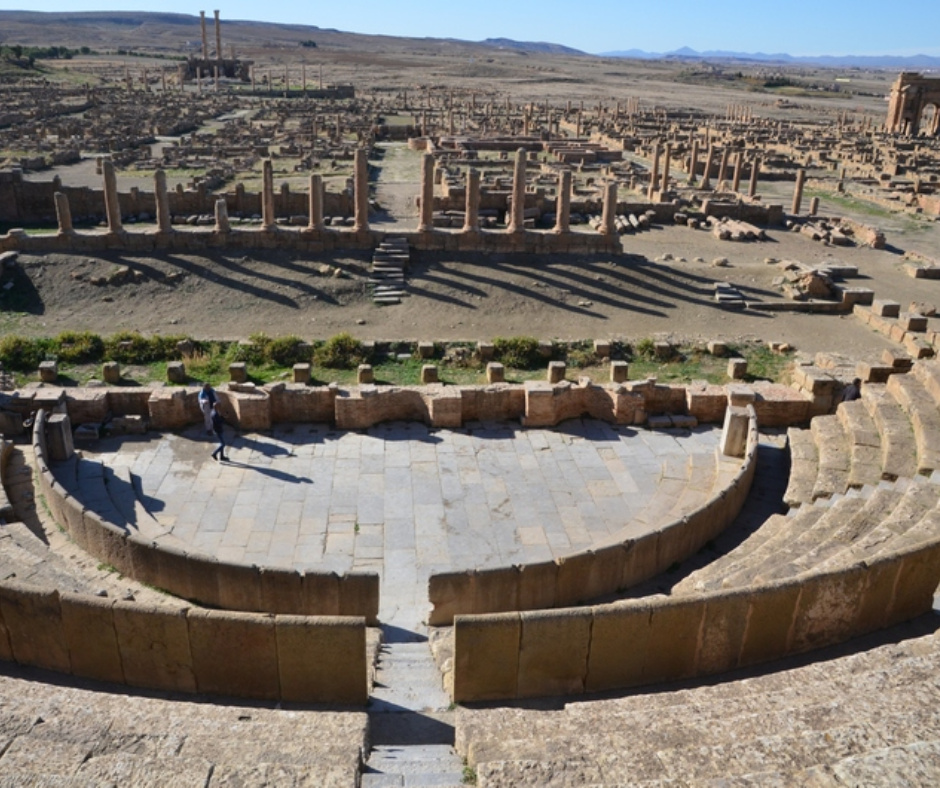
The Timgad International Festival is the best-known summer event. Its 43rd edition ran from 9 to 13 July 2026, after a three-year break.
The concerts, with Algerian and international artists, are held in a modern open-air theater built next to the Roman site; the festival moved out of the ancient theater around 2010 to protect it. See the ruins in the morning and come back for the music at night. Trajan founded Timgad in AD 100, and its grid of streets is still almost complete.
Oran is the home of raï, the popular folk song that grew up in the Oran region in the early 20th century and joined UNESCO's intangible heritage list in 2022. Its festival has usually run in August at the Hasni Chekroun open-air theater in central Oran; in 2025 the Oran nights were in the third week of August, after four nights in Sidi Bel Abbès. A ministerial order published in July 2026 created a new international raï festival in Oran and moved the national one back to Sidi Bel Abbès, so check where and when the next edition runs.
If you are in Oran for the concerts, spend the morning on the coast: the walk down to the coves of Cap de l'Aiguille is a favorite in our guide to Oran's beaches.
Evening Life in Algiers and Beyond
No festival? The seafronts are the entertainment. In Algiers, families crowd the Sablettes promenade in the evening for snack stalls and the sea breeze, and in summer 2026 it hosted the Summer in Music festival (15 to 21 August), a week of free evening concerts. Oran's Front de Mer and Annaba's Cours de la Révolution fill up the same way once the heat breaks.
FAQ
Is it too hot to visit Algeria in summer?
Not in the north. The coast averages 31 to 33°C in July and August, and inland cities such as Constantine about 35°C, which is manageable if you sightsee early and late. The Sahara is too hot: Ghardaïa averages about 40°C in July, so leave the desert for October to April.
What is the sea temperature in August?
About 25°C off Algiers and Oran and close to 26°C off Annaba, the warmest of the year. It stays around 24 to 25°C in September and only drops to about 22°C in October, so the swimming season runs from June well into autumn.
Does it rain in Algeria in summer?
Very little. Algiers averages under 2 mm of rain in July and Oran under 1 mm; apart from the odd thunderstorm over the inland mountains in late August or September, expect dry, sunny days.
Are Algerian beaches crowded in summer?
Yes, from mid-July to the end of August, and worst on Fridays and Saturdays, when town beaches near Algiers, Oran, Annaba and Jijel are full by late morning. Go early, swim on weekdays, or come in June or September.
Is Algeria more expensive in July and August?
Coastal hotels, ferries and domestic flights are in highest demand, and rooms near the beaches sell out, so book weeks ahead and expect higher rates. Rental cars were listed 20 to 30% higher in July and August 2026. Food, transport in town and entry fees stay the same all year.
Who Should Go to Algeria in Summer
Summer suits you if you want beaches and evenings out, can handle 30 to 35°C, and don't mind starting your sightseeing at 7 am. It doesn't suit a trip built around the Sahara, or anyone who wants quiet beaches in August. For comfort we'd pick June or September: the sea is warm and the coast is less crowded, and by late September the Saharan season is only weeks away.
If you want help fitting the coast, Constantine and Tlemcen into one summer route, we are always here to help. We can plan the route, arrange the transfers between cities and have a driver waiting when you land in Algiers.


