


To travel cheaply in Algeria, budget about $30 to $60 a day per person; mid-range comfort costs $70 to $140, and luxury $200 to $350 or more, flights and visa not included. How far those dollars go depends mostly on how you pay: cash changed on the informal market, or a card at the official rate.
The figures below are our estimates for autumn 2026, with prices in dinars (DZD) and both conversions where they matter. For visas, safety and where to go, start with our travel guide to Algeria. This page is all about the money.
Daily budget tiers for travelers in Algeria
The tiers are per person per day and assume you pay most things in cash dinars changed informally, at about 237 DZD to the US dollar (autumn 2026). Pay by card or withdraw from ATMs at the official rate of about 134 DZD, and the same day costs about 77% more in dollars. After that, where you sleep and how far you travel each day move the total most.
Budget: $30 to $60 a day, or about 7,000 to 14,000 DZD at the informal rate (the same dinars would cost about $52 to $105 by card). For that you get a room in a guesthouse or simple hotel (about 4,000 to 7,000 DZD a night, more in Algiers), street food and popular restaurants, and buses, metro and trams in the cities: Algiers has one metro line and a tram, and Oran and Constantine each run a tram as well.
Sightseeing stays cheap if you go DIY, since most museums and Roman sites charge a few hundred dinars. If that is your style, our notes on backpacking Algeria cover the cheapest ways to move between cities.
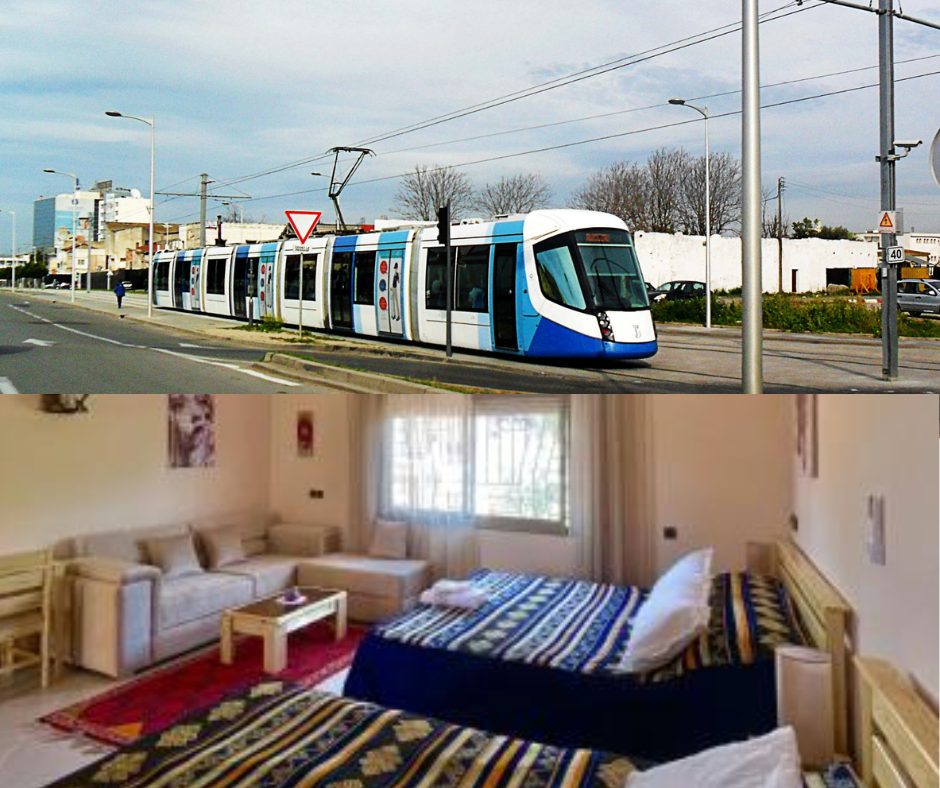
Mid-range: $70 to $140 a day, about 16,500 to 33,000 DZD at the informal rate. That pays for a three-star hotel, Yassir or Heetch rides instead of buses, sit-down meals, a local guide for a morning in the Casbah, or a domestic flight to skip a long overland leg. Hotels booked online are charged at the official rate, so if you book every room ahead, expect to land near the top of this band.
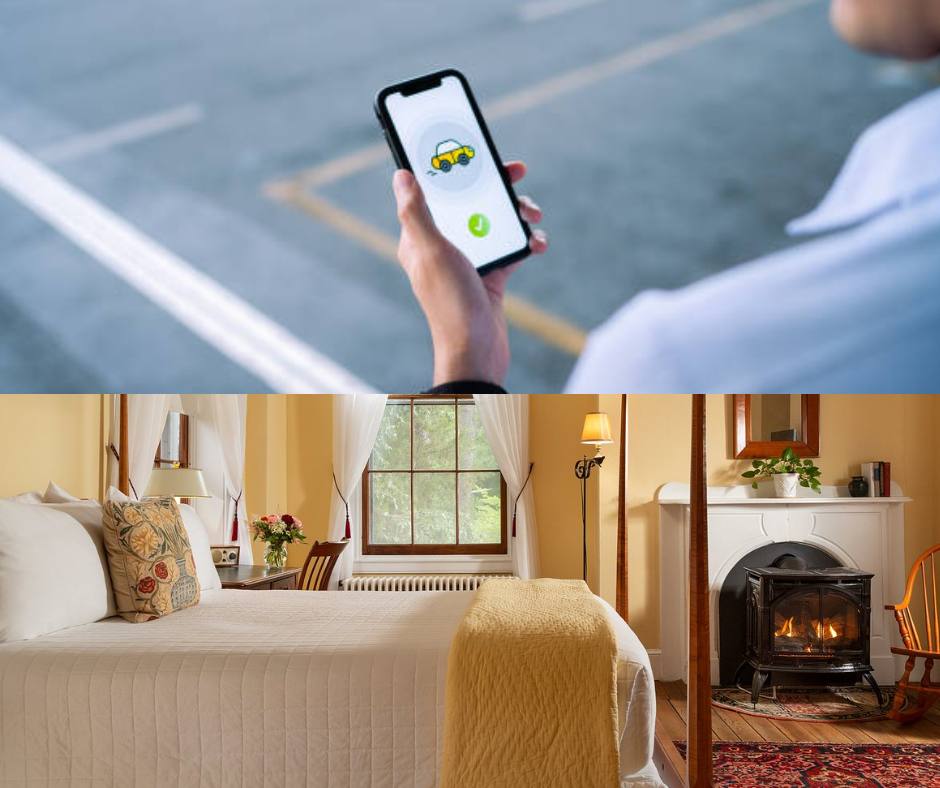
Luxury: $200 to $350 or more a day. This covers international hotels such as the Sofitel in Algiers or the Royal Hotel in Oran, a private car and driver for regional trips, and fully catered desert tours. At this level most bills are paid by card or booked from abroad at the official rate, so the informal-market saving mostly disappears. Note that international-standard hotels are mostly in Algiers, Oran and Constantine; in the deep south the best beds are in guesthouses and desert camps.

Cash versus card prices in Algeria
The dinar price is the same however you pay; what changes is how many euros it takes. These are autumn 2026 prices, converted at about 275 DZD to the euro for cash changed locally and about 150 for anything on a card or from an ATM.
| What you're buying, in dinars | Euros, cash changed locally | Euros, by card or ATM |
|---|---|---|
| Guesthouse or budget hotel night: 4,000 to 7,000 DZD (more in Algiers) | €14.50 to €25.50 | €27 to €47 |
| Street meal, mhadjeb or karantika with a drink: 150 to 300 DZD | €0.55 to €1.10 | €1 to €2 |
| Three courses in a local restaurant: 1,200 to 2,500 DZD | €4.40 to €9.10 | €8 to €17 |
| Taxi from Algiers airport to the center: 1,500 to 2,500 DZD | €5.50 to €9 | €10 to €17 |
| Algiers to Oran, Coradia train, 2nd class: 1,130 to 1,350 DZD | €4.10 to €4.90 | €7.50 to €9 |
| 30-day SIM data pack: 1,000 to 2,000 DZD | €3.65 to €7.30 | €6.65 to €13.30 |
The Algerian dinar: cash, cards and exchange rates
Everyday Algeria runs on the dinar (DZD), and mostly on notes. A foreign Visa or Mastercard will get you through the big international hotels, airline offices and a handful of upscale shops and restaurants in Algiers or Oran, and not much further. Taxis, cafés, markets and guesthouses want cash, and in the south almost nothing else is accepted. Carry enough for each day plus a reserve for emergencies.
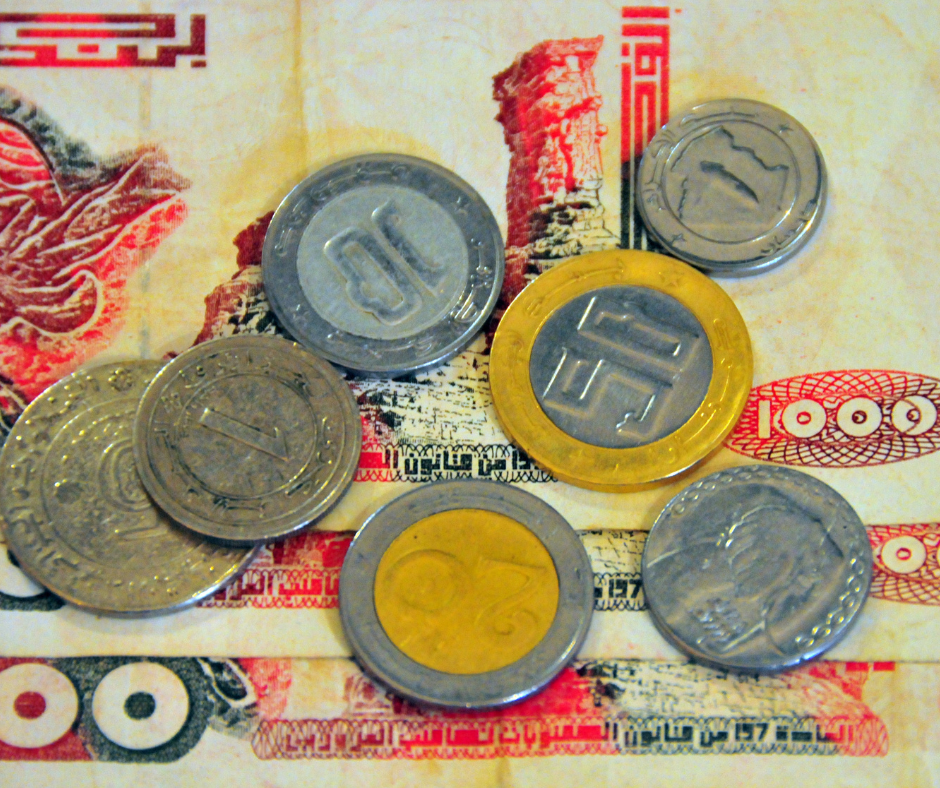
Bring euros or dollars in cash, because the rate you get depends on where you change them. Banks and ATMs pay the official rate, about 150 DZD to the euro, or 134 to the dollar, in autumn 2026.
The informal "square" market pays roughly 275 to the euro (237 to the dollar); in Algiers that means Square Port Saïd, and every big city has its own equivalent. Foreign cards often work in city ATMs and at Algiers airport, though that depends on the bank and withdrawal limits are low, and every card payment or withdrawal goes through at the official rate. Put simply, each euro on a card gets you about 45% fewer dinars, which means everything costs about 80% more than it would with cash changed informally.
Strictly speaking, the informal market breaks Algeria's exchange-control rules. In practice it works in the open, and locals and visitors alike use it, since the gap with the official rate is so wide.
The sensible way in is through someone you trust: your guide, host or agency can take you to a changer they know or handle it for you. Count the notes, change modest amounts at a time, and don't change money on the street after dark. Keep customs in mind as well. If you declare more than EUR 1,000 when you arrive, you may be asked for official exchange receipts on the way out, so either change some of it at a bank or arrive carrying under EUR 1,000 in cash.
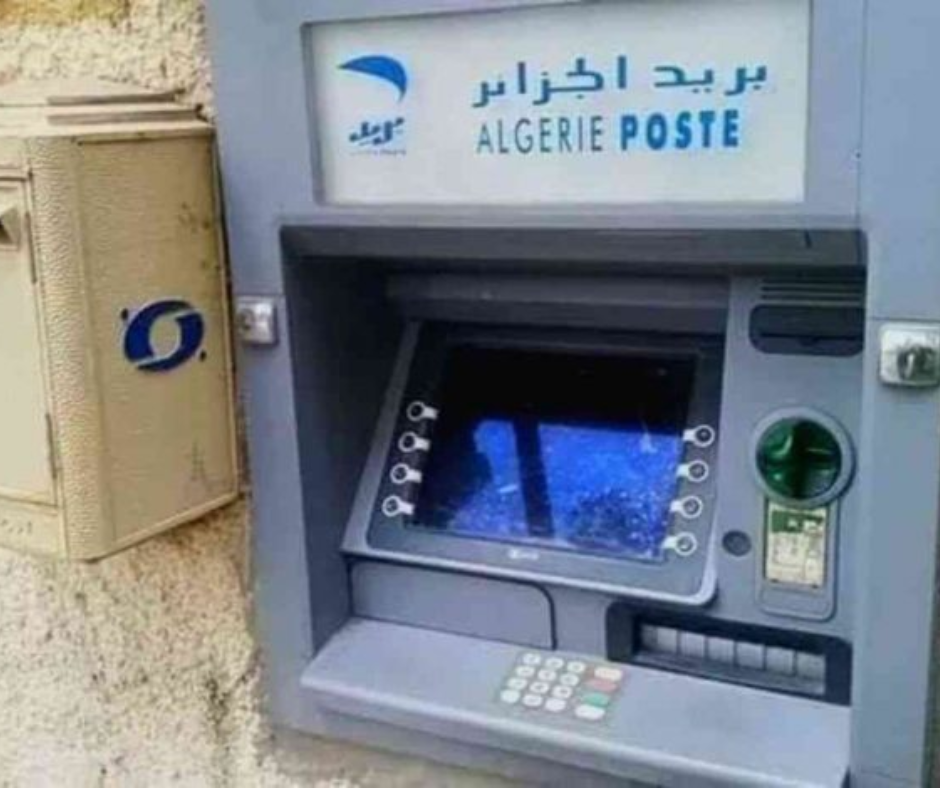
Keep a mix of small notes, because taxi drivers and small shops often can't break a 2,000 DZD note. Before heading to the Sahara or the Aurès Mountains, get enough cash in a big city: ATMs there are few and not always working. Use up your dinars before the flight home, too. Non-residents can't take Algerian banknotes out of the country, and changing them back requires exchange receipts.
Accommodation Costs Across Algeria
Hotels
Lodging is the biggest line in most budgets, and prices vary by city and season. Outside Algiers (the capital costs more), a room in a budget hotel or guesthouse runs about 4,000 to 7,000 DZD a night: roughly $17 to $30 with cash changed informally, $30 to $52 at the official rate. In central Algiers, Hotel Samir on rue Hassiba Ben Bouali is a simple, tidy option from about $45 a night on booking sites, breakfast included.
Three-star hotels in Constantine or Oran usually list at about $40 to $90 a night (the ibis in Constantine starts around $42). For that you get air conditioning, better Wi-Fi and staff used to foreign guests. Anything booked and paid online is charged at the official rate.
International chains and boutique hotels start around $120 and pass $250 in central Algiers. The Sofitel Algiers Hamma Garden, above the Jardin d'Essai, usually lists at about $150 to $260 a night for a standard room. In Oran, the Royal Hotel (part of the MGallery collection) runs about $110 to $220.
Guesthouses
Family-run guesthouses are the better value outside the cities. Non-residents aren't allowed to sleep inside the walled old town of Beni Isguen in the M'zab Valley, so the guesthouses out in its palm grove are where most visitors stay.
At Timgad, the Trajan Hotel is right next to the Roman site, so you can walk in at opening time before the heat and the school groups.
A guesthouse room costs the same 4,000 to 7,000 DZD or so as a budget hotel. Ask when you book whether dinner with the family is included.
Sahara camping
Taghit is the simplest place in western Algeria to spend a night in the dunes, since the town sits right on the edge of the Grand Erg Occidental. Fixed desert camps sit by the dunes, and the Bladi Palace is the hotel option in town.
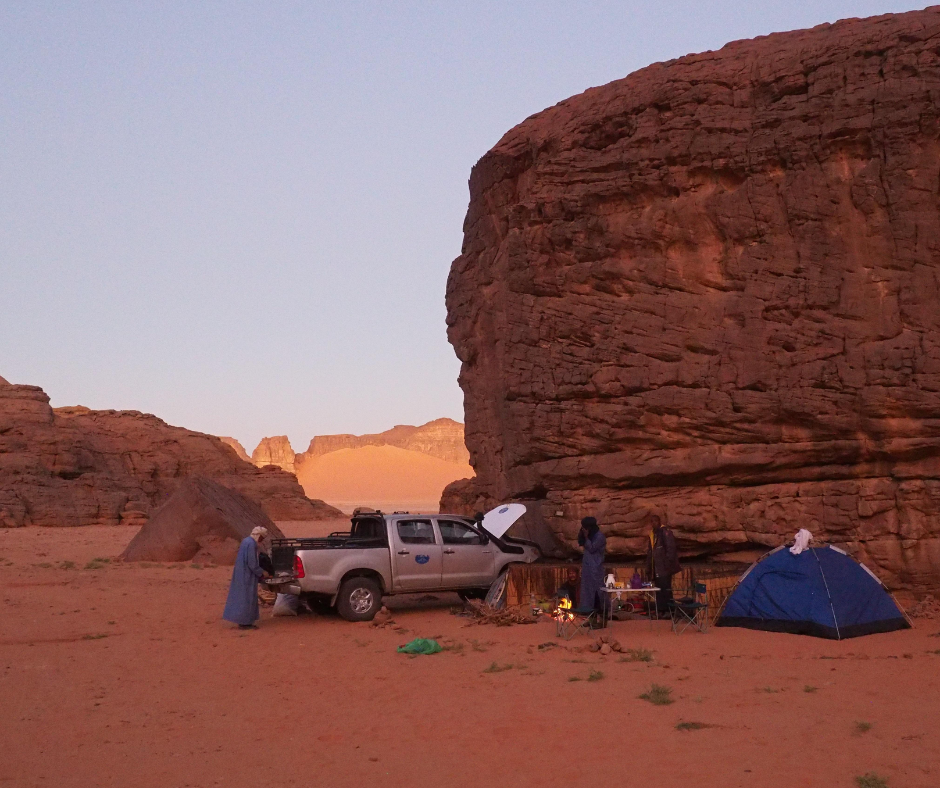
Around El Oued, local guides can set up a similar night in the dunes of the Grand Erg Oriental. Prices for both depend on group size and on whether meals and a 4x4 are included, so ask for a written quote. From December to February, pack warm layers: desert nights get close to freezing.
Couchsurfing
Couchsurfing is the cheapest way to stay in Algeria and the easiest way to eat home cooking: it costs nothing beyond a small gift or a shared meal. Pick a host with detailed reviews, ideally someone who lives with family. One rule to know: under Law 08-11 of 2008, anyone who hosts a foreigner, private individuals included, must declare the guest to the police or gendarmerie within 24 hours, so a careful host will ask for your passport details. Hosts who skip it put themselves at risk.
We recommend booking your experiences and stays at least a few weeks in advance during the peak winter season.
Dining and food costs in Algeria
Food is where Algeria is cheapest. A street meal of two mhadjeb (thin semolina crêpes folded around a spicy tomato and onion filling) or a karantika sandwich (baked chickpea flan in bread) with a drink costs about 150 to 300 DZD: roughly €1 to €2 at the official rate, or €0.55 to €1.10 with cash changed informally. In Oran, where karantika is the signature street food, a plain portion can cost as little as 50 DZD.
Bourek, rolled pastry filled with minced meat, is the other classic, though you'll see it most on Ramadan tables next to a bowl of chorba.
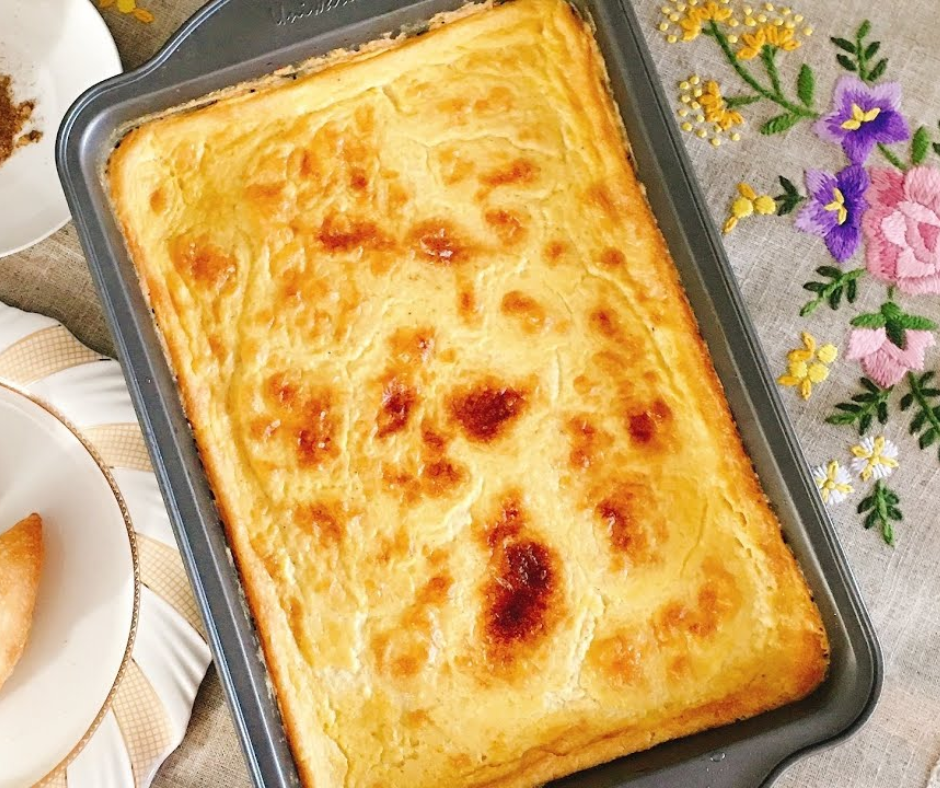
A sit-down meal in a local restaurant, with a starter, a main such as couscous or tajine and a dessert, costs about 1,200 to 2,500 DZD per person: about $9 to $19 at the official rate, or $5 to $10.50 with cash changed informally. A plate of couscous on its own is about 600 to 1,200 DZD. On the coast, fresh fish is often priced by weight, so ask before you order.
Chakchouka, peppers and tomatoes stewed with eggs, is a cheap filler in the same places. In winter, look for snail soup (babbouche), a cold-weather specialty in Oran and the east. In the south, around Ouargla and El Oued, many butchers sell camel meat, which costs less there than beef or mutton.
Coffee costs about 50 to 120 DZD, from a neighborhood café counter to a smarter terrace, and mint tea is in the same range.
To stay hydrated, a 1.5-liter bottle of water from a small shop is roughly 30 to 50 DZD.
Sweets cost very little. A slice of kalb el louz, the syrup-soaked semolina and almond cake, was about 40 DZD from an Oran street stall in 2024, and a piece of baklawa from a pâtisserie is about 100 to 150 DZD. Zlabia, the syrupy fried coil, is mostly a Ramadan treat and is sold by weight.
A day of street food, coffee and one sit-down meal comes to about 2,000 to 3,000 DZD: roughly $8.50 to $13 with cash changed informally, or $15 to $22 at the official rate.
For the dishes themselves and where to find them, see Algerian Street Food: What to Eat and Where.
Transport costs in and between cities
Inside the cities, getting around costs very little. Algiers has one metro line (a single ticket is 50 DZD, a 24-hour pass 150 DZD) and a tram with a flat 40 DZD fare since May 2026. The metro is the quickest way past the capital's traffic, but it doesn't reach the airport yet: take the airport train (80 DZD) or ETUSA bus 100 (50 DZD). City buses cost a few dozen dinars; they get crowded, and some French or Arabic helps.
Settle the fare before you get into a taxi, since few drivers switch on a meter. A short ride in town usually costs 300 to 600 DZD. To skip the haggling, use Yassir or Heetch (Uber doesn't operate in Algeria): the app shows the fare before you book, and you usually pay the driver in cash at the end of the ride.
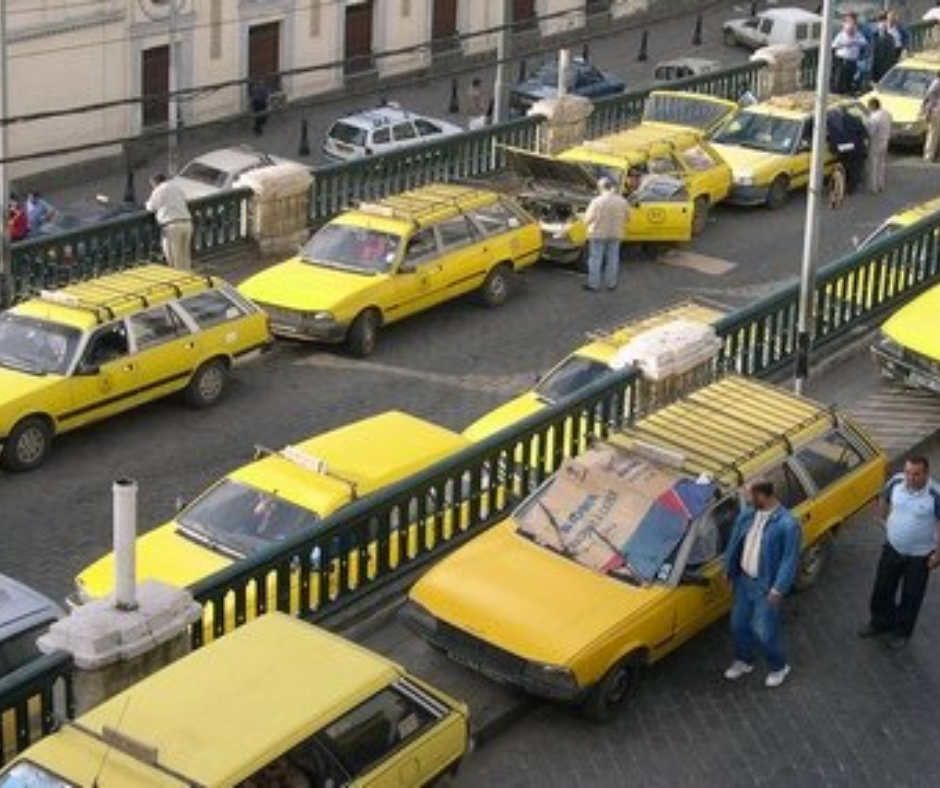
Between cities you have four options. Coaches are the cheapest. They leave from the main bus stations (the Caroubier gare routière in Algiers) and take about 7 to 8 hours from Algiers to Oran.
Fares were raised in January 2026 after the fuel price increase, but no official route-by-route list has been published, so use the last published figures as a floor: 830 DZD by coach and 1,300 DZD for a seat in a shared inter-city taxi (TSA, 2018), still only about €3 to €5 at the informal rate. Shared taxis leave when full and are faster.
By rail, SNTF gets you from Algiers to Oran in about 4.5 to 5 hours on the Coradia (delays are common), for 1,130 to 1,350 DZD in second class, and serves the other northern cities too. For the Sahara, fly: Algiers to Tamanrasset or Djanet is around 2,000 km by road or more, and a return ticket booked online usually starts around €150 (about $170) in autumn 2026, with Air Algérie or its subsidiary Domestic Airlines.
Sahara Tours and Major Excursion Costs in Algeria
The deep south is the highlight of many trips to Algeria, and it is where most of the budget goes. Foreigners are expected to travel there with an approved agency, so most people join an organized tour.
A 7 to 10 day expedition into the deep south with a local agency costs roughly €600 to €1,500 per person in 2026 (about $675 to $1,700), from shared group departures at the low end to private trips for two at the top. That usually includes 4x4 transport, meals, camping gear, local guides and cooks; check whether the domestic flight from Algiers is in the price.
These tours are priced in euros, so the exchange-rate gap doesn't help here. Read the official travel advice for the route you have in mind before booking, and confirm that your insurance policy extends to travel in the deep south.
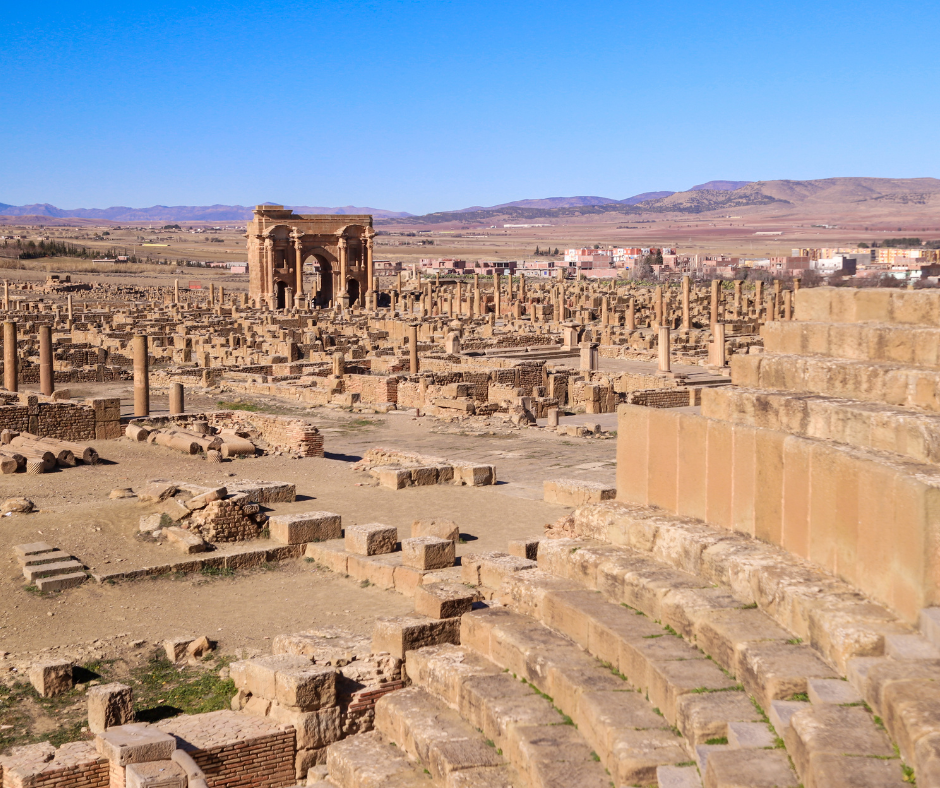
Entry to the northern Roman sites and museums is cheap. Tipasa, Timgad and Djemila charge a few hundred dinars, and national museums such as the Bardo in Algiers charge 200 DZD (students half price, children free). That is under $4 even at the official rate.
A guide for a few hours at these sites costs more than the ticket. Agree the price, the language and the length of the visit before you start; French-speaking guides are easier to find than English-speaking ones, so book ahead if you need English.
The Kabyle villages of the Djurdjura make a good day trip from Algiers or Tizi Ouzou. Guided day tours usually run 5,000 to 10,000 DZD with transport and a local guide (about $37 to $75 at the official rate, $21 to $42 with cash changed informally). Meals along the way cost 500 to 1,500 DZD, and a night in a village guesthouse costs about what a budget hotel does. A guide earns the fee here: you get introductions in the villages that you wouldn't get on your own.
Keep a little cash aside as well. Rugs, pottery and silver jewelry made in these villages are some of the best things to buy in Algeria, and buying them there puts the money straight into the makers' hands.
If you are planning your trip right now, these experiences may be helpful to you.
Upfront costs: getting there, visas and data
Start with the flight. From Europe, expect to pay $100 to $400 depending on the season and your departure city; July, August and the Eid holidays are the expensive weeks, when the diaspora flies home. There are no direct flights from the US yet, so expect $600 to $1,200 return with a connection, usually in Europe. Booking a few months out keeps you at the lower end.
A ferry from Europe makes sense if you're bringing a car. Algiers, Oran and Béjaïa are the main ports, with crossings from France (Marseille, Sète) and Spain (Alicante, Barcelona, Valencia), most frequent in summer. Marseille to Algiers takes about 20 to 26 hours, and a foot passenger pays roughly €150 to €250 one way in 2026, more with a cabin or a car. The crossings from Spain to Oran and Mostaganem are shorter.
Budget for the visa before you leave. Most Western nationals need one in advance from an Algerian consulate, and the fee depends on your passport: $160 for US citizens, £85 in the UK and €110 at the consulates in France for a stay under 90 days (2026 fees). London and Paris take cash or a money order, and the fee isn't refunded if you're refused.
If you book an agency tour that includes the southern wilayas, the agency can arrange a visa on arrival instead, commonly reported at about €110 and paid when you land. Check with your local consulate before applying, as fees change.
The full requirements, and how the visa on arrival works, are in Algeria Visa: Requirements and Visa on Arrival.
Add travel insurance to your upfront costs. Plans typically run $50 to $150 per person, or about 4 to 12% of the trip cost, and cover medical emergencies, cancellation and lost luggage. For many travelers it is also a visa requirement: the London consulate doesn't ask British and Irish citizens for it, but other nationalities applying there need it, and consulates in Schengen countries usually ask for it too.
Once you land, buy a local SIM: it costs far less than roaming, and you'll need data for Yassir and maps. Each of the three operators, Mobilis, Djezzy and Ooredoo, has a counter at Algiers airport and shops in town.
Bring your passport, since the SIM is registered to you; the card itself is free or a few hundred dinars. On the operators' own websites in October 2026, 30-day data packs cost 1,000 to 2,000 DZD for 10 to 100 GB: Mobilis 10 GB for 1,000 DZD or 25 GB for 2,000 DZD, Ooredoo 15 GB for 1,000 DZD or 40 GB for 1,500 DZD, and Djezzy 100 GB for 2,000 DZD.
That is about $7.50 to $15 at the official rate, or $4.20 to $8.40 with cash changed informally. Heading south, Mobilis reaches the most places, but out in the remote desert the signal is weak or gone.
How much does a week in Algeria cost?
Here are three sample weeks per person, built from the prices on this page. They leave out the international flight and, for the first two, the visa. The north on a budget assumes guesthouses and two train legs; the mid-range week assumes hotels booked online and paid at the official rate.
| Trip | What we counted | Total per person |
|---|---|---|
| 7 days in the north on a budget (Algiers, Oran, Tlemcen) | 7 guesthouse nights (35,000 DZD), street food and one sit-down meal a day (17,500), city transport and two train legs (6,100), entry fees and a SIM (2,000) | About 60,600 DZD: €220 with cash changed informally, €405 by card |
| 7 days mid-range in the north | 7 three-star nights booked online (63,000 DZD), sit-down meals (35,000), Yassir rides and first-class Coradia seats (15,000), a guided day trip to the Kabyle villages (7,500), entry fees and a SIM (3,500) | About 124,000 DZD: about €640 with the hotels paid online and the rest in cash changed informally, about €825 all by card |
| A Sahara tour week | Agency tour of 7 to 10 days (€600 to €1,500), the domestic flight if it isn't included (from about €150 return), the visa on arrival (about €110), crew tips (10,500 to 14,000 DZD) and two hotel nights in Algiers (10,000 to 18,000 DZD) | About €965 to €1,930 |
The budget week lands at about $255 on the ground with cash changed informally, which is why we call Algeria cheap once you are there. Add the visa and a flight from Europe and the same week costs two to three times as much, so the fixed costs decide the total more than anything you spend locally.
Tipping: what to budget
Tipping isn't mandatory in Algeria, but it's appreciated for good service. In cafés, round up the bill; in casual restaurants, leave 100 to 200 DZD. In upscale restaurants, about 10% is normal if the service was good.
Tips matter more for guides and drivers. On a multi-day desert tour, set aside 1,500 to 2,000 DZD per traveler per day for the whole crew; about 40% of that is for the lead guide, and the drivers, cook and camel men share the rest. Hotel porters usually get 100 to 200 DZD, and housekeeping 100 to 200 DZD a night. Taxis, porters and Ramadan come with their own unwritten rules, and we go through them one by one in our piece on tipping in Algeria.
Common money questions
How much cash should I bring to Algeria?
Work out your daily budget in dinars, multiply by the number of days, and bring that in euros or dollars with a margin of about 20%. If you can, stay under EUR 1,000 in cash. Anything over that has to be declared when you land, and on the way out customs can ask to see official exchange receipts.
Can I use my bank card in Algeria?
Only in a few places: big international hotels, airline offices and some upscale shops and restaurants. Taxis, cafés, markets and guesthouses expect cash, and so does nearly all of the south. Whatever you do pay by card goes through at the official rate, so it costs about 80% more than with cash changed informally.
How much is a hotel in Algiers per night?
A budget room costs about 4,000 to 7,000 DZD in most cities, and more in Algiers. Hotel Samir in the center starts around $45 with breakfast on booking sites, and the Sofitel Algiers Hamma Garden usually lists at about $150 to $260 for a standard room.
What is the cheapest time to visit Algeria?
Flights from Europe cost most in July and August and around the two Eids, when the diaspora flies home. Outside those weeks fares are usually lower, and booking a few months out keeps you near the bottom of the $100 to $400 range. In the Sahara, the October to April season is when tours run, so desert prices don't drop much in any month.
How much does a Sahara tour cost?
A 7 to 10 day trip in the deep south with a local agency costs roughly €600 to €1,500 per person in 2026, depending on group size and whether it is private. That usually covers the 4x4, meals, camping gear, guide and cook. Check whether the domestic flight from Algiers is included.
Bottom line on daily costs
Algeria is cheap on the ground and costly to reach. The visa, flights and any Sahara tour are paid up front, often in euros; day to day, the biggest swing comes from how you change money, so bring cash and change it with help rather than relying on cards. With a week and a tight budget, stay in the north, where buses, trains and street food keep you at the low end of the budget tier, and save the Sahara for a trip with room for a tour.
If you'd rather hand over the logistics, we arrange custom itineraries, airport pickup with a driver waiting at arrivals, and desert trips with local guides, cooks and drivers. Use this page to describe your ideal trip to our team.
Also read: Is Algeria Cheap?


