

Yes, you can rent a car in Algeria and drive yourself, and in the north it works well: a small manual car, your home license plus an International Driving Permit, and the toll-free East-West motorway will get you between Algiers, Oran and Constantine. The deep south is different. The authorities expect foreigners there to travel with an approved agency, so Sahara trips are done in the agency's 4x4 with its driver.
What you need to sort out is which car suits your route, which papers to carry for the checkpoints, and what the insurance really covers. The clause that catches most people out is the one about leaving the tarmac.
Prices are low by European standards. In autumn 2026, local agencies listed small cars at about 4,500 to 7,000 DZD a day, roughly EUR 30 to 47 at the official rate of about 150 DZD to the euro; a Duster or similar SUV ran about 9,500 to 12,000 DZD (EUR 63 to 80). Add 20 to 30 percent in July and August.
Most agencies want drivers aged at least 21 to 23 with one or two years of driving experience, and almost all block a deposit on a credit card, often several hundred euros. In 2026 listings, airport desks were no dearer than city agencies, so pick whichever is more convenient.
What a rental costs in autumn 2026
| Car | Typical models | Per day, low season | Per day, July and August |
|---|---|---|---|
| Small car | Renault Symbol, Clio | 4,500 to 7,000 DZD (EUR 30 to 47 at the official rate, EUR 16 to 25 at the informal rate) | About 5,400 to 9,100 DZD |
| SUV | Duster | 9,500 to 12,000 DZD (EUR 63 to 80 official, EUR 35 to 44 informal) | About 11,400 to 15,600 DZD |
| 4x4 | Off-road vehicles | Rarely rented for self-drive | Book with a driver through an agency |
Local-agency prices from 2026 listings; summer rates are 20 to 30% higher. The euro figures assume about 150 DZD to the euro at the official rate and about 275 on the informal market, both autumn 2026. If you pay by card, you get the official rate. Paying in dinars changed informally (on paper, against the exchange-control rules, but used openly by almost everyone) makes the same rental about 45% cheaper in euros; ask your host or guide for a trusted changer.
Choosing the Right Car Rental in Algeria for Your Itinerary
Urban Commuters and Hatchbacks
If you are mostly driving between Algiers, Oran and Constantine, a compact hatchback or small sedan (local fleets are full of Renault Symbols and Clios) is all you need.
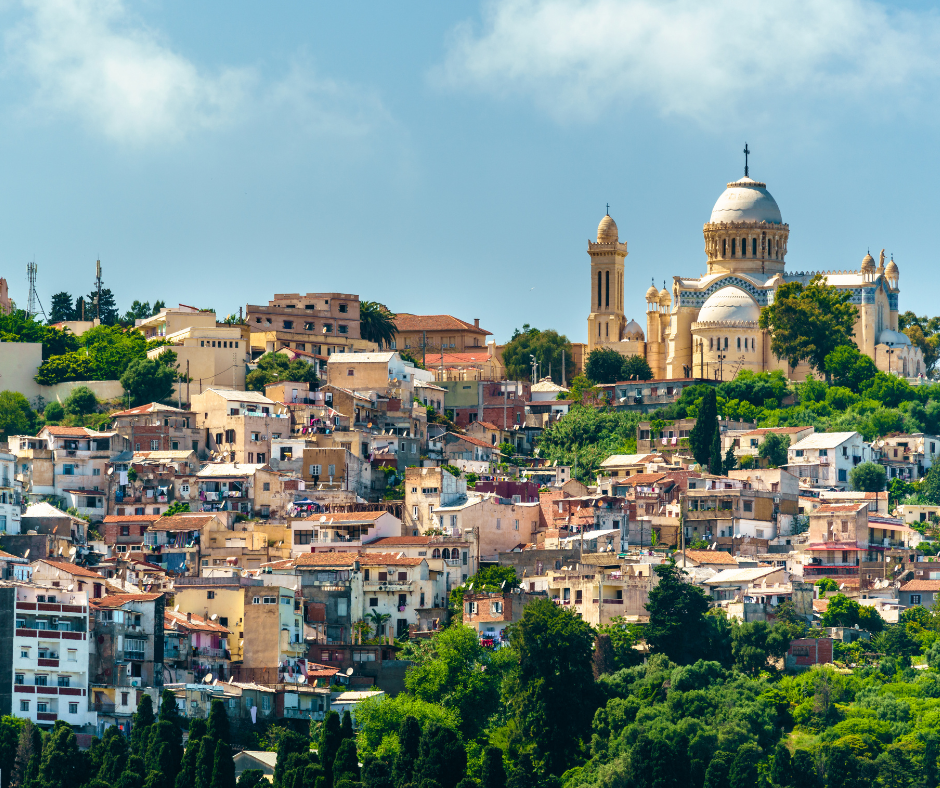
City traffic is heavy at rush hour, the older streets are steep and narrow, and parking spaces are scarce, so a small car is easier to live with in town.
These cars are cheap on fuel and handle the A1 motorway and the paved national roads along the coast without trouble.
High-Clearance Vehicles and Four-Wheel Drives
For the mountain roads of Kabylie or the Aurès, the high plateaus, or the paved road south to desert-edge towns such as Ghardaïa, a regular car will do. An SUV with more ground clearance copes better with potholes and gravel detours, though. A real 4x4 only matters off the tarmac, on sandy tracks and pistes.
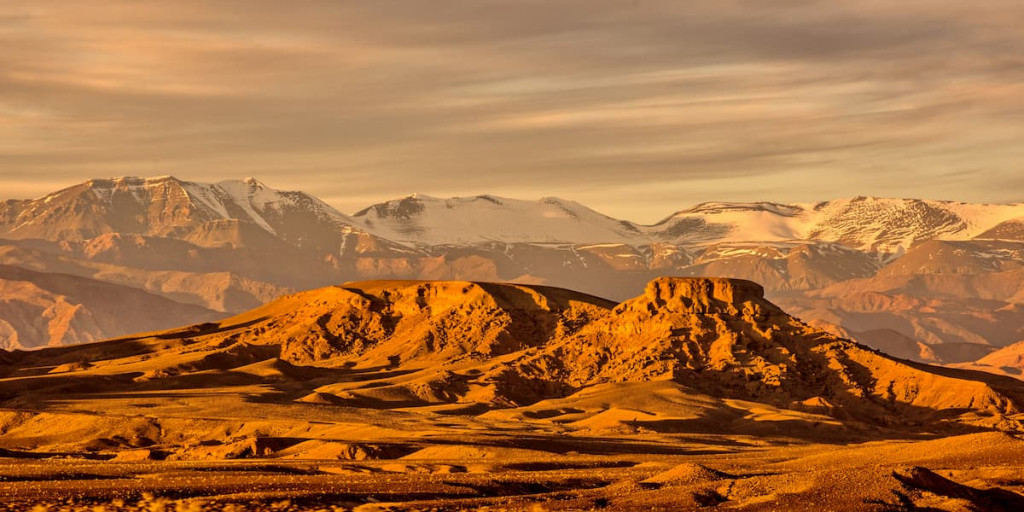
Rural roads can have broken edges, deep potholes, loose gravel, stretches washed out after heavy rain, and speed bumps at the entrance to almost every village.
The catch is that 4x4s are hard to rent in Algeria, cost far more, and many contracts forbid desert and unpaved driving anyway. If your plan involves real off-road driving, go with an agency that supplies the vehicle and a driver. Sand drifting across paved roads in the south is covered further down.
Manual or Automatic, Diesel or Petrol
Most rental cars in Algeria are manual. If you can only drive an automatic, ask for one in writing when you book, get the model confirmed, and expect a small choice, especially in July and August when demand peaks.
Fuel prices are set by the state and are the same at every Naftal pump: since 1 January 2026, 47 DZD a liter for unleaded and 31 DZD for diesel, so diesel is about a third cheaper. Pumps are labeled Gasoil (diesel) and Sans Plomb (unleaded); check which one your car takes before you leave the agency. Bringing your own car from Europe on the ferry is the other option, and our guide on how to get to Algeria from Europe covers the crossing and the customs paperwork.
Where to rent and how to book
Airports and cities
At Algiers airport, rental desks are in the arrivals hall after baggage claim, with international brands alongside local agencies. Many local agencies don't keep a desk at all: they bring the car to the airport or your hotel and hand over the keys there. At Oran, Constantine and Annaba, book ahead and confirm where you'll meet the agent. In 2026 listings, airport pickups cost no more than city offices.
Booking online or with a local agency
International brands booked online give you fixed terms, a standard contract and a card deposit, usually at a higher price. Local agencies are cheaper, confirm by phone or WhatsApp, and use a contract in French; some are flexible on the deposit or offer cover that lowers the excess.
For a first trip on main roads, we'd take the international brand for the clearer paperwork. For a longer trip or a tighter budget, a well-reviewed local agency is fine, as long as you get the price, the excess, the deposit and the mileage limit in writing before you arrive.
Pickup and return checklist
- Passport, national license and IDP for every named driver
- Carte grise, insurance certificate and your copy of the contract in the glove compartment
- Photos or a video of every panel, the wheels and the windscreen, with existing damage marked on the check-out sheet
- The fuel policy (full to full is easiest) and any daily mileage limit
- A working jack and an inflated spare tire
- The 24-hour assistance number
- Written permission before any border crossing (the Moroccan border has been closed since 1994)
- The return time and what a late return costs
Documents You Need to Rent and Drive
Carry three documents at the wheel: your passport with its Algerian visa, your national driving license and an International Driving Permit. The car's own papers come from the agency.
Checkpoints are frequent, so expect to show them several times on a long drive.
Your License and the International Driving Permit
Agencies rent on your national license, but police and many rental agencies expect an International Driving Permit (IDP) alongside it, so get one. Some agencies also want you to have held your license for at least two years.
Algeria is a party to the 1949 Geneva Convention on Road Traffic, not the 1968 Vienna one, so you need the 1949-format IDP. It works as a recognized translation of your license and is only valid together with it.
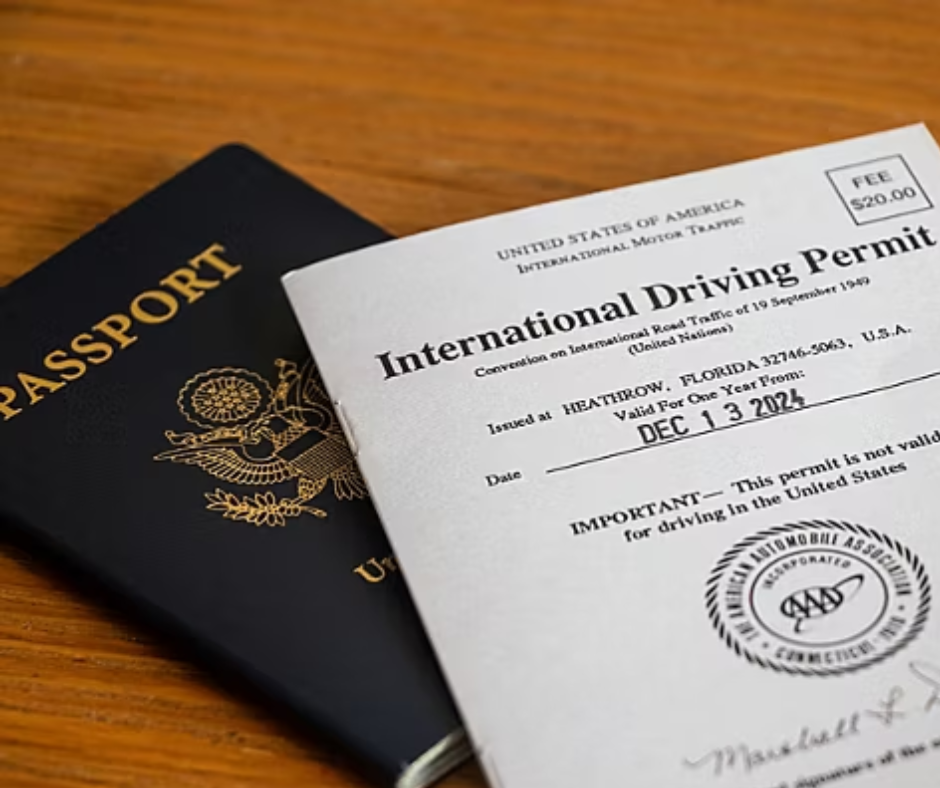
The IDP is issued in the country that issued your license (in the US by AAA; elsewhere by your national automobile association or the body your government authorizes), so get it before you leave: it cannot be issued once you are in Algeria. Most travelers pick up their car right after landing, and our guides to Algiers airport and Oran airport cover what to expect on arrival.
Your Passport and Checkpoint Stops
Keep your original passport with its Algerian visa on you whenever you drive, plus a photocopy of the photo page and visa in the car. Officers want the original; a photo on your phone won't do.
Police and gendarmerie checkpoints stand at the entrances to most towns and along national roads, and checks get more thorough the further south you go.
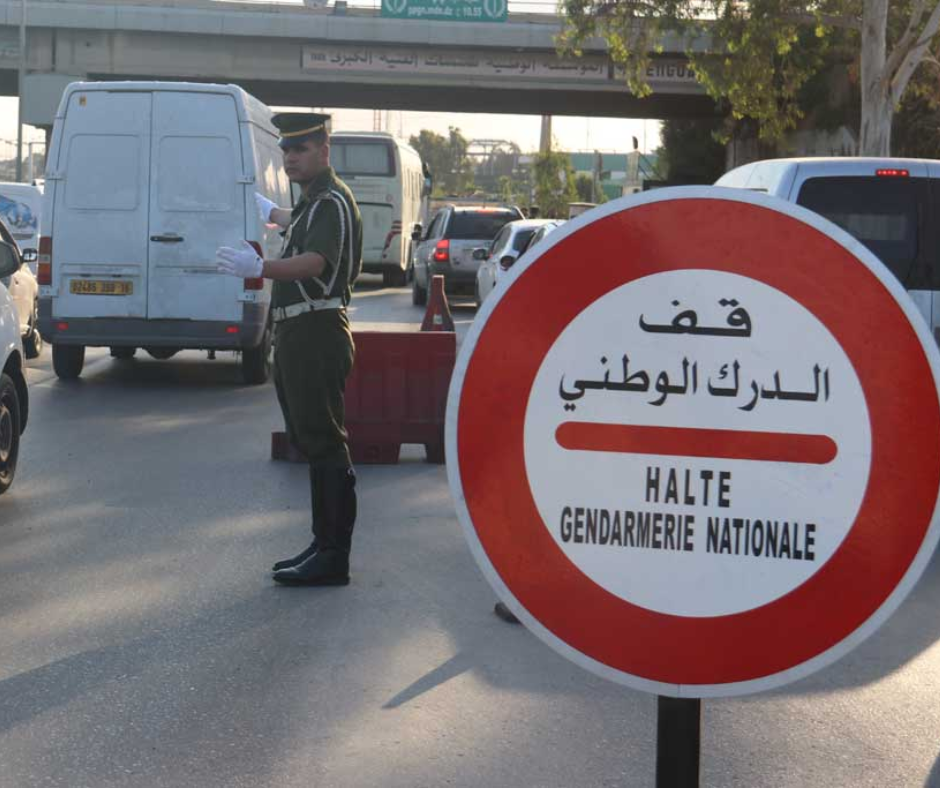
Slow down early, dip your headlights at night, and don't cross the line until an officer waves you on. That matches the UK Foreign Office advice: approach slowly and have photo ID ready. Never photograph or film a checkpoint.
Car Papers: the Carte Grise, Insurance and Contract
The agency supplies the registration document (the carte grise) and the insurance certificate. Before you drive off, check that both are in the car, in date and match the number plate, and that the contract names everyone who will drive.
Keep them in the glove compartment with your copy of the signed rental agreement, and make sure the contract gives a 24-hour assistance number.
At a checkpoint, officers may ask for the car papers and the contract and compare the name on it with your passport, so only the drivers named on the contract should drive.
Driving the Algerian Highway System
Algeria's main roads in the north are paved and mostly in fair shape, minor roads less so, and distances are long: Algiers to Oran alone is about 415 km.
The East-West Highway and Northern Corridors
The main road in the north is the East-West Highway (A1), a motorway of about 1,216 km across the full width of the country, from near Maghnia on the Moroccan border to the Tunisian border in El Tarf wilaya. Its last section opened in August 2023. Toll plazas were built along it, but in February 2026 President Tebboune said there would be no tolls, so it costs you only fuel.
Signs are in Arabic and French. Some sections have needed heavy repairs since they were built, and the motorway operator (ADA) runs works on joints, signage and landslide-prone stretches, so expect lane closures. Rest and service areas are still being added on some stretches.
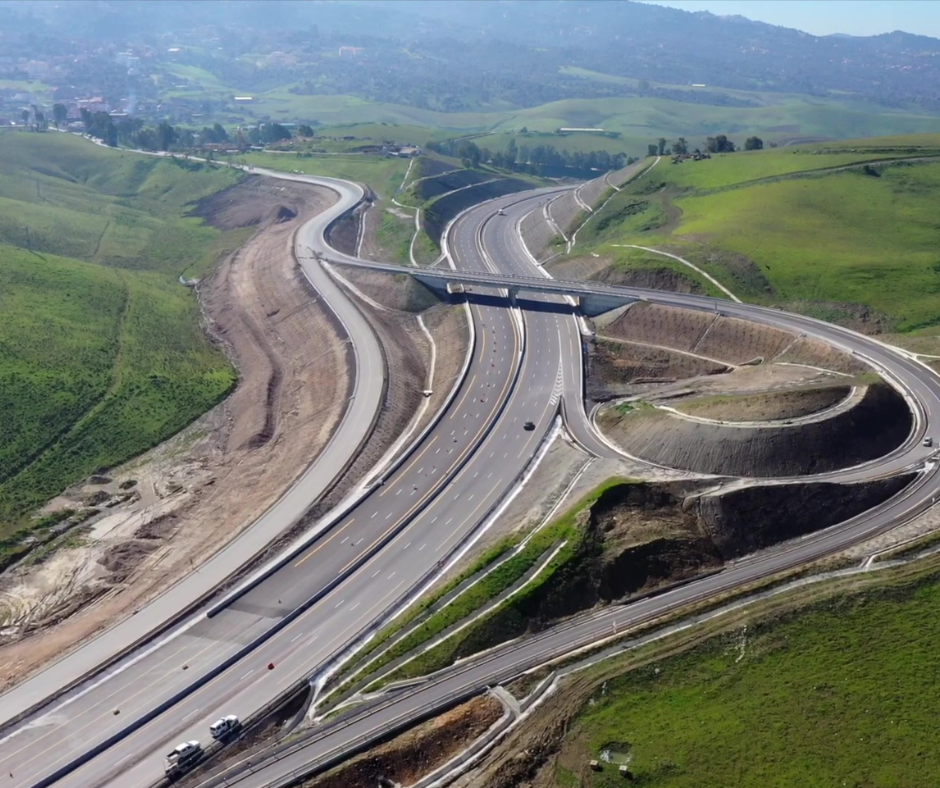
It is the quickest way between the northern cities, but it is not a European motorway: expect slow trucks on the climbs and sudden slowdowns at roadworks. It is also the backbone of the northern routes in our Algeria road trip guide.
National Roads and Speed Limits
Off the motorway you are on the routes nationales (RN), mostly two-lane roads that run through every town and village and are slower than the map suggests.
Speed limits are 50 km/h in towns, 100 km/h on roads outside towns and 120 km/h on motorways. Drivers who have held a license for less than two years are capped at 80 km/h.
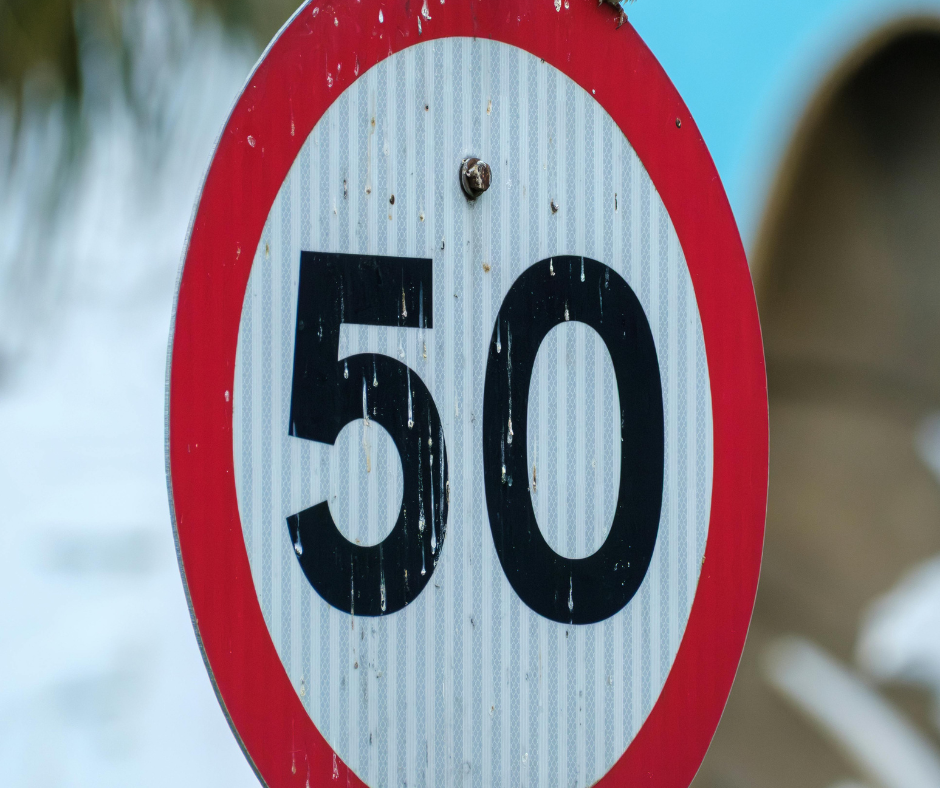
On wet roads the limits fall to 40, 80 and 100 km/h. Fixed cameras are rare, but police and gendarmerie run mobile radar checks, and the new road code (Law 26-09, in force since 20 May 2026) raised the fines: 6,000 DZD for 10 to 20 percent over the limit and 25,000 to 80,000 DZD for more than 30 percent over. The same law bans handheld phones and headphones over both ears at the wheel, makes rear seatbelts compulsory where fitted, and keeps children under 10 out of the front seats.
Drinking and driving
Treat the limit as zero. The legal limit is 0.20 g per liter of blood, far below most of Europe's, so a single drink can put you over. A positive test can mean losing your license on the spot and a heavy fine.
Maps and Route Planning
Signs are clear on the motorway and main roads, thin out on minor roads and disappear on desert tracks.
Download offline maps for your whole route before you set off (Google Maps and OpenStreetMap-based apps both work offline). Mobile data is fine in towns and along the main northern roads, but the UK Foreign Office calls coverage "patchy or unavailable" in remote southern areas, and it drops out in mountain valleys too. Get a local SIM: in the south, Mobilis is the network that reaches furthest.
Offline maps don't know about roadworks or closures, so ask your hotel or the agency about the day's route, especially in winter, when snow can close passes in the Djurdjura and the Aurès (mostly January and February).
Rental Car Insurance in Algeria
Insurance is where most rental disputes start, so find out what your contract covers before you sign, not after a scrape.
Third-Party Liability: What Is Included
Third-party liability insurance is compulsory for every vehicle in Algeria, and it is included in the price of a rental.
It pays for damage and injuries you cause to other people and their property in an accident.
It does not pay for damage to the rental car itself. Unless the contract includes extra cover, that cost is yours, usually taken from your deposit.
The Excess, the Deposit and Extra Cover
Ask two questions before you sign: how much is the excess (the most you pay if the car is damaged or stolen), and how much will be blocked on your card as a deposit. Agencies usually call them the franchise and the caution.
Many agencies sell extra cover that lowers the excess. If you are driving mountain roads or long distances, we would pay for it. Walk round the car with the agent, photograph every scratch, and make sure existing damage is marked on the check-out sheet.
The Off-Road Clause That Voids Your Cover
Read the fine print on where you may take the car. Many Algerian rental contracts rule out desert and unpaved tracks, and the insurance stops covering you the moment you leave the tarmac. Some also exclude the southern wilayas, so tell the agency your full route. Fuel is cheap, but stations get rare as you head south, so fill up in every town, as we advise in our Algeria travel guide.
Take a standard car onto a dirt track or into the dunes and you pay in full for any damage, from a burst tire to a cracked sump.
Driving in Algerian Cities and Near the Desert
City Driving and Parking
Driving in Algiers takes patience. Rush-hour jams are long, and other drivers change lanes with little warning.
At busy junctions and roundabouts a traffic officer often directs the flow by hand, and the officer's signal overrides any light. Priority at roundabouts is not always obvious, and the UK Foreign Office warns of confusion over right of way there.
Keep the doors locked in slow traffic, leave nothing on the seats, and park overnight in a guarded car park or at your hotel. In the big cities, it is often easier to leave the car parked and use the metro, tram or a ride-hailing app instead, all covered in our Algeria public transport guide.
Sand on the Road and Desert Safety
On the paved roads into the Sahara, wind can blow sand across the asphalt in minutes, and a drift on a bend is easy to miss.
If you hit a sandy stretch, ease off, keep a steady throttle and the wheel straight. If a sandstorm hits, pull well off the road, switch on your hazard lights and wait.
The deep south is not self-drive country. Foreign tourists there travel with an approved Algerian agency, which supplies the 4x4s and drivers and arranges any police or gendarmerie escort the authorities assign on some routes. If your trip goes that far, look up the official travel advice for the route as it stands, and check your travel insurance includes it. We arrange desert trips with local drivers, guides and cooks on routes we know well.
Recovery Gear for Rural Tracks
If your contract allows unpaved roads, check that the car has a working jack, an inflated spare tire, a tow strap and a shovel. Carry water and food from the last town: help can take hours to reach remote areas, and there may be no signal.
Plan each day to arrive before sunset. Our firmest rule is not to drive between towns after dark: many roads are unlit, and animals, carts without lights and broken-down trucks appear late. For a first trip, the split that works best is the north by rental car and the Sahara with an agency and its drivers.
If you have an accident or a breakdown
If anyone is hurt, call for help first and don't move the cars until the police or gendarmerie arrive: police 17, gendarmerie 1055, ambulance 1021 or 16, fire and civil protection 14. Put out the warning triangle and wear the reflective vest if the car has one.
For a minor accident, fill in a constat amiable (the joint accident report; the French model is accepted) with the other driver, and photograph the scene, both cars and the other driver's papers. Then call the rental agency before you arrange any repair or tow, because the contract usually requires it.
What renters usually ask us
I'm on a tourist visa. Can I still rent a car? Yes. Bring your passport with its visa, your national license and a 1949-format International Driving Permit (get it at home), plus a credit card for the deposit. Most agencies want drivers aged at least 21 to 23 with one or two years of experience.
Could I drive the rental over to Tunisia? Only with the agency's written permission and insurance valid in Tunisia, so assume no unless the contract says otherwise. Morocco is out entirely: that land border has been closed since 1994.
Will an agency take the deposit in cash? Don't count on it. International brands block the deposit on a credit card, often several hundred euros, and only some local agencies will discuss other arrangements, so ask before booking, get the answer in writing, and bring a credit card in the main driver's name either way.
What if I'm caught speeding in a rental? Usually you're stopped on the spot at a mobile radar check, and under the 2026 road code fines run from 6,000 DZD to 80,000 DZD depending on the speed. A fine that reaches the agency later can come out of your deposit.


