


Pack for two climates and one dress code. Algerian towns call for long, loose clothes that cover your shoulders and knees, and the Sahara calls for sun cover by day and a warm jacket at night: Djanet averages about 3.5°C on a January night.
The list below runs from clothes and shoes to the health kit, electronics, documents and cash. It also covers what to leave at home, because drones and binoculars need authorization to enter Algeria and drones are usually confiscated at customs.
What do you actually need to pack for Algeria?
Two sets of clothes and a few things for the desert. For towns, bring loose long trousers or skirts and tops that cover your shoulders, plus a light scarf for mosques; for the Sahara, long-sleeved cotton shirts for the day and a fleece or light down jacket for the night, with thermals, a beanie and gloves from November to February.
Add trail runners or light boots with sand gaiters, SPF 50 sunscreen, UV400 sunglasses, a 20,000 mAh power bank in your hand luggage and a Type C/F adapter. Leave drones, binoculars and telescopes at home unless you have authorization, and the shorts and sleeveless tops too, at least for town.
What to pack for Algeria by season
Averages for 1991 to 2020 at Algiers airport and Djanet. Night temperatures in desert camps run lower than in town.
| Season | Coast (Algiers) | Sahara (Djanet) | What to add |
|---|---|---|---|
| Winter (Dec to Feb) | Highs 17 to 18°C, lows 5 to 7°C, about 8 rainy days a month | Highs 20 to 23°C, nights 3.5 to 5°C | Rain jacket, warm layer, thermals and a warm sleeping bag for camp |
| Spring (Mar to May) | Highs 20 to 25°C | Highs about 27°C in March to 36°C in May | Light layers, sun hat; a fleece for desert nights |
| Summer (Jun to Aug) | Highs 29 to 33°C, humid, almost no rain | Highs 36 to 38°C; desert trips mostly stop | Breathable long clothes, swimwear for the beach only, electrolytes |
| Autumn (Sep to Nov) | Highs 30°C in September to 21°C in November, the wettest month | Highs about 32°C in October, 27°C in November | Umbrella or rain shell by November; layers for the desert |
Clothing for Algeria: Modest Cuts and Layers
Most Algerians are Muslim and dress conservatively, and visitors are expected to do the same outside beach resorts. Nobody expects you to dress like a local, but covered shoulders and knees show you've made an effort and get you fewer stares in markets and small towns. Algiers and Oran are the most relaxed, with a mix of modern and traditional styles on the street. Smaller towns and the south are more conservative, and the M'Zab Valley around Ghardaïa is the strictest of all.
Modest Clothes for the Cities
For city days, choose loose, breathable fabrics that cover you without making you overheat. Men should pack lightweight chinos or linen trousers rather than shorts: most Algerian men wear long trousers in town even in July, and shorts mark you out as a tourist. A polo or a button-down linen shirt works for the stepped lanes of the Casbah and for dinner in a local restaurant.
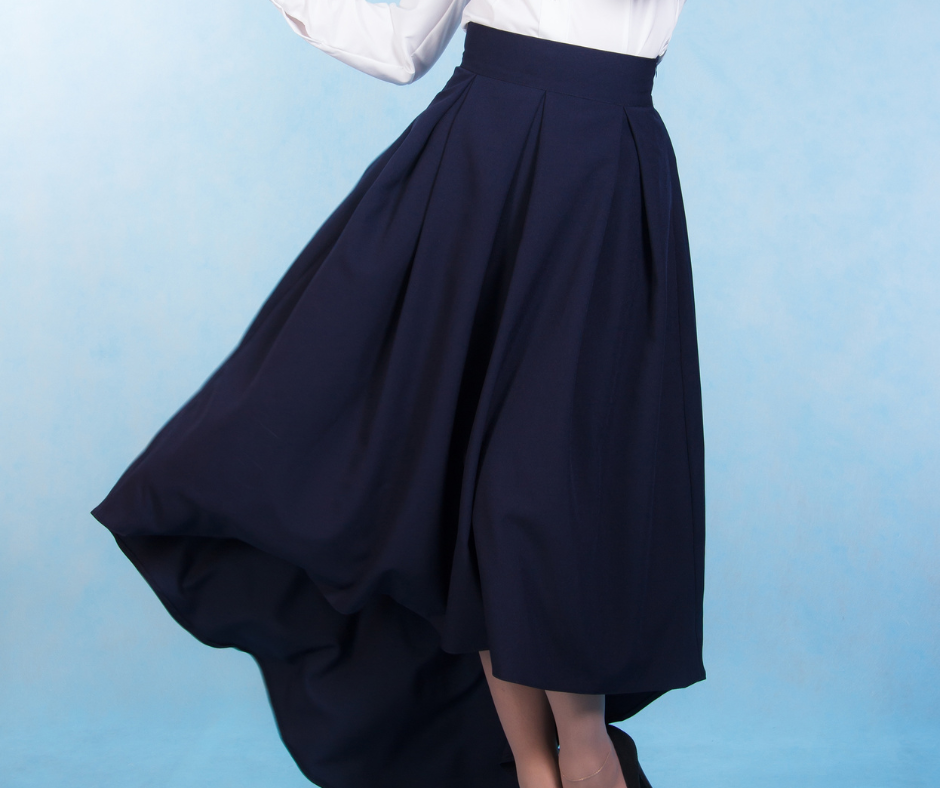
For women, long, loose skirts or wide-leg trousers are the most comfortable choice and fit in everywhere. Pair them with tunics or shirts that reach mid-thigh. Foreign women don't need to cover their hair, but keep a light scarf or pashmina in your day bag for mosques, where you'll also need long sleeves. Our guide on what to wear in Algeria has complete outfit lists for men and women.
Sahara Clothes: Heat by Day, Cold at Night
The Sahara's daily temperature swing is the hard part. In Djanet, January afternoons average about 20°C and nights about 3.5°C. In July, afternoons average about 38°C there and about 36°C in Tamanrasset, which is why most desert trips run from October to April. By day, long-sleeved cotton or linen shirts keep the sun off your skin better than sunscreen alone. Beige, khaki and off-white stay cooler in direct sun than dark colors, and they hide the dust.
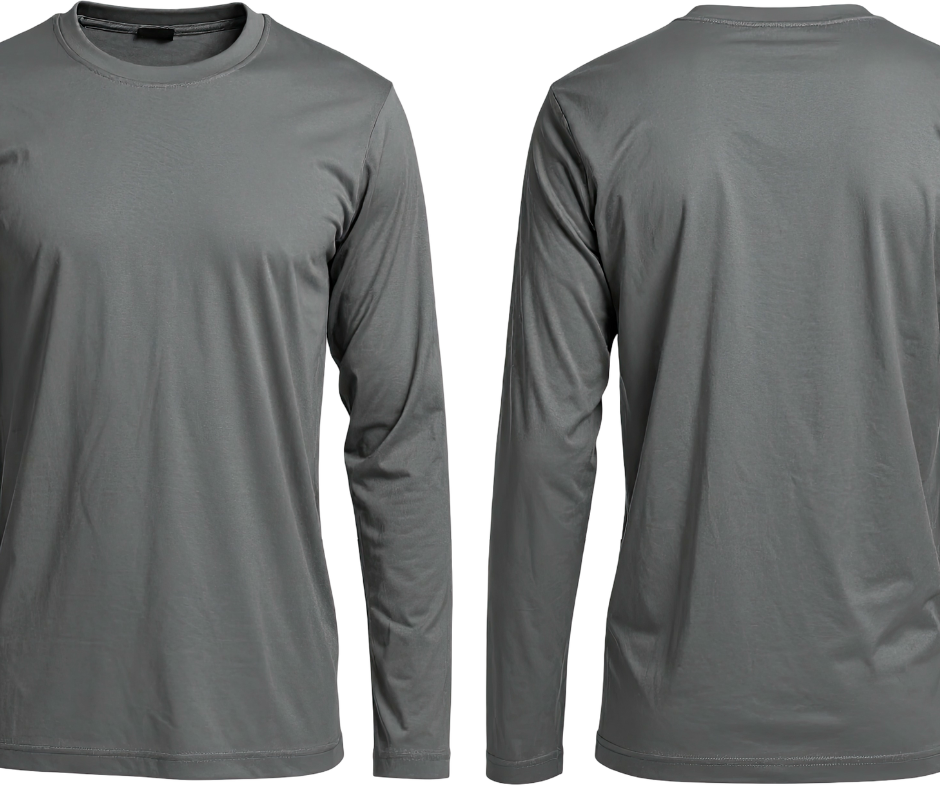
Once the sun sets, the desert cools fast. Pack a fleece or a light down jacket even if the afternoon was hot. From November to February, add thermal base layers, a beanie and gloves for camp nights: Djanet has recorded -7.6°C in January, and higher ground such as the Tassili plateau or Assekrem (about 2,726 m) in the Hoggar is colder still. Layers let you adjust through the day without hauling heavy luggage.
Shoes for Ruins, Cities and Sand
The ground in Algeria changes a lot: big Roman paving stones at Timgad and Djemila, stepped lanes in the Casbah of Algiers, and soft sand in the dunes of the Tadrart or the Grand Erg Oriental. The wrong shoes mean blisters or sore knees. Two pairs cover most trips: a sturdy pair for walking and hiking, and a light pair for evenings and camp.
Roman Ruins and City Streets
Timgad and Djemila, both UNESCO World Heritage sites since 1982, are whole Roman towns you walk through on the original stone streets. Djemila sits on a sloping ridge at about 900 m, so expect slopes and steps, and both sites have uneven paving, loose gravel and almost no shade. Walking shoes or trail runners with a grippy outsole work best. Look for good arch support and a reinforced toe cap against sharp stones.
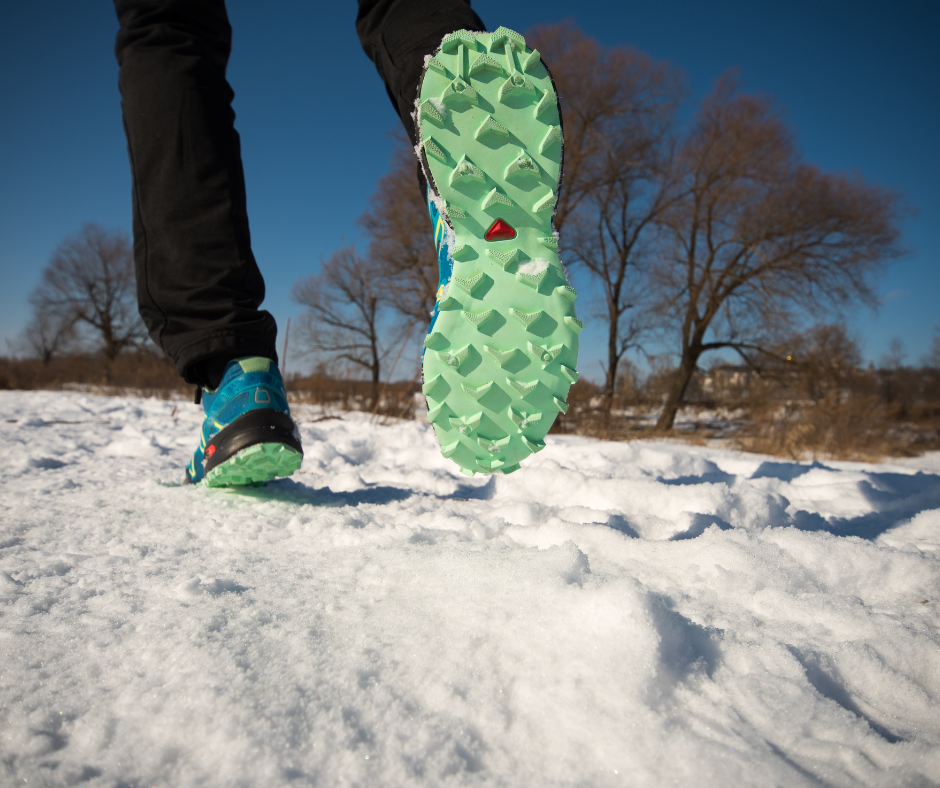
In the cities you'll walk several miles a day on concrete, tile and broken pavement. The same trail runners work in town if they're clean. If you want something smarter for the evening or a museum, leather sneakers or comfortable loafers do the job. Keep flip-flops for the hotel: Algiers is hilly and many of its sidewalks are uneven.
Sahara Dunes and Canyons
Walking in the Sahara calls for footwear that copes with deep sand and stays cool. Sandals seem logical, but by midday the sand gets hot enough to burn exposed toes. A lightweight hiking boot with a breathable mesh upper is the usual compromise. If you choose boots, bring a pair of sand gaiters: these small fabric covers wrap around the top of the boot and your ankle and stop sand from filling your shoes with every step.
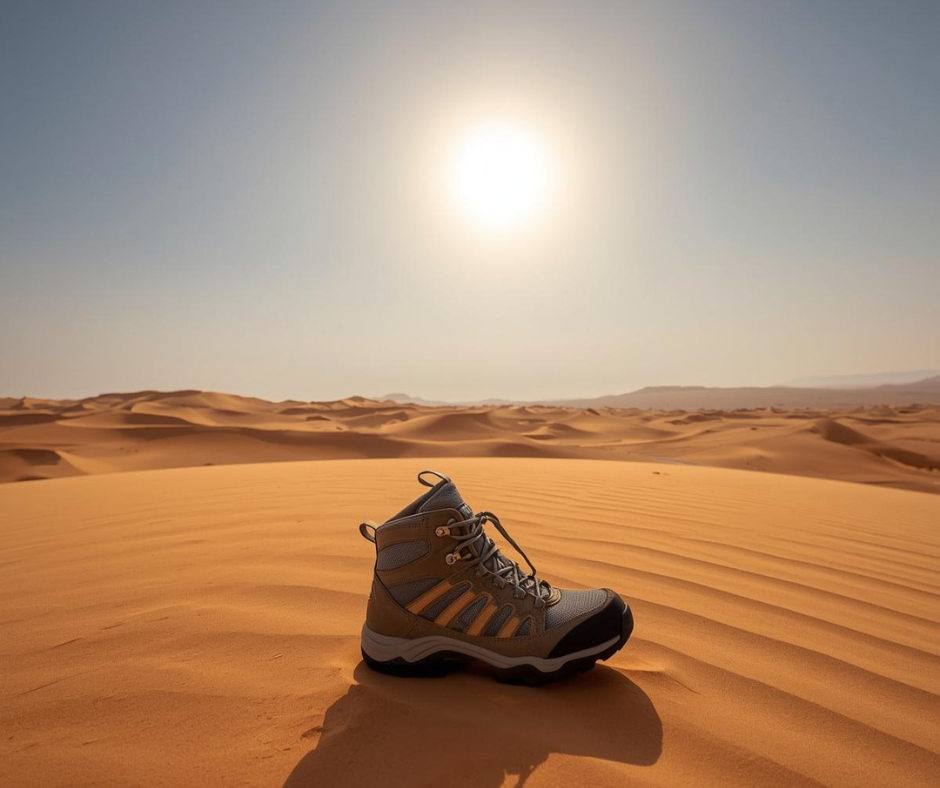
For the camp, pack simple slip-on sandals or sturdy flip-flops. Your feet can breathe after a day of walking, and they're easy to slip on for a trip across camp at night. Keep camp shoes inside your tent or bag when you're not wearing them, and shake out all your shoes in the morning: scorpions and beetles like a dark hiding place.
Health and Hygiene Kit for Remote Travel
Sun and dry air catch out most visitors. Inland the air is very dry, so you dehydrate faster than you notice. Beyond basic toiletries, build your kit around sun, dust and an upset stomach.
Sun and Dust Protection
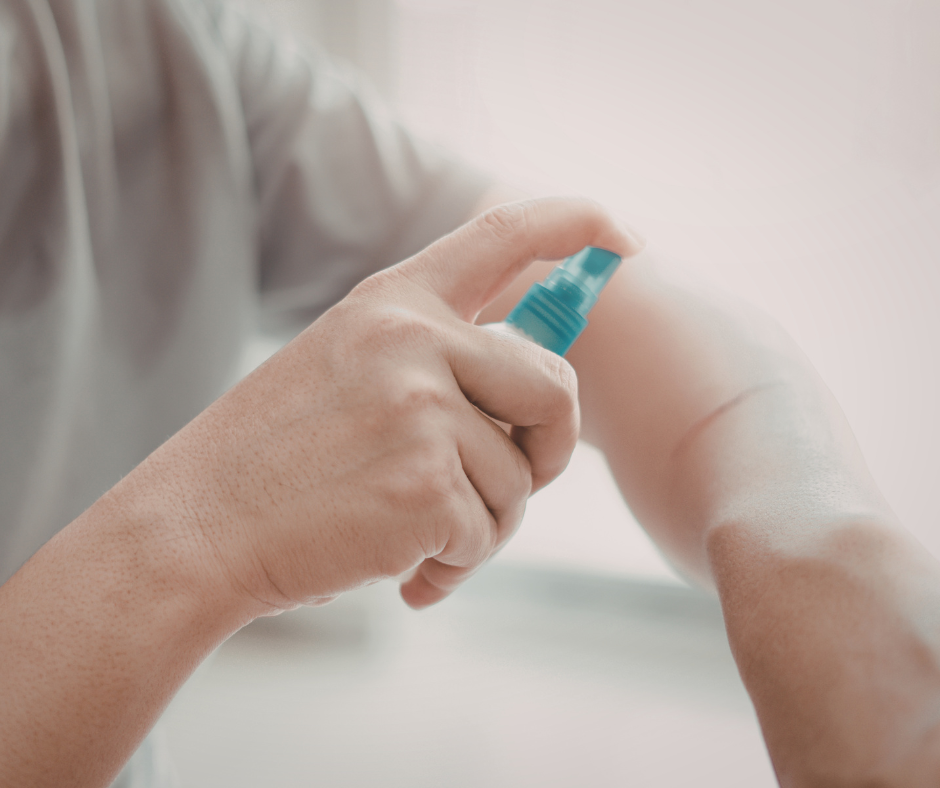
Pack sunscreen for every Algerian itinerary, including a winter one. Use a broad-spectrum formula of at least SPF 50, and remember the back of your neck and the tops of your ears. Sunglasses with UV400 protection matter just as much: the glare off the white buildings of the north and the orange sand of the south strains your eyes within hours.
The most useful accessory is a chèche, the long cotton cloth Tuareg men wrap around the head and face. It keeps sun and blowing sand off your face and neck. You can buy one in Djanet or Tamanrasset, and your guide can show you how to tie it so it covers your nose and mouth when the wind picks up.
Hydration and First Aid
In the Sahara heat, or on the coast in summer (Algiers averages about 33°C on August afternoons, and it's humid), plain water is sometimes not enough. Pack electrolyte powder or oral rehydration salts to add to your bottle. They replace the salts you lose in sweat and help with the headaches and fatigue of mild heat exhaustion.
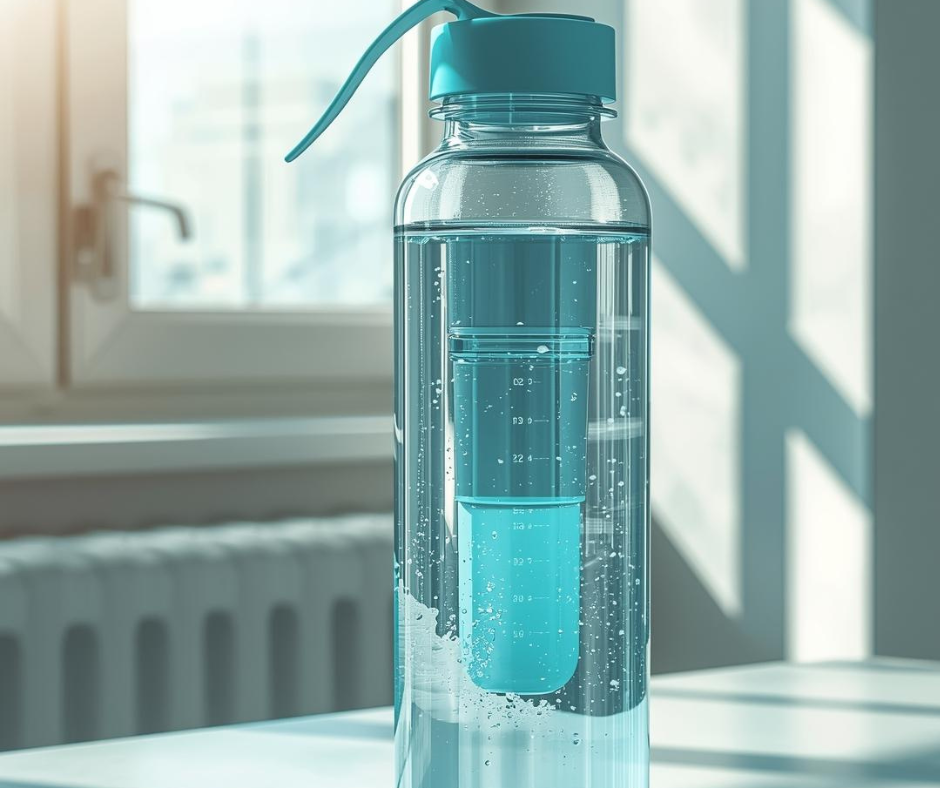
Bottled water is sold in every town. On a desert trip, ask your agency how drinking water is supplied; a reusable bottle with a built-in filter is a cheap backup and cuts down on plastic.
Your first aid kit should hold antiseptic wipes, blister plasters, anti-diarrheal tablets and probiotics (stomach upsets are common in the first few days of a new diet), plus an antibiotic only if your doctor prescribes one. Keep prescription medicines in their original packaging with a copy of the prescription: the UK Foreign Office (FCDO) points out that some medicines are regulated differently abroad, and TravelHealthPro sets out the best practice. For the bigger picture, see our guide on Backpacking Through Algeria, which covers safety and logistics in greater detail.
Electronics, Power and Phone Signal
Expect gaps in phone signal. Cities and main towns have good mobile coverage, but in the remote south the FCDO describes it as patchy or unavailable, and remote mountain areas in the north have gaps too. Pack your tech so you can manage a few days without a socket.
Power for Multi-Day Desert Trips
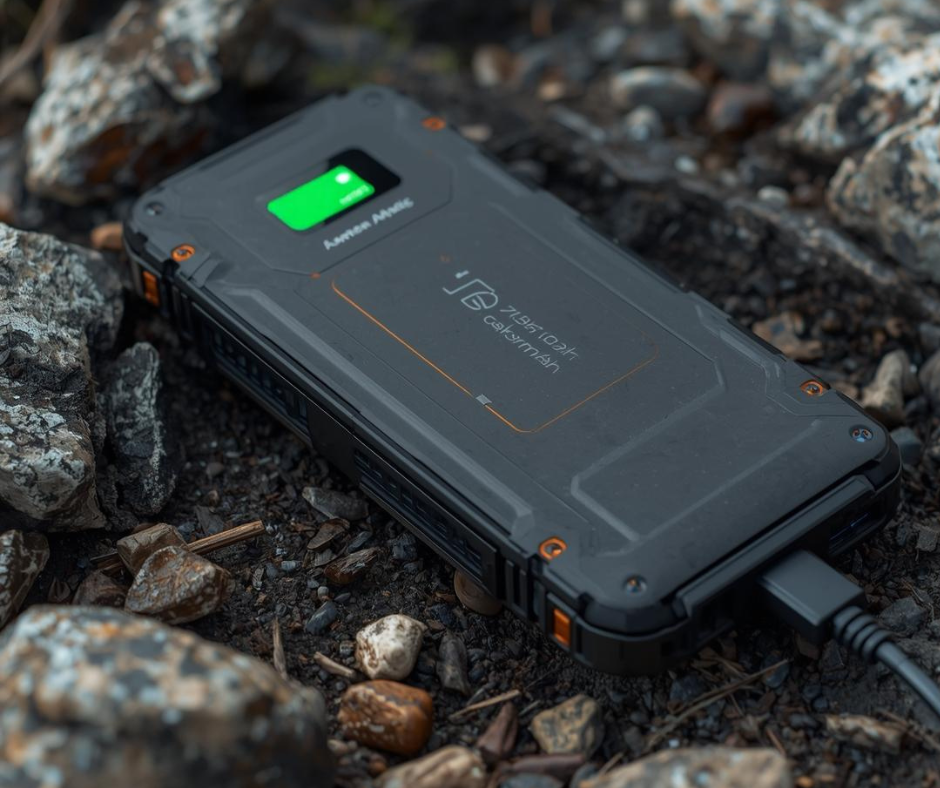
A desert trip can mean several days with no socket at all. Bring a power bank of at least 20,000 mAh (about 74 Wh) and carry it in your hand luggage: airlines don't accept power banks in checked bags, and anything up to 100 Wh needs no airline approval. If you shoot with a proper camera, bring at least two spare batteries, because cold desert nights drain them faster than you'd expect. Keeping them in your sleeping bag overnight helps.
Algerian sockets take the European two-round-pin plugs, Type C and Type F, at 230 V and 50 Hz. Visitors from the UK or North America need an adapter. Most phone and laptop chargers handle 100 to 240 V, but check single-voltage devices such as some hair dryers. A small travel power strip helps in older hotels that have only one or two sockets in the room.
Leave the drone at home. As the FCDO points out, drones, binoculars, telescopes and some kinds of photography gear can't legally be brought into Algeria without authorization, and customs routinely confiscates drones on arrival. Birdwatchers should check with Algerian customs about binoculars before flying. Whatever camera you bring, don't photograph police, military or gendarmerie posts, checkpoints, ports, airports or government buildings, and ask before photographing people.
Offline Maps and a Local SIM
Download offline maps before you arrive. Google Maps lets you save areas for offline use in many countries but not all, so test it at home; Organic Maps and Maps.me use OpenStreetMap data and work fully offline with GPS. Save your itinerary, hotel confirmations, visa and emergency numbers (police 17, fire and civil protection 14) in a folder you can open offline on your phone.
Buy a local SIM when you land: the Mobilis, Djezzy and Ooredoo shops at Algiers airport will register one against your passport. For a desert trip, pick Mobilis, the state operator, which reaches further into the south than the other two.
Prepaid data ran to about 1,000 to 1,500 DZD a month in 2026. In the deep south there will still be days with no signal, so ask your agency how the crew keeps in contact out there. Our guide to travel safety in Algeria has the practical details.
Packing Light and Staying Organized
Pack light. You'll be loading bags into 4x4s and onto domestic flights, so a soft duffel or a backpack is easier to handle than a hard suitcase. Packing cubes keep dusty desert clothes away from clean city ones.
Small Extras Worth the Space
A few small items make a big difference on the road. Wet wipes stand in for a shower on camping nights. A small headlamp is far handier than a phone flashlight around a dark campsite, since it leaves both hands free. And a few large zip-lock bags protect your phone, camera and lenses from the fine Saharan dust, which gets into every gap.
Documents, Cash and a Last Check
Before you close the bag, check your papers. Carry your passport with the visa (you need it to check into hotels, board domestic flights and buy a SIM), printed copies of your bookings and your travel insurance details, and make sure your offline maps are downloaded.
Pack euros in clean notes, because outside big hotels Algeria runs on cash, and cash changed informally (about 275 DZD to the euro, against about 150 on cards and at ATMs, autumn 2026) goes much further; your guide or host will know an honest changer. Try to arrive with less than EUR 1,000, since declaring more can mean showing official exchange receipts when you leave.
If your trip falls during Ramadan (expected from about 8 February 2027, in the middle of the Sahara season), pack a little more conservatively and read up on visiting Algeria during Ramadan, since the daily rhythm changes completely. To see both the coast and the desert on one trip, aim for March to April or late October to November, when you won't need to pack for either extreme.
Dress, plugs, drones and desert nights
Is December cold, and what should I wear? On the coast it is mild and rainy: Algiers averages about 18°C by day and 7°C at night, with rain on about 8 days. Pack long trousers, a warm sweater and a rain jacket. In the Sahara days are sunny around 21°C, but nights near 5°C or colder, so add thermals and a down jacket.
Will I stand out in shorts? In town, yes. Most Algerian men wear long trousers even in July, and women in shorts draw stares; mosques, the M'Zab Valley and the south call for covered knees and shoulders. On the beach and in resort hotels, shorts are fine.
Will my chargers need an adapter? If you're coming from the UK, the US or Canada, yes: sockets take Type C and Type F two-round-pin plugs, at 230 V and 50 Hz.
Is it worth packing my drone? No. Customs confiscates drones on arrival, and the permit you'd need is effectively unavailable to tourists.
Do I need my own sleeping bag for the desert? From November to February, either bring one or check that your agency supplies one warm enough. Djanet averages about 3.5°C on January nights and has dropped below -7°C, and the Tassili plateau is colder. A bag rated to around freezing, brought or rented, is the safe choice.
Read also:
3 Days in Algeria: A 72-Hour Algiers and Tipaza Itinerary
Algeria Solo Travel: Safety & Logistics Guide
If you have more questions or need help planning your Algeria trip, feel free to reach out to us. Ask us for help with the visa invitation letter, a driver to meet you at arrivals, or a desert trip with local guides, cooks and drivers.


