

Yes, you can visit Algeria during Ramadan, and in 2027 the month is expected to run from about 8 February to 8 or 9 March. Days are slow, most cafés and restaurants stay shut until sunset and alcohol is hard to find, but the evenings are the liveliest of the year.
As a non-Muslim visitor you aren't expected to fast. You are expected to keep eating, drinking and smoking out of public view in daytime, and to plan around the hour before iftar, when the whole country heads home at once. Ramadan aside, the general rules on dress, alcohol and public behavior are explained in our guide to traveling in Algeria.
Ramadan 2027 basics for visitors
- Pencil in about 8 February to 8 or 9 March 2027, but expect confirmation only the evening before, after the moon sighting.
- Plan your days around a fast that runs, in Algiers, from about 6:15 am to 6:20 pm at the start and 5:45 am to 6:50 pm at the end.
- You don't have to fast yourself, but keep eating, drinking and smoking out of public view in daytime, and that includes your car.
- For a daytime meal, head to a large hotel restaurant; most other places close by day, while bakeries and grocers stay open. Don't count on alcohol all month.
- Stay off the road in the hour before iftar. After dark, things run late: in 2026 the Algiers metro kept going until 1:00 or 1:30 am.
- Book early around Eid al-Fitr, expected around 9 or 10 March 2027: it's a three-day public holiday, with heavy travel on either side.
Ramadan 2027 in Algeria: Dates and Daily Rhythm
Ramadan follows the lunar calendar, so it comes about 11 days earlier each year. In 2027 it is expected to begin around 8 February, with Eid al-Fitr around 9 or 10 March. The exact days depend on the moon sighting and are only confirmed the evening before; Algeria often starts a day after Saudi Arabia (in 2026 it began here on 19 February). People fast from dawn to sunset, which in Algiers in February and early March means from about 6 am until sunset at roughly 6:20 to 6:50 pm.
Daytime is quiet. After sunset the streets fill up and stay busy past midnight.
Iftar and dawn times for Ramadan 2027
Times below are calculated with the method of Algeria's Ministry of Religious Affairs (via the Aladhan prayer-time service). The fast starts at dawn (fajr) and ends at iftar (maghrib). The ministry's printed calendar can differ by a minute or two, and the dates shift if Ramadan starts a day later.
| City | Day 1 (8 Feb): dawn / iftar | Day 15 (22 Feb): dawn / iftar | Day 29 (8 Mar): dawn / iftar |
|---|---|---|---|
| Algiers | 6:16 am / 6:20 pm | 6:02 am / 6:35 pm | 5:44 am / 6:48 pm |
| Oran | 6:30 am / 6:37 pm | 6:17 am / 6:51 pm | 5:59 am / 7:04 pm |
| Constantine | 6:02 am / 6:07 pm | 5:48 am / 6:21 pm | 5:30 am / 6:34 pm |
The start is announced the evening before. On 29 Shaaban, after the sunset prayer, the national commission for observing the crescent meets at Dar El Imam in Mohammadia, Algiers, and its decision is broadcast on national television and radio. In 2026 that meeting was on 17 February, and fasting began on Thursday 19 February.
Working hours shrink. In Ramadan 2026, government offices in every wilaya worked 8:30 am to 3:00 pm, Sunday to Thursday, and many smaller shops open late in the morning and close by mid-afternoon so staff can get home for iftar, the meal that breaks the fast at sunset.
Do your sightseeing, bank visits and errands in the morning. By mid-afternoon the city visibly winds down.
The same slowdown reaches the consulates abroad, so if you are coming from the UK, apply early. Our guide to the Algeria visa for UK citizens has the usual processing times.
Etiquette for Travelers During Fasting Hours
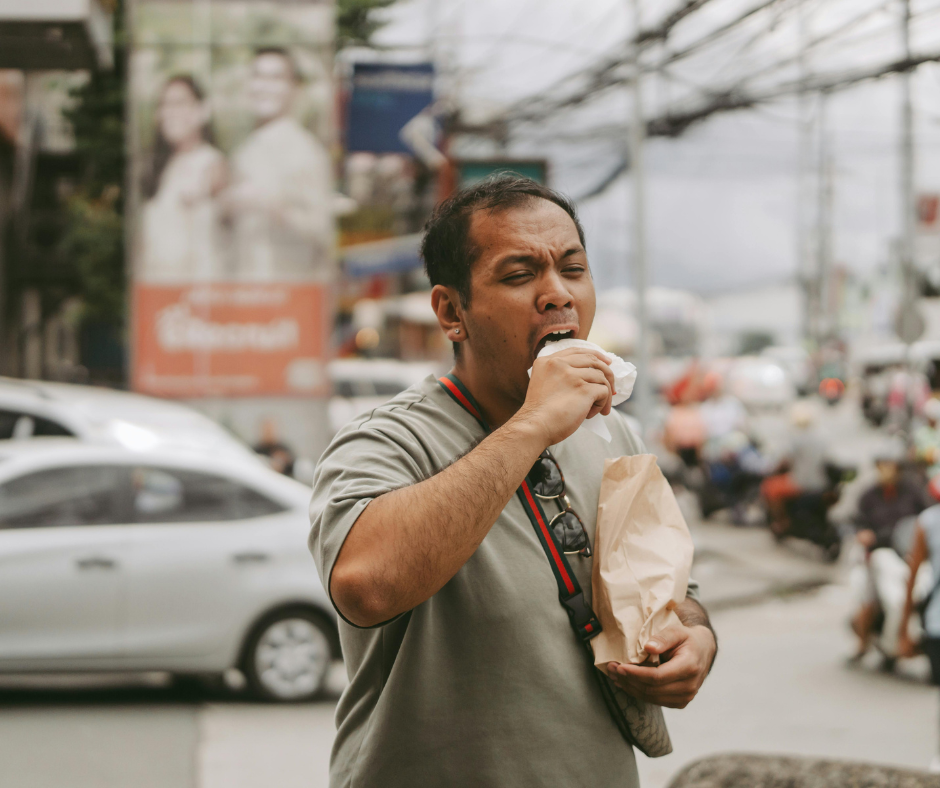
Visitors aren't expected to fast. The UK Foreign Office (checked October 2026) advises against eating, drinking, smoking or chewing gum in public in the daytime, including in your car. That rules out walking down the street with a water bottle or snacking on a park bench.
People who have gone without food and water since dawn will see it as rude. Eat and drink in your hotel room, your guesthouse or a hotel restaurant that serves non-fasting guests out of view of the street.
People also dress more conservatively during the month. Cover shoulders and knees, and that goes for men too. For women, loose trousers or a long skirt work well, and a light scarf in your bag is useful for mosques and for the older neighborhoods, where you'll feel less conspicuous with it. Shorts and sleeveless tops draw more looks than usual in Ramadan, even in central Algiers.
Read also:
Algerian Street Food: What to Eat and Where
How to Find Food and Drink During the Day
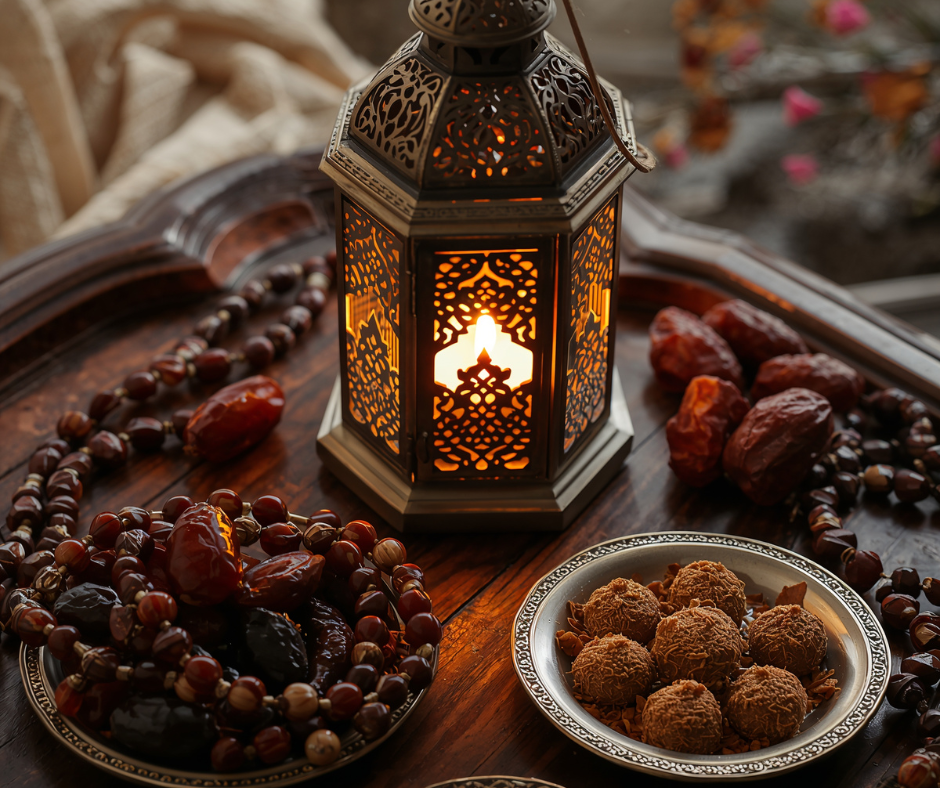
Expect closed doors at lunchtime: most cafés and restaurants shut for the day, and in small towns nearly every one does. Your best bet in Algiers, Oran or Annaba is the restaurant of a large hotel: big hotels keep serving non-fasting guests, sometimes behind screens. Bakeries, grocers and pastry shops stay open, because everyone is shopping for iftar, and pop-up stalls sell zlabia and qalb el louz for the month.
Buying something to take back to your room is easy. A sit-down lunch outside a hotel is not.
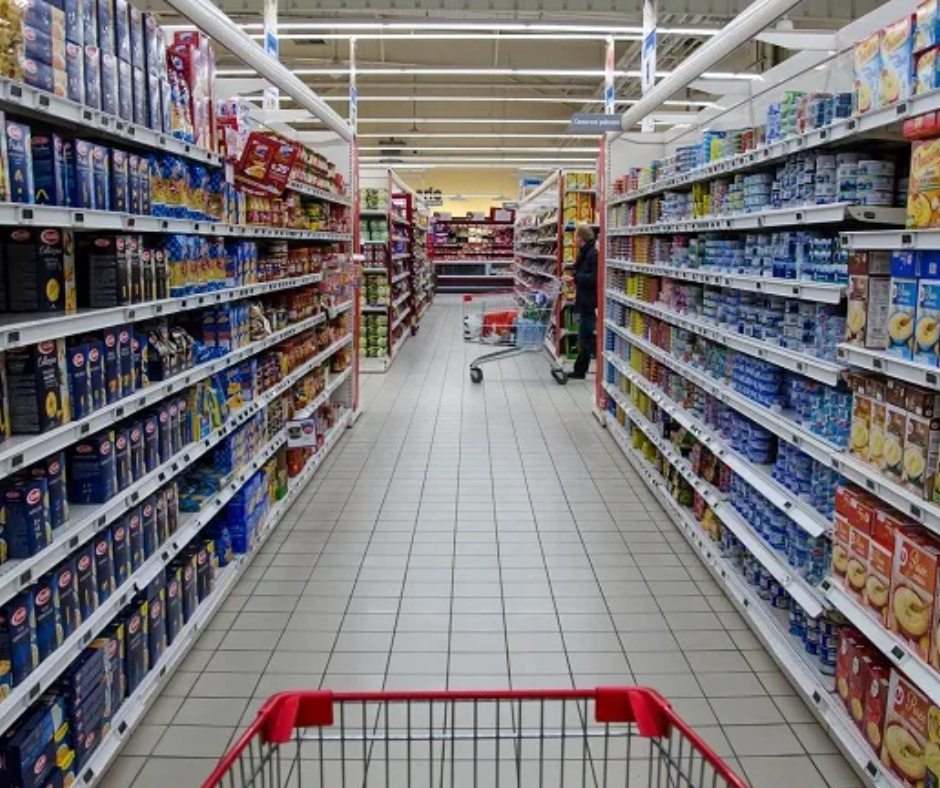
If you are staying in an apartment or a guesthouse, shop at a supérette in the morning for bread, fruit, cheese and snacks. Bakery queues get long in the late afternoon, when everyone buys bread for iftar. Alcohol is the other thing to plan for.
The rest of the year you can buy it at licensed shops, hotels and some restaurants; in Ramadan it nearly vanishes, because brewers and importers pause for the month and most licensed bars, shops and restaurants close or stop serving. Don't count on a drink at your hotel either.
Transport and the Pre-Iftar Rush
The hour before iftar is the worst time to be on the road. Everyone wants to be home when the call to prayer sounds, so traffic in Algiers jams, some drivers speed and taxis are almost impossible to find. We advise being back at your hotel, or wherever you are eating, at least an hour and a half before sunset. Then the opposite happens: for half an hour or so around iftar, the streets are almost empty.
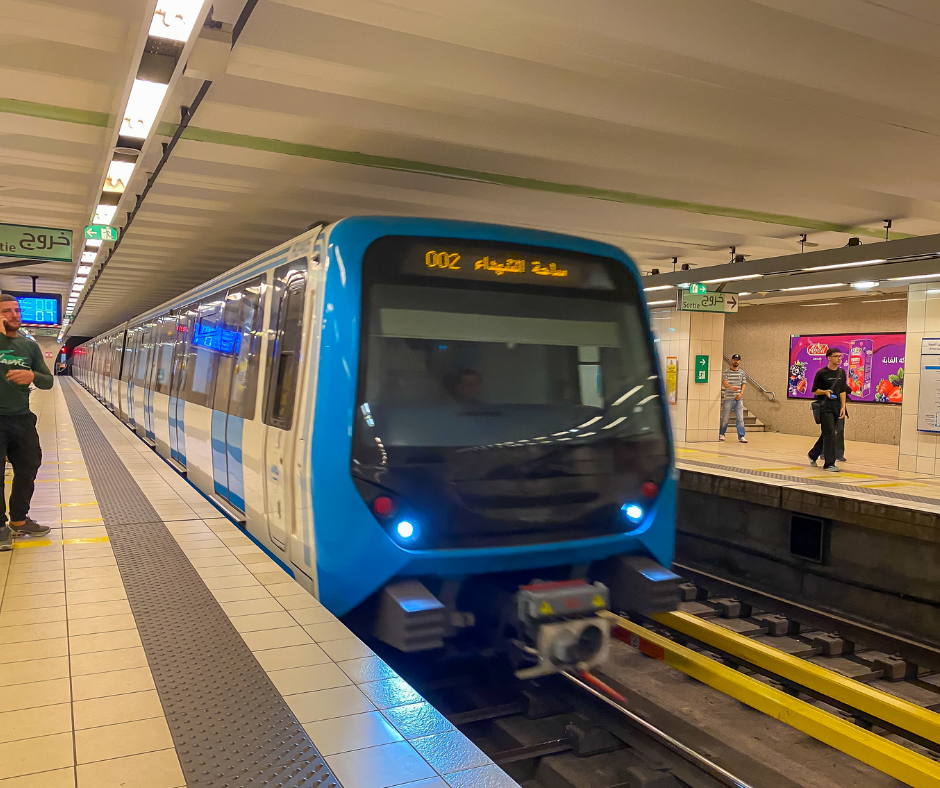
The Algiers metro and tram run late in Ramadan. In 2026 the last departures were at 1:00 am in the first half of the month and 1:30 am in the second, and ETUSA city buses also ran until 1:30 am. Around iftar itself, services can thin out or pause briefly while staff break their fast, so don't plan a tight connection at sunset. If you are traveling between cities by inter-wilaya taxi or shared "collectif", leave in the morning.
Most drivers want to be home by evening, so departures thin out in the afternoon. If you are still on the road at sunset, your driver will probably stop to break the fast with dates and water and offer you some. On the main highways, associations also put up tents near police and gendarmerie checkpoints so motorists can stop and break the fast for free.
Read also: Algeria Public Transport Guide
Ramadan Nights in the Casbah and Beyond
After iftar the mood changes. Families visit relatives, children play in the squares and people go out for the evening, the sahra.
Many men go to the mosque for the taraweeh prayers first, so the streets fill up properly from about 9 pm. In Algiers the old town and the city center stay busy late, with cafés, sweet stalls and concerts. The UK Foreign Office advises using a good local guide in the Casbah, and that applies at night too. Most visitors find these late, crowded evenings relaxed and family-friendly, and our Algeria safety guide covers the practical side region by region.
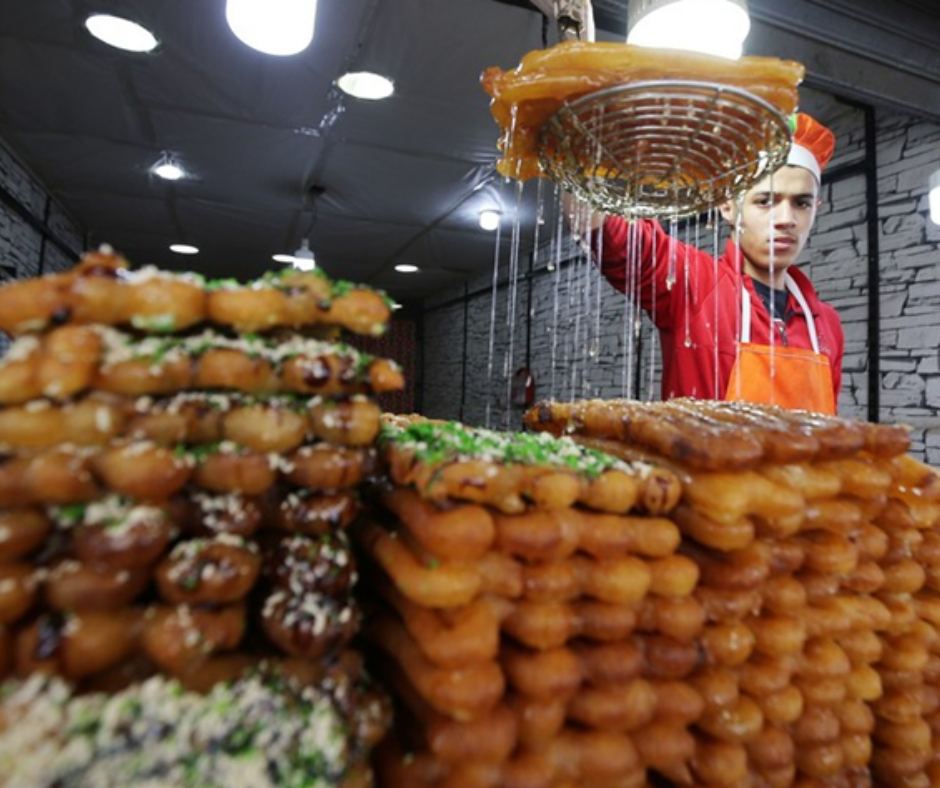
Ramadan evenings revolve around food and company. The sweets are zlabia, fried batter soaked in syrup or honey, and qalb el louz, the syrup-soaked semolina and almond cake Algiers is known for, both stacked high in the pastry shops.
Sitting in a café with mint tea or coffee and a plate of sweets is what most people do. Cultural centers and theaters also put on evening concerts, often of chaâbi, the urban music of Algiers. To enjoy it, sleep late: the streets are busiest from the end of taraweeh until well after midnight, and the metro runs until 1 am or later.
Joining an Iftar: Invitations and Local Hospitality
Iftar invitations are common in Algeria, sometimes from people you have only just met, like a shopkeeper or your guesthouse host. If you get one, accept: it is the best way to see the month from the inside.
It is polite to bring a small gift, such as a box of good dates or pastries from a pâtisserie. Breaking the fast with dates follows the Prophet's practice across the Muslim world. In Algeria they come with a glass of milk or lben (buttermilk), and they are home-grown: Algeria is the world's third-largest date producer, one of those things you might not know about Algeria.
Then comes chorba, usually chorba frik with green cracked wheat, served with bourek, crisp rolled pastries filled with minced meat. You can read more about both, from the frik in the soup to the thin dioul pastry, in our page on traditional Algerian food.
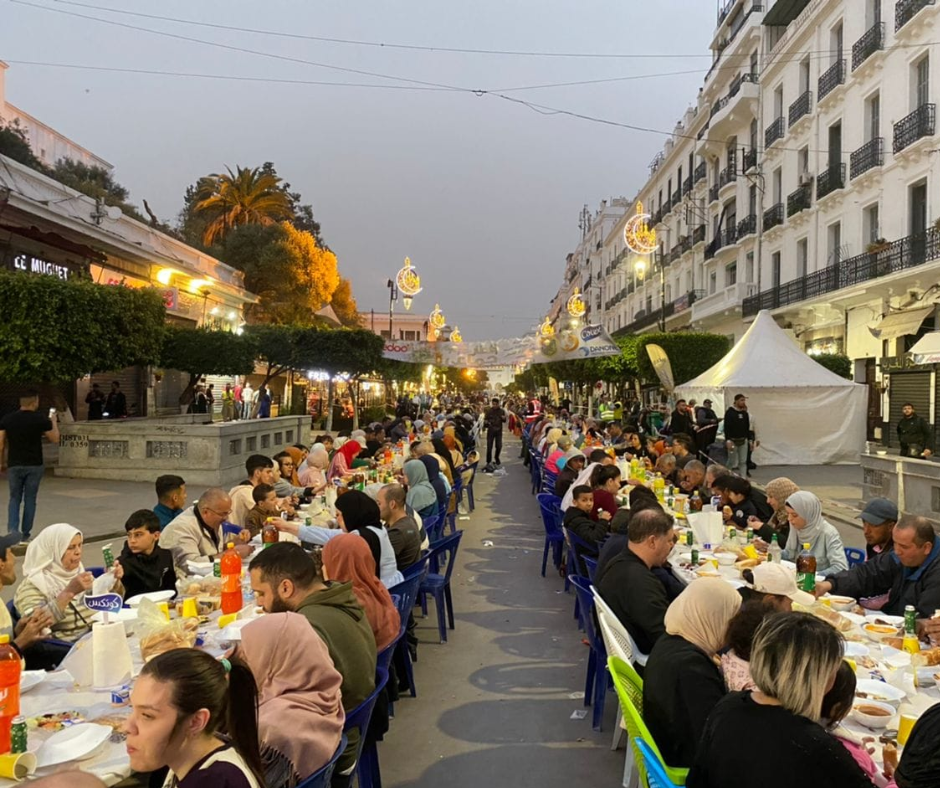
Without an invitation, you will still see the communal side of the month at the restaurants Errahma. These are free iftar canteens run by mosques, associations and the Algerian Red Crescent for people in need and travelers far from home. If you can afford a meal, we'd leave the seat to someone who needs it and make a donation instead.
What Algerians eat at iftar and suhoor
An Algerian iftar comes in stages. First dates with milk or lben, then a bowl of chorba frik (called jari in Constantine) with bourek on the side. Salads follow, often hmiss, a sauce-like salad of roasted peppers, tomatoes and garlic, and then a main dish of meat and vegetables. On the first evening many families cook tajine lahlou, a sweet tajine of lamb with prunes, apricots, raisins and cinnamon, to wish everyone a sweet month.
Later in the evening come the sweets: zlabia, qalb el louz, makroud and baklawa, with mint tea or coffee. The drink of the month in Algiers and Blida is cherbet, a homemade lemonade with a little milk and orange-blossom water. Suhoor, the meal before dawn, is lighter. A favorite is mesfouf, fine couscous steamed with butter and mixed with raisins or dates, eaten with a glass of cold lben.
Ramadan traditions in Algeria
Families mark a child's first fast, often around the 27th night (Laylat al-Qadr), and the child is rewarded for getting through the day. In Algiers the bouqala lives on: short poems read aloud as a fortune-telling game on Ramadan evenings. If you are invited to a family evening late in the month, you may see both.
Planning for the End of Ramadan and Eid al-Fitr
The last week of Ramadan is the busiest for shopping, as families buy new clothes for the children and almonds, honey and semolina for Eid cakes. Markets get crowded and some prices go up.
Eid al-Fitr (expected around 9 or 10 March 2027) is a three-day public holiday, and the days before and after it are the hardest of the year for transport: trains, buses and shared taxis fill up as people travel home to their families. Book transport and hotels well in advance. Before the morning Eid prayer, Muslims pay zakat al-fitr, a fixed charity set each year (170 DZD per person in 2026).
Banks, post offices and government offices close for all three days of Eid. Many shops, cafés and restaurants shut for the first day or two, though bakeries and grocers work on a duty rota, so you can still buy bread.
On the first day, city buses and trains run limited schedules and some long-distance services stop. It is a family holiday rather than a sightseeing one, but the afternoons are pleasant, with children in new clothes and families out in the parks and on the seafront. We'd spend Eid in one place, a city hotel or a coastal town, instead of moving between cities.
Packing and Health Tips for Travelers
Ramadan 2027 falls in February and early March, which is still winter in northern Algeria. Days on the coast are mild, but nights are cool and rain is common, so pack layers and a medium-weight jacket for late evenings out. These are good months for the Sahara. In Ghardaïa or Djanet, mild, sunny afternoons give way to cold nights, colder still in the open desert, so bring thermal layers if you are camping.
Staying hydrated without drinking in public takes some planning. Drink plenty at breakfast and again in the evening, and carry a large bottle in your bag for private moments: in your room, at a guesthouse, at a hotel restaurant.
Skip the parked car, which the Foreign Office counts as public. In the open desert, away from towns, there is nobody to offend, but stay discreet in oasis towns.
If you are hiking, remember that shops and help are thinner in the afternoon, when most people are resting. Keep a few dates or a bag of nuts with you in case a transfer gets stuck in the pre-iftar rush.
Fasting hours, eating in public and Eid closures
When does Ramadan start in 2027? On or around 8 February, with Eid al-Fitr around 9 or 10 March. The national crescent commission confirms it on the evening of 29 Shaaban, and because Algeria often starts a day after Saudi Arabia (as it did in 2026), Gulf announcements aren't a reliable guide.
What time do people break the fast in Algiers? At sunset: about 6:20 pm on the first day, about 6:50 pm by the last week. Oran is roughly a quarter of an hour later and Constantine a quarter of an hour earlier; the ministry's calendar has the exact minutes.
I'm not fasting. Can I eat in the street? No. Eating, drinking, smoking or chewing gum in public in daytime comes across as disrespectful, and the UK Foreign Office counts your car as public. Use your room, your guesthouse or a hotel restaurant that serves non-fasting guests out of sight of the street.
Will I find a beer? Probably not, even at your hotel, since brewers and importers stop for the month and most licensed outlets close or stop serving.
How long does Eid al-Fitr shut things down? Three days, a paid public holiday since 2023. Banks, post offices and government offices close throughout and many shops close for the first day or two. Trains, buses and shared taxis are packed before and after, so book early.
Come during Ramadan if slow days and late nights appeal, and if you want to see Algerian family and street life at its most open. It is a poor fit if you want long lunches, a drink with dinner or a packed sightseeing schedule.
In 2027 it also falls in the middle of the Sahara season, so pairing a few Ramadan nights in Algiers with a desert trip works well. If you would like help planning a trip around these rhythms, tell us your dates and we will suggest a route that fits, with a night or two with a host family if you would like to share iftar at home.
Read also:


