
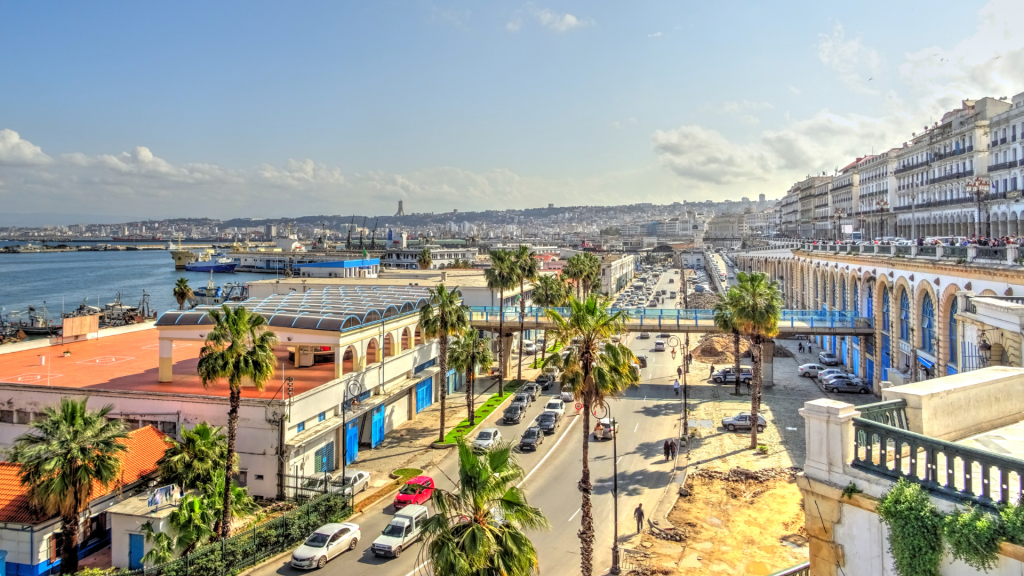

A weekend in Algeria means Friday and Saturday, the country's official weekend, and two days is enough for Algiers and the Roman ruins at Tipaza. Spend the first day in the Casbah, the French-built lower town and on the seafront, and the second at Tipaza, about 70 km west. If you would rather not leave the city, swap Tipaza for the Maqam Echahid, the Jardin d'Essai and the Fine Arts museum, which sit next to each other in El Hamma.
Two things to know before you book. First, the visa: like most visitors, UK, EU, US and Canadian citizens have to get one from an Algerian consulate before flying, and with no e-visa on offer (October 2026) the paperwork takes weeks, so start early.
Second, Friday changes the rhythm of the city: many shops close around the midday prayer, and some museums, the Bardo among them, are shut all day. If this is your first visit, skim our Algeria travel guide before you go; it also suggests hotels in Algiers for different budgets.
Weekend Logistics: Where to Stay and How to Get Around
Getting to Algiers for a weekend
Direct flights make Algiers an easy weekend from France. Air Algérie and Air France fly from Paris; Air Algérie, Transavia and Volotea from Marseille; and Transavia from Lyon. From London, Air Algérie flies from Heathrow and Stansted and British Airways from Gatwick. Barcelona (Air Algérie, Vueling) and Istanbul (Air Algérie, Turkish Airlines, Pegasus, AJet) have direct routes too.
Fly in on Thursday evening if you can, so Friday starts in the Casbah rather than at the airport. And sort the visa first: there is no e-visa, and the London consulate quotes about 10 working days for an in-person application.
The Best Neighborhood to Stay in Algiers for a Weekend
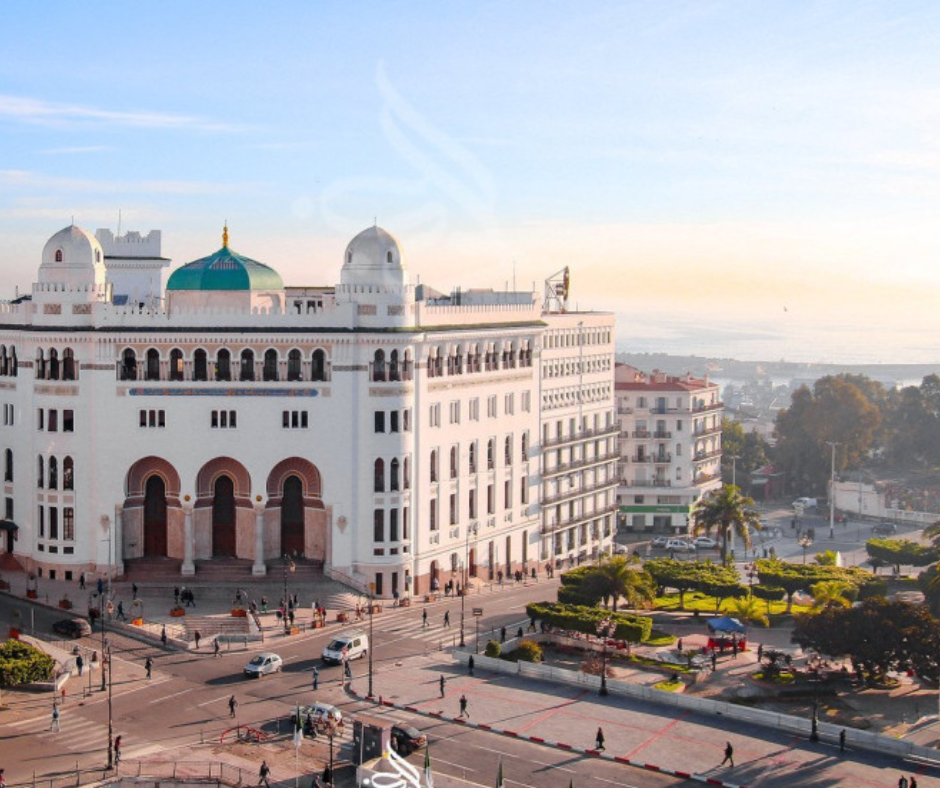
For a first weekend, stay in the lower town around the Grande Poste. It is flat by Algiers standards, Rue Didouche Mourad and the main boulevards start right there, and Tafourah-Grande Poste metro station is on the doorstep.
Cafes, bakeries and cheap restaurants are packed into these streets, so breakfast or a late sandwich is never far away. The trade-off is traffic noise from early morning.
If you would rather sleep in the old town, a few small hotels and guesthouses sit in and around the Casbah, such as the Afric Hotel-Casbah. Expect steps rather than streets: cars can't get close to many doors, so pack light.
In return, you can be walking the Casbah first thing in the morning, before the heat and the crowds. Bab El Oued, just west of the Casbah, is a working-class neighborhood by the sea with cheap street food. We'd go there for an evening walk and a meal rather than as a base.
Getting Around Algiers: Metro, Yassir, Taxis and the Cable Car
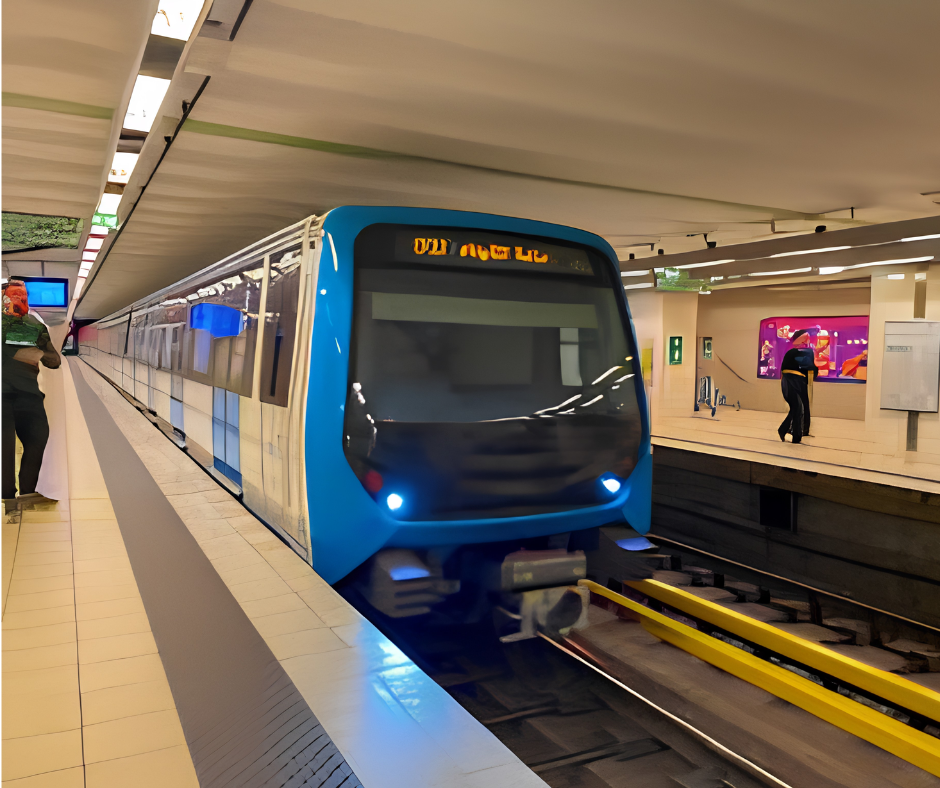
Algiers has one metro line, Line 1, with 19 stations, running from Place des Martyrs at the foot of the Casbah through the center to El Harrach in the east and Aïn Naâdja in the south. A ride costs 50 DZD, and the tram costs 40 DZD, a flat fare since May 2026. Both stay on the flatter ground below the hills, and the airport isn't on the metro yet.
The metro is handy for the Jardin d'Essai, whose station is right by the garden gate, and it keeps you out of the city's heavy traffic. Buy tickets at the counter in each station. Coming in from the airport on a budget, you have two choices: the roughly hourly SNTF train to Agha, which takes 20-25 minutes and costs 80 DZD, or ETUSA bus 100 to Place des Martyrs for 50 DZD. A taxi to the center is about 1,500-2,500 DZD (2026 prices).
Where the metro doesn't go, use Yassir, the Algerian ride-hailing app (Uber does not operate in Algeria). The fare is shown before you book, so there is nothing to negotiate, but it works best with a local SIM and you usually pay the driver in cash.
With a street taxi, agree the fare before the car moves. For a ride with a view, the short cable car from El Hamma, beside the Jardin d'Essai, climbs to the Maqam Echahid and was running in the latest reports. For Notre-Dame d'Afrique you'll need a taxi or a Yassir, since the old Bologhine cable car up to the basilica stopped running years ago.
How should you split the two days?
- Spend Friday morning in the Casbah, walking down from the Citadel with a local guide. Take a taxi or Yassir to the top and allow about three hours.
- Use Friday midday, when shops close for prayers, for lunch in the lower town and a look at the Ketchaoua Mosque from outside (it is full for the Friday prayer), then give the afternoon to the Grande Poste and the French-built boulevards.
- End Friday with sunset on Boulevard Che Guevara and dinner in Bab El Oued.
- On Saturday, hire a driver to Tipaza (about 1 hour 15 minutes each way), give the Roman ruins at least three hours, eat grilled fish at the little port, and stop at the Royal Mausoleum of Mauretania on the drive back.
- Be at the Maqam Echahid an hour before sunset; the cable car from El Hamma takes you up.
The Casbah of Algiers: Where to Start
This hillside is where Algiers began, and UNESCO inscribed it in 1992. The Zirids founded the city here in 944, and the Ottomans gave the hill its present shape, building the citadel at the top between 1516 and 1592. White houses step down the slope toward the port. Some have been restored as palaces and museums; others are held up by scaffolding, and families still live in many of them.
Walking the Casbah's Ottoman Lanes
We suggest starting at the top, by the Citadel, and walking down toward the sea, which saves your legs for the stairs. The lanes are narrow, steep and full of dead ends, and a map app is not much help. Hire a local guide: the UK Foreign Office advises using a good local guide in the Casbah and telling your hotel your plans, and a guide knows which lanes are closed for restoration.
Only a handful of craft workshops are left, mostly coppersmiths and woodworkers, and the trades are dying out as the old houses decay. If you find one open, stop and ask before you photograph the work.
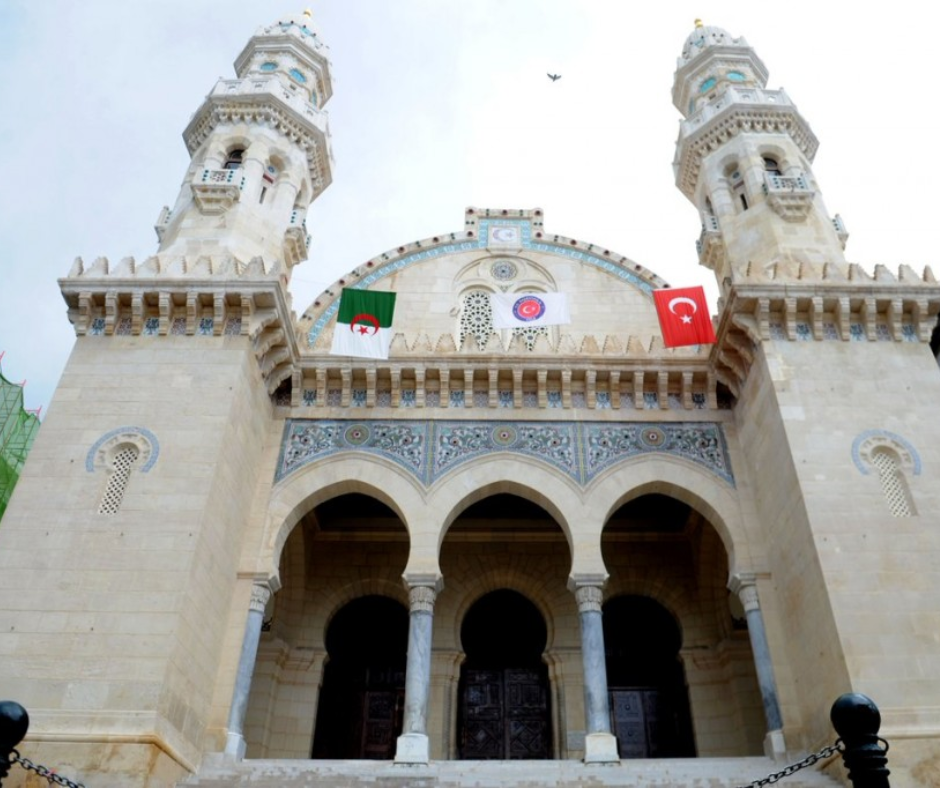
At the lower edge of the Casbah, the Ketchaoua Mosque sums up the city's history. Documented from 1612, it became a cathedral under the French in 1832, was rebuilt in a Moorish-Byzantine mix, and returned to being a mosque in 1962. A Turkish-funded restoration reopened it in April 2018.
At the top, the Citadel (Dar es-Soltane) holds the Palace of the Dey, seat of the Ottoman regency from 1817 until the French conquest in 1830. Restoration has been going on for years, and only some parts, such as the Dey's mosque and the old powder magazine, have reopened to visitors. Cover your shoulders and knees in the Casbah: it is a residential neighborhood first.
Casbah Etiquette, Photos and Prayer Times
A greeting goes a long way. "Salam alaykum" works everywhere, and "saha" is a casual thank you. With older residents, French gets you further than English.
Friday is the main prayer day, and many shops close around the midday prayer, so on a Friday go early. Courtyard doors are often left open, but these are private homes: ask before you step in or take a photo. Anywhere in the city, don't photograph police, checkpoints or government buildings.
The French Colonial District of Algiers
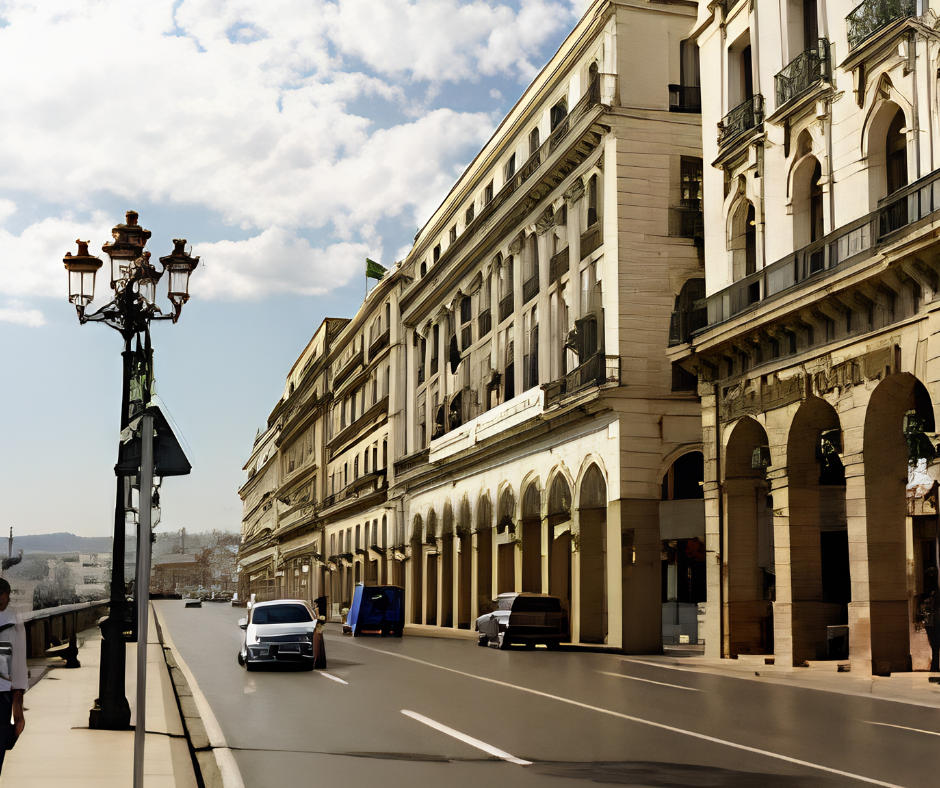
Below the Casbah, the French built a European-style city in the late nineteenth and early twentieth centuries: wide boulevards and white apartment blocks with ornate balconies, one reason Algiers is called Alger la Blanche.
The Grande Poste and Civic Landmarks
The Grande Poste, opened in 1913, is the best-known building in the district. Its architects, Jules Voinot and Marius Toudoire, designed it in the neo-Moorish style, which put North African arches and decoration on a French public building.
The interior has been closed for restoration since 2019, so for now you see it from outside. Look at the three big arches over the entrance, the arcaded gallery above them and the marble staircase leading up to the doors.
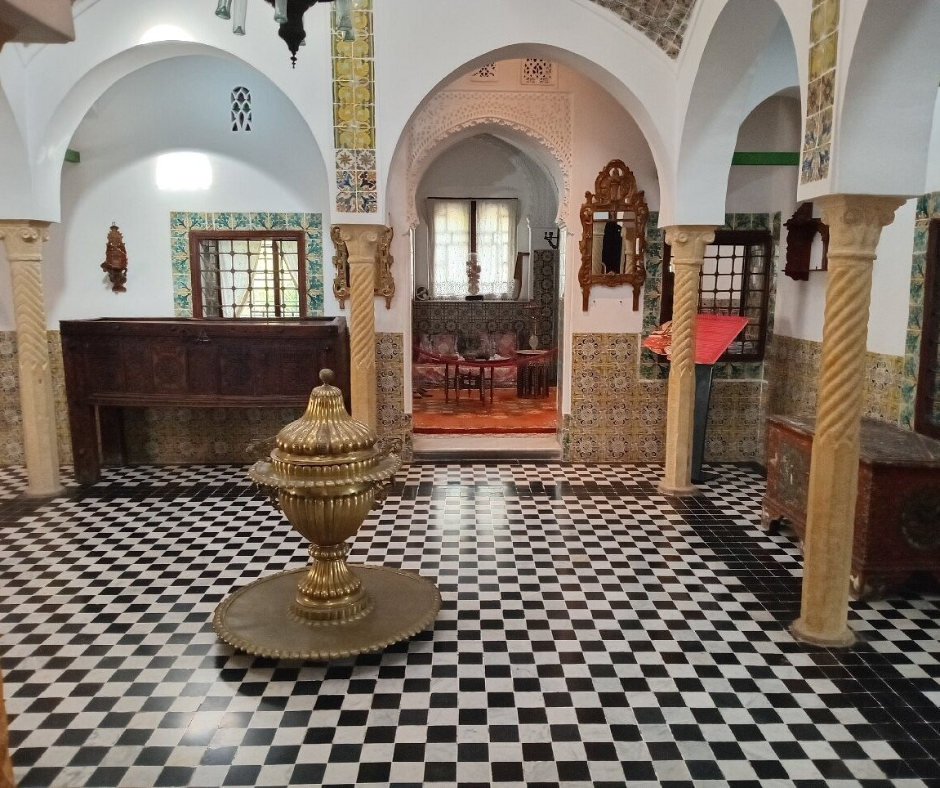
About 2 km uphill, on Rue Franklin Roosevelt, the Bardo National Museum of Prehistory and Ethnography occupies a late-eighteenth-century villa from the Ottoman period, turned into a museum in 1930. Take a taxi up rather than walking the hill; once inside, it is quiet.
The prehistory rooms hold Paleolithic and Neolithic finds from the Sahara and the Maghreb, and the best-known piece is the skeleton of Tin Hinan, the Tuareg queen. The museum opens Saturday to Thursday and closes on Friday, so it suits a Saturday morning. National museums usually charge 200-300 DZD.
The White Facades of the Waterfront
Boulevard Che Guevara runs along the arcades above the port, with long views over the harbor and the bay. Locals walk it in the late afternoon, and the hour before sunset is the best time to come, when the heat drops and the breeze comes in off the sea.
Cafes along the seafront serve coffee and fresh juice, good for an hour of people-watching. After the tight, steep lanes of the Casbah a few blocks behind, it feels wide open. With the sea on one side and the lit-up city on the other, it is an easy pick for couples planning a romantic trip to Algeria.
East of the center, in El Hamma, the National Museum of Fine Arts sits at the top of the Jardin d'Essai; take exit 2 of Jardin d'Essai metro station. It was inaugurated in 1930 and holds about 8,000 works, from Delacroix, Monet and Rodin to Algerian artists such as Mohamed Racim and Baya, which makes it one of the largest art museums in Africa.
Even if art isn't your thing, the terrace has the classic view down the garden's central alley to the sea. Opening days and hours change, so check with your hotel before going on a Friday.
A Day Trip to Tipaza from Algiers
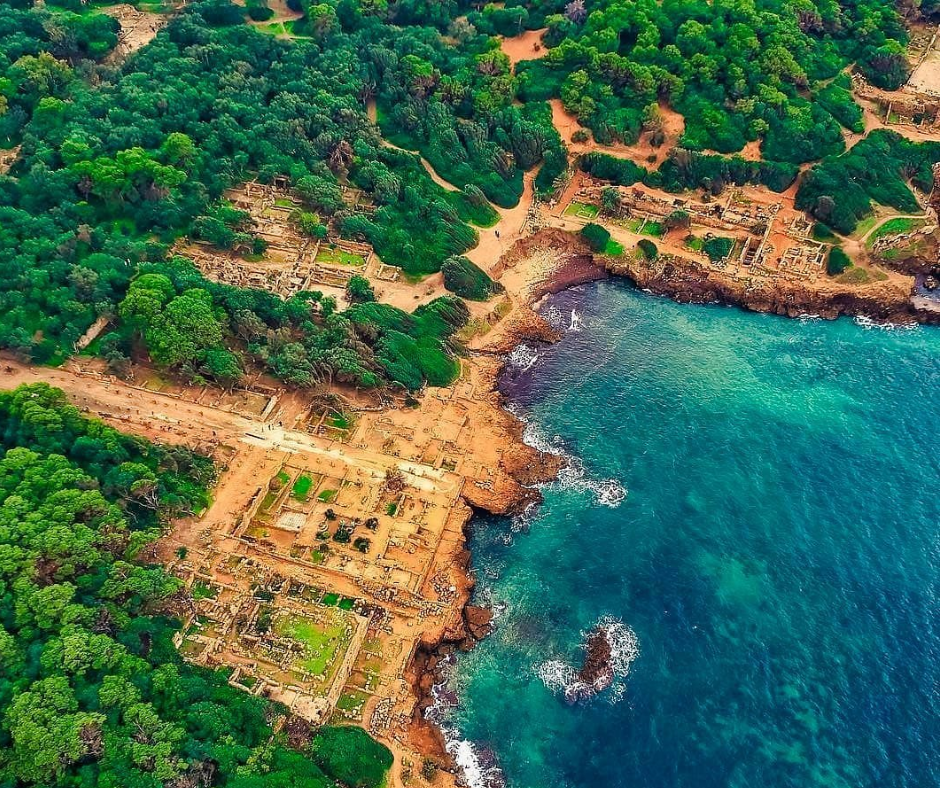
If you can give it a full day, go to Tipaza, about 70 km west of Algiers. The Punic trading post that became a Roman colony left ruins that reach the rocks at the water's edge, and UNESCO listed them in 1982 together with the nearby Royal Mausoleum. With one more day, our 3 days in Algeria itinerary adds Notre-Dame d'Afrique and the Great Mosque and gives the Jardin d'Essai a slower morning of its own.
Getting to Tipaza: Driver, Bus or Shared Taxi
A private driver for the day is the easiest option: about 1 hour 15 minutes each way, with stops wherever you like on the coast road. On a budget, ETUSA runs a direct bus from its Tafourah station in central Algiers, and shared taxis (taxis collectifs) leave when every seat is taken; allow about an hour and a half each way.
A hired driver will wait while you see the ruins and have lunch at the port, where seafood restaurants line the small harbor. Pick a fish from the day's catch and have it grilled.
Leave Algiers early to beat the traffic and plan to be back by late afternoon. The park has been reported open from 9 am to 8 pm between April and October and only until 5 pm in winter, so in the cooler months the day is shorter than you might think.
Much of the walk is in full sun, so bring a hat, sunscreen and water, even in spring and autumn. A local guide helps you sort out the layers: Punic, Roman and early Christian.
Tipaza's Roman Ruins and the Royal Mausoleum
The archaeological park covers the Roman town: house foundations, a theater, an amphitheater, baths and several early Christian basilicas, including the Great Basilica. Give it at least three hours.
Stone sarcophagi lie around the basilicas and burial grounds, and near the shore a stele remembers Albert Camus, who wrote about the site in his essay "Noces à Tipasa". Entry costs a couple of hundred dinars at most.
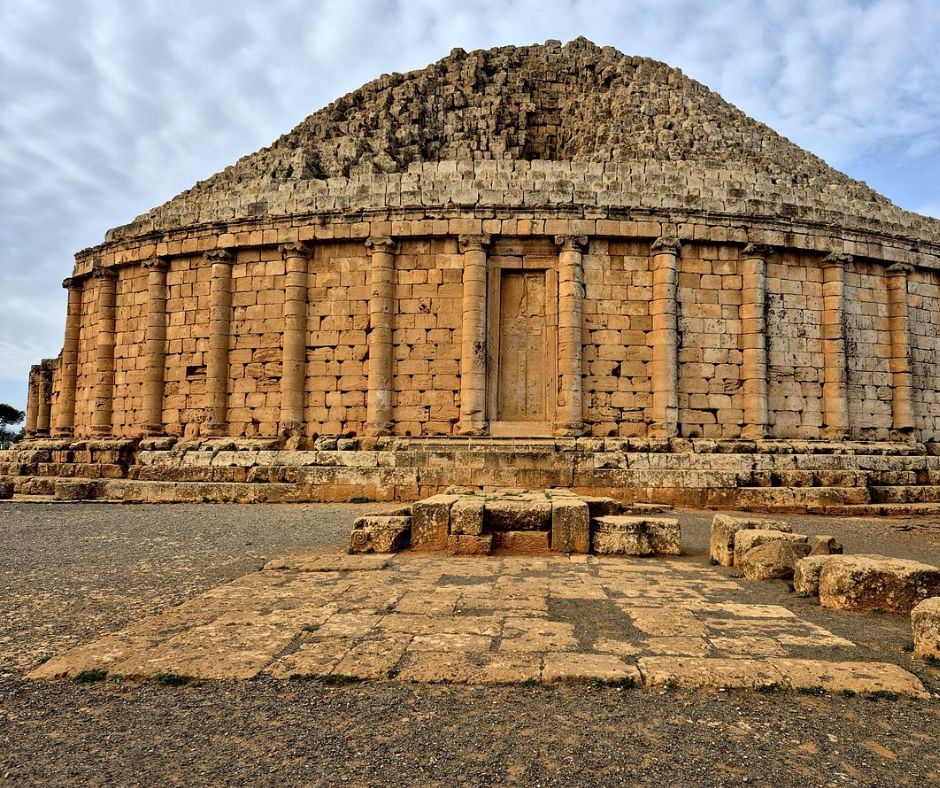
Kbor er-Roumia, as locals call the Royal Mausoleum of Mauretania, is the natural stop on the drive back: it stands near Sidi Rached, east of Tipaza. The round stone tomb stands on a base about 60 m wide and is now about 32 m high. It is traditionally linked to King Juba II and Queen Cleopatra Selene II, though historians still argue over its date and who built it.
It sits on a hill above the Mitidja plain, with the sea in view on a clear day. Children usually enjoy the ruins more than you might expect, which is why Tipaza is one of the stops on our 10-day family itinerary in Algeria.
What to Eat in Algiers on a Weekend
Two days is enough to try the main dishes of Algiers. The cooking has Berber, Arab, Ottoman and Andalusian roots, and most of it is mild: the heat comes from the harissa on the side.
Street Food Staples and Quick Bites
Garantita (karantika in Oran, where it is the best-known street food) is a baked chickpea-flour flan, sold by the slice and often eaten hot in a piece of baguette with cumin and harissa. Small shops and stalls all over the city sell it, and it is one of the cheapest fillers in town.
Look for mhadjeb (also spelled mhajeb) too: thin semolina crepes folded around a spicy tomato and onion filling, cooked on big griddles and best eaten hot.
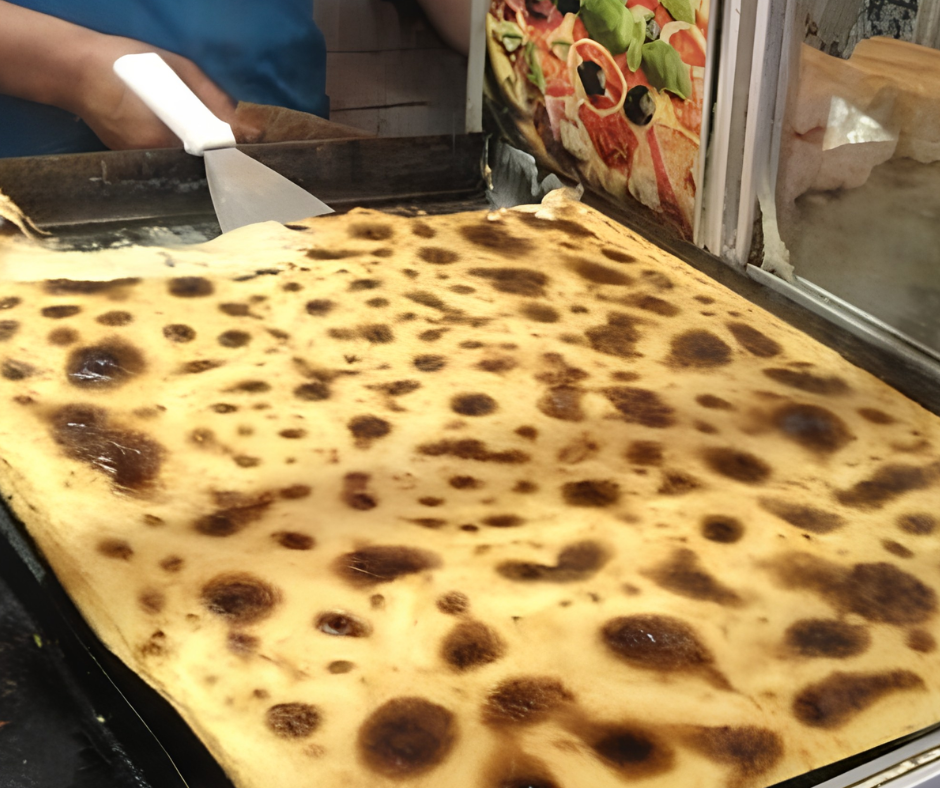
Maakouda are fried potato patties with garlic and parsley, sold at snack counters and sandwich shops, and an easy bite between sights. If you have children with you, our guide to traveling in Algeria with kids lists the street snacks that go down easiest, such as bourek and karantika.
Near the port and Place des Martyrs, look for grilled sardines and small fried fish, cooked simply and sold cheaply.
Sit-Down Meals: Couscous, Chakchouka and Sweets
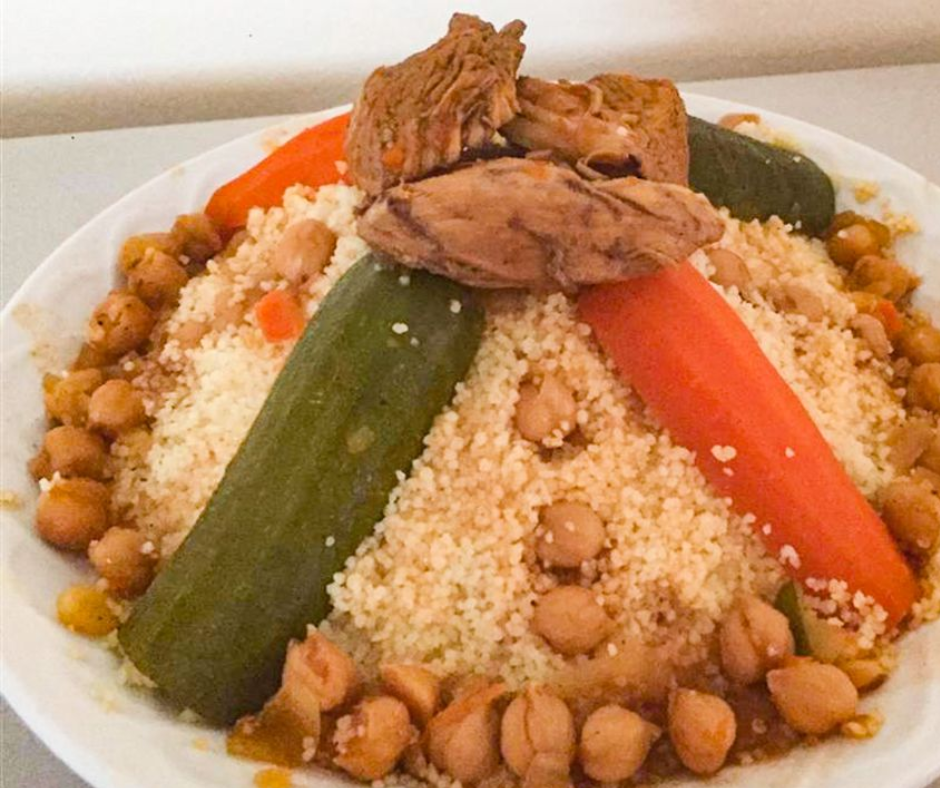
For a sit-down meal, order couscous. In Algiers it is usually savory, with lamb or chicken and vegetables in a red tomato sauce or a white one, and every family and restaurant has its own version. Algeria inscribed couscous on UNESCO's intangible heritage list in 2020, jointly with Morocco, Tunisia and Mauritania.
Finish with coffee, the everyday drink in Algiers, or a glass of sweet mint tea, poured from a height to raise a foam.
Chakchouka is a stew of peppers, tomatoes and onions with eggs cooked on top, eaten at any meal with plenty of bread. Don't confuse it with chakhchoukha, an eastern dish of torn flatbread in a spiced meat sauce.
For dessert, try baklawa or kalb el louz ("heart of almond"), a semolina and almond cake flavored with orange-blossom water and soaked in syrup. It is an Algiers specialty and a Ramadan favorite, so outside Ramadan not every patisserie has it.
Maqam Echahid and the Jardin d'Essai
If you skip Tipaza, spend the second day here. The Maqam Echahid and the Jardin d'Essai are on the same slope in El Hamma, linked by the short cable car, and the Fine Arts museum is at the top of the garden, so you can see all three in a day without a taxi.
Maqam Echahid, the Martyrs' Memorial
The Maqam Echahid, or Martyrs' Memorial, sits on the hill above El Hamma and can be seen from much of the city. Inaugurated on 5 July 1982, the 20th anniversary of independence, it is a 92 m concrete monument to those who died in the War of Independence: three stylized palm leaves leaning together over an eternal flame.
The esplanade around it looks over the whole bay and the port. Come about an hour before sunset to watch the city lights come on.
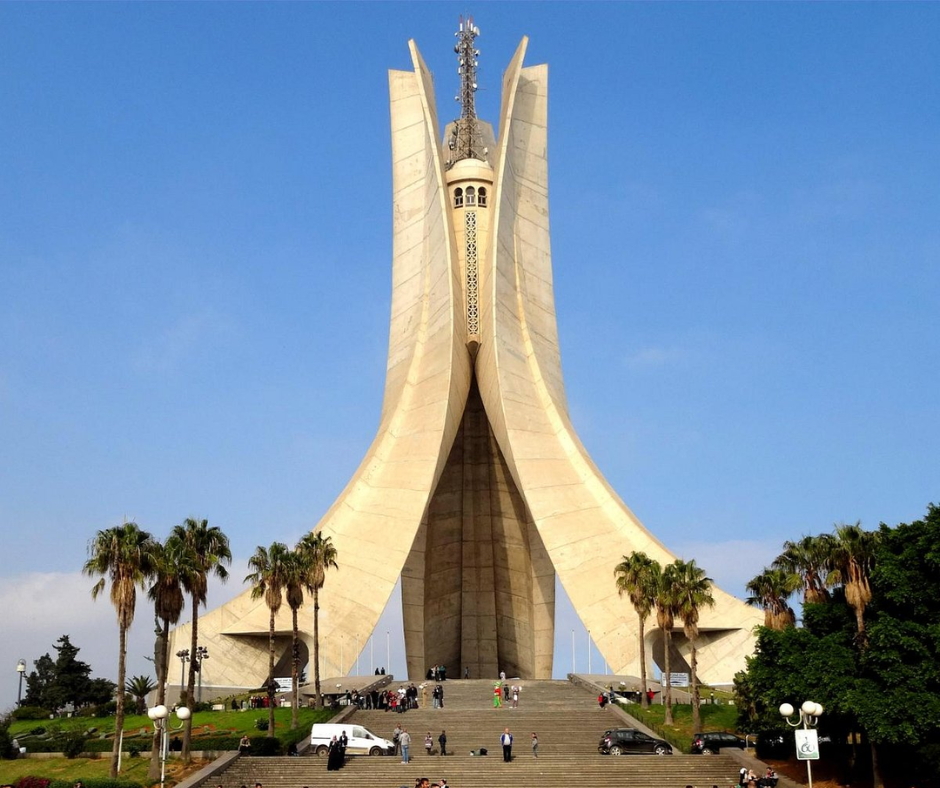
Beneath the monument, the Museum of the Mujahid covers the War of Independence (1954-1962) with photographs, documents and objects from the period.
Even an hour there gives you the background to the street names, statues and dates you see all over Algiers. On weekend evenings the esplanade fills with families.
Jardin d'Essai du Hamma, the Botanical Garden
At the foot of the hill below the memorial, the Jardin d'Essai du Hamma is a botanical garden founded in 1832. It covers about 32 hectares and has more than 1,200 plant species, with a formal French garden on one side and a looser English garden, with a small lake, on the other.
Locals come here for the shade, and it gets busy on weekends. Entry is a small fee (about 150-200 DZD).
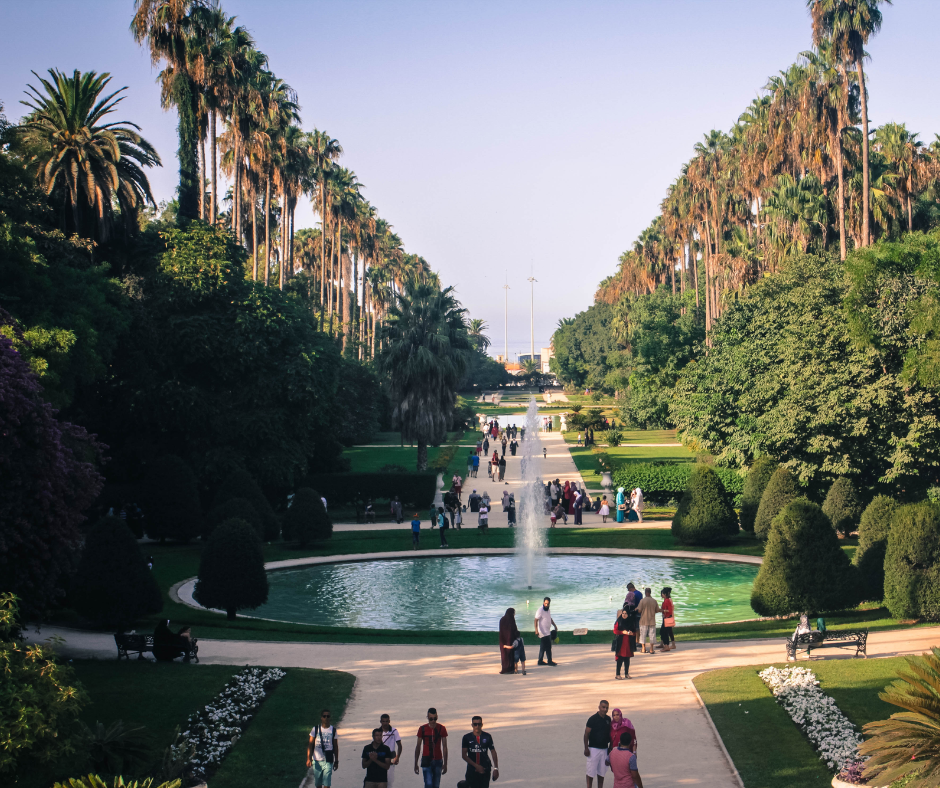
Jardin d'Essai metro station is right by the gate, and the cable car's lower station is next to the garden. Walk the giant bamboo alleys, planted in the mid-nineteenth century, and the central alley of tall Washingtonia palms that runs down toward the sea.
Other weekend trips from Algiers
Oran: A short flight, or 4.5 to 5 hours on the Coradia train. See the Santa Cruz fort on Mount Murdjadjo and spend the evening in the city where raï grew up.
Constantine: About an hour by air. Walk the Sidi M'Cid bridge, 175 m above the Rhumel gorge, and ride the cable car, back in service since April 2025.
Chréa National Park: Above Blida, south-west of Algiers, with Atlas cedar forest and Barbary macaques. In winter it gets snow and runs a small ski station.
Weekend FAQ
Which days count as the weekend? Friday and Saturday. Algeria moved its weekend from Thursday and Friday in August 2009, so Sunday is an ordinary working day when banks and offices open. Friday is the quiet day, built around the midday prayer, so plan outdoor sights for Friday and museums for Saturday.
Will I find anything open on a Friday? Plenty, though it's a slow day. Many shops close around the midday prayer, some stay shut all day, and the Bardo Museum is closed on Fridays, but cafés, restaurants and the seafront carry on as normal.
Can I see Algiers properly in two days? For a first look, yes. Give one day to the Casbah, the lower town and the seafront, and the other to Tipaza or to the memorial, garden and Fine Arts museum in El Hamma. You will miss Notre-Dame d'Afrique and the Bardo, so a third day makes the trip less rushed.
What will two days on the ground cost me? Not much, once flights and the visa are paid. Rooms in simple hotels run about 4,000 to 7,000 DZD a night, and central Algiers costs more. A popular-restaurant plate is 600 to 1,200 DZD, a metro ride 50 DZD and a museum 200 to 300 DZD. Euros go about 80% further as cash changed informally than on a card (autumn 2026).
Do I really need a visa for just two days? Most likely. Holders of UK, EU, US and Canadian passports need a consulate visa even for a short stay, as an e-visa isn't available (October 2026), and the visa on arrival is only for organized tours that include the southern wilayas. Apply at least a month ahead.
The whole weekend works best from March to June and from September to November; in Ramadan most cafes and restaurants close during daylight. If the weekend leaves you wanting more, our 10-day Algeria itinerary picks up from here and heads east to Constantine and south to the Sahara. Or send us your dates and we will plan the weekend for you, from a driver waiting at arrivals to the car to Tipaza.


