
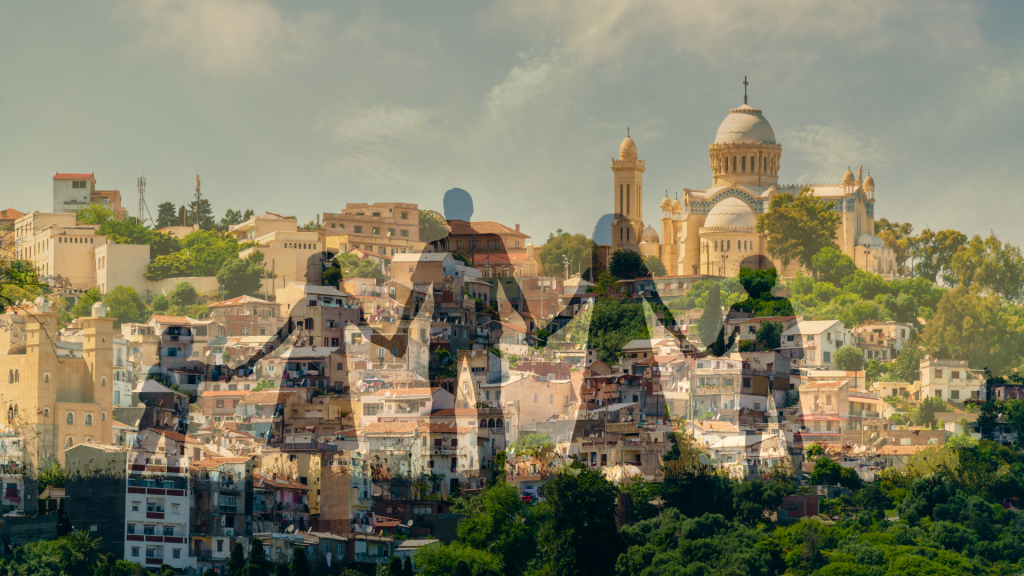

Algeria works with children if you keep distances short and travel in the cooler months. For a first family trip we would pair Algiers and the Roman coast at Tipaza with a few nights in a desert oasis such as Taghit, and fly the long stretches.
Below: where to go, paperwork for minors, vaccinations, food and heat. Pack a small health kit for the children too, since medical services thin out once you leave the cities; our complete guide to Algeria lists what to bring.
Where to base a family in Algeria
Africa's largest country can't be covered in a week with children in tow, and trying will wear everyone out. Pick two or three bases: Algiers for the city, Tipaza as a day trip for Roman ruins by the sea, and Taghit for an easy desert stay. Fewer hotel changes means less time in transit and children who settle in. With older children and ten days to spare, our classic 10-day route through Algeria shows how to link the north with the Sahara.
We pick places where children can move: Roman towns where they can walk the old streets and sit on the theater steps, dunes to run down, gardens. Long museum visits and long drives are what wear families out, so we keep both short.
Family activities compared
Entry prices are the 2026 rates we found; site and museum tickets in Algeria mostly cost 200 to 300 DZD, which is about EUR 1.30 to 2 at the official rate.
| Place | Best age | Time needed | Entry | Stroller | Shade |
|---|---|---|---|---|---|
| Jardin d'Essai, Algiers | All ages | 2 to 3 hours | About 150 to 200 DZD | Yes, flat paths | Plenty |
| El Hamma cable car and Maqam Echahid | All ages | 1 hour | Small ticket | Yes on the plaza | Little |
| Bardo Museum, Algiers | 6 and up | 1 to 1.5 hours | About 200 DZD | Carrier easier | Indoors |
| Kasbah of Algiers | 8 and up | Half day with a guide | Free; guide extra | No, use a carrier | Some in the lanes |
| Tipaza ruins | All ages | 2 to 3 hours | About 200 to 300 DZD | Partly | Pine trees |
| Timgad | 6 and up | 2 to 3 hours | About 200 DZD | Partly | Very little |
| Djemila and its museum | 6 and up | 2 to 3 hours | About 200 to 300 DZD | Partly | Very little |
| Taghit dunes | 4 and up | Half day | Free | No | None; go early or late |
| Gouraya National Park, Béjaïa | 5 and up | Half day | Free to walk in | No | Some forest |
| Constantine's bridges | 8 and up | 1 to 2 hours | Free | On the bridges, yes | None |
Algiers with Kids
Most international flights land in Algiers, so it's the natural first stop. Stay in the center, around Rue Didouche Mourad, and most sights below are a short taxi ride away. The city is built on hills, so expect steep streets and steps with a stroller.
The Cable Car Experience
The cable car from El Hamma, beside the Jardin d'Essai, climbs to Maqam Echahid, the 92 m Martyrs' Memorial. The ride is short, the bay views are wide, and kids love it. In the latest schedule we found (September 2025) it ran daily from 7:00 to 22:00, with occasional maintenance closures. At the top, the large plaza gives children room to run.
Jardin d’Essai du Hamma
This botanical garden (founded 1832, about 32 hectares, entry around 150 to 200 DZD) is our top pick for a relaxed afternoon. The paths are wide and flat, so it's one of the few places in hilly Algiers where a stroller is easy. Turn the walk into a nature hunt: find the giant bamboo grove and count the different palms.
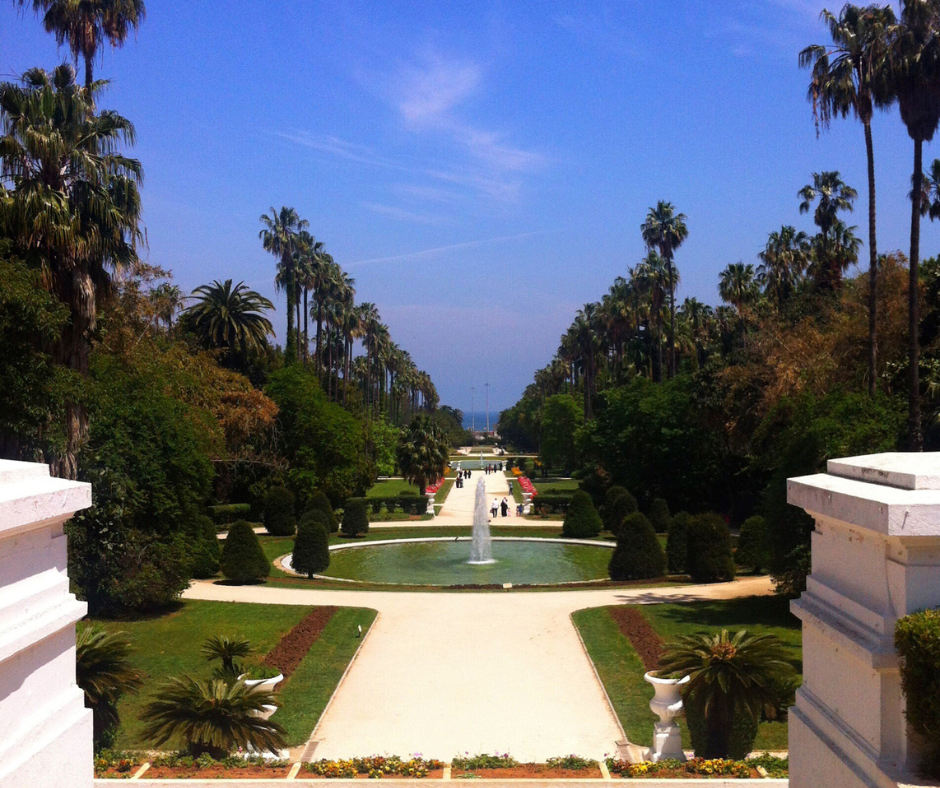
There is plenty of shade and kiosks sell water and snacks, so it works for a picnic. The cable car's lower station is right by the garden.
More on the capital: 15 Best Things to Do in Algiers
Or hand the day to a guide: Timeless Algiers: A Day of Discovery
Taking children into the Kasbah
Older children tend to love the Kasbah, the old town on the UNESCO list since 1992, with its steep, narrow lanes. Toddlers go in a carrier, because a stroller won't cope. Go with a good local guide: the lanes are a maze, and a guide will find the old fountains you would walk past.
Cars can't get into most of the Kasbah, so children can walk without traffic. The catch is the steps: get dropped off at the top, near the Citadel, and walk down.
More for kids in Algiers: museums, the zoo and beaches
The Bardo Museum, in an 18th-century villa in central Algiers, holds Algeria's prehistory and ethnography collections, including finds from the Sahara and the miniature of Tin Hinan's tomb. Children who have seen photos of the Tassili rock art like matching them to the objects. National museum tickets are about 200 DZD, and children usually go free.
Ben Aknoun, on the western heights of Algiers, has a zoo and an amusement park side by side, which locals use for family days out at weekends. Check it is open before you go. In summer, the beaches west of the city at Sidi Fredj and Zéralda are the easy choice from Algiers. Stick to the authorized beaches, where Protection Civile lifeguards work in the season.
The Sahara: Activities in the Sand
The Sahara sounds like an expedition, but parts of it are easy with children. For families we recommend Taghit, an oasis about 95 km by road from Béchar, which is a 1.5 to 2 hour flight from Algiers. Go between October and April: summer heat passes 40°C, and winter nights get close to freezing.
Sliding down Taghit's dunes
In Taghit the Grand Erg Occidental starts right behind the palm grove and the old ksar: you walk out of the village and you're on the sand.
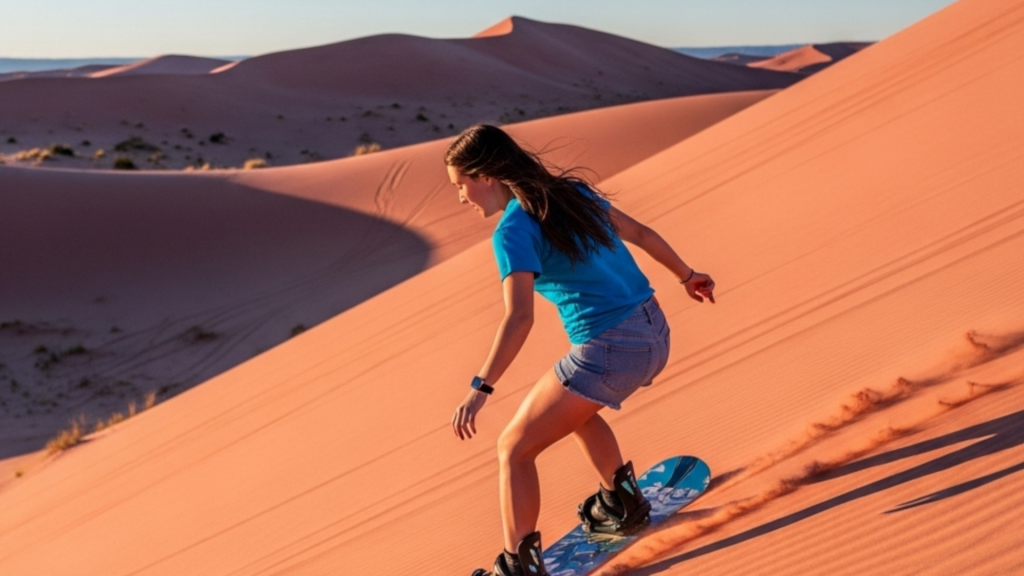
Children can spend hours climbing the dunes and sliding or sandboarding down; it's essentially the world's largest sandbox. Go early or late in the day, because the midday sand burns bare feet.
Prehistoric Rock Art in Djanet
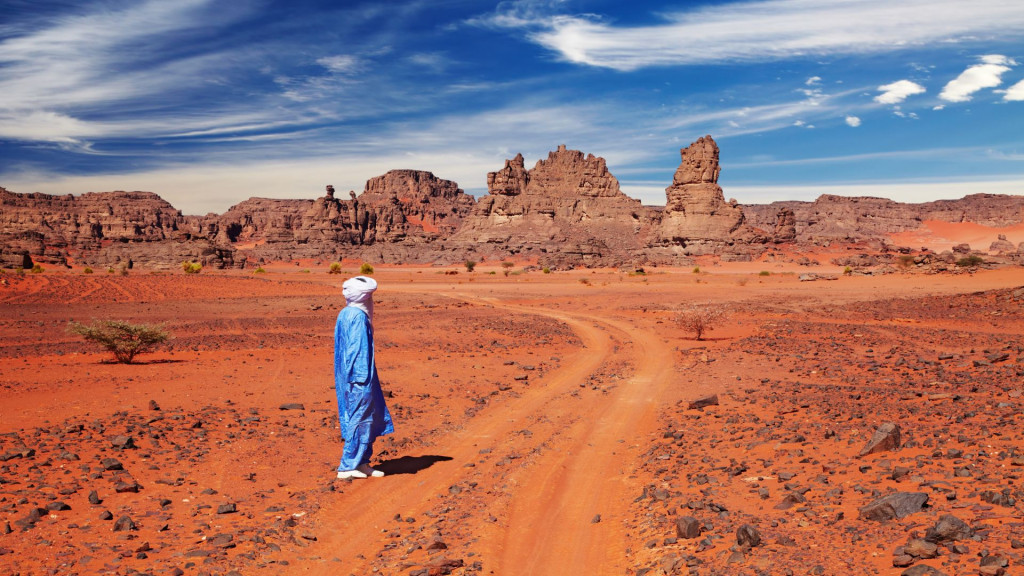
For a bigger desert trip, Djanet (about 2 hours 15 minutes by air from Algiers) is the gateway to the Tassili n'Ajjer, a UNESCO site since 1982 with more than 15,000 engravings and paintings of giraffes, elephants and cattle. The famous painting sites are on the plateau, a steep climb of several hours, which is too much for young children; the Crying Cows engraving at Tegharghart, about 25 km from Djanet, is a short walk from the 4x4 track. Book a guided tour where the crew handles cooking and camp.
Ours around Djanet, like every trip there, run through a licensed Algerian agency with local Tuareg guides. Before you pay, read the current official travel advice for the route and check that the family's insurance covers each of you there.
Read also: Djanet, Algeria: Things to Do and Tassili Treks
Desert Camping Logistics
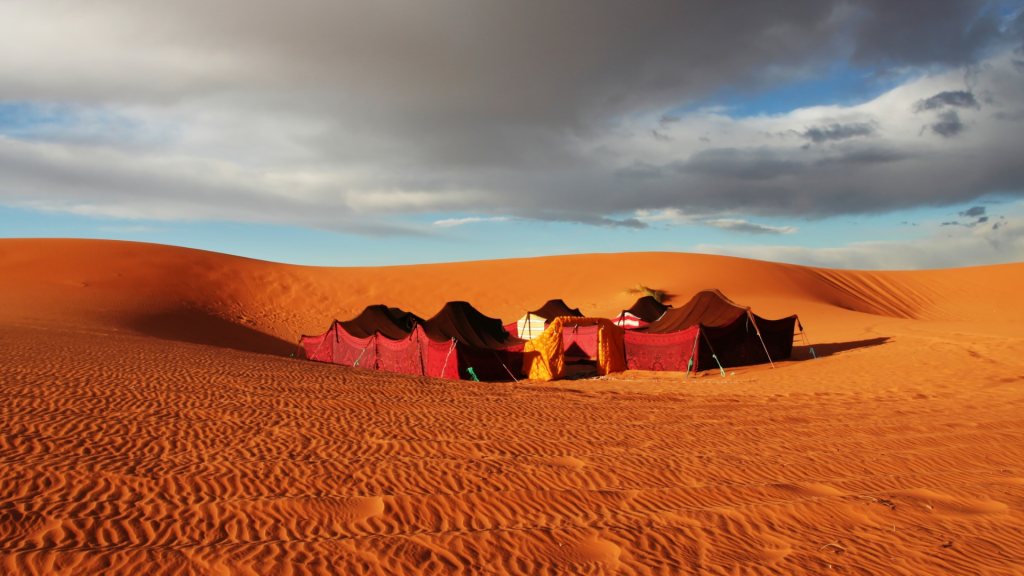
With young children, choose an established eco-lodge or fixed camp rather than wild camping. These camps have proper beds, blankets for the cold nights and cooked meals. Camel rides are a highlight, but thirty minutes is usually enough for a child.
Read also:
Camping in the Algerian Sahara: Seasons, Gear, Rules and Safety
Luxury Glamping in Algeria: Sahara Camps in Djanet, Taghit and Timimoun
Algerian Sahara Travel Guide: Routes, Visas & Safety Tips
Roman Ruins and Ancient Stories
Tipaza, Djemila and Timgad have been UNESCO World Heritage sites since 1982, and they get far fewer visitors than Roman sites in Europe, so kids have room to explore. The downside is shade: Timgad and Djemila have very little, so go early and bring hats.
Coastal History at Tipaza
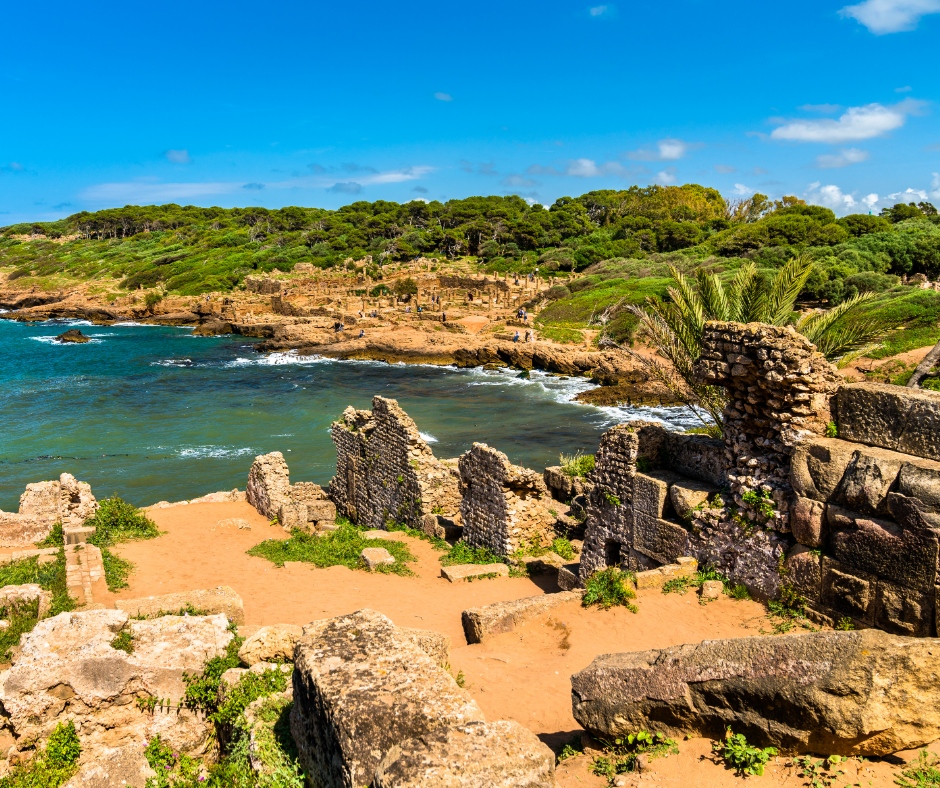
Tipaza is about 70 km west of Algiers, roughly an hour and a quarter by road. The ruins are spread along the shore under pine trees, with a theater, an amphitheater and old streets running to the sea, so it feels more like a park than a monument. Keep small children close near the rocks above the water.
Guided day trips and other WildyNess experiences in Tipaza are listed here.
Timgad and the Grid System
Timgad, 35 km east of Batna, was founded by the emperor Trajan around AD 100 on a near-perfect grid. Children understand it at a glance.
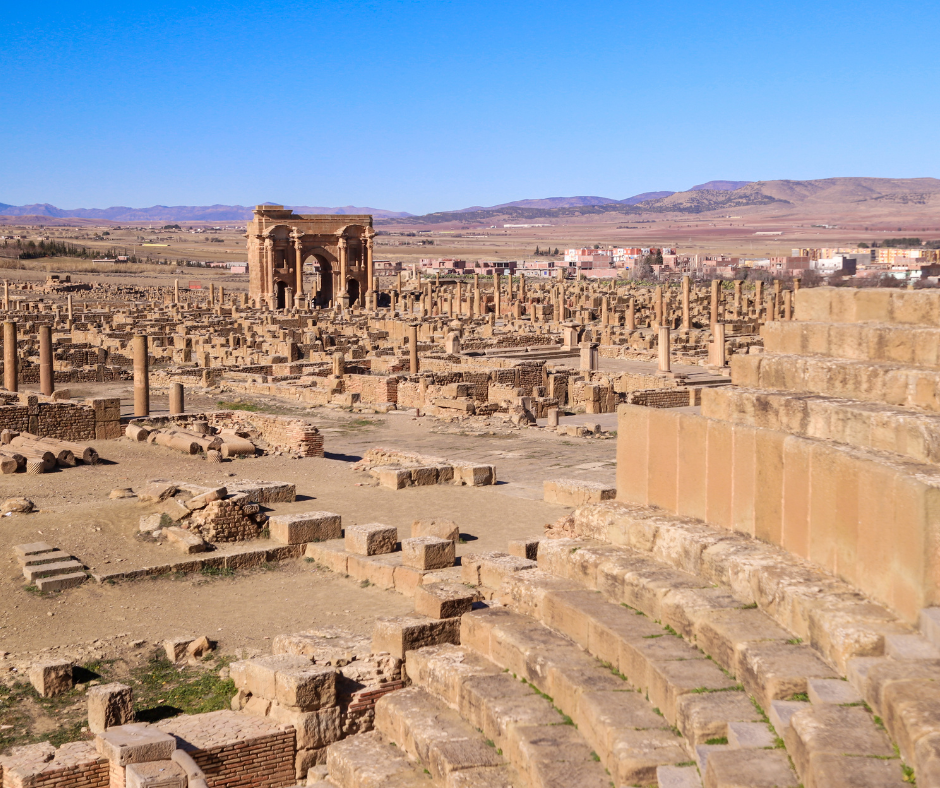
Stand at the main crossroads and show them how the Romans planned a town, then find Trajan's Arch and climb the theater steps. Entry is about 200 DZD (autumn 2026).
Djemila's mosaic museum
Up in the hills north-east of Sétif, at about 900 m, Djemila has a site museum that children remember: its walls are covered in large mosaics full of animals, hunting scenes and figures from Roman myths. Give them a list of animals to find and it becomes a scavenger hunt.
Coastal Retreats and Nature
When your family needs a break from sightseeing, head for the coast. The sea is warm enough to swim from June to early October, but Protection Civile lifeguards only cover authorized beaches in the summer season.
Beach Days in Oran
For a beach day near Oran we recommend Les Andalouses, west of the city: shallow water near the shore and, in summer, lifeguards, parking and food. Avoid summer weekends (Friday and Saturday), when it gets packed.
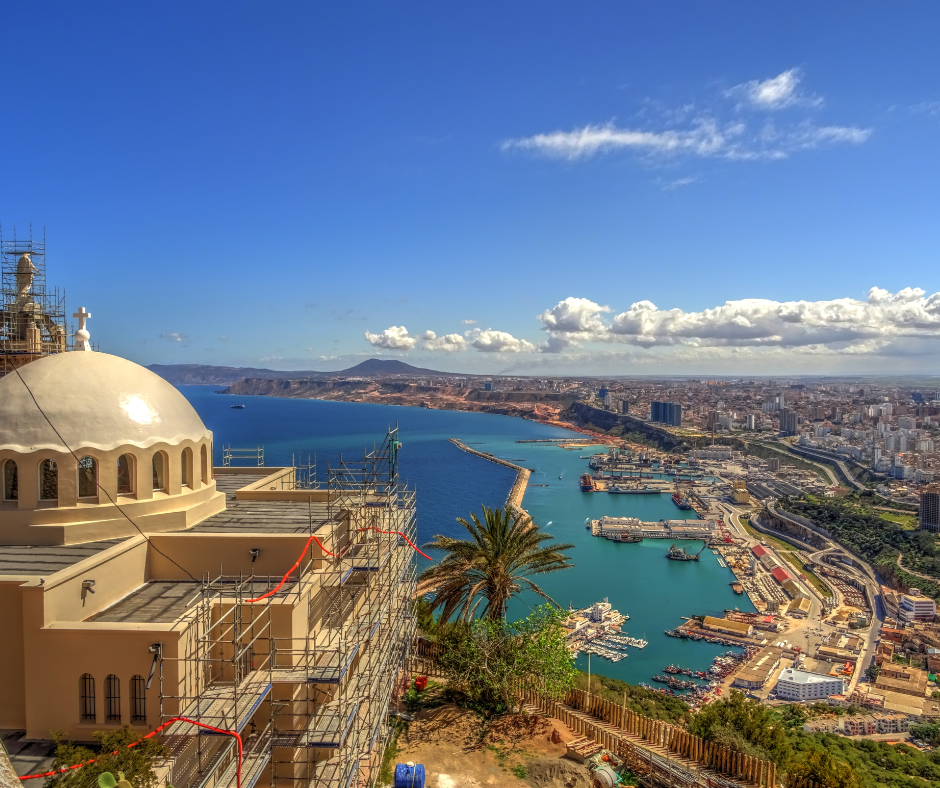
More things to do in Oran in Oran, Algeria: 12 Best Things to Do
Monkey Peak in Béjaïa
In Béjaïa the mountains drop straight into the sea. Gouraya National Park, a UNESCO biosphere reserve since 2004, is home to Monkey Peak and its wild Barbary macaques, always a hit with children.
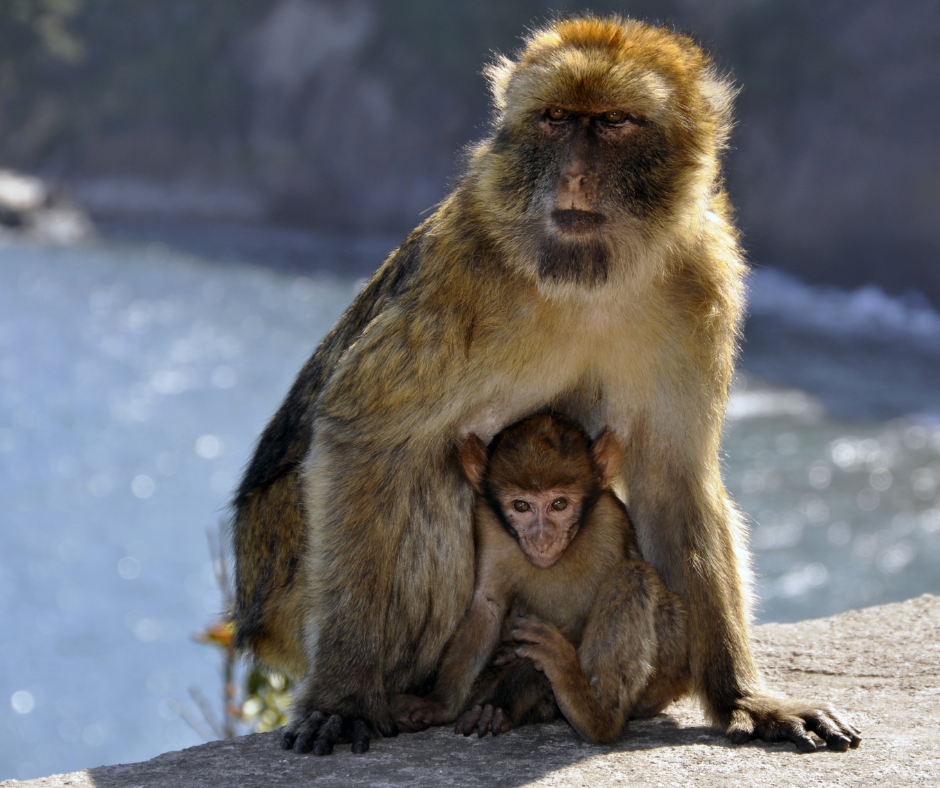
Don't feed them, keep food out of sight and keep small children a few meters back. Rabies is present in Algeria, so if anyone is bitten or scratched, wash the wound with soap and water and see a doctor the same day.
Constantine’s Suspension Bridges
In the east, Constantine is worth the trip for its gorge. Older children get a real thrill from walking the suspension bridges over the Rhumel, above all the Sidi M'Cid (1912), strung about 175 m above the water. Hold younger children's hands.
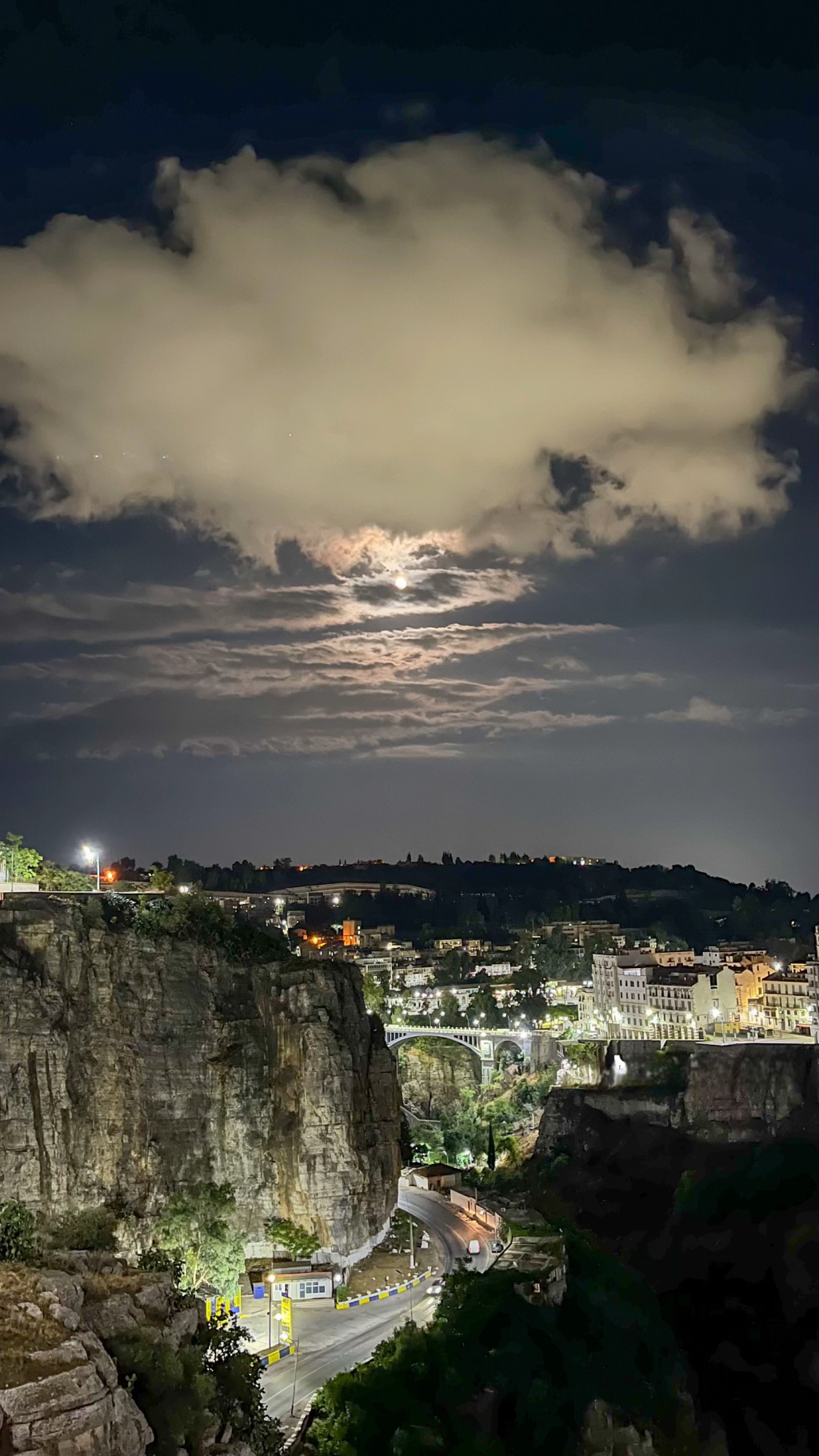
Read also: Constantine, Algeria: Best Things to Do
You might also like this: Explore the Ancient City of Constantine
To see Constantine, Tiddis, Timgad and Djemila on a four-day guided trip: Discovering Algeria’s Ancient Wonders: The Roman Heritage Tour
Planning a first family week in Algeria
- Travel in March to May or October to November, and keep the Sahara for October to April.
- Base yourselves in Algiers, do Tipaza as a day trip, and add a few nights in Taghit for the dunes.
- Fly the long legs. In Algiers, use Yassir, the metro (50 DZD) and the tram (40 DZD).
- Get each child their own visa, and pack birth certificates and a parental authorization.
- Bring your own car seat, since they're rarely available, and keep under-10s out of the front seat.
- Give children bottled water, get routine vaccines plus hepatitis A and typhoid, and buy insurance that covers private clinics.
Algeria by age: babies, young children and teens
Babies and toddlers. Bring a carrier as well as a stroller: the Kasbah, Constantine's old town and most Roman sites are steps, ruts and sand. Pharmacies in the cities sell diapers and formula, but bring the formula your baby knows. Plan one outing in the morning, a nap at the hotel and a garden or beach in the late afternoon, when it is cooler.
Ages 5 to 12. This is the easiest age. Give them a job at each site: count the columns at Timgad, find five animals in the Djemila mosaics, spot the palm types in the Jardin d'Essai. Keep the drives short, and save the dunes at Taghit as the reward for a museum morning.
Teenagers. Teens can handle the longer days: the Kasbah with a guide, sandboarding in Taghit, the walk across the Sidi M'Cid bridge, and, with a licensed agency, a few nights in the Tassili around Djanet. Let them choose one stop themselves; it changes how the whole trip feels to them.
Getting Around Algeria with Kids
Getting around Algeria takes some planning. In Algiers, the metro and tram are modern, clean and cheap (50 DZD and 40 DZD a ride, autumn 2026), and they skip the traffic.
Using Ride-Hailing Apps
For short trips, use a ride-hailing app such as Yassir (Uber doesn't operate in Algeria). You see the price before you book, so there's no haggling while you juggle bags and tired children. Don't expect child seats in taxis or app cars; bring a travel seat if your child needs one. Algerian road law also bars children under 10 from the front seat.
Domestic Flights vs. Trains
For longer distances, fly. An hour on Air Algérie or its subsidiary Domestic Airlines gets you to Oran or Constantine, and Sahara towns such as Béchar or Djanet are 1.5 to 2.5 hours away. Trains are slow: Algiers to Oran takes about 4 hours 40 minutes on the fastest train, often more. If you take the train, book first class for the extra space.
Hiring Private Drivers
For rural areas and desert trips, we suggest a private driver and vehicle. You can stop for bathroom breaks and snacks whenever you need, and the driver knows the roads and checkpoints. Ask for a child seat in advance or bring your own.
Dining with Picky Eaters
Most everyday Algerian dishes are mild; the heat comes from harissa served on the side.
Couscous and Rechta
Couscous is the national staple and is usually served with vegetables and meat. Ask for the broth on the side. Another safe bet is rechta, the Algiers specialty of thin fresh noodles in a white sauce with chicken, chickpeas and turnip. It is comfort food that rarely meets resistance from young diners.
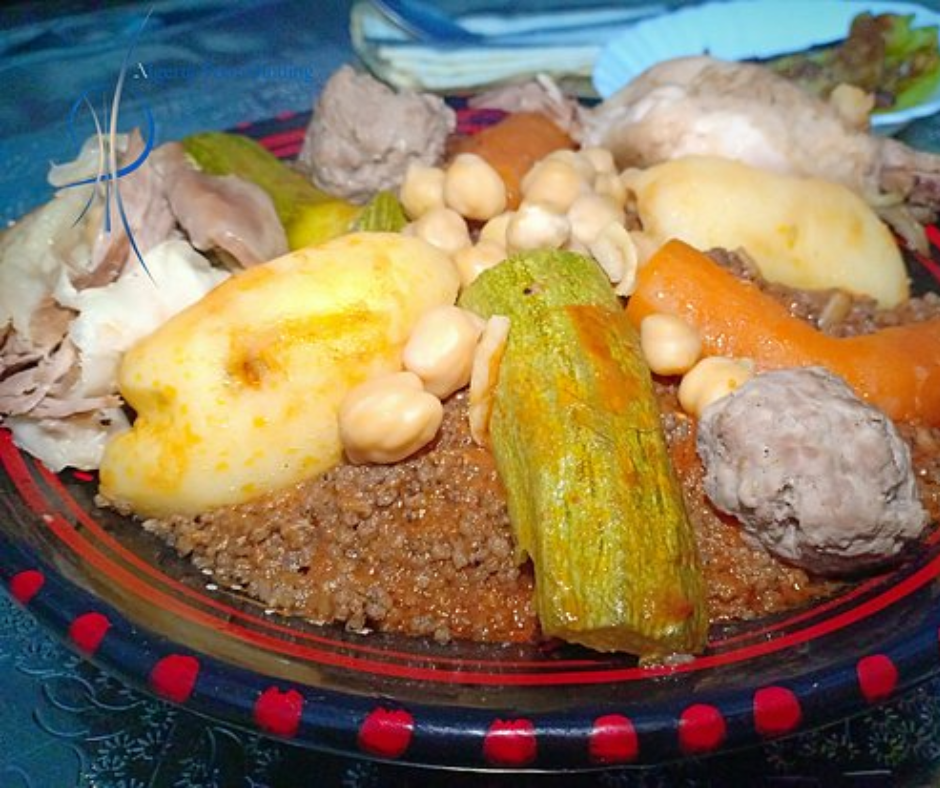
Read also: Where to Eat Couscous in Algeria
Bakery Snacks and Street Food
Algerian bakeries are good for quick snacks: bread and sweet pastries. Bourek, fried rolled pastry filled with minced meat or cheese, is easy for kids to eat with their hands. In Oran, try karantika, a soft baked chickpea flan sold by the slice.
More on what to snack on: Algerian Street Food: What to Eat and Where
Heat and water
July and August are the months to avoid with children: the inland Roman sites have almost no shade and the Sahara passes 40°C, so spring and autumn work far better. Bottled water is sold everywhere (Lalla Khedidja is a common brand), and we stick to it for children. Get kids drinking before they feel thirsty.
Passports, visas and letters for children
Children need visas just as adults do. For most Western families that means applying at an Algerian consulate before travel, since there is no e-visa (October 2026).
Apply at least six weeks ahead. Passports must be valid for at least six months from your arrival date. For each child under 18, the Algerian consulate in London asks for a copy of the birth certificate and a parental authorization.
If one parent travels alone with the children, carry a signed consent letter from the other parent and the birth certificates: the FCDO doesn't list it as an Algerian entry rule for foreign children, but airlines can ask. Algerian and dual-national children (minors until 19 under Algerian law) face stricter rules: a parent traveling alone with them must show the livret de famille, and a child traveling without parents needs an autorisation parentale to leave Algeria.
The full visa rundown: Algeria Visa: Requirements and Visa on Arrival
What the family should wear
Dress in Algeria is conservative, and more so in the south. Adults and older children should cover shoulders and knees in towns; shorts on young children are fine, and swimwear is normal on the beach. A light scarf protects from the sun and works as a head covering if you visit a mosque.
For the rest of the packing list: What to Wear in Algeria
What goes in the day bag
Every day: a refillable water bottle, high-SPF sunscreen, hats and wet wipes. City pharmacies sell diapers and baby formula, but brands differ, so bring the formula your baby knows, plus children's paracetamol and rehydration salts. At night and at weekends, one pharmacy in each area stays open on a rota (the pharmacie de garde); your hotel can tell you which.
See a travel clinic eight weeks before you go. The US CDC recommends routine vaccines including measles and polio, hepatitis A from age one and typhoid for most travelers, and warns that rabid dogs are common. The FCDO says private clinics are usually better than state hospitals, so get insurance that covers private care and evacuation. Ambulance: 1021 or 16.
Is a Family Trip to Algeria Right for You?
Algeria suits families who are fine with a slower pace, some improvisation and little English outside hotels. A lot of the parents who've traveled with us tell us afterwards that the country was calmer and more welcoming than what they'd read had led them to expect; we only put families on itineraries we've tested ourselves, with licensed local guides. It is harder with babies if you rely on car seats, wide pavements and familiar brands. The trips that go best mix one planned activity a day with plenty of downtime.
What parents usually ask us
Is Algeria welcoming for families with children? Yes. Algeria is a family-centered country, and children are welcome in cafes, restaurants and homes. The harder parts are practical: heat, few car seats and little English outside hotels.
What age is best to take kids to Algeria? Five to twelve is the easiest range. Children that age can walk the Roman sites, enjoy the dunes and cope with a few domestic flights. Babies are fine with a carrier and a slow plan, and teenagers can add the Kasbah with a guide, sandboarding and a desert trip around Djanet.
Can you use a stroller in Algiers? Only in some places: the Jardin d'Essai, the plaza at Maqam Echahid and the seafront promenades. The city is built on hills and the Kasbah is all steps, so bring a carrier too.
Are there zoos or theme parks in Algeria? Algiers has a zoo and an amusement park at Ben Aknoun, on the city's western heights, popular with local families at weekends. Check it is open before you go. For most visiting families, though, the dunes at Taghit, the macaques in Gouraya park and the cable car do the job better.
Is the tap water safe for children? We don't give it to them. Bottled water is cheap and everywhere, and it's what we use for formula too.
Do children need their own visa for Algeria? Yes, the same consulate visa as their parents. The London consulate wants a copy of the birth certificate and a parental authorization for every child under 18, and if only one parent is traveling, bring a consent letter from the other.
Get your children involved early: show them photos of Timgad's theater or Taghit's dunes and let each choose one activity. Then book flights for the long legs, apply for visas six weeks out and keep the desert for October to April.
Questions about your dates, your children's ages or the right pace? Reach out to the WildyNess Team. We can build the route around your family, help with the visa invitation letter and have a driver waiting at arrivals.


