
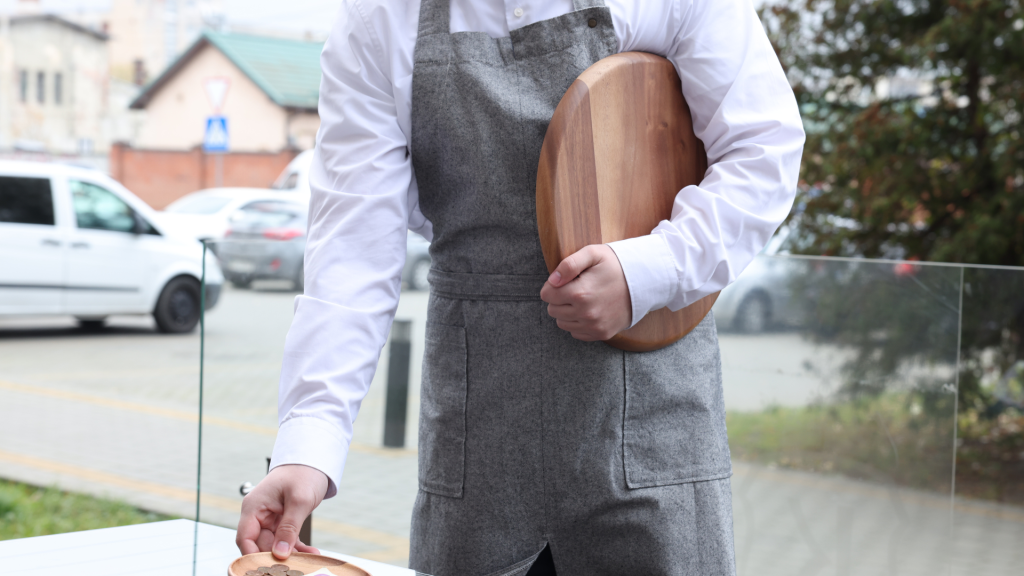

Tipping in Algeria is optional, and nobody will chase you for it. When you do tip, keep it small: round up in cafés, leave 100 to 200 DZD in casual restaurants and about 10% in upscale ones, and save the real money for guides and drivers.
The rest of this guide goes situation by situation: restaurants, hotels, taxis, guides and desert crews, plus how to keep the right notes in your pocket and what changes during Ramadan.
How tipping works in Algeria
How hospitality shapes tipping
Algerian hospitality runs on generosity, and a tip is read as thanks for good service rather than something you owe. Menus and bills say nothing about tips, so there's no rule to break.
It still helps to have a rough plan for restaurants, hotels and drivers, so you aren't working out percentages at the table.
Why you need cash for tips
Algeria runs on cash. Cards get you through large international hotels, airline offices and a few upscale shops and restaurants, and not much else; the south hardly takes them at all. Even where you pay the bill by card, give the tip in dinars, by hand. The XE Currency app, one of the tools we suggest in our Algeria travel essentials, makes the dinar conversions much quicker, but it shows the official rate.
That rate, used by banks, ATMs and cards, is about 150 DZD to the euro, as of autumn 2026; the informal "square" market, technically outside the exchange-control law but used openly, pays about 275, which is why most visitors get their tip money changed informally, through a guide, host or agency they trust. Declared more than EUR 1,000 when you landed? Then change some of it at a bank as well, and hold on to the receipts for customs.
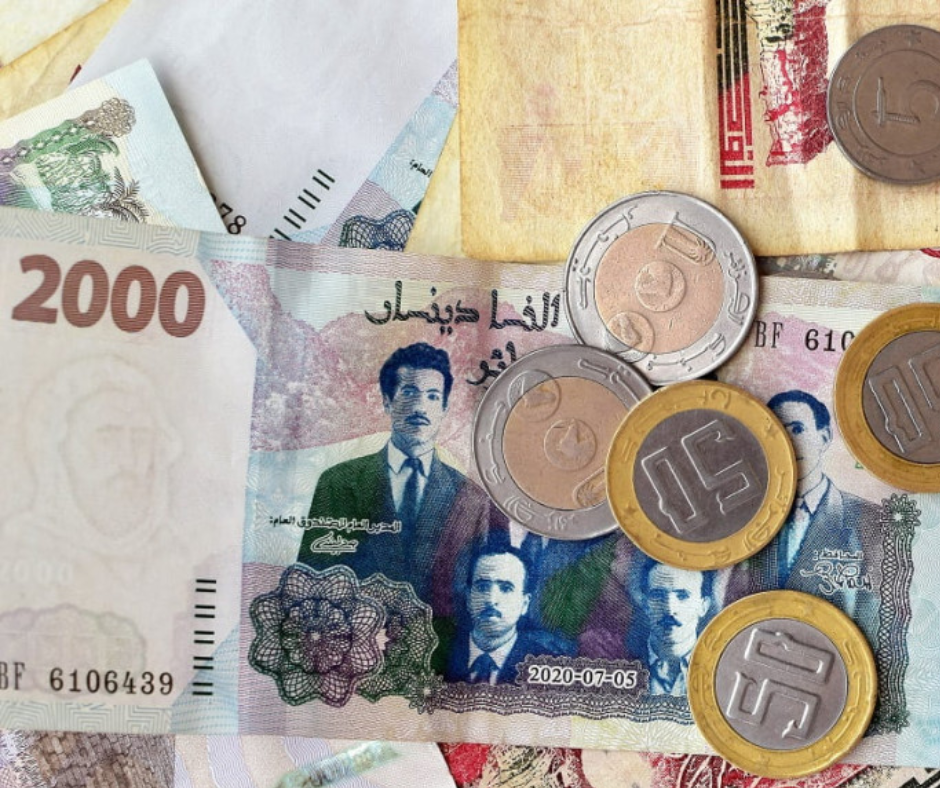
Small notes and coins are what you'll use most. Tips are a small line in your overall spending, which we break down in our Algeria travel costs guide: a 200 DZD tip is about €1.33 at the official rate, or about €0.73 at the informal rate (autumn 2026).
Find related articles and experiences in our Algeria experiences.
Algerian tipping culture: what is expected
Tipping in Algeria isn't a fixed rule the way it is in North America. In many everyday situations nobody expects anything on top of the listed price, and you'll be treated just as well if you don't tip.
Social norms and respect
One reason tipping isn't widespread is that most everyday prices are simply fixed, and many people would rather a small service felt friendly than paid for.
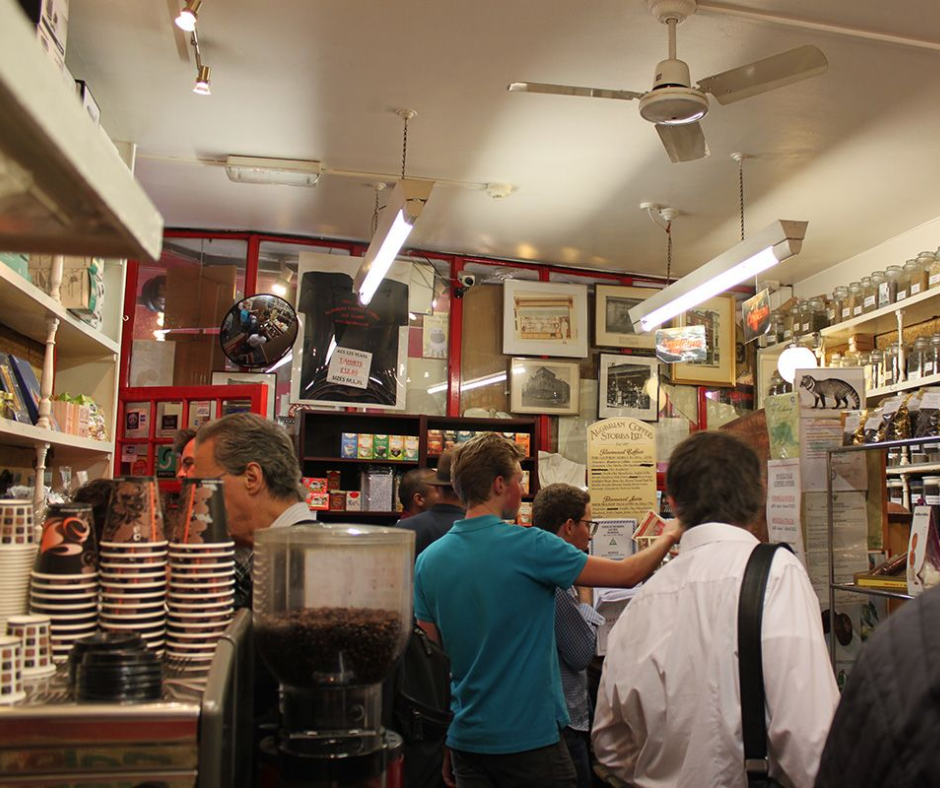
In a neighborhood café or a corner shop, paying the exact bill and saying thank you (merci, or saha in Algerian Arabic) is all that's expected. In the souks, crafts are bargained over rather than tipped, a skill worth practicing before you go shopping in Algeria. Food and everyday goods have fixed prices, so don't haggle over those.
When a tip is appreciated
A small tip isn't required, but it is noticed. Think of it as thanks for extra effort: a driver who carries your heavy bags, or a waiter who explains the dishes and tells you where locals eat.
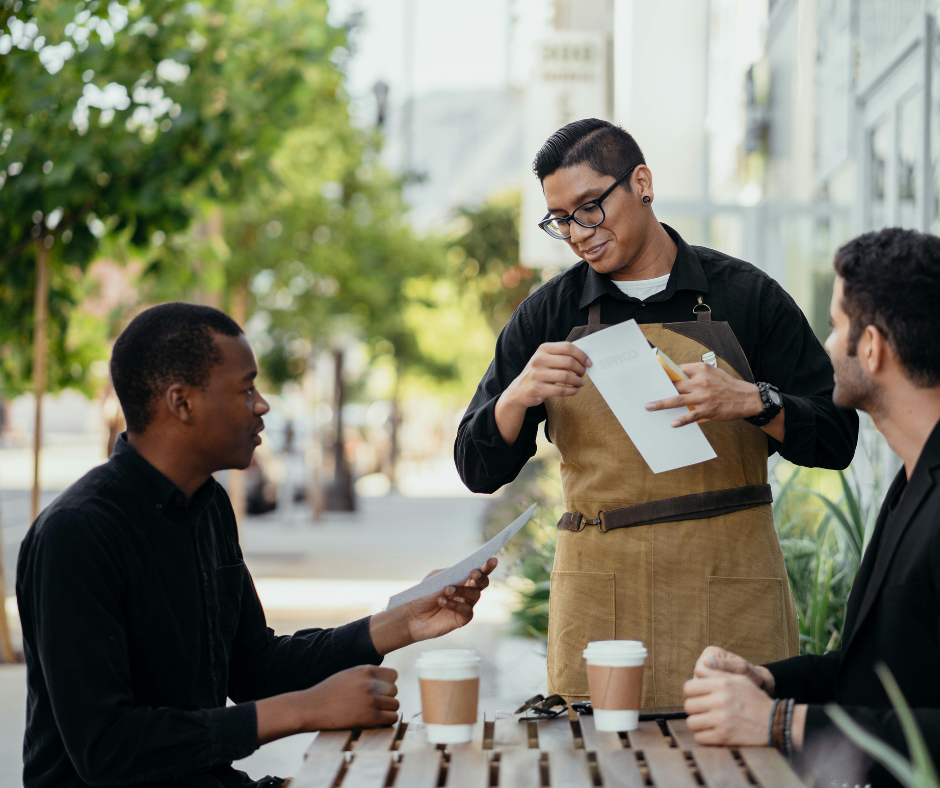
Hand it over directly, with a thank you.
Knowing what to hand over, situation by situation
Dinar amounts as of autumn 2026; the euro figures are at the informal rate first, then the official one.
- Coffee at the counter: nothing expected, though people leave the small change (20 to 50 DZD).
- Casual restaurant or street stall: round up, or 100 to 200 DZD (€0.35 to 0.75 / €0.65 to 1.35).
- Sit-down restaurant: 5 to 10% with good table service, about 10% somewhere upscale.
- Taxi or Yassir: round up to the next 50 or 100 DZD.
- Hotel staff: 100 DZD to the porter (200 for several heavy bags), 100 to 200 DZD a night for housekeeping, left daily, and 500 DZD (€1.80 / €3.30) to a concierge who does you a real favor.
- City guide: 1,000 DZD per group for a half day (€3.60 / €6.70), 1,500 to 2,500 DZD for a full day (€5.50 to 9 / €10 to 16.70).
- Private driver for the day: 1,000 to 1,500 DZD per group (€3.60 to 5.50 / €6.70 to 10).
- Sahara crew: 1,500 to 2,000 DZD per traveler per day, pooled (€5.50 to 7.30 / €10 to 13.30).
Tipping in restaurants and cafés
The rule of thumb: the more table service, the more you leave. A sit-down meal with several courses and a waiter looking after you earns a tip. A coffee at the counter or a sandwich from a stall usually doesn't.
Upscale and mid-range restaurants
In upscale restaurants, the kind with tablecloths and several courses, about 10% is normal if the service was good.
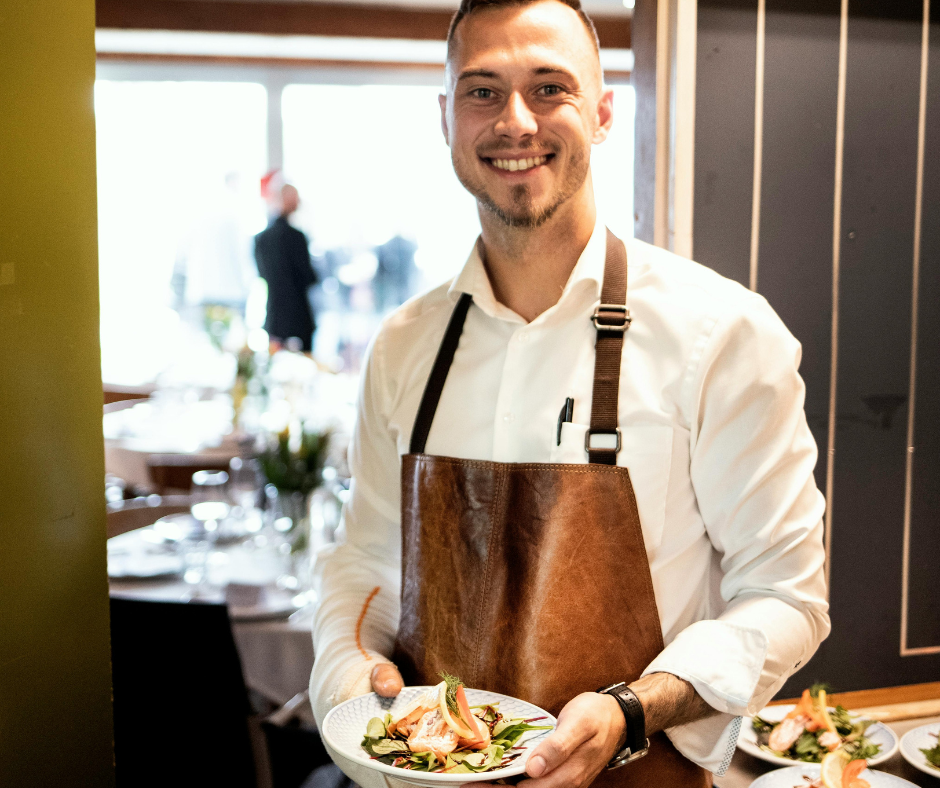
In mid-range restaurants with attentive table service, 5 to 10% is about right. On a large group bill, 5% already adds up to a decent tip for the staff.
Casual eateries and street food
In casual cafés, small diners and at street food stalls, you aren't expected to tip at all. That makes life easier for anyone backpacking through Algeria on a tight daily budget. If someone goes out of their way, finding you a table or translating the menu, 100 to 200 DZD is a kind gesture.
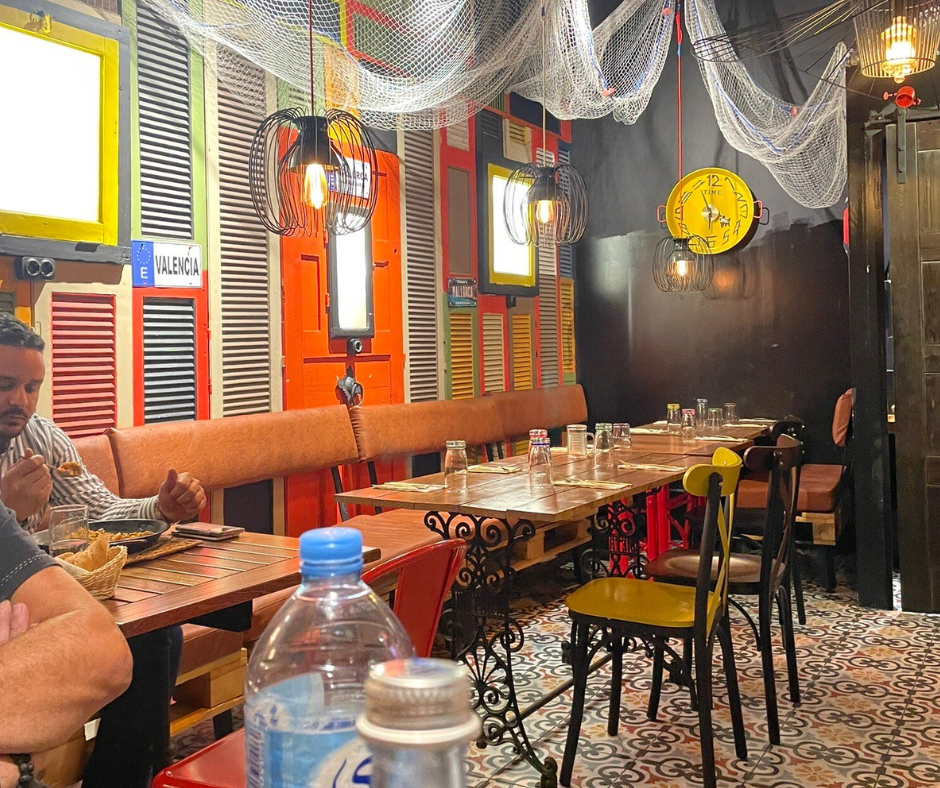
The easiest method is to round up the bill and tell the server to keep the change, which also saves waiting for coins.
Hotel tipping etiquette
Tipping in hotels is optional. The staff most often tipped are porters, housekeeping and, for bigger favors, the concierge.
Porters and housekeeping
For porters, 100 to 200 DZD is usual for carrying your bags to the room. Add a little if they help with extra requests.

For housekeeping, leave 100 to 200 DZD a day rather than one larger sum at the end. The person who cleans your room can change from day to day, and this way each of them gets something.
Concierge and front desk
You don't need to tip the front desk for check-in or check-out. If a concierge gets you a hard-to-book table or spends real time solving a problem for you, 500 DZD is a good thank-you (about €3.30 at the official rate, or €1.80 at the informal rate).
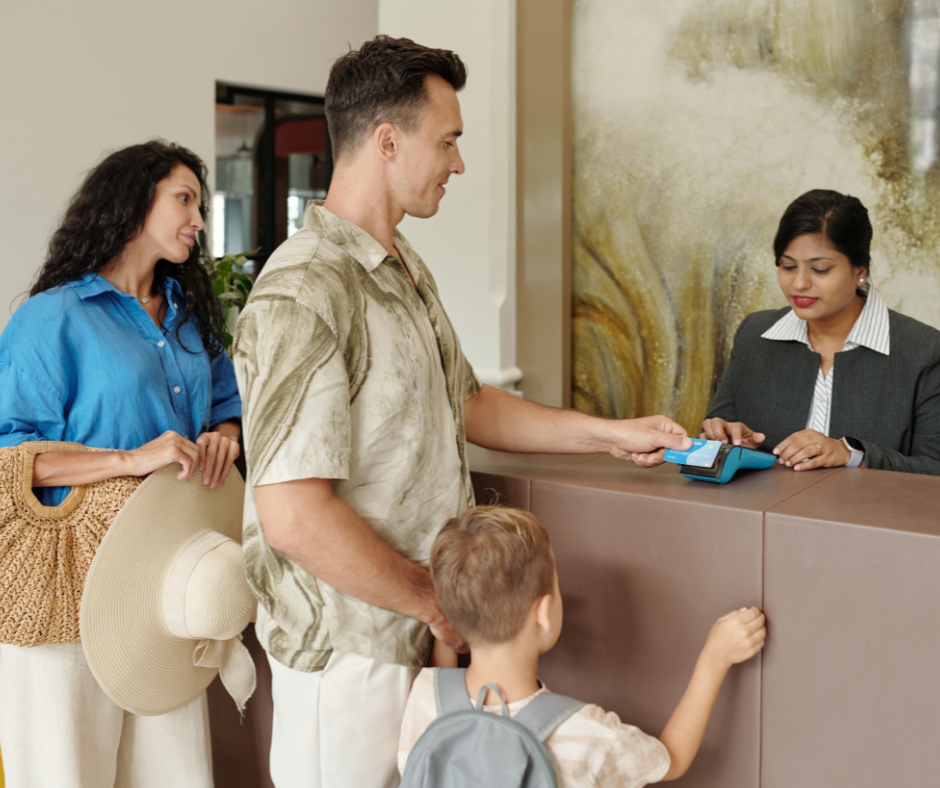
Keep a few 200 DZD notes or coins in a separate pocket for these moments.
Tipping taxis, drivers and tour guides
Drivers and guides are where tips matter most. A taxi across Algiers needs little more than rounding up. A guide who spends a day with you at the Roman ruins of Tipaza, or a crew who takes you through the Sahara for a week, should get a proper tip.
Taxis and ride-hailing apps
Taxi drivers don't expect a tip. Most people round up: if the fare is 860 DZD, hand over 900 and tell the driver to keep the change. No meter? Settle the price before the car moves; a ride from Algiers airport into the center usually comes to roughly 1,500 to 2,500 DZD.

On ride-hailing apps such as Yassir (Uber doesn't operate in Algeria), most drivers are paid in cash, so you can add a little if the driver helped with luggage or waited for you.
Private guides and multi-day tours
For a private guide on a full day, 1,500 to 2,500 DZD per group is a good tip, about €5.50 to €9 at the informal rate or €10 to €16.70 at the official rate. For a half-day walk, such as the Casbah, 1,000 DZD is fine. Desert crews are tipped together: set aside 1,500 to 2,000 DZD per traveler for each day of the tour (about €5.50 to €7.30 at the informal rate), and split it so the lead guide gets roughly 40% and the drivers, cook and camel men share the rest.
Couples and solo travelers should aim for the top of that range; groups of eight or more can go down to about 1,000. Pool it, put it in two envelopes (one for the guide, one for the rest of the crew) and hand them over on the last evening.
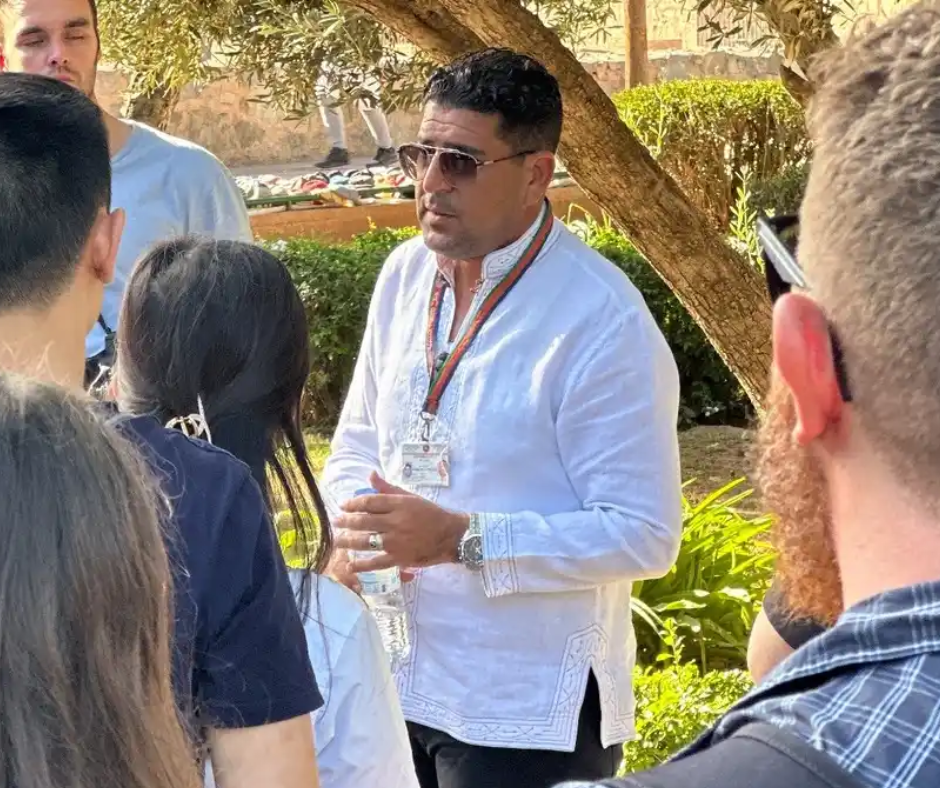
If your guide added stops or food tips that weren't on the itinerary, aim for the top of the range.
Other people you may want to tip
A few everyday payments sit somewhere between a fee and a tip. These are the usual amounts:
- Parking guardians (gardiens, or parkingueurs): 100 DZD, or 200 at beaches and busy evening spots. It is really a parking fee, so pay it without fuss.
- Toilet attendants: 20 to 50 DZD; paid public toilets charge about 20.
- Hammam attendants: 100 to 200 DZD on top of the price of the scrub.
- Camel handlers on a short ride in the Taghit or Timimoun dunes: 200 to 500 DZD.
- Barbers and hairdressers: round up the price.
- Petrol attendants: stations are staffed, and nothing is expected; leave 20 to 50 if they clean the windscreen.
Tip in dinars every time. Foreign coins can't be changed in Algeria, so they are no use to the person you give them to.
Handling cash for tips
Tipping is easy once you have small notes. Large 1,000 and 2,000 DZD notes are awkward for a 200 DZD tip, and small shops and taxi drivers often can't break them.
Build a tip kit
Keep small notes and coins separate from your main cash. When you arrive, break a large note at a mini-market or hotel reception and ask for 200 DZD notes plus 100 and 200 DZD coins (the 100 DZD note is old and rarely seen now).
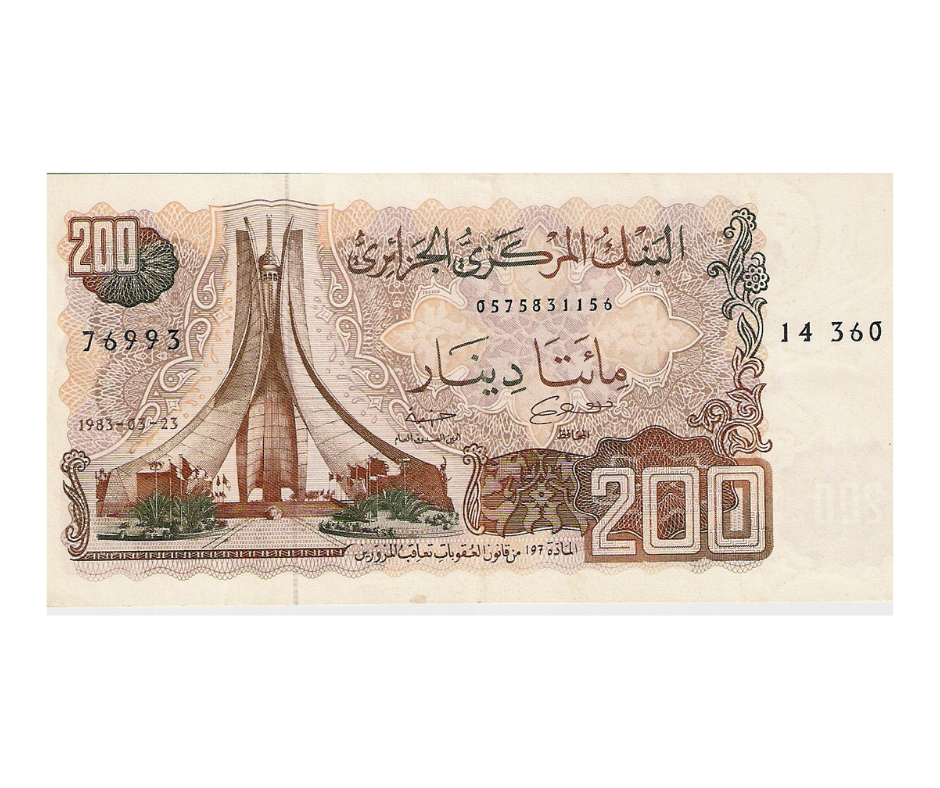
That way you can tip in a second and move on.
When a tip is refused
Now and then a tip is politely refused, often out of pride, or because the person feels they were simply helping a guest.
If it's waved away, don't push. A sincere thank you is enough.
Ramadan and regional differences
Two things change the picture: Ramadan, and how far you are from the big cities.
Tipping during Ramadan
During Ramadan people fast from dawn to sunset, and many cafés and restaurants open only for iftar, the evening meal. If your trip falls in early 2027, note that the month should begin around 8 February.
Service is slower when staff are fasting, so be patient. We'd tip a little more this month: staff working long evening shifts on an empty stomach notice it.
Regional differences
In Algiers, Oran and the big hotels, tipping in restaurants is more familiar. In small towns and villages, people are more likely to refuse money for a favor, and a host who invites you for tea or a meal should never be offered money.
Desert tours are the exception: there, a tip for the guide, drivers and cook at the end of the trip is customary (see the amounts above). A small gift from home is a nice extra, not a replacement.
WildyNess tips for Algerian hospitality
People in Algeria will often help you quickly or invite you to share a meal with no expectation of payment. Follow their lead. Start with a greeting, salam alaykum, before you ask for anything; it sets a friendly tone.
Tipping in Algeria: the short version
Most tipping in Algeria is rounding up. Keep small notes ready and save proper tips for proper service: table service, hotel porters, guides and drivers.
If you're booking a multi-day Sahara tour, set the crew tips aside in dinars before you leave the city. At 1,500 to 2,000 DZD a day per traveler, a week comes to roughly 10,000 to 14,000 DZD each (about €36 to €51 at the informal rate), in line with what French and British desert operators suggest. The south has few ATMs, so change it before you fly.
Keep it simple
You don't need to work out every transaction. If you find a driver you like, book them again; regular custom counts for a lot.
If you're unsure in a sit-down restaurant, 5 to 10% is safe. A tip offered politely won't offend anyone, even if some people turn it down.
Before you go
Sort out your dinars early. Outside the main towns cash machines are few, and in the south almost everything is paid in cash, tips included.
Euros, service charges, guides and desert crews
Should I tip in euros or dinars in Algeria?
Dinars. Euro coins and small notes are a nuisance for anyone here to change, and prices are all in dinars anyway.
Do restaurants in Algeria add a service charge?
Most don't, and menus say nothing about tips. In hotel restaurants and upscale places, glance at the bill for a service line (service compris). If service is already included, a tip on top is optional; leaving the small change is plenty. In ordinary restaurants, 5 to 10% for good table service is about right.
How much should I tip a tour guide per day in Algeria?
For a private city guide, 1,500 to 2,500 DZD per group for a full day and about 1,000 DZD for a half-day walk such as the Casbah. On multi-day desert trips the guide's share comes out of the pooled crew tip instead.
How much to tip the driver and cook on a Sahara tour?
Count on 1,500 to 2,000 DZD per traveler per day, pooled for the whole crew, so about 10,000 to 14,000 DZD each for a week; groups of eight or more can give less per person. Roughly 40% goes to the lead guide and the rest to the drivers, cook and camel men, in two envelopes on the last evening.
Is it rude not to tip in Algeria?
No. Tipping is optional, and in cafés and shops a merci or saha is all anyone expects; guides, drivers and desert crews are the exception.
If you're planning a guided trip, our team can have guides and drivers ready before you land. Tell us what you have in mind.


