
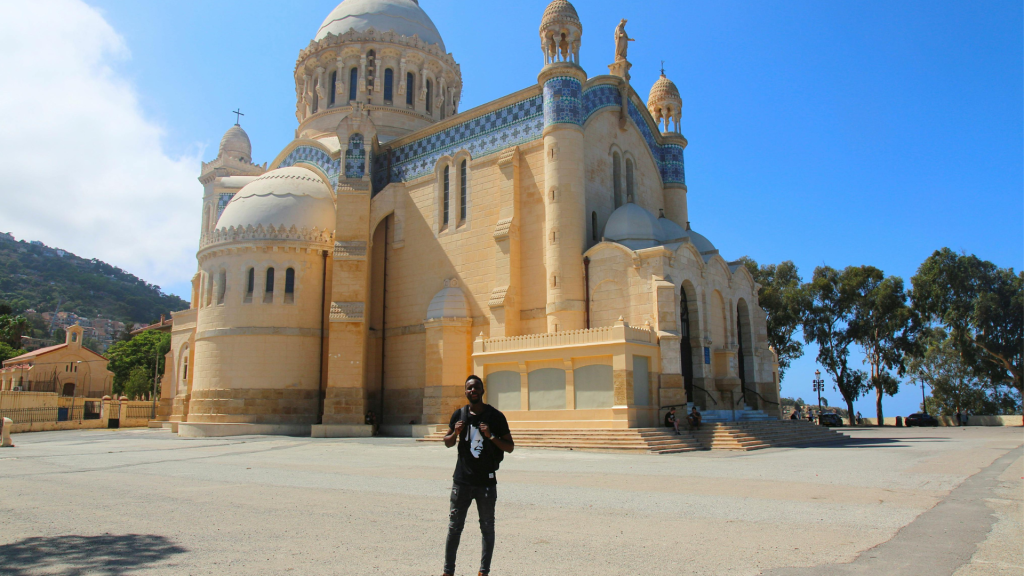

Yes, Algeria works for solo travel, and the north (Algiers, Oran, Constantine) is the easy part: trains and ride-hailing apps cover the big cities, and the everyday risks there are pickpockets and taxi overcharging. The harder parts are the visa, which you get from a consulate before you fly, money, because foreign cards are of little use, and the deep south, where foreigners are expected to travel with an approved agency.
We take those in that order, then suggest a route, what to eat on your own, and how to dress and stay safe.
Algeria as a solo travel destination
Algeria has no mass tourism, and that cuts both ways when you travel alone. Roman sites like Timgad and Djémila are often quiet, and people regularly go out of their way to help a foreigner on their own. On the other hand, English is limited outside hotels and younger people, there are few tour desks or backpacker buses, and distances are huge: Algiers to Tamanrasset is a flight, not a drive. Arrive with a plan.
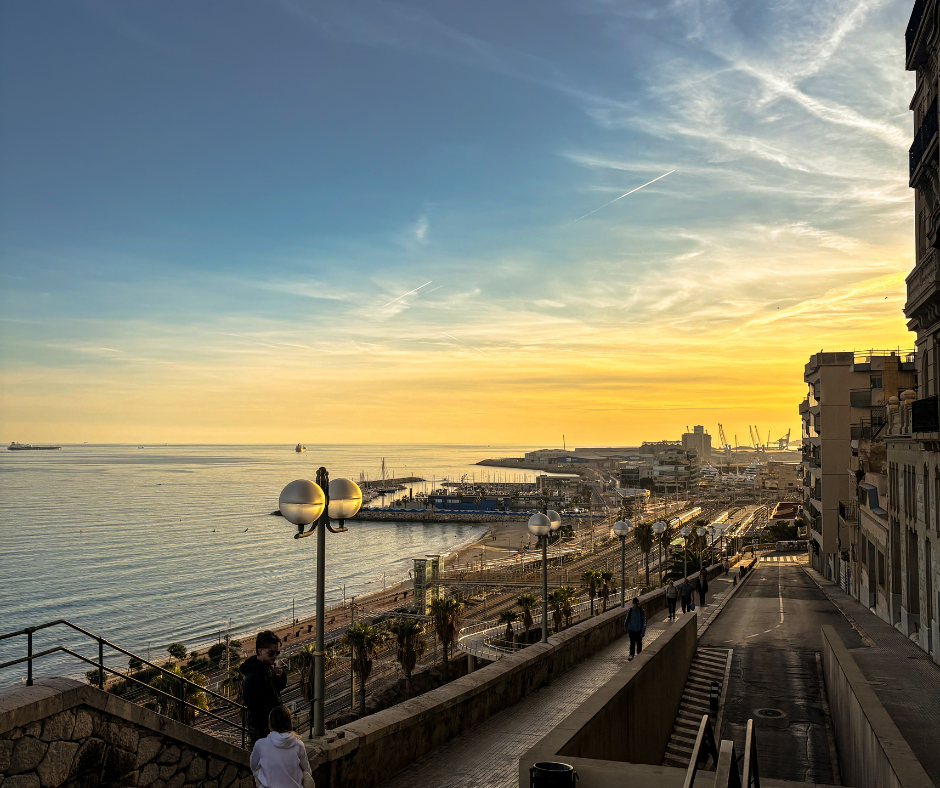
For a first solo trip we'd pick the north plus one Saharan region. Ten days is not enough for the whole country, and the north alone fills a week if you give yourself time to sit in the cafes of Oran and walk the bridges of Constantine.
Visas, transport and cash: the north against the deep south
| For a solo traveler | Algiers, Oran, Constantine and the north | Djanet, Tamanrasset and the deep south |
|---|---|---|
| Without a tour? | Yes, on your own | No: foreigners travel with an approved agency |
| Visa | From an Algerian consulate before you fly; no e-visa (October 2026) | The same, or the Sahara visa on arrival if an approved agency books your tour |
| Getting around | Trains, domestic flights, Yassir, metro and tram | Fly south, then the agency's 4x4 |
| Paying | Mostly cash; cards in large international hotels and airline offices | Almost entirely cash |
| Daily cost | About 7,500 DZD on a simple budget | Desert trips come on top, so get a quote for your dates |
Getting the visa as a solo traveler
UK, EU, US and Canadian passport holders, like most visitors, apply at an Algerian consulate before the trip, and no e-visa exists yet (October 2026). Taking London as an example, the file is two forms and two photos, a passport with six months' validity and two blank pages, plus one supporting document out of three: a hotel booking, a certificat d'hébergement from a host certified by their town hall, or an invitation and itinerary from an Algerian travel agency.
Allow about 10 working days if you apply in person and 15 or more by post, longer in summer and around Ramadan and Eid; we'd start six to eight weeks before your flight.

For a solo traveler, the agency invitation is often the simplest of the three: one letter covers your whole route, and if an agency is organizing part of your trip anyway, ask them for it. Travel insurance is not required for British and Irish citizens applying in London, but other nationalities need it there, and consulates in the Schengen area usually ask for it too. Carry printouts of your visa documents, first hotel booking, insurance and return ticket; paper is easier to hand over at a desk or checkpoint than a phone.
Arrival at Houari Boumediene Airport in Algiers is straightforward but can be slow. Immigration officers usually ask about your plans and where you are staying, so have the name and address of your first hotel written down, ideally in French or Arabic.
Keep your passport on you: hotels need it at check-in, domestic flights need it, and there are police and gendarmerie checkpoints on the roads between wilayas (provinces). They are a normal part of travel here: approach slowly with photo ID ready (the UK FCDO's advice too), stay patient and polite, and expect a question or two about where you're heading.
The full list of documents and fees is in Algeria Visa: Requirements and Visa on Arrival.
Managing Money and the Parallel Exchange Market
Bring euros in cash and change them with help: banks and ATMs give about 150 dinars to the euro (autumn 2026), and the informal market, unofficial and not strictly legal but used openly, gives about 275. On your own, the sensible move is to ask your guide, host or agency to walk you over to the changer they use themselves.
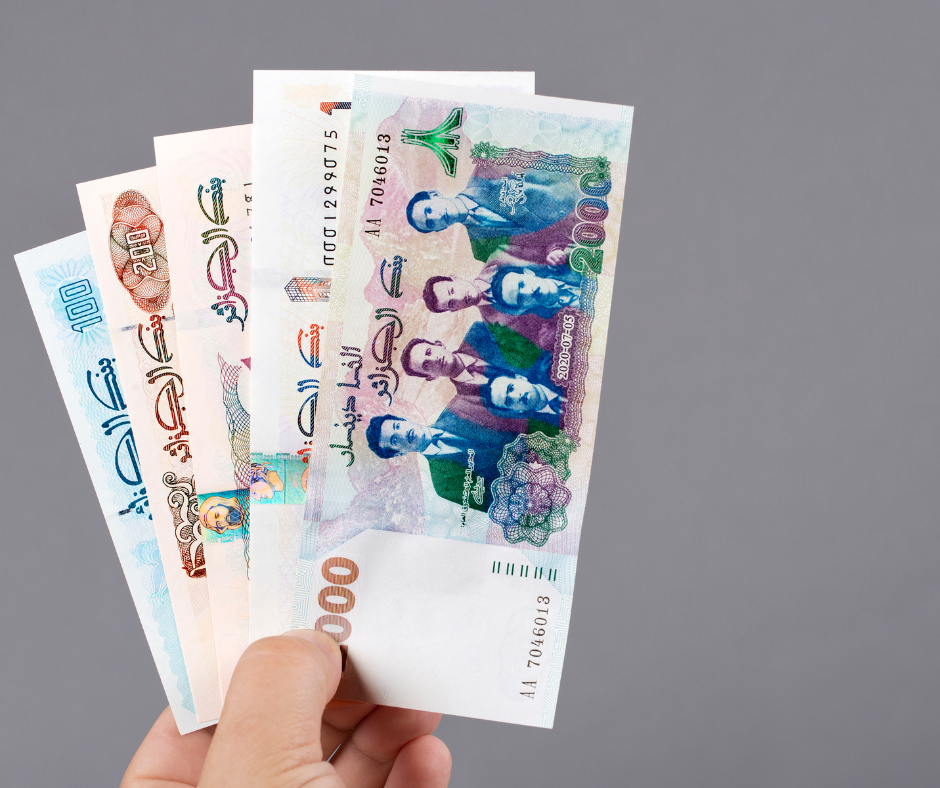
Declare anything over EUR 1,000 to customs on arrival, and keep bank exchange receipts if you do, as customs may ask for them when you leave. Keep most of your cash in the hotel safe, split what you carry, and get small notes for street food, short taxi rides and tipping the guide who takes you through the Casbah. Spend your last dinars before the airport: non-residents may not take dinar notes out of the country.
Once you have dinars, Algeria is cheap, and street food and simple restaurants are where they go furthest. Couscous in a popular place runs about 600 to 1,200 DZD (roughly EUR 2.20 to 4.40 at the informal rate, or EUR 4 to 8 at the official one, autumn 2026), and a mahjouba, the thin semolina crepe stuffed with tomato and onion, costs less from a street stall. The big costs are domestic flights and drivers, and solo travelers feel them most because nobody shares the car.
What a solo trip costs per day
Traveling alone, you pay for the whole room and the whole car. Below are the figures we plan with (autumn 2026); the two euro columns convert at about 275 DZD for cash changed locally and about 150 DZD for a card or a bank.
| What you pay for | Dinars | € with cash changed locally | € by card or ATM |
|---|---|---|---|
| Budget hotel or guesthouse room, per night | 4,000 to 7,000 (more in Algiers) | EUR 15 to 25 | EUR 27 to 47 |
| Plate of couscous or a simple meal | 600 to 1,200 | EUR 2.20 to 4.40 | EUR 4 to 8 |
| Algiers metro or tram ride | 50 / 40 | under EUR 0.20 | about EUR 0.30 |
| National museum entry | 200 | EUR 0.70 | EUR 1.30 |
| Train Algiers to Oran, Coradia second class | 1,130 to 1,350 | EUR 4 to 5 | EUR 7.50 to 9 |
| SIM card with a 30-day data bundle | 1,000 to 1,500 | EUR 3.60 to 5.50 | EUR 6.70 to 10 |
| Simple budget day (room, two meals, city transport, one sight) | about 7,500 | about EUR 27 | about EUR 50 |
Domestic flights, private drivers and desert trips are the big extra costs, and they vary with the season and the route, so get a quote for your dates. A solo traveler can cut them by joining a small group for the Sahara leg.
Transportation Options for Solo Travelers
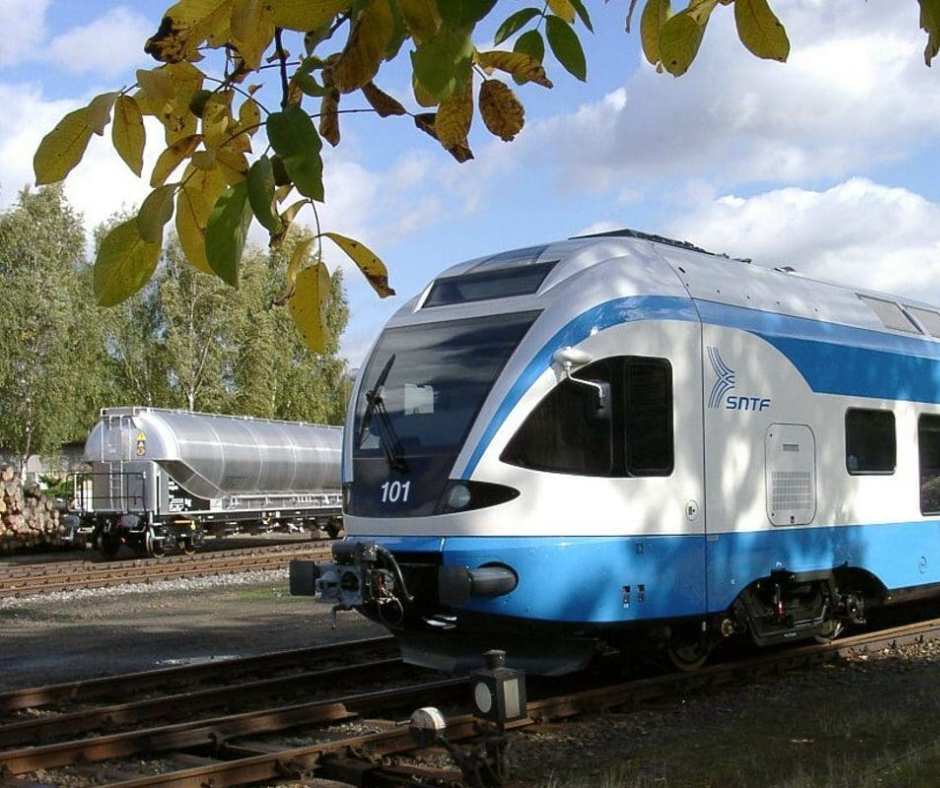
In the north, the train is the most relaxed way between big cities, though not the fastest or most punctual. SNTF's Coradia express trains take about 4.5 to 5 hours from Algiers to Oran on the 2026 timetable and often run late. Algiers to Constantine takes about 6 hours 45 minutes on the Coradia, which ran only a few days a week when it was relaunched in 2025, so check the current timetable.
Both lines cross the Tell Atlas, so take a window seat. First class costs a little more and is quieter, but the Coradia has only 60 first-class seats out of 254, so buy your ticket a day or two ahead.
In the cities, use Yassir, the Algerian ride-hailing app (Uber doesn't operate in Algeria; Heetch and TemTem are alternatives). You see the fare before you book, so there's no haggling, which helps when you're on your own and tired.
Some apps need a local number, so buy a Mobilis, Djezzy or Ooredoo SIM at the airport; you'll need your passport to register it. If you do use a regular street taxi, always agree on the price before the car starts moving.
The broken-meter excuse is one of the classic scams in Algeria, along with fake guides in the old towns. In Algiers, the single metro line (50 DZD) and the tram (40 DZD flat fare since May 2026) are clean and cheap, and from the airport there's a train (80 DZD) and the ETUSA bus 100 (50 DZD) into town.
For the Sahara, fly. The southern towns are served by Air Algérie and Domestic Airlines, its subsidiary that used to be called Tassili Airlines. Algiers to Tamanrasset is about 2 hours 25 minutes in the air, against more than 20 hours by road.
Book early for the winter season and the end-of-year holidays, when Algerians head south too. Here solo travel hits a real limit: around Djanet, Tamanrasset and the desert beyond them, the authorities expect foreigners to come with an approved agency, sometimes with a police or gendarmerie escort, and only organized tours booked that way qualify for the Sahara visa on arrival. Plan to be independent in the north and on an organized trip, even a private one, in the deep south.
A Solo Itinerary: Algiers, Constantine and the M'Zab
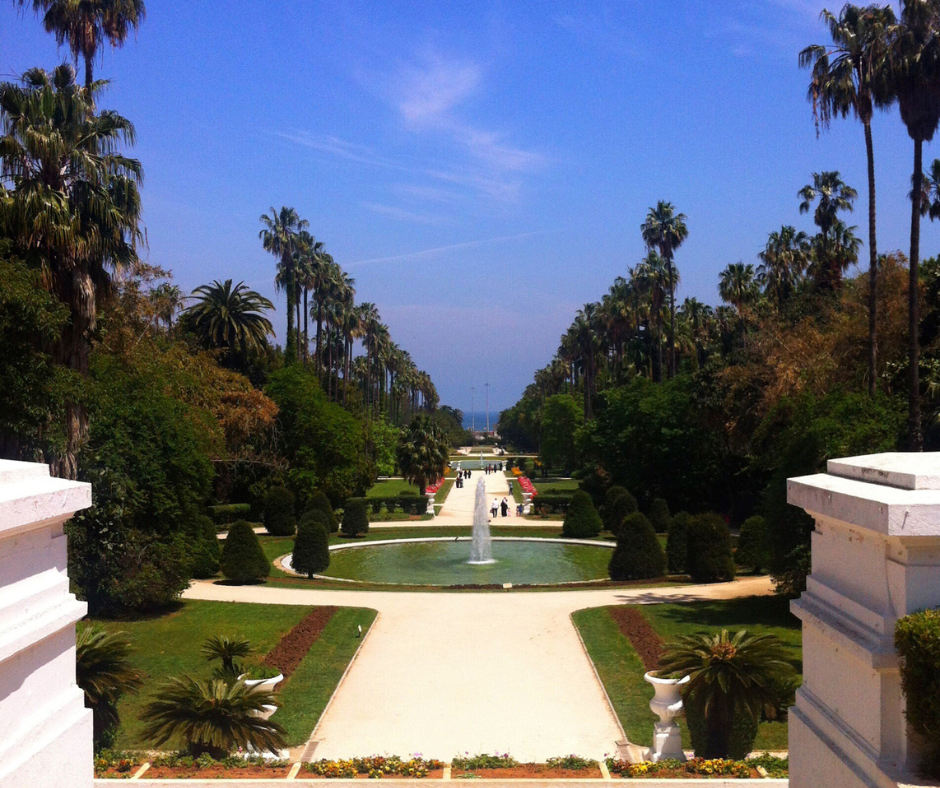
Start in Algiers and give it at least three days. The Casbah, on the UNESCO list since 1992, is a steep maze of lanes and Ottoman-era houses, many in poor repair. You can walk it alone, but a good local guide for one afternoon keeps you from getting lost and explains what you are looking at. The Jardin d'Essai du Hamma, a 32-hectare botanical garden founded in 1832, is the easy counterpart: flat, shaded and a good place to spend a morning (entry about 150 to 200 DZD).
From Algiers, take the train or a domestic flight east to Constantine. The old town sits on a rock plateau cut off on several sides by the Rhumel gorge, and bridges tie it to the rest of the city; the Sidi M'Cid suspension bridge, built in 1912 with its deck about 175 m over the river, is the one everyone photographs.
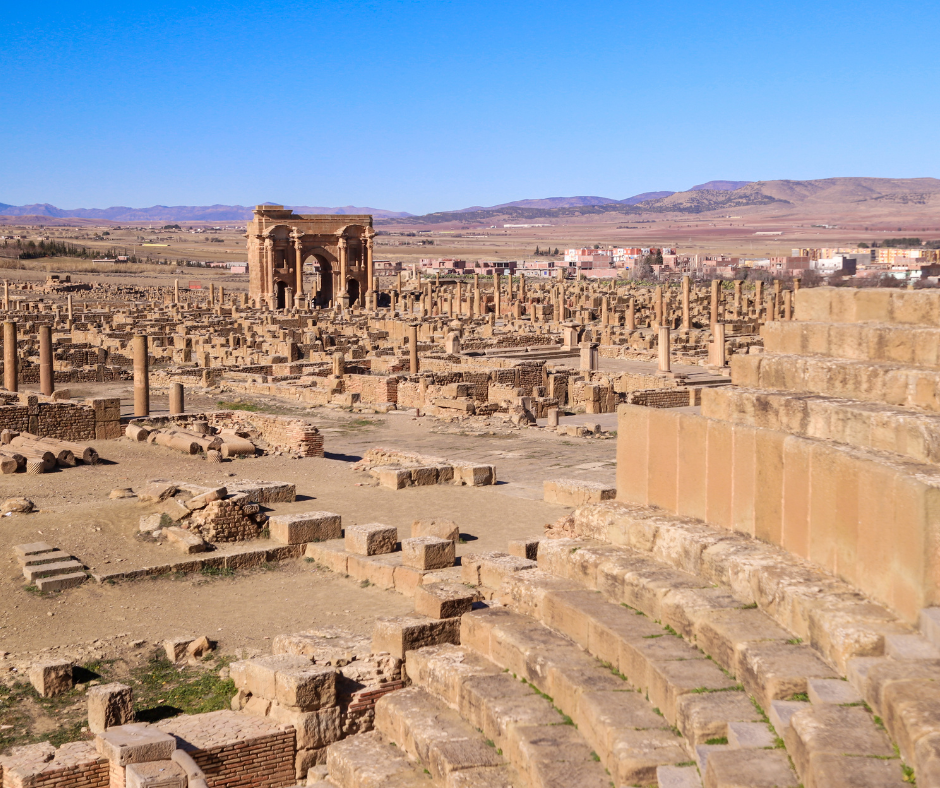
The center is compact enough to cover on foot, though it's steep. Djémila and Timgad, both UNESCO-listed Roman towns since 1982 and two of the best-preserved Roman sites in North Africa, are each about two hours by road from Constantine. Hire a driver and do them as two separate day trips. They are often quiet, so you can walk the streets, theaters and temples with few other people around.
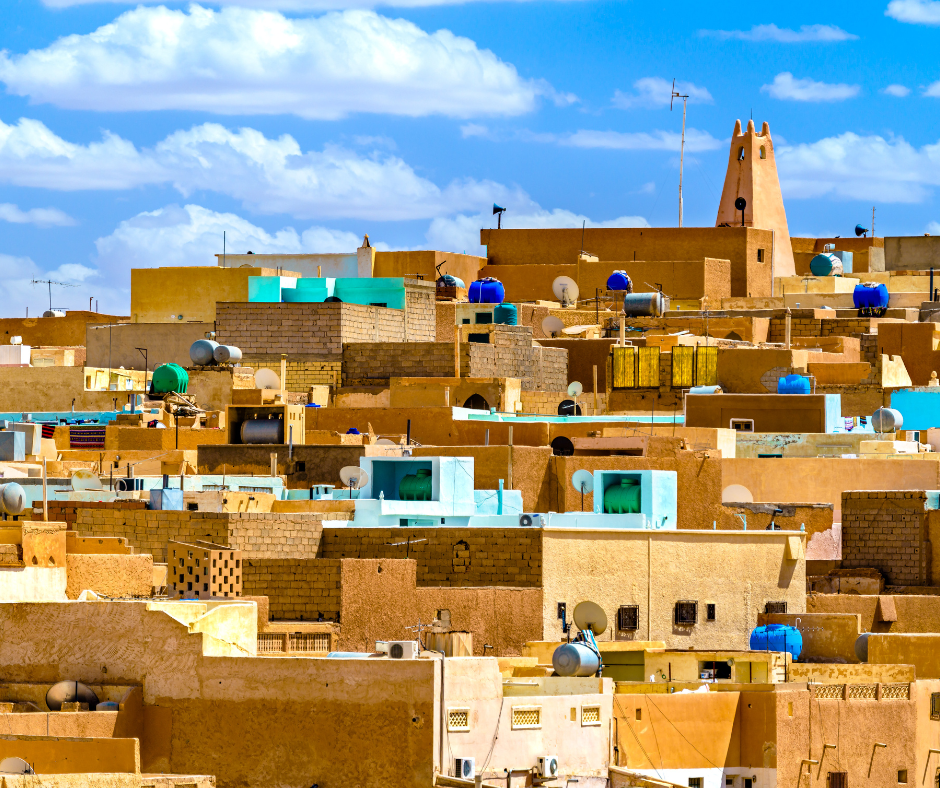
For the Sahara leg, the M'Zab Valley around Ghardaïa is the easiest first step for a solo traveler, reachable by domestic flight or long-distance bus from Algiers. It is a UNESCO site (1982) of five fortified ksour founded between the 11th and 14th centuries.
Its Mozabite community is religiously conservative, and visitors are held to its rules: in Beni Isguen you go in with a local guide taken on at the main gate, outsiders leave by sunset, and people, women above all, are not to be photographed. A guide is the sensible choice in the other ksour too, and it is how your money reaches the people who live there. Go between October and April; summer afternoons are often above 40°C.
If you would like help putting the route together, reach out to our local team. We can arrange an airport pickup with a driver waiting at arrivals, local guides for the Casbah and the M'Zab, and homestays with host families, all planned around your dates and budget.
Where to stay when traveling alone
Algeria has no backpacker hostel scene, so solo travelers stay in hotels, guesthouses or with host families. Every hotel asks for your passport at check-in and registers your stay, so keep it with you rather than in your luggage.
In Algiers, look in the center around Didouche Mourad or near the Casbah; the Afric Hotel-Casbah is one option at the foot of the old town. In Constantine, stay close to the center so you can walk to the bridges. In Ghardaïa, the Hôtel M’Zab and El Djanoub are established hotels, and family guesthouses sit in the Beni Isguen palm grove.
Expect to pay about 4,000 to 7,000 DZD a night for a simple guesthouse or small-hotel room (autumn 2026), and more in Algiers. A homestay with a family costs about the same and is the best way to see daily life from the inside; we can put you in touch with hosts in several regions.
Solo Dining and Culinary Insights
Eating alone is normal in Algeria, but cafe culture is mostly male: the terrace of a neighborhood cafe is usually all men. Women traveling solo are often more comfortable in pastry shops, tea rooms and restaurants with a family room (salle familiale), which many have. Breakfast is coffee, often a noss-noss (half coffee, half hot milk), with a croissant or a mille-feuille from the pâtisserie, a leftover of the French period.
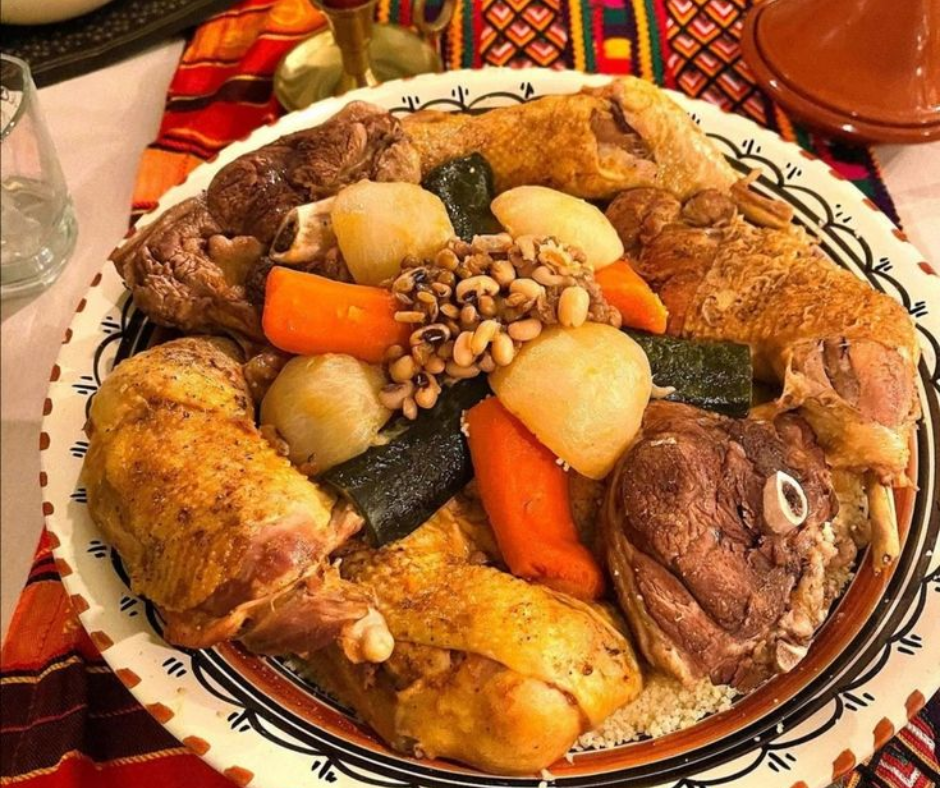
For lunch, look for garantita (karantika in Oran, where it comes from), a baked chickpea-flour flan sold by the slice, often in bread with harissa and cumin. It is cheap, filling and best hot. Dinner in a restaurant might be couscous with lamb and seasonal vegetables. If you are invited to a home, follow your hosts' lead on taking shoes off at the door, and accept at least one glass of tea or a coffee.
Drink bottled water, which is sold everywhere. Tap water in the big northern cities is fine for brushing your teeth, but in the south it is much more mineral-heavy and can upset your stomach.
Safety and Cultural Etiquette
In Algiers, Oran and Constantine the risks are mostly petty: pickpockets in crowded markets and on buses, and overcharging. Wear a crossbody bag and keep your phone out of sight in busy areas.
Plenty of the solo travelers we host say the country turned out calmer and friendlier than the picture they had formed online.
Heading into the deep south? Read the official travel advice for that route before you commit, check that your insurance covers it, and go with a licensed agency and local Tuareg guides, as all our southern trips do.
Women traveling alone tend to get stares and some unwanted comments, usually out of curiosity rather than hostility. Our Algeria travel guide adds a few habits that help, like sitting in the back seat of taxis and keeping to busy, well-lit streets after dark. Save the emergency numbers: police 17 or 1548, ambulance 1021, fire 14.
Dressing modestly helps you blend in. Outside beach resorts, men and women should cover their shoulders and knees. Women do not need to cover their hair except in a mosque, but a light scarf is handy for sun, dust and mosque visits. In the M'Zab Valley and the rest of the south the dress code is stricter, so wear loose clothes that cover your arms and legs.
What to wear in the cities, the M'Zab and the desert is covered region by region in What to Wear in Algeria.
A few words of Algerian Darija or French help a lot: "salam" (hello) and "sahit" (thanks) go a long way. Officially the country has two languages, Arabic and Tamazight. French has no official status but is widely spoken in cities, shops and hotels, and many younger Algerians speak some English. If you are lost or stuck, try a pharmacy: pharmacists usually speak French and are used to helping people.
For safety region by region, read Is Algeria Safe for Tourists?
Solo female travel in Algeria
Women do travel alone in Algeria, and most of the attention they get is curiosity: stares, questions about where you are from, the odd comment in the street. It is more noticeable in small towns and on crowded buses than in central Algiers or Oran, and it is mostly verbal.
A few habits make it easier. Sit in the back of taxis and use Yassir, which tracks the ride. Take trains or domestic flights between cities rather than crowded buses. In restaurants, ask for the salle familiale, and use pastry shops and tea rooms rather than the all-male neighborhood cafe terraces.
Dress for the region: loose trousers or a long skirt and covered shoulders in the cities, looser and longer in the M’Zab and the south, and a light scarf for mosques. If someone follows or touches you, say loudly that you will call the police, walk into the nearest shop or hotel, and call 17 or 1548 if needed. For the Casbah, the old town of Constantine and the M’Zab, a local guide also helps.
What solo travelers usually ask us
Can you travel Algeria independently without a tour?
Yes, in the north. Algiers, Oran, Constantine, Tlemcen and the Roman sites are easy to visit on your own by train, plane, Yassir and hired drivers. The deep south is different: foreigners there travel with an approved agency, and the Sahara visa on arrival only works for trips booked that way.
Is Algeria safe for solo female travelers?
Yes, with the adjustments in the section above: modest dress, Yassir or hotel taxis, family rooms in restaurants and a guide in the old towns.
How much does a solo trip to Algeria cost per day?
On a simple budget, about 7,500 DZD a day for a room, two meals, city transport and one sight: roughly EUR 27 with cash changed informally, or EUR 50 at the official rate (autumn 2026). Domestic flights, drivers and desert trips come on top.
Can you wear shorts in Algeria?
Not usually, outside the beach. Cover your shoulders and knees in towns, for men as well as women: knee-length shorts pass on a seafront in Oran or Algiers, but trousers are better everywhere else, especially in mosques, small towns, the M’Zab and the south.
Can you get by with English in Algeria?
Only partly. French is far more useful in shops, stations and taxis, and Algerian Arabic everywhere; hotel staff and many younger Algerians speak some English.
Should You Go Solo?
Patience, some French and a willingness to trade convenience for places with few other tourists will carry a solo traveler a long way here. It is harder going if you want hostels full of other backpackers, nightlife, or the freedom to wander the Sahara on your own. Trains run late, many offices close on Friday and Saturday (the Algerian weekend), and paperwork takes time, but people are generally welcoming and helpful to someone traveling alone.
For a north-plus-Sahara trip, go between October and April. Apply for the visa six to eight weeks ahead, line up an agency early if your route includes the deep south, where you will need one, and book domestic flights as soon as your dates are fixed.
Still deciding? Start with Is Algeria Worth Visiting? What to Know Before You Go (2026).


