


You land in Algeria with a specific mission to eat authentic couscous, but then the confusion hits. In Algiers, one friend swears by a tiny family spot near the Casbah, while in Constantine, someone tells you the right sauce is completely different.
That is why our team at WildyNess created this guide to help you navigate the complex world of Algerian semolina. We want to help you stop guessing and start eating with the confidence of a local.
Top Places to Eat Couscous in Algiers
In the capital city, couscous is rarely a quick bite. It is the main event of the afternoon. You should look for fluffy grains, a rich broth, and meat that falls apart without a struggle. Our team has vetted several spots where the quality remains consistent.
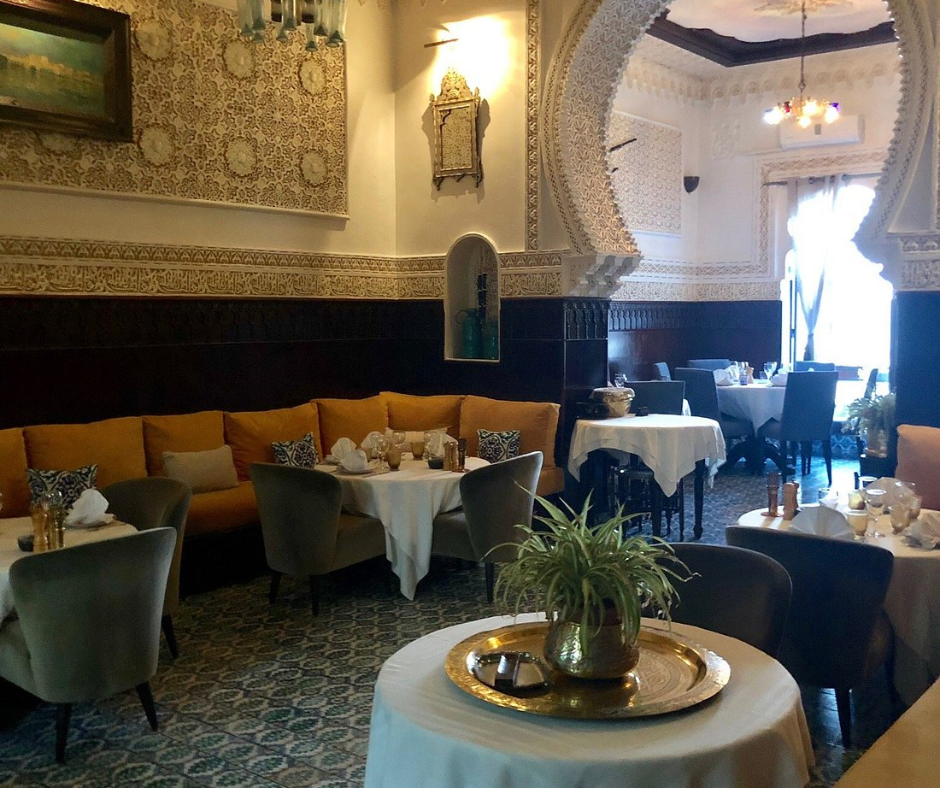
You should try Restaurant El Djenina in El Madania because it is a premier destination for traditional Algerian plates in a formal, old-school dining room. This is where you go for a classic lamb and vegetable couscous followed by traditional mint tea. The atmosphere is refined, making it a great first introduction to the dish.
La Casbah Restaurant, located near the historic Casbah, is another reliable choice because pairing your meal with a walk through the UNESCO-listed old town is the best way to spend an afternoon. You can order the chicken version if you prefer something lighter, or the lamb if you want the traditional deep flavor. You should plan for a slow lunch as this is not a place for a fast meal.
Le Normand in Bab El Oued is a must because this neighborhood is the heart of the city's food scene. You will feel the local energy the moment you arrive. We recommend asking what the daily special is and saying yes to the house sauce.
It is a perfect stop when you are exploring the seafront side of Algiers. For more ideas on what to do between meals, you can check our Algiers hit-list for the best city spots.

Exploring Regional Variations: What to Eat Where
Algerian cuisine is shaped by its mountains, coastlines, and the desert. To truly understand the food, you have to try at least one variety in each major region.
In the Kabylie region, which includes Tizi Ouzou and Béjaïa, the food is rustic and mountain-focused. Here, you will often find couscous made from barley or even acorns, which gives the grains a darker color and a nuttier taste. It is typically served with plenty of local olive oil and seasonal vegetables.
If you are eating with a family in the Djurdjura mountains, you might be served "Amekfoul," a steamed vegetable couscous that is entirely vegetarian.
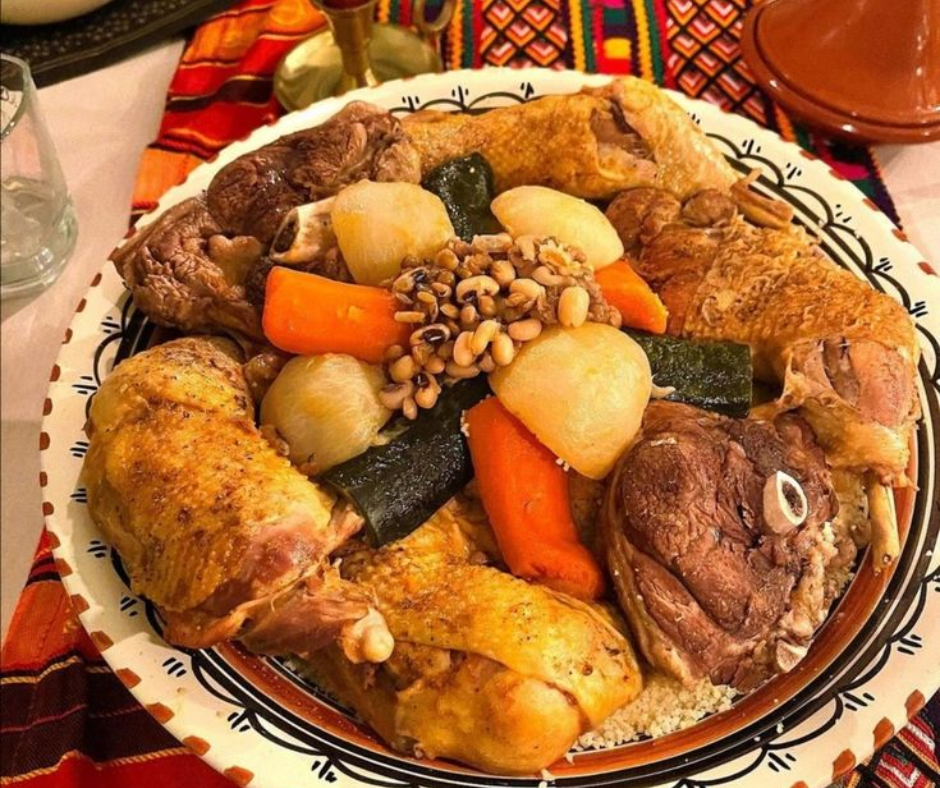
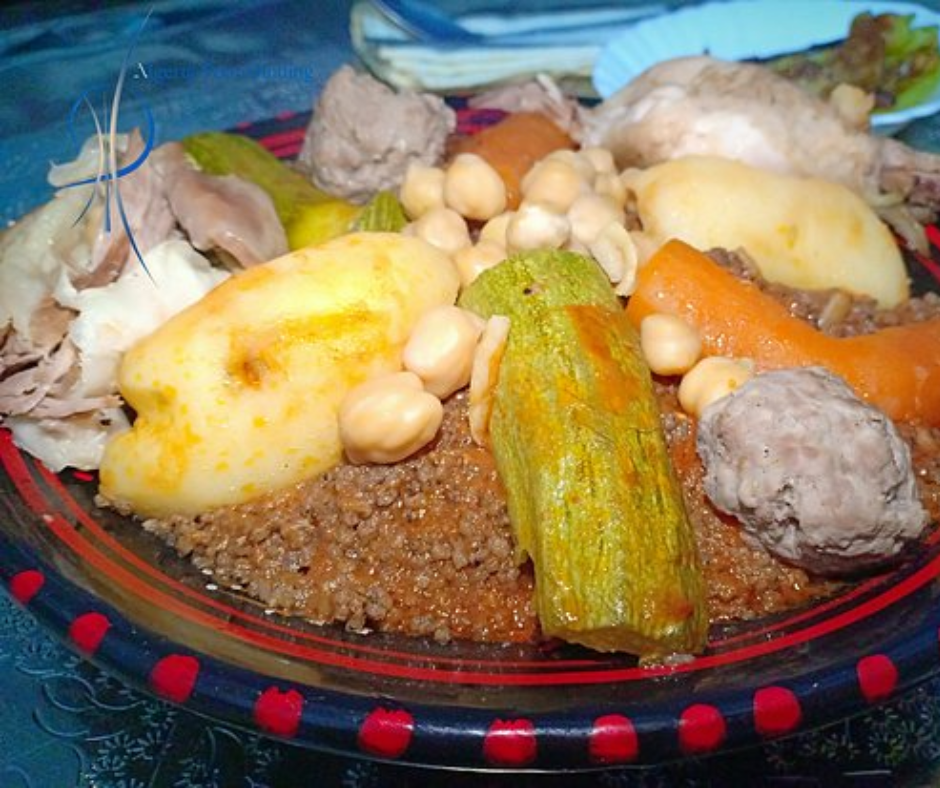
When you head east toward Constantine, the flavor profile shifts. This region is famous for bold, warming sauces. While you should definitely try "Chakhchoukha," the local couscous is equally impressive. It usually features a deeper spice blend and richer meat gravies. When you are in town, ask for the house sauce and compare it to the versions you had in the north.
In the Sahara gateway cities like Ghardaïa, the cuisine is built for energy. You must try "Berkoukes," which consists of large, hand-rolled pasta-like grains in a savory meat and vegetable sauce. While it is technically a cousin to the standard fine-grain dish, it is a staple of the M’zab Valley and provides the heartiness needed after a day of desert exploration.
Seafood Specialties in Coastal Oran
Oran is a port city, and that changes the culinary rules. In the west, seafood couscous is a coastal habit built around the daily catch. To find the best bowl, you should aim for the small, fish-focused spots near the working port rather than the tourist menus in the city center.
Look for a place that writes the catch of the day on a chalkboard. This usually indicates the fish is fresh from the docks. We recommend combinations that stay simple, such as white fish like sea bream or red mullet paired with shrimp. The best versions keep the grains light and the broth tasting of the sea rather than over-powering spices. Common additions include cumin, coriander, and a side of harissa for a controlled kick of heat.
Friday Traditions and Dining Etiquette
In Algeria, Friday couscous is a weekly ritual. Families plan their entire day around the midday prayer and the meal that follows. You will see kitchens start the process early in the morning as the semolina must be steamed multiple times in a traditional double boiler to reach the correct texture.
If you are invited to a home on a Friday, there are a few things to keep in mind. You should show up on time and greet every guest individually. It is polite to bring a small gift like pastries or seasonal fruit. At the table, wait for the host to begin the meal. You will often see a large shared platter in the center of the table. You should eat from the portion of the dish directly in front of you and use your right hand for both eating and passing items.
If you are looking for this experience in a restaurant, be aware that many smaller family-run spots may actually be closed on Friday afternoons so the staff can eat with their own families. The larger traditional restaurants in the Casbah of Algiers remain open and often have their busiest service on this day.
The Sweet Side: Mesfouf and Dessert Varieties
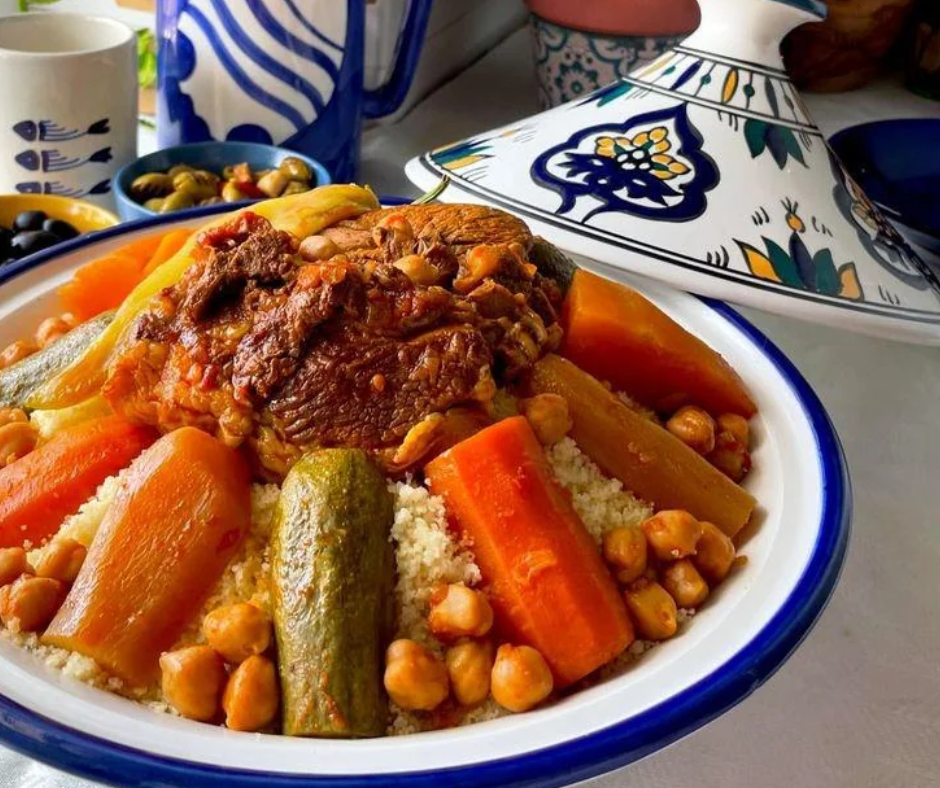
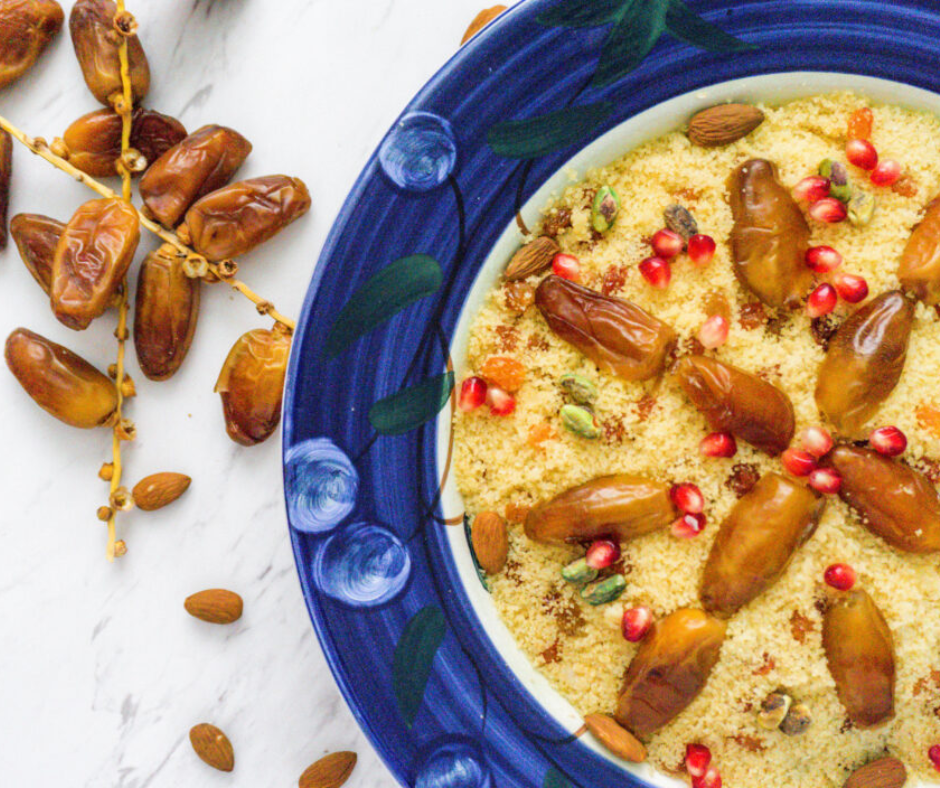
Couscous can also be a dessert or a light evening meal. You should look for "Mesfouf," which is semolina steamed until it is incredibly light and then tossed with butter and sugar. Depending on the region, it is topped with raisins, dates, or pomegranate seeds.
Locals typically eat Mesfouf with a cold glass of "Lben," which is fermented milk. The tartness of the milk balances the sweetness of the sugar and dried fruit. In Constantine, you can find versions of this in traditional pastry shops during holidays. If you are in the south near Ghardaïa, the dates used in their sweet couscous are some of the best in the world, making it a must-try for anyone with a sweet tooth.
The Price of a Plate: Budgeting for Your Meals
Eating in Algeria is generally affordable for international travelers, but prices vary depending on the setting. In a local neighborhood canteen or a "souk" eatery, a generous plate of couscous with meat and vegetables will typically cost between 400 and 700 Algerian Dinars. These spots are great for a quick, authentic lunch.
If you choose a mid-range traditional restaurant with sit-down service and decor, expect to pay between 1,200 and 2,500 Dinars per person. Higher-end establishments in Algiers or Oran that serve "Couscous Royal" with multiple types of meat can go higher, but the portions are usually large enough to share. We recommend checking if the price includes the traditional additions like tea or small side salads, as these are often bundled in traditional menus.
Spotting Quality: How to Identify Handmade Semolina
Handmade semolina is the backbone of a great meal. You can spot high-quality grains by looking at the color and texture. Good semolina should have a warm, pale-gold tone. If the grains look grey or dusty, they may be old or of lower quality.
When you visit a local market, you can feel the grains. High-quality semolina feels slightly gritty like fine sand. It should not feel powdery like wheat flour. You can also do a quick smell test. Fresh semolina smells clean and lightly nutty. If you catch a musty or sour scent, it is best to move to a different vendor. The best vendors keep their stock in airtight containers away from direct sunlight and heat to preserve the flavor.
Key Takeaways for Your Culinary Journey
Plan your Algiers meals at established spots like El Djenina or La Casbah for a guaranteed high-quality experience.
Travel to different regions to see how the dish changes, specifically trying the barley versions in Kabylie and the spicy sauces of the east.
Seek out seafood versions in Oran specifically near the port area for the freshest possible ingredients.
Remember that Friday is the most traditional day for couscous, but check restaurant opening hours in advance.
Use your right hand when eating from a communal platter and always accept the offer of mint tea after the meal.
Try Mesfouf for a lighter, sweet alternative to the heavy meat-based versions.
Algeria is a country that rewards those who are willing to explore beyond the main tourist paths. Each bowl of couscous tells a story of the land and the people who prepared it.


