


Algeria is the biggest country in Africa, more than four-fifths of it is Sahara, and it has seven UNESCO World Heritage Sites, from the Roman streets of Timgad to the rock paintings of Tassili n'Ajjer. Below are 24 facts about it, checked in October 2026, covering its history, wildlife and food, plus a few oddities like snow in the desert and a link to Dune.
The north has a Mediterranean climate, with hot, dry summers and mild, wet winters, and that is where most of the roughly 48 million Algerians live. South of the Saharan Atlas mountains it is desert all the way to the borders with Mali and Niger.

Some of these facts are common knowledge in Algeria and almost unknown abroad: the national anthem was written in a prison cell, the football team is named after a desert fox, and the world's tallest minaret stands in Algiers.
We run trips across the country, so where a fact matters on the ground (a dress code, a season, a law), we say so.
The list is about the country itself. For the practical side, like visas, safety and getting around, we keep everything you need to know before visiting Algeria in a separate guide.
What is Algeria famous for?
Ask most people abroad and you'll hear one of six things. Each comes back in the numbered facts below.
- The Sahara, which covers more than four-fifths of the country, with the rock art of Tassili n'Ajjer and the Hoggar mountains.
- Roman ruins such as Timgad, Djémila and Tipasa, all UNESCO sites since 1982.
- The war of independence (1954 to 1962), which ended 132 years of French rule.
- Raï, the music of Oran and the west, on UNESCO's intangible heritage list since 2022.
- Couscous and dates: Algeria is the world's third-largest date producer, and Deglet Nour from Biskra is its best-known variety.
- Natural gas, piped under the Mediterranean to Italy and Spain.
Sizing up Algeria before a first trip
- Capital: Algiers.
- How many people: about 48 million (2026 estimate; 47.4 million on 1 January 2025, ONS).
- How much ground: 2,381,741 km², more than any other country in Africa.
- What you will hear: Arabic and Tamazight are the official languages; French is everywhere in daily use but has no official status.
- What you pay with: the Algerian dinar (DZD), about 150 to the euro at the official rate (autumn 2026).
- Independent since: 5 July 1962, from France.
1. Africa's biggest country by area
At 2,381,741 square kilometers, Algeria is more than four times the size of mainland France. The national statistics office (ONS) counted 47.4 million people at the start of 2025, and the 2026 figure is about 48 million.
It became Africa's largest country in 2011, when South Sudan split from Sudan, and it is also the largest country in the Arab world.

The north is the Mediterranean side, with a coastline of about 1,200 km by Algeria's own measure (998 km by the CIA's simplified one). Algiers, Oran and Annaba are all on it.
Head south past the Atlas ranges and the Sahara takes over. Algiers to Tamanrasset is roughly 2,000 km by road, which is why most visitors fly to the south.
Algeria has seven neighbors: Tunisia and Libya to the east, Niger and Mali to the south, Mauritania and Western Sahara to the southwest, and Morocco to the west. The Moroccan border has been closed since 1994.
Most Algerians live far from the southern borders. By a widely cited estimate, more than 90 percent of the population lives in the coastal north, on about 12 percent of the land. The rest of the country is mostly empty desert, dotted with oasis towns.
2. More than four-fifths of Algeria is Sahara
The Sahara covers more than four-fifths of Algeria. It is the largest hot desert in the world; only Antarctica and the Arctic, both cold deserts, are bigger.
Sand seas (ergs) are only part of it. Much of the Algerian Sahara is gravel plain, bare rocky plateau and volcanic mountains, like the Hoggar around Tamanrasset.
With almost no light pollution, the deep south has some of the darkest night skies you can find. Go between October and April: the nights are clear and cold, close to freezing in midwinter, while summer days in the lowland desert regularly pass 45°C.
For trekking and camping, head to the Hoggar Mountains in the far south. Mount Tahat there is Algeria's highest peak, usually given as 2,908 m, and the Assekrem plateau sits at about 2,726 m. We run our trips down there with local Tuareg guides, through a licensed Algerian agency. Look up the current official travel advice for your route before booking and check that your insurance covers it; how desert trips work day to day is in our Algeria safety guide.
The desert also holds prehistoric rock art, and it is home to the Tuareg, whose camel caravans crossed it for centuries.
3. Algeria was the heart of ancient Numidia
Much of northern Algeria was once the Kingdom of Numidia. "Numidians" was the Roman name for its people, who called themselves Amazigh (plural Imazighen), a word usually translated as "free people".
Over the centuries Phoenicians, Romans, Vandals, Byzantines, Arabs, Ottomans and the French all came. Some traded, some ruled, and many stayed.
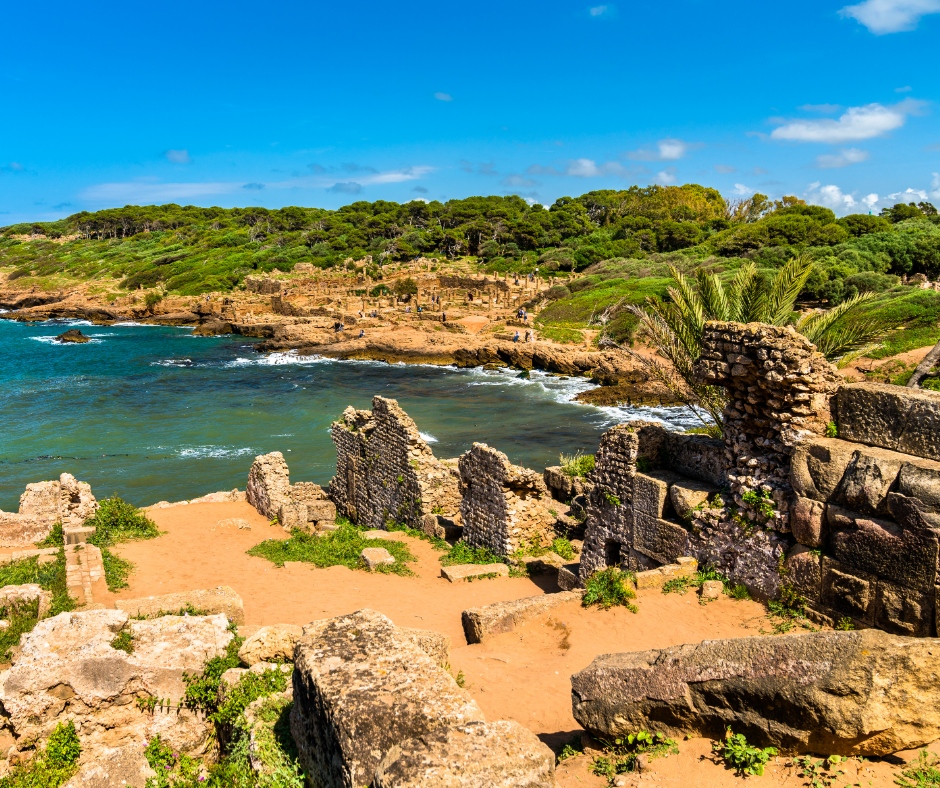
By ancient tradition, Phoenician traders reached this coast around 1100 BC and set up ports where Annaba (Hippo) and Tipasa stand today. Their main city, Carthage (traditionally founded in 814 BC), was in what is now Tunisia.
Massinissa, who lived from about 238 to 148 BC, united the Numidian tribes after siding with Rome against Carthage. His capital was Cirta, today's Constantine.
Rome went to war with his grandson Jugurtha in 112 BC and captured him in 105 BC, but it left Numidia to client kings. Julius Caesar annexed much of it after the battle of Thapsus in 46 BC.

Roman rule then lasted almost five centuries, although Amazigh revolts broke out again and again in the mountains.
It ended with the Vandals, who crossed from Spain in 429 and besieged Hippo Regius (Annaba) from 430 to 431. St Augustine, the city's bishop, died during the siege.
4. Timgad and Djémila: Roman towns with hardly any crowds
So few foreign tourists come that you often get some of the best-preserved Roman towns in Africa almost to yourself.
Timgad and Djemila are the two to see. Both went on the UNESCO World Heritage list in 1982.
Both started as colonies for retired Roman soldiers: Djemila (Cuicul) under the emperor Nerva, between AD 96 and 98, and Timgad under Trajan in AD 100.

Timgad, 35 km east of Batna, was laid out on a near-perfect grid, and the plan is still easy to read on the ground.
It is often called the "Pompeii of Africa". The main sights are the paved, colonnaded main streets, Trajan's Arch, the theater and the Capitol temple. There is almost no shade, so in summer go early.
Djemila sits on a ridge at about 900 m in the mountains northeast of Sétif. Its forum, basilicas and temples are spread along the slope, because the builders bent the usual Roman plan to fit the terrain.
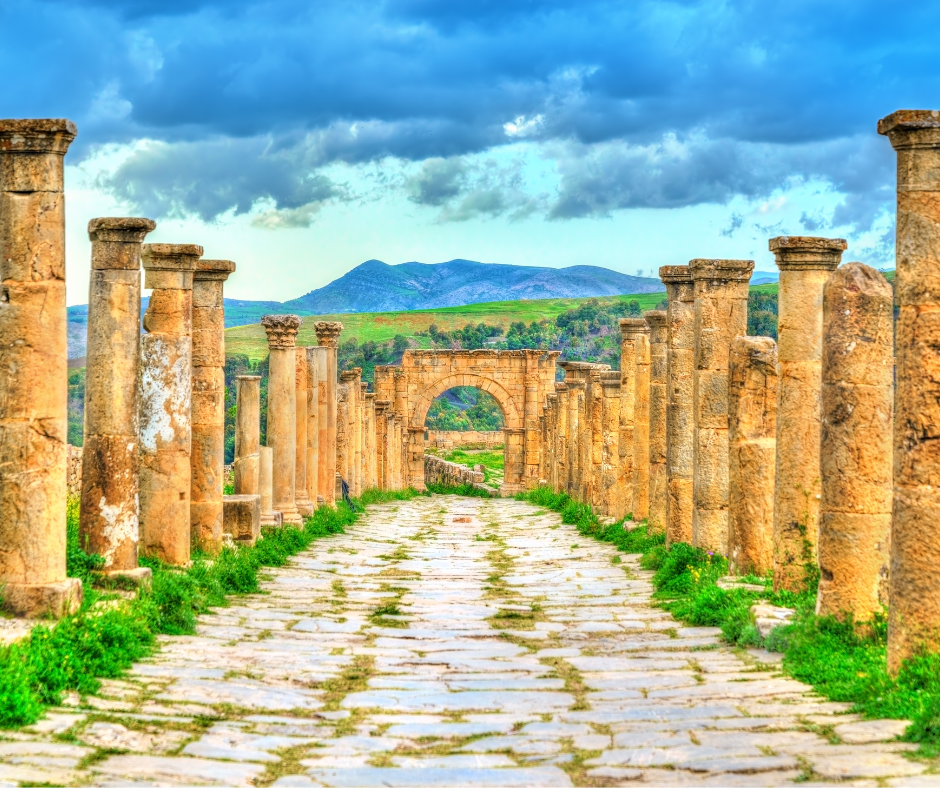
If you only have time for one, Timgad is bigger and Djemila has the better setting. We'd do both, with a night in Batna or Sétif. Tickets at Algerian sites and museums were typically 200 to 300 DZD in 2026.
5. Independence came after an eight-year war
Algeria’s modern history is marked by its struggle for independence from French colonial rule. The Algerian War of Independence (1954-1962) was one of the bloodiest decolonization conflicts of the 20th century.

The death toll is still disputed. Algeria's official figure is 1.5 million; many French and other historians put the total, on all sides, at around 300,000 to 400,000. Either way, the war shaped modern Algeria, and you will see it in street names and monuments in every town.
Independence Day, 5 July, is a public holiday, and so is 1 November, the day the war began in 1954.
6. Algeria is called the country of a million martyrs
After 132 years of French rule, which began with the capture of Algiers in 1830, Algeria became independent on July 5, 1962.
Algerians call it "the country of a million martyrs" (sometimes "a million and a half"), after the official count of those killed in the eight-year war.

Algeria marks National Chahid (Martyr's) Day every year on 18 February, in memory of those who died in the war of 1954 to 1962. The date recalls the founding of the Special Organization, the armed wing of the nationalist movement, in 1947. It is a day of commemoration, not a public holiday.
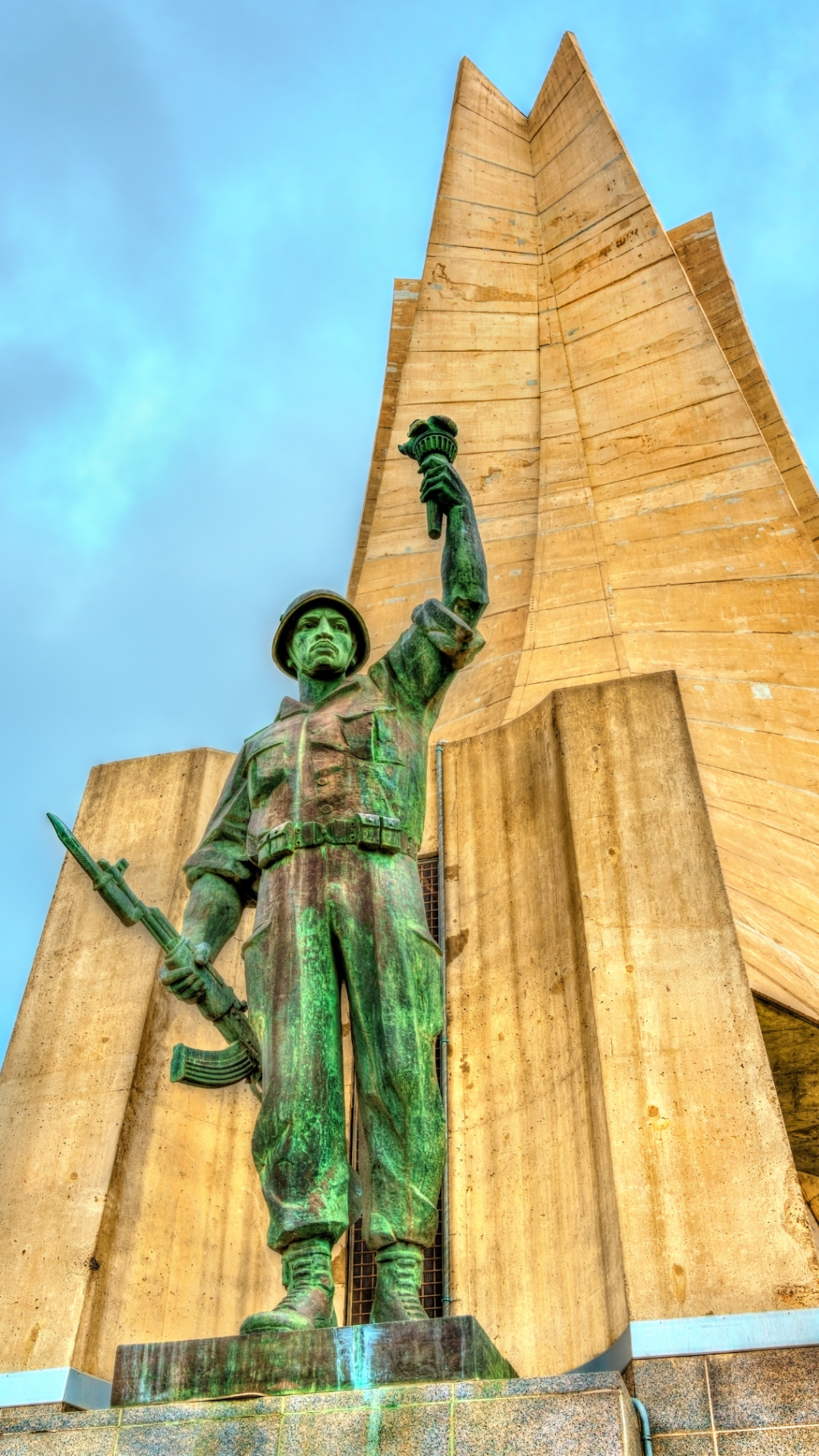
The monument you see from much of central Algiers is Maqam Echahid, the Martyrs' Memorial, on the heights above the bay.
It opened on July 5, 1982, for the 20th anniversary of independence. Three concrete palm leaves, about 92 m tall, shelter an eternal flame, with a statue of a soldier at the foot of each leaf.
7. The national anthem was written in a prison cell
The national anthem, "Kassaman" ("We Pledge"), is about the war of independence, and one verse addresses France directly.
The poet Moufdi Zakaria wrote it in 1955 in Barberousse (Serkadji) prison in Algiers, where the French authorities had jailed him. The popular story is that he wrote it on his cell wall in his own blood. The music is by the Egyptian composer Mohamed Fawzi, and it became the national anthem at independence in 1962.
Every verse ends with the refrain "bear witness", calling on the world to witness the oath, and you will hear the whole stadium sing it before every Algeria football match.
8. Algeria has seven UNESCO World Heritage Sites
Algeria has seven UNESCO World Heritage Sites, all cultural or mixed: Beni Hammad (1980), Djemila, the M'Zab Valley, Tassili n'Ajjer, Timgad and Tipasa (all 1982), and the Casbah of Algiers (1992).
Together they cover some 10,000 years, from the rock art of Tassili n'Ajjer to the Ottoman citadel of the Casbah. In between come the Roman towns and the ruins of Beni Hammad, the first capital of the Hammadid dynasty, founded in 1007 and demolished in 1152.
Tassili n'Ajjer is a national park on a sandstone plateau around Djanet, in the southeast, and a mixed natural and cultural site, with more than 15,000 drawings and engravings on UNESCO's count.
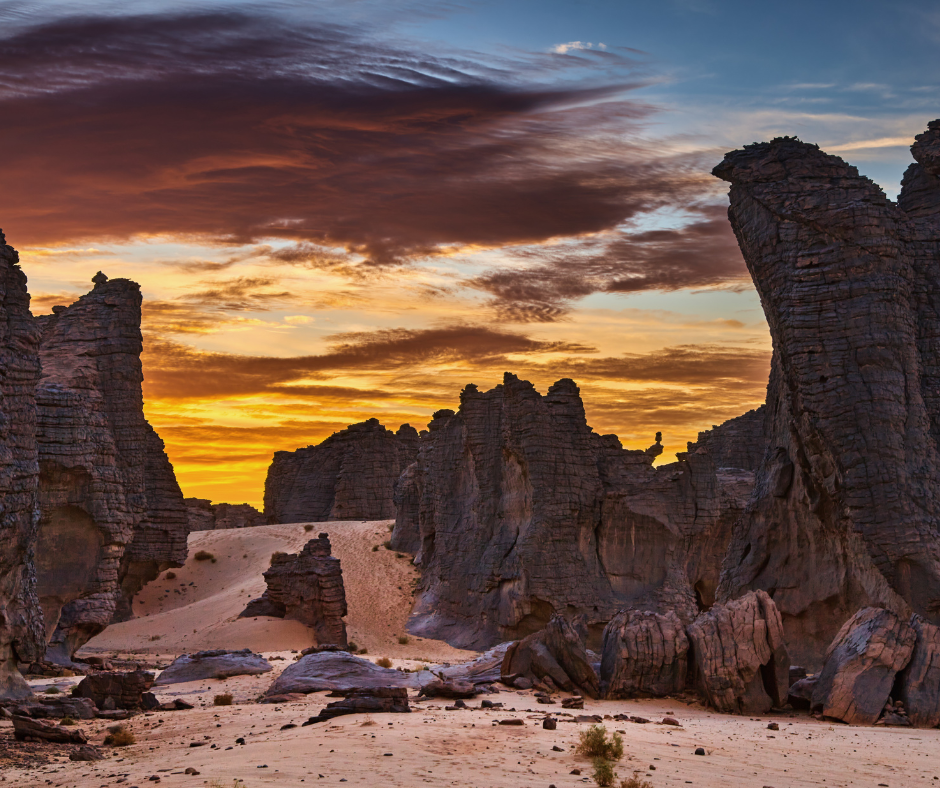
The oldest date from around 10,000 BC and the latest from the first centuries AD. Taken in order, they show the Sahara turning from grassland, with elephants, giraffes and cattle herders, into desert. The main sites can only be reached on foot with an approved guide, usually on a trek of several days from Djanet.
The M’Zab Valley, around Ghardaïa, is home to the Mozabites, an Amazigh community who follow the Ibadi school of Islam.

Its five fortified towns (ksour) were founded between the 11th and 14th centuries, each climbing a hill to a mosque at the top. In Beni Isguen you can only visit with a local guide, and photographing people, especially women, is not allowed.
9. Algiers is known as "Alger la Blanche", the white capital
Algiers is often called "Alger la Blanche", Algiers the White, after the whitewashed buildings that climb the hills above the bay.
It is the country's largest city and the seat of government.

The center mixes French-era boulevards with much older landmarks. The Casbah, on UNESCO's list since 1992, is the Ottoman old town: steep lanes and stairways, courtyard houses and small mosques, many of them in poor repair. The UK Foreign Office advises visiting it with a good local guide.
Daily life mixes Arab, Amazigh, Ottoman and French influences. People switch between Algerian Arabic and French in the same sentence, and bakeries sell baguettes next to msemen flatbreads.
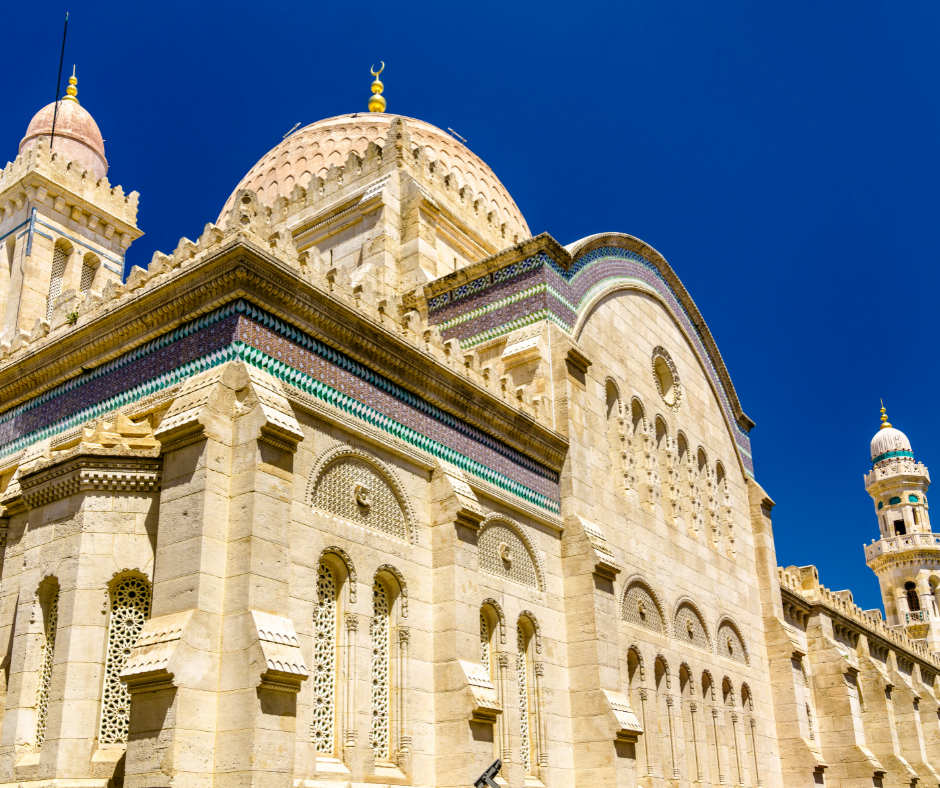
For the classic view over the city and the bay, go up to the basilica of Notre-Dame d'Afrique, completed in 1872, on the cliffs west of the center.
10. Amazigh culture is a core part of Algerian identity
The Amazigh (Berber) people are the indigenous inhabitants of North Africa, and the constitution names Amazigh identity as one of the components of the Algerian nation.
Tamazight became a national language in 2002 and an official language, alongside Arabic, in 2016. Yennayer, the Amazigh New Year on 12 January, has been a public holiday since 2018.
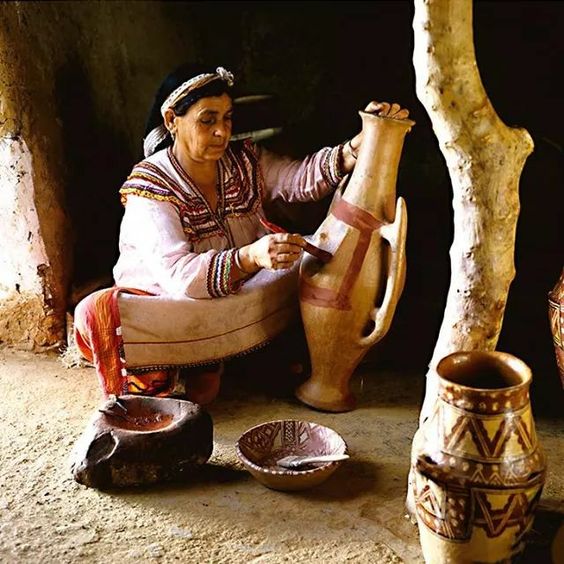
Tamazight is most widely spoken in Kabylie and the Aurès Mountains, by the Mozabites of the M'Zab and by the Tuareg in the far south.
Amazigh culture is known for its oral poetry, music and crafts. Hand-woven Berber rugs and Kabyle silver jewelry are still made in these regions, and they make some of the best souvenirs from Algeria when you buy them straight from the artisans.
Traditional facial tattoos, once common among rural Amazigh women, were tied to protection and tribal identity. Today you mostly see them on older women in villages.

To see village life, go to the Kabyle villages in the Djurdjura mountains southeast of Algiers, or to Ghoufi in the Aurès, where houses in the cliffs above the Oued Abiod canyon were lived in until the 1970s.
11. Algeria is one of Europe's main gas suppliers
Algeria is one of the world's big natural gas exporters and one of Europe's main suppliers, above all to Italy and Spain.
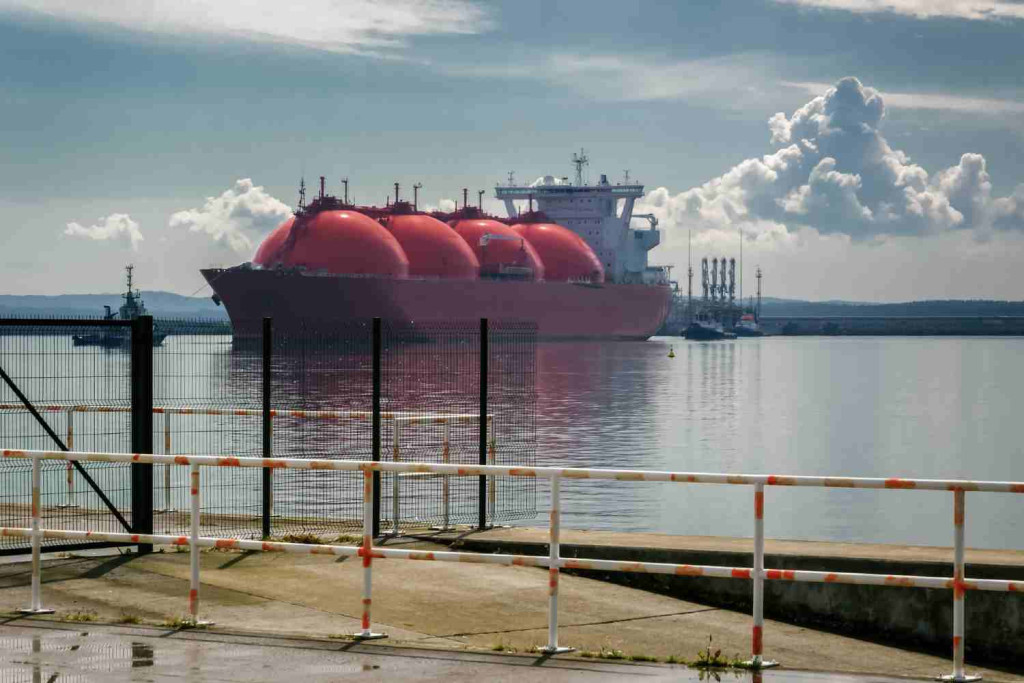
Two undersea pipelines carry it north: Transmed to Italy via Tunisia, and Medgaz straight to Spain. A third, through Morocco, has been shut since late 2021. The rest leaves by ship as liquefied natural gas (LNG).
Oil and gas make up the large majority of Algeria's export earnings. One side effect for visitors is cheap fuel: petrol costs 47 DZD a liter in 2026, about 0.31 euros at the official rate.
The government wants to diversify. Its stated target is 15 GW of solar power by 2035, and it is pushing farming, mining and manufacturing exports, but hydrocarbons still dominate.
12. Algiers has the tallest minaret in the world
The Djamaa El Djazaïr, or Great Mosque of Algiers, was officially inaugurated on 25 February 2024.
It is the third-largest mosque in the world, and its 265 m minaret is the tallest anywhere. It stands in Mohammadia, on the bay east of the city center, not in the Casbah.
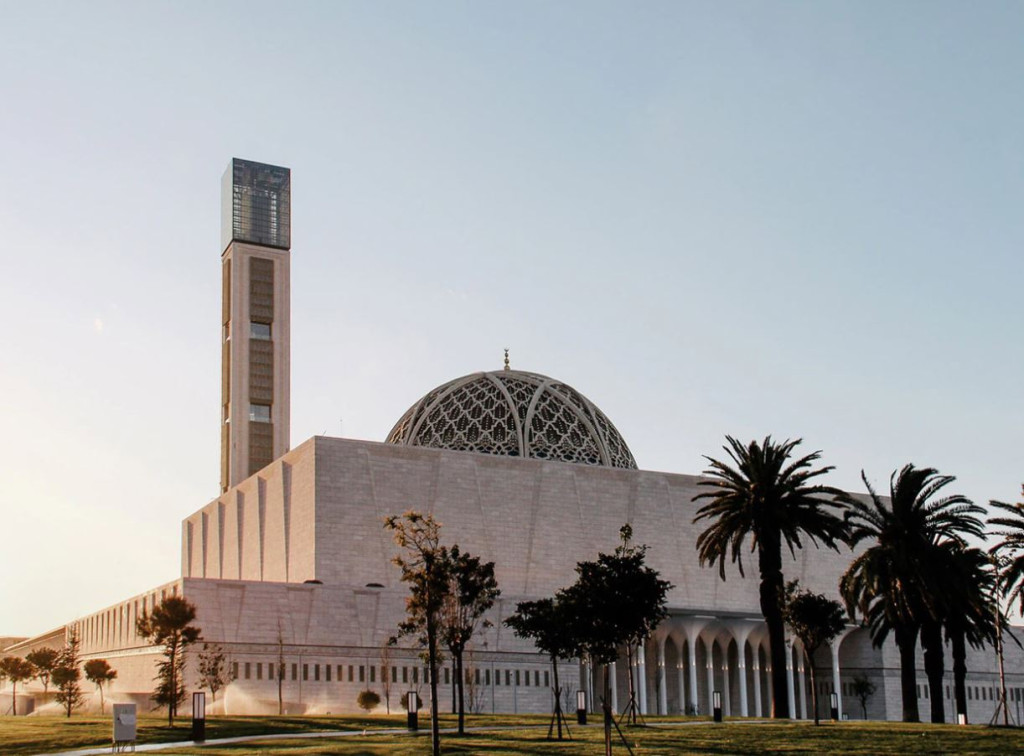
The prayer hall holds about 37,000 people and the whole complex up to 120,000. There is an observation deck at the top of the minaret, with views over Algiers and the bay. The dress code is strict: arms and legs covered for everyone, and a headscarf for women.
The complex also has a library with room for about a million books, a museum of Islamic art and history inside the minaret, and a research center.
13. Two Atlas ranges cross northern Algeria
The Atlas Mountains run through Morocco, Algeria and Tunisia. In Algeria there are two main chains: the Tell Atlas along the coast and the Saharan Atlas further south, with the High Plateaus in between.
Lalla Khedidja, at 2,308 m, is the highest peak of the Djurdjura range and of the whole Tell Atlas. The edge of the desert is marked by the Saharan Atlas, not by the Djurdjura.

Cedar and oak forests in these mountains shelter the Barbary macaque, which the IUCN lists as Endangered. It is the only macaque in Africa, and in Djurdjura National Park and Chréa National Park, near Blida, you may see troops by the road.
Kabyle hill villages grew up around olive and fig groves, and the olive harvest each winter is still a family affair.
14. The fennec fox is the national animal
The desert has wildlife adapted to heat and very little water, though most of it only comes out at night.

The fennec fox is Algeria's national animal, and the national football team is nicknamed Les Fennecs after it. Its huge ears shed heat, and it can go a long time without drinking, getting most of its water from food.
Other Saharan species include the dorcas gazelle, the Barbary sheep in the mountains, the sand cat and the African golden wolf, long called a jackal. You will rarely see them, and hunting has made several of them scarce.
15. The Algerian Sahara is one of the last homes of the Saharan cheetah
The Saharan (Northwest African) cheetah is listed as Critically Endangered by the IUCN, with fewer than 250 mature adults estimated in 2008. Camera traps in Ahaggar Cultural Park recorded four of them between 2008 and 2010, and the Hoggar and Tassili are among its last strongholds.

It is smaller than other cheetahs, with a short, pale coat and fainter spots.
16. Football is a national passion
Football is the national obsession, played on every vacant lot. Zinedine Zidane, born in Marseille to parents from Kabylie, played for France, but many Algerians see him as one of their own. Riyad Mahrez, captain when Algeria won the 2019 Africa Cup of Nations, is a hero in his own right.
The national team, Les Fennecs, beat West Germany 2-1 at the 1982 World Cup, and in 2014 took Germany to extra time in the round of 16 before losing 2-1. They qualified for the 2026 World Cup, their fifth. They have also won the Africa Cup of Nations twice, in 1990 and 2019.
On match nights the cafés are packed, and after a big win the streets fill with flags and car horns.
17. Islam is the state religion, and the law mixes civil and Islamic sources
Algeria has a civil-law system modeled on French law, mixed with Islamic law, which shapes the Family Code (marriage, divorce and inheritance).
One fact surprises most visitors: nearly half of Algeria's magistrates are women, about 48 percent according to Ministry of Justice figures from December 2024. Women still hold only about a quarter of the senior posts.
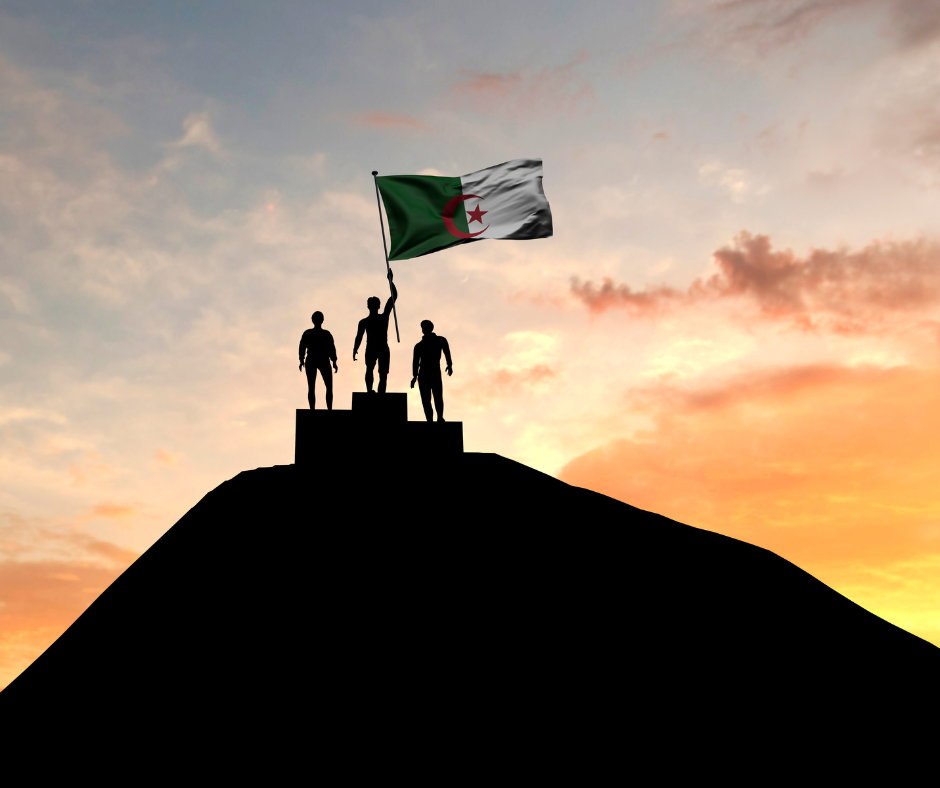
The constitution makes Islam the state religion, and the flag reflects it. Adopted on 3 July 1962, it has a green half and a white half with a red crescent and star, and the green, the crescent and the star are all Islamic symbols. Émilie Busquant, the French wife of the nationalist leader Messali Hadj, is generally credited with sewing the first version in 1934.
Other faiths may worship, but only in buildings approved by the state, and a 2006 ordinance makes it a crime to try to convert a Muslim, with up to five years in prison. Outside the big cities, daily life stays fairly conservative, so check what to wear in Algeria before you pack, especially if you plan to visit mosques or small towns.
18. Algeria is the birthplace of raï
Raï grew up in the early 20th century in western Algeria, around Oran, Sidi Bel Abbès, Aïn Témouchent and Saïda, out of Bedouin and urban folk song.
The word means "opinion", and singers used it for things people did not say out loud: love, drink, poverty and hard times under colonial rule. In 2022 the genre joined UNESCO's list of intangible heritage.
Cheikha Rimitti, its best-known early singer, started recording in the early 1950s, and Oran's cabarets and wedding parties kept the music going.

In the 1970s and 1980s Oran producers added electric guitars, synthesizers and drum machines. Singers such as Cheb Khaled and Cheb Hasni turned this "pop raï" into a mass genre, and Khaled took it worldwide in the 1990s with songs like "Didi".
19. Algerian food changes from region to region
Algerian cooking is Maghreb food at heart, built on semolina, olive oil and slow-cooked sauces, with Ottoman, Andalusian and French touches. Couscous, which Algeria shares with Morocco, Tunisia and Mauritania, has been on UNESCO's intangible heritage list since 2020.
The Ottomans left bourek, fried pastry rolls with minced meat, and the French left the baguette. Ramadan has its own menu, led by chorba frik, a soup of green cracked wheat.
Every region has its own dishes. Constantine has its chakhchoukha, Algiers its rechta, and we go through the rest in our guide to traditional dishes in Algeria.
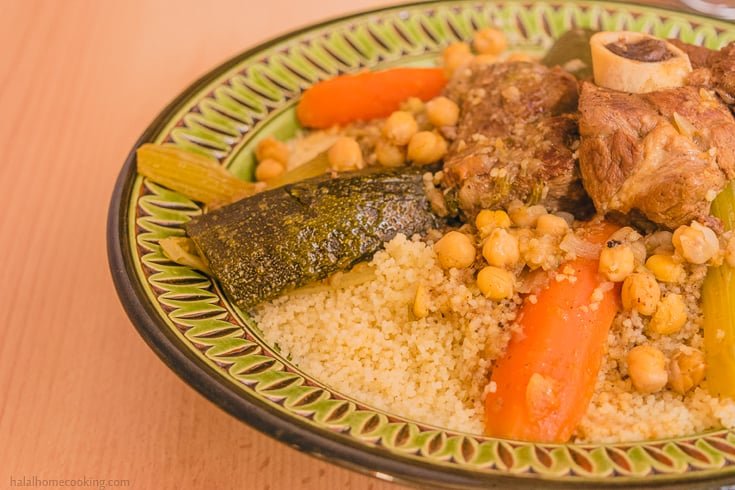
Street food is cheap and everywhere: mhadjeb, semolina crêpes stuffed with tomato and onion, across the country, and karantika, a baked chickpea-flour flan, in Oran.
The best cooking is usually in family homes, where the slow dishes are made. In a popular restaurant, couscous or a simple plate cost about 600 to 1,200 DZD in 2026. If you go for the restaurant, a quick look at tipping in Algeria will spare you the guesswork when the bill arrives.
20. Algeria is the world's third-largest date producer
Algeria is the world's third-largest date producer, with about 1.32 million tonnes in 2023, after Egypt and Saudi Arabia. The palm groves follow the oases, from the Ziban around Biskra down to Adrar and Timimoun.

The best-known variety is Deglet Nour, translucent and honey-colored, grown around Biskra and Tolga. Dates and milk are the traditional welcome for guests, and dates are how most families break the fast in Ramadan.
The harvest runs from October into December, a good time to visit the oases, and Taghit holds a date festival in late October.
21. Mint tea rules in the Sahara
Mint tea is not an official national drink, and in the northern cities coffee is the everyday habit. In the Sahara, though, tea is at the center of social life, above all among the Tuareg.
It is green tea, brewed strong with plenty of sugar and often fresh mint, and making it is the first thing a host does when you arrive.

It is served in small glasses and made following a set ritual.
The tea is brewed in a small metal teapot, often over embers, and served in three rounds from the same leaves.
Each glass has its meaning in a Tuareg saying: bitter like life for the first, sweet like love for the second, gentle like death for the third. The host pours from high above the glass to raise a foam, and it is polite to drink all three.
On a desert trip, tea comes out at every stop and again around the fire in the evening, before you head to your tent. If one evening like this is not enough, an Algeria nomad experience with Tuareg hosts around Djanet or Tamanrasset builds every night around this same three-round ritual.
22. Algeria helped inspire Frank Herbert's "Dune"
Frank Herbert's "Dune" (1965) has clear echoes of Algeria. It came out three years after Algeria won its war of independence, and the Fremen, desert people fighting an occupying empire, have often been compared with Algeria's independence fighters.
In "Dreamer of Dune" (2003), his biography of his father, Brian Herbert names Algerians, along with Bedouin Arabs, among the peoples who inspired the Fremen.
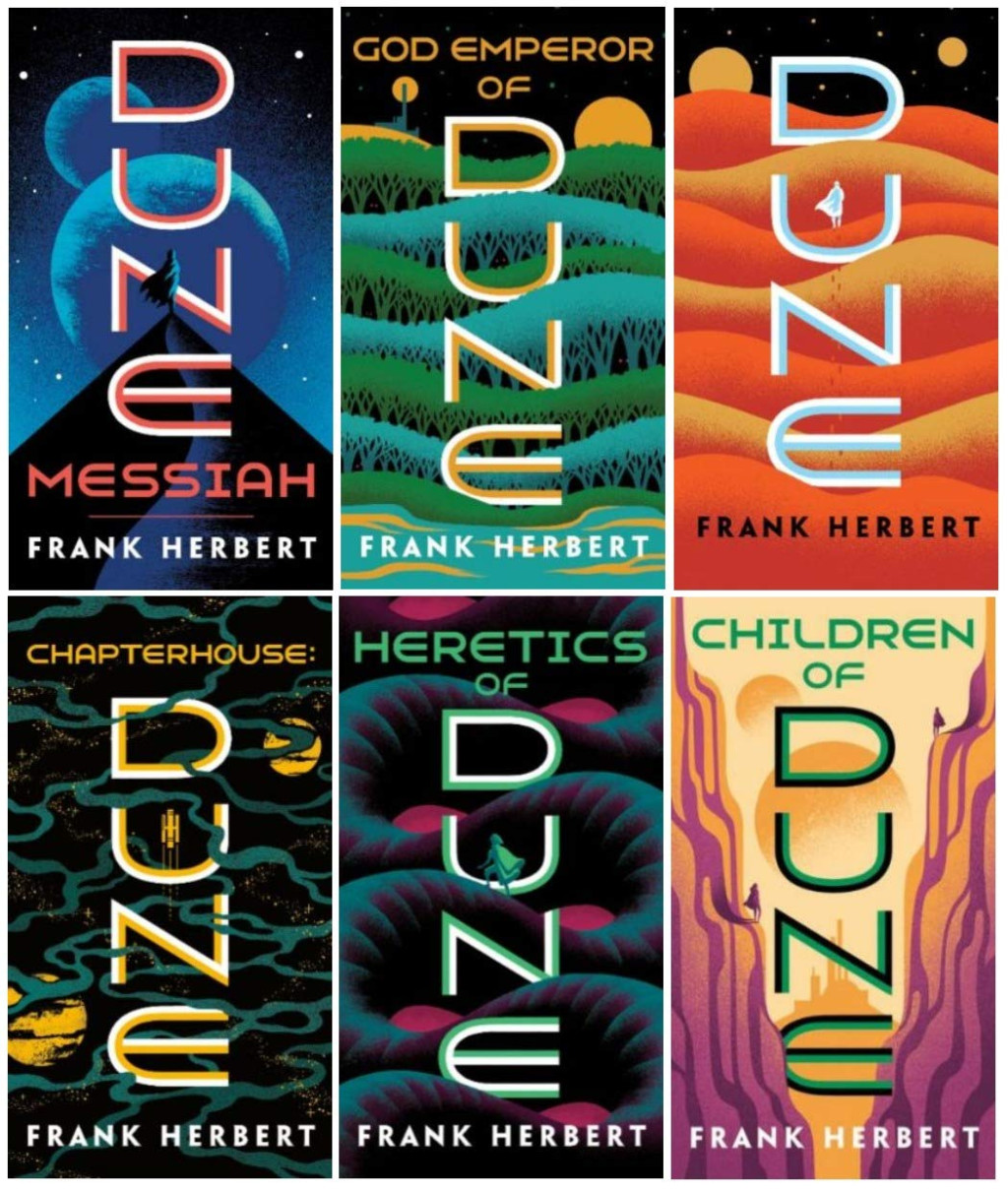
Some writers trace the name "Fremen" to "free men", the usual translation of Amazigh, and cite the 16th-century traveler Leo Africanus. Herbert never confirmed this, so treat it as a theory.
The Fremen battle cry "Ya hya chouhada!" is on firmer ground. The book's glossary translates it as "Long live the fighters!", and the same Arabic words were chanted in Algeria at independence in 1962.
Fremen customs borrow from desert peoples, especially the Bedouin, and much of Herbert's invented vocabulary comes from Arabic.
The books also name a deep desert on Arrakis the "Tanzerouft", almost the same name as the Tanezrouft, one of the driest and emptiest parts of the Sahara, on Algeria's border with Mali.
23. Two Nobel Prize winners were born in Algeria
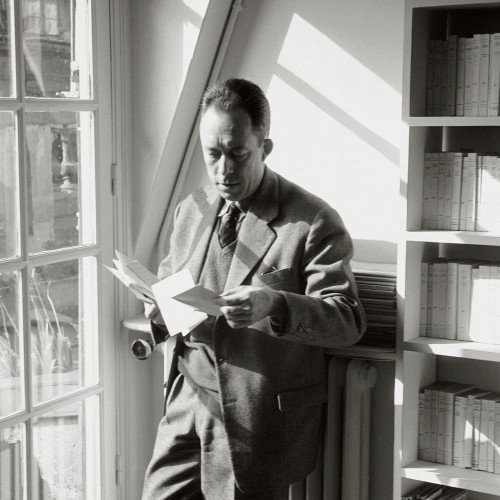
Two Nobel Prize winners were born in Algeria, both while it was under French rule: Albert Camus and Claude Cohen-Tannoudji.
Camus was born in 1913 in Mondovi (now Dréan), near Annaba, and won the 1957 Nobel Prize in Literature. "The Stranger" and "The Plague" are both set in Algeria, the first in Algiers and the second in Oran.
Cohen-Tannoudji was born in Constantine in 1933 and shared the 1997 Nobel Prize in Physics with Steven Chu and William D. Phillips for developing ways to cool and trap atoms with laser light.
24. The Sahara is scorching, yet it sometimes snows
The Algerian Sahara is one of the hottest places on Earth: Ouargla recorded 51.3°C on 5 July 2018, the highest reliably measured temperature in Africa. Yet now and then it snows.
The best-known case is Ain Sefra, a town at about 1,000 m in the Saharan Atlas, often called the gateway to the desert. It had its first recorded snow on 18 February 1979, and more in 2016, 2017, 2018, 2021 and 2022.
©BBC
In January 2023 a cold spell left about 5 cm of snow at Béni Ounif in Béchar wilaya, and snow also covered Djebel Antar (1,953 m) above the city of Béchar.
The cold can be serious elsewhere too. Algeria's lowest recorded temperature, -13.8°C, was measured at Mécheria on the High Plateaus in January 2005, and desert nights in winter can drop close to freezing.
Algeria: what people still wonder about
Which language will people actually speak to me in? Mostly Algerian Arabic (Darja), slipping into French in the cities, in business and in the press. On paper the country has two languages, Arabic and, since 2016, Tamazight, and you will hear Tamazight dialects such as Kabyle in Kabylie, the Aurès, the M'Zab and the far south. English is less common.
Why is the football team called Les Fennecs? It is named after the national animal, the fennec fox, the small Sahara fox with the oversized ears.
Is couscous Algerian, Moroccan or Tunisian? All three, and Mauritanian too. The four countries share it, and it has been on UNESCO's intangible heritage list since 2020. Steamed semolina with a sauce of vegetables and meat is still the dish Algerians call national, though each region has its own favorites as well, such as rechta in Algiers and chakhchoukha in Constantine and the east.
Can I come overland from Morocco? No: that land border has been closed since 1994, so overland travelers usually cross from Tunisia, by road or on the Tunis to Annaba train. Algeria's other neighbors are Tunisia and Libya to the east, Niger and Mali to the south, and Mauritania and Western Sahara to the southwest, seven in all counting Morocco.
If I remember five things from this list, which should they be? No African country is bigger. Its capital has the world's tallest minaret, 265 m high.
The national anthem was written in a French prison cell in 1955. Snow has fallen on the dunes near Aïn Sefra, at the edge of the Sahara. And the Tassili n'Ajjer holds more than 15,000 prehistoric rock drawings and engravings.
If this list makes you want to go
Sort out the visa first. There is no e-visa as of October 2026, so UK, EU, US and Canadian citizens, like most Western visitors, apply at an Algerian consulate. The exception is an organized Sahara trip: book it through an approved Algerian agency and the visa can be issued on arrival.
Go to the Sahara from October to April and to the north in spring or autumn. With one week, pick one region; with two, you can combine the north with a flight south. Bring cash, and expect more French and Arabic than English.
For where to go, see our guide to Algeria's top landmarks, and for routes, explore our Algeria itinerary guide.
If you'd like a hand putting a trip together, tell us your dates and what you want to see. Reach out to us and we'll plan a personalized itinerary, help with the visa paperwork and arrange local guides, hosts and a driver waiting at arrivals.


