

Visitors can drive in Algeria on their home license plus an International Driving Permit, and the north (Algiers, Oran, Constantine, the coast and the East-West motorway) works well as a self-drive trip. The deep south is different: the authorities expect foreigners there to travel with an approved agency, so most people hand over to an agency 4x4 and driver once they head into the Sahara.
The rules also changed this year. A new road code (Law 26-09) came into force on 20 May 2026 with much higher fines, and prison terms for the worst offenses, so this guide starts with the paperwork and the current rules, then covers renting, checkpoints, desert driving and fuel. Our Algeria travel guide helps you decide where all that driving should take you.
Mandatory Documents and Legal Requirements
Carry three things every time you drive: your passport with your Algerian visa, your national driving license and an International Driving Permit (IDP). Checkpoints are frequent and officers ask for ID. On paper Algeria accepts a valid foreign license for short visits (the UK Foreign Office says a UK photocard license is fine for the first 3 months), but police and many rental agencies expect an IDP alongside it, so get one.
Algeria is a party to the 1949 Geneva Convention on Road Traffic, not the 1968 Vienna one, so you need the 1949-format IDP. Get it at home before you leave (in the US from AAA; elsewhere from your national automobile association or the body your government authorizes). It is valid for one year and only counts alongside your national license. Keep photocopies of your passport, visa, license and rental contract in the glove box and scans on your phone.
Visa paperwork, both the consulate route and the visa on arrival, is covered in Algeria Visa: Requirements and Visa on Arrival.
Insurance and Vehicle Registration
Every vehicle in Algeria must carry third-party liability insurance. With a rental, the agency supplies the registration document (the carte grise) and the insurance certificate. Check that both are in the car, in date and match the plate before you drive off, because checkpoint officers may ask for them.
Bringing your own car means a temporary import declaration at customs and Algerian insurance bought at the port or border post. If you are shipping your car over from Europe, our ferry to Algeria guide explains the temporary import papers in detail.
Driving in from Tunisia is possible too, although most Tunisian rental companies will not let their cars cross, as we explain in our guide to the Tunisia to Algeria border. With an Algerian rental, check where the contract lets you take the car: many city rentals rule out desert and unpaved tracks, and the insurance stops covering you the moment you leave the tarmac.
Renting Your Vehicle: Airport or City
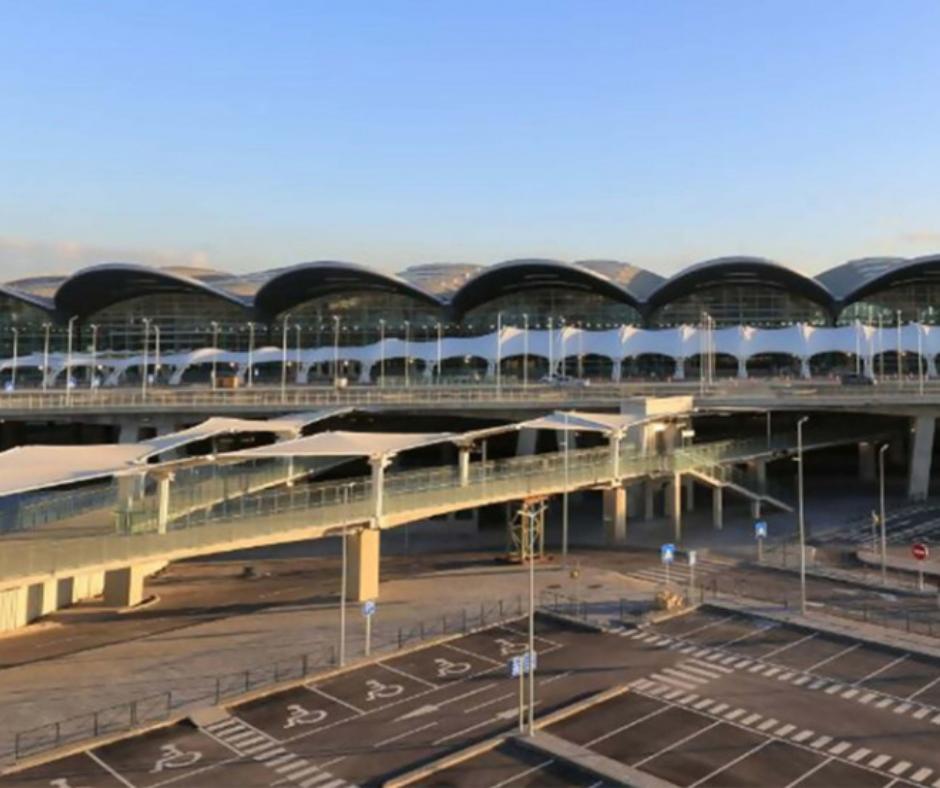
Most visitors pick up a car at Algiers Houari Boumediene Airport, where local firms and some international brands have desks. It is the easy option if you want to skip city driving and head straight for the motorway.
Local agencies listed small cars at about 4,500 to 7,000 DZD a day in autumn 2026, or roughly EUR 30 to 47 at the official rate of about 150 DZD to the euro, and weekly hires work out cheaper.
Most agencies want drivers aged at least 21 to 23 with one or two years of driving experience, some ask for 25 on SUVs, and almost all take a deposit, often several hundred euros blocked on a credit card. Basic third-party cover is included. If you plan to drive the mountain roads of Kabylie or the Aurès, ask what the excess is and pay to reduce it.
City Center Rentals and Urban Logistics
If you are spending your first days in the Casbah and downtown Algiers, don't rent yet. Parking is hard, the old streets are steep and narrow, and taxis and ride-hailing apps such as Yassir cover the city cheaply. Picking up a car when you leave Algiers saves those days of rental fees and parking headaches. Our public transport guide for Algeria explains how to get around before you pick up the car.
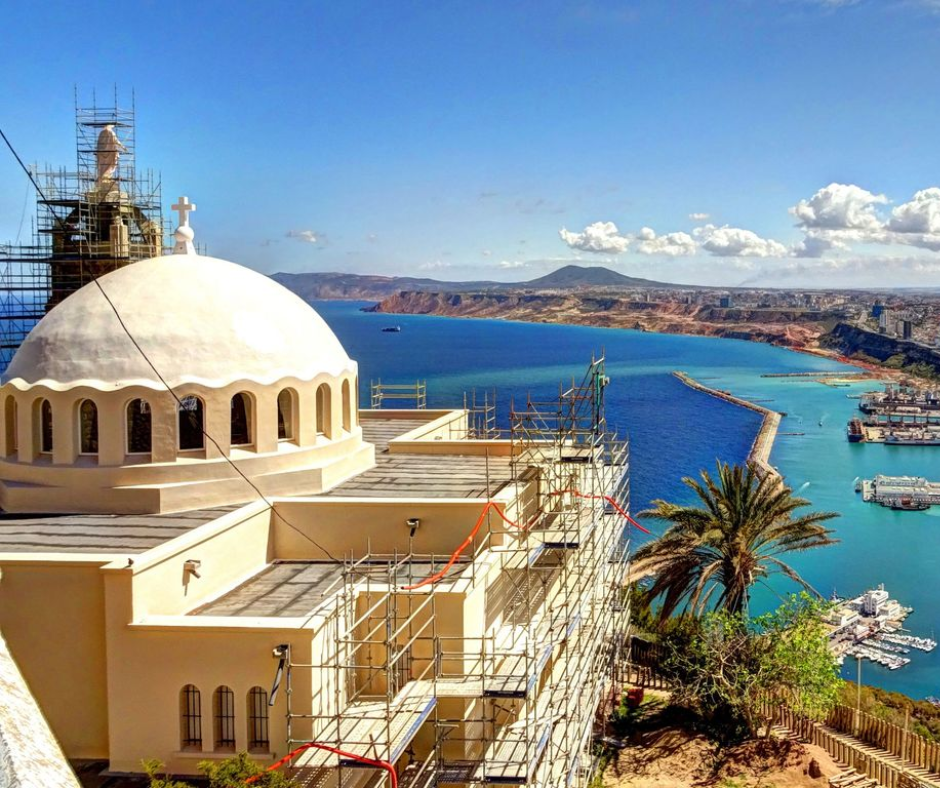
In 2026 listings, airport desks were no more expensive than city agencies, so choose on convenience; city agencies can be easier to negotiate with on long hires. A taxi into central Algiers takes 30 minutes to an hour depending on traffic and costs about 1,500 to 2,500 DZD (around 2,000 on Yassir). The airport train (80 DZD) and ETUSA bus 100 (50 DZD) are cheaper.
For the city itself, see 15 Best Things to Do in Algiers.
Selecting the Correct Vehicle Type
Pick the car for the roads you'll actually drive. A standard sedan or compact handles the coast roads and the East-West motorway, which runs about 1,200 km from the Moroccan border to the Tunisian border. Small cars also use less fuel and fit the narrow streets of Oran or Constantine.
A high-clearance 4x4 only matters off the tarmac: sandy tracks, pistes to remote oases, the Hoggar. 4x4s are hard to rent in Algeria, cost far more, and many contracts forbid desert driving anyway. For the deep south the question rarely comes up: the authorities expect foreigners to travel there with an approved agency, and most trips to the Hoggar or the Tassili n'Ajjer use the agency's own 4x4s and drivers.
What are the rules of the road in Algeria?
- Side: drive on the right.
- Papers: your national license plus a 1949-format International Driving Permit.
- Renting: usually 21 to 23 and over, with one or two years' experience, and a deposit on a credit card.
- Speed: 50 km/h in towns, 100 outside, 120 on motorways; 40, 80 and 100 in the wet.
- Alcohol: the limit is 0.20 g per liter of blood, which in practice means none.
- Fuel: a state price of 47 DZD for unleaded, 31 DZD for diesel and 12 DZD for LPG, per liter.
- Tolls: none, the East-West motorway included.
- Emergencies: police 17 or 1548, gendarmerie 1055, ambulance 1021 or 16, fire and civil protection 14.
Algerian Road Rules: Seatbelts, Phones, Children and Alcohol
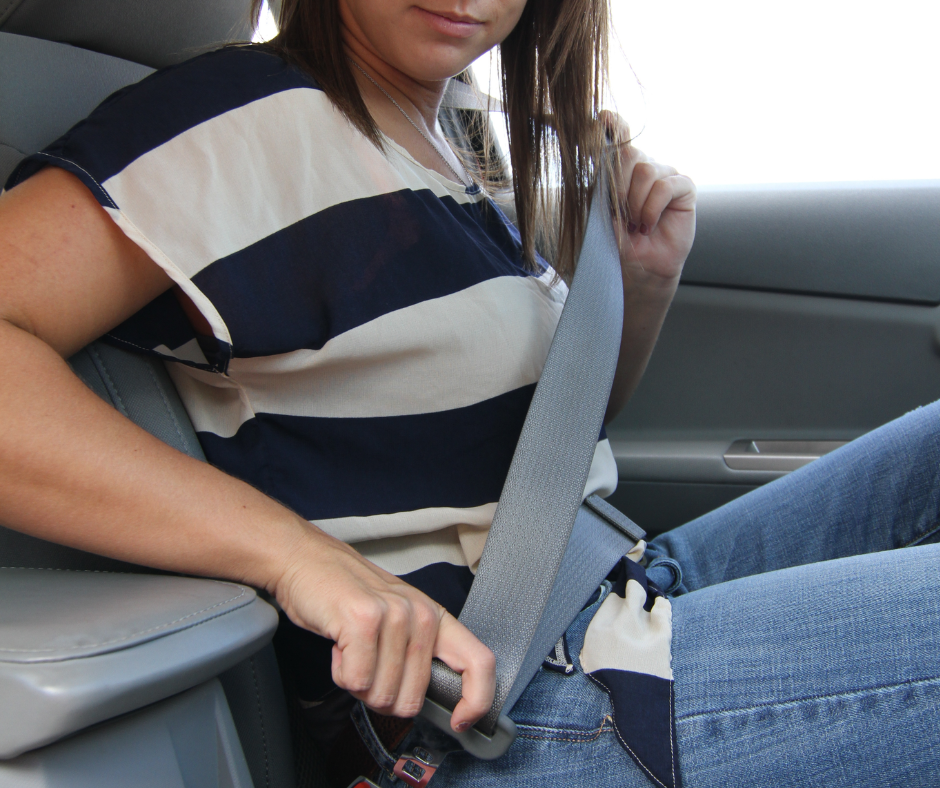
The new road code (Law 26-09 of 2 May 2026, in force since 20 May 2026) kept the basic rules and raised the penalties. Everyone in the front must wear a seatbelt, and rear passengers must too in any car fitted with them.
Children under 10 may not ride in the front seats. Holding a phone while driving is banned, and so is wearing headphones over both ears. A hands-free kit and a dashboard mount used for navigation are allowed, so set them up before you start the engine.
The alcohol limit is 0.20 g per liter of blood (0.02 percent), low enough that a single drink can put you over, so don't drink at all if you are driving. Drink-driving makes everything worse in court: if it leads to a fatal crash, the 2026 code sets 5 to 8 years in prison and a fine of 500,000 to 800,000 DZD.
Speed Limits and Enforcement
The limits are 50 km/h in towns (some signed through-roads in cities go up to 80), 100 km/h on roads outside towns and 120 km/h on motorways such as the East-West. They drop suddenly at village entrances and near schools, and large speed bumps often come with little warning.
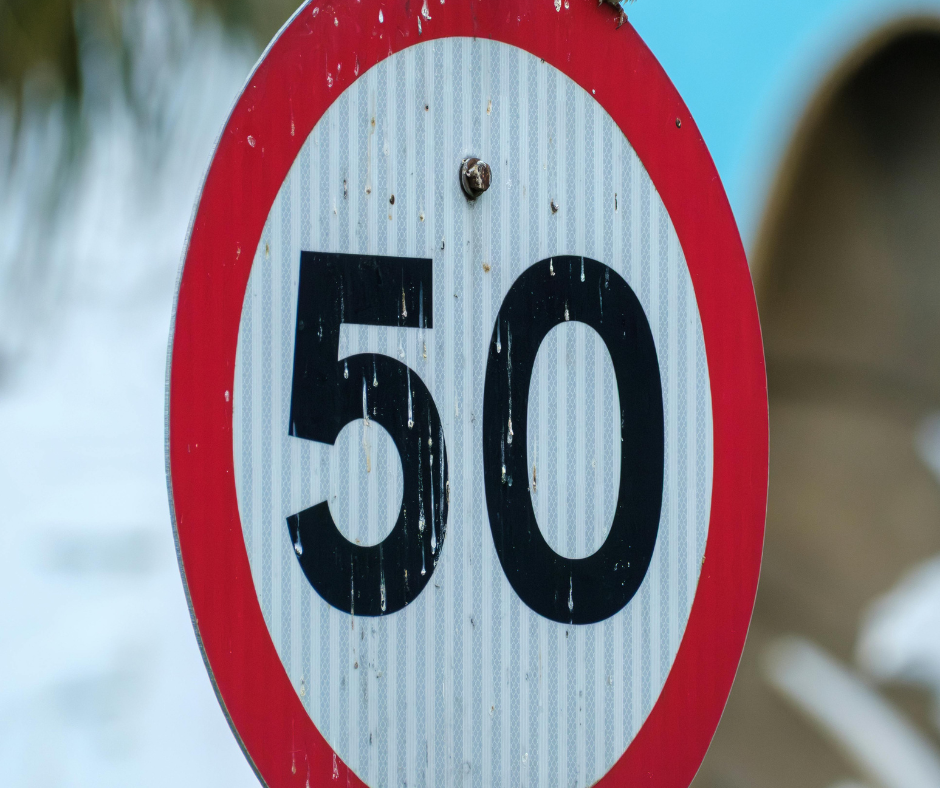
On wet roads the limits fall to 40 km/h in town, 80 km/h on other roads and 100 km/h on motorways. Drivers who have held a license for less than two years are capped at 80 km/h everywhere. Fixed cameras are rare, but police and gendarmerie run mobile radar checks, and the 2026 code raised the fines: 6,000 DZD for 10 to 20 percent over the limit and 25,000 to 80,000 DZD for more than 30 percent over.
Fines under the 2026 road code
Law 26-09 groups everyday offenses into four classes, each with a fixed fine. The figures below are the examples the Algerian press reported when the law was adopted, converted at about 150 DZD to the euro (the official rate) and about 275 (the informal one), autumn 2026.
| Offense | Fine | Roughly in euros (bank rate / informal rate) |
|---|---|---|
| First class: missing papers, faulty lights or brakes, passengers without seatbelts | 3,000 DZD | about 20 / 11 |
| Second class: not giving way to pedestrians at a crossing, unreadable plates | 4,000 DZD | about 27 / 15 |
| Speeding 10 to 20 percent over; a child under 10 in a front seat | 6,000 DZD | about 40 / 22 |
| Fourth class: running a stop sign, not giving way at a junction, driving the wrong way | 10,000 DZD | about 66 / 36 |
| Speeding more than 30 percent over, caught by an approved device | 25,000 to 80,000 DZD | about 165 to 530 / 90 to 290 |
| Causing a fatal crash | Prison and fines from 100,000 DZD, higher with alcohol, drugs or a phone involved | - |
Roundabouts and Urban Traffic
City driving in Algeria is assertive. Roundabouts are everywhere, and who has priority is not always obvious: the UK Foreign Office warns of little lane discipline and right-of-way confusion, especially at roundabouts. Assume other drivers will push in, and signal clearly when you exit.
In central Algiers, cars straddle lanes to get round double-parked vehicles. Stay out of the right-hand lane where buses and taxis stop, and when you need to turn, slow down and wait for a real gap.
Handling Police and Military Checkpoints
Expect police and gendarmerie checkpoints at the entrances to most cities and along national roads. The UK Foreign Office advice is simple: approach slowly, don't cross the line until you are waved through, and have photo ID ready. At night, dip your headlights as you approach so the officers can see you are stopping.
Keep your passport and car papers within reach, not in a bag in the trunk. Most checks are a quick look at your ID and a question about where you are going. A greeting in Arabic or French helps.
What to Do at a Checkpoint
Roll down your window and take off your sunglasses so the officer can see you. Have the name of your hotel or your next town ready. Officers sometimes ask for the rental agreement or insurance papers, so keep those together in the glove compartment.
Don't photograph or film police, soldiers or checkpoints: it is illegal, and it is the quickest way to turn a short stop into a long one. Keep your phone and camera out of sight until you are waved on, then thank the officer and drive off.
Checkpoints and Escorts in the South
In the south, checks are more thorough. Foreign tourists travel there with an approved Algerian agency, which also arranges the police or gendarmerie escort the authorities assign to groups on some desert routes. Officers will ask for your route and often write your passport details in a logbook. It's routine paperwork, so have your documents ready and let your guide do the talking.
The far south repays the extra planning: the sandstone plateaus of the Tassili, the red dunes of the Tadrart and the volcanic peaks of the Hoggar look like nowhere else in the country. Look up your government's current advice for the route you have in mind, and check that your policy covers it, before planning anything there. We run ours the way every deep-south trip runs, with a licensed Algerian agency, its drivers and local Tuareg guides, on routes our partners know well.
Emergency numbers and what to do after an accident
Save these before you set off: police 17 or 1548, gendarmerie (outside towns) 1055, ambulance 1021 or 16, and fire and civil protection 14. On national roads between towns it is usually the gendarmerie that comes.
If you have a collision, stop, switch on your hazard lights and make sure nobody is hurt. Call the police in town or the gendarmerie outside it if anyone is injured or the other driver disputes what happened.
For a simple bump, Algerian drivers fill in a constat amiable, a joint accident report in French and Arabic, and both sign it. Photograph the cars and the scene, never the officers. Then call your rental agency straight away: insurers expect an accident to be reported within seven days, and the agency usually handles that for you.
Driving on Desert Tracks
Driving in the Sahara needs far more preparation than a long day on the motorway. The first rule is never to go with a single vehicle. Travel with at least two, ideally three, 4x4s, so that if one gets stuck or breaks down the others can pull it out or carry everyone out.
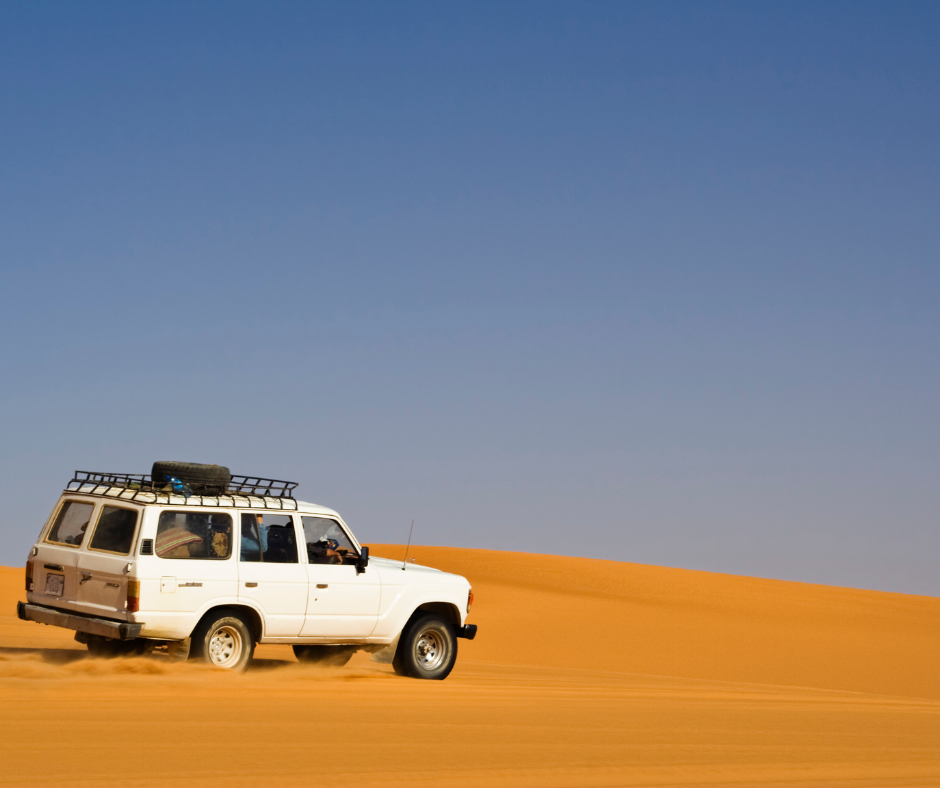
On soft sand, drivers lower tire pressure for grip and reinflate with a compressor back on hard ground. On an agency trip, the crew handles all of this.
Recovery Gear and Spares
Agency 4x4s carry their own recovery gear: sand plates, a shovel and tow straps.
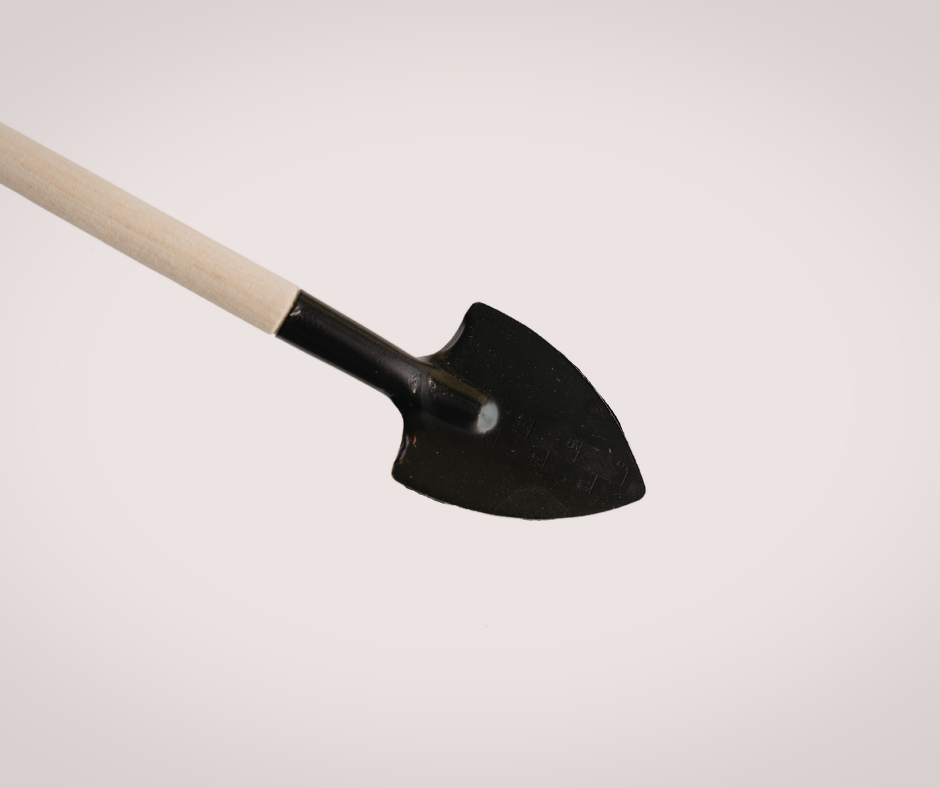
If you are curious about how it works, ask your driver to show you before the first sandy stretch.
Survival Kits and Communication
In the Sahara the vehicle is your shelter, so carry enough to last several days if it breaks down: at least 10 liters of water per person per day, plus high-energy food that keeps. Pack warm clothes and blankets even if the days are hot, because temperatures drop fast after sunset and winter nights can get close to freezing.
Mobile coverage in remote southern areas is "patchy or unavailable", in the UK Foreign Office's words. Don't plan on bringing your own satellite messenger or handheld GPS: Algerian customs restricts GPS and geolocation devices without prior authorization, and they can be held at the border. Ask your agency what communications its team carries, and always tell your hotel or guide your route and expected arrival time before you lose signal.
Practical Advice for Fuel and Road Maintenance
Fuel is easy to find in the north and gets scarce as you head south, where stations can be hundreds of kilometers apart. Fill up whenever you pass one between towns.
Prices are set by the state, so they are the same at every Naftal pump: since 1 January 2026, 47 DZD a liter for unleaded, 31 DZD for diesel and 12 DZD for LPG (Sirghaz). A liter of unleaded therefore comes to about EUR 0.31 if you pay with dinars from a card or ATM (about 150 DZD to the euro), or about EUR 0.17 with cash changed informally (about 275).
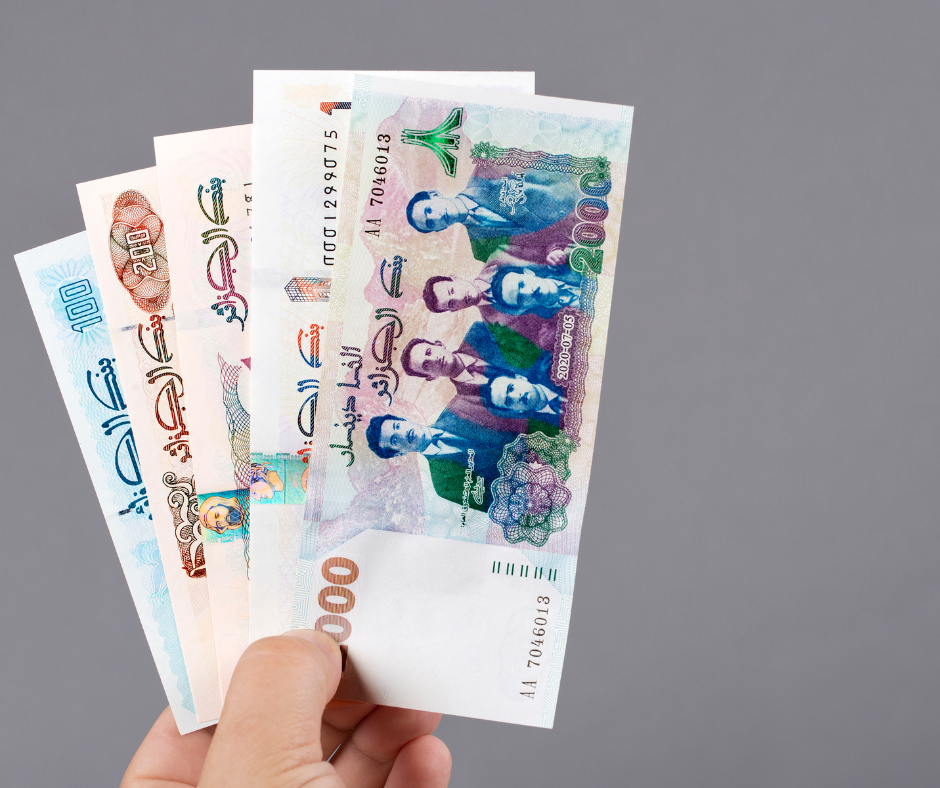
Rural stations take cash only, so keep small dinar notes for fuel. In summer, check oil and coolant every morning: heat and dust are hard on engines, and a breakdown on a remote stretch means a long wait.
Toll Roads, Cash and ATMs
There are no motorway tolls in Algeria. Toll plazas were built along the East-West motorway from the mid-2010s, but charging was postponed again and again, and in February 2026 President Tebboune said there would be no tolls on it. Driving it costs you only fuel.
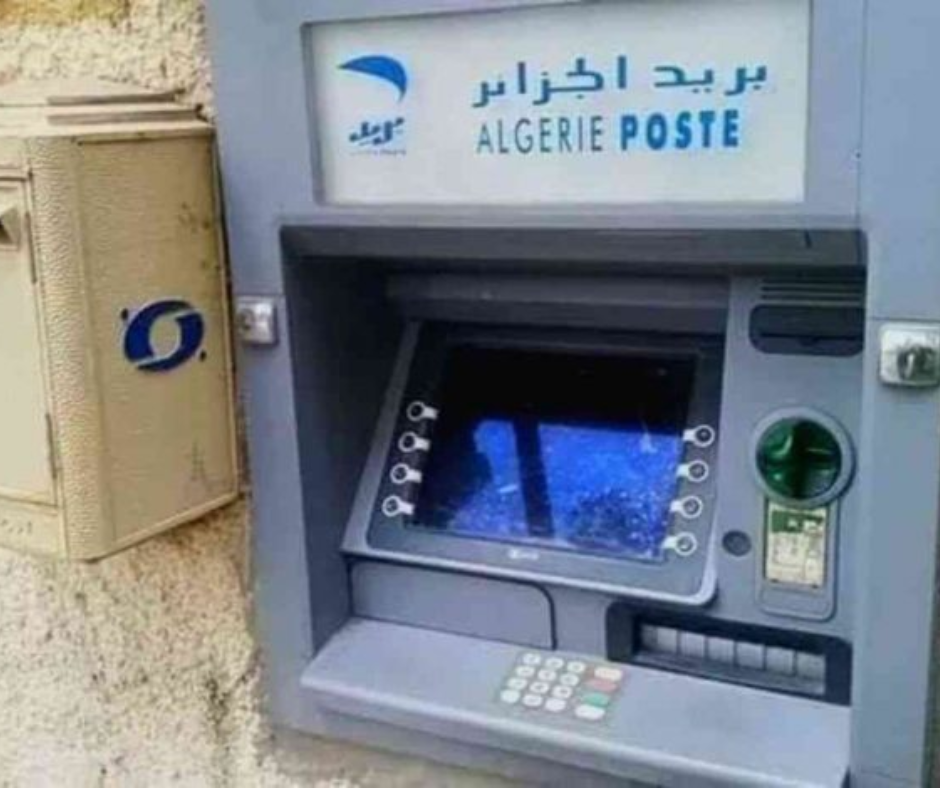
ATMs are easy to find in Algiers, Oran and other cities but rare in villages and the desert, so withdraw enough for several days of fuel and food before you leave the coast, and tell your bank you are traveling.
Road Surface Hazards and Maintenance
The motorways are mostly in good condition, but in 2026 the motorway operator (ADA) is replacing joints and signs and repairing landslide damage on several sections, including around Tlemcen, so expect roadworks. Secondary roads are rougher: potholes open up after the winter rains, and sand drifts across roads heading into the Sahara. If you hit a patch of sand, slow down and keep the steering wheel straight.
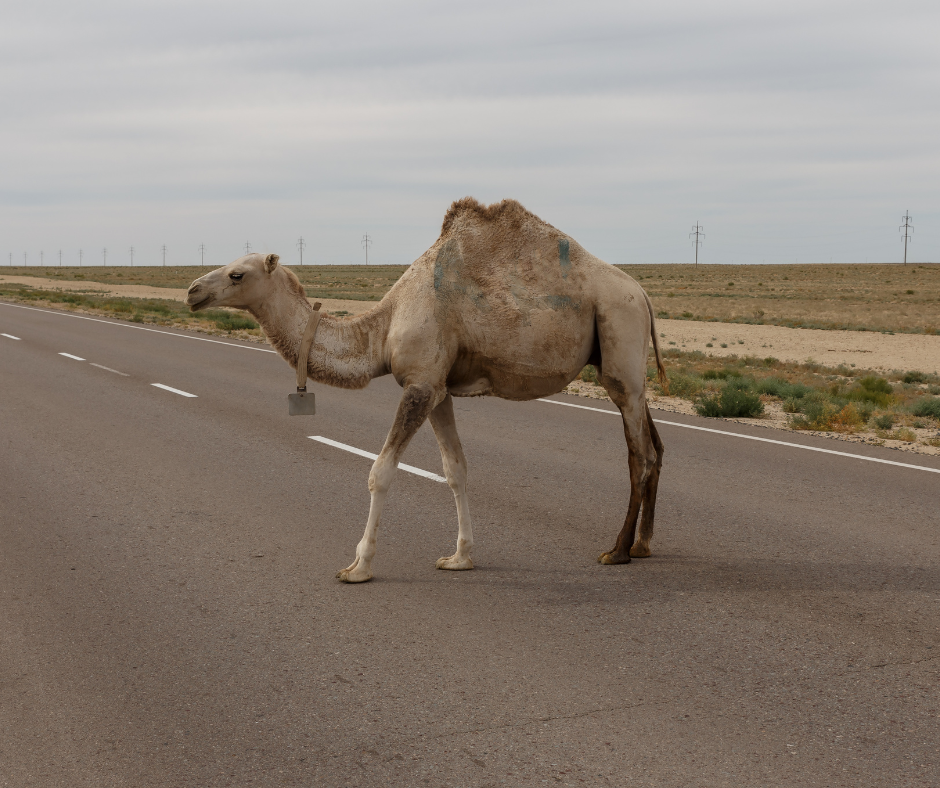
Livestock such as sheep and camels are frequently found on or near rural roads, particularly in the Hauts Plateaux region. These animals can be unpredictable and may wander into the path of your vehicle without warning. We recommend maintaining a moderate speed in rural areas so that you have plenty of time to react if an animal decides to cross the road.
Avoid Night Driving
Our firmest rule at WildyNess: don't drive between towns after dark. Many national roads have no lighting, so unlit vehicles, carts and animals appear late, and the glare from oncoming trucks' high beams is tiring on long stretches.
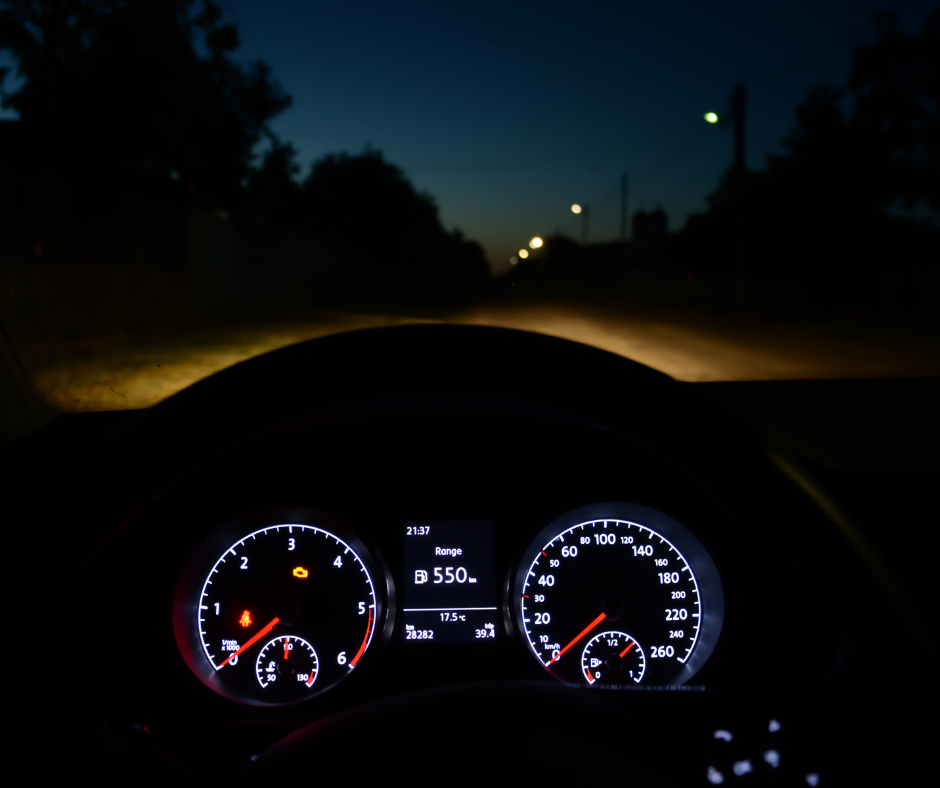
The UK Foreign Office describes Algeria's road accident rate as very high, and the hazards above (unlit vehicles, animals, tired truck drivers) are worse at night on minor roads, so plan to be in a town before dark.
Planning Your Daylight Itinerary
Plan each drive to arrive at least an hour before sunset. That leaves room for roadworks or a slow checkpoint. If you are running late, stop at the nearest large town and find a hotel rather than pushing on in the dark.
Daylight driving also means you actually see the Djurdjura's cedar forests or the Rhumel gorge at Constantine instead of a strip of headlights. Driving in the morning and early afternoon keeps you off the road in the worst of the afternoon heat, too.
Driving During Ramadan and Holidays
During Ramadan, roads get busy and erratic in the hour before sunset as people rush home for iftar, the meal that breaks the fast. Avoid driving in the late afternoon in that month if you can. Ramadan next starts around 8 February 2027 (the exact date depends on the moon sighting).
Public holidays and summer weekends bring heavy traffic out of Algiers toward the coast. The weekend is Friday and Saturday, and Eid al-Fitr and Eid al-Adha are each three-day holidays, so drive midweek where you can and book rooms ahead around those dates.
Licenses, tolls and rental costs
Will my UK or US license do, or do I need an IDP?
Your license does for a visit, as long as you also carry a 1949-format International Driving Permit. The UK Foreign Office says a UK photocard license is accepted for the first three months, but police and rental agencies expect the IDP. In the US it comes from AAA; in the UK from the Post Office.
Is it right-hand traffic, like France?
Yes: you drive on the right and overtake on the left, and signs are in Arabic and French.
Who do I call after a crash on the road?
Police 17 or 1548, gendarmerie 1055 (they cover roads outside towns), ambulance 1021 or 16, and fire and civil protection 14. Save them in your phone before you drive. After a crash with no injuries, fill in a constat amiable with the other driver and call your rental agency.
What will a small rental car cost per day?
About 4,500 to 7,000 DZD from a local agency (autumn 2026), less per day if you hire by the week, plus a deposit of several hundred euros on a credit card.
Will I pay tolls on the East-West motorway?
No. Charging never started at the toll plazas, and in February 2026 President Tebboune said there would be no tolls on it.
Can I drive myself down to Djanet or the Hoggar?
Not in the deep south. Foreigners there are expected to go with an approved Algerian agency, and plenty of rental contracts rule out desert driving in any case. Trips to the Tassili, the Tadrart or the Hoggar use the agency's 4x4s and drivers. Self-drive works for the north and the paved roads to northern Sahara towns.
For a first trip, the usual split works well: the north by rental car with your IDP in the glove box, and the Sahara with an agency and its drivers. We arrange that second half, with local guides, cooks and drivers, and if you'd rather not drive at all we can have a driver waiting at arrivals and handle the transfers between cities. If you have questions about a route, contact us and we will reply quickly.
We can also plan the itinerary with you: send us your dates and the regions you want to drive, and we will build it together.
Read also:
Algeria Packing List: What to Bring
Is Algeria Worth Visiting? What to Know Before You Go (2026)


