
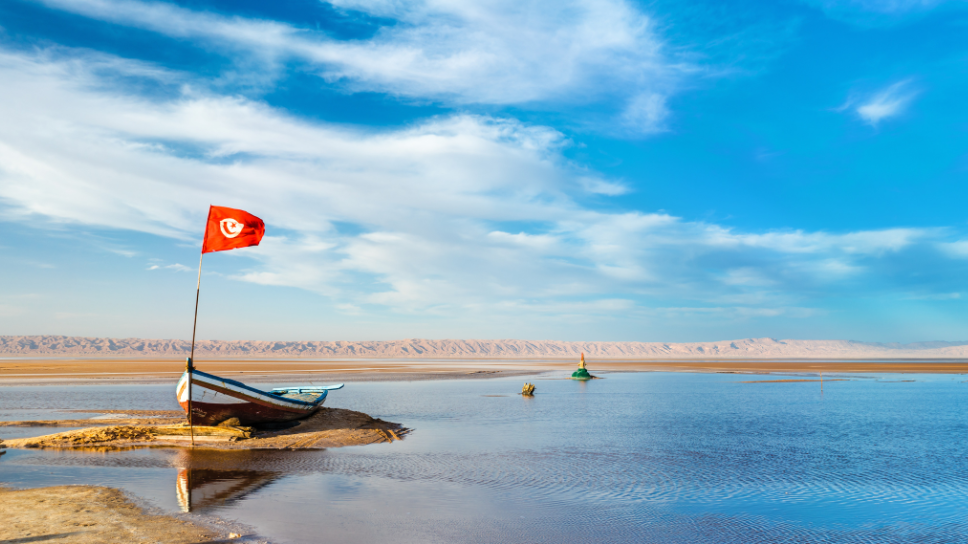

Not all great destinations receive the sufficient amount of marketing and promotion needed to be known and acknowledged. Luckily, Tunisia has started the attention it deserves, from travelers seeking a natural and cultural gateway between the west and east parts of the world. Don’t make its size fool you! Tunisia guarantees an irresistible blend of history, culture, and natural beauty with its ancient ruins, bustling souks, Amazigh villages and beautiful beaches.

As the idea of visiting this North African gem is occupying your thoughts, here are some reasons to consider it as your next destination.
Rich Historical Heritage
Tunisia boasts a diverse history with influences from Berbers, Phoenicians, Romans, Arabs, and more. This makes it brimming of historical sites and amphitheaters. For all travelers who are willing to expand their views, Tunisia is a great opportunity to delve into the different cultures that shaped the country as we know it today.
Along with a plethora of roman amphitheaters and ruins, Carthage, Dougga and El Jem are the highlights of any trip to Tunisia. Each site has its own charm and uniqueness.
Carthage
Located in the Capital of Tunisia, Tunis, Carthage is renowned for its historical importance as a powerful Phoenician city, a major center of the Carthaginian Empire, and later a significant Roman city.

Perched above the Mediterranean, Carthage, with its ancient ruins and monuments, serves as a poignant testament to the historical significance and grandeur of the nation on the global stage.
El Jem
While everyone is familiar with the Coliseum in Rome, a few ones who know about the largest amphitheater in Africa, El Jem.

In the picturesque village of El Jem, only a few kilometers away from Sousse lies an immense amphitheater capable of accommodating up to 35,000 onlookers.
Dougga
Navigating the map in a northerly direction, Dougga, a UNESCO World Heritage Site, stands out for its exceptional preservation as one of the best-preserved Roman archaeological sites in North Africa.

Dougga's blend of Roman, Punic, and indigenous cultures creates a unique archaeological experience, making it a must-visit destination for enthusiasts of ancient history.
Beyond the amphitheaters
Beyond its amphitheaters, there are a few UNESCO World Heritage Sites that showcase the rich history, culture, and natural diversity of Tunisia. For instance, the Medinas of Kairouan, Tunis and Sousse, invite visitors to explore the sophisticated history of the Arabo-Muslims and its influences on the daily lives of locals.

Each Medina has its own charm and particularity, which add a great layer to exploring the history of the country.
Diverse Cultural Activities
Tunisia's location at the crossroads of different civilizations has accumulated into a diverse cultural heritage. Visitors can experience a fusion of Arab, Berber, French, and Mediterranean influences in the language, cuisine, and traditions. Every region caters to a different, yet compelling, cultural experience.

In La Medina of Tunis, visitors can immerse themselves in the world of crafting. In the narrow streets of la Medina, numerous artisan workshops are held. These workshops give a glimpse in how skilled craftsmen create traditional goods such as leather goods, textiles, and metalwork. Visitors can observe the artists at work, learn about traditional techniques, and create their own unique handmade items.

Across the Mediterranean coast, visitors can spot the similarities between the cultural practices in these towns and those located in the Northern Mediterranean ones. Dotted with charming fishing villages and harbors, visitors can experience traditional fishing practices and enjoy fresh seafood. The chill vibes offer an authentic glimpse into local coastal life.

Tunisia has a number of islands off its Mediterranean coast, such as Djerba and Kerkennah. With their distinct cultural identity, often influenced by a mix of Berber, Arab, and Mediterranean cultures, Visitors can explore the unique architecture, traditions, and festivals on these islands.

Southern Tunisia has a significant Amazigh cultural influence, with many residents identifying with Amazigh heritage. Visitors can explore Amazigh traditions, music, and crafts, gaining insights into the distinct cultural practices that set the region apart.
The Irresistable Weather
If there is one reasons to why you visit Tunisia, it would be undeniably the weather. With its Mediterranean weather, the country enjoys endless sunny days and mildly cool weather. Done with the cold weather and the rainy days? Here, there is a spot for every weather preference.

The Mediterranean coast rocks mild winters and scorching summers, making it a year-round hot spot. Need a break from the heat? The lush landscapes in the north are like a natural air conditioner.
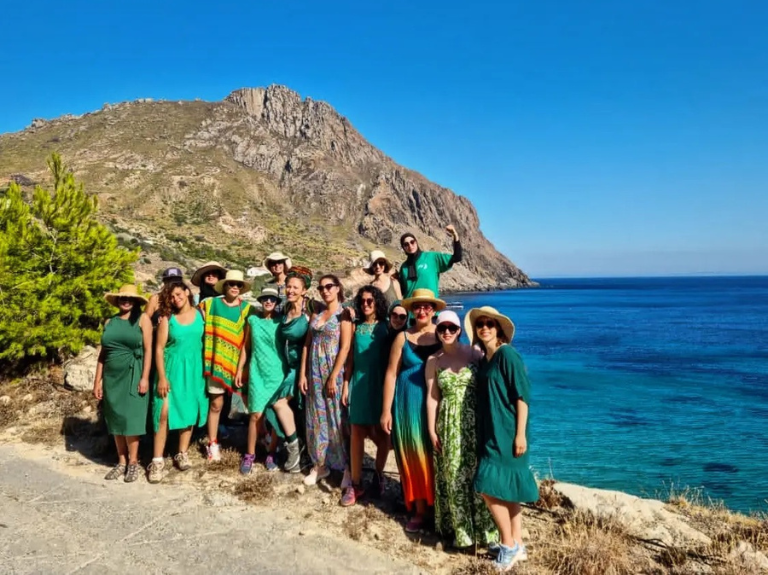
Heading to the south, the story will be different. Sunbaked days are the norm, as rain is a rare guest. Whether you're a sun worshiper or a nature explorer, Tunisia's got your back. You can be sure about enjoying the country's diverse landscapes under the warm embrace of the sun.
Amazigh Villages
Travel gives us the opportunity to get closer to the indigenous group and their rich and diverse cultural history hat predates the recent modern influence. In Tunisia, the Amazigh, whose name can be translated to "free people", played a major historical role in North Africa.

Visiting Amazigh villages in Tunisia can be a key reason for several compelling and enriching experiences. These villages offer an authentic and immersive experience into Tunisia's indigenous Berber culture. Travelers have the opportunity to witness traditional customs, lifestyles, and craftsmanship, providing a deeper understanding of the country's cultural diversity.

Scattered all over the country and condensed in the South, these Amazigh villages include Matmata, Star Wars filming location, Jradou, a hidden haven for hikers, and Ksar Mourabitin, an incredible abandoned village. To get most out of your Amazigh village trip, we highly recommend including at least 3 villages in a 2-day trip. This would be easily created when you rent a car or resort to professional services of local guides.

Help yourself with some of our resources including some hidden Amazigh villages and a complete guide on exploring Douiret and Chenini, two villages located around Tataouine.
Beautiful Beaches
With a coastline of approximately 1,148 kilometers (713 miles) in the Mediterranean Sea, Tunisia is a paradise for beach lovers who are looking for sandy beaches, rocky shores, and picturesque landscapes.
Interesting Tours and Views
If you don’t enjoy water activities, there is always something you can enjoy in the coastal cities. Leisure walks along the shore unfold the beauty of the picturesque Mediterranean coastline. There are many beachside cafés and restaurants along the coast, where you can revel in the delicious local cuisine and enjoy the stunning views of the Mediterranean.

Indulge in fresh seafood dishes or savor traditional Tunisian delicacies while the sound of waves serves as your backdrop.
Fishing villages possess a mesmerizing charm regardless the weather. Whether it's cool or warm, you will enjoy the sceneries, the views and the interactions with locals.
Water Adventures
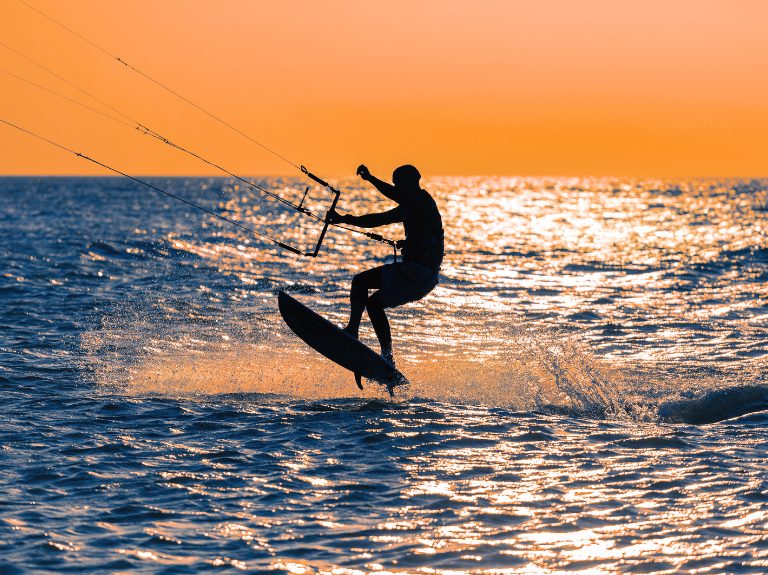
Tunisia's Mediterranean beaches are a haven for adventure seekers. In the big coastal cities, like Sousse, Djerba, Haouaria, you can relish in snorkeling, scuba diving, kitesurfing and swimming. Needless to describe how the calm and warm waters provide an ideal setting.
Fishing Experiences
One of the oldest activities of human beings, fishing may be tempted to many people. If you have always wondered how a fisherman spends his days and what he does to fish, this is your sign to go for a fishing experience.
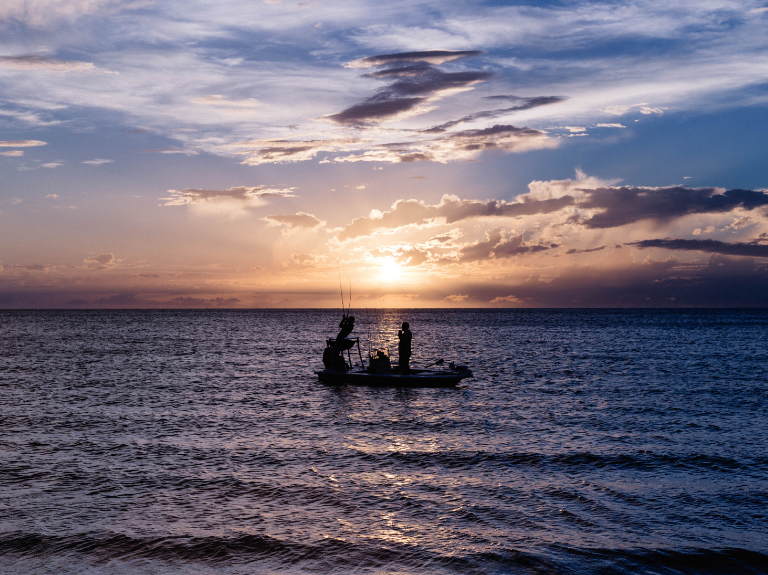
These experiences are usually available in Djerba and Kerkennah. In these two islands, fishing is deeply-seated in ancestral heritage and knowledge. A once-in-a-lifetime experience, fishing in Tunisia unravels the eco-friendly methods that respect marine fauna.
Film Locations
Tunisia is a treasure trove for movie enthusiasts willing to create a cinematic journey and explore various filming sites from the north to the south of the country. Star Wars fans, in particular, are drawn to Tunisia, where George Lucas chose over five locations to film iconic scenes in the saga.
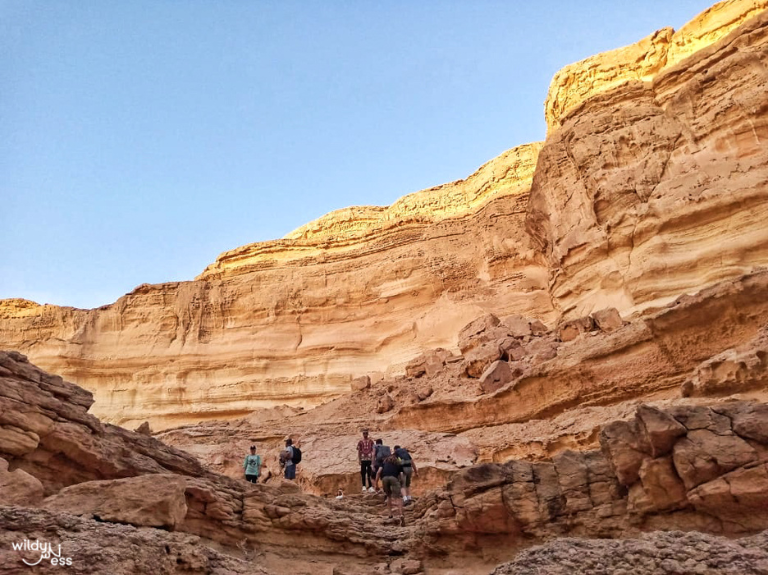
Notable destinations include Bouhlel Canyons, providing an inspiring hike for Star Wars buffs, and Mos Espa, a well-preserved set resembling the spaceport town in the Star Wars Saga.

Other locations like Ong Jmal, Chott El Jerid, Hotel Sidi Driss, and Ksar Hadada add to the allure, offering travelers a chance to step into the cinematic world of Tatooine while discovering the unique landscapes and cultural heritage of Tunisia.
Off the Beaten Path Experiences
Emphasizing eco-friendly initiatives, responsible tourism, and community engagement, Tunisia has increased its efforts to develop sustainable tourism practices throughout the last decade.
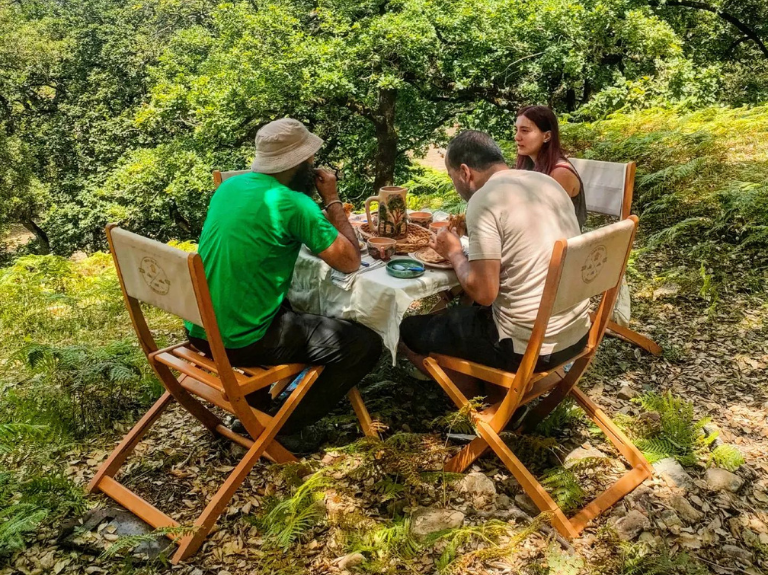
This enabled local communities to build small businesses catering the best immersive experiences for travelers, where they can delve into unique cultural encounters, explore hidden gems, and embrace diverse landscapes.

Go beyond the conventional tourist routes is not only doable, but also affordable. If you want to create a spiced-up itineraries that combines tourist towns with lesser-known one, all you need to do is scrutinizing the map.
Every click will reveal a myriad of travel ideas. Authentic and lesser-explored adventures may involve a hike in Jebel El Serj (Serj Moutain), caving in Ain Dh’hab, spending a day in Testour, swimming in Meloula, and enjoying the awe-inspiring landscape from Guermessa, the abandoned Amazigh village.

Depending on your preferences, you have high chances to find a remote place where you can revel in your favorite hobby while interacting with welcoming communities and enjoying an authentic travel experience.
Hospitality of the People
Tunisia is known for being one of the most tolerant of the Arab nations. Deep-seated in the cultural tapestry, hospitality, generosity and kindness are an integral part of the belief system of Tunisians. Chances you will stumble on people who are willing to help you, tell you about their stories or give their precious recommendations are very high. This adds a layer of safety to your trip.
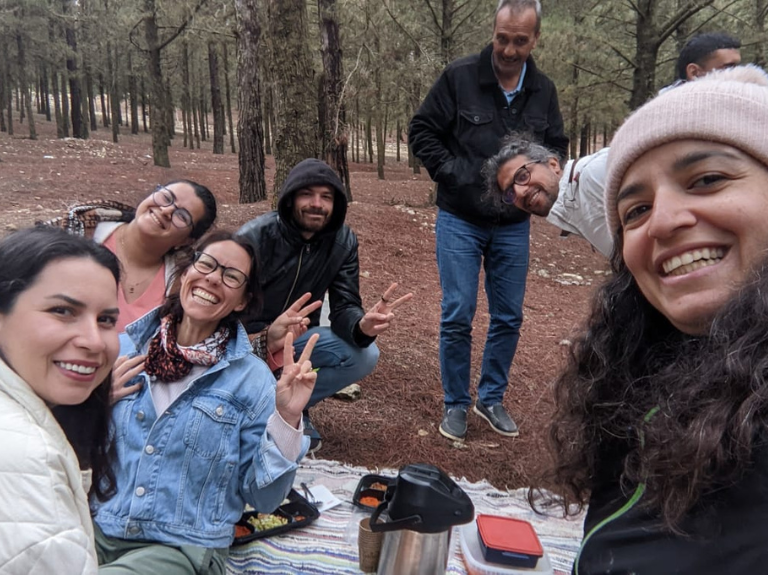
Languages spoken in Tunisia are Tunisian Arabic dialect, French and a bit of English. While English is not commonly spoken, you would be able to use a few words and gesture to cover yourself. Younger generations speak fluent English, though. So, you can raise your chances to communicate effectively by approaching teens or young adults.
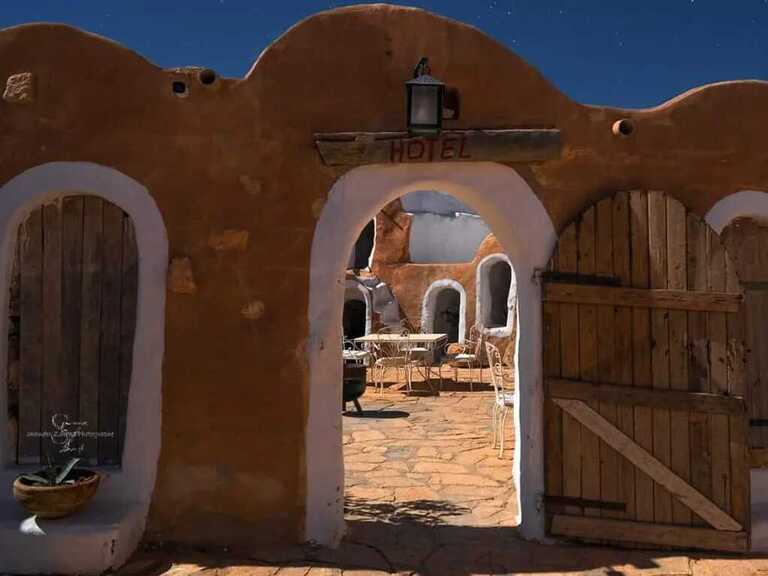
If you're keen on building deeper connections with the locals during your trip, you might want to opt for accommodations in a guest houses operated by a local family or incorporate workshops into your plans. Engaging in guided tours can be a great opportunity to interact with locals and get more insights about their extensive understanding of Tunisian history and culture.

This genuine hospitality creates a positive and memorable experience travelers are usually looking for in any of their trips.
Delicious Food
With its bold flavors, fragrant spices, and Mediterranean twists, the Tunisian cuisine is a genuine reflection of the diverse cultural influences. Visitors can expect coveted dishes ranging from seafood, grilled meat and camel steaks to briks, couscous and kaffteji.

As every cuisine, the Tunisian cuisine has its own way to play with recipes and mix different ingredients to make a great dish. For instance, couscous with stuffed squid is a couscous variety made with squid stuffed with a mixture of rice, herbs, and spices. This is one example that illustrates the Mediterranean spirit prevalent in the local culinary culture.

As the food is really delicious, you can manage your budget easily by opting for low and high budget restaurants. It’s easy to plan your daily meals and combine street food stores, family-run restaurants and fancy restaurants.

You can get more insights about the Tunisian cuisine in our listicles of the Tunisian street food, Tunisian couscous and the best spots to try couscous.
Diverse Landscapes
Whether travelers are interested in adventure sports, relaxation, shopping, or cultural pursuits, Tunisia provides opportunities for a broad spectrum of activities. From the picturesque panorama unfolding from the coastline to the awe-inspiring pales dunes of the Sahara, Tunisia boasts diverse landscapes, enriching your itinerary planning and creating a well-rounded and immersive journey.

Travelers have a myriad of landscapes, cultural experiences, and activities for varied interests and explore different regions with distinct histories, culinary traditions, and natural wonders. From Tunis, Zaghouan and El Kef to Sousse, Tozeur and Tataouine, you would only have to filter the destinations depending on your preferences.

A road trip is highly recommended if you have the budget to rent a car. Even though transportation is accessible and available, renting a car may give you more flexibility and ease in choosing your destinations and cherishing the diversity of the country.
It’s very tempting to be able to explore national parks, mountains, coastal cities, the medinas, the desert and the Amazigh villages in one trip and indulge yourself in the cultural and natural richness of the country.

Tunisia, the hidden gem that outshines your expectations
By now, we bet you are more tempted than ever to explore the country that has a lot to offer to visitors. Try to conjure up images of yourself eating couscous and drinking mint tea with locals in an Amazigh village or wearing your swimsuit in September in one of the coastal town, or simply wandering in the narrow streets of the Medina and exploring the shops.
If this is tempting enough, time to start planning your itinerary according to your budget.


