
The challenge of timing a trip to a country as vast as Saudi Arabia often stems from its dramatic geographical variety and shifting cultural calendar.
That is why our team at Wildyness created this guide to help you navigate the nuances of the desert, the mountains, and the coast.
The Winter Peak: Why November to February is the Primary Choice
Traveling during the winter months offers the most comfortable conditions for exploring the vast outdoor landscapes of the Kingdom. During this window, daytime temperatures across most of the country range from 15°C to 25°C, providing a mild climate that is conducive to long days of sightseeing without the burden of extreme heat.
Optimal Conditions for Heritage Sites
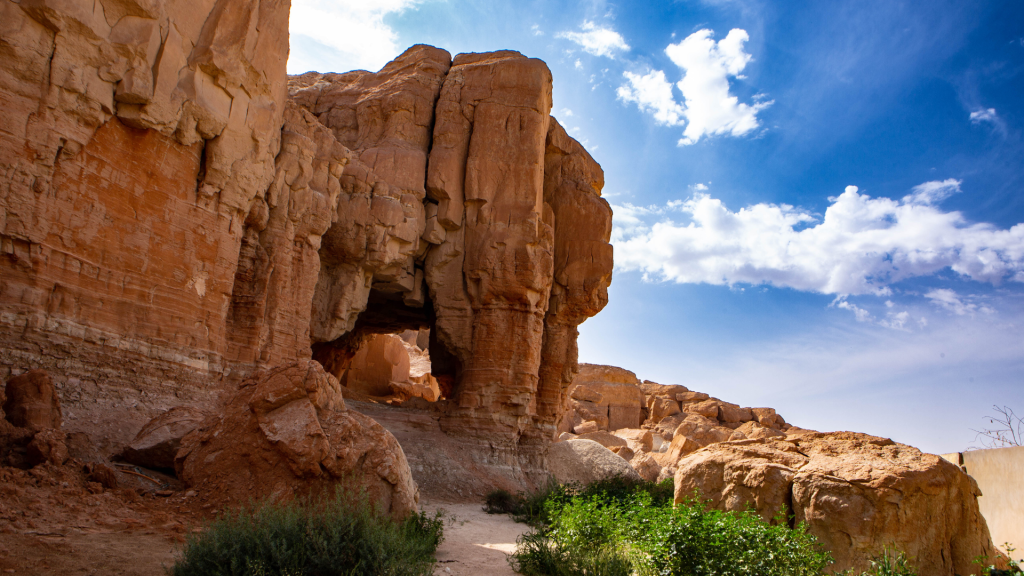
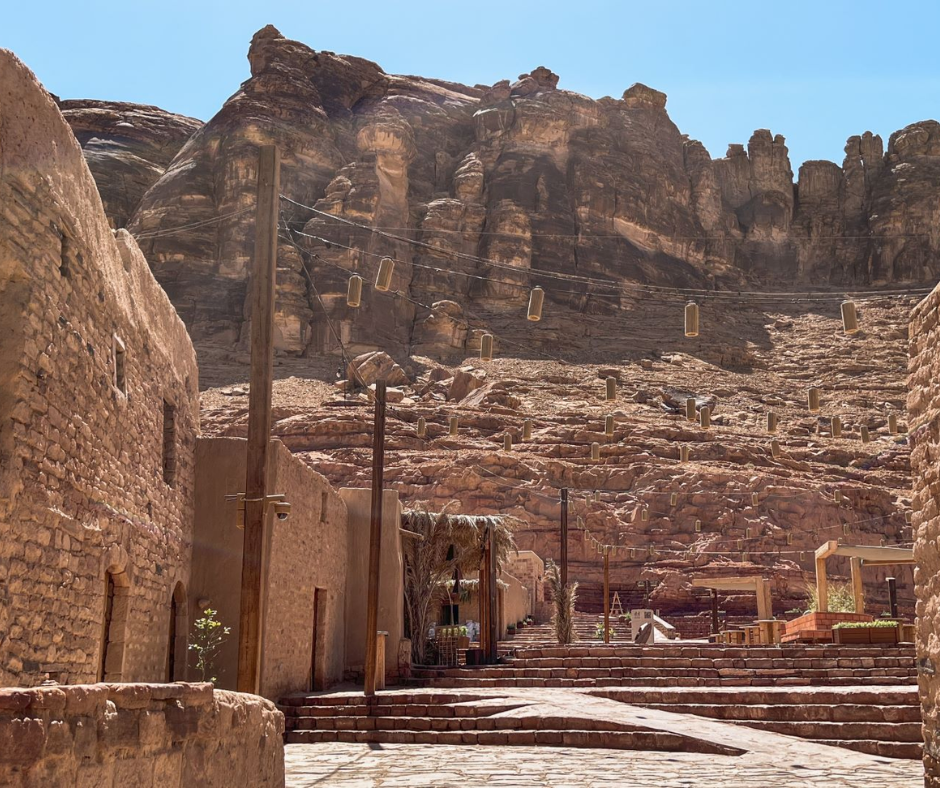
Visiting the ancient Nabataean city of Hegra in AlUla or the historic Al Balad district in Jeddah is significantly more enjoyable when the sun is not at its peak intensity. In the winter, you can walk through these archeological wonders for hours, taking in the intricate carvings and mud-brick architecture at a leisurely pace.
The cooler air also improves visibility for photography, as the haze often associated with high summer humidity is largely absent.
Read Also: Top Things to Do in Jeddah with Travel and Stay Tips

Nighttime in the Central Plateau
While days are mild, it is important to prepare for sharp temperature drops once the sun sets, particularly in Riyadh and the surrounding desert.
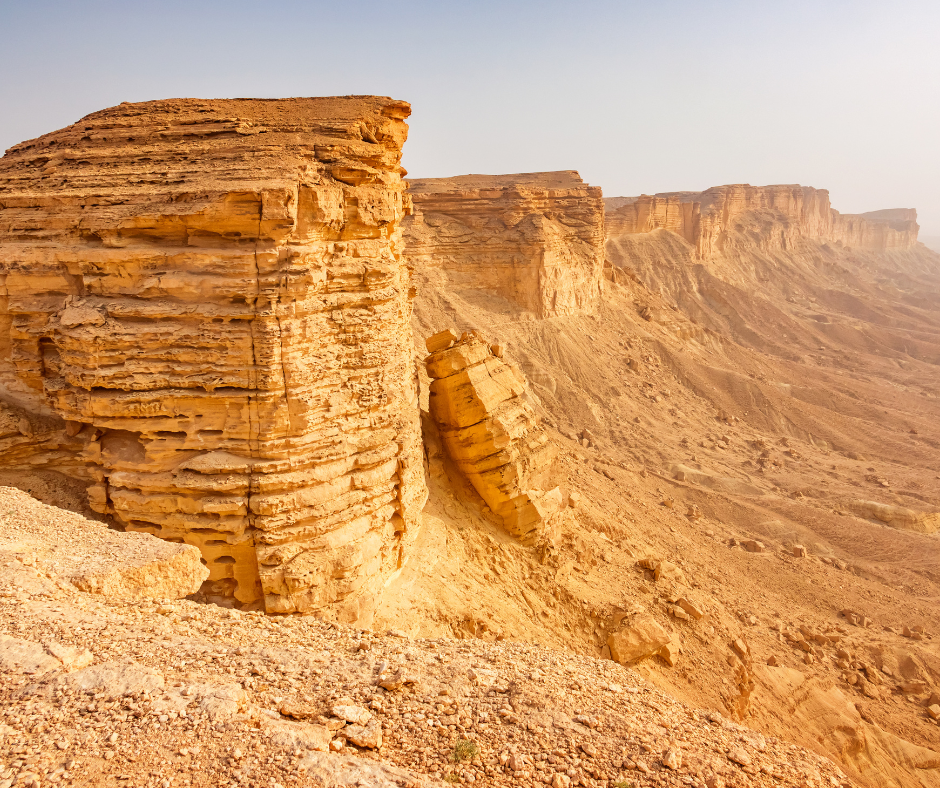
Temperatures in the interior can fall below 10°C, requiring travelers to pack versatile layers such as a warm fleece or a medium-weight jacket. This evening chill creates the perfect atmosphere for traditional desert campfires and stargazing sessions at the Edge of the World.
Shoulder Seasons: Balancing Water Sports and Mountain Treks
The periods between March and May, as well as September through October, serve as the ideal transition for travelers who want to combine different types of activities. These months provide a balance where the sea is warm enough for swimming while the mountains remain cool enough for hiking.
Springtime in the Asir Highlands
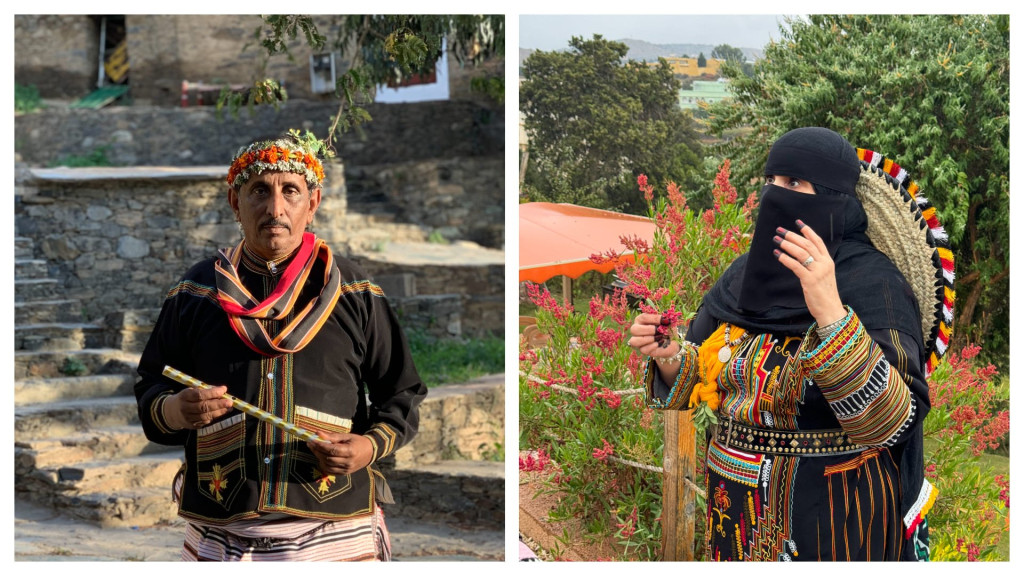
Spring is a particularly special time to visit the southern region of Abha and the Asir Mountains. As the rest of the country begins to warm up, this high-altitude area remains refreshed by cool breezes and occasional rainfall, which turns the rugged peaks surprisingly green.
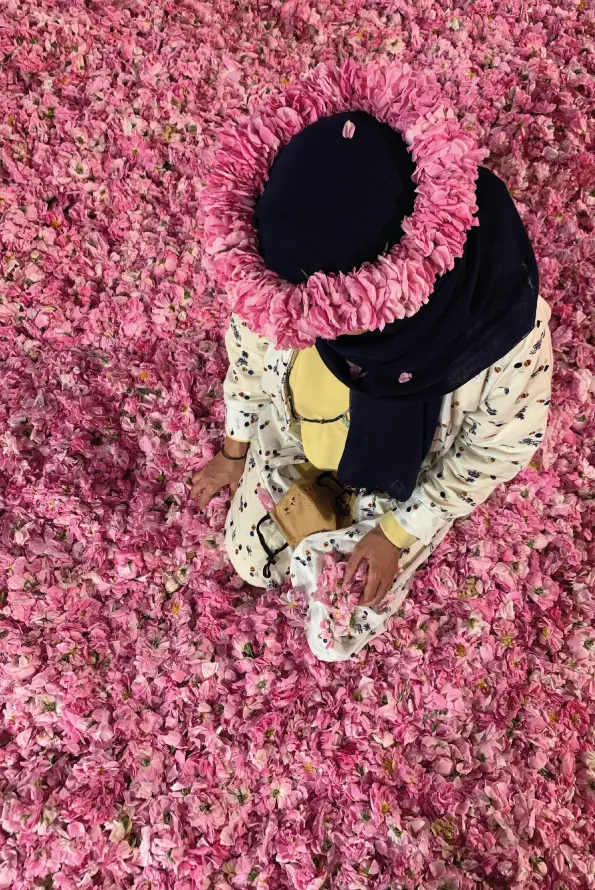
This is also the season for the famous rose harvest in Taif, where the air is filled with the scent of millions of blooming damask roses being processed into precious oils.
This might be what you're looking for: Asir Expedition: The Secrets of the Painted Kingdom
Autumn Transitions on the Red Sea
As the intense summer heat fades in September and October, the Red Sea coast enters a prime window for aquatic exploration.
The water remains thermally stable and warm after the summer, yet the air temperature returns to a level that allows for comfortable surface intervals between dives. This is an excellent time to explore the pristine reefs of Yanbu or the burgeoning tourism projects along the northern coastline.

Navigating the Summer Heat: High Altitudes and Urban Sanctuaries
While the summer months from June to August see temperatures frequently exceeding 40°C in the desert interior, travel is still possible if you focus on specific geographic havens. This period is often considered the off-season, which can result in lower prices for luxury accommodations and a more quiet experience at popular landmarks.
The Cool Escape of the South
When the heat becomes restrictive in Riyadh or Dammam, locals and informed travelers head to the southwestern highlands. Locations like Abha sit at over 2,000 meters above sea level, keeping temperatures significantly lower than the rest of the peninsula.
You can spend your summer days exploring the Hanging Village of Habala or hiking through the juniper forests of Soudah National Park in relatively chilly conditions.
Read also: 3 days Riyadh Itinerary, Saudi Arabia
Urban Exploration Strategies
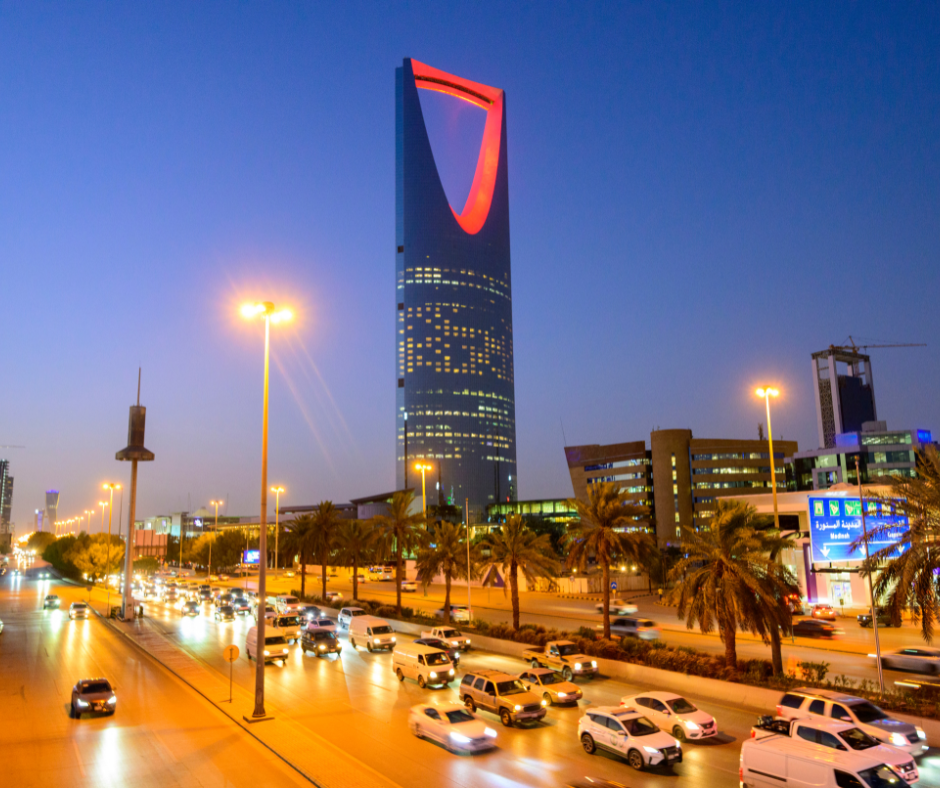
If your schedule requires a summer visit to major cities like Jeddah or Riyadh, the key is to adopt the local rhythm of late-night living. Most commercial activity and social life shift to the hours after sunset when the air begins to cool. You can spend your afternoons enjoying world-class indoor attractions, such as the Saudi National Museum or high-end shopping centers, and save your outdoor strolls along the Jeddah Corniche for the late evening hours.
Cultural Timing: Planning Around Ramadan and Major Festivals
Your experience in Saudi Arabia will be deeply influenced by the timing of religious and national events. Understanding these cycles allows you to align your interests with the country's unique social energy.
The Spirit of Ramadan
Visiting during the holy month of Ramadan offers a profound look into the spiritual life of the Kingdom. While many businesses operate with reduced daytime hours and public eating is restricted during fasting hours, the nights transform into a celebration of community and food. Participating in an Iftar, the meal to break the fast at sunset, or a late-night Suhur is a memorable way to connect with local traditions and hospitality.
The Winter Festival Calendar
The cooler months also host the most significant cultural celebrations, most notably Riyadh Season and the Winter at Tantora festival in AlUla.
These events bring international music, art installations, and pop-up dining experiences to the desert. Because these festivals attract large crowds, we recommend booking your flights and hotels several months in advance to ensure you secure your preferred dates.
Regional Climate Variations: From the Coast to the Interior
Because Saudi Arabia covers such a vast territory, it is helpful to think of the country in terms of distinct climatic zones rather than a single forecast. Each region demands a slightly different approach to timing and preparation.
Humidity vs Dry Heat
The western coast along the Red Sea experiences high humidity year-round, which can make a 30°C day feel much hotter than it actually is. In contrast, the interior regions like Najd experience a very dry heat that is often more tolerable but can lead to rapid dehydration. We recommend drinking more water than you think you need, even if you do not feel particularly thirsty in the dry desert air.
Coastal Breezes and Mountain Mist
The eastern province along the Arabian Gulf also experiences high humidity and intense summer heat, making winter and early spring the only truly comfortable times for outdoor exploration there. Meanwhile, the northern borders near Tabuk can actually experience snowfall during the peak of winter. This rare sight transforms the desert dunes into a white landscape, offering a completely different perspective on the Saudi wilderness.
Essential Packing: Preparing for Weather Fluctuations
Success in Saudi Arabia depends on a wardrobe that respects local customs while providing protection against the sun and sudden temperature shifts. A well-planned kit ensures you stay comfortable from the city streets to the mountain trails.
Fabric Choice and Sun Protection
Prioritize natural, breathable fabrics like linen and cotton that allow air to circulate around the body. Long-sleeved shirts and full-length trousers are not only culturally appropriate but also serve as your primary defense against the intense UV rays found in the desert. A high-quality sun cream with at least SPF 50 is a non-negotiable addition to your bag, regardless of the season you choose to visit.
Layering for Versatility
Even in the summer, air conditioning in malls, hotels, and transport can be quite powerful, making a light sweater or pashmina useful for indoor comfort. For those heading into the desert or the mountains, a windproof outer layer is essential for the gusty conditions often found at viewpoints like the Edge of the World. Proper footwear is also vital; choose sturdy walking shoes for heritage sites and breathable sandals for your time along the coast.
Read also: What to Pack for Saudi Arabia: The Complete Travel Packing List
Final Thoughts
Choosing the best time to visit Saudi Arabia is ultimately about matching your personal comfort levels with the activities you value most. Whether you are drawn to the cool mountain air of the south or the winter festivities of the capital, timing your arrival correctly turns a good trip into an extraordinary one.