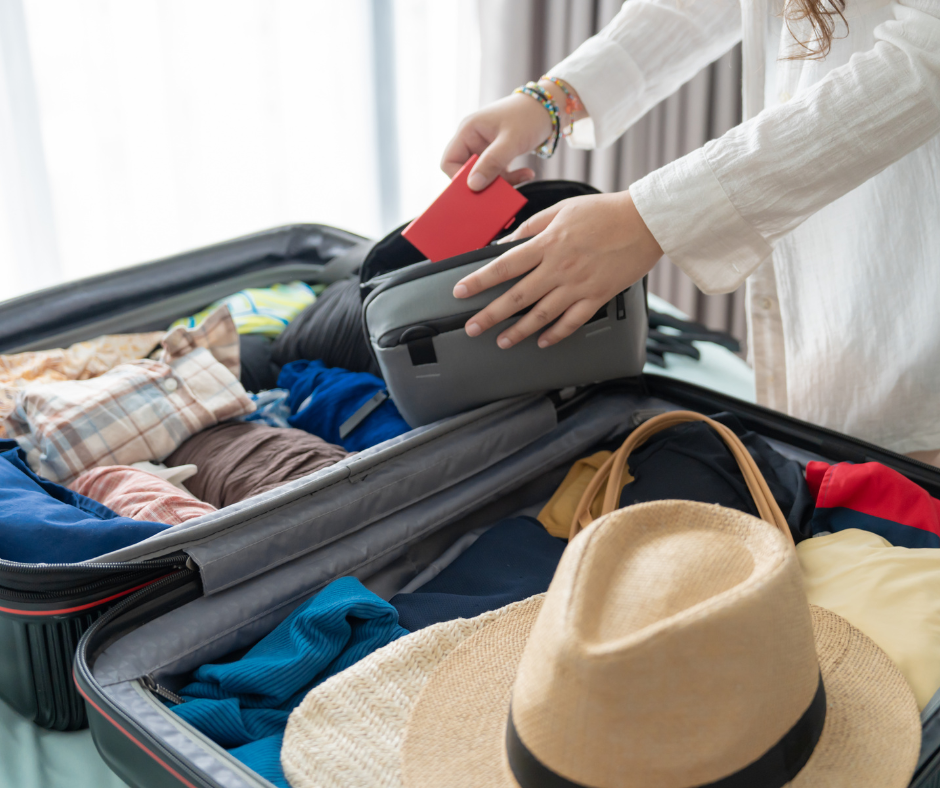

Traveling to a new country often brings a mix of excitement and uncertainty about how to present yourself and stay comfortable.
That is why our team at WildyNess created this guide to help you master the art of packing for the Kingdom of Saudi Arabia.
Navigating Modern Modesty: Clothing Rules for the 2026 Traveler
Understanding the local dress code is the most important step in preparing for your journey. While the rules have evolved significantly in recent years, dressing with respect remains the cornerstone of a smooth travel experience. The general principle is to keep your silhouette relaxed and your skin covered from the shoulders down to below the knees.
Modesty Essentials for Women
You do not need to wear a headscarf or an abaya in public spaces as a tourist. However, many women find that carrying a lightweight, open-front abaya is the ultimate travel hack for Saudi Arabia. It allows you to wear your preferred clothing underneath while providing an instant layer of modesty when entering more traditional neighborhoods or government buildings.
Focus on packing loose-fitting trousers, maxi skirts, and long-sleeve tunics made from opaque fabrics. Natural fibers are your best friends here because they allow for airflow while meeting the cultural expectation of coverage. A large scarf should stay in your day bag at all times since it serves as a head covering for mosque visits and a shield against the aggressive air conditioning found in malls and taxis.

Modesty Guidelines for Men
For men, the dress code is straightforward but still requires attention to detail. Long trousers such as chinos or lightweight jeans are the standard for daily wear. While shorts are acceptable at private beach resorts, you should avoid wearing them in cities or public malls where they are generally viewed as overly casual.
T-shirts and button-down shirts are perfectly acceptable provided they do not feature offensive language or imagery. If you plan on visiting a traditional majlis or a high-end restaurant in Riyadh, a collared shirt will help you blend in and show respect for the occasion. Avoid sleeveless tops or tank tops in any public setting outside of your hotel gym or a swimming pool area.
Climate Adaptation: Fabric Choices for Desert and Coast
Saudi Arabia is a land of environmental extremes where the humidity of the coast meets the bone-dry air of the interior. Your choice of fabric will determine whether you enjoy your sightseeing or spend the day struggling with the heat. Packing the wrong materials can lead to discomfort and heat exhaustion in the intense Arabian sun.
The Power of Natural Fibers
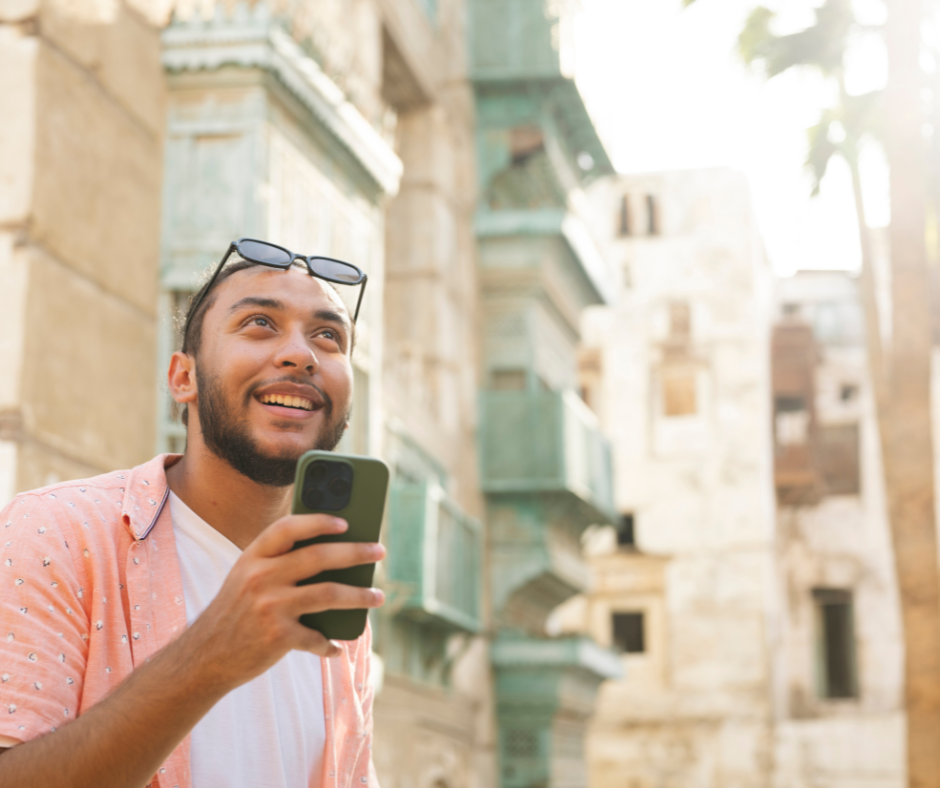
Linen is the undisputed champion of Saudi travel because it is highly breathable and dries almost instantly. Pack a few linen shirts and loose trousers in light colors like beige, sand, or white to reflect the sun’s rays. Thin cotton and gauze are also excellent choices for keeping your body temperature regulated during long afternoons in Al Ula or the historical streets of Al Balad.
Avoid 100 percent polyester and other synthetic fabrics that trap heat against your skin. These materials act like a plastic bag and can cause you to overheat rapidly. If you are bringing activewear for hiking at the Edge of the World, ensure it is specifically designed for moisture-wicking and offers built-in UV protection to keep your skin safe.

Managing High-Altitude Cool
Many travelers are surprised to find that Saudi Arabia is not always hot. If your itinerary includes the Asir region or the mountains near Tabuk, you will encounter significantly cooler temperatures. These high-altitude areas require a different strategy involving thermal base layers and a medium-weight fleece.
Even in the desert, temperatures can plummet once the sun sets. Winter nights in the dunes are famously chilly and often require a packable down jacket or a windbreaker. Layering is the only way to stay comfortable as you transition from a 35-degree afternoon to a 10-degree evening under the stars.
Essential Gear for Diverse Landscapes
The geography of Saudi Arabia varies from the jagged peaks of the south to the pristine coral reefs of the west. Each of these environments demands specific gear to ensure your safety and comfort. Matching your equipment to your specific destination is the best way to avoid being under-prepared.
The Desert and Heritage Sites
When exploring ancient sites like Hegra in Al Ula, the sand is your primary challenge. Fine dust can find its way into every crevice of your gear and clothing. A multifunctional neck gaiter or a traditional shemagh scarf provides a physical barrier against wind-blown sand during desert safaris or walks through the dunes.
Your footwear must be up to the task of navigating uneven rocky paths and hot sand. Closed-toe walking shoes or light hiking boots with good grip are essential for safety. Sandals are fine for the city, but the desert terrain requires the protection and stability that only a sturdy shoe can provide.
The Red Sea Coast and Resorts
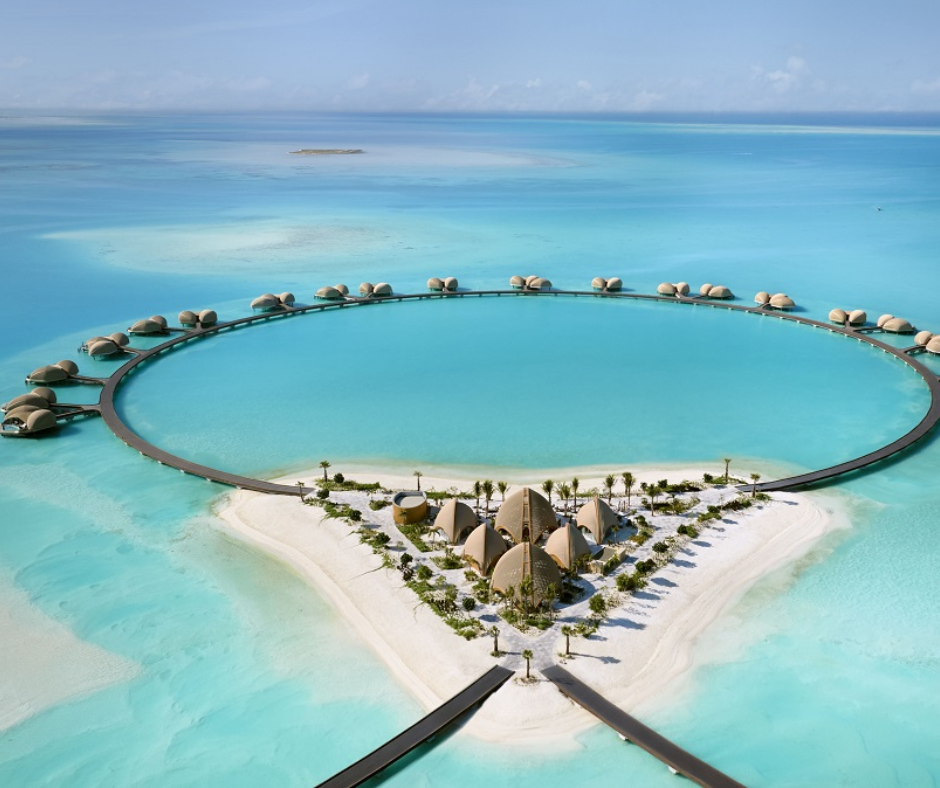
Packing for the Red Sea requires a focus on sun safety and water activities. If you plan on snorkeling or diving, bring your own rash guard to protect your skin from both the sun and potential stings. Reef-safe sunscreen is a must to help preserve the delicate coral ecosystems that make this region so special for underwater explorers.
Water shoes are another vital addition to your bag because many coastal areas have rocky entries or sharp coral fragments. A high-quality dry bag will keep your electronics and dry clothes safe while you are out on a boat. Remember that while resort attire is more relaxed, you should still have a modest cover-up ready for when you leave the immediate beach or pool area.
Technical Essentials and Equipment Protection
Modern travel relies heavily on technology, and the Saudi environment presents unique challenges for your devices. The combination of high heat and fine sand can be a recipe for disaster if you do not take the right precautions. Proper organization will also help you stay connected as you navigate through the Kingdom.
Protecting Your Electronics
The heat in Saudi Arabia can cause smartphone batteries to drain faster or even shut down entirely. Keep your devices in a shaded part of your bag and avoid leaving them in a parked car. A high-capacity power bank is essential for long days of navigation and photography, especially when you are far from the city.
Fine desert sand is abrasive and can easily scratch camera lenses or clog charging ports. Use silicone plugs for your device ports and keep your camera in a sealed, padded bag when you are not actively taking photos. A simple microfiber cloth is worth its weight in gold for keeping your lenses clear of dust and smudges.
Staying Connected
Most travelers find that an eSIM is the most convenient way to access data immediately upon arrival. This allows you to use essential apps like Google Maps and the local ride-sharing service, Careem, without searching for a physical SIM card at the airport. Ensure your phone is unlocked and supports international bands before you depart.
A universal power adapter is necessary because Saudi Arabia primarily uses the Type G plug, which is the same as the United Kingdom. Bringing a small power strip can also be helpful if you have multiple devices to charge in a hotel room with limited outlets. Save offline versions of your maps and booking confirmations in case you encounter spots with weak cellular reception in remote areas.
Health and Hydration Strategies for the Arid Climate
The arid climate of the Saudi interior can dehydrate you faster than you realize. Maintaining your health requires a proactive approach to hydration and skincare that begins the moment you land. This is not just about comfort but about ensuring you have the energy to complete your itinerary.
Advanced Hydration Tactics
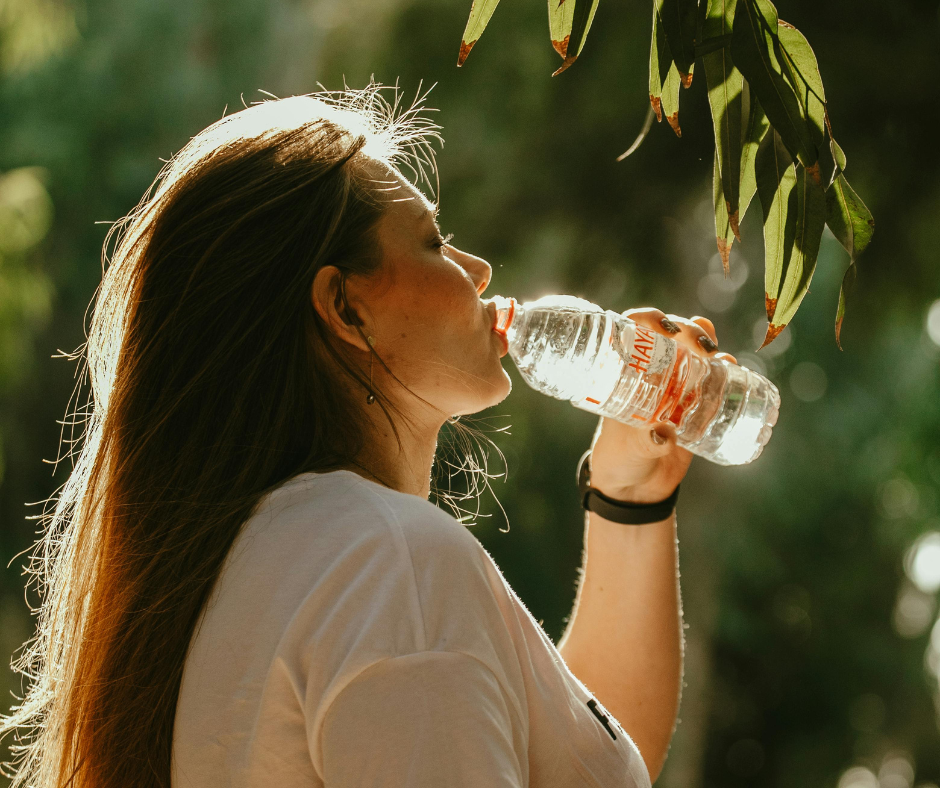
Drinking plain water is often not enough to replace the minerals you lose through sweat in the desert. We recommend packing electrolyte tablets or powder sachets to add to your water bottle at least once a day. This helps maintain your energy levels and prevents the headaches associated with mild dehydration.
A reusable, insulated water bottle is a mandatory item for every traveler. It will keep your water cool for hours even when exposed to the sun. Aim to drink small amounts of water constantly throughout the day rather than gulping large amounts only when you feel thirsty.
Skincare and First Aid
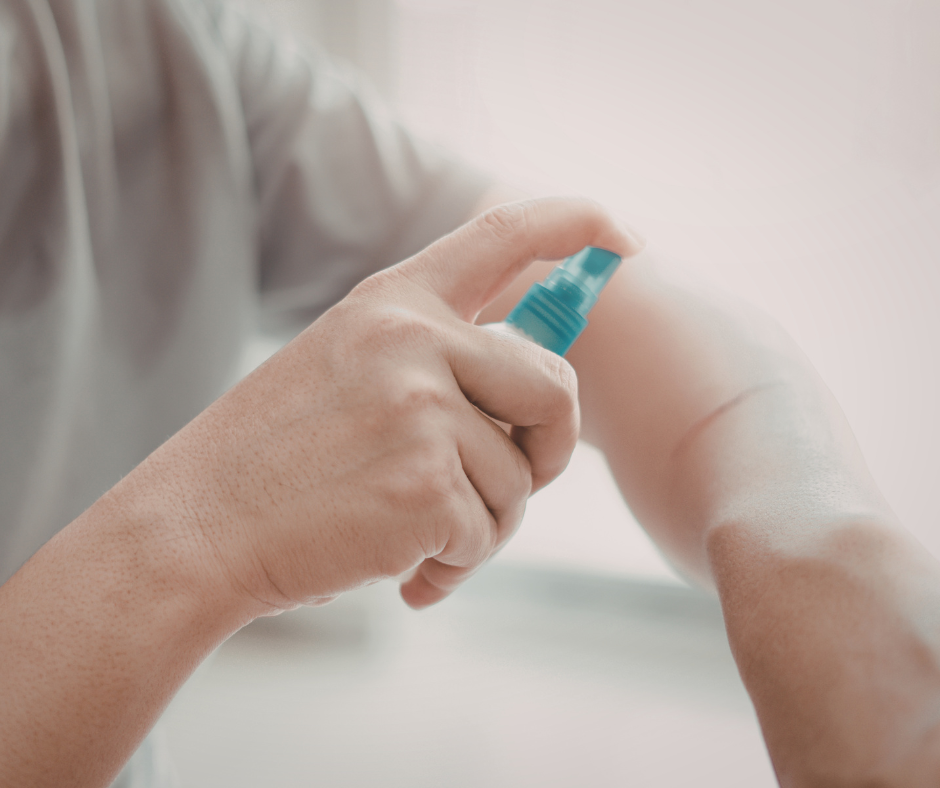
The dry air will quickly zap the moisture from your skin and lips. Pack a heavy-duty moisturizer and a high-quality lip balm with SPF protection. Saline nasal spray is another secret weapon for desert travel because it prevents your nasal passages from becoming painfully dry and irritated by the dust.
Your first-aid kit should include the basics like adhesive bandages and antiseptic wipes, but you should also add specific items for the heat. Rehydration salts and cooling patches can be lifesavers if someone in your group begins to feel the effects of heat stress. Always carry a copy of your prescriptions and ensure any medication you bring is legal and documented according to Saudi regulations.
The Wildyness Expert Packing Checklist
To help you finalize your bag, we have compiled the ultimate list of essentials that every traveler should consider. These items are the result of our team's extensive experience on the ground across the Kingdom.
The Modesty Capsule
Start with three to four pairs of loose trousers and at least one maxi skirt for versatility. Add five lightweight tops that cover your shoulders and elbows comfortably. One open-front abaya and two large scarves will complete your daily wardrobe and ensure you are ready for any setting from a fancy cafe to a historic mosque.
Tech and Utilities
Pack your universal adapter, power bank, and a set of charging cables for all your devices. Include a small flashlight or headlamp if you plan on camping in the desert or visiting Al Ula at night. A set of packing cubes will help you organize your modest layers and keep your clean clothes separate from your dusty trekking gear.
Personal Care and Health
Your sun kit should include SPF 50+ sunscreen, a wide-brimmed hat, and UV400 sunglasses. Add your moisturizer, lip balm, and electrolyte sachets to your toiletry bag. A small bottle of hand sanitizer and a pack of wet wipes are invaluable for staying clean when you are exploring outdoor markets or remote desert sites.
Final Thoughts
Packing for Saudi Arabia is all about finding the balance between strategic layering and cultural respect. By following these guidelines, you will be prepared for the heat, the cold, and every cultural experience the Kingdom has to offer. If you have any other questions about your upcoming trip, please
Read also:
Saudi Arabia Budget Travel Guide: Explore the Kingdom for Less
Solo Female Travel in Saudi Arabia: The Ultimate Guide
One Week Saudi Arabia Itinerary, an Adventure Travel Guide
Solo Travel in Saudi Arabia: The Ultimate Guide in 2026
What to Wear in Riyadh: A Traveler’s Guide to Dressing Right
Saudi Arabia Dress Code for Women: A Traveler’s Packing Guide