
If you landed here, you're probably thinking about Tunisia. Maybe you're deep in planning mode, trying to figure out where to go and what to do. Maybe you're still in the early stage, where Tunisia is an idea you like but haven't fully committed to yet.
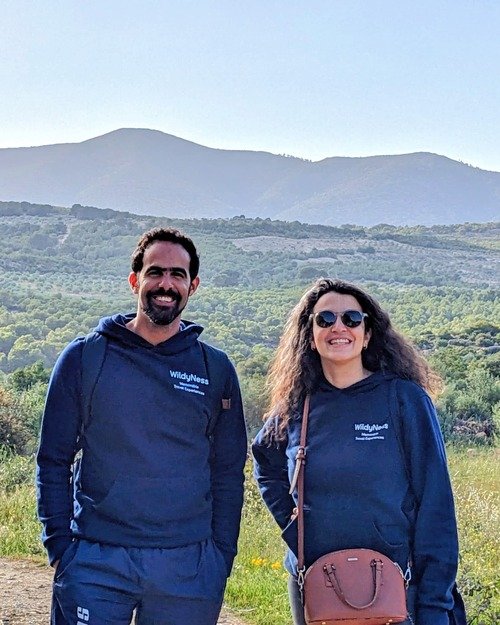
Either way, WildyNess Team built this guide to answer the questions you already have, and probably a few you haven't thought to ask.
We'll walk you through everything that matters, when to go, how long you need, where to head first, and point you to the full answer for each one along the way.
By the end, you'll know exactly what your Tunisia trip looks like.
Table of Contents
- Why Should You Visit Tunisia
- Is Tunisia Safe to Visit
- When to Go to Tunisia
- How Long You Need in Tunisia
- Where to Go in Tunisia
- The Sahara of Tunisia
- History and Ruins in Tunisia
- Hiking and Outdoors in Tunisia
- Food in Tunisia
- Getting There and Around in Tunisia
- Where to Stay in Tunisia
- Costs, Packing and Etiquette in Tunisia
- Plan your Trip to Tunisia with WildyNess the right way
Why Should You Visit Tunisia
Tunisia is a small country that behaves like a big one. You can swim off the Mediterranean coast in the morning and stand on a Sahara dune by evening, with olive groves, mountain villages and Roman ruins in between.
Nobody expects a country this size to shift landscapes so completely from one region to the next, and that's something that amazes every traveller coming to Tunisia. Up north you get wetlands and flamingos at Ichkeul. Down south you get the canyons of Tamerza, part of a wider range of landscapes worth building a trip around.
The culture shifts just as much. Arab, Berber, French and Mediterranean influences all sit on top of each other, in the language, in the food, in the way people live. You feel it walking through the Medina in Tunis, where artisans still work leather and metal by hand the way their families always have.
You feel it even more in the Amazigh villages scattered across the south, like Matmata or Chenini, where troglodyte homes and old customs are still lived in, not staged for tourists. It's one of many reasons travellers keep coming back to Tunisia.
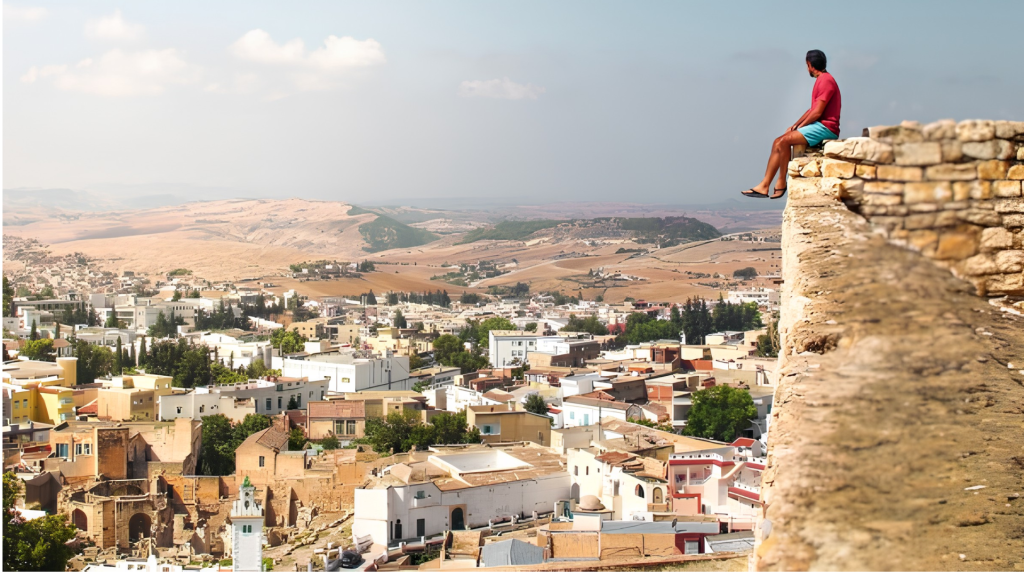
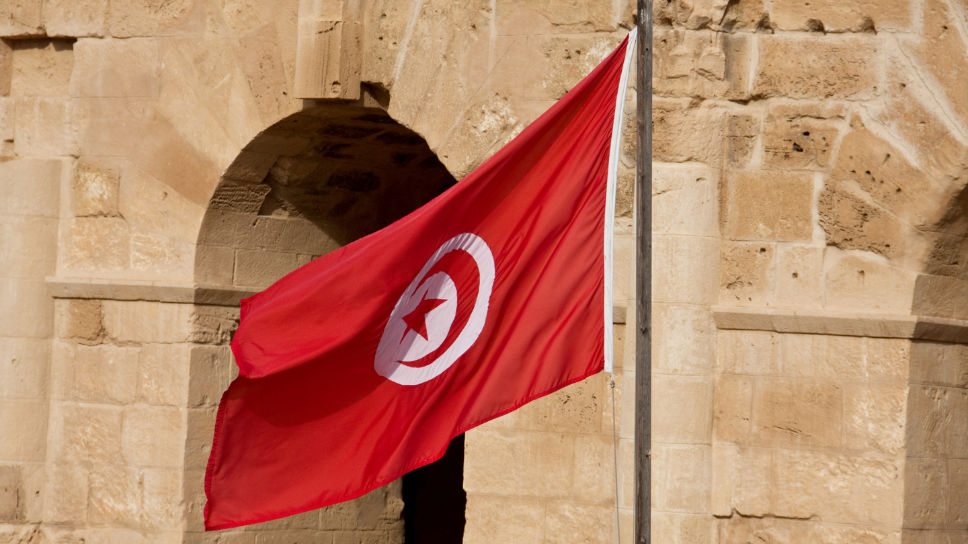
Tunisia has also been fought over for a long time, and that history never got tucked away in a museum. It's outdoors. Roman aqueducts are still standing after two thousand years. Carthage's ruins still overlook the Gulf of Tunis. The country only became independent in 1956, and it wears every layer of that past openly, one of many facts about Tunisia worth knowing before you go.
Is Tunisia Safe to Visit
Safety is usually the first question people ask before booking, and it's a fair one. The short answer is yes, Tunisia is safe to visit, as long as you use the same common sense you'd use anywhere. Crime levels are moderate and tourist areas like Tunis, Sousse and Hammamet see a strong security presence, since the country depends heavily on tourism and takes protecting it seriously.
Solo travellers, including solo women, generally do fine here. The idea that you need to cover up head to toe is overstated. Modest dress only really matters at religious sites. Outside of that, you'll get the same stares and comments you might get in any Mediterranean country, nothing more. If you'd feel more comfortable with company, joining a small group tour is an easy way to ease into the country.
If you're the type to wander off and improvise, be a bit more careful in Tunisia. Some neighborhoods, like Mallassine or Kabaria in Tunis, aren't places a tourist should be wandering into, and they're not the kind of thing you'd stumble into by accident if you're sticking to the usual routes. Sticking to a plan and knowing where you're headed each day keeps you well clear of them.
The LGBTQ+ scene stays low-key rather than open, but there are spaces where the community gathers and feels comfortable.
The main thing to actually watch for isn't danger, it's the odd vendor trying to inflate a price for tourists. That's true almost everywhere in the world, and a bit of haggling and awareness handles it fine.
When to Go to Tunisia
Weather in Tunisia swings hard depending on the season, so when you go changes what kind of trip you get. Spring and fall are the sweet spot for most of the country. Think March to June and September to October, with May and October being the best of the bunch. Temperatures stay mild, the light is good, and you can comfortably move between the coast, the north and the desert without the heat working against you.
Summer is a different trip entirely. June through August is peak beach season, when the coastline from Bizerte to Djerba fills up with sunbathers and the water sports crowd. It's also when the country comes alive with festivals, so summer works well if you want beaches and nightlife over quiet exploring. Just know the Sahara gets brutal this time of year, so save the desert leg for another season if you're travelling in summer.
Winter is the one people overlook, and it shouldn't be. The north can even get snow in places like Ain Drahem, and the south stays pleasant enough for desert trips without the summer crowds. If you're chasing a specific festival, that alone might decide your dates, since some of the biggest ones, like the Sahara Festival in Douz, only happen once a year.
How Long You Need in Tunisia
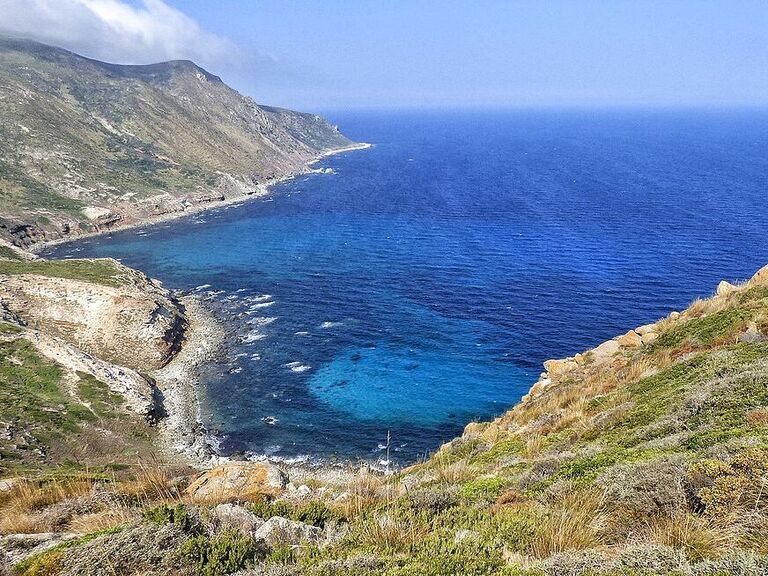
There's no single right answer here, it depends on how much of Tunisia you actually want to see. A weekend works if you're short on time. You can land, spend a day in the Medina and Sidi Bou Said, and squeeze in a coastal stop like Bizerte before flying out, and it still feels like a proper trip rather than a rushed one.
Give yourself a week and the country opens up. Seven days is enough to cover the north and the south without feeling like you're constantly packing and unpacking, hitting Tunis, the Sahara, and a few stops in between. It's the timeframe we get asked about the most, and for good reason, it hits a real balance between seeing a lot and not burning out.
If you have longer, ten days or more lets you slow down and add in places most visitors skip, like El Kef or Siliana, or spend an extra night in the desert instead of rushing through it. There's no wrong length here. It's really about matching the days you have to what you want out of the trip, whether that's a quick taste or the full picture.
Where to Go in Tunisia
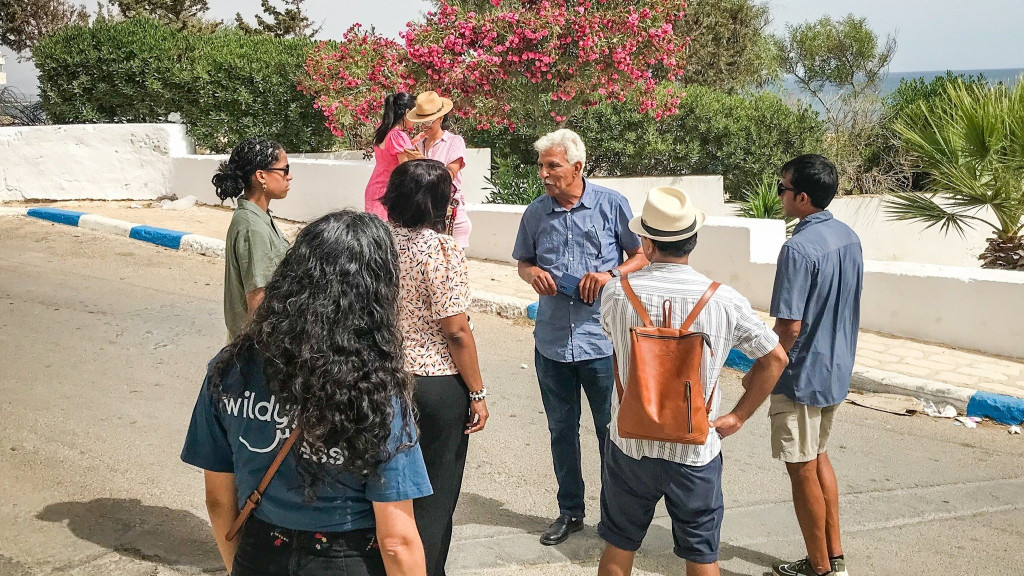
Tunisia splits into three trips. North means Tunis, so walk the medina, duck into Zitouna Mosque, shop the central market and try kafteji at a street stall while you're there. Bike out to Carthage to see the Roman ruins up close, then take a hammam if you want to slow down before moving on. That's just the capital, and the north holds a lot more beyond it.
The coast is where most first-timers land. In Sousse you can walk the medina, climb the Ribat for the view, visit the archaeological museum and finish with a coffee at the marina. In Djerba you can roam Houmt Souk, visit El Ghriba synagogue, dive or kayak off the beaches, or bike the west side of the island instead. Both cities are only a starting point, since the coast stretches a lot further than these two.
The south flips the script entirely. In Tozeur you can walk the medina, bike the oasis, chase down Star Wars filming spots and spend a night camping in the Sahara before heading back. Tozeur alone could fill several days, and it's only one gateway into the south.
Pick a region based on your time, then check our full rundown of Tunisia's best cities for what else is worth adding to your route.
The Sahara of Tunisia
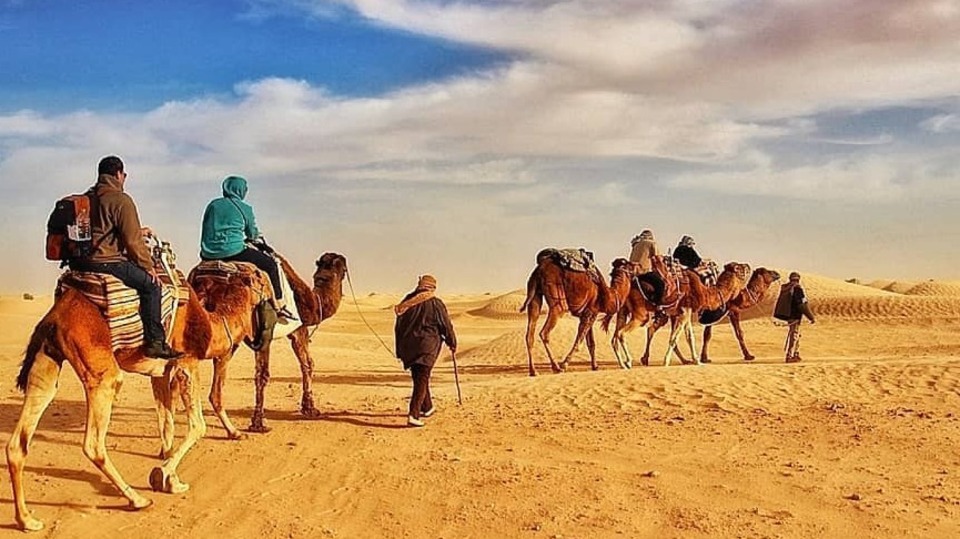
Head south from Tozeur and you're in Sahara territory proper. Douz is the classic entry point for a night out in the dunes: camel trek in, camp overnight, sunrise on the way out. It's the stop most people build their whole southern leg around, and honestly it's worth doing.
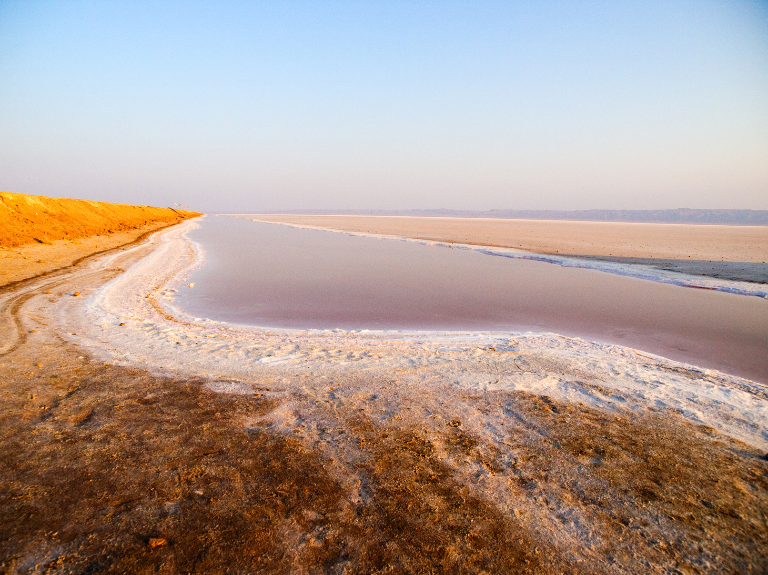
On the route down, Chott Djerid is worth folding in. It's a massive dry salt lake that most southern itineraries already pass through, so there's little reason to skip it. Give it an hour, maybe two, and keep moving.
Matmata is the other name that comes up constantly when people talk about southern Tunisia, known for its underground houses and its Star Wars connection. It's about five hours from Tunis by road, so it doesn't work as a standalone day trip from the capital. Most people either base themselves in the south for a few days or route it in on the way to or from Douz.
Between these three, you've got a rough shape for a southern loop: Sahara camp as the anchor, Chott Djerid as the drive-through stop, Matmata as the cultural detour. How you sequence them depends on where you're starting from and how many days you've got.
History and Ruins in Tunisia
Tunisia's history runs deeper than most visitors expect, and it's not confined to one city. The country has multiple UNESCO-listed sites, and if you're mapping out a history-focused trip, that list is the fastest way to see what's actually worth building a route around.
Roman ruins make up a big chunk of that list, and there's more of them scattered around the country than people assume. Tunisia was one of Rome's main grain suppliers for centuries, which is why so many sites here are large, well-preserved, and still standing in the middle of nowhere.
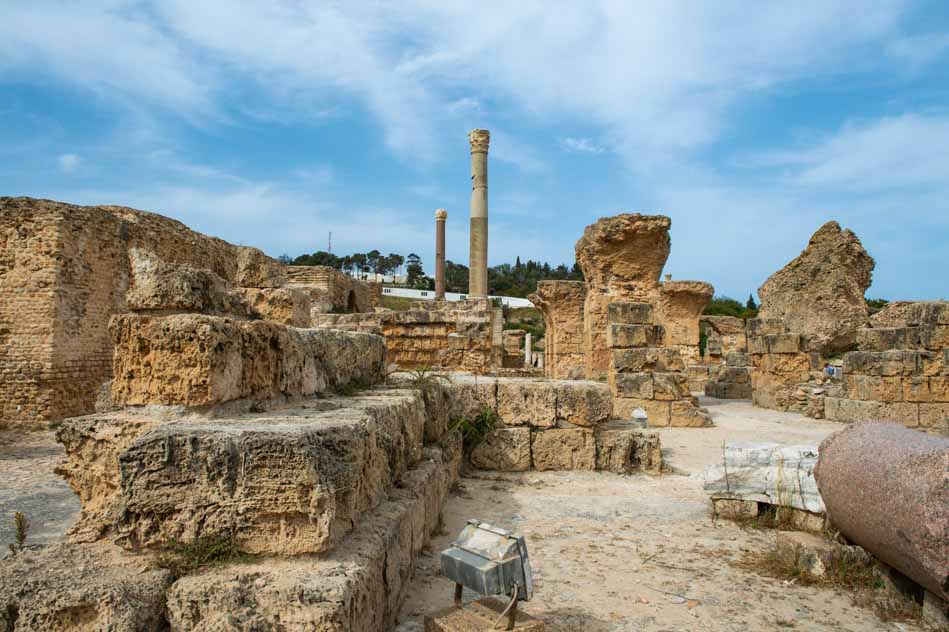
Carthage is the obvious starting point if you're based in Tunis. It's a short trip out of the city, and timing your visit right makes a real difference to how much you actually enjoy it.
El Jem is the other must-see, mostly for one reason: the amphitheater. It's one of the best-preserved Roman structures anywhere, rivaling the Colosseum in scale, and it sits a few hours south of the capital by train or car.
Between the two, you get a solid sense of how much Rome left behind here, without needing to chase down every minor ruin in the country.
Hiking and Outdoors in Tunisia
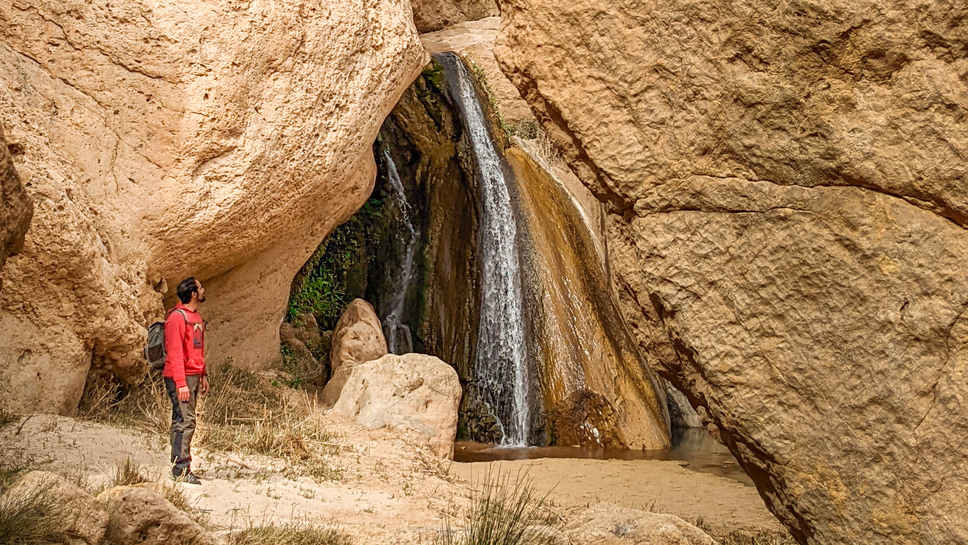
Tunisia has a lot more hiking terrain than the coast and desert image suggests. The north and northwest hold most of the country's best trails, with mountains, forests, and canyons within a couple hours of Tunis.
If you want it organized by protected area rather than by trail, the national parks are the easier reference point. Jebel Serj and Jebel Zaghouan each cover different terrain and difficulty levels, with marked routes plus caves or summit hikes for people who want more than a walk in the woods. Worth noting: not every mountain in the country is open to visitors, so it's worth confirming access before you commit to a route.
If you're planning to sleep out on one of these trips, camping is common and generally straightforward, but it comes with a few rules worth knowing before you go. Wild camping is allowed in a lot of places, though you're expected to check in with the local National Guard office, and some areas require permission from the forestry department first.
Food in Tunisia
Tunisian food splits pretty cleanly into a few categories, and each one deserves its own stop rather than a single paragraph trying to cover everything.
Street food is the fastest way in. Lablabi, kafteji, brik, these are cheap, fast, and everywhere, from Tunis medina stalls to beach town corners. Most people end up eating more of this than anything else during a trip, often without planning to.
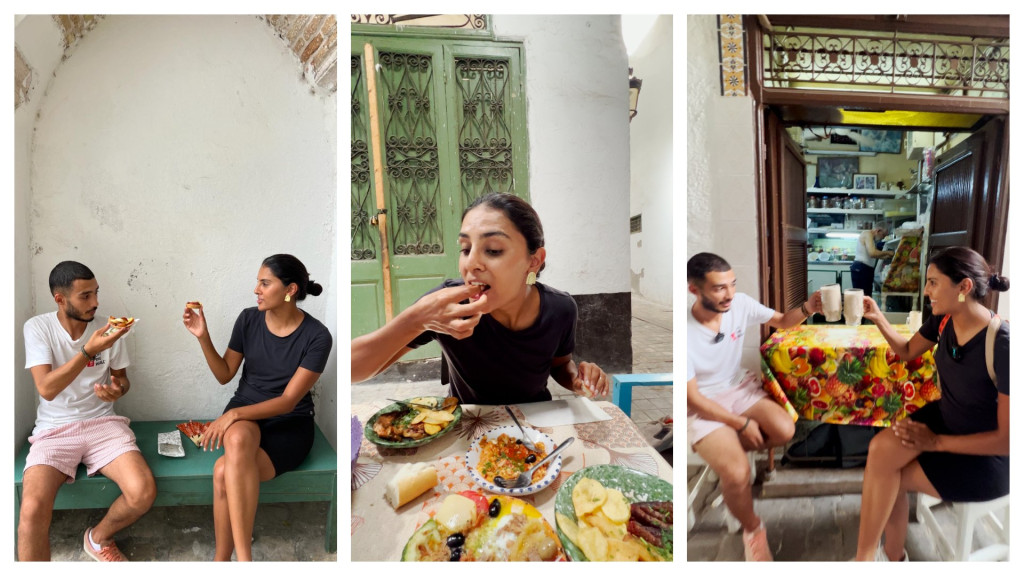
Traditional dishes are a different category, the ones you're more likely to sit down for at a restaurant or a family table. Couscous is the obvious anchor, but there's a long list of regional dishes built around it, some rarely seen outside Tunisian homes.
Then there's the sweets side, which runs on its own rules entirely. Makroudh, baklawa style pastries, syrup soaked treats tied to specific holidays and occasions. A lot of it traces back centuries, blending Roman, Arab, and Ottoman influences into something specifically Tunisian.
Between street food, traditional plates, and sweets, you get a rough map of how eating actually works here, day to day versus special occasion versus grab and go.
Getting There and Around in Tunisia
Most people fly into Tunis-Carthage, the country's main airport, just a few kilometers from downtown. Grab a metered taxi, book a private transfer, or rent a car right at arrivals if you want to hit the road immediately.
Coming from Europe without flying is also an option, since ferries run from Marseille and a handful of Italian ports straight into La Goulette, just outside Tunis. Expect a full day at sea either way, so book a cabin if you want to actually sleep through it.
Once you're here, how you get around depends on your trip. Renting a car gives you the most freedom, especially if you're chasing beaches, ruins and desert in the same week. Roads are decent on the highways and rougher the further south you go, and locals drive with a style you'll want to get used to fast.
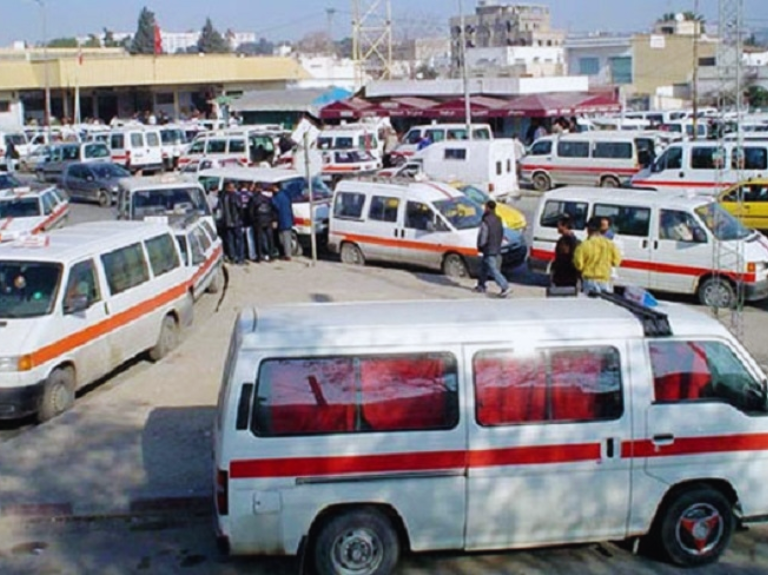
If you'd rather skip the wheel, louages, the shared taxis that connect nearly every town in the country, are cheap, frequent and a genuinely local way to travel. Buses and trains fill in the gaps for longer, slower routes.
You should probably know that none of these options is one-size-fits-all, and each comes with its own quirks worth knowing before you commit.
Where to Stay in Tunisia
Where you stay ends up shaping the trip more than people expect, especially once you're outside Tunis.
Boutique hotels are the easiest option if you want something with more character than a standard chain, without going fully independent. A lot of these are converted riads or older buildings in the medinas, restored with the original architecture kept intact, which ends up being part of the experience rather than just a place to sleep.
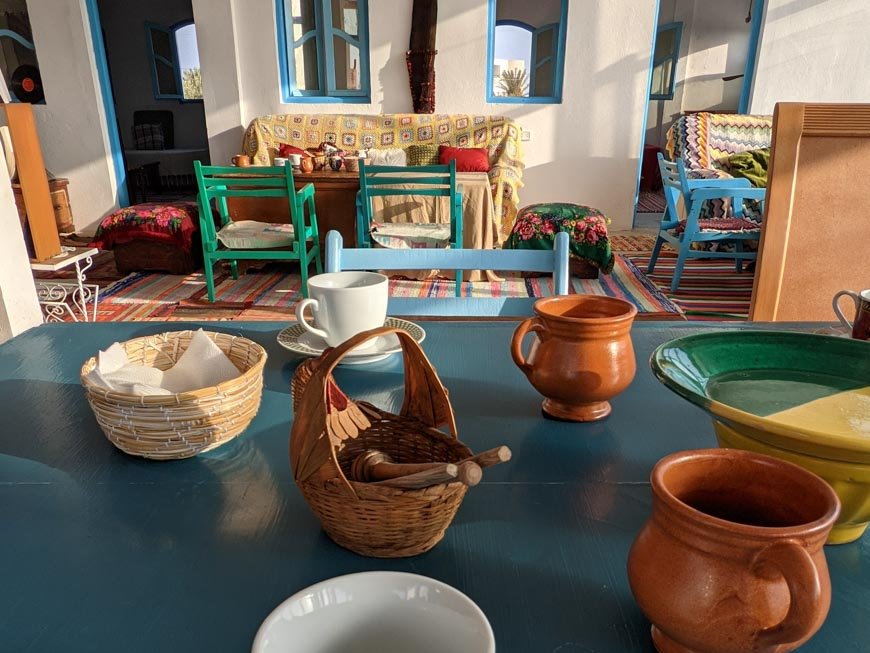
Guesthouses are the other common option, especially in the south and in smaller towns where hotel chains do not really exist. They tend to be family run, cheaper, and a more direct way to actually meet locals rather than just pass through.
To determine which one makes sense depends on where you are on the route, you should probably know that cities and coastal stops lean toward boutique hotels and riads, while the south and more remote regions lean toward guesthouses almost by default, since the infrastructure around them supports that style better anyway.
Costs, Packing and Etiquette in Tunisia
A few practical things are worth sorting before you land, since they shape how smooth the trip feels once you're there.
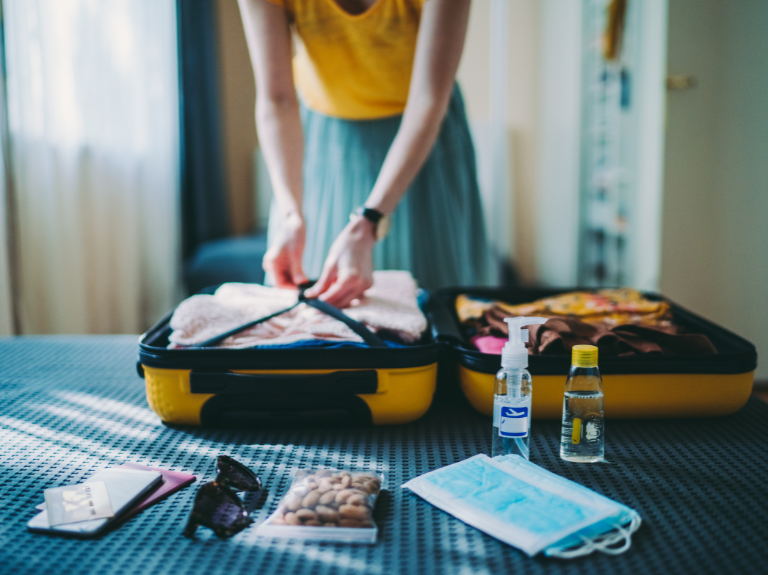
Packing depends heavily on where you're headed inside the country, since Tunisia swings between coastal humidity, mountain cold, and desert heat within the same trip. Dress codes matter too, especially for women traveling through cities, the desert, or more conservative regions, where modest clothing goes a long way.
Tipping works differently than in a lot of Western countries. It is optional almost everywhere, not something built into the culture the way it is elsewhere, though a small amount for good service, a taxi ride, or hotel staff is always appreciated and often expected in nicer places.
Beyond that, there is a longer list of everyday etiquette and practical tips that come up constantly, from how bargaining works in markets to what is normal or not around alcohol, tap water, and public behavior. None of it is complicated, but knowing it ahead of time saves you a few awkward moments early in the trip.
Plan your Trip to Tunisia with WildyNess the right way
Everything above gives you the pieces. Putting them into an actual route is the part most people get stuck on, especially with a country that has this much packed into it.
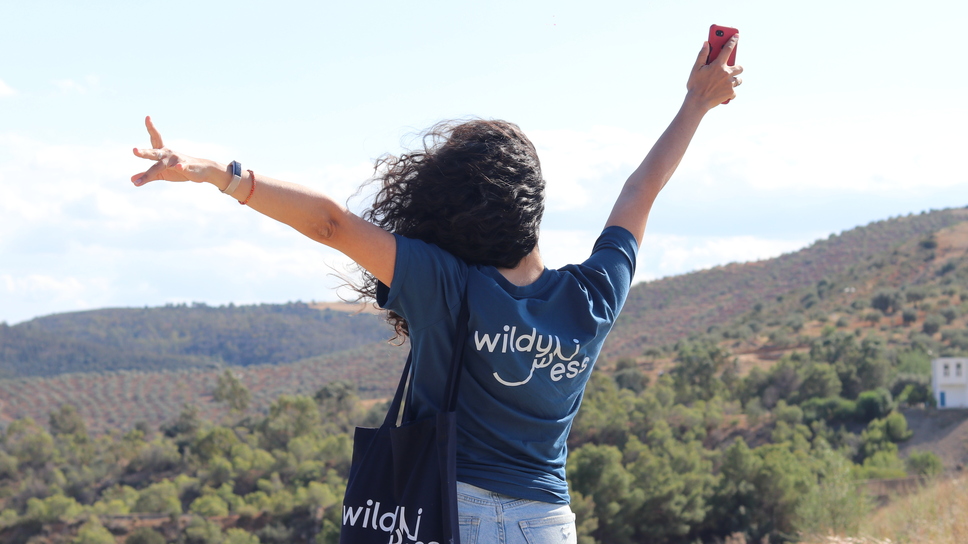
If you'd rather not build the logistics yourself, we do that for you. Tell us how many days you have, what you care about most, ruins, hiking, the Sahara, the coast, and we put together an itinerary that actually makes sense to drive or move through, instead of a list of places with no connection between them.
If you already know you want a guided piece of the trip rather than a full custom plan, our experiences page covers day trips and activities across the country, from desert camps to medina walking tours to coastal excursions. You can book those directly or fold them into a bigger itinerary we build with you.
Either way, you do not have to plan this from scratch using twelve tabs open and a spreadsheet. That is the part we exist for.