


National parks play a crucial role in preserving biodiversity, protecting ecosystems, and contributing to the well-being of both the environment and society. In Tunisia, there are 15 national parks, actively leading these roles by providing sanctuary to extinct species and preserving incredible surroundings.
If you’re a nature enthusiast keen to tick off some national parks from your bucket list, WildyNess team has compiled the complete list of these parks in Tunisia coupled with some important details that can help you make your decision.

Bou-Hedma National Park
Despite being the second-largest natural reserve in Tunisia, this national park is lesser-known, hidden in an off-the-beaten track regions of the country.

Located between the cities of Sidi Bouzid and Gafsa, Bouhedma National Park is a haven for explorers and nature enthusiasts looking for the opportunity to witness and appreciate the beauty of diverse landscapes, scrutinize unique flora and fauna, and contribute to conservation efforts.

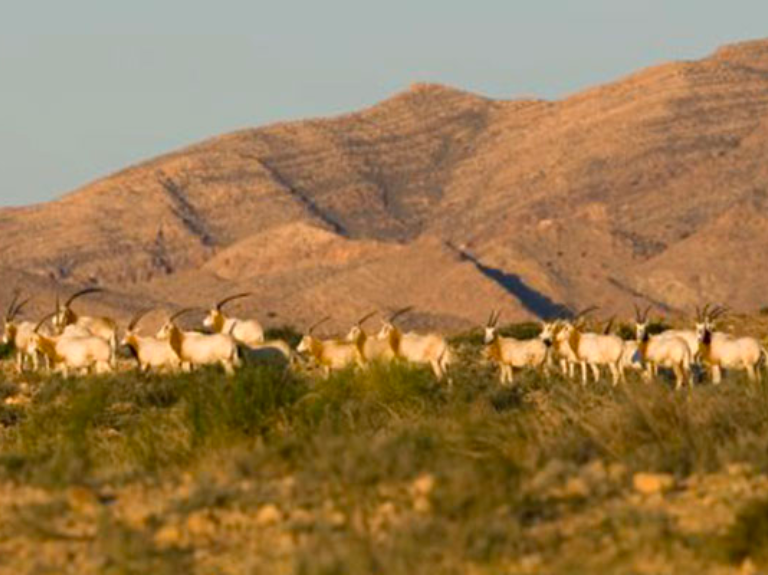
The park is home to protected species, including the graceful dama gazelles, scimitar oryx, addax, and ostriches. It also features the only surviving Acacia raddiana in North Africa. Beyond its amazing biodiversity, the park has a significant archaeological importance as it has the Roman bridge of Wadi Bautista and the remains of Roman villages.
Book Your Immersive Weekend in Bouhedma National Park & Sened
Boukornine National Park
Only 20 kilometers away from Tunis, Bukornine National Park covers a space of nearly 2,000 hectares and boasts diverse ecosystems. The park is a habitat for an array wildlife, hosting 25 mammal species such as wild boars, jackals, wild cats, porcupines, and various birds, both sedentary and migratory. It's also home to unique reptiles like chameleons, oscillated lizards, and horseshoe snakes.

It’s a park where vibrant Persian cyclamens can be admired and remarkable creatures like the Etruscan shrew, the world's smallest known mammal, may be encountered. If you have a knack for the natural world, this will feel like heaven for you. The Jebel Boukornine (Bukornine Mountain), the Aïn Zargua spring and an ecomuseum are found in the proximity of the park, offering a unique blend of nature and cultural experiences.

Beyond its wild ecosystem, the park stands out for its dense vegetation, featuring a variety of trees like eucalyptus and rosemary. The park is recognized as the sole location in North Africa where "Meriem’s Persian incense," the cyclamen, flourishes, particularly favoring the eastern Mediterranean basin.

Need more reasons to include this in your bucket list? Think about this rare North African exclusive: the snout mouse and over 200 plant species. This colorful tapestry of flora makes it a captivating destination for nature enthusiasts.
Chambi National Park
Known for harboring the vulnerable Cuvier’s gazelle and Barbary sheep, the park and its surroundings were designated as a UNESCO biospehere reserve.
Located in Kasserine, around 350 km from Tunis, Chambi National Park holds a great importance in the natural landscape of the country as it’s situated around the Chambi mountain, the highest point in Tunisia and part of the extensive Atlas Mountains that snake through Tunisia, Morocco, and Algeria for over 1000 miles.
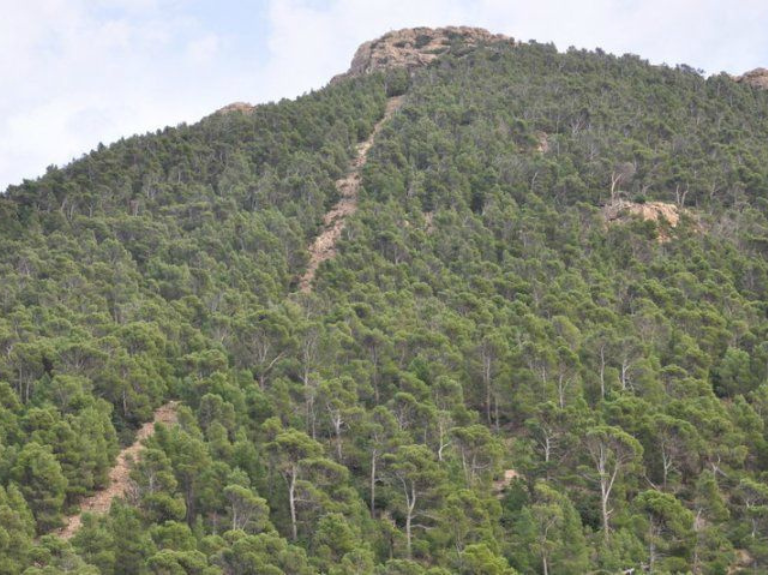
Chaambi Mountain beckons with a generous seven-month hiking season, running from March to October. Catering for seasoned and professional hikers, the park is also a preferred destination for climbers.
As for the fauna and flora of the park, the blankets of Aleppo pine forests stretching as far as the eye can see are an obvious evidence of the biodiversity the park preserves and maintains.

Copyrights: TrekkInn Tunisia
One hundred plant species are deemed to be found along with some wildlife, including cape hares, golden jackals, Ruppelis fox, wild boars, gazelles and a good number of reptiles. Bird watchers can admire the Egyptian vulture, Tunisian crossbill, Bonellis eagle, peregrine falcon and many others.
El Feidja National Park
Located 200 kilometers west of Tunis and 49 kilometers from Jendouba, El Feija National Park covers 2,632 hectares, with a protected zone preserving the Barbary deer. Representing the wettest region of Tunisia, Kroumirie, the park is a crucial habitat for over twenty mammal species, 70 bird species, and around twenty reptile species.

Examples of the mammals to be found are the Barbary deer, golden wolf, fox, European weasel, and hare. El Feija also shelters forest birds like Levaillant’s Woodpecker, Eurasian Jay, and Common Raven.
Much like Bouhedma that adds to your visit an archeological and historical side, the park carries remnants of the Amazigh civilization, dating back to the Neolithic era, showcasing fortresses and tombstones.

El Feidja offers breathtaking views from Mount "Kef El Nagcha." and diverse landscape with its oak forests, that serve as a natural habitat to diverse wildlife, including stags, wild boars, and jackals.

Proposed for UNESCO World Heritage status in 2008, El Feidja stands as a testament to Tunisia's natural and cultural wealth, with ongoing conservation efforts ensuring its ecological significance endures.
Also Read : The Hidden Adventures in El Feidja and Ain Soltane
Ichkeul National Park
Lake Ichkeul is located in northern Tunisia within the Bizerte district on the Mateur plain, precisely 20 kilometers southwest of Bizerte. Designated as a UNESCO World Heritage Site since 1980, this freshwater lake has been serving as a hunting reserves for centuries.
The lake's diverse surroundings accounts for this listing as it includes marshes, floodplains, and forested hills, house a variety of wildlife such as wild boars, jackals, mongooses, porcupines, foxes, and otters.

In terms of ecological significance, Ichkeul National park is deemed to be a winter sanctuary of tens of thousands of migratory waterbirds and many other species. As the UNESCO explains in their website, the whole region of Ichekeul is a crucial wintering site for western Palaearctic birds.
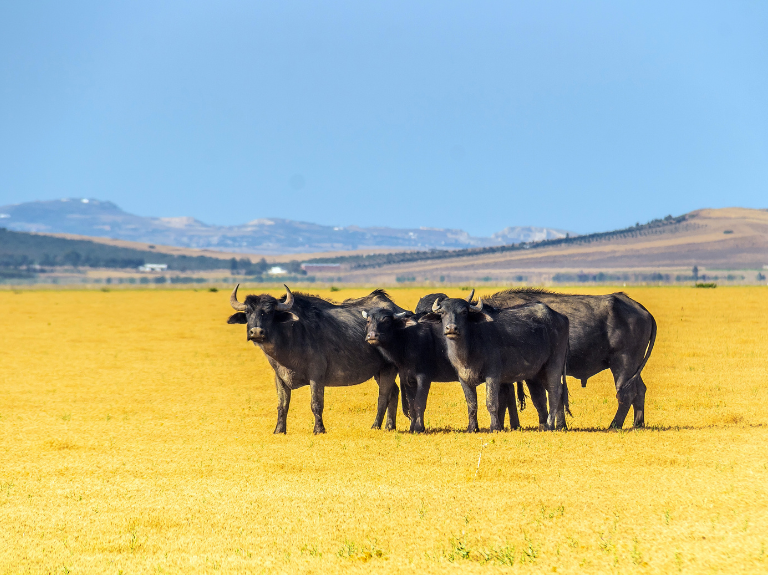
Hosting over 300,000 ducks, geese, and coots simultaneously during certain winters, the property's exceptional density of waterfowl includes internationally significant species like the white-headed duck, ferruginous duck, and marbled duck.
With over 200 animal species and 500 plant species, Lake Ichkeul and its surroundings exemplify remarkable biodiversity, solidifying its status as a natural treasure.
Jebel Chitana-Cap Négro National Park
One of the hidden gem on the Mediterranean coast in northern Tunisia, Jebel Chitana in Cap Négro National Park is an ecological haven characterized by the forests of Jebel Chitana in Bizerte and Bellif in Béja.
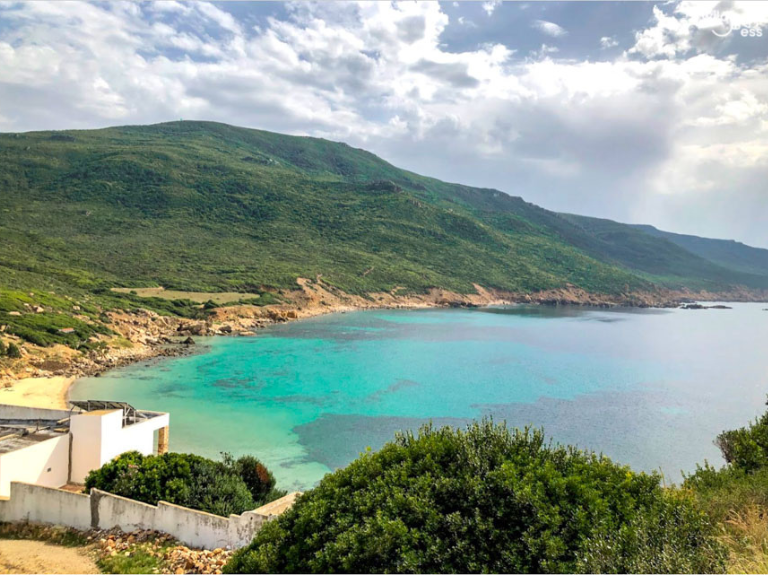
Encompassing 10,122 hectares, this national park features a fenced integral protection zone safeguarding the peat bog of Mejen Ech Chitan, the Mhibès forest, and the Sidi El Barrak dam. Notably, it serves as a sanctuary for a plethora of rare and endemic species, including the white lake lilyand the Barbary stag.

Positioned along the northern coast between Cap Serrat and the Sidi El Barrak dam, the park thrives in the lower humid bioclimatic stage with mild winters. Throughout history, indigenous people have played a major role in preserving and maintaining the land and its biodiversity as they indulged in agriculture, animal husbandry, and beekeeping for generations.

Copyrights: Wael Maj
This heart-fell care and genuine interest in enhancing the potential of the region have made this region able to thrive through organic fruit and vegetable production, honey cultivation, and agritourism. If you ask us about the importance of this region, we would answer without hesitation that it lies in the harmonious combination of conservation and community engagement.
Zembra National Park
Zembra Island Nature Reserve, located on the island of Zembra in northern Tunisia, is part of the UNESCO World Network of Biosphere Reserves. It’s a breathtaking place where the Mediterranean coast, the mountainous terrain, and the hidden lake amounts to a real testament to ecological preservation and natural splendor. Nestled in the Gulf of Tunis between Cap Serrat and the Sidi El Barrak dam, the reserve spans islands Zembra and Zembretta, known for their unique vegetation, monk seals, and millions of nesting birds

Zembra and Zembretta, forming a national park, offer a breathtaking landscape for nature and bird enthusiasts. With Zembra's towering cliffs and Zembretta's compact area, the islands are home to over 140,000 pairs of migrating birds, the largest colony of birds of the Cory’s shearwater in the Mediterranean.

The ecological importance of these islands exceeds the border of the Northern African country to reach both parts of the Mediterranean. This is largely due to the several endangered species it harbors, such as the Mediterranean shearwater and Audouin’s gull.
Beyond their ecological significance, the islands cater for once-in-a-lifetime experience with their historical ruins and jaw-dropping landscapes and pristine beaches. Adventure seekers who are looking for real connection to nature will find in Zembra Island Nature Reserve the captivating destination they have been looking for in every new destination.
Jebil National Park
Going down on the map, Jebil National Park appears nestled within the vast expanse of the Sahara in the governorate of Kbeli. Located around 500 km from Tunis and 100 km from Tozeur, Jebil National Park stands is Tunisia's largest national park, with an expanse 150,000 hectares. Established in 1994, this park is a sanctuary for Calligonum shrubs and Rhanterium, providing a habitat for a diverse range of wildlife, including lively gazelles, hares, and slithering vipers.

Jebil has always caught the attention of researchers and curious minds thanks to its peculiar location in the Sahara's Grand Erg Oriental. This attention uncovered prehistoric relics and traced the biological evolution as well as history from the Holocene era to the Second World War.
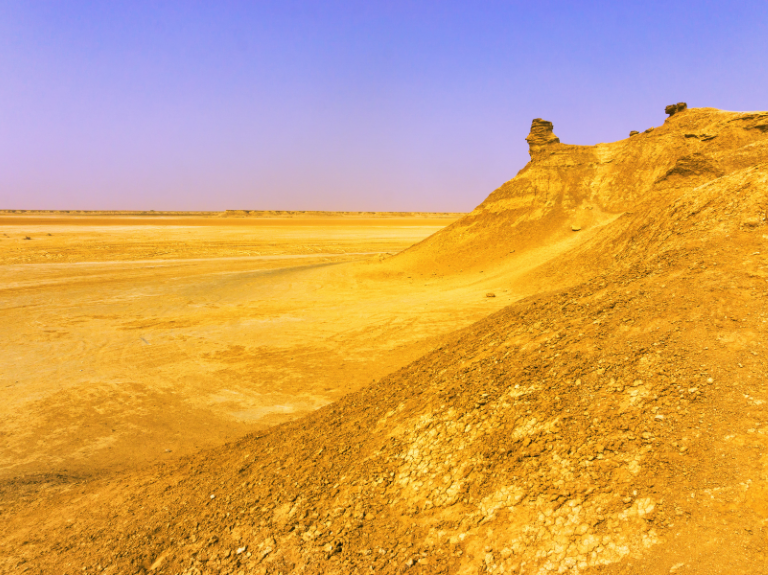
Beyond its ecological significance, Jebil offers an ideal setting for activities such as cycling, camel riding, and camping in the mesmerizing Sahara landscape. However, the park faces the ongoing challenge of poaching, particularly threatening the gazelles, sandgrouse, and the Vulnerable category worldwide Houbara bustard.
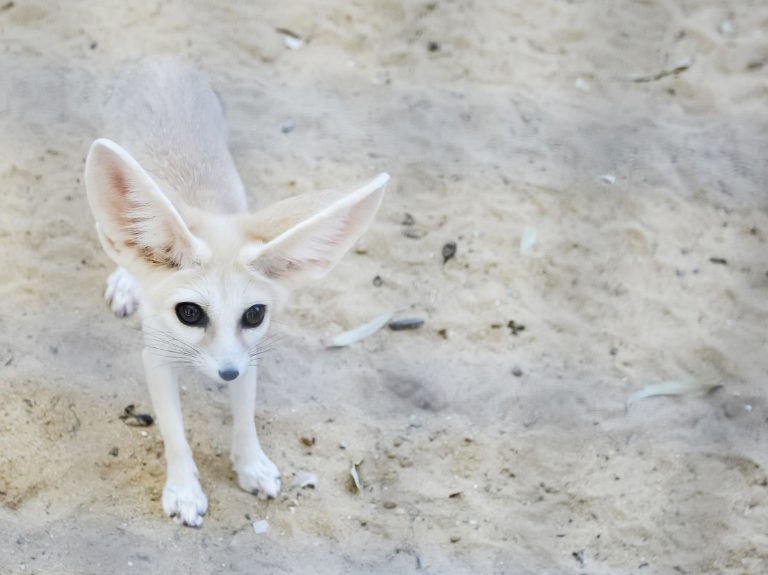
Please follow the instructions of your guide if you’re visiting this park (and any other park), as preservation efforts need to be prioritized.
Also Read: Your Ultimate Guide To The Desert in Tunisia - The Sahara You want To Explore
Jebel Serj National Park
One of the several unique national parks in the north-west of Tunisia, Jebel Serj is located 140 km away from Tunis and sandwiched between the delegations of Siliana Sud and Oueslatia. This makes it more accessible than other parks as there are a good deal of public transportation, mainly louages, available from Tunis and Siliana. Its name is inspired from its distinctive saddle-like shape, characterized by a gap between its peaks.

This unique topography hide a diverse flora that will enchant all nature enthusiasts and photographers. Indeed, this 1,720-hectare park, created on March 29, 2010, is home to around a hundred Montpellier maples, Aleppo pines, kermes oaks, wild olives, carobs, and increasingly frequent sightings of Barbary cedar.

The fauna is equally diverse, with mammals like the serval, wild boar, jackal, and striped hyena, as well as various bird species, including the booted eagle, peregrine falcon, and golden eagle.

Whether exploring Tunisia's longest cave system, Ain Dhahab, or trekking the rugged trails, Jebel Serj promises an unforgettable experience in the nature's splendor and invites adventurers to discover its splendid landscapes and subterranean wonders.
Also Read: 5 Surprising Sightseeing Tours in Siliana that Are Off the Beaten Path !
You may want to book one of our hikes in Serj and Bargo Mountains : Siliana Mountain Hike: Discover Nature's Beauty and Local Hospitality
Jebel Zaghouan National Park
Jebel Zaghouan is one of those natural wonders that inspired locals to chant about it and made all the folklore songs of the region revolving around it. As inspiring as it is for locals, it also enchants visitors with its rocky trails, foggy sky and natural diversity.
Located 50 km from Tunis, 30 km from Hammamet, and 90 km from Sousse, this 1920-hectare national park boasts a sub-humid Mediterranean climate with mild winters, fostering the growth of unique vegetation and the presence of various animal species.

The park's main flora includes holm oak, Aleppo pine, and carob trees, while its fauna encompasses the golden eagle, peregrine falcon, Egyptian vulture, wild boar, jackal, mongoose, hare, lizard, and grass snake. Adding to the allure, the park features the Thuja de Berbèrie and Atlas pistachio tree alongside bay leaf, Montpellier maple, and wild pear tree.
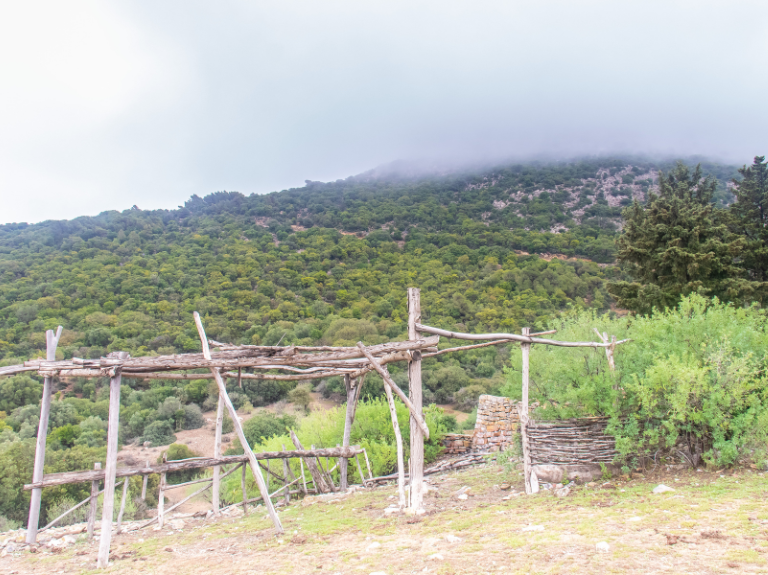
On the other hand, the fauna includes mammals, reptiles, and birds, with the red fox, golden jackal, Berber boar, and hooded snake among its inhabitants. Bats and he pipistrelle, the smallest among them, are of utmost importance in this park as they are its highlight.

The park is also a historical treasure, housing the Water Temple dating back to Roman times, a site capturing mountain springs and serving as the origin of the 2nd-century Zaghouan aqueduct supplying water to Carthage.
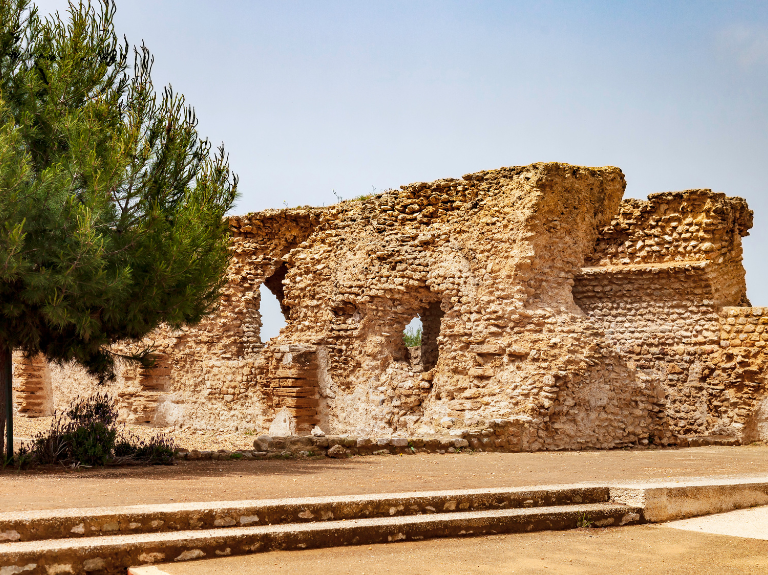
For those seeking an exhilarating adventure, conquering Djebel Zaghouan at the park's heart promises a rewarding experience. The challenging 10 km hike and rocky terrain demand stamina, but the panoramic views of the mountainous region make every effort worthwhile. The area also offers rock-climbing sites for enthusiasts seeking an additional thrill.
Oued Zeen National Park
In the delegation of Aïn Draham, known for its forests and verdant valleys, Oued Zeen National Park is situated about 200 kilometers west of Tunis and approximately fifty kilometers west of Jendouba. Introduced in 2010, the park encompasses an expansive area of 6,700 hectares, showcasing the beauty of the region's vegetation.
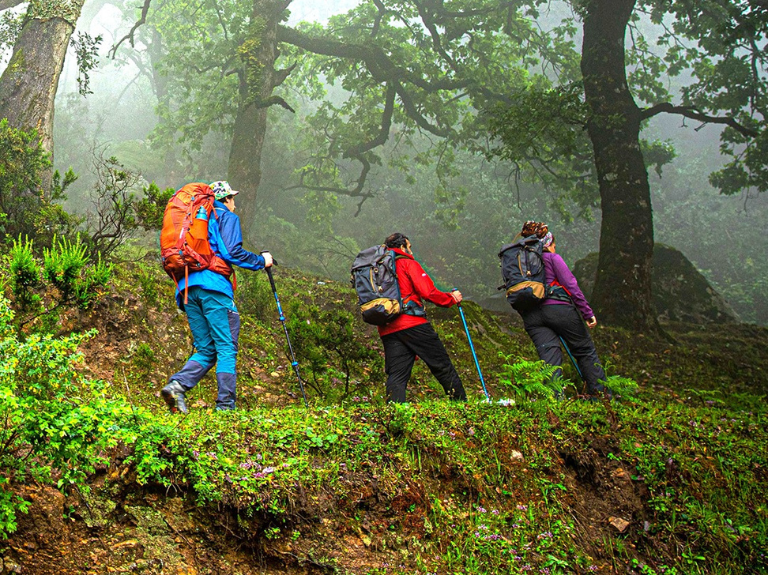
Here, oak trees stand still and resilient in the face of the forest fires that became more frequent in the last few summers. The Barbary stag, also known as the Atlas deer, holds a significant place among the park's diverse wildlife, fusing more allure to this natural sanctuary in the far north-west of Tunisia.

Copyrights: Raslene Guesmi
Oued Zeen can be explored through hiking and camping that are usually common in this area. The park boasts a network of dirt and rocky walking paths, adorned with crystal-clear water, creating an ideal destination for nature enthusiasts seeking tranquility and outdoor adventures. Whether exploring with family or friends, the park and its surroundings offer a serene retreat in the heart of nature.
Dghoumes National Park
Dghoumes National Park is one of the substantial national parks in the south of Tunisia. Established in 2001 and located in the governorate of Tozeur, the park covers an area of 80 km2 and stands as a remarkable example of Sahara's biodiversity. Since its launching, the park witnessed serious and consistent conservation efforts and ecological restoration.

Copyrights: Zakher Bouragaoui
These efforts amounted to the reintroduction of a variety of species that had nearly vanished from the area, such as buzzards, gazelles, and ostriches, following extensive reforestation endeavors.
The inhabitants of this arid landscape include the desert hedgehog, golden jackal, wild cat, sand cat, partridge, eagle king, Somali ostrich, scimitar-horned oryx, dorcas gazelle, Cuvier’s gazelle, Barbary sheep, and various reptiles. The park's geographical diversity is best shown in its components that include the salt zone of Chott El Djérid, the glacis known as "Chareb," and a mountain range.

The flora encompasses arid environment plants like Retama, Tamaris, and Thymélia, with ongoing efforts to restore the acacia steppe.
Recognized as the second-ranking national park globally for Saharan biodiversity, Dghoumes stands as a beacon for the preservation of flora, fauna, and the promotion of ecological tourism.
Jebel Mghilla National Park
Established to safeguard the biodiversity surrounding Jebel Mghila, Jebel Mghilla National Park spans in an area of 162.49 km2 between Kasserine and Sidi Bouzid governorates. The park holds geological and paleontological significance that makes it a natural haven to be explored by enthusiasts. The park forms an anticlinal fold along the Tunisian ridge, ranges from an intact forest of Quercus ilex rotundifolia at the summit to Aleppo pine-covered slopes and esparto grass at lower altitudes.
This diverse landscape aims to preserve the remaining cork oak, arbutus, tree heather, and common myrtle. The rich fauna is best shown in the existence of animals like genets, mongooses, Montpellier snakes, eagles, hyenas, foxes, and various bird species.
The park's paleontological significance adds another layer to its allure, with a fossil-rich terrain offering insight into the transition between the Albian and Cenomanian geological ages. Notably, the area hosts 22 ammonite species and the discovery of a marine snake (elasmosaurus), the first plesiosaur found in Tunisia.
Jebel Orbata National Park
Nestled between El Ksar and Sened, east of the town of Gafsa, Jbel Orbata National Park sprawls across the delegations of Ksar and El Guettar, encompassing a total area of 5,746 hectares. The primary objective behind the establishment of this national park is the conservation and restoration of the mountain ecosystem within the Tunisian Atlas range.

Specifically targeting the protection of rare and endangered flora and fauna, the park is home to valuable species such as the Aleppo pine, red juniper, cuffed sheep, mountain gazelle, and ostrich. This preservation initiative expands its goals to maintaining the delicate balance of the Tunisian Atlas chain's ecosystem, focusing on unique and threatened plant and animal species. This is why Jebel Orbata is an integral site for ecotourism and scientific research.

The ecological significance of Jebel Orbata National Park is underscored by its diverse fauna, boasting a rich biodiversity that includes 123 vertebrate species in the park and its surroundings. Among them are three amphibian species, 24 reptile species, 77 bird species, and 19 mammal species. The park provides a habitat for various creatures, from the distinctive Algerian hedgehog to the elusive jackal and wild boar.
This rich wildlife, coupled with the park's arid mountain landscape, makes it a focal point for those seeking both ecological exploration and scientific inquiry.
Jebel Zaghdoud National Park
The Jebel Zaghdoud National Park is a pristine sanctuary situated in the outskirts of Kairouan governorate. Spanning an area of around 1792 hectares, the park reveals a captivating landscape adorned with Aleppo pines, lentisk olive trees, red junipers, and sumac. The slopes of the mountain accommodate the distinct biological and climatic needs of the flora that graces the park. It’s a paradise for botany enthusiasts.

Beyond its botanical wonders, Jebel Zaghdoud National Park boasts a rich and diverse fauna, creating a unique habitat for different wildlife species. Among the inhabitants are wild boars, jackals, porcupines, hyenas, foxes, hedgehogs, mongooses, wildcats, hares, and genets. The reptilian realm includes land turtles, lizards, chameleons, and Montpellier snakes.
The avian community is equally flourishing, featuring species like the peregrine falcon, kestrel, turtledove, coot, summer and winter ducks, buzzard, barn owl, little owl, quail, skylark, mallard, northern shoveler, thrush, partridge, short-toed snake eagle, goldfinch, crow, bats, as well as majestic birds like the renowned golden eagle and Bonelli's eagle.

Adding to the allure, the park holds historical significance, housing Roman ruins and ancient rock paintings, particularly within the Ksar Lemasa massif.
Sidi Toui National Park
The last national park on our list is located in the far south, approximately fifty kilometers south of Gardane and twenty kilometers northwest of the Tunisian-Libyan border. This substantial park spans 6,315 hectares and is entirely enclosed on the Sahara's borders. It caters a unique landscape combining a djebel soaring to 172 meters, steppes, and sand dunes.

Copyrights: MaghrebOrnitho
Besides, Sidi Toui National Park hosts a variety of Saharan species, from mammals like the oryx, golden jackal, starving fox, gloved cat, and fennec fox to reptiles such as whiptail, common chameleon, and snakes. Migratory and sedentary birds, including the houbara bustard, gambra partridge, sandgrouse, skylark, and common raven, find refuge in the park.
Historically frequented by the African ostrich and the red hartebeest, these species are considered extinct in Tunisia, prompting initiatives like the reintroduction of the red-necked ostrich from Morocco. Sidi Toui National Park emerges as a vital wildlife sanctuary, playing a crucial role in preserving biodiversity in the semi-desert region, with ujube trees, esparto, and endemic vegetation contributing to its ecological richness.
Accessible from Ben Guerdane or near the Libya border, the park stands adjacent to the natural areas of Jeffara and el Hmada, providing a haven for diverse flora and fauna.
Frequently Asked Questions about National Parks in Tunisia
How Can I Visit National Parks in Tunisia ?
Permission is required for entry into parks, and individuals must submit requests to the General Directorate of Forests or the corresponding regional commissariat in advance. Please note that permissions are usually issued in 3 to 5 working days.
Is it safe to Visit National Parks in Tunisia ?
The parks with security issues are either closed or well maintained. Opting for a local guide in the region you’re heading to is the best way to guarantee your safety and make sure the paperwork is done before you’re visit.


