
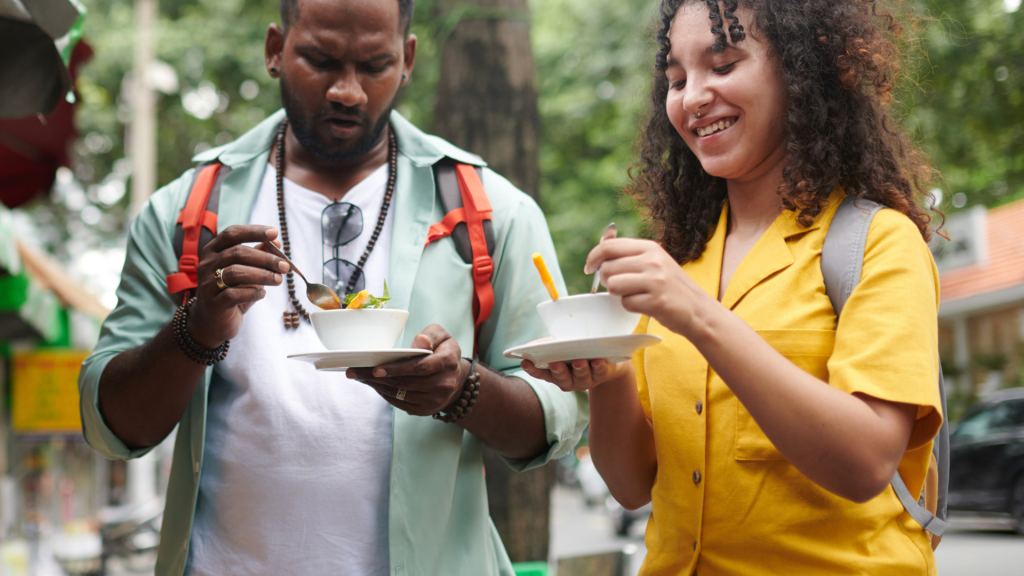

The best Algerian food is cheap, sold from stalls and small family-run places, and paid for in cash. Start with mahjouba in Algiers and karantika in Oran, have chorba frik if you are there in Ramadan, then go after the regional dishes: chakhchoukha and trida in the east, sardines on the coast, taguella in the Sahara.
Most snacks cost 50 to 200 DZD, under EUR 0.75 with cash changed at the informal rate (about 275 DZD to the euro, autumn 2026). You find them at bakeries, in market streets and at stalls near bus stations, schools and mosques, and they move fastest at breakfast, at lunch and, in Ramadan, after sunset. Below are the dishes worth finding, what street food costs (prices checked autumn 2026), a few phrases for ordering, how to handle money, and the table manners that matter in someone's home.
What Algerian Food Tastes Like
Algerian cooking covers a huge area: the Mediterranean coast, the high plateaus and the Sahara, which takes up over four-fifths of the country. Our overview of Algeria is the place to start if you are still deciding which of those regions to visit. The base is Amazigh (Berber), with layers added by Arab, Andalusian, Ottoman (about three centuries, to 1830) and French (1830 to 1962) influence. Semolina, lamb, chickpeas, tomatoes and whatever vegetables are in season turn up in most meals.
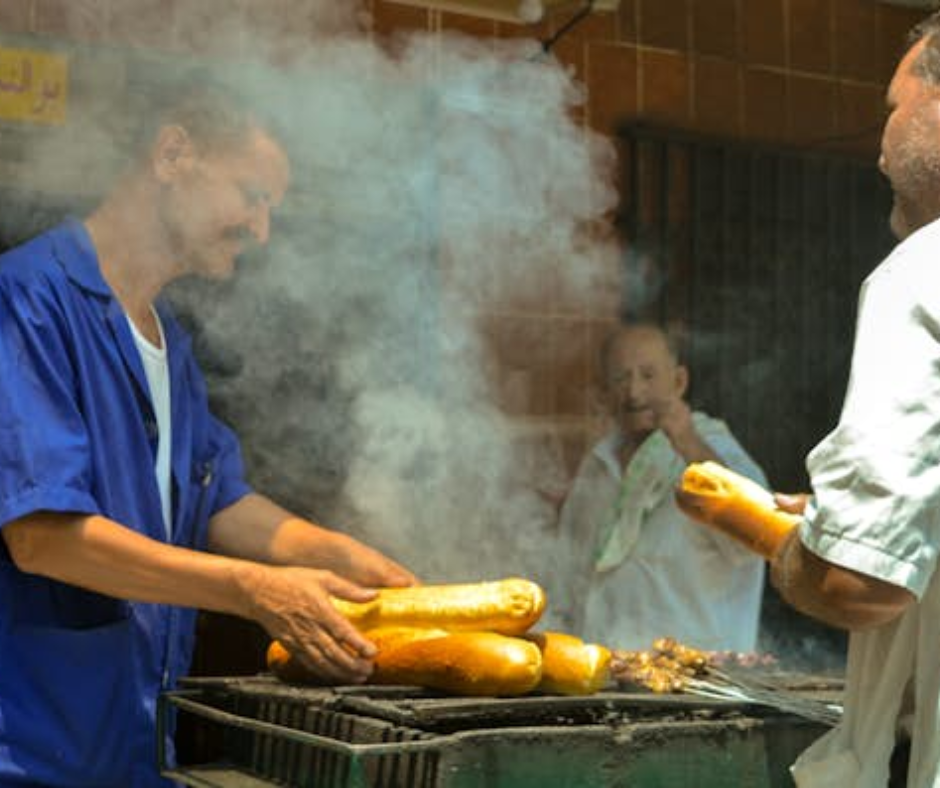
Meals are shared. At home, food often comes on a common platter rather than individual plates, and bread goes with nearly everything: a baguette in town, or kesra, a flat semolina bread, at home. It is a side and a spoon at the same time. At a busy stall in Algiers or around a fire in a desert camp, expect people to ask where you are from.
National Dishes to Know in Algeria
Start with couscous. Algeria shares it with Morocco, Tunisia and Mauritania (the four countries had couscous added to UNESCO's intangible heritage list together in 2020), but grains and sauces change from region to region and family to family. Friday, the first day of the Friday-Saturday weekend, is the traditional couscous day, when families gather around a big platter of steamed semolina and broth.
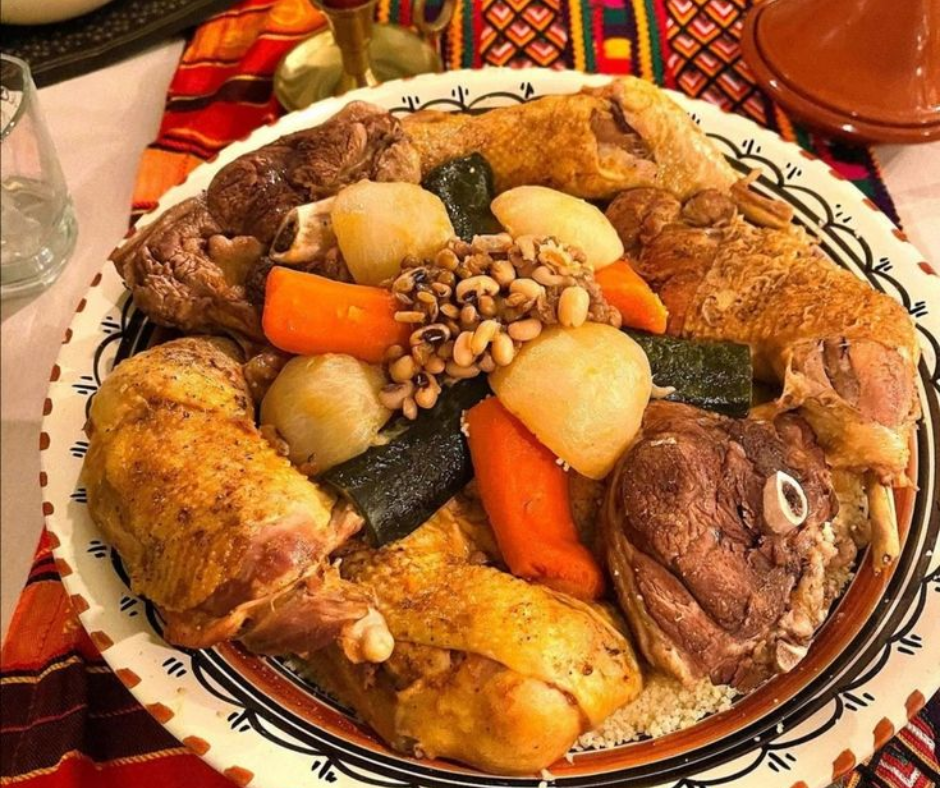
One common version has a red tomato sauce with zucchini, turnips and carrots. The other main style is a white sauce without tomato, often spiced with black pepper and cinnamon and served with chicken and chickpeas.
Chakhchoukha comes from the east (Biskra, the Aurès and Constantine). Cooks tear a thin semolina flatbread (rougag) into pieces and soak them in a spiced tomato sauce with lamb and chickpeas until the bread goes soft, a bit like fresh pasta. It is heavy, so treat it as lunch, not a snack.
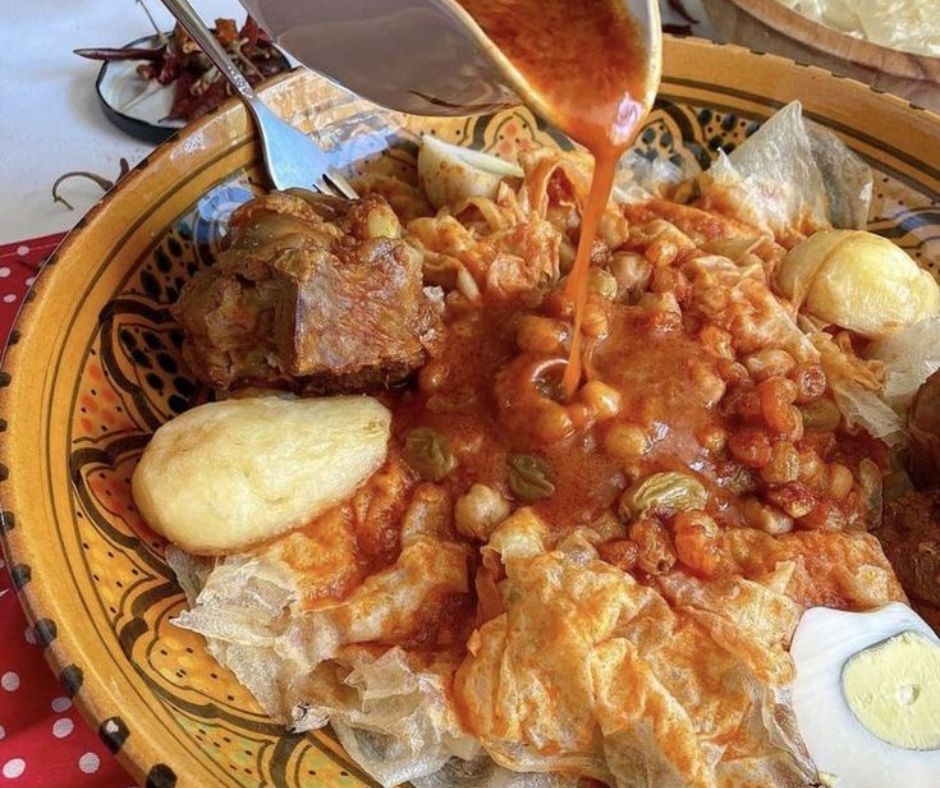
Don't confuse it with chakchouka (shakshuka), the pepper, tomato and egg dish, which is a quick breakfast or light lunch.
In the cooler months, and every evening of Ramadan, the soup on the table is chorba frik. Frik is wheat harvested green, roasted and cracked; it is cooked with lamb, tomato, chickpeas and fresh coriander, and many cooks finish it with dried mint. In Constantine the same soup is called jari.
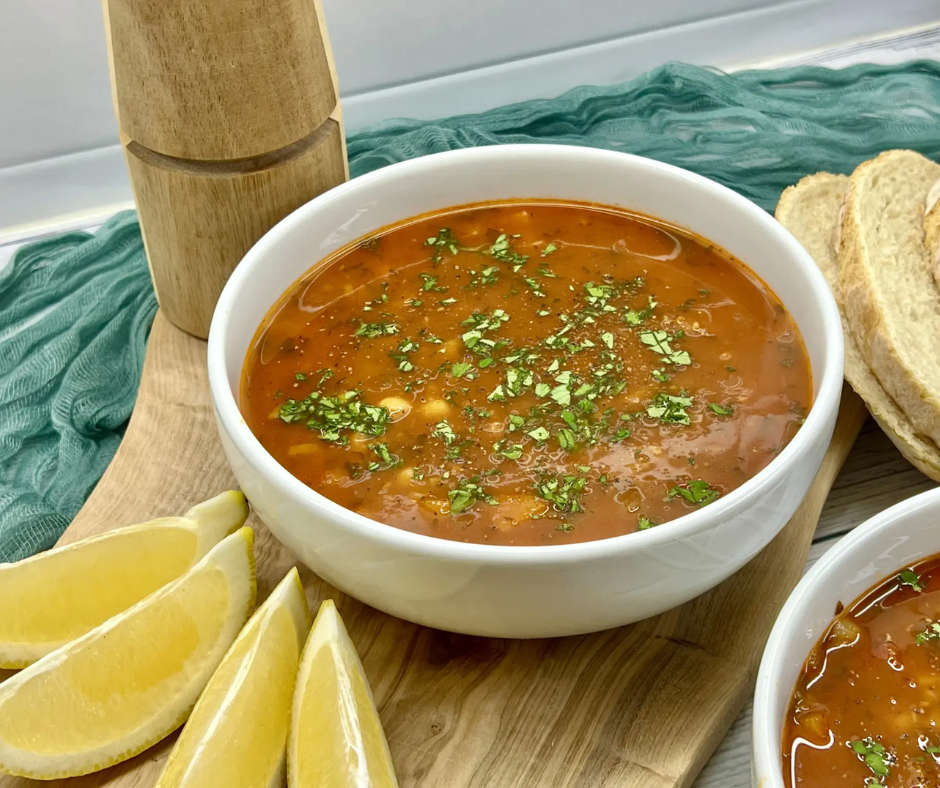
It comes with a wedge of lemon and, especially in Ramadan, bourek: thin dioul pastry rolled around spiced minced meat and fried (cheese or potato versions exist too). Hot soup, crisp pastry. Our guide to traditional Algerian dishes goes deeper into both, including how frik is roasted to get its smoky taste.
Street Food in Algeria: What to Look For
Street food is the cheapest way to eat well in Algeria. Here are nine things to look for, from the griddle to the bakery tray to the pastry stall.
1. Mahjouba (mhadjeb)
In Algiers, the first thing to look for is mahjouba, also called mhadjeb.
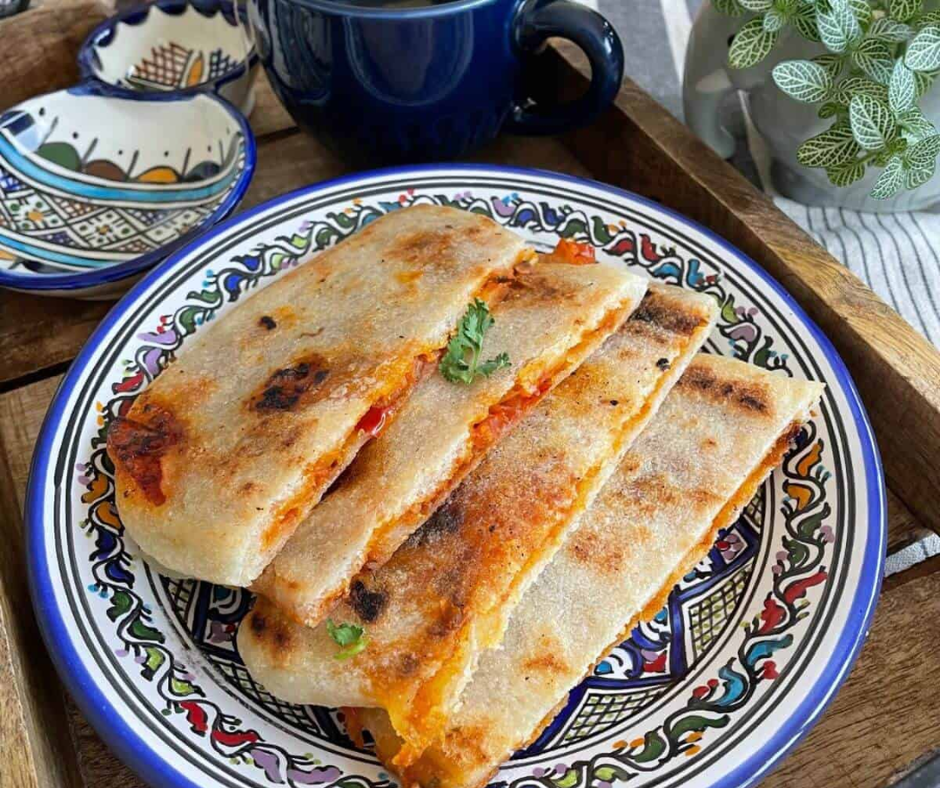
It is a thin semolina crepe folded around a spicy filling of slow-cooked onions and tomatoes, then cooked on a flat griddle. It comes from the south (Biskra and Touggourt) but is sold all over the country. Eat it hot, wrapped in paper.
A piece runs roughly 100 to 200 DZD in 2026. Paid with cash changed at the informal rate (about 275 DZD to the euro), that's about EUR 0.35-0.75; on a card at the official rate (about 150), EUR 0.65-1.35.
2. Karantika (garantita)
In Oran, the street food everyone eats is karantika (also spelled garantita): a baked flan of chickpea flour, water and oil, often with an egg beaten in, cooked until the top turns dark and toasted.
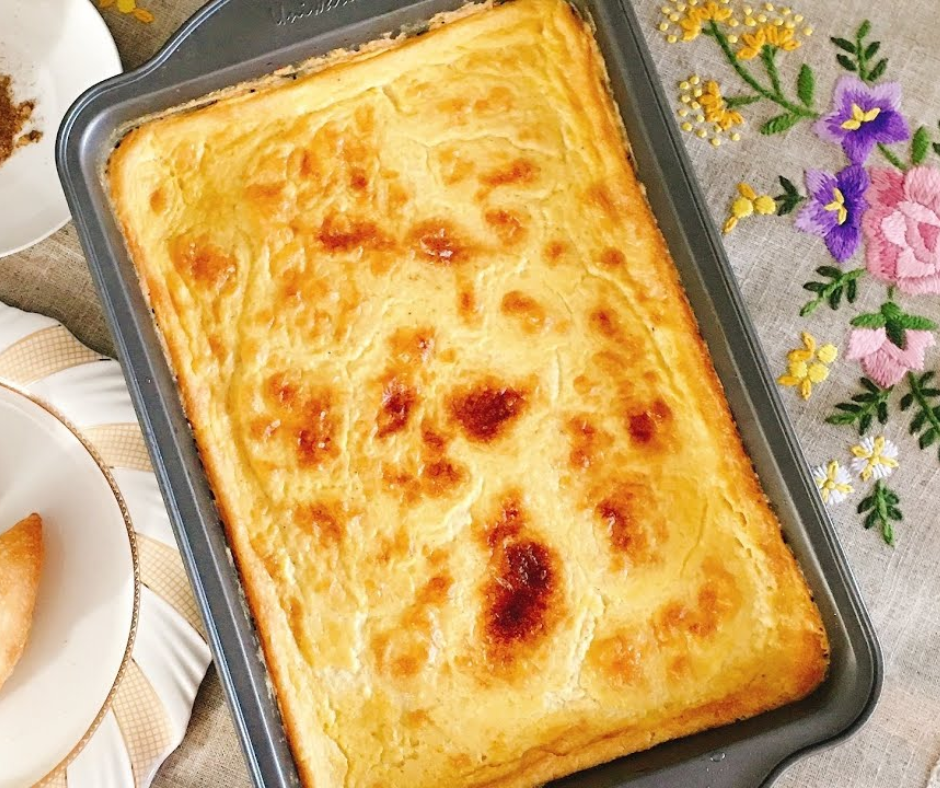
Vendors cut a hot slice, push it into a piece of baguette, and add cumin and a smear of harissa. It is very filling, and a portion cost about 50 DZD in Oran in mid-2024. You will often hear that the name comes from Spanish caliente ("hot") and that the dish dates from Oran's Spanish centuries (1509 to 1792, with a break). Nobody has documented that, so treat it as a local legend.
3. Pizza carrée
Look out for pizza carrée too, the bakery version of pizza: big rectangular trays of thick, soft dough with a thin tomato sauce and black olives, sometimes with anchovies, tuna or a little cheese.
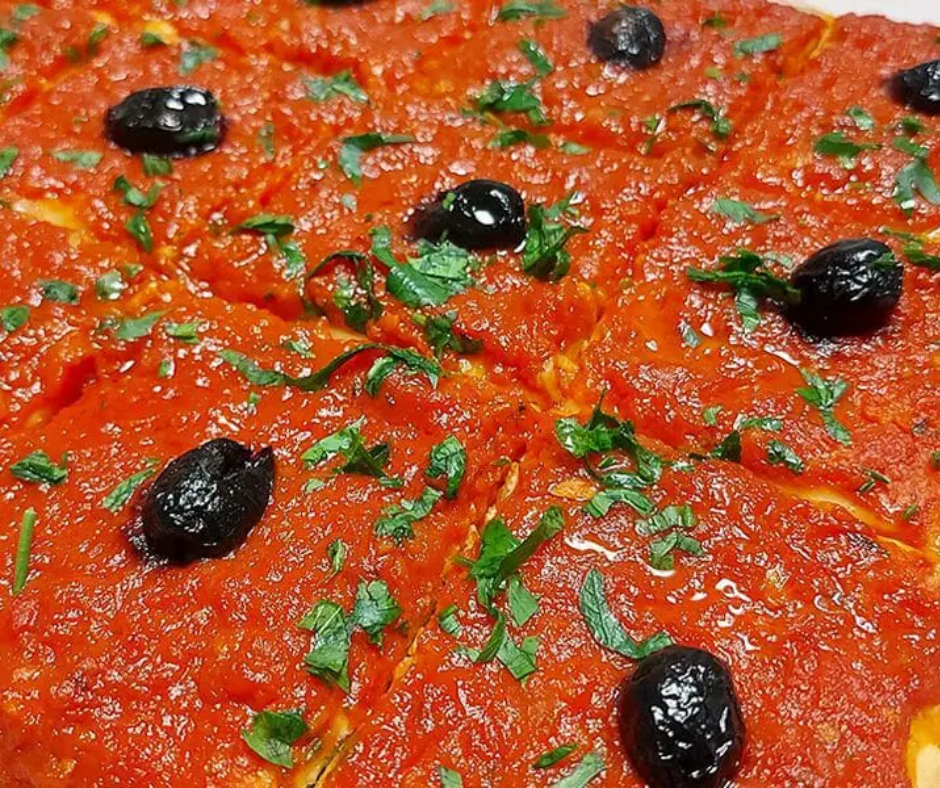
It is sold by the square, and at lunchtime students and office workers line up for it at neighborhood bakeries.
4. Bourek
Thin dioul pastry rolled around spiced minced meat and fried, sold hot from stalls and eaten with chorba. You find it all year, but in Ramadan the stalls pile it up before sunset. In the lower Casbah of Algiers you can watch it being fried around Place des Martyrs.
5. Frites-omelette and other casse-croûte
The cheap lunch of students and workers: a split baguette filled with fries and omelette, often with harissa or mayonnaise. Variations add merguez, tuna or cheese. In early 2023 a frites-omelette cost 150 to 200 DZD in Algiers; prices have gone up since.
6. Brochettes and merguez
Grill stalls along the roads out of town and around markets cook skewers of lamb, kebda (liver) and merguez, the spiced Berber sausage, over charcoal. They come in bread with onion and harissa. Pick a busy grill, where the meat turns over fast and is cooked through in front of you.
7. Msemen and sfenj
The breakfast pair. Msemen is a square, flaky, pan-fried flatbread, eaten with honey, jam or olive oil. Sfenj is a ring of yeast dough fried until puffy and rolled in sugar. Both go with tea or a café au lait, and both are sold from small shops early in the morning.
8. Maakouda
Potato fritters seasoned with garlic, parsley and spices, fried in patties and often stuffed into half a baguette. They are cheap, filling and meat-free, and turn up at sandwich counters and Ramadan stalls.
9. Zlabia and makroud
For something sweet, zlabia is a coil of fried batter soaked in syrup or honey, sold by weight, and makroud is a diamond of semolina filled with date paste. In Ramadan 2022 zlabia cost 260 to 320 DZD a kilo and kalb el louz 40 to 60 DZD a piece.
Street food prices: the latest confirmed figures
Prices below are the latest figures we could confirm, each with its date. Older ones will have risen with inflation, so treat them as a floor. Euro amounts use about 275 DZD to the euro for cash changed informally and about 150 for cards and ATMs (autumn 2026).
| What you're buying | Price in dinars | €, cash changed locally (~275) | €, on a card (~150) | When the price was last confirmed |
|---|---|---|---|---|
| Baguette | About 10 DZD | 0.04 | 0.07 | Widely charged; regulated price 8.50 DZD |
| Karantika portion (Oran) | About 50 DZD | 0.18 | 0.33 | Mid-2024 |
| Short coffee | 50 to 120 DZD | 0.18 to 0.44 | 0.33 to 0.80 | 2026 |
| Mahjouba | 100 to 200 DZD | 0.36 to 0.73 | 0.67 to 1.33 | 2026 |
| Frites-omelette sandwich (Algiers) | 150 to 200 DZD | 0.55 to 0.73 | 1.00 to 1.33 | Early 2023 |
| Kalb el louz, per piece | 40 to 60 DZD | 0.15 to 0.22 | 0.27 to 0.40 | Ramadan 2022 |
| Zlabia, per kilo | 260 to 320 DZD | 0.95 to 1.16 | 1.73 to 2.13 | Ramadan 2022 |
| Couscous or a simple plate in a popular restaurant | 600 to 1,200 DZD | 2.18 to 4.36 | 4.00 to 8.00 | 2026 |
Eating without meat
Skipping meat costs you almost nothing on the street. Karantika, mahjouba, msemen, sfenj, maakouda, pizza carrée and frites-omelette are all meat-free, and bourek comes in cheese and potato versions. To be sure, ask for it "bla lham" (without meat) in Darja or "sans viande" in French. Strict vegans should ask about butter and eggs.
How to Order Like a Local in Algeria
Small eateries rarely have printed menus. The day's dishes are on a chalkboard, or the waiter just tells you.
English is rarely spoken, so a few words of French or Darja (Algerian Arabic) help. Start with "Salam" or "Bonjour".
To ask what is on, say "Wach kayen el youm?" ("What is there today?").
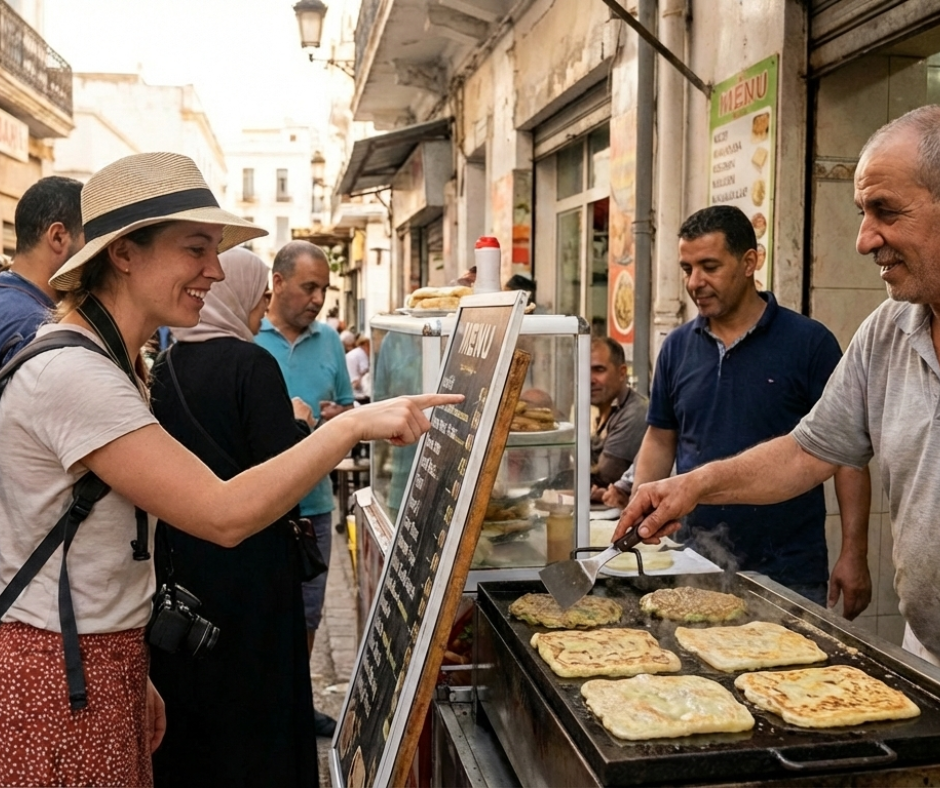
If you don't like heat, ask whether a dish is "har" (spicy). Harissa and dersa are common, and the amount varies a lot from cook to cook. For the bill, "L'addition, s'il vous plaît" works everywhere, or ask for "el hsab" in Darja. In small traditional places you usually pay at the counter, not at the table.
Bring cash. Only large international hotels and a few upscale restaurants in Algiers and Oran will take a foreign card; at stalls and neighborhood places it's dinars, ideally small notes and coins. Tipping is not expected, but rounding up the bill is a normal way to say thanks.
Those dinars go much further changed as cash on the informal "square" market, at about 275 to the euro against about 150 at banks and ATMs (autumn 2026); it is outside the official exchange rules but used openly, so let your guide or host find you a reliable changer. If you declared more than EUR 1,000 on arrival, change some at a bank too and keep the receipt for customs on the way out.
Regional Specialties from North to South in Algeria
The food changes as you move between cities. Constantine, the city of bridges, sits on a rock above the Rhumel gorge, and its cooking leans on slow sauces and pastries.
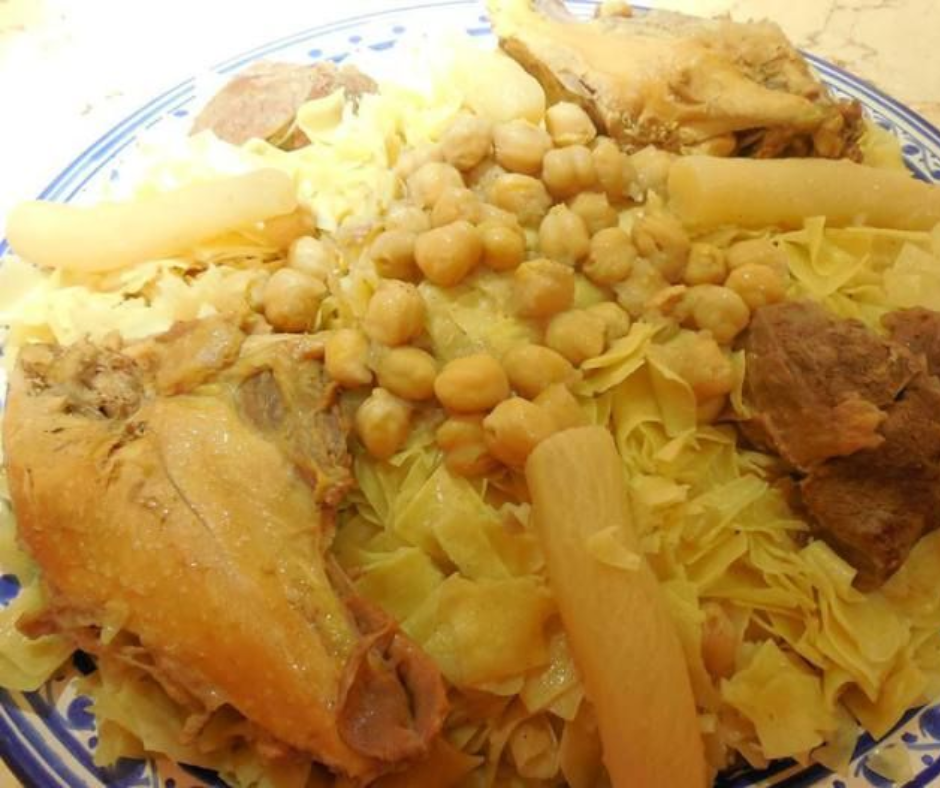
Look for trida there: small squares of hand-rolled pasta, steamed and served in a white or red sauce with meat. Rolling and cutting the squares by hand is fiddly work, and families who still do it are proud of it.
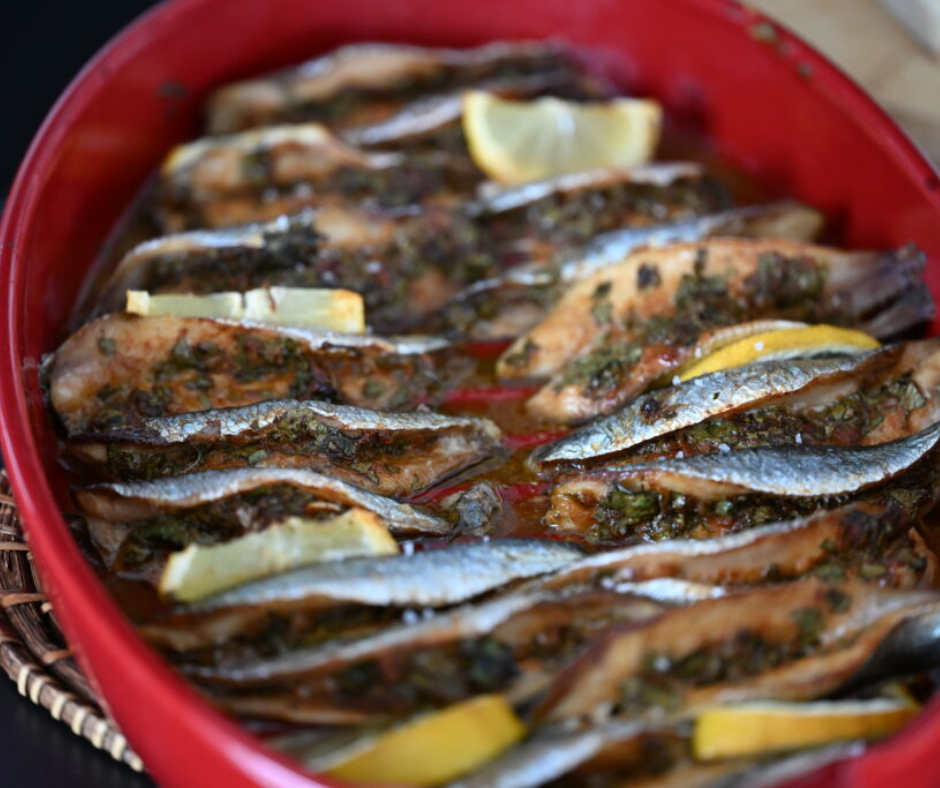
On the coast, from Algiers west to Oran, sardines are cheap and everywhere. The classic is sardines bel dersa: coated in dersa (garlic crushed with dried chili, cumin and salt), floured and fried. Plain grilled sardines are the simpler option at fish restaurants near the ports.
In the Sahara, food is built around what keeps and what can be cooked over a fire. The Tuareg make taguella, a thick unleavened bread baked directly in the hot sand under the embers of a campfire.
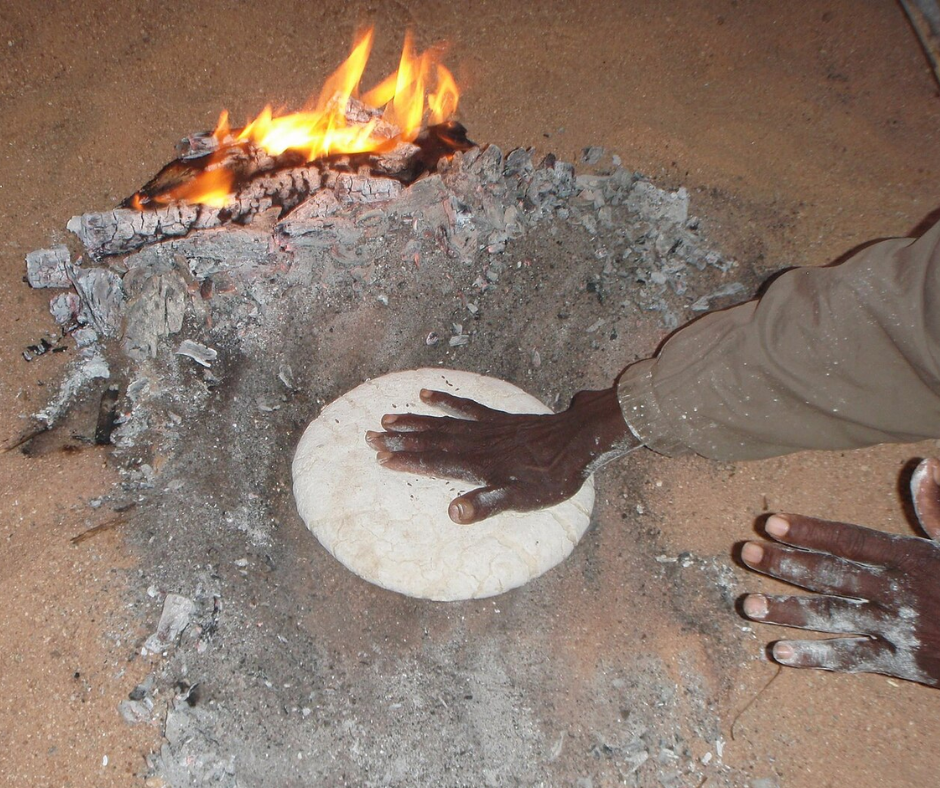
It is then broken into pieces and soaked in a meat and vegetable sauce: dense, filling food for long days outside. The easiest way to try it is on a camel trek with Tuareg guides in the deep south, one of the trips described in our guide to tours in Algeria. The catch: these trips run in the cooler months (roughly October to April), and in the south you have to travel with an approved agency.
Sweets change by region too. Algiers is known for rezmet el aroussa ("the bride's bundle"), almond paste pinched into a small pouch and dipped in honey, a wedding pastry. In the east, makroud is the staple: a diamond of semolina dough filled with date paste, fried or baked, then dipped in honey. It is made across the Maghreb, every city claims the best version, and asking a pastry seller why theirs is better is a good way to start a long conversation.
Coffee and Tea in Algeria
Neighborhood cafés are social places, and in the daytime the customers are mostly men, though mixed cafés are common in newer parts of Algiers. Coffee is short and very strong, pulled hard on an espresso machine; French speakers call it a café serré. For coffee with milk, ask for a café au lait or a noss-noss (half coffee, half milk). A cup costs roughly 50 to 120 DZD (2026).
Mint tea is the other drink. It is green tea brewed with fresh mint, served sweet in small glasses and poured from a height to raise a layer of foam.
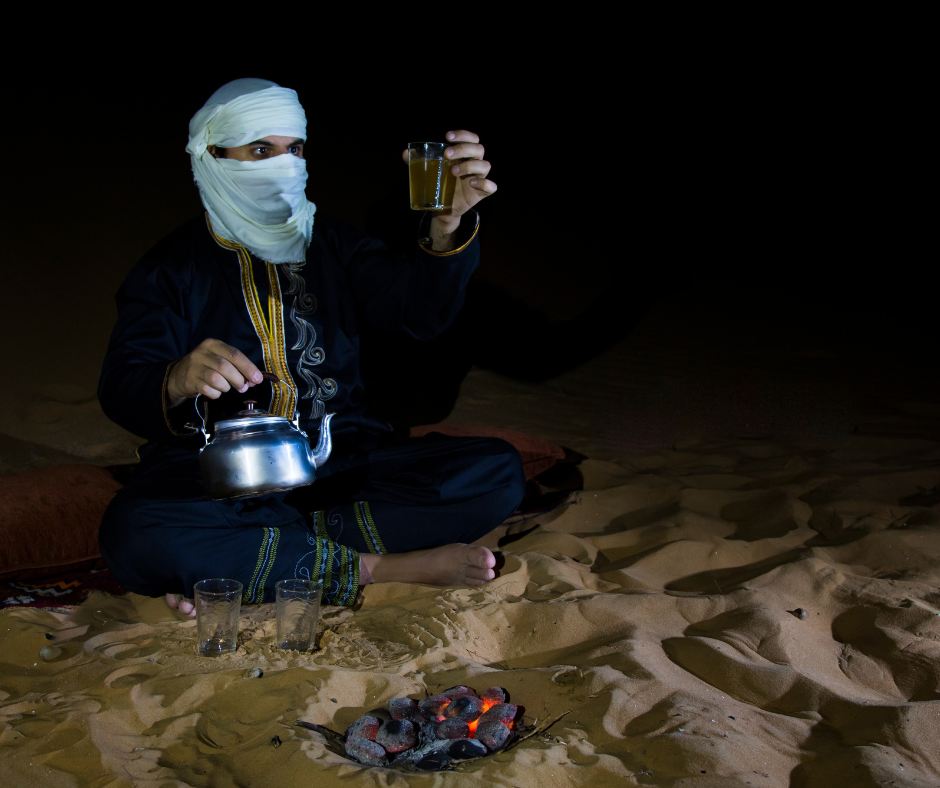
The pouring is part of the skill. In the Sahara, desert crews usually serve strong, sweet tea in three rounds. If you are a guest in someone's home, accept at least one glass of tea or coffee; it is the expected courtesy.
Cold drinks are part of street life too. In Ramadan, Algiers and Blida drink cherbet, a lemonade of lemon, sugar and water, sometimes with a little milk and orange-blossom water; the version from Boufarik is the local reference. Lben (fermented milk) goes with bread and dates, and gazouz, local fizzy soda, is on every café fridge.
Shopping the Souks and Food Markets in Algeria
To see what Algerian kitchens run on, go to a market, ideally in the morning when produce is freshest. In Algiers, start in the market streets of the lower Casbah around the Marché de Chartres, which has traded since 1837. Look for cumin, ras el hanout, paprika and dried peppers, and buy spices from busy stalls where stock turns over fast: old spices go pale and lose their smell. Crowds are thick, so keep your phone and wallet in a front pocket.
With produce, copy the older shoppers, who press the tomatoes and smell the coriander before they pay. Asking to taste an olive or a date first is normal. The best-known Algerian date is Deglet Nour, grown around Biskra and Tolga; good ones are soft, sweet and slightly translucent when held to the light.
Dining Etiquette and Cultural Norms
Ramadan changes the rhythm of the whole country. In 2027 it should begin around 8 February, though the moon sighting decides the exact day. Most cafés and restaurants close in the daytime, and eating, drinking or smoking in public before sunset is not allowed, so plan your lunches.
After sunset everyone breaks the fast with dates, chorba frik and bourek, and pastry shops fill with zlabia and kalb el louz. If you are invited to an iftar at someone's home, say yes: it is home cooking at its most generous.
Practical Tips for Eating Your Way Around Algeria
Pace yourself. Portions are big, and it is easy to fill up on bread before the main dish arrives. Drink bottled water rather than tap water; every corner shop sells it.
Pick stalls with a steady stream of customers, since that means fresh ingredients. A line of locals waiting for bourek or mahjouba is the best sign you will get. Make sure meat is cooked through in front of you, and if your stomach is sensitive, go easy on raw salads for the first couple of days.
Give yourself a week and you can eat well in two or three cities. Oran means karantika and sardines, Constantine means trida and makroud, and Algiers is the place for rechta (fine fresh noodles in a white sauce with chicken and chickpeas) and kalb el louz (a semolina and almond cake soaked in syrup). Come in autumn for the new date harvest, or in Ramadan if you want iftar food and can live with quiet days.
First time at a street stall?
If I only try one thing from a stall, what should it be? Mahjouba (mhadjeb), the stuffed semolina crepe, sold everywhere. In Oran, make it karantika.
What's actually in karantika? Chickpea flour, water, oil and salt, often with an egg beaten in, baked in a large tray until it sets under a dark, toasted top. You get it by the slice in baguette with cumin and harissa.
I don't handle chili well. Will it be too hot? Not by default. The heat comes from harissa or dersa (garlic crushed with dried chili), which vendors usually add at the end, though mahjouba filling can be peppery on its own. If you want it mild, say so before they start assembling: "bla har" in Darja or "pas piquant" in French.
Can I eat from stalls on my first day without regretting it? Generally, yes, if you choose well. Eat at busy stalls where food sells fast, and pick things cooked hot in front of you, such as grilled meat, fresh mahjouba or karantika from the oven. For the first days, go easy on raw salads, and on mayonnaise in summer. Drink bottled water.
If you want help planning, contact us. We can build an itinerary around markets, home-cooked meals and the regional dishes above.
Read also: Where to Eat Couscous in Algeria
For a guided food experience, try Flavors of Constantine: A Culinary Journey


