

Planning dune bashing in Saudi Arabia can feel like a logistical headache when you're juggling travel timelines, vehicle choices, permit rules, and changing weather across the Arabian Peninsula's vast sand systems.
That's why our team at WildyNess created this guide to give you the exact specs, verified locations, and expert safety tips you need for a smooth off-road driving trip across the Kingdom.
Strategic Geographic Zones for Dune Bashing in Saudi Arabia
Proximity and Logistics of the Thumamah Desert
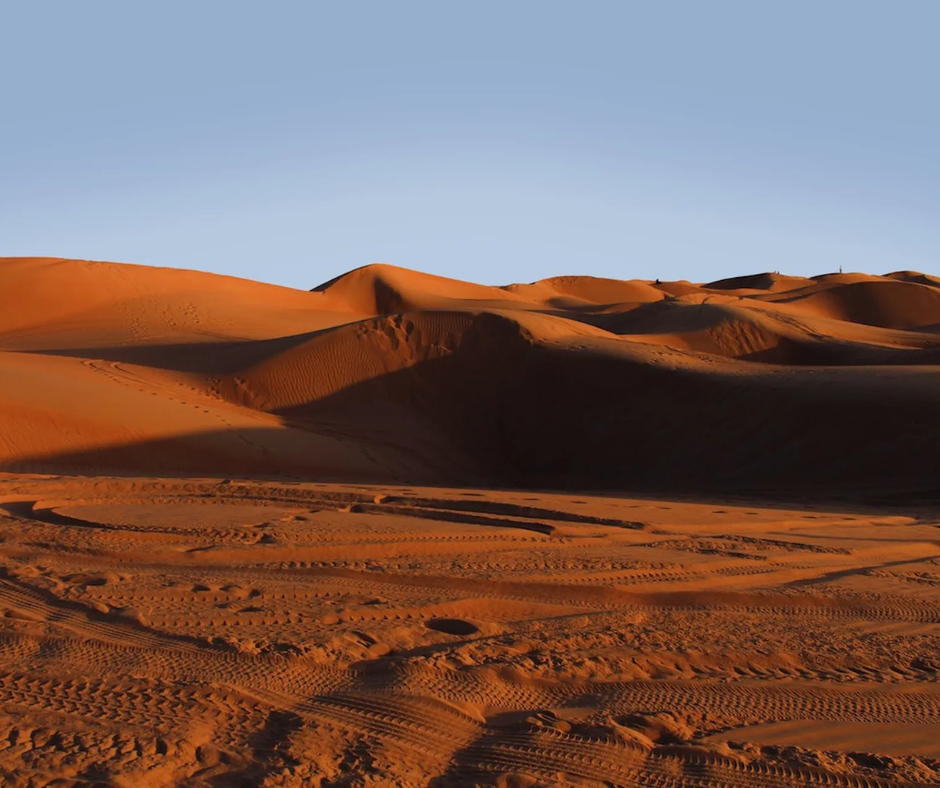
The Thumamah Desert stands as the most accessible off-road driving destination for travelers based in the capital city, situated approximately forty to fifty kilometers northeast of Riyadh.
This region is characterized by accessible rolling red sand dunes that provide an ideal training ground for drivers who want to develop their sand navigation skills before targeting the deep interior deserts.
The proximity to the urban center allows you to easily execute a half-day driving itinerary and return to the capital by evening, eliminating the need for complex wilderness camping setups.
Because of its popularity among local off-road enthusiasts, the entry tracks are well-defined, though the sand consistency can become exceptionally loose and chopped during busy winter weekends.
Massive Scale and Isolation of the Empty Quarter
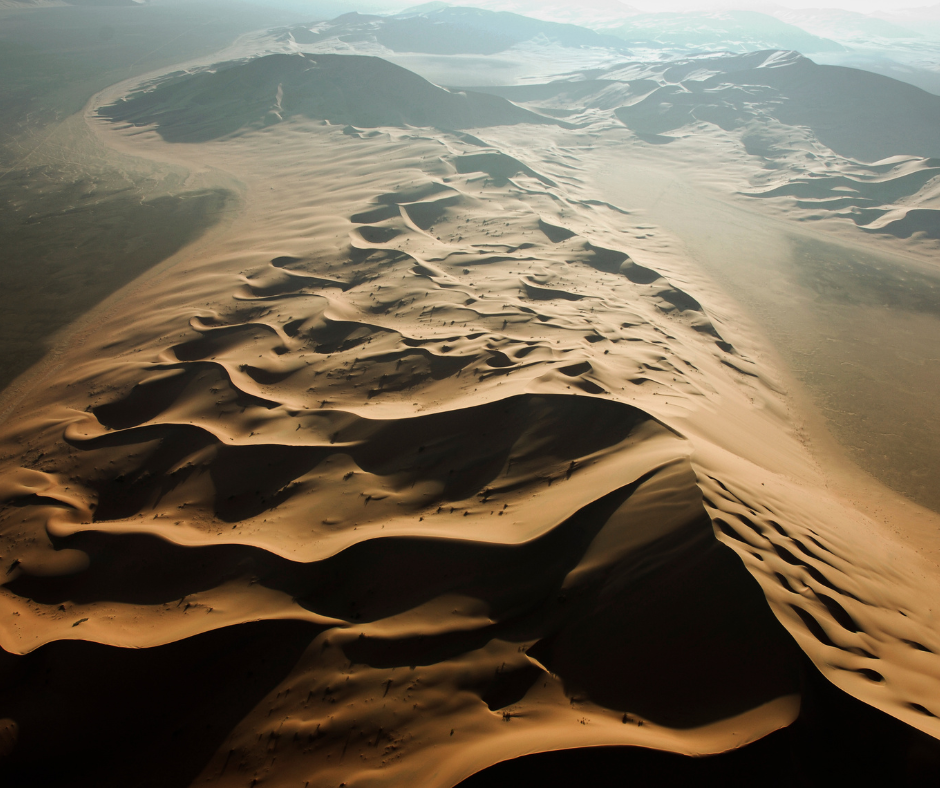
The Rub al Khali, known globally as the Empty Quarter, represents the absolute pinnacle of long-distance desert exploration, stretching across the southern territories of the Kingdom over hundreds of thousands of square kilometers.
The topography here is dominated by massive longitudinal dunes that run parallel to the prevailing wind directions like expansive sandy highways. Navigating this hyper-arid environment demands extreme vehicle preparation, advanced GPS tracking systems, and extensive fuel planning because there is zero roadside infrastructure or cellular coverage.
The scale of these sand mountains requires drivers to maintain steady momentum over extended ridgelines where the distance between extraction points can span multiple days of travel.
Archaeological Backdrops and Formations in AlUla
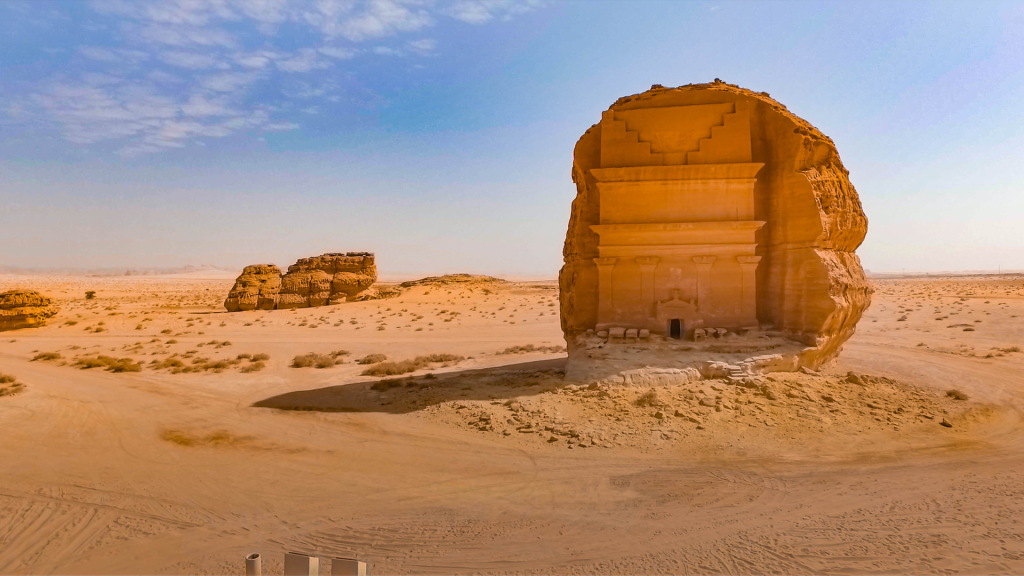
For travelers who want to combine high-velocity sand driving with world-class heritage exploration, the desert valleys surrounding the AlUla oasis deliver a spectacular visual environment.
The red sand fields in this northwestern province are framed by towering vertical sandstone cliffs and isolated rock structures, including the famous Elephant Rock landmark situated eleven kilometers east of the old town.
Dune bashing in this zone requires precise steering alignment to navigate the narrow sandy corridors that thread between ancient rock faces.
The unique terrain allows you to spend your morning executing technical climbs over soft sand crests and your afternoon studying ancient rock inscriptions at nearby UNESCO World Heritage sites like Hegra.
Primary Regional Off Road Tracks and Terrain Analysis
Every desert system across the country possesses a unique geological composition that alters how a four by four vehicle interacts with the surface. Understanding these regional variations allows you to select the correct tire pressures, entry speeds, and driving lines for each specific destination.
High Velocity Carving at the Riyadh Red Sands
The Red Sands area, located southwest of the capital along the base of the Tuwaiq Escarpment, features fine, iron-rich sand particles that form sharp crests and deep bowls.
This specific grain structure makes the terrain highly responsive to aggressive tire traction, allowing experienced drivers to perform high-velocity carving maneuvers along the upper dune lips.
The bowls in this sector provide excellent opportunities for practicing controlled descents, where the driver slides down a steep slipface while keeping the vehicle nose pointed straight down the fall line to prevent a rollover.
Arriving during the late afternoon ensures optimal visibility, as the low sun angle casts deep shadows that clearly reveal the dangerous drop-offs hidden behind the crests.
Technical Dune Climbing in the Tabuk Hisma Desert
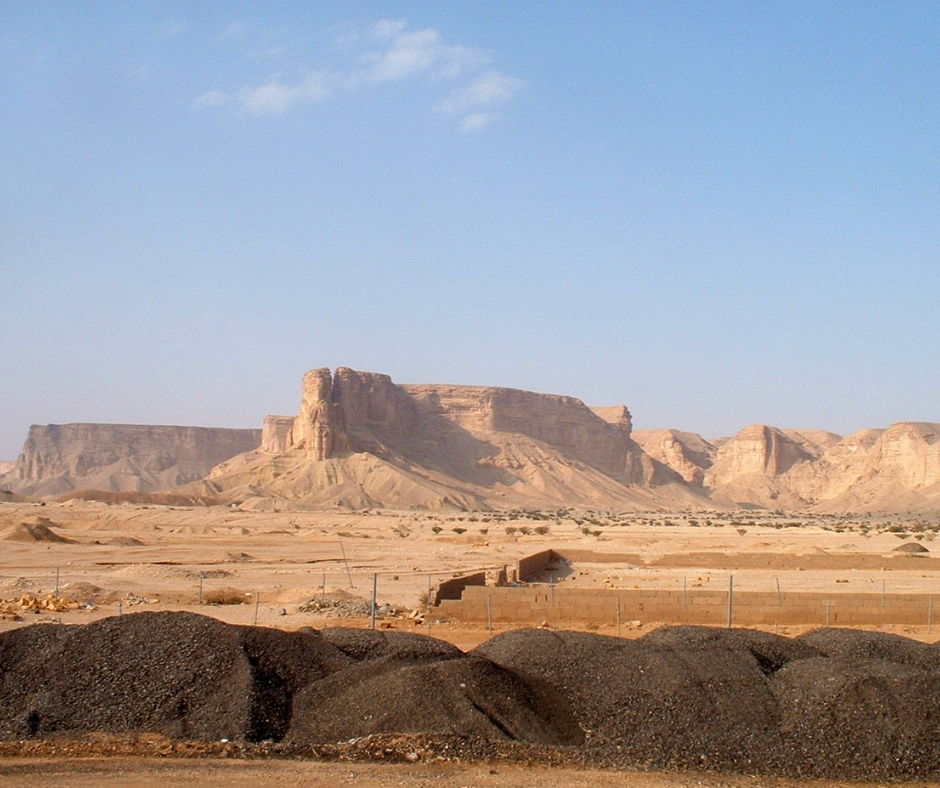
The Hisma Desert in the far northern Tabuk region presents a labyrinth of wide sandy valleys interspersed with massive labyrinthine rock corridors. The sand here is generally firmer than the powdery fields found in the south, allowing vehicles to maintain higher baseline speeds while traveling between natural rock arches and ancient petroglyphs.
The primary technical challenge involves managing the sudden transitions where loose sand drifts accumulate against the hard bases of the sandstone mountains.
Drivers must constantly modulate their throttle input to prevent the vehicle from bottoming out on hidden rock shelves covered by a thin layer of windblown sand.
Deep Incline Management in the An Nafud Field
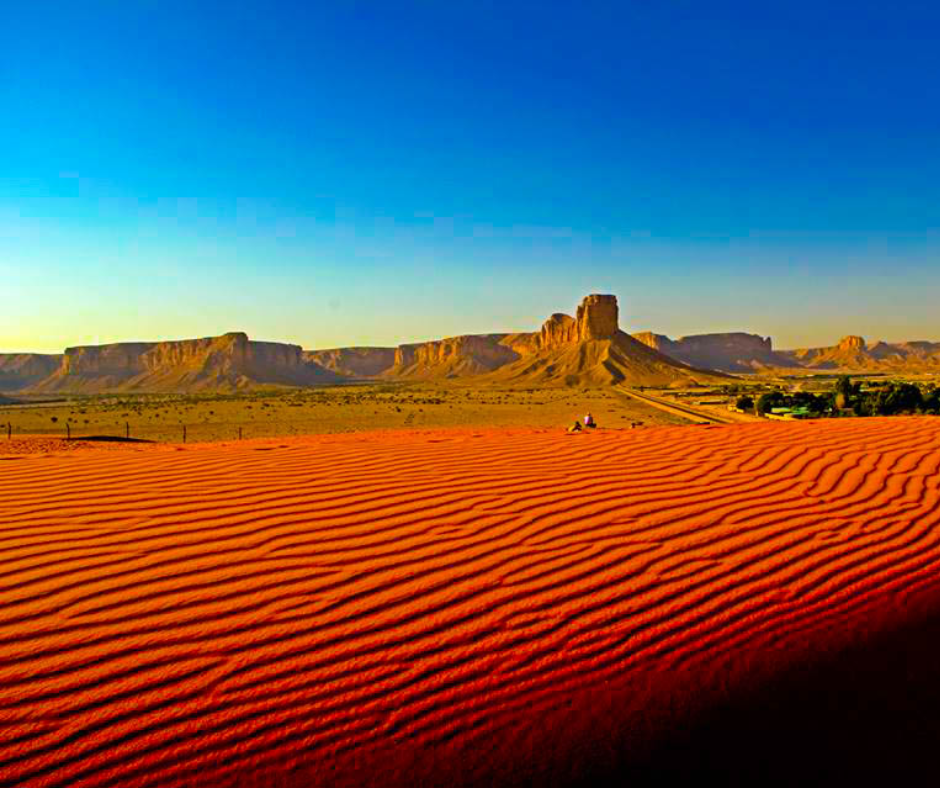
The An Nafud desert forms a massive northern sand sea characterized by immense crescent-shaped dunes known as barchans, which feature exceptionally steep lee faces.
Navigating these red slopes requires a high level of technical proficiency because the sand on the leeward side rests at the maximum angle of repose, making it highly unstable under the weight of a heavy vehicle.
When attempting to conquer these massive inclines, you must approach the slope dead-on at a perpendicular angle, avoiding any sudden steering corrections that could cause the vehicle to tilt sideways on the loose face.
If your vehicle loses forward momentum before reaching the summit, you must immediately ease off the throttle, engage reverse gear, and back down the identical track in a straight line to reset your approach.
Mechanical Vehicle Preparation and Recovery Infrastructure
Entering remote sand systems without conducting a rigorous mechanical inspection of your machinery invites immediate structural failure and leaves you vulnerable to dangerous stranding events. Your vehicle must be systematically outfitted to survive intense heat and high physical torque loads.
Standard Four by Four Specifications and Fleet Readiness
A valid desert vehicle must possess a dual-range transfer case with dedicated low-range gearing, high ground clearance metrics, and robust underbody skid plates to protect vital engine components from impact.
Before leaving the asphalt, you must thoroughly inspect all cooling systems, check your transmission fluid levels, verify battery terminal connections, and confirm that your recovery points are welded directly to the main chassis frame.
Tires must be specifically designed for all-terrain or mud-terrain use, featuring reinforced sidewalls that can safely tolerate extreme low-pressure operation without slipping off the wheel rims.
If you are utilizing a rented vehicle, you must carefully verify that the insurance contract explicitly permits driving on unpaved off-road tracks to avoid complete liability in the event of a mechanical failure.
Essential Sand Recovery Kit Inventory
Every vehicle participating in an off-road convoy must carry a comprehensive, functional recovery kit designed specifically for loose sand extractions.
This inventory must include a heavy-duty sand shovel, high-traction recovery boards with reinforced polymer grips, a kinetic tow rope capable of absorbing sudden load transfers, and heavy-duty rated rated bow shackles.
You must also maintain an accurate tire pressure gauge and a high-output twelve-volt air compressor to re-inflate your tires before returning to the public highway network.
Carrying a functional satellite communicator or a high-frequency radio is also an absolute necessity when entering deep desert zones like the Empty Quarter where standard terrestrial mobile networks are entirely non-existent.