
Visiting Dubai during the holy month of Ramadan can trigger a lot of questions about behavioral expectations, dress codes, and changing restaurant rules.
That is why our team at WildyNess created this guide to ensure you navigate the city with absolute confidence while experiencing its warm hospitality.
Core Behavioral Rules for Daylight Hours
Navigating the city smoothly during the holy month requires an understanding of the primary daily restrictions. These guidelines are designed to help you respect the spiritual environment while enjoying your journey.
Rules for Public Consumption
The most important guideline for daytime travel involves eating, drinking, smoking, and chewing gum in public spaces. From dawn until sunset, individuals are expected to refrain from consuming these items on public streets, pavements, and open outdoor spaces.
This practice shows respect for community members who are observing the fast. While enforcement leans heavily toward gentle education for tourists, intentional violations can technically attract fines under the local penal regulations.
If you need a drink of water while walking between attractions, step into an indoor environment or use a private vehicle to take a sip out of view.
Modesty and Dress Standards
Dress codes in public areas become more conservative during this holy period. While Dubai is highly accustomed to international fashion trends, public spaces like shopping malls, parks, and traditional markets require a respectful approach to clothing.
Both men and women should opt for attire that covers the shoulders and the knees. Loose garments made from breathable fabrics like linen and cotton are excellent choices because they keep you cool in the desert heat while adhering to local expectations.
Save swimwear and athletic tank tops strictly for the private confines of your hotel pool or beach resort.
Mastering the Flipped Dining Scene
A common travel misconception is that the city completely closes its kitchens during the fasting hours. In reality, the dining landscape remains active, though the layout and timing follow a distinct schedule.
Daytime Restaurant Operations
Dubai has modernized its regulations for non-fasting residents and international visitors. Major shopping mall food courts, high-end hotel restaurants, and independent cafes stay open during the day to serve lunch and beverages.
Restaurants are no longer legally required to put up dark curtains, dividers, or screens to hide diners from public view. This change makes it incredibly easy to maintain your regular meal routine.
You can walk right into open dining areas and order normally, provided you complete your consumption within the boundary of the establishment.
The Dynamics of Iftar and Suhoor
The culinary scene undergoes a massive transformation after the sun goes down. The first major meal of the evening is Iftar, which begins precisely at sunset following the evening call to prayer. Restaurants across the city transition to serving expansive buffets and set menus filled with regional favorites.
Later in the night, the focus shifts to Suhoor, the pre-dawn meal consumed before the next day of fasting begins.
In Dubai, Suhoor has evolved into a vibrant social experience where venues and custom-built air-conditioned tents stay open from nine in the evening until three or four in the morning, allowing friends and families to gather for light bites, tea, and board games.
Transportation and Urban Logistics
The daily rhythm of the city dictates how traffic moves and when transport networks experience peak demand. Aligning your transit window with the local schedule prevents major delays.
Navigating the Pre-Iftar Traffic Rush
The single most challenging hour on the road occurs during the late afternoon leading up to sunset. The sixty minutes before Iftar see a dramatic surge in traffic as residents head home or travel to restaurants to break their fast.
Drivers who have been fasting all day may be tired, and delivery services are operating at maximum capacity. It is highly recommended to complete your road travel and be parked at your destination at least forty minutes before sunset. This strategy keeps you out of gridlock and ensures a much calmer transit experience.
Utilizing Metros and Ride-Hailing Services
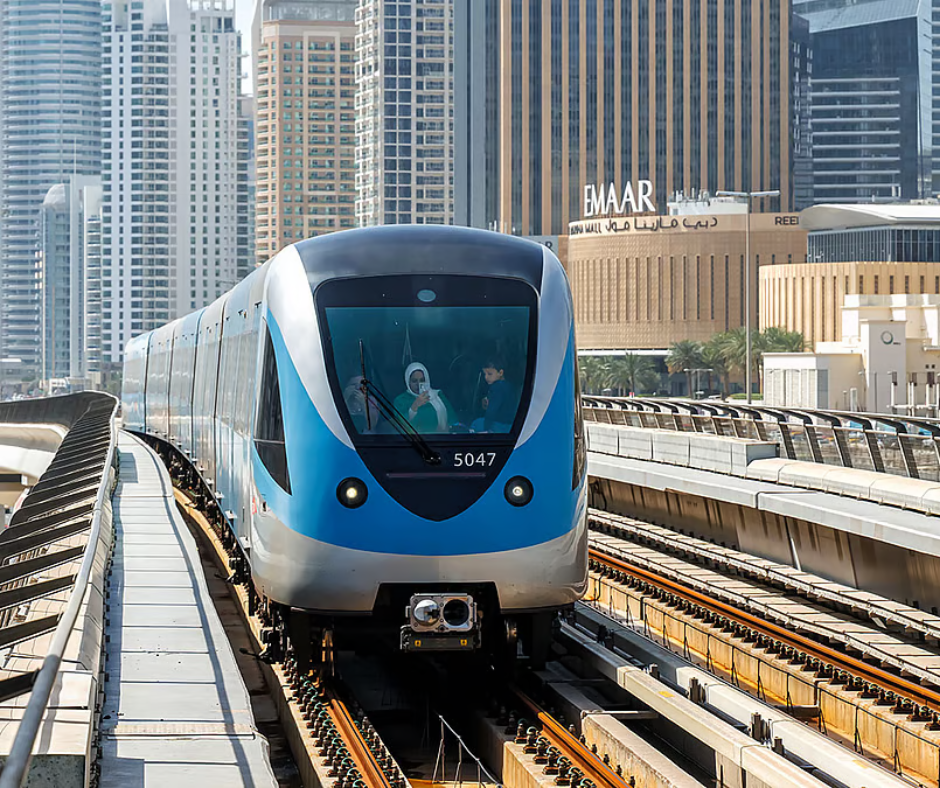
Public transportation adjusts its operational hours to match the nocturnal shift of the city. The Dubai Metro frequently extends its evening running times to accommodate passengers traveling late at night for shopping and social gatherings.
Ride-hailing applications like Careem and Uber remain fully functional, but securing a driver right at sunset can be difficult as many operators temporarily pause to break their fast.
If you must travel during this specific crossover window, booking your ride well in advance or relying on the fixed schedules of the automated metro lines is the most dependable choice.
Social Etiquette and Public Spaces
Daily interactions and entertainment formats adopt a quieter, more reflective tone during this period. Knowing how to adjust your public energy ensures comfortable interactions with locals.
Audio Volume and Media Constraints
Loud music and rowdy public behavior are deeply discouraged during this month of reflection. Background music in shopping destinations and fitness centers is lowered significantly or turned off completely.
Live music concerts and loud entertainment events are typically paused throughout the city. You can absolutely enjoy your personal music playlists while exploring, but you must use headphones to keep the audio private.
When the call to prayer echoes from the local minarets, it is customary to pause conversations and lower your voice out of respect for the tradition.
Navigating Public Displays of Affection
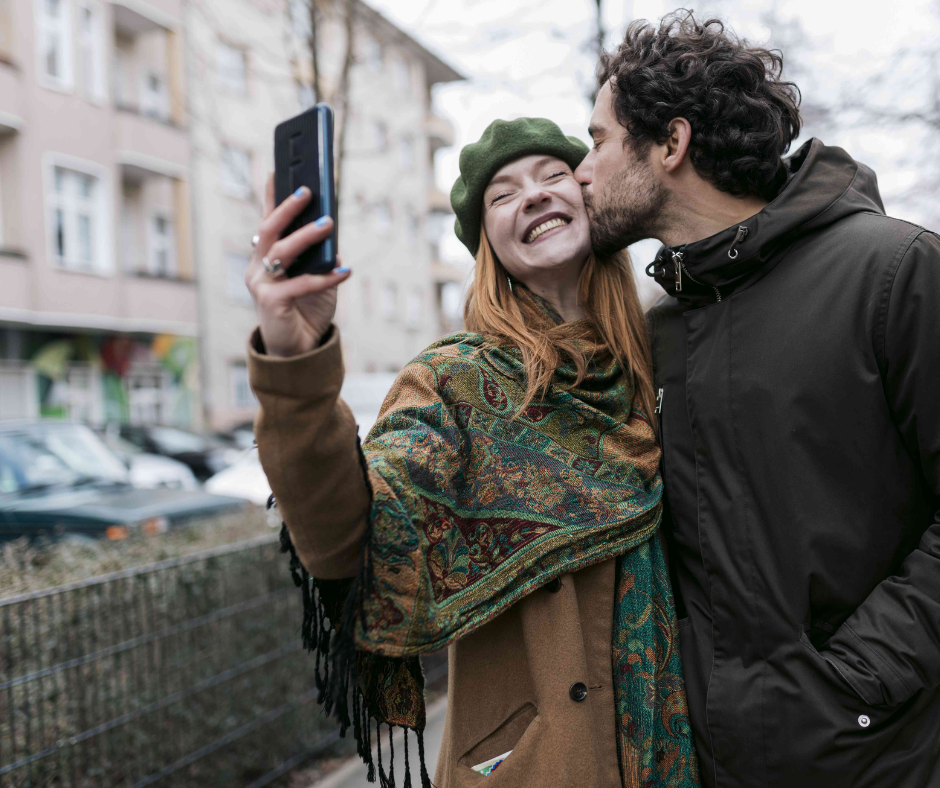
Dubai maintains clear standards for public decorum year-round, but the expectations for modesty escalate during this sacred period. Displays of affection such as kissing or intense hugging are considered inappropriate in public areas like beaches, hotel lobbies, and walkways.
Holding hands is generally acceptable for couples, but keeping your general physical interactions low-key honors the spiritual atmosphere of the season.
If an argument or a stressful situation arises in a queue or on the road, remaining calm and avoiding shouting or offensive gestures is legally and socially paramount.
Maximizing Attraction and Shopping Hours
The operational timelines for major cultural landmarks, retail centers, and recreational facilities undergo significant adjustments that can catch unprepared travelers off guard.
Daytime Sightseeing Strategies
Many cultural heritage sites, historical museums, and public offices choose to shorten their daytime hours, frequently opening later in the morning and closing by the early afternoon.
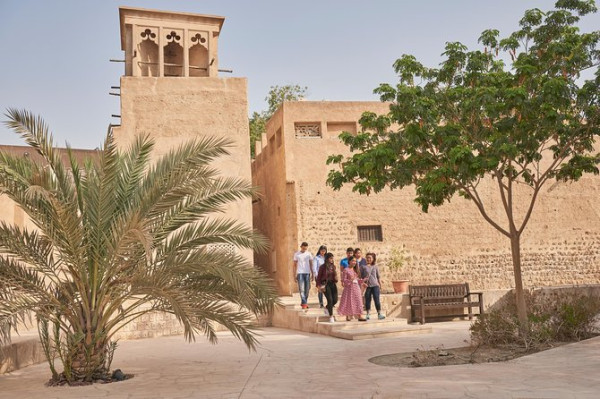
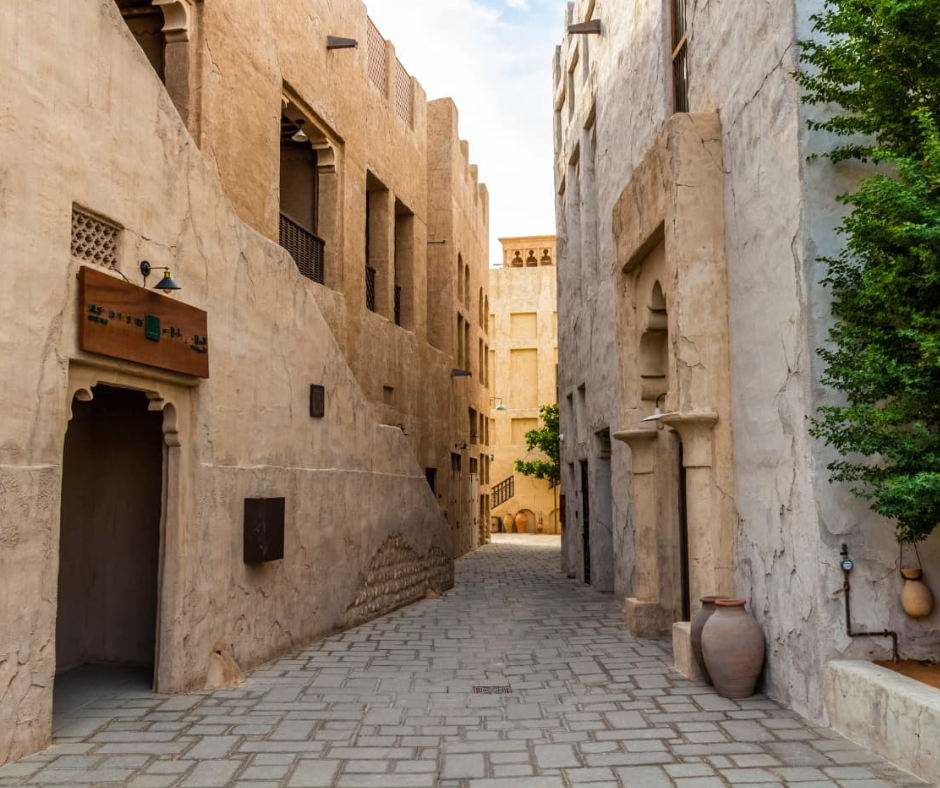
To plan your excursions effectively, utilize the cooler morning hours for outdoor activities like strolling through the Al Fahidi Historical Neighborhood or viewing beachside landscapes. Save your indoor activities for the middle of the day when temperature control is essential and shopping centers remain completely operational.
Always verify the real-time daily operating schedule of individual attractions online before setting out.
Embracing the Night Economy
The true energy of the city manifests after dark during this holy month. Major retail destinations like The Dubai Mall and Mall of the Emirates modify their operational hours to stay open until one or two in the morning.
Night markets appear across various neighborhoods, offering artisan crafts, traditional garments, and local street food. Exploring the city during these extended late-night hours provides a fascinating look at local community life.
The temperatures are lower, the crowds are energetic, and the entire retail environment feels like a celebratory festival.
Experiencing Local Hospitality Safely
Participating in evening cultural traditions is one of the most rewarding aspects of visiting the region during this time. Approaching these gatherings with basic etiquette knowledge ensures a seamless experience.
Participating in an Iftar Feast
Attending a traditional Iftar is highly recommended for any visitor seeking an authentic connection to the culture. Whether you book a seat at a grand ballroom tent or receive an invitation to a private home, the protocol remains identical.
It is polite to arrive slightly early and settle into your seat before sunset. When the call to prayer sounds, it is respectful to wait a moment for your fasting companions to take their first sip of water and eat a date before you begin piling food onto your plate.
Traditional gatherings often feature regional staples such as lentil soup, mixed grills, and sweet luqaimat dumplings. Taking moderate portions and minimizing food waste demonstrates excellent manners to your hosts.
Supporting Cultural Interaction
Engaging in friendly dialogue with hotel staff, tour guides, and shopkeepers enriches your travel experience. You can use the standard seasonal greetings like Ramadan Mubarak, which translates to a blessed Ramadan, or Ramadan Kareem, which means a generous Ramadan.
These simple gestures are universally appreciated and open the door to warm conversations.
Because many service workers are operating on reduced sleep and participating in the fast, practicing proactive patience during check-ins, retail transactions, and restaurant service is an excellent way to give back to the community that is hosting your vacation.
Conclusion
Embracing the unique pace of the city during this period allows you to witness a deeply community-focused side of local life that standard holiday seasons cannot replicate.
By managing your travel times around sunset, maintaining a modest wardrobe in public spaces, and participating in the late-night dining culture, you will experience a balanced and memorable trip.
This mindful approach converts potential travel hurdles into an incredible window of cultural immersion.