


If the name "Tataouine" rings a bell, it's likely because of its famous namesake, "Tatooine," the desert home planet of Luke Skywalker in Star Wars. But even if you're not a die-hard fan of the saga, you're about to discover a world far more captivating than any galaxy far, far away. This is not a place of CGI and special effects; it's a land of windswept dunes that whisper ancient secrets, of magnificent ksour (fortified Berber granaries) clinging to hillsides like golden mirages, and of a culture so vibrant it will color your soul.
Nestled deep in Tunisia's south, Tataouine is where the Sahara's grand drama unfolds in a stunning panorama of ochre, sand, and sky. Here, you can trace the footsteps of the nomadic Amazigh (Berber) people, learning about their enduring traditions and perhaps sharing a cup of sweet mint tea in a traditional tent. It’s an experience that is both humbling and profoundly exhilarating, offering a connection to a way of life that has thrived for centuries.
This region is about more than just breathtaking landscapes; it’s about history etched in stone, stories carried on the desert winds, and a warmth that radiates from the heart of the Tunisian people. Imagine an evening spent under a blanket of stars so bright they feel close enough to touch, listening to the timeless tales of a local storyteller. This is the Tataouine effect: it gets under your skin and stays with you long after you've returned home.
The Cultural and Historical Heart of Tataouine
While its association with Star Wars has brought it international fame, Tataouine's true identity is rooted in a history that is far richer and more complex than any film script.
Located in southern Tunisia, this region is a treasure trove of Amazigh culture. For centuries, it has served as a crossroads of civilizations, leaving behind a legacy as captivating and dramatic as the desert that surrounds it. The Amazigh people, indigenous to North Africa, have deep roots here, and their traditions are woven into the very fabric of daily life.
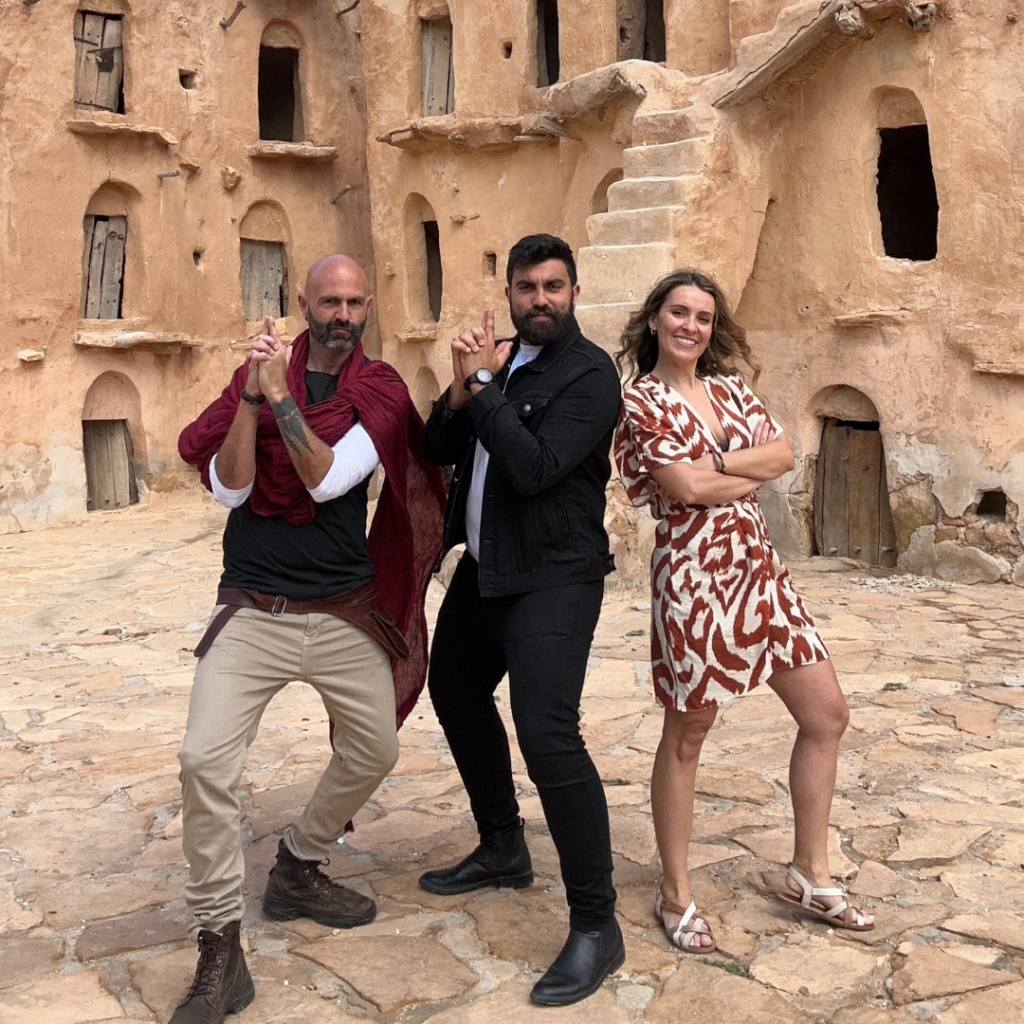
One of the most striking testaments to this heritage is the abundance of ksour that dot the landscape. These remarkable structures, such as the magnificent Ksar Ouled Soltane, were not merely fortified granaries for storing grain; they were the centers of community life, symbols of Amazigh ingenuity, architectural brilliance, and resilience against a harsh environment.
Picture entire communities living within these fortified walls, their lives intertwined with the rhythm of the seasons and the secrets held within the ksar's stacked, vaulted chambers, known as ghorfas. It’s easy to get lost in the maze-like corridors, feeling a tangible connection to the past. While Ksar Ouled Soltane did indeed serve as a backdrop in the Star Wars saga (specifically for the slave quarters of Mos Espa in The Phantom Menace), its historical significance far outweighs its Hollywood fame.
Beyond its cinematic allure, Tataouine offers a genuine glimpse into a culture that has weathered the sands of time. It’s a place where history whispers on the wind, and every sun-baked stone holds a story waiting to be discovered. Much like the hidden oases one might find on a desert trek, Tataouine is an experience that promises to refresh the spirit and leave an indelible mark on your memory.
Navigating Your Way to Tataouine
The journey to Tataouine is an integral part of the adventure, offering a chance to witness the dramatic shifts in Tunisia's landscape.
Here’s a breakdown of the best ways to reach this southern gem from the country's main hubs.
Hitting the Road: The Freedom of a Road Trip
For those who love the freedom of the open road, driving is a fantastic option. It allows you to soak in Tunisia's diverse scenery at your own pace, from coastal plains to the rugged escarpments of the Dahar plateau.
From the capital, Tunis, the most direct route is via the A1 motorway heading south towards Sfax and Gabès, before turning inland on well-maintained national roads. The journey covers approximately 530 kilometers (about 330 miles) and typically takes around 6 to 7 hours of driving time without stops. If you're starting from the popular coastal town of Hammamet, the trip is slightly shorter.
In terms of cost, fuel in Tunisia is relatively affordable. As of late 2025, you can expect to budget around 80-100 Tunisian Dinars (approximately $25-$32 USD) for fuel for a one-way trip from Tunis, though this will vary based on your vehicle's consumption. Renting a car provides the ultimate flexibility to explore the remote villages and hidden ksour around Tataouine at your leisure.
Read also: Driving in Tunisia : Everything You Need to Know Before Hitting the Road
Public Transport: The Louage and Bus Adventure
For budget-conscious travelers or those who prefer to leave the driving to others, public transport is a reliable and authentic way to travel. The most common method is the louage (shared long-distance taxi). These minibuses are faster than buses and depart once they are full. You can find louages heading south from the Gare Routière Sud (Moncef Bey) in Tunis. The journey will involve a change in Gabès, the main transport hub for the south. The total travel time is typically around 7-8 hours.
Alternatively, SNTRI, the national bus company, operates comfortable, air-conditioned bus services from Tunis to Tataouine. The bus journey is longer, usually taking around 8-9 hours, but it's a relaxing way to watch the landscape unfold. A one-way ticket is very economical, generally costing between 30-40 Dinars (roughly $10-$13 USD).

Must-See Attractions and Activities in Tataouine
You've arrived in a land that feels otherworldly. But beyond the cinematic landscapes, Tataouine is a hub of genuine cultural experiences and outdoor adventures. Let's dive into the essential attractions and activities:
Must-Visit Attractions: Ksour and Historic Villages
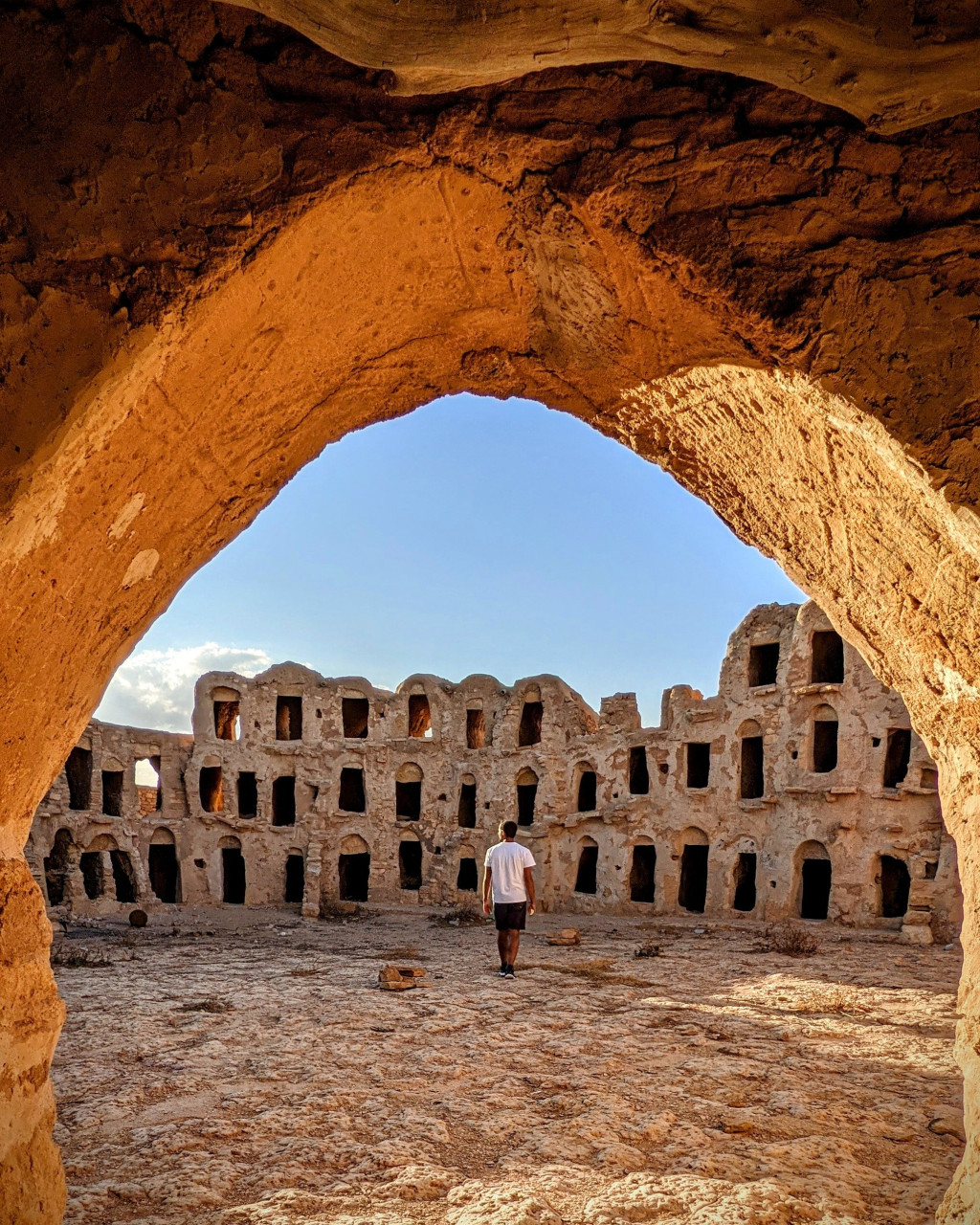
Ksar Ouled Soltane: This is, without a doubt, one of the most incredible sights in all of Tunisia. As one of the best-preserved and most visually stunning ksour, it features hundreds of stacked ghorfas rising up to four stories high around a pristine courtyard. Its fortress-like appearance and intricate design are a testament to the architectural genius of the Amazigh people.
Visit early in the morning or late in the afternoon when the golden light accentuates its dramatic features.
The Ksour Circuit: Beyond Ouled Soltane, the region is home to a circuit of other fascinating fortified granaries.
Don't miss Ksar Hadada, another filming location used for Star Wars, and the partially ruined but atmospheric Ksar Ezzahra. Each has its own unique character and story.
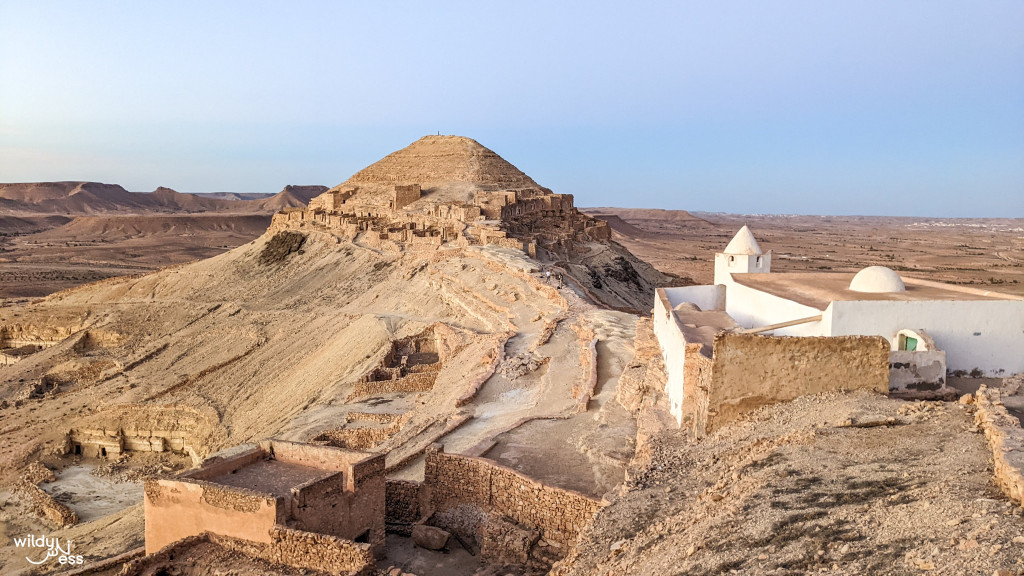
Chenini: This breathtaking Berber village is perched precariously on a high ridge, seemingly growing out of the rock itself. Walking through its narrow, winding streets feels like stepping back in time. The village is home to an ancient, whitewashed mosque and offers panoramic views of the surrounding plains. Visiting in a guided tour with a knowledgable guide here is highly recommended to understand the history and culture of the community that still calls this place home.
Douiret: Similar to Chenini, Douiret is another ancient hilltop village, now largely abandoned but incredibly evocative. Its underground mosque is a highlight, and the sense of history is palpable as you wander through its silent, honeycombed structures.
Outdoor Activities: Hiking and Desert Adventures
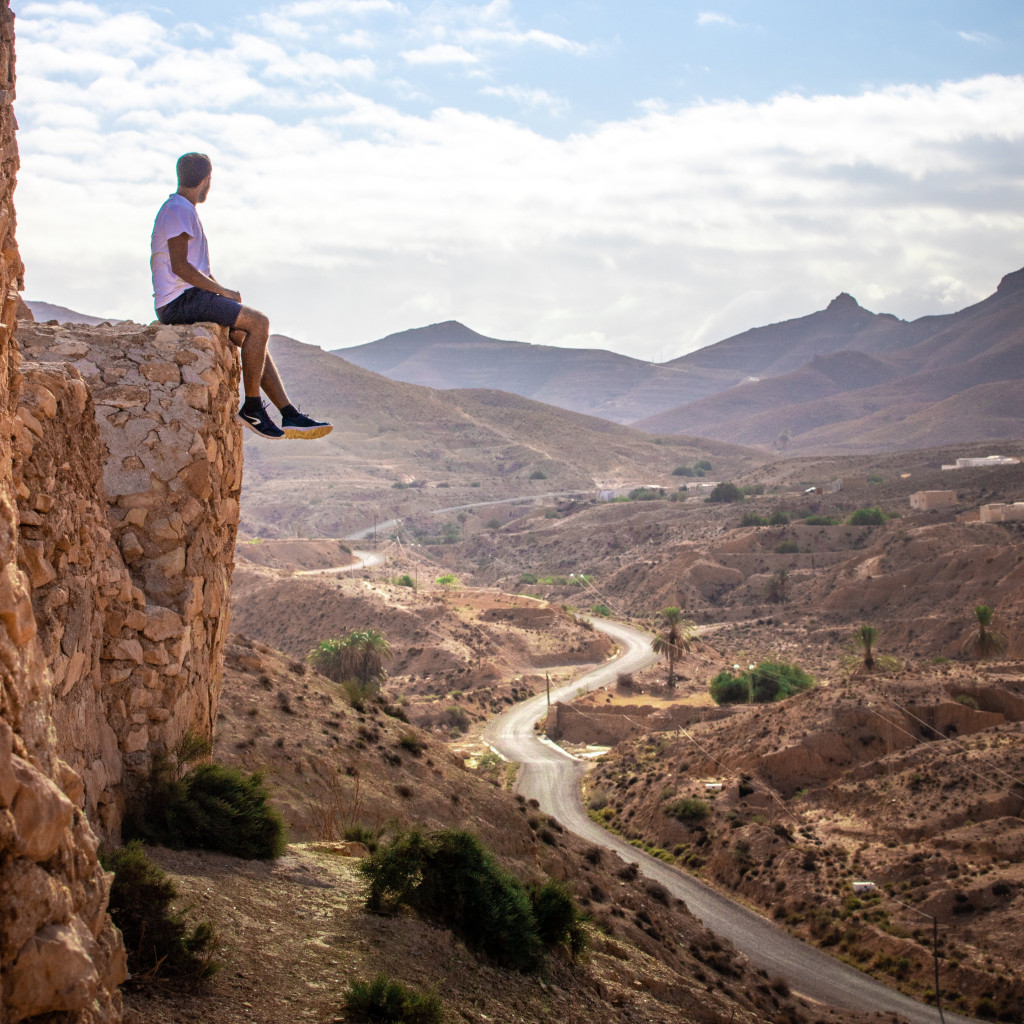
Hiking in the Dahar Mountains: The rugged, beautiful landscapes surrounding Tataouine make it a paradise for hikers. There are trails for all levels, from gentle strolls between villages to more challenging multi-day treks through the Dahar massif. A guided hike is the best way to discover hidden springs, ancient fossils, and dramatic canyons while learning about the local flora and fauna.
Sahara Desert Adventures: No trip to the south is complete without venturing into the Sahara. From Tataouine, you can arrange 4x4 excursions to the nearby dunes of Ksar Ghilane, a stunning oasis with a hot spring perfect for a relaxing dip. For a more traditional experience, embark on a camel trek and spend a night under the stars at a desert camp. The silence and clarity of the night sky are unforgettable.
Rest and Recharge: Where to Stay
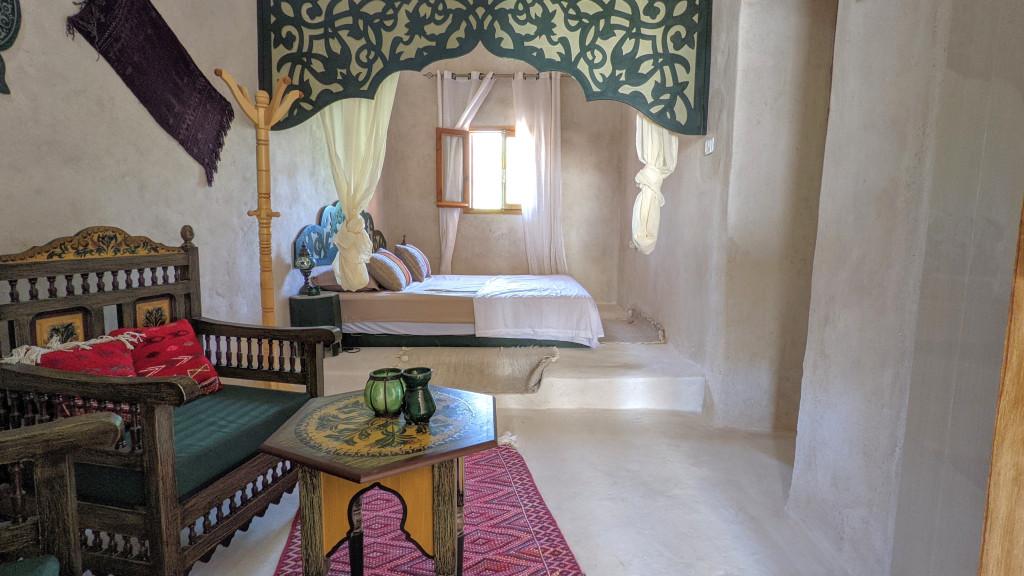
In Tataouine, accommodations are an extension of the adventure itself. While there are conventional hotels in the main town, the most memorable stays are found in charming guesthouses and converted traditional dwellings in the surrounding villages. These family-run lodges and eco-friendly accommodations offer a unique opportunity to connect with the local Berber community.
Imagine listening to stories by a crackling fire under a star-filled sky or savoring a home-cooked meal prepared with local ingredients. Many lodges also organize guided tours, cultural workshops, and desert excursions, providing a deeper and more meaningful connection to the land and its people.
Savoring Tataouine: A Culinary Exploration
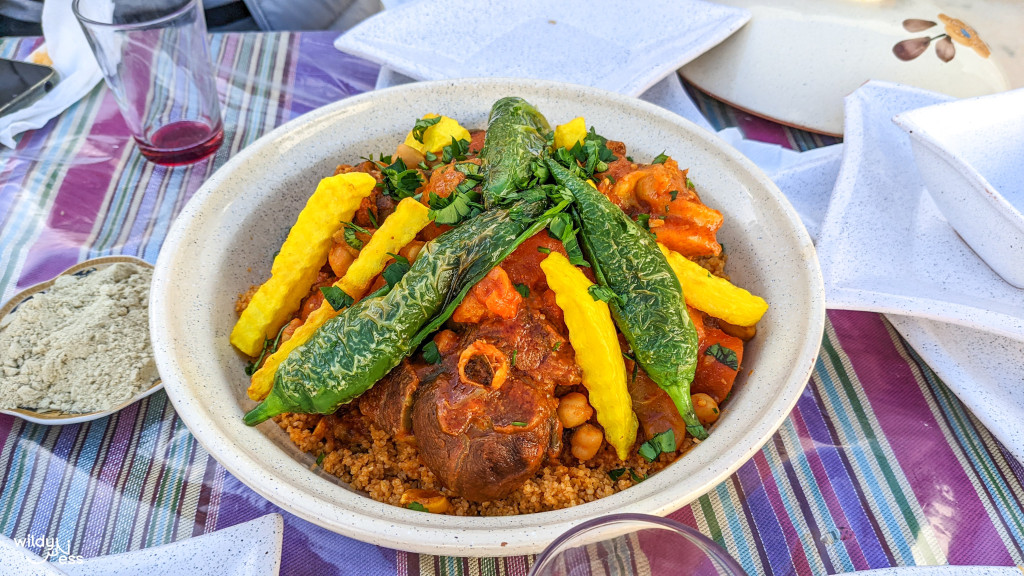
Tataouine's food scene is an adventure for the taste buds, offering a delicious introduction to the heart of Berber culture. The cuisine is hearty, flavorful, and designed to nourish. Our recommendations include dishes you won’t find anywhere else in the world or at least not as authentic and flavorful.
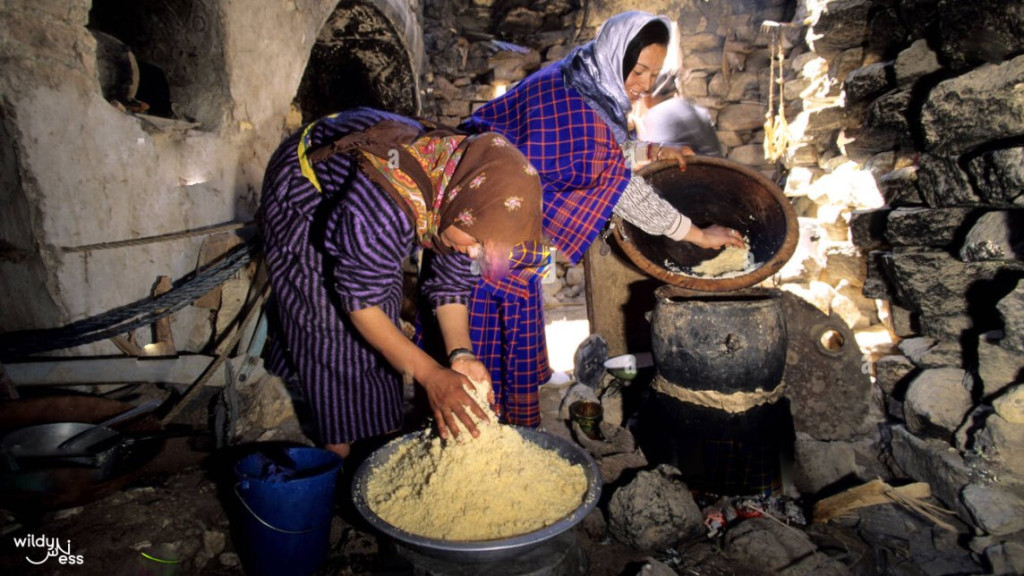
One must-try is Mahchi Tataouin, a fried pastry coated in honey syrup and filled with crushed almonds. Another is Assida, a unique dish enjoyed with olive oil, honey, and butter. Finally, don’t miss the southern-style couscous, lovingly prepared by local women in the region.
Venture into the small, local eateries in the town market or in the villages to find the most authentic flavors. A must-try is the local lamb, renowned for its taste, often prepared in a gargoulette, a sealed clay amphora buried in hot embers to cook slowly. And remember, sharing a meal is a cornerstone of the culture here. It's an act of hospitality and connection.
Essential Travel Tips for Your Tataouine Adventure
To make the most of your journey to this unique corner of the world, keep these key takeaways in mind.
-
Time Your Visit Wisely: The best times to visit southern Tunisia are during the spring (March to May) and autumn (September to November). The weather is pleasant and ideal for exploring. The summer months of June through August can be intensely hot, while winter nights can be surprisingly cold.
-
Dress Appropriately: Pack light, breathable layers for the daytime and a warmer jacket or fleece for the cool desert nights. When visiting villages, mosques, and interacting with local communities, dressing modestly (covering shoulders and knees) is a sign of respect for local customs.
-
Stay Prepared: The desert sun is strong. Sunscreen, a wide-brimmed hat, and sunglasses are essential. Staying hydrated is crucial, so always carry plenty of water. Sturdy, comfortable walking shoes are a must for exploring the rocky terrain of the villages and ksour.
-
Embrace Cultural Curiosity: Be open to engaging with locals. Learning a few basic Arabic or French phrases will be greatly appreciated. If a local invites you for mint tea, accept it as the gesture of friendship and hospitality it is.
-
Capture the Moment Respectfully: The landscapes are stunning, but always ask for permission before taking photos of people. Photography may be restricted at some historical or religious sites as a way to preserve their heritage.
Tataouine is more than just a travel destination; it's a living story, a journey into the heart of a resilient culture and a timeless landscape.
Embrace its unexpected beauty, connect with its warm and welcoming people, and let the spirit of the desert captivate you.
Email Us and Let's plan together the trip you will keep talking about for years after.


