
Finding a trail that matches your specific fitness level and your appetite for adventure in the northern emirates can often feel like a daunting task.
That is why our team at WildyNess created this guide to help you navigate the rugged peaks and deep canyons of the region with absolute confidence.
Jebel Jais Mountain Trails and Peak Conquests
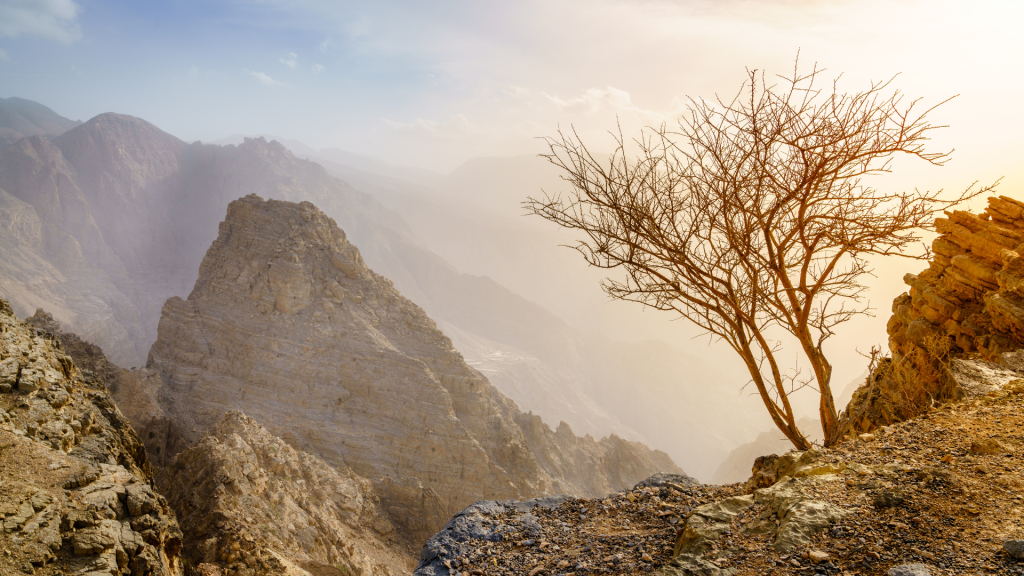
Jebel Jais stands as the highest peak in the United Arab Emirates and serves as the primary hub for hikers seeking cooler temperatures and expansive views. The mountain features a professionally developed trail system that caters to a wide range of abilities from casual walkers to serious mountaineers.
Beginner Routes and Family Viewing Points
For those who are new to the area or traveling with younger children, the lower trails near the viewing deck park provide an excellent introduction to the terrain. These paths are well marked and offer a relatively flat surface while still providing the dramatic mountain backdrop that makes this region famous.
You can enjoy a leisurely thirty minute stroll that leads to various observation points where the limestone cliffs drop away into the valleys below. These walks allow you to experience the scale of the Hajar Mountains without the need for specialized technical gear or high levels of cardiovascular endurance.
Intermediate Ridge Hikes and Summit Views
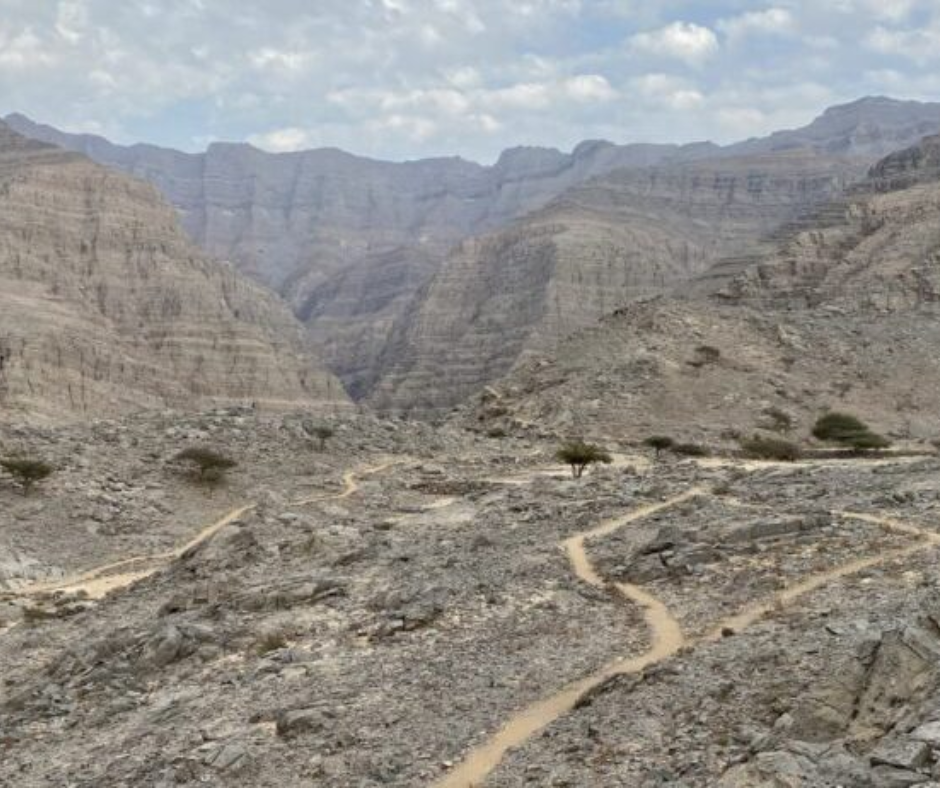
The upper trail complex offers more significant challenges for hikers who are looking to elevate their heart rate and see the horizon from a higher vantage point. The Ghaf Summit trail is a popular choice that winds through native vegetation and rocky outcrops for several kilometers.
This route provides a steady incline that rewards you with a panoramic view of the coastline and the distant desert dunes. Another excellent option is the Samar Hike, which takes you through slightly more technical terrain but remains accessible for anyone with a basic level of fitness and a sturdy pair of shoes.
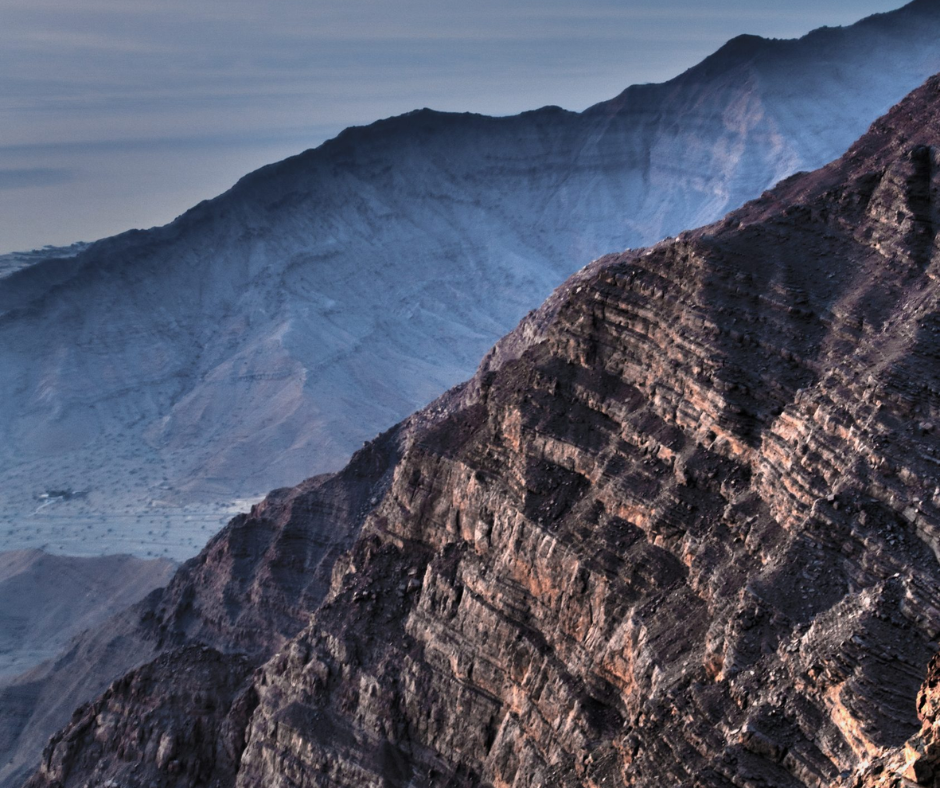
Exploring the Rugged Beauty of Wadi Shah
Wadi Shah offers a starkly different experience compared to the high ridges of Jebel Jais because it takes you deep into the heart of the mountain's geological history. This area is characterized by steep canyon walls and a dry riverbed that reveals the raw power of seasonal water flow.
Navigating the Canyon Floor
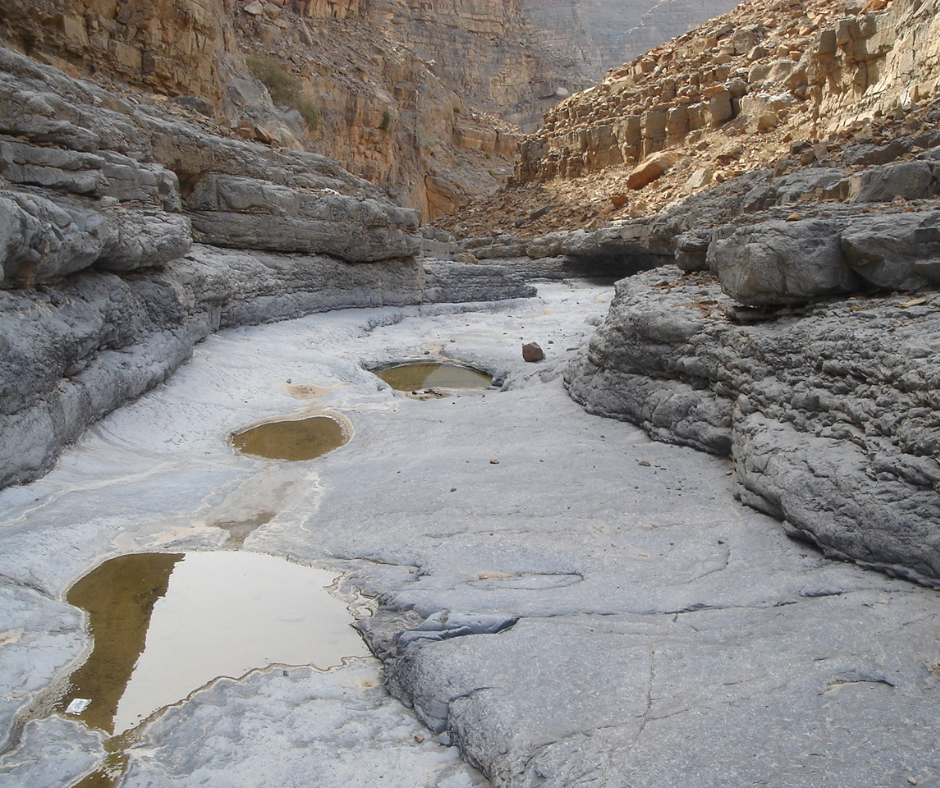
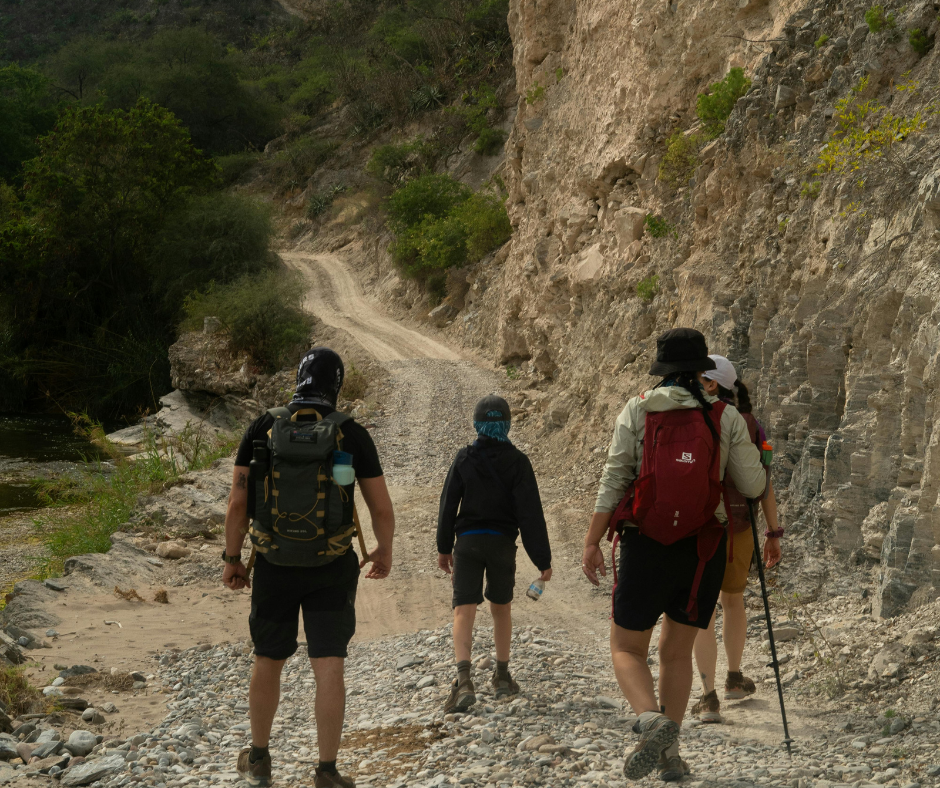
The journey through Wadi Shah typically begins in a wide riverbed filled with smooth boulders and pale gravel. As you progress deeper into the canyon, the walls begin to narrow and the shade increases, providing a natural respite from the sun.
You will need to navigate around large rock formations and occasional pools of water if you are visiting shortly after the winter rains. This section of the hike requires good balance and a keen eye for finding the most stable path through the shifting stones of the wadi floor.
Reaching the High Terraces and Abandoned Villages
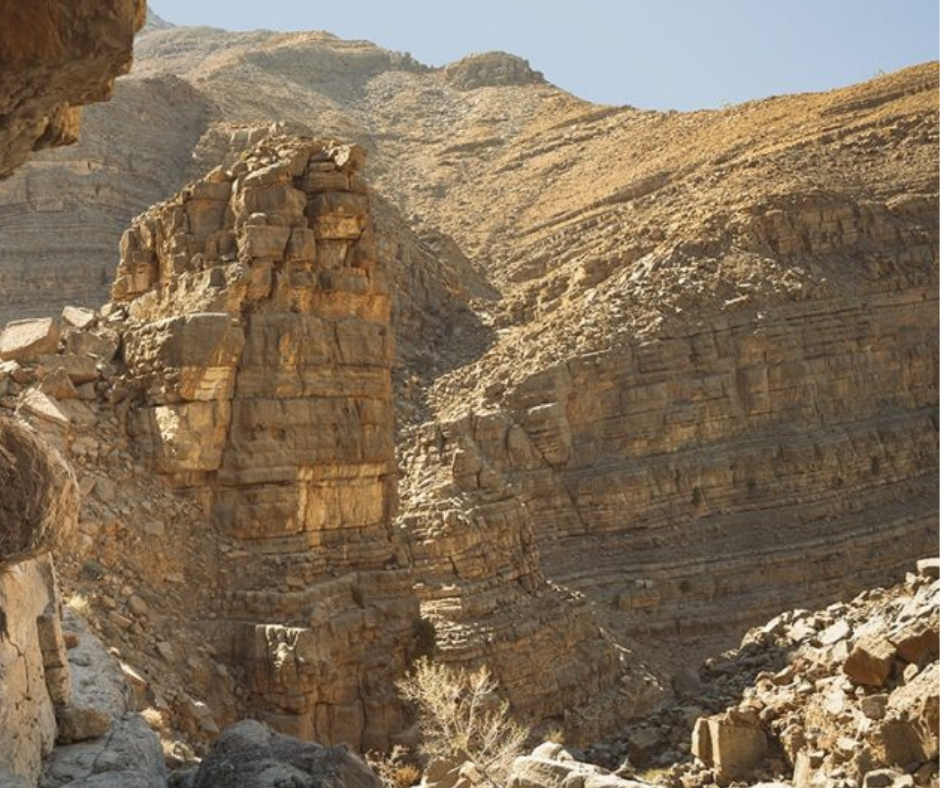
Beyond the canyon floor, the trail ascends toward the higher terraces where you can find the remnants of old stone dwellings and farming settlements. These ancient structures offer a glimpse into the traditional mountain life of the local tribes who once called these rugged heights home.
The climb to these terraces is demanding and involves a series of steep switchbacks, but the sense of isolation and history found at the top is unparalleled. It is a place where the modern world feels very distant and the quiet of the mountains takes over completely.
Family Friendly Adventures at Shawka Dam
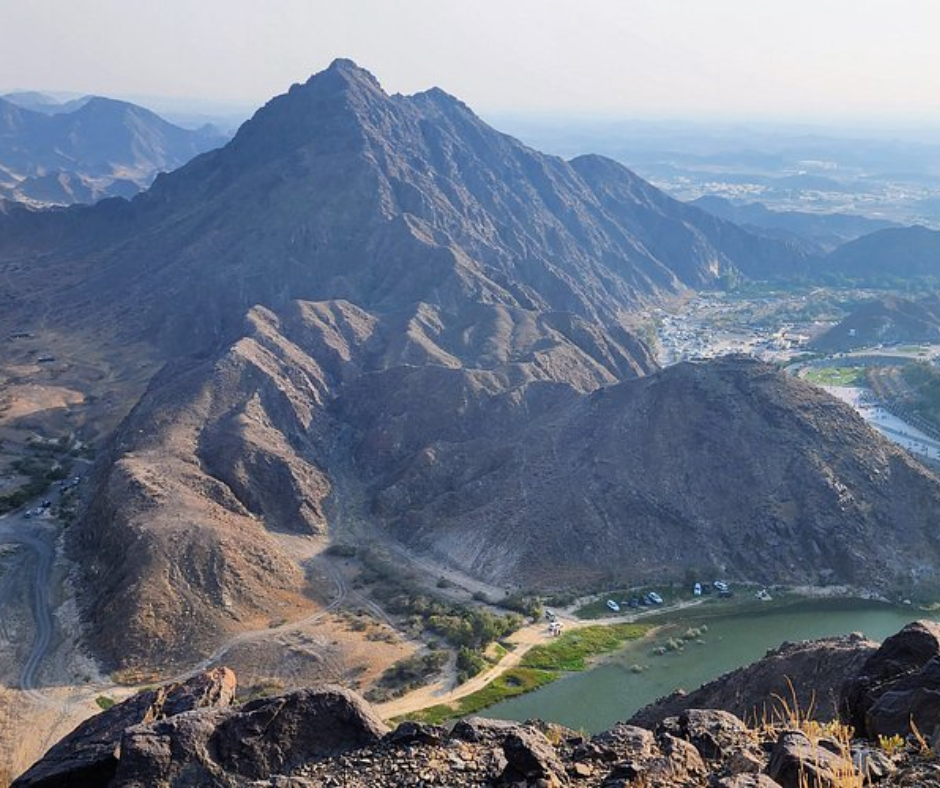
The area surrounding Shawka Dam is perhaps the most versatile location for outdoor enthusiasts in Ras Al Khaimah. It combines accessible walking paths with the opportunity to see local wildlife and unique desert flora in a relatively concentrated area.
Leisurely Loops Around the Reservoir
The primary path around the Shawka Dam is perfect for a morning outing with the whole family. The terrain is mostly flat and follows the perimeter of the water, offering plenty of spots to stop for a rest or a quick snack.
During the winter months, the reservoir often attracts various bird species, making it a great location for amateur birdwatchers to practice their skills. This route is short enough to keep children engaged while still providing enough natural beauty to satisfy the adults in the group.
Easy Wadi Walks and Nature Discovery
If you are looking to venture slightly further from the dam, the nearby wadi beds offer gentle trails that are easy to follow. These paths allow you to explore the desert environment at your own pace without the pressure of significant elevation gain.
You might encounter local goats or find interesting geological features like quartz veins in the surrounding rocks. These walks are best enjoyed in the early morning hours when the light is soft and the temperature is at its most comfortable for physical activity.
The Technical Challenge of the Stairway to Heaven
For the most experienced trekkers, the Stairway to Heaven represents the pinnacle of hiking in the UAE. This is not a standard walking trail but rather a demanding route that involves significant exposure and technical scrambling.
Preparing for the Vertical Ascent
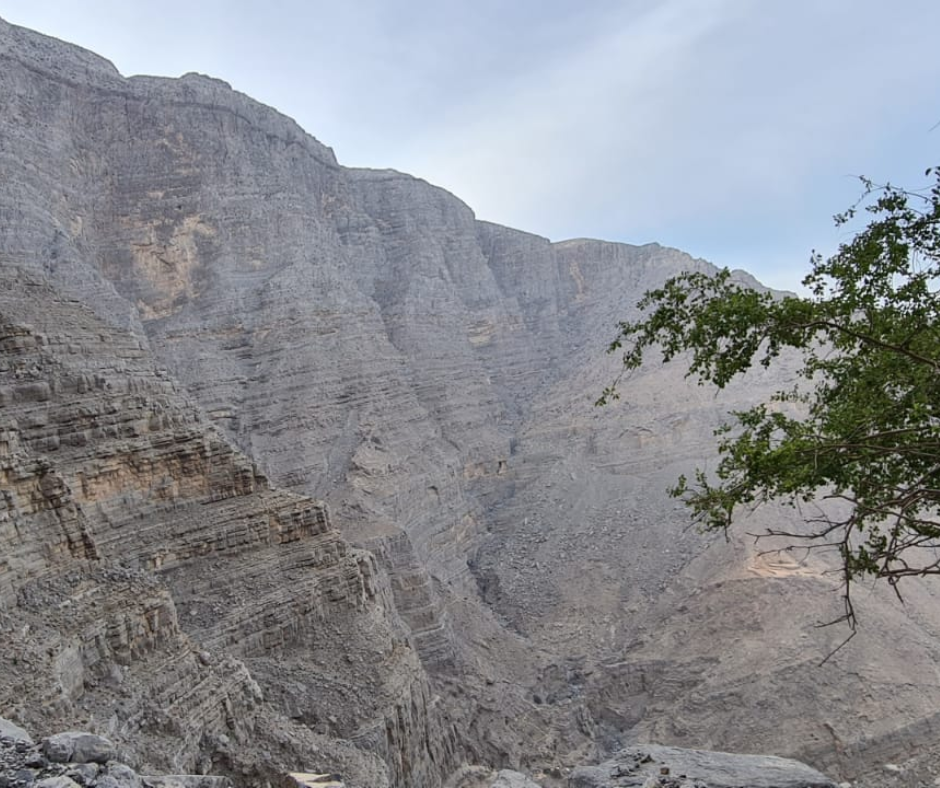
The ascent requires a high level of physical fitness and a complete lack of vertigo as the path clings to the side of a massive limestone cliff. You will find yourself using your hands for balance and upward movement as much as your feet.
It is essential to have a deep understanding of your own limits before attempting this route because there are very few places to turn back once you have committed to the upper sections. The climb is a test of mental fortitude as much as physical strength, requiring total focus on every foot placement.
Safety Protocols and Group Coordination
We strongly recommend that you never attempt the Stairway to Heaven alone. Going with a group or an experienced mountain guide ensures that you have support if navigation becomes difficult or if a member of the party becomes fatigued.
Safety equipment such as a basic first aid kit and a fully charged satellite communication device are highly recommended in this area. The descent can be just as challenging as the climb, often taking several hours of careful maneuvering over loose scree and rocky ledges to return to the valley floor safely.
Essential Preparation and Gear Selection
A successful day on the trails starts long before you reach the mountain base. Having the right equipment and a solid plan is the difference between a rewarding journey and a stressful ordeal in the desert heat.
Footwear and Traction Requirements
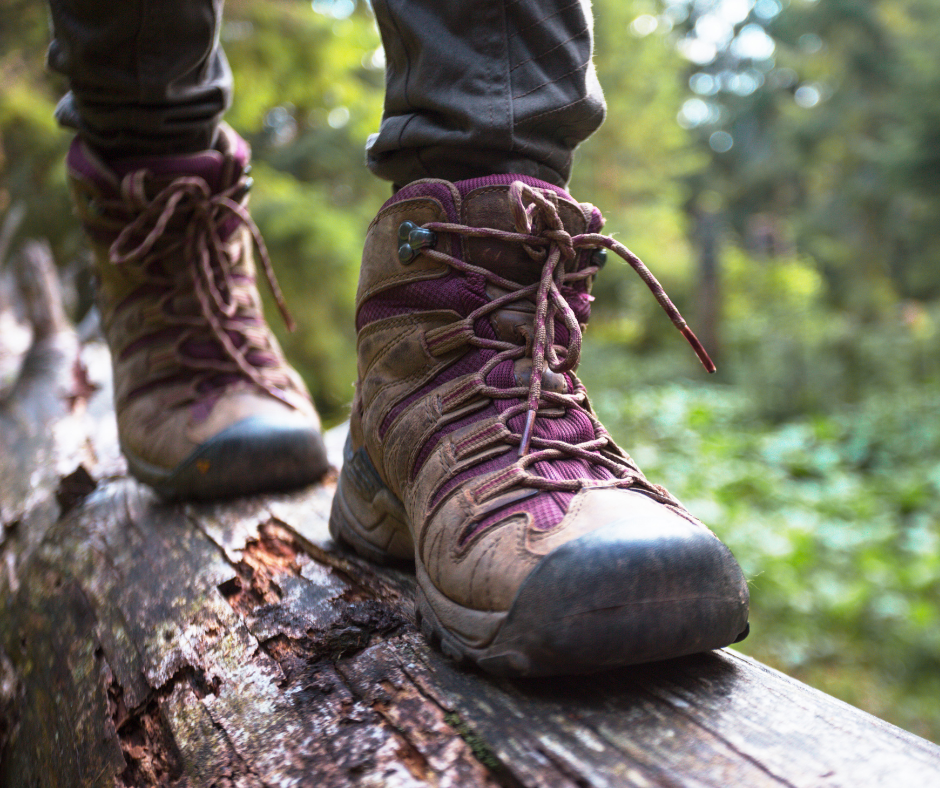
The terrain in Ras Al Khaimah is notoriously hard on footwear due to the sharp limestone and loose gravel. You should prioritize hiking boots or shoes that offer a high level of traction and ankle support.
A thick sole will protect your feet from the heat of the ground and the sharp edges of the rocks. Before you set out, ensure that your shoes are well broken in to avoid the pain of blisters on longer excursions.
Hydration and Nutrition Strategies
You must carry more water than you think you will need when exploring the mountains of the UAE. We suggest a minimum of three to four liters of water per person for a full day of hiking. It is also wise to include electrolyte powders or tablets to replace the salts lost through sweat.
Pack energy dense snacks such as nuts, dried fruits, and protein bars that can withstand the heat without melting or spoiling. Eating small amounts consistently throughout the day will keep your energy levels stable during the most difficult climbs.
Seasonal Timing and Weather Considerations
The climate in the northern emirates dictates when and where you can hike safely. Understanding the local weather patterns is vital for any trekker visiting the region.
The Peak Trekking Season
The best time to explore the hikes in Ras Al Khaimah is between the months of October and April. During this window, the daytime temperatures are manageable and the evenings are pleasantly cool. This is when the mountains are at their most active with hikers and outdoor enthusiasts.
Even during this peak season, it is best to start your hike at first light to make the most of the cooler morning hours and ensure you are finished before the heat of the mid-afternoon reaches its peak.
Dealing with Heat and Flash Flood Risks
Summer hiking is generally discouraged due to the extreme temperatures which can easily exceed forty degrees Celsius. However, even in the cooler months, you must stay aware of the weather forecast. Flash floods are a real and dangerous possibility in the wadis of Ras Al Khaimah.
Rain in the distant mountains can cause a wall of water to rush through a dry canyon with very little warning. If you see dark clouds over the peaks or hear the sound of rushing water, you must immediately move to higher ground and stay out of the wadi floor until the threat has passed.
Navigation and Trail Safety Tips
Staying on the right path is crucial when the landscape can often look identical in every direction. Modern technology and old school preparation should go hand in hand.
Digital Mapping and Offline Access
Cellular service is often non-existent once you move deep into the canyons or high onto the ridges. You should download offline maps of your chosen trail before you leave home. Applications that use GPS to track your location even without a data signal are invaluable tools for mountain safety. Always take a screenshot of your intended route and your parking location so that you have a quick reference point if your navigation app fails.
Communication and Emergency Planning
Always inform someone of your planned route and your expected return time before you head into the mountains. This simple step ensures that someone knows where to look for you if you do not check in as planned.
Carrying a whistle and a small mirror can serve as effective low tech signaling devices in an emergency. If you find yourself lost, the best course of action is often to stay in one place and wait for assistance rather than wandering further into unknown territory.
Capturing the Experience through Photography
The dramatic landscapes of the Hajar Mountains offer incredible opportunities for photography if you know when to look. The play of light and shadow on the limestone walls creates a constantly changing canvas.
The Golden Hour in the Mountains
The hour just after sunrise and the hour before sunset are the most spectacular times for photography in Ras Al Khaimah. The low angle of the sun brings out the textures of the rock and casts long, dramatic shadows across the valleys.
During these times, the harsh desert light softens into warm oranges and deep purples, making every vista look even more impressive. Plan your hike so that you are at a scenic overlook during these windows to capture the best possible images of your journey.
Protecting Your Equipment
The fine desert dust and high heat can be tough on cameras and smartphones. We recommend keeping your gear in a padded, dust proof bag when you are not actively taking photos.
Use a lens cloth frequently to remove any grit that might scratch your optics. If you are using a smartphone, be aware that direct sunlight can cause the device to overheat and shut down, so keep it in a shaded pocket of your pack whenever possible.
Read also: Things to Do in Ras Al Khaimah: The Ultimate Guide
Hiking in the UAE | Everything You Need to Know Before You Go