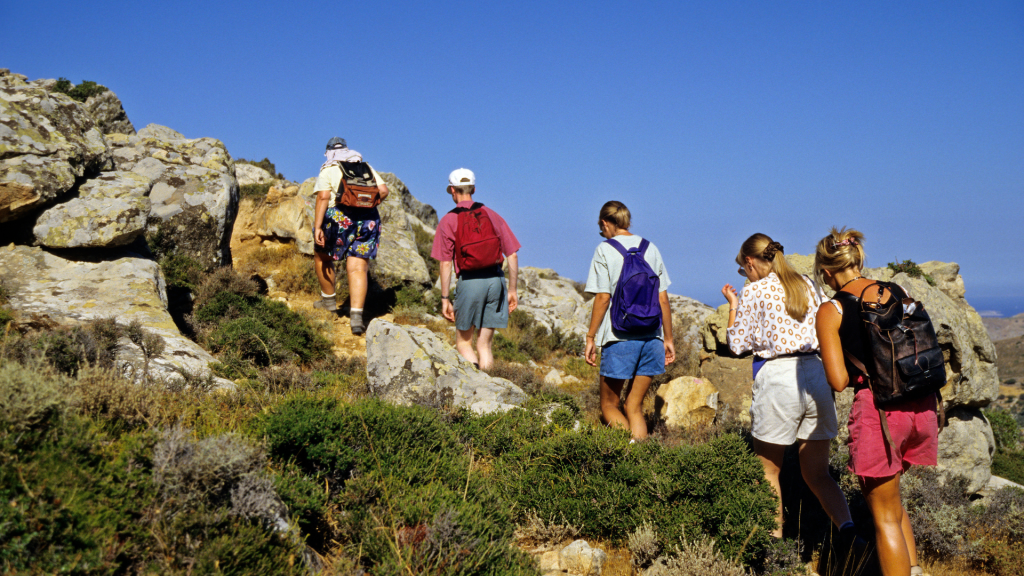

Planning your first hike in the UAE can be tricky. One minute you see an "easy" trail online, and the next you are standing on sliding rocks with no shade. That is why we made this guide. We want to give you the real facts on the best paths, the best times to go, and how to stay safe.
Hiking in the Emirates is different than hiking in cool or green places. The ground changes fast from soft sand to sharp rocks, and the sun is very strong even in winter. When you know what to expect, you can stop worrying and just enjoy the trip.
The Best Time to Hike: Understanding the UAE Season
Timing is the most important decision you will make for any outdoor activity in this region. We define the UAE hiking season as the period between late October and early April when the humidity drops and the mercury stays within a safe range for physical exertion. During this window, you can expect daytime temperatures between twenty and thirty degrees Celsius, which is manageable for most hikers.
The peak months are December, January, and February. These are the weeks when you can enjoy longer, more technical treks without the risk of heat exhaustion. Early mornings are crisp and sometimes even cold in high-altitude areas like Jebel Jais, where temperatures can dip toward zero at night. We always recommend checking the local weather forecast specifically for the mountain regions, as conditions in the Hajar range can differ significantly from the coastal cities of Dubai or Abu Dhabi.
If you choose to hike in the shoulder months of May or September, you must adapt your strategy. This means starting your hike at the first light of dawn and finishing by nine or ten in the morning. Attempting to stay on an exposed trail during the midday sun in these months is dangerous and never recommended by our team. Summer hiking from June to August is generally avoided by experienced residents unless it is a very short sunrise walk at high elevation.

Beginner Trails for a Solid Start in the UAE
The Al Rabi Tower Trail in Khorfakkan
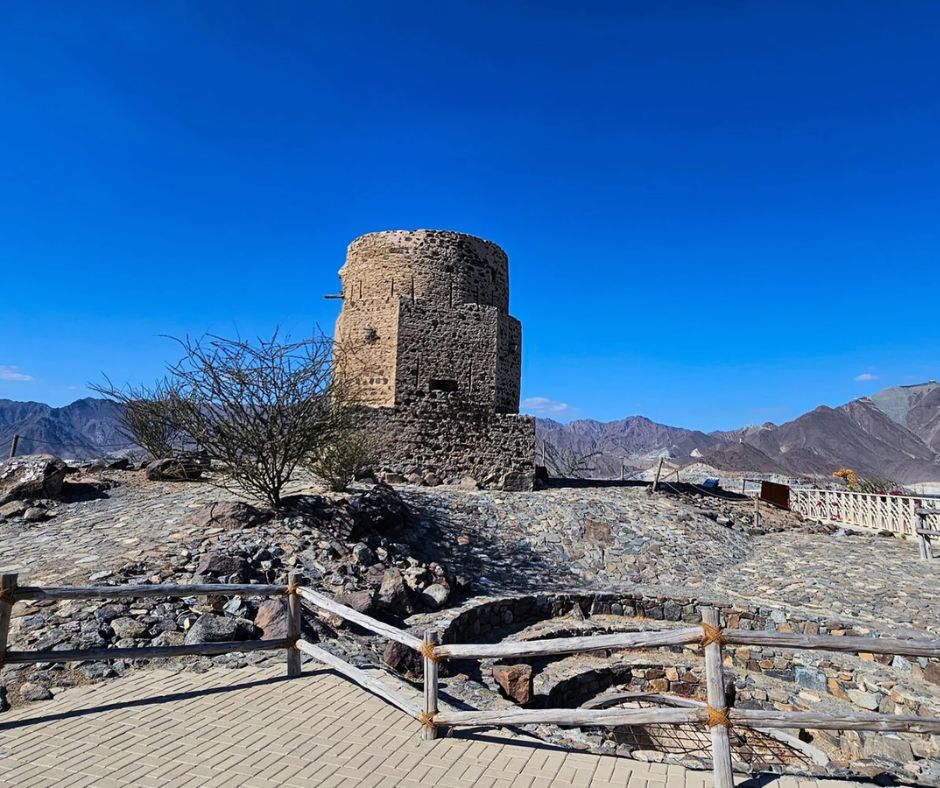
If you are new to the local terrain, you want trails with clear marking and manageable elevation. The Al Rabi Tower Trail in Khorfakkan is perhaps the best entry point for a new hiker. This well-maintained path offers a clear ascent to a summit overlooking the Gulf of Oman. The trail is roughly three kilometers to the top and provides several rest stops with built-in benches where you can catch your breath and look back at the coastline.
Wadi Abadilah trail in Fujairah
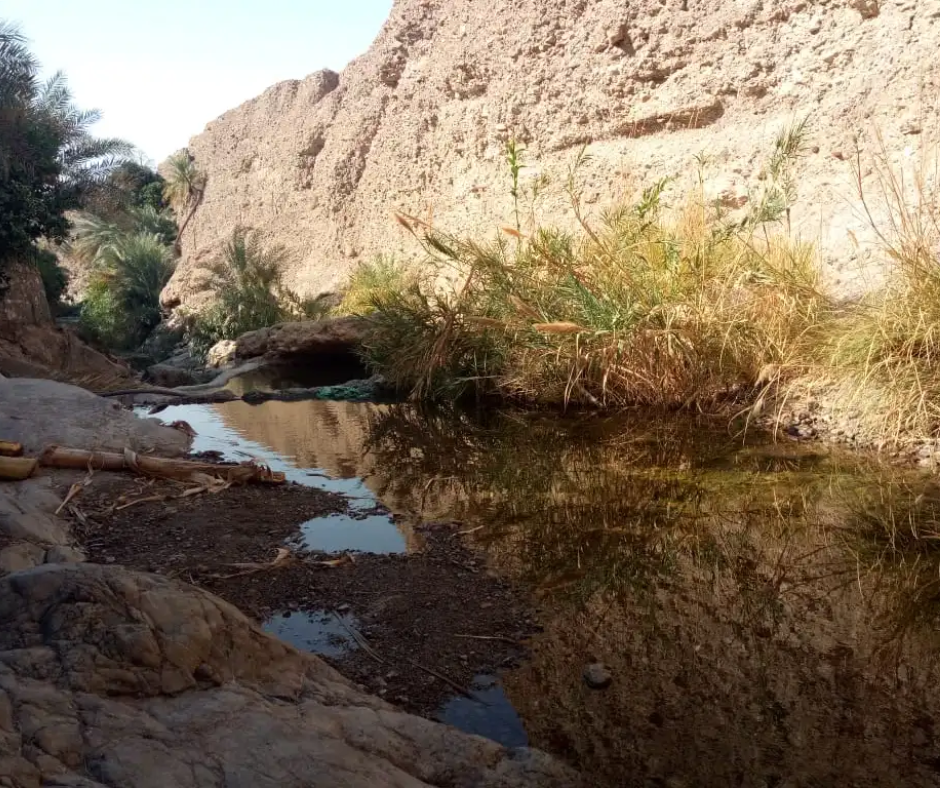
Another excellent option for beginners is the Wadi Abadilah trail in Fujairah. This hike is unique because it feels like an oasis compared to the surrounding rocky desert. You will walk through farms and see small pools of water and palm trees. The ground is relatively flat with some sections of bouldering that are easy enough for children to navigate. It is a great place to practice moving over uneven rocks without the pressure of a steep climb.
For more about hiking in Fujairah, we recommen reading Hiking in Fujairah.
Hatta Wadi Hub
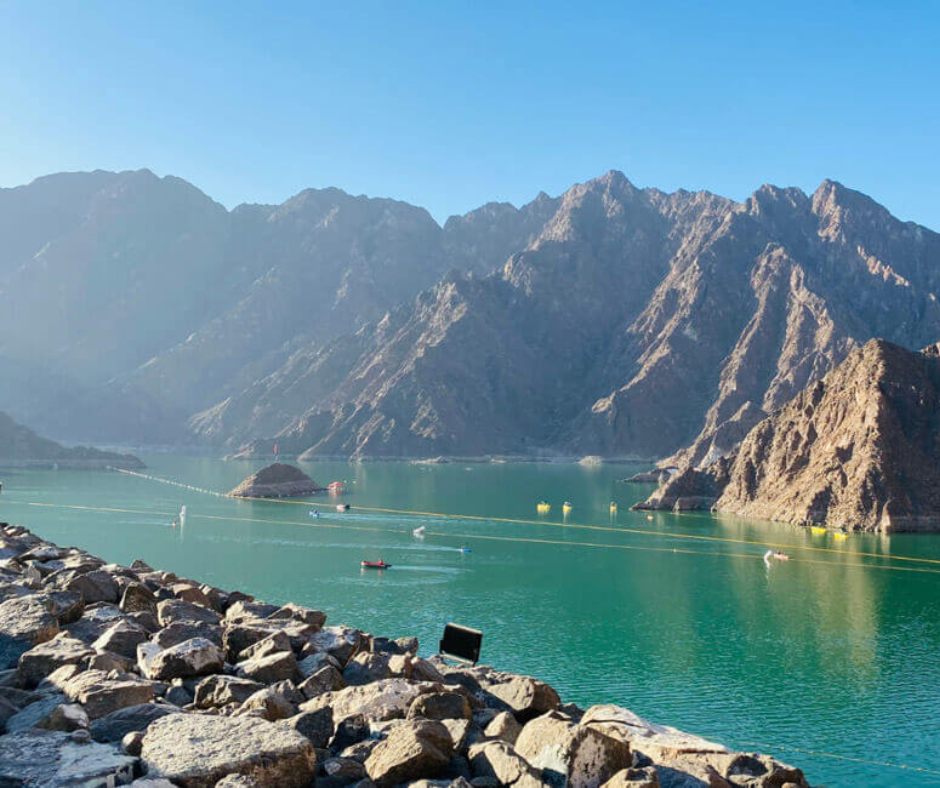
For those in Dubai, the Hatta Wadi Hub offers a massive network of trails that are organized like a ski resort. They use a color-coded system where green trails are the easiest. These paths are wide and mostly flat, making them ideal for a fitness walk or a family outing. You can easily spend two hours exploring the green loop near the Hatta Dam before heading back for a coffee at the hub.
Read Also: The Ultimate Guide to Hiking Near Dubai in 2026
Intermediate Treks: Stepping Up the Challenge in the UAE
The Shawka Dam Loop in Ras Al Khaimah
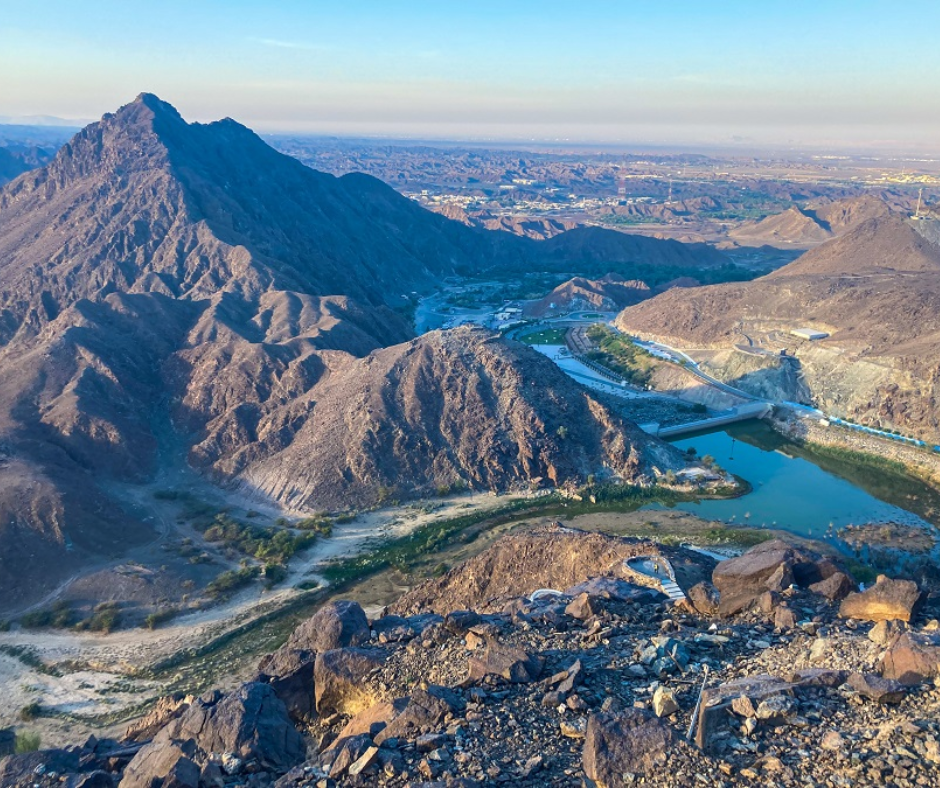
Once you are comfortable with rocky paths and basic navigation, you can move toward more rugged terrain. The Shawka Dam Loop in Ras Al Khaimah is a favorite for those looking to build endurance. This trail typically involves a steep staircase climb at the start followed by a undulating ridgeline. It is a ten-kilometer loop that takes about three to four hours to complete and provides a great introduction to the vastness of the Hajar Mountains.
For more detailed informations about wadi shawka, read Wadi Shawka: A Scenic Hiking Oasis in the UAE's Mountains
Ain Al Sheria in Fujairah
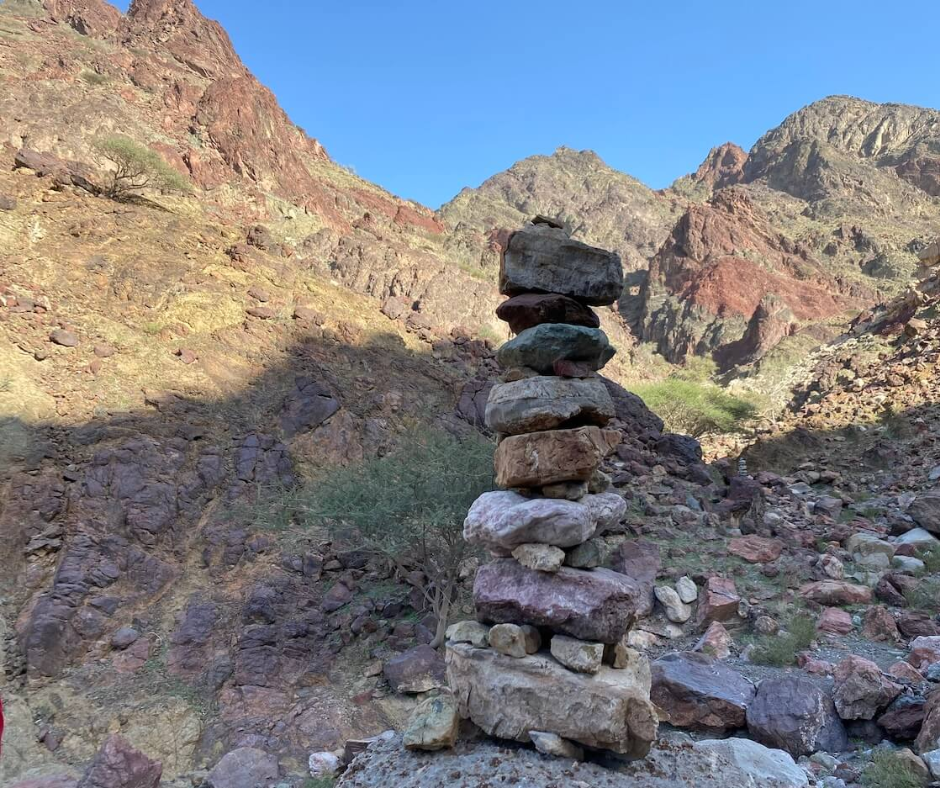
Ain Al Sheria in Fujairah is another intermediate gem that focuses on geology. This trail is famous for its massive rock walls that display layers of red, orange, and purple stone. The path is about eight kilometers long and requires a bit more focus on navigation than the beginner routes. You will encounter petroglyphs and ancient rock art along the way, which adds a layer of history to your physical effort.
For more things to do in Fujairah, we recommend reading The 8 Best Things to Do in Fujairah in 2026: Hiking, Snorkeling, History & more
Samar Trail on Jebel Jais
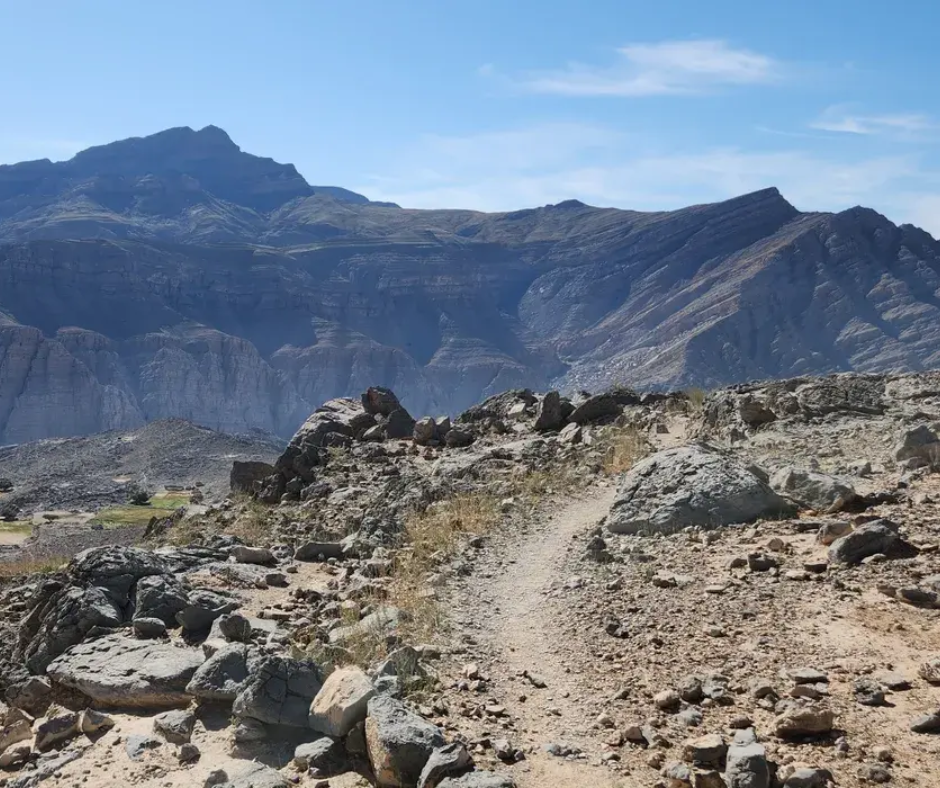
We also suggest looking at the Samar Trail on Jebel Jais for a mid-level experience. This is part of the lower trail system on the UAE’s highest mountain. It provides a rugged desert mountain feel with wide-open views of the valleys below. The path is about six kilometers long and features some steep sections that will get your heart rate up without requiring technical climbing gear or advanced bouldering skills.
Advanced Missions: Technical and Demanding Routes in the UAE
The Stairway to Heaven in Wadi Ghalilah
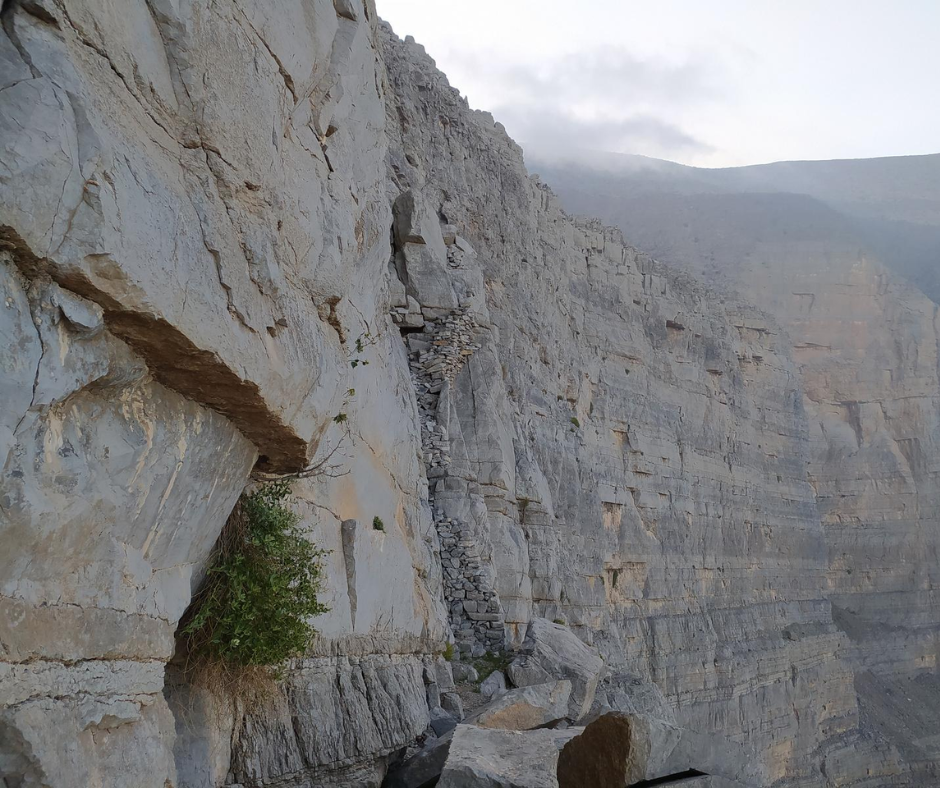
For experienced hikers who want to test their technical skills, the UAE has world-class challenges. The Stairway to Heaven in Wadi Ghalilah is the most famous advanced route in the country. This is an ancient mountain path used by the Shihuh tribe to traverse the steep cliffs. It involves significant exposure and very steep climbs over loose rock. This is not a trail for anyone with a fear of heights, and it requires a full day of effort and excellent navigation skills.
Wadi Shah
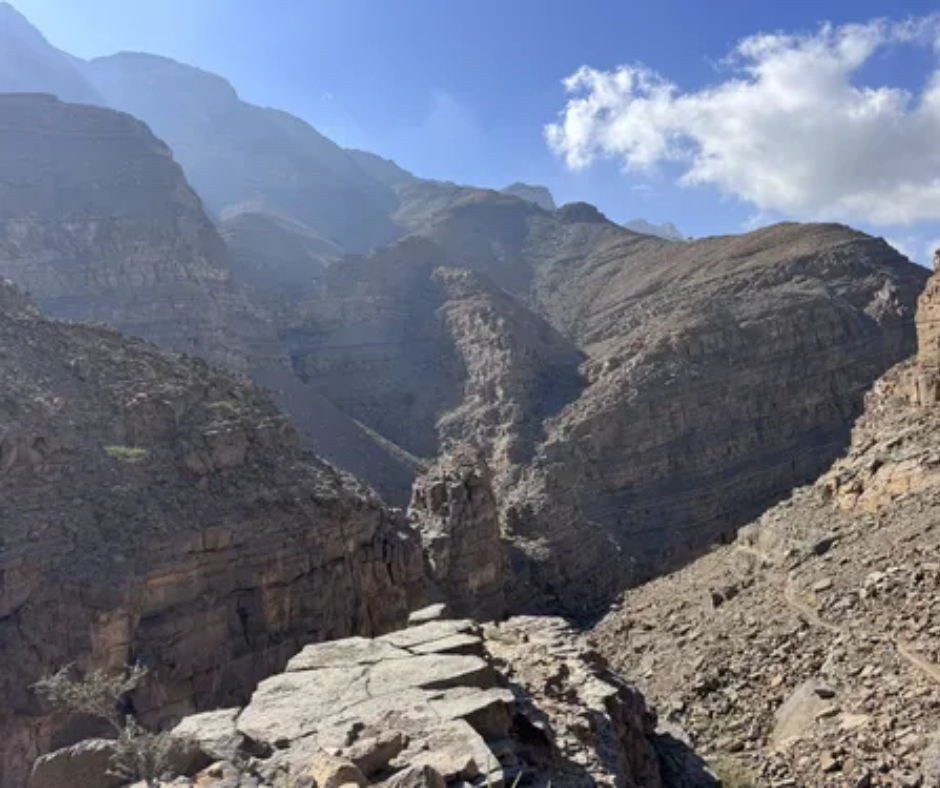
Wadi Shah is another demanding loop that takes you deep into the heart of the mountains. This nine-kilometer route features a massive elevation gain and takes you through abandoned stone villages and high mountain passes. The terrain is rough underfoot and the path is not always clearly marked, so you must be confident using GPS or offline maps. It usually takes between six and seven hours to complete at a steady pace.
Jebel Hafeet in Al Ain
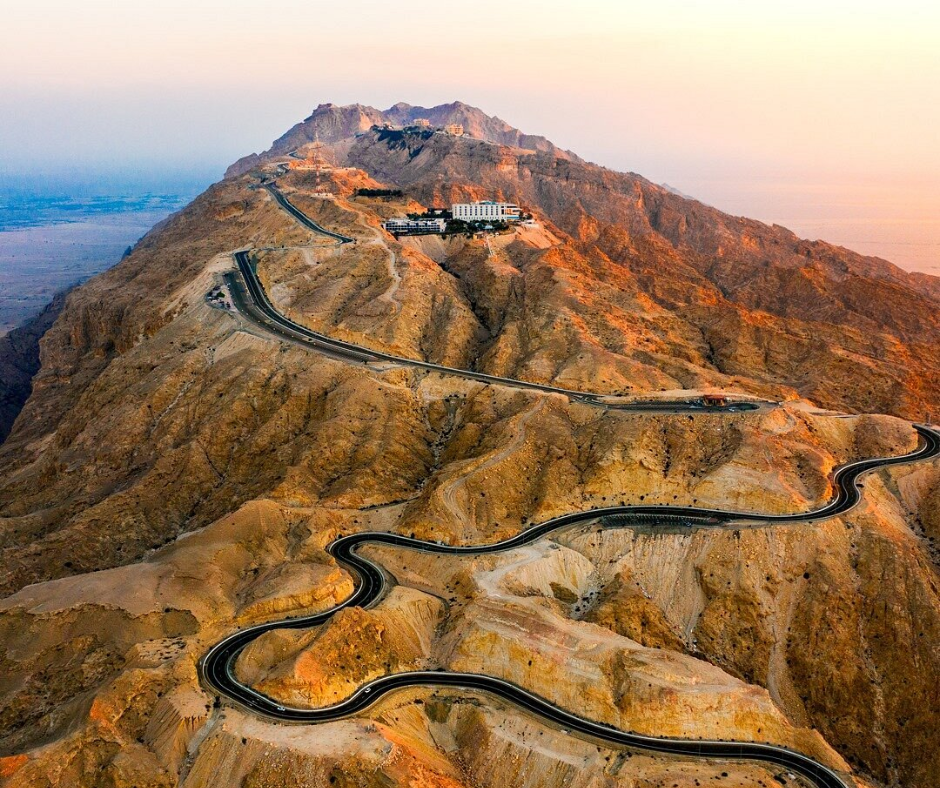
Jebel Hafeet in Al Ain offers a different kind of advanced challenge. While many people drive to the top, the hiking trails on the backside of the mountain are steep and relentless. The heat is often more intense in Al Ain than on the coast, so this trek requires careful water planning and a very early start. The reward is a view of the vast Rub' al Khali desert stretching out toward the horizon.
Essential Gear for the UAE Landscape
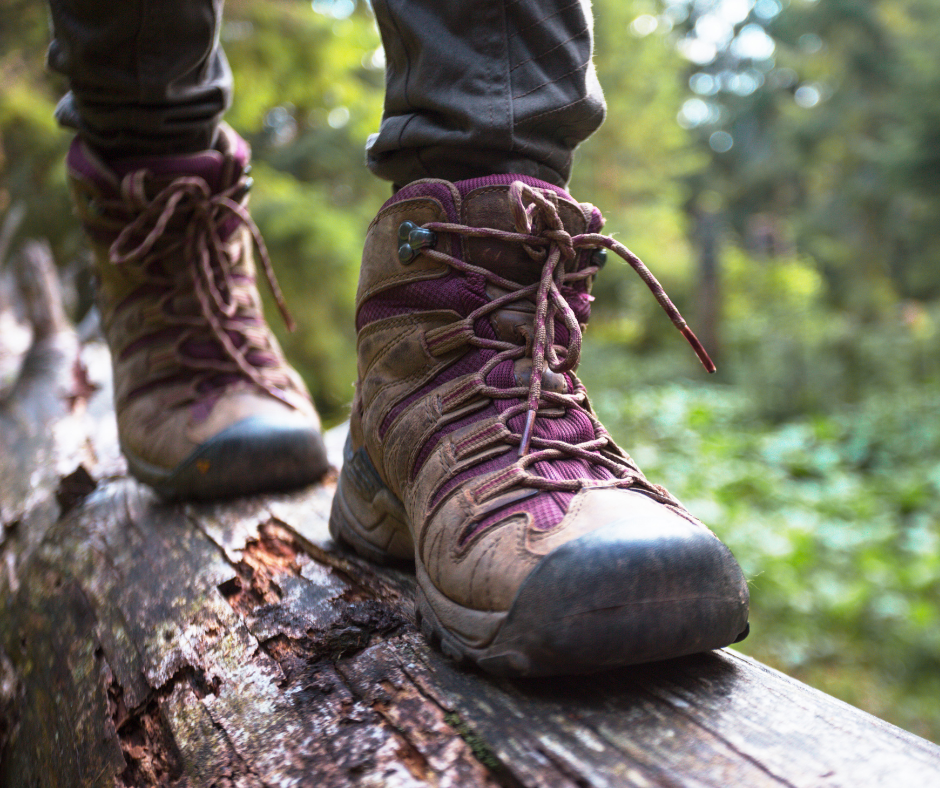
Your gear choice can make or break your experience in the desert mountains. Footwear is the most critical item. You should never attempt mountain hikes in the UAE in flat-soled sneakers or sandals. The rocks in the Hajar Mountains are often sharp and loose, so you need boots or trail runners with a high-grip sole. Ankle support is also highly recommended to prevent injuries on the uneven terrain of the wadi beds.
Sun protection is your primary defense against the elements. We recommend a wide-brimmed hat that covers your neck and ears rather than just a standard baseball cap. Sunglasses should have high UV protection to handle the glare reflecting off the light-colored rocks. Even in winter, the sun is strong enough to cause burns within an hour, so high-SPF sunscreen is a mandatory part of your kit.
Clothing should be lightweight and breathable. Many hikers prefer long-sleeved shirts made of moisture-wicking fabric because they provide a physical barrier against the sun without causing you to overheat. You should also carry a lightweight layer or a windbreaker if you are hiking at high altitudes like Jebel Jais, as the wind can be surprisingly cold once the sun starts to set.

Hydration and Nutrition Strategy
Managing your water intake is a science when hiking in an arid environment. A common mistake is waiting until you feel thirsty to drink, but by that point, you are already slightly dehydrated. We recommend carrying at least three to four liters of water for any hike longer than three hours. Using a hydration bladder with a tube is the most efficient way to drink small amounts consistently throughout your trek.
Water alone is often not enough on longer hikes because you lose essential salts through sweat. We suggest adding electrolyte tablets to at least one of your water bottles to maintain your mineral balance. This helps prevent muscle cramps and the "brain fog" that often accompanies heat exhaustion. Salty snacks like pretzels or nuts are also helpful for keeping your energy and salt levels stable.
For food, stick to high-energy items that do not melt in the heat. Energy bars, dried fruits, and trail mixes are standard choices. Avoid heavy meals before or during the hike, as your body will use too much energy for digestion. Instead, focus on small, frequent snacks every hour to keep your blood sugar consistent while you are moving.

Navigating Safely in the Wild
Navigation in the UAE can be tricky because many trails are not officially signed. While popular spots like Hatta and Al Rabi have clear markers, many wadi routes rely on stone cairns or faint paths. We always advise downloading offline maps on an app like Wikiloc or AllTrails before you leave home. Mobile signals often disappear the moment you enter a deep wadi or climb behind a ridgeline.
It is also vital to understand the risks of flash flooding in the wadi systems. A wadi is a dry riverbed that can fill with water in minutes if it rains elsewhere in the mountains. Even if the sky above you is clear, a storm kilometers away can send a wall of water down the valley. Never enter a wadi if rain is forecast anywhere in the region, and always have an exit plan to reach higher ground quickly.
Finally, never hike alone in remote areas. Even a minor ankle sprain can become a serious situation if you are alone in a valley with no phone signal and no one knows where you are. We suggest hiking in a group of at least three people or informing a friend of your exact route and expected return time. This simple step ensures that help can be sent to the right location if you do not check in as planned.
Environmental Etiquette and Local Culture
We believe in the "Leave No Trace" principle to keep the UAE’s natural beauty intact for everyone. This means taking every piece of trash back with you, including organic waste like fruit peels which do not break down quickly in the dry desert climate. If you see trash left by others, consider picking it up to help maintain the trail.
Respecting the local culture is also a key part of being a responsible hiker. When your trail passes near local farms or villages, be sure to dress modestly. While athletic wear is fine on the trails, it is polite to cover up when you are in inhabited areas. Always ask for permission before taking photos of local residents or private property.
Staying on the marked paths helps prevent erosion and protects the fragile desert plants that provide food for local wildlife like mountain gazelles and Arabian tahrs. By keeping your noise levels down, you increase your chances of spotting these animals and ensure that the mountains remain a peaceful escape for everyone.
Final Thoughts
You now have the practical knowledge to explore the best hikes in the UAE with confidence. Whether you are taking your first steps on the Al Rabi Tower Trail or preparing for the technical demands of the Stairway to Heaven, the key is preparation and respect for the environment. Start early, carry more water than you think you need, and choose a trail that fits your current experience level.
The mountains and wadis of the Emirates offer a side of the country that many people never get to see. From the colorful rocks of Fujairah to the high peaks of Ras Al Khaimah, every trail provides a new perspective on this incredible landscape. We hope this guide helps you get out there and enjoy the fresh air and rugged beauty of the UAE.