
Riding the Dubai metro for the first time can feel confusing. You need to understand the zone-based fares, pick the right Nol card, and know which line goes where. You also have to follow rules about cabins, luggage, and behavior on board, or you risk a fine.
That's why our team at WildyNess put together this guide. We cover how the fare zones work, how to choose a Nol card, what each line connects to, the cabin classes and rules to follow, and how to transfer smoothly to the tram and nearby attractions.
Understanding the Infrastructure of the Dubai Transit System
Geographical Zoning and Fare Calculation Mechanics
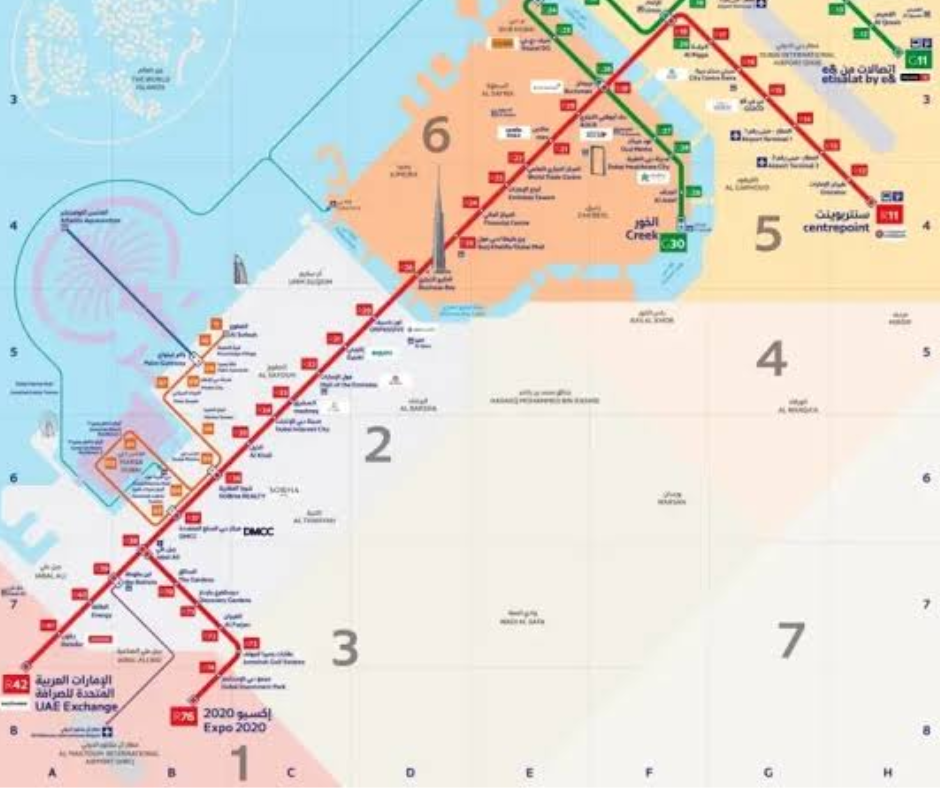
The public transportation network across this modern metropolis operates on a comprehensive zoning grid that divides the entire city into seven distinct geographic areas.
Your total journey fare is calculated automatically based on the absolute number of zones you cross from the exact moment you tap your card at the entry gate until you tap out at your final destination station.
Transfers between the train network, the tram system, and public city buses are completely seamless and counted as a single continuous journey provided that the transfer is completed within thirty minutes.
Understanding this zone structure prevents unexpected card balance depletions and helps you accurately estimate your daily travel expenditures before leaving your accommodation.
Selecting Your Nol Transit Token Options
To access the platform areas of the train system, every commuter must possess a valid contactless fare card known locally as a Nol card. Short-term visitors typically choose between the temporary paper-based Red ticket or the reusable plastic Silver card.
The Red ticket is ideal for travelers who plan to use public transit for only a single day or a specific few trips because it can be loaded with up to ten single journeys.
The Silver card represents the most efficient option for long-term flexibility because it features a chip-enabled digital wallet that can hold a high balance, remains valid for five years, and grants access to lower baseline fare rates across all modes of urban transport.
Station Layouts and Accessibility Features
Every station along the elevated and underground tracks is engineered with high architectural uniformity to make navigation completely predictable for daily commuters.
Clear directional signage in both Arabic and English guides passengers from the street levels through the automated ticketing concourses straight to the correct platform directions.
The entire network is fully accessible, featuring spacious elevators, tactile flooring paths for visually impaired travelers, and wide turnstiles that easily accommodate large luggage pieces or strollers.
Platforms are equipped with floor-to-ceiling glass screen doors that synchronize perfectly with the arriving trains to maximize passenger safety and maintain strict climate control within the concourse.

Operational Breakdown of the Red and Green Lines
The rail network relies on two primary trunk lines that intersect at strategic junctions within the geographic center of the city. Mastering the orientation and key stops of these two routes allows you to reach almost every major commercial, historical, and residential district in the emirate.
The Red Line Spine and Airport Connectivity
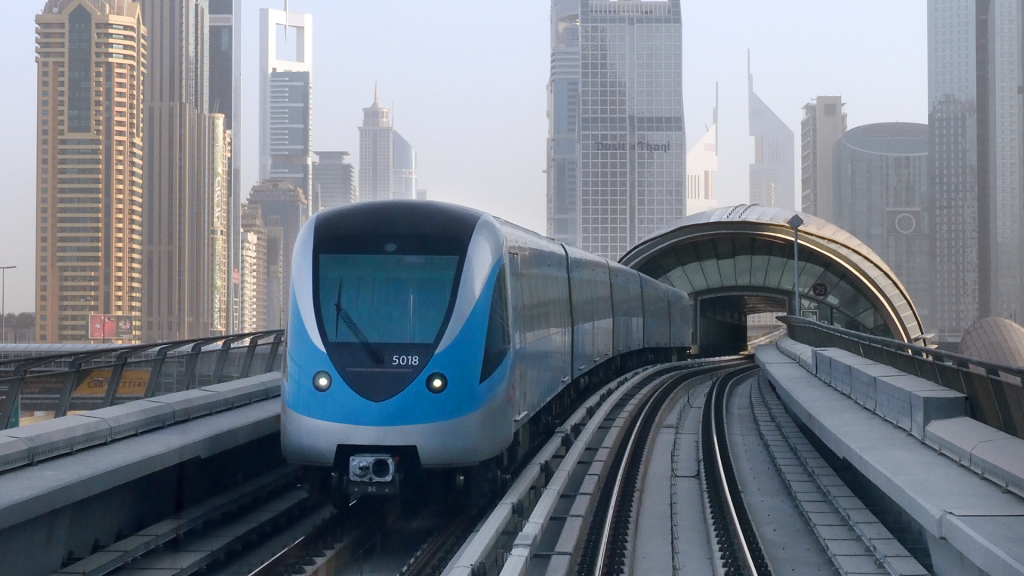
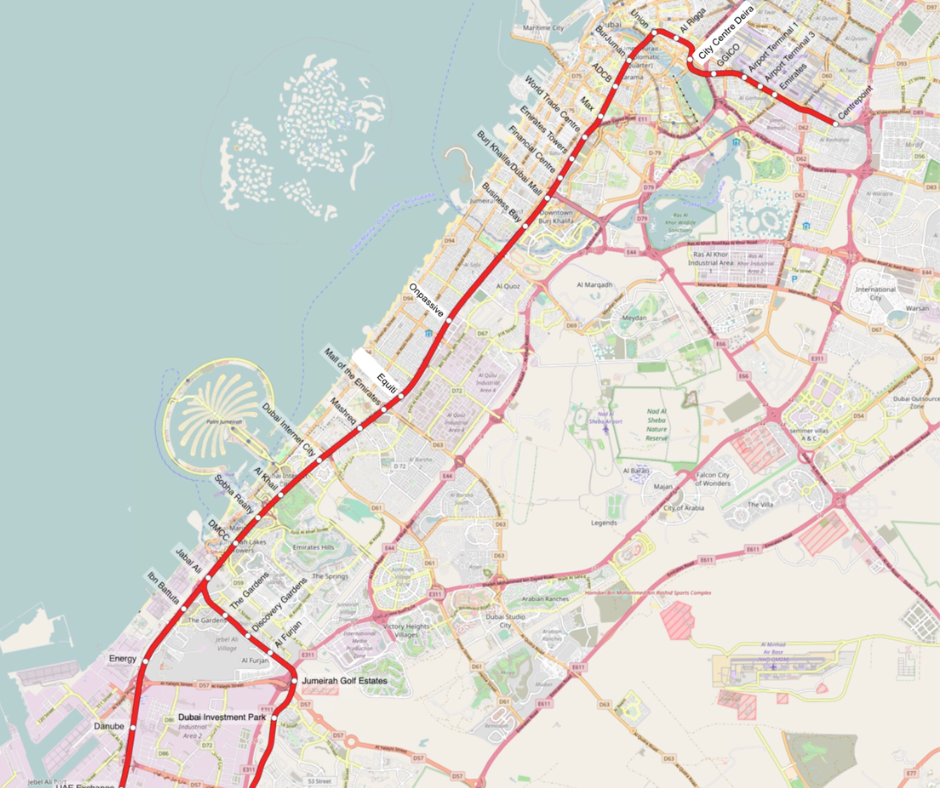
The Red Line functions as the primary transportation artery of the city, running parallel to the massive Sheikh Zayed Road highway and connecting the southwestern residential developments directly with the international airport terminals.
This line is typically the first point of contact for international travelers landing at Dubai International Airport, as trains depart directly from the arrivals concourses of Terminal One and Terminal Three.
Key destinations along this route include major commercial hubs such as the financial center, the central downtown district, and the expansive marina waterfront.
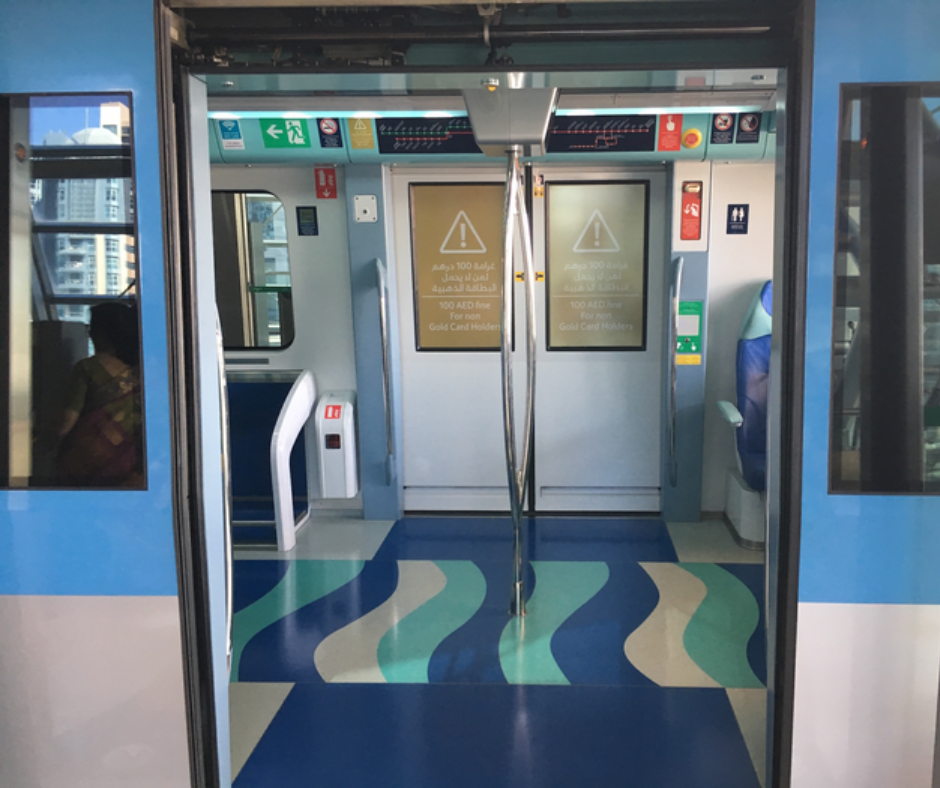
When boarding with luggage, you must utilize the dedicated baggage spaces provided within the standard passenger cars and avoid blocking the central aisles or pneumatic doors.
Historical Exploration via the Green Line
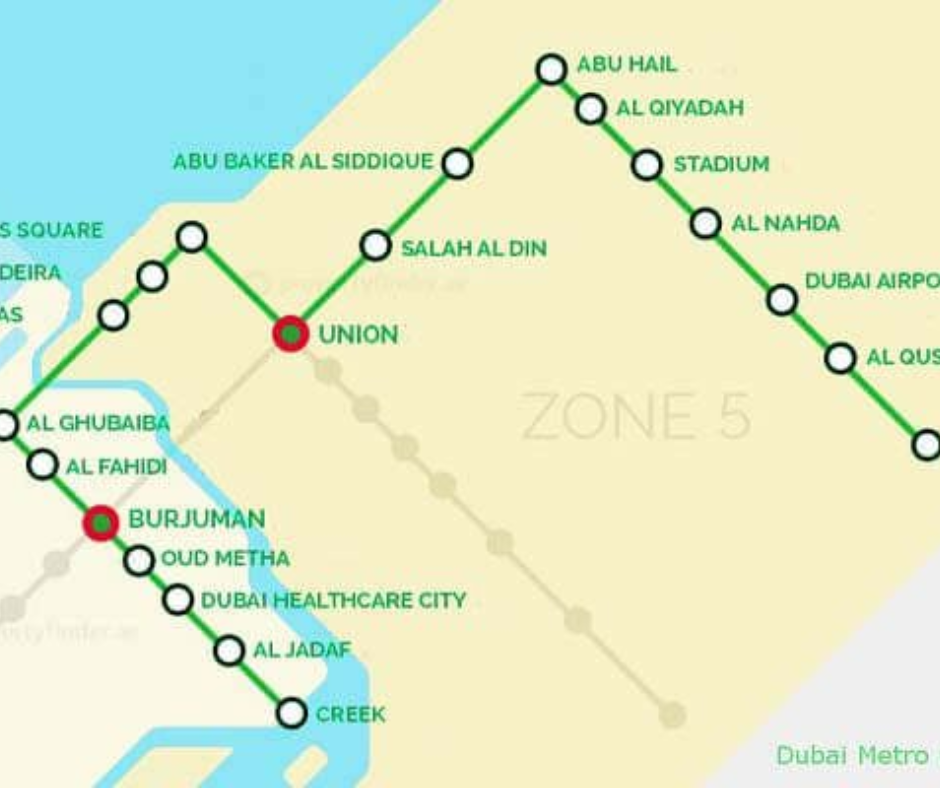
The Green Line serves as a cultural transit link, threading directly through the densely populated historical districts situated around the natural saltwater creek.
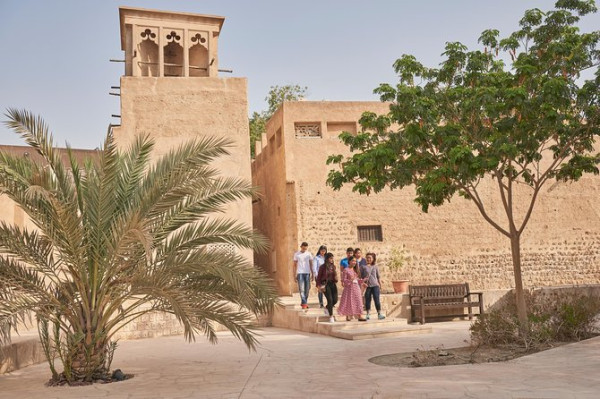
This line is the optimal choice when you want to shift away from modern skyscrapers to explore the traditional spice markets, textile souqs, and gold trading zones of Deira and Bur Dubai. Crucial stops such as Al Fahidi grant immediate walking access to historical fortress museums and traditional wind-tower architecture.
The cars on this line feature identical layouts to the Red Line, but passenger volumes often peak around different local trading hours, especially during the late afternoon and evening blocks when local merchants open their shops.
Interchanging Successfully at Union and BurJuman Junctions
Switching between the Red and Green lines requires utilizing one of the two massive multi-level underground interchange stations known as Union and BurJuman.
These stations are engineered to handle high volumes of foot traffic, featuring distinct subterranean levels connected by high-speed escalators and wide directional walkways.
To transfer efficiently without getting caught in oncoming commuter traffic, you must look up at the overhead color-coded signs and follow the specific arrows indicating the platform numbers rather than relying on ground-level directional flows.
Building a five-minute buffer into your schedule when passing through these major junctions during peak morning or evening hours will help ensure you make your connection calmly.
Cabin Classifications and Compliance Guidelines
The rolling stock of the transit system is divided into highly specific passenger compartments designed to cater to different commuter preferences and demographics. Adhering to these structural boundaries is critical because spatial violations are strictly monitored by transit authorities.
Maximizing Workspace Privacy in Gold Class
For professionals and travelers who require a quiet environment to monitor emails, manage documents, or simply travel in enhanced comfort, the front or rear car of every train is designated as Gold Class.
Accessing this premium cabin requires the purchase of a specialized Gold Nol card, which deducts an elevated fare rate at the turnstile in exchange for access to a separate viewing cabin.
The interior features wide leather seating, individual armrests, and increased personal space that significantly reduces travel fatigue during long cross-city commutes.
It provides an excellent workspace environment where you can review your daily schedule while enjoying panoramic views of the city skyline through the unobstructed end windows of the driverless train.
Dedicated Spaces for Women and Children
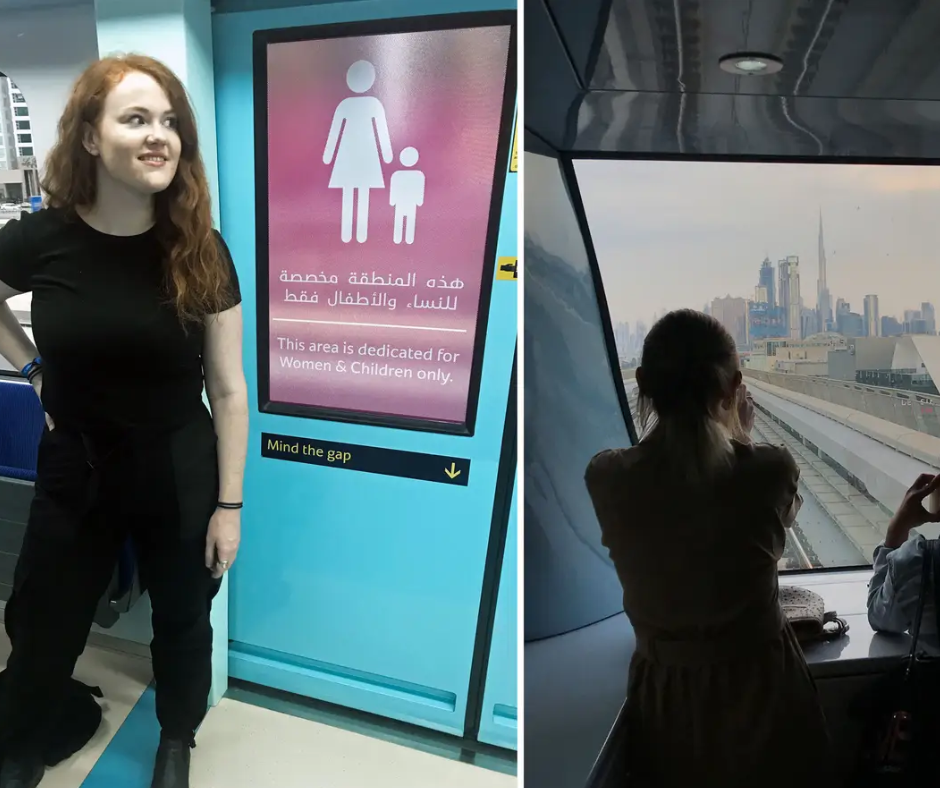
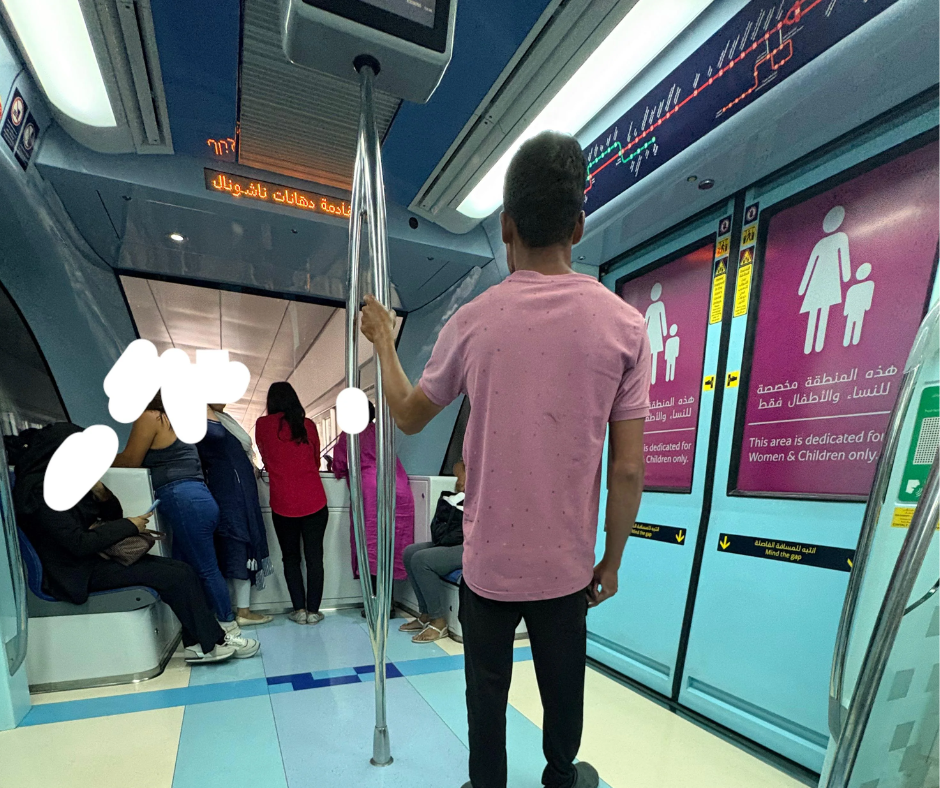
To ensure maximum security and comfort for female commuters traveling alone or with young children, the network reserves specific sections of each train exclusively for their use.
These premium sections are highly visible, featuring bright pink boundary markers painted onto the platform floors, clear window decals, and prominent internal signage hanging from the cabin ceilings.
Male passengers must remain highly vigilant to avoid accidentally entering or standing within these designated boundaries, as the rule is enforced around the clock.
If you are traveling as a mixed-gender family group, you must ensure that all members board the standard communal cabins located in the middle sections of the train configuration.
Luggage Allowances and Dimension Restraints
The transit authority permits passengers to carry personal baggage on board the trains, but strict limits are enforced to maintain safety and comfort across high-density commuter periods.
Each ticket holder is officially permitted to bring up to two distinct pieces of luggage, consisting of one large travel suitcase and one small hand-carry backpack or briefcase.
The large suitcase must comply with specific structural measurements, which dictate that dimensions should not exceed eighty-one centimeters in length, fifty-eight centimeters in width, and thirty centimeters in depth.
Baggage must be stowed immediately within the designated overhead racks or floor storage bays found at the ends of each car rather than left unattended in the pedestrian thoroughfares.

Regulatory Enforcement and Penalty Prevention
The exceptional cleanliness and punctuality of the rail network are maintained through the strict application of a comprehensive code of conduct. Minor behavioral oversights can result in immediate financial citations issued by transit inspectors who regularly patrol the platforms and train interiors.
Dietary Restrictions within Stations and Trains
Maintaining the pristine condition of the public transit infrastructure requires complete adherence to rules regarding food and beverage consumption.
Eating, drinking, and chewing gum are strictly prohibited from the exact moment you cross the electronic turnstiles into the paid concourse areas of any station.
This prohibition extends to the interior of all passenger cabins, including the consumption of bottled water or small snacks during long journeys. Violations of this cleanliness policy incur immediate on-the-spot financial fines, so you must finish your refreshments completely before tapping your Nol card at the entry gates.
Operational Fines and Behavioral Conduct Rules
Passenger behavior inside the transit network must align with strict civic standards designed to guarantee the safety of thousands of daily commuters. Misusing emergency equipment, such as pulling the safety brake levers or pressing the emergency intercom buttons without a valid threat to life, carries severe legal and financial penalties.
Sleeping in the waiting areas of the stations, resting your feet on passenger seats, or littering inside the cars will also result in immediate citations from transit officials or sticking to staying in woman and children dedicated areas.
Additionally, blocking the automated sliding doors as they attempt to close can disrupt the precise scheduling of the entire line and lead to immediate removal from the platform area.
Intermodal Connectivity and Strategic Walking Exchanges
The train network is designed to act as the core foundation of a larger, interconnected multi-modal urban transit system that links the rail lines directly to coastal trams, shopping zones, and cultural venues.
Utilizing these integrated pedestrian links allows you to cross massive distances without ever exposing yourself to the intense exterior desert heat.
Transfer Mechanics to the Dubai Tram
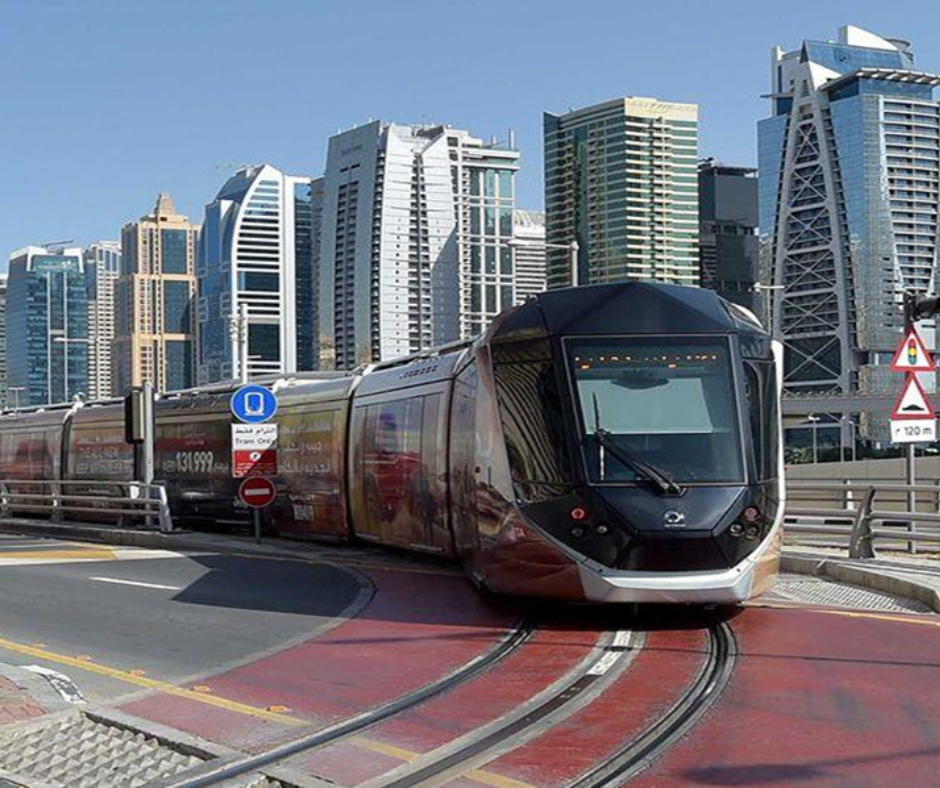
Passengers wishing to transition from the elevated rail network to the coastal tram loop can execute a climate-controlled transfer at the Sobha Realty or DMCC stations located along the Red Line.
These specific stations feature direct, fully enclosed pedestrian footbridges equipped with moving walkways and powerful air conditioning that lead straight into the corresponding tram platforms.
The tram loop serves as an excellent transit connection for reaching the residential towers of the marina, the public beach zones along JBR, and the lifestyle developments of the waterfront.
You must remember to tap your Nol card on the dedicated platform readers both before boarding the tram and immediately after stepping off to ensure your fare is calculated as a continuous, low-cost transfer.
Curious about logistics and costs? read:
Car Rental in Dubai: The Ultimate Guide
Cost of Travel in Dubai: A Complete 2026 Budget Guide
Solo Travel Dubai: The Ultimate Guide to Independent Trips
You're trying to build your Dubai Itinerary? we recommend reading:
The Ultimate 3-day Dubai Itinerary Guide
How to Spend 4 Days in Dubai: The Perfect Itinerary
The Ultimate Dubai 7 Day Itinerary for Your First Trip
If you enjoy cafés and nice views, read:
Most Instagrammable Cafes in Dubai: A Photography Guide for 2026
Tipping in Dubai: How Much to Tip and Who to Tip in the UAE
Where to Watch the Sunset in Dubai: A WildyNess Travel Guide
If you're curious what activities you can do in Dubai, we suggest reading:
Dubai's Pottery Pulse: A Creative Oasis in the City of Gold
Sandboarding Dubai: A Beginner's Guide
Yoga Retreat Dubai: A Guide to Desert & Beach Wellness Stays
Dubai Travel Guide: Authentic Things to Do & Practical Tips
Explore Dubai Hidden Gems: History, Art, and Local Eats
Dubai Museum Quarter UAE: Explore the Real Old Dubai
The Ultimate Old Dubai Walking Tour: A Guide to the City's Soul