
Famous landmarks rarely tell a city's full story. In the historic heart of the city, it’s easy to hop between major sites while missing the vibrant life happening in quiet back lanes and across the ancient wooden docks.
To help you go deeper, we designed the ultimate old dubai walking tour. Our guide leads you through the creek-side neighborhoods where trade defined daily life long before the skyscrapers, connecting you with the authentic history that shaped the city.
The Creek: The Real Center of Dubai
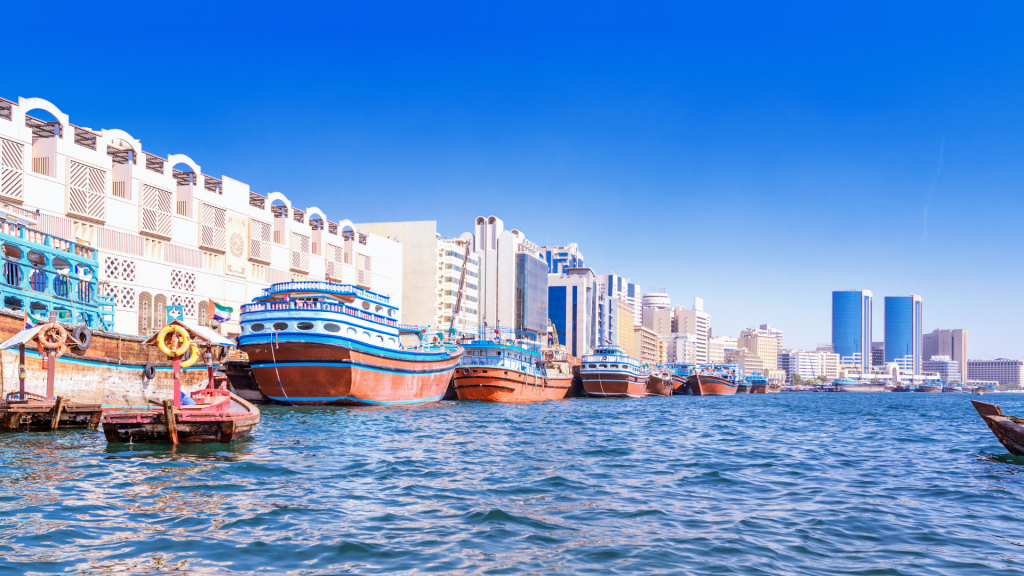
To understand Dubai, you have to start where the water meets the sand. While the modern city focuses on height and glass, the historic districts center on the Creek.
This saltwater inlet was the original reason the city existed, serving as a port for pearl divers and traders from across the Indian Ocean. When we walk through these areas today, we are seeing the engine room of the region.
We recommend starting your journey on the Bur Dubai side. This area feels more grounded and slower than the rest of the city.
You will notice that the buildings are low and the materials are natural, consisting of coral, gypsum, and limestone. By starting here, you set a pace that allows you to notice small details, like the smell of burning frankincense or the way the call to prayer echoes differently through narrow stone corridors.
Read also: Dubai Museum Quarter UAE: Explore the Real Old Dubai
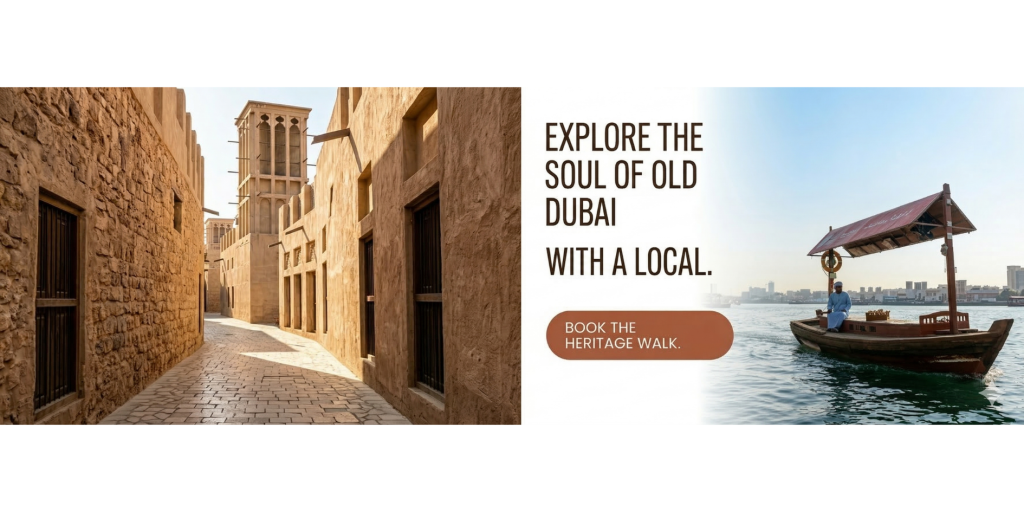
Exploring the Al Fahidi Historical Neighbourhood
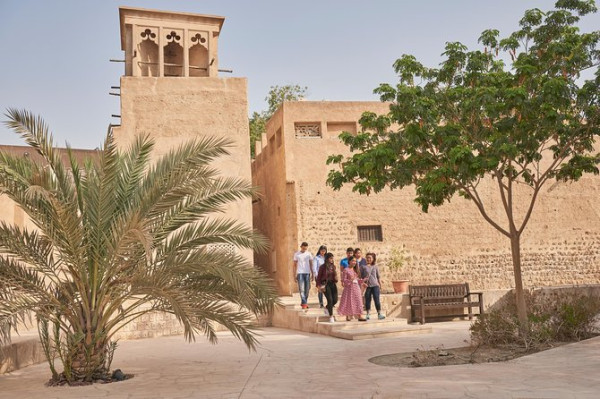
Your walking tour begins in Al Fahidi, formerly known as Al Bastakiya. This district dates back to the late 1800s and serves as the best-preserved example of life before the oil boom.
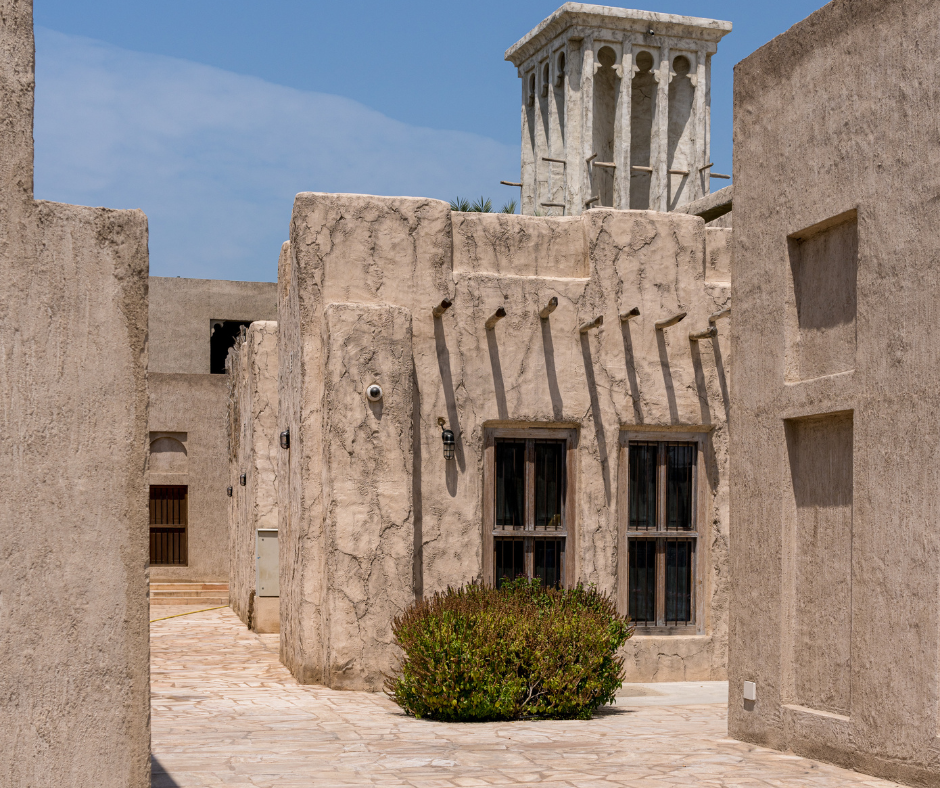
As you enter the neighborhood, we suggest you ignore your GPS for a moment and simply wander into the sikkas. These are the narrow alleys designed specifically to funnel wind and provide constant shade even in the peak of summer.
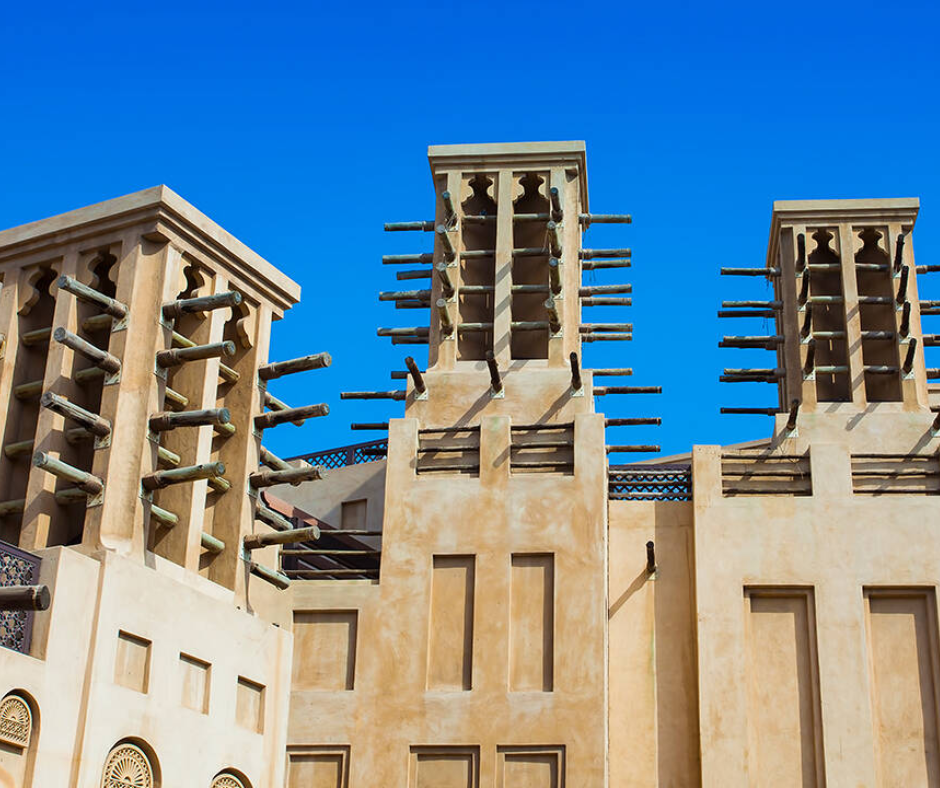
Look up at the rooftops to see the square towers with vertical openings. These are wind towers, known locally as barjeel. They act as ancient air conditioning by catching high-altitude breezes and pushing cool air down into the houses below.
Many of these buildings now house art galleries and small museums. You can step into the Coin Museum to see historic currencies or visit the XVA Gallery to see contemporary Middle Eastern art housed in a traditional courtyard.
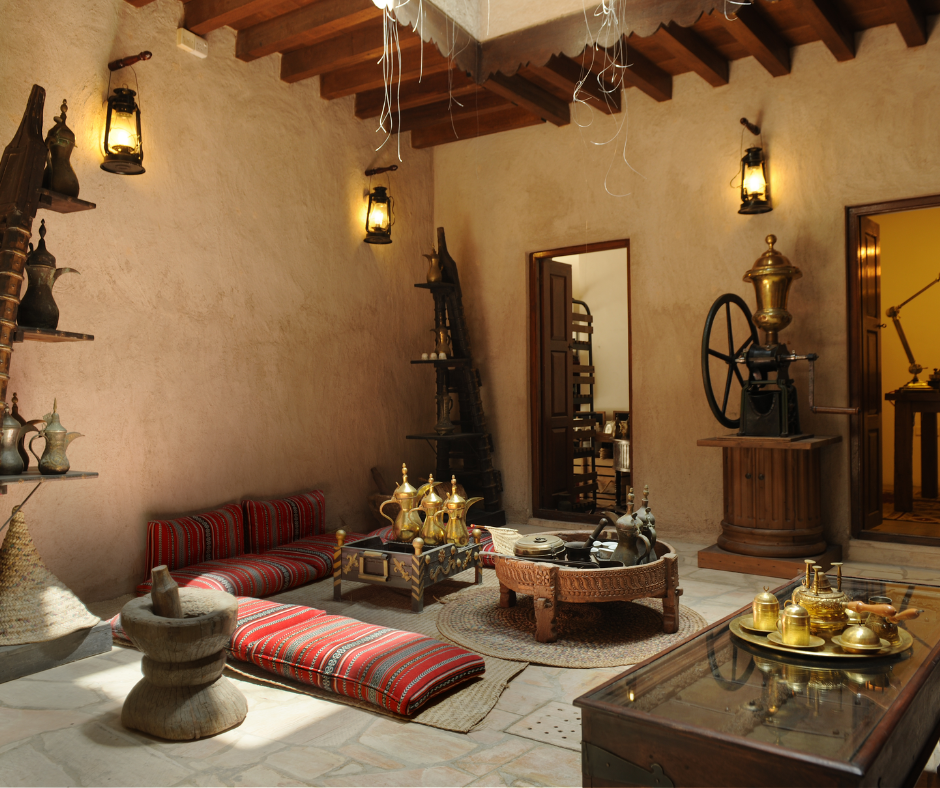
The houses in Al Fahidi tell us a lot about local culture. Most have plain outer walls with very few windows facing the street. This design prioritized family privacy. Once you step through a heavy wooden door, the space opens into a bright courtyard. This was the heart of the home where cooking, socializing, and sleeping happened during cooler months.
We find that spending time in these courtyards offers a necessary reset from the city noise. You can visit the Coffee Museum to learn about the importance of the bean in Emirati hospitality. They demonstrate the traditional roasting process and serve different styles of coffee from across the region. It is a practical way to understand why offering coffee is the first step in any local greeting.
For a guided walking tour with a local Emirati, chaeck out Old Dubai Walking Tour and Emirati Dinner.

Crossing the Creek by Traditional Abra
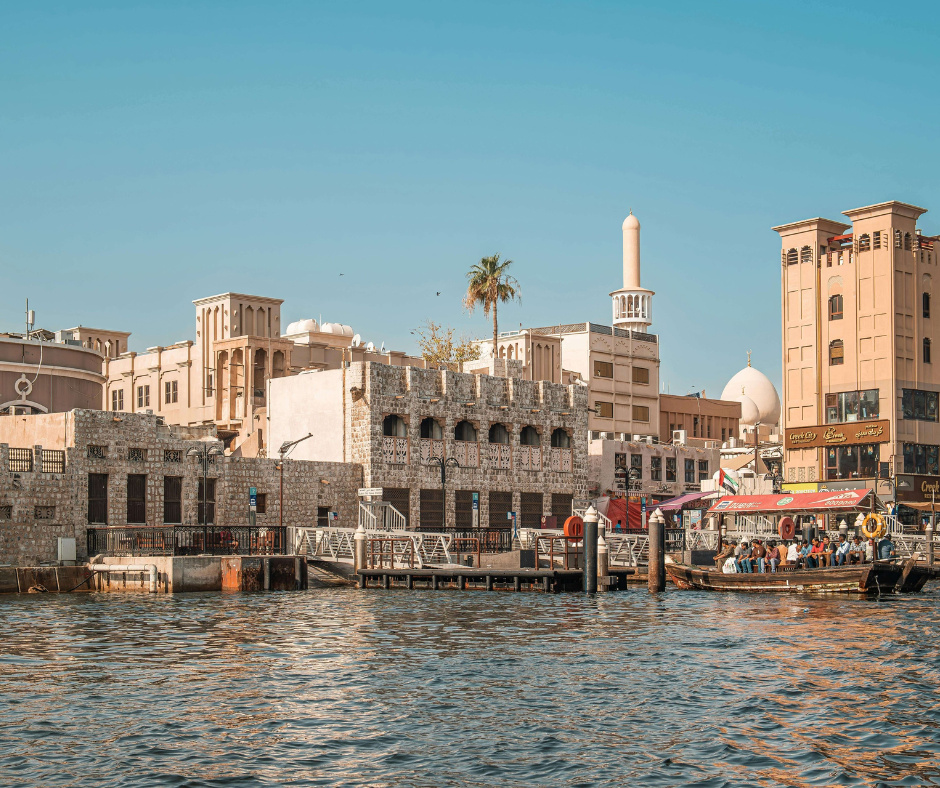
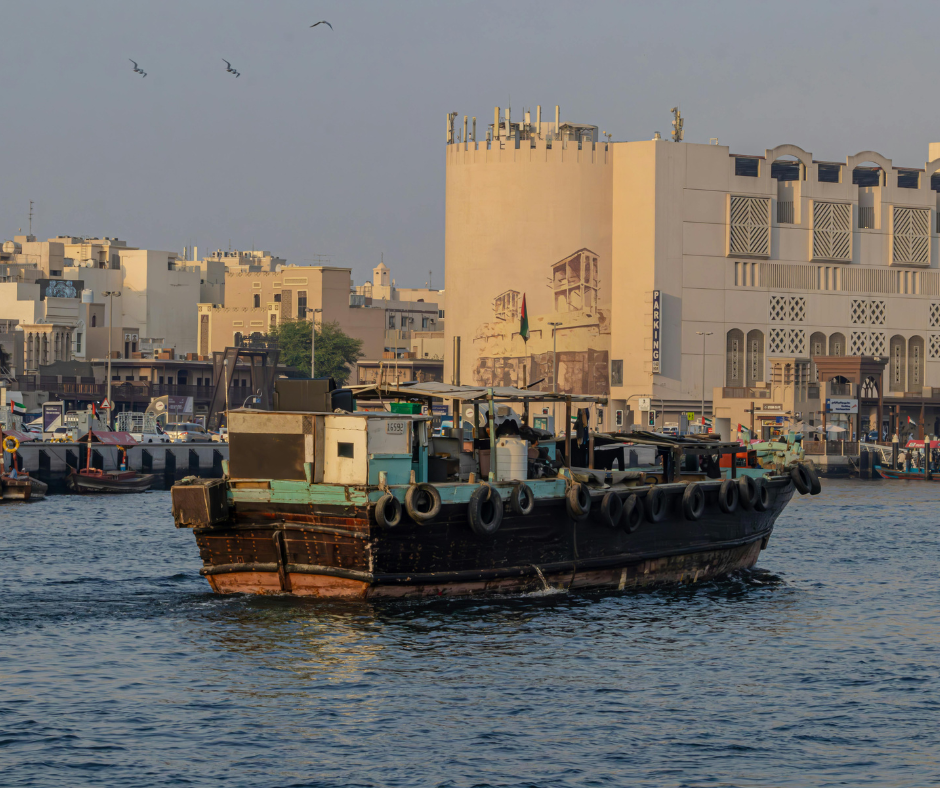
After you have explored the alleys of Bur Dubai, make your way toward the water for the most authentic transport experience in the city. The abra is a small wooden motorized boat that has ferried residents across the Creek for generations. It remains the fastest and most enjoyable way to get from Bur Dubai to Deira.
The process is simple and requires no booking. Head to the Bur Dubai Abra Station and wait for a boat to pull up. You board with about twenty other people and sit on a central wooden bench. The fare is exactly 1 AED per person, which you pay in cash to the driver once the boat departs.
We suggest having small coins ready to make the process smoother. The ride takes about five minutes and offers a clear view of the contrast between the old stone buildings on one side and the growing skyline on the other.
If you want to spend more time in the abra and hear about the story of the city from local and havea traditional emirati dinner, this experience is exactly what you are looking for: A Sunset Abra Journey Through Time.
Read also: Abra Ride Dubai Creek: 2026 Guide to the Historic Waterway
Navigating the Deira Spice Souk in Dubai
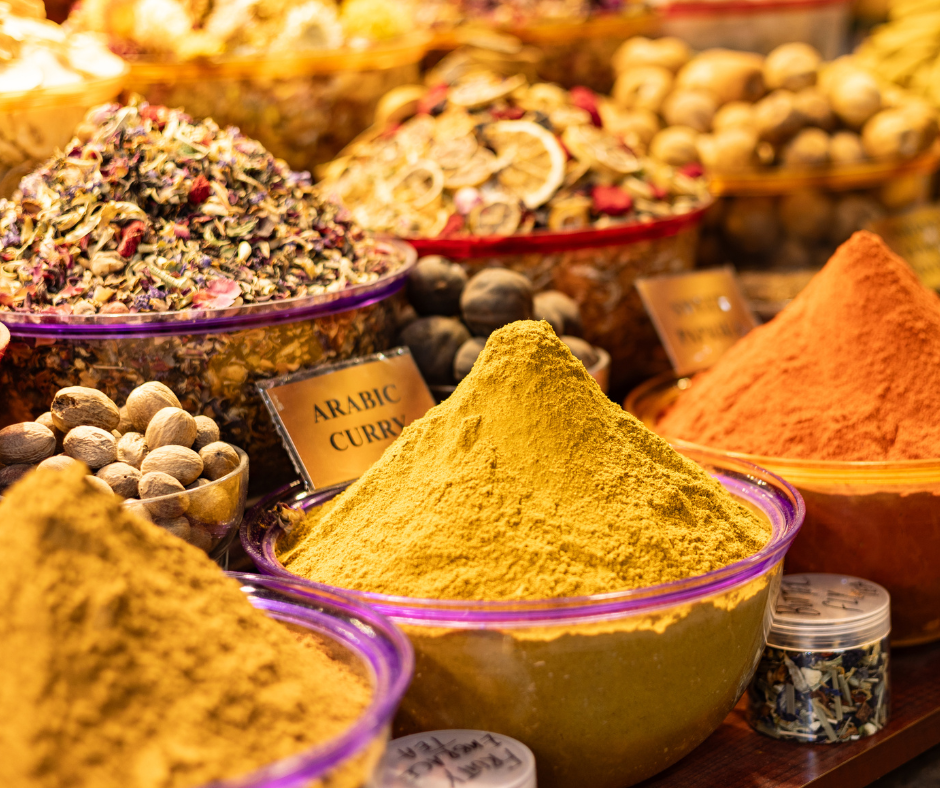
Once you step off the abra in Deira, you enter a different world. This side of the Creek is louder, busier, and focused entirely on commerce. The Spice Souk is located just a short walk from the docks. As you enter the covered walkways, the air becomes thick with the scent of cinnamon, cloves, and dried limes.
We recommend looking for high-quality saffron here, which is often kept in glass jars behind the counters. You will also see large sacks of hibiscus flowers, rosebuds, and various types of frankincense. The vendors are friendly and will often offer you a piece of "chocolate stone" or a smell of their brightest spices.
While it is a tourist destination, this is still a working market where local chefs and residents buy their supplies. If you decide to buy, remember that prices are rarely fixed. We find that buying in larger quantities or at multiple shops helps in securing a better deal.
The Gold Souk: Understanding the Trade in Dubai
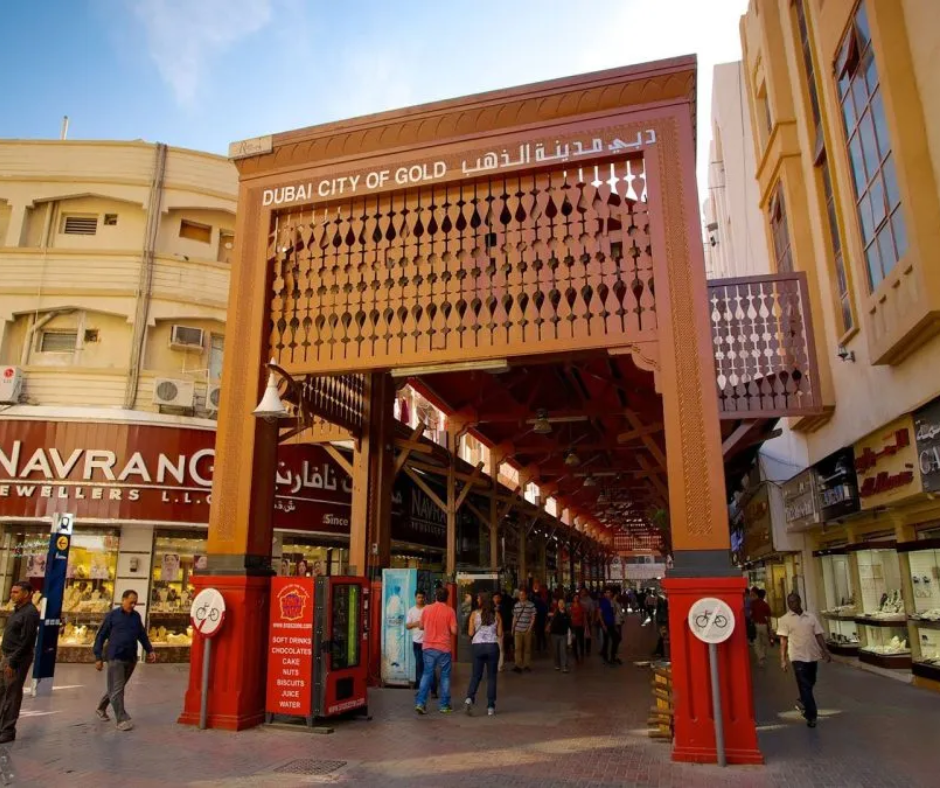
A five-minute walk from the spices leads you into the world-famous Gold Souk. Even if you are not looking to buy jewelry, the scale of the displays is worth seeing. Hundreds of shops line the wooden walkways, with windows draped in heavy 22-karat and 24-karat gold. This is one of the most regulated gold markets in the world, so you can be confident that what you are looking at is authentic.
When shopping for gold, we use a specific strategy. The price of the gold itself is fixed to the international daily rate, which is usually displayed on digital screens throughout the market. You cannot haggle on the gold price.
However, you can and should haggle on the making charge, which is the fee for the craftsmanship and design. If a shopkeeper gives you a total price, ask them to break it down by weight and labor. This shows you are an informed traveler and often leads to a quick discount.
Read also: Souks in UAE: The Complete Guide to Emirati Markets
Authentic Flavors in Old Dubai
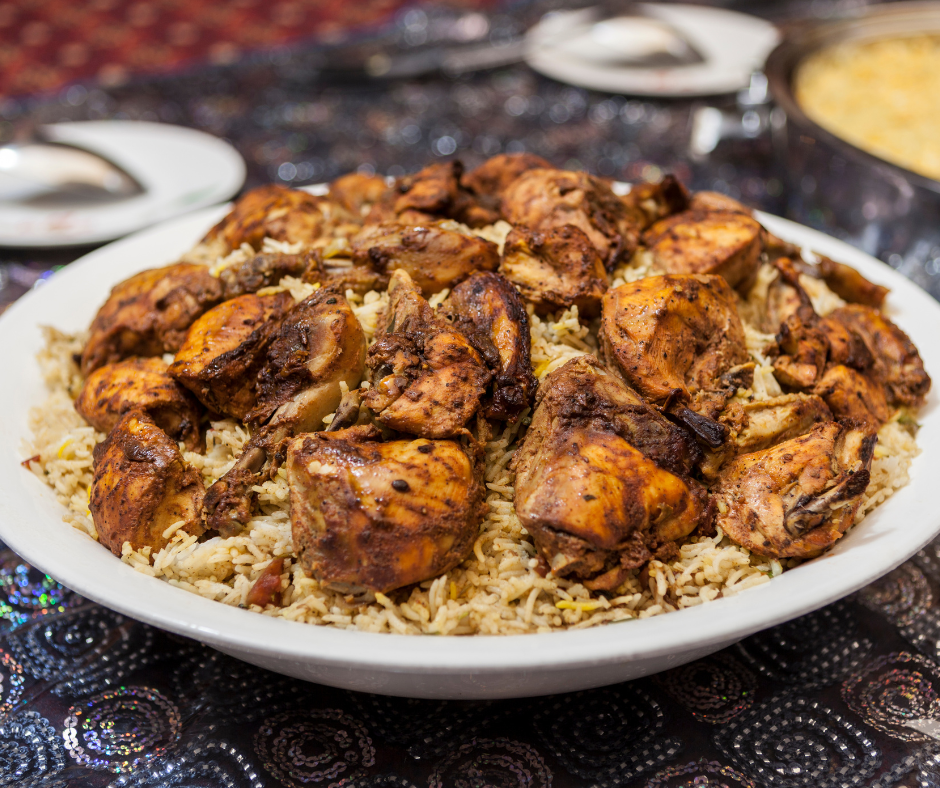
Walking through these districts will eventually lead to hunger, and Old Dubai is where you find the best value and most authentic food. For a quick snack, look for small windows selling hot samosas or shawarma. If you want a sit-down experience that feels traditional, we suggest finding a restaurant that serves Machboos. This is a fragrant rice dish cooked with meat or fish and a blend of spices like loomi (dried lime) and baharat. It's the one in this picture.
Another local staple is Luqaimat, which are small, deep-fried dough balls drizzled with date syrup and sprinkled with sesame seeds. They are best enjoyed with a cup of karak chai, a strong black tea brewed with milk, sugar, and cardamom.
We believe that sitting with a tea near the Creek as the sun begins to set is the best way to soak in the atmosphere of Deira. You will see the dhow workers preparing their evening meals on the decks of their ships, providing a glimpse into a lifestyle that has changed very little over the decades.
Museums and Cultural Deep Dives in Dubai
If you have extra time on your walking tour, we highly recommend the Al Shindagha Museum. It is located near the mouth of the Creek and consists of several historic houses that have been converted into high-tech exhibits.
The Perfume House is a particular favorite of ours. It explains the history of oud, saffron, and rose oil in Emirati culture and allows you to smell the raw ingredients used in traditional perfumery.
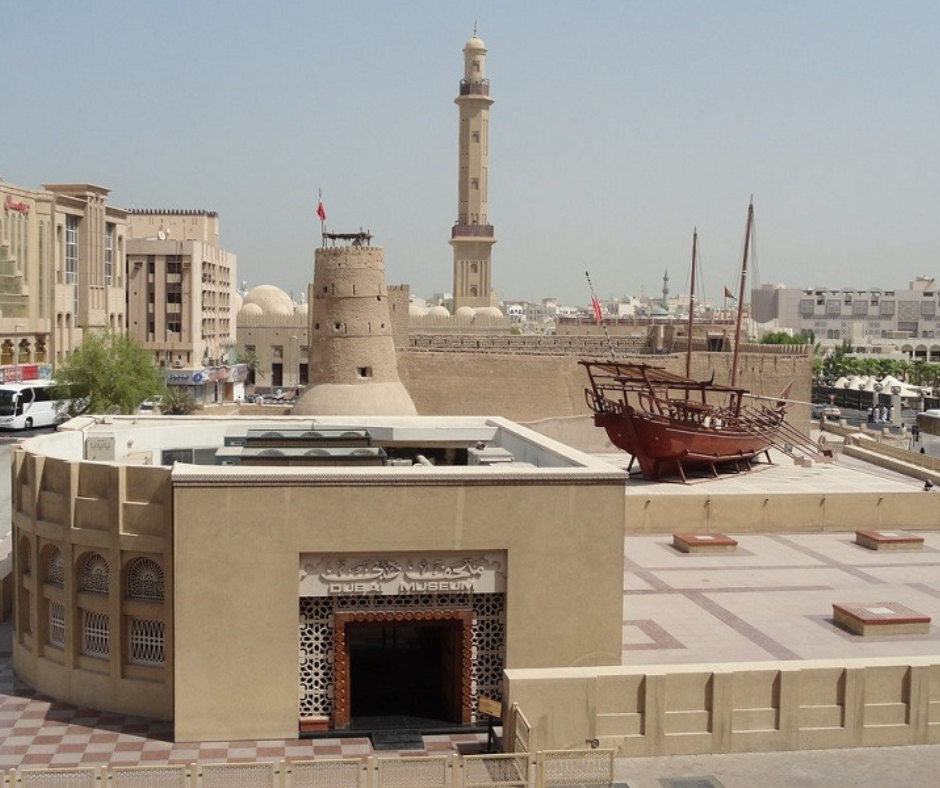
You can also visit the Dubai Museum located inside the Al Fahidi Fort. This is the oldest standing building in the city, constructed in 1787. It served as a palace, a garrison, and a prison before becoming a museum.
The underground galleries show how the landscape changed from a desert village to a global hub. It provides the necessary context to understand that the glass towers of the Marina were not built in a vacuum but grew from this small, resilient coastal community.
Practical Advice for a Smooth Walk
To get the most out of your walking tour, you should plan to arrive early. We suggest starting by 8:00 or 9:00 in the morning. Not only is the temperature more manageable, but you also get to see the city waking up. You will see shopkeepers opening their shutters and the first deliveries of the day arriving on the Creek. By the time the midday heat arrives, you will be ready to find a shaded restaurant for lunch.
Comfortable footwear is essential. While the main paths are paved, the alleys in Al Fahidi and the souks can have uneven surfaces. We also suggest carrying a reusable water bottle. While there are many small grocery stores where you can buy drinks, staying hydrated is easier if you have water on hand.
Respecting Local Customs in Dubai
Old Dubai is more traditional than the newer parts of the city like Downtown or Palm Jumeirah. We recommend dressing modestly to show respect for the local community. For both men and women, this means keeping shoulders and knees covered. Lightweight linen or cotton fabrics are ideal because they allow airflow while providing coverage.
When you are in the souks, you will be approached by vendors frequently. A polite "No, thank you" or "La, shukran" in Arabic is usually enough to stop the sales pitch. We also suggest being mindful when taking photographs. While the architecture is fair game, always ask for permission before taking photos of people, particularly local women or people at prayer. These small gestures of respect go a long way in making your interactions more positive and authentic.
Final Logistics and Transport in Dubai
Getting to the start of your tour is easy via the Dubai Metro. We recommend taking the Green Line to the Al Fahidi Station. From there, it is a short walk to the historical district. If you finish your tour at the Gold Souk in Deira, you can take the metro back from the Al Ras Station. This prevents you from having to walk back the way you came.
We believe that Old Dubai is the soul of the city. It is where you find the textures, smells, and sounds that define the region's identity. By following this walking route, you move beyond the postcards and see the city as it was meant to be experienced: on foot, at a human pace, and with an open mind. If you find yourself wanting to go even deeper into the culture, our Dubai Pottery and Emirati Coffee Morning is an excellent way to meet local artisans and learn traditional crafts.
Old Dubai is where you trade the shine of the new for the stories of the old. If you pace yourself correctly, you will leave with a much deeper appreciation for how this global metropolis came to be. We have designed this guide to ensure you feel confident navigating every alley and creek crossing. Enjoy the walk, and remember that we are always here to help you plan the next step of your journey.
For inspiration about a Dubai itinerary, read The Soul of Dubai: A Two Day Explorer's Guide
And The Ultimate 3-day Dubai Itinerary Guide
For more details into what to do in Dubai, check out Dubai Travel Guide: Authentic Things to Do & Practical Tips
If you are into Hiking, this Ultimate Guide to Hiking Near Dubai in 2026 is for you.
Read also:
Dubai Summer Guide - 9 Best Things to Do in Dubai
Most Instagrammable Cafes in Dubai: A Photography Guide for 2026
Tipping in Dubai: How Much to Tip and Who to Tip in the UAE
Solo Travel Dubai: The Ultimate Guide to Independent Trips