When You walk into a crowded market in the UAE, it can feel like a sensory overload where you are never quite sure if you are paying the right price or looking at a genuine product.
That is why our team at WildyNess created this guide to help you navigate the winding alleys of the Emirates with confidence.
Understanding the Role of the Souk in Emirati Culture
Souks are much more than just shopping centers. For centuries, these markets served as the primary hubs for trade between the Middle East, India, and East Africa. While the UAE is now famous for its massive, air-conditioned malls, the traditional souks remain the soul of the city. We believe you cannot truly understand the history of the Emirates without spending an afternoon walking through these districts.
In these spaces, trade is a social activity. You will not find fixed price tags on most items because the value of an object is determined through conversation and negotiation. This can feel unfamiliar if you are used to modern retail, but it allows for a human connection that you simply cannot find in a mall. Whether you are looking for a pinch of rare saffron or a heavy gold necklace, the process of buying is just as important as the item itself.
Navigating the Historical Markets of Deira and Bur Dubai
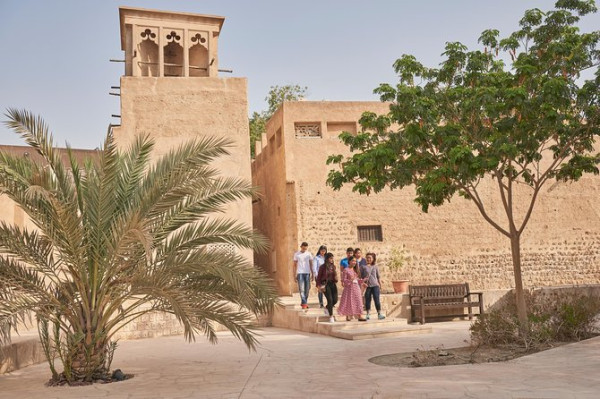
Dubai is divided by a saltwater creek, and the oldest souks sit on either side of this water. We recommend starting your journey in Deira, which is home to the most famous markets in the country. This area feels different from the rest of Dubai because the streets are narrow and the buildings have been preserved to show the wind-tower architecture of the past.
The Spice Souk
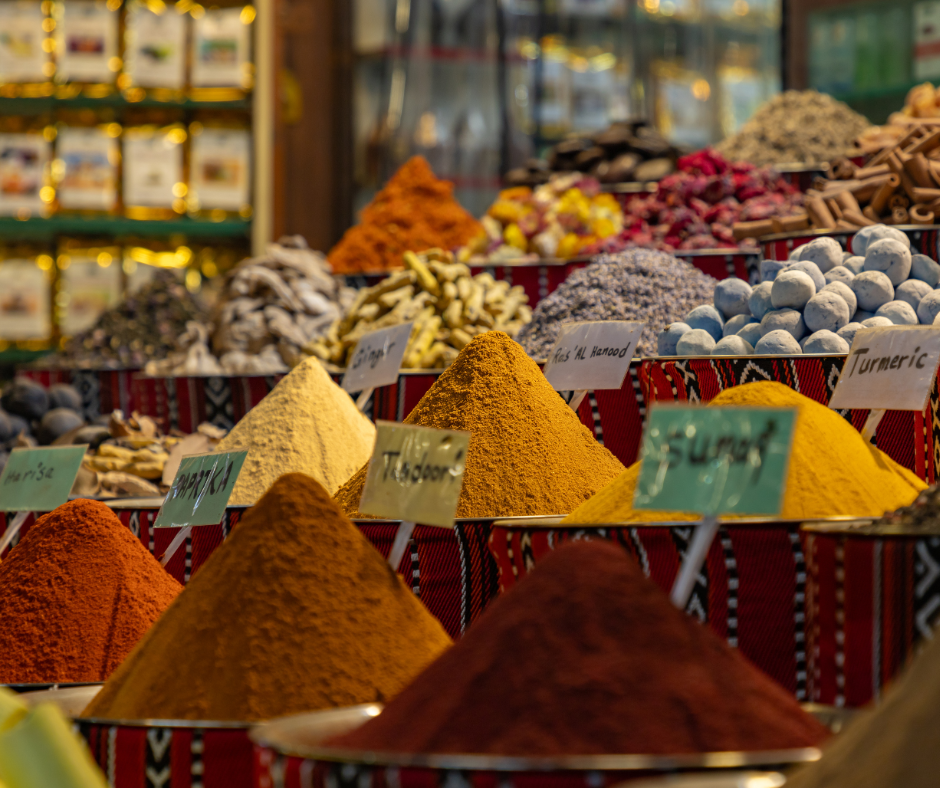
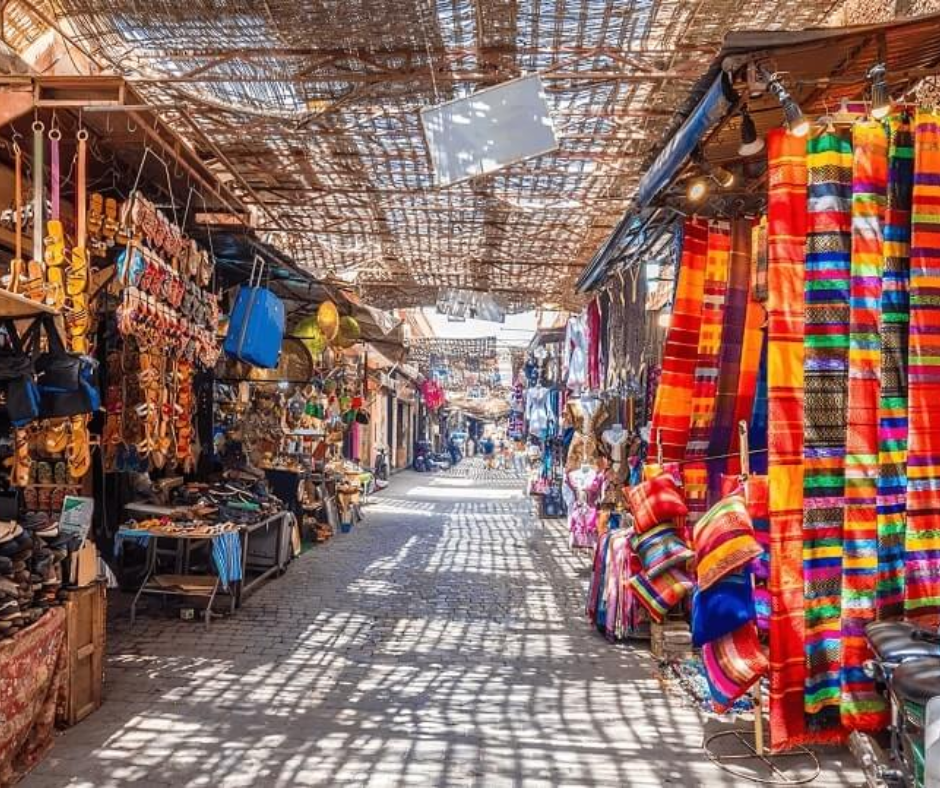
The Spice Souk is usually the first stop for most travelers. As you walk through the covered walkways, you will notice large burlap sacks filled with dried lemons, cinnamon sticks, and rosebuds.
We suggest looking for high-quality Iranian saffron, which is sold by the gram and should have a deep red color without yellow tips. You should also look for "sidr" honey, which is a local specialty known for its medicinal properties and rich flavor.
The Gold Souk
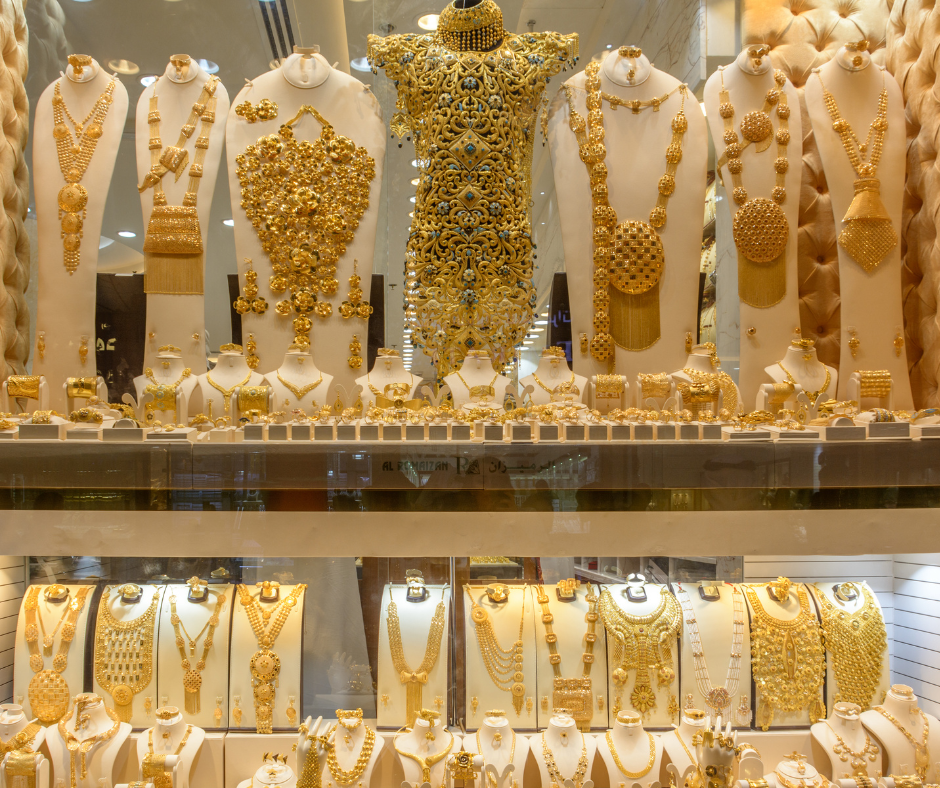
Just a short walk from the spices, you will find the Gold Souk. This is one of the largest retail gold markets in the world. The sheer volume of jewelry on display is massive, with shop windows covered from floor to ceiling in 22-karat and 24-karat gold.
Even if you do not plan on buying anything, walking through these glittering streets is a necessary experience. The government heavily regulates the purity of the gold here, so you can shop with confidence knowing that the quality is guaranteed.
The Textile Souk
To get to the other side of the Creek, you should take a traditional wooden boat called an abra. It costs only one dirham and provides the best view of the historic district.
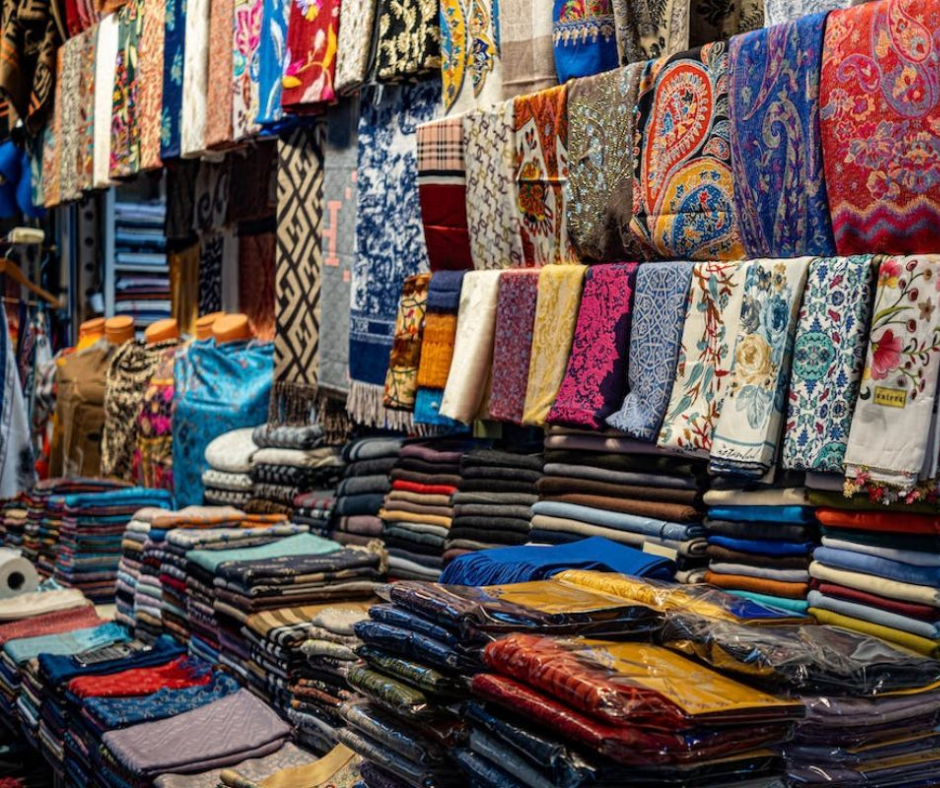
On the Bur Dubai side, you will find the Textile Souk. This market is filled with rolls of silk, fine cotton, and embroidered fabrics. It is the best place to buy a high-quality pashmina or have a custom-made dishdasha or abaya created by a local tailor.
Read also: Dubai Travel Guide: Authentic Things to Do & Practical Tips
Discovering the Heritage Markets of Sharjah and Abu Dhabi
While Dubai gets most of the attention, the neighboring emirates offer souk experiences that often feel more authentic and less focused on tourists. Sharjah is known as the cultural capital of the UAE, and its markets reflect this reputation.
The Central Souk in Sharjah
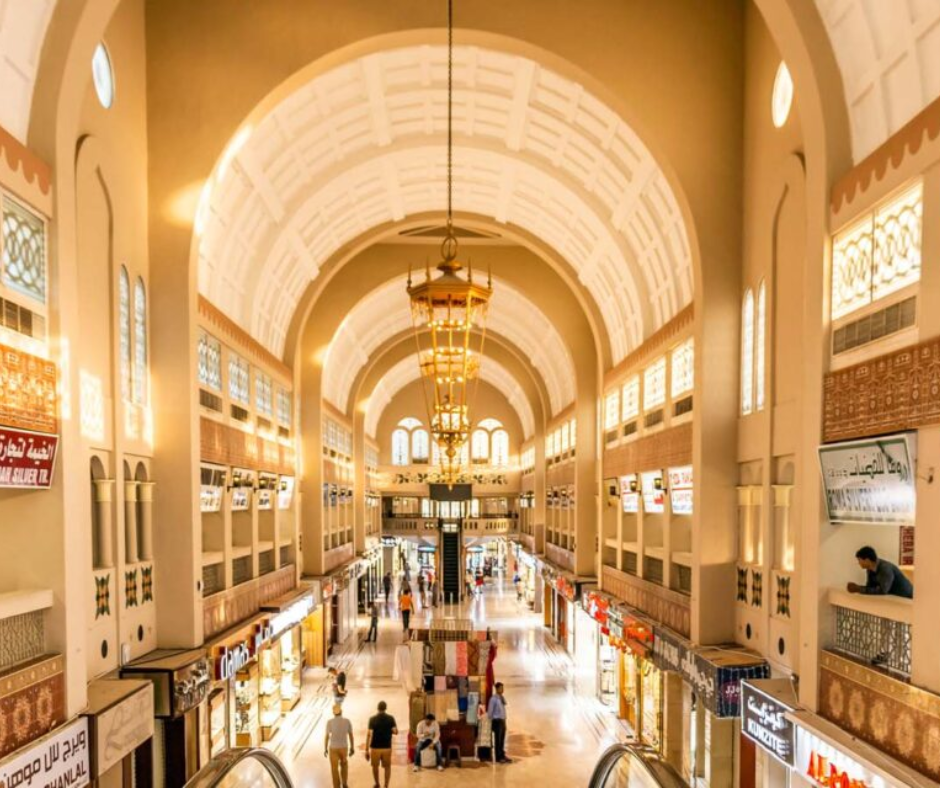
The Central Souk, often called the Blue Souk because of its beautiful blue tile work, is a landmark you cannot miss.
Inside, you will find over six hundred shops selling everything from antique silver jewelry from Oman to hand-woven carpets from Iran and Afghanistan.
Souk Al Arsah
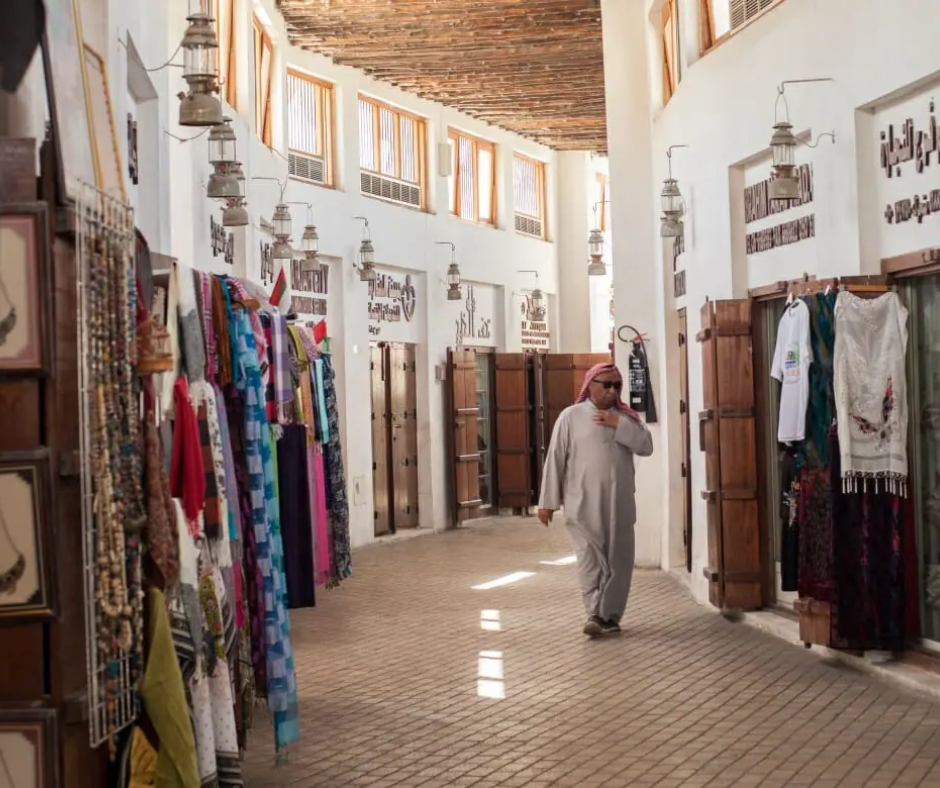
If you want an even deeper look into the past, visit Souk Al Arsah in Sharjah. This is one of the oldest marketplaces in the country and has been restored to look exactly as it did when Bedouins traded their camels for coal and rice.
The heavy wooden doors and coral stone walls create a quiet atmosphere that is perfect for finding unique handicrafts or traditional coffee pots.
Also Read: Things to Do in Sharjah: The 2026 Guide to the UAE’s Cultural Heart
And: Street Food in Sharjah: The Ultimate Guide to Local Eats
The Mina Zayed Fruit and Vegetable Market
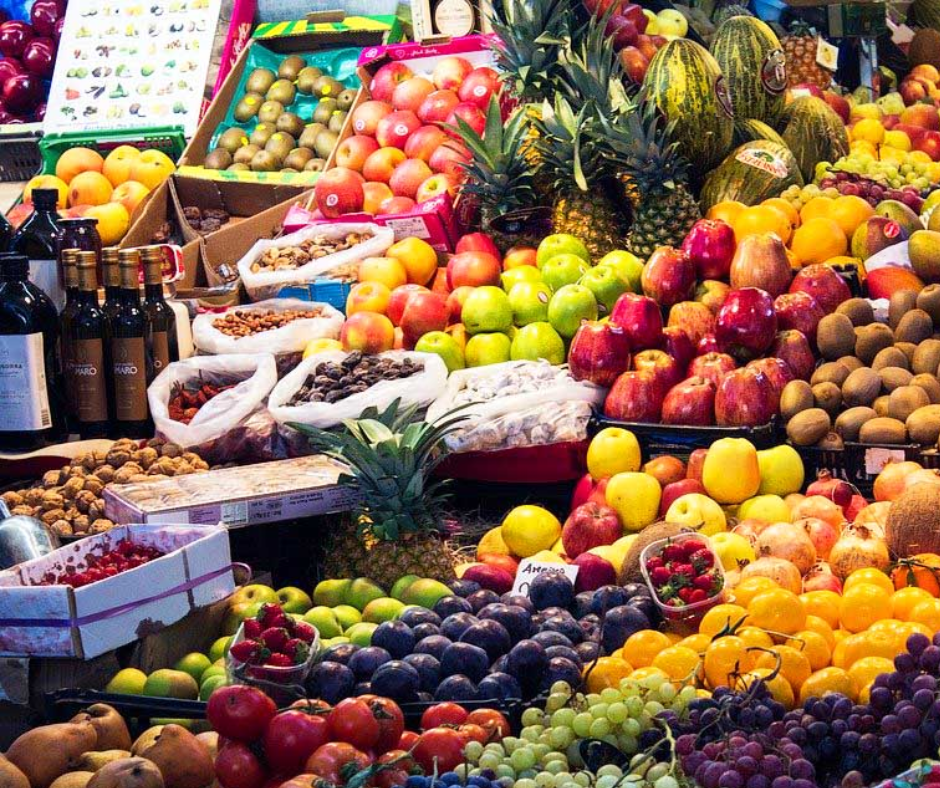
In Abu Dhabi, the market experience is centered around the port. The Mina Zayed Fruit and Vegetable Market is a great place to see the variety of produce that flows into the city. Right next to it is the Date Market. Dates are a staple of Emirati hospitality, and you will find dozens of varieties here.
We recommend trying the "khidri" or "medjool" dates, which are often stuffed with nuts or orange peel. The vendors are usually happy to let you taste different types before you make a choice.
Read also: Top Things to Do in Abu Dhabi: A Local’s Guide to Hidden Gems
What to Buy: A Guide to Authentic Emirati Souvenirs
Knowing what to look for will help you avoid the mass-produced trinkets that fill some of the more tourist-heavy stalls. We suggest focusing on items that have a long history in the region.
Perfume
Beyond gold and textiles, perfume is a major part of local life. Traditional Arabian perfumes are oil-based rather than alcohol-based, which makes them last much longer on the skin. You should look for "oud," which is a fragrant resin from the agarwood tree, or "musk" and "amber."
Spices
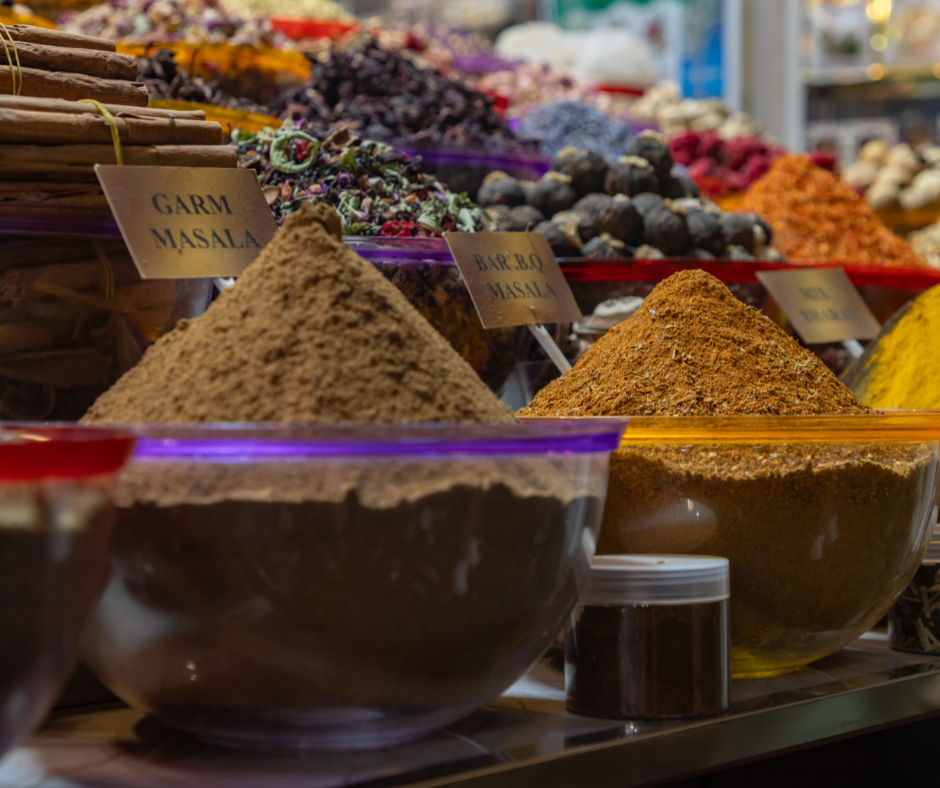
Spices are another practical and high-value purchase. Look for "sumac," a tangy purple powder used in salads, and "za’atar," which is a blend of thyme, sesame seeds, and sumac. These are lightweight and easy to pack in your suitcase.
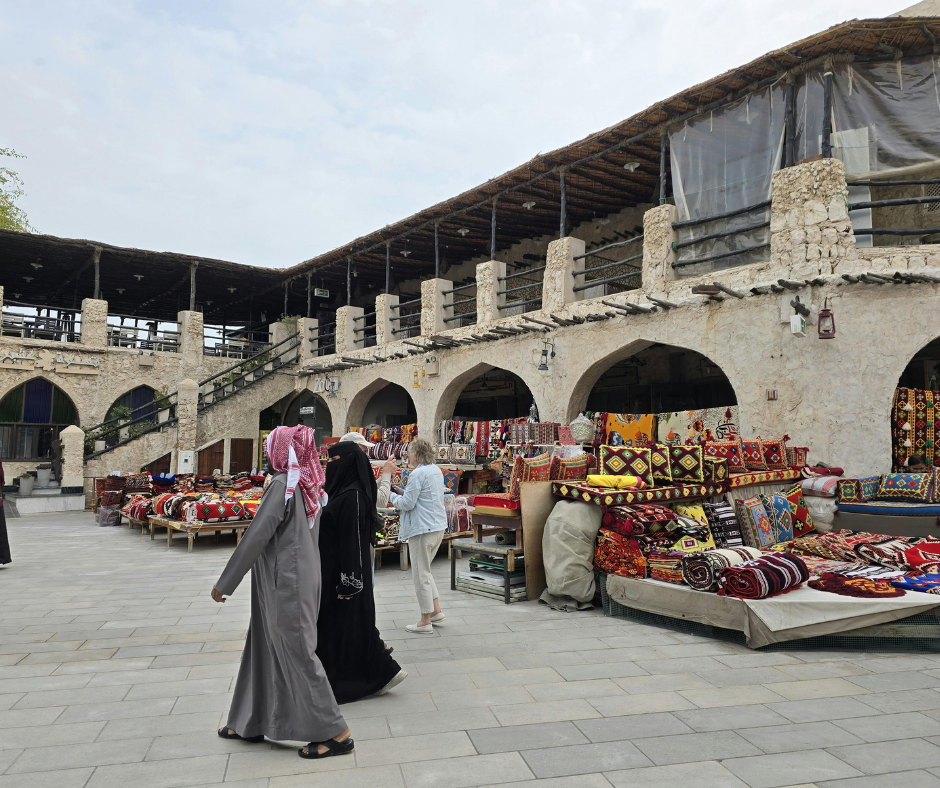
If you are interested in home decor, look for "mabkhara," which are traditional incense burners, or "sadu" weaving, which is a UNESCO-recognized Bedouin craft featuring geometric patterns in red, black, and white.
Textiles
When you are shopping for textiles, be sure to check the material. Many stalls will offer "cashmere" that is actually a synthetic blend.
We recommend feeling the fabric against your skin; real wool or silk will feel cool and breathable, while synthetic fibers will often feel warmer and slightly scratchy. If the price seems too low for a luxury material, it likely is not the real thing.
Mastering the Art of Negotiation
Bargaining is expected in traditional souks, but it should always be done with a friendly and respectful attitude. We view negotiation as a social interaction rather than a conflict. You should always start by greeting the shopkeeper with "Salam Alaikum" and perhaps asking about the origin of the items. Building a rapport often leads to a better price than simply demanding a discount.
A good rule of thumb is to offer about fifty percent of the initial asking price and then work your way up to a middle ground. However, this does not apply to the Gold Souk. The price of the gold itself is non-negotiable because it is based on the daily market rate. You can only negotiate the "making charge," which is the fee for the craftsmanship and design.
If you feel like the price is still too high, do not be afraid to walk away. This is often the most effective negotiation tactic. If the seller can go lower, they will usually call you back into the shop with a final offer. Always carry cash for these interactions, as you will have much more leverage for a discount than if you try to pay with a credit card.
Cultural Etiquette and Practical Visiting Tips
Local Customs
Respecting local customs will make your visit much smoother and more enjoyable. While the UAE is very modern, the souk districts are traditional areas where local families shop. We recommend dressing modestly by covering your shoulders and knees. This is not just about respect, it also helps protect you from the sun and makes you less of a target for aggressive sales tactics.
Timing Your Visit
The timing of your visit is also important. Most souks close in the middle of the day, usually between 1:00 PM and 4:00 PM, when the heat is at its peak. We suggest arriving either early in the morning around 9:00 AM or in the evening after 6:00 PM. The evening is when the markets truly come to life, as the air cools down and the locals come out to socialize and shop.
Photography
If you want to take photos of the stalls or the architecture, it is always polite to ask permission first. Most vendors are happy to be featured in your photos if you have engaged with them or bought something, but you should avoid taking photos of local women or people in prayer. Following these small rules of etiquette ensures that the souks remains a welcoming place for everyone.
Combining Your Shopping with Local Flavors
You will likely work up an appetite while navigating the alleys, and the areas surrounding the souks are some of the best places to find authentic street food. In Deira, you can find small shops selling "shawarma" or "falafel" for just a few dirhams. We also recommend looking for "luqaimat," which are small, deep-fried dough balls drizzled with date syrup and sesame seeds.
For a caffeine boost, try traditional Emirati coffee, which is flavored with cardamom and saffron. It is usually served in small cups called "finjal" and paired with fresh dates. If you prefer tea, ask for "karak," which is a strong black tea boiled with milk, sugar, and spices. It is the unofficial drink of the UAE and is the perfect way to end a long day of exploring the markets.
If you are looking for a more sit-down experience, the Al Fahidi Historical Neighborhood near the Bur Dubai souks has several beautiful courtyard cafes. These spots offer a quiet escape from the noise of the market and serve traditional dishes like "machboos," which is a fragrant rice and meat dish similar to biryani.
Final Thoughts About The Souks in The UAE
The souks of the UAE offer a glimpse into a world that existed long before the skyscrapers and luxury malls. By taking the time to learn the rules of the market and engage with the people who work there, you will come away with much more than just a souvenir. You will have a story to tell and a better understanding of the cultural heritage of the Middle East.
If you want to explore more of the natural side of the Emirates after your city adventure, you might consider heading east toward the mountains. The cooler months from November to February are perfect for visiting the rugged landscapes of Fujairah or Ras Al Khaimah. We find that balancing the energy of the urban markets with the silence of the mountains provides the perfect UAE experience.
If you have more questions about navigating the local culture or planning your route through the Emirates, you can reach out to our team at any time for personalized advice. We are here to help you move beyond the typical tourist paths and find the real heart of the destinations we love.