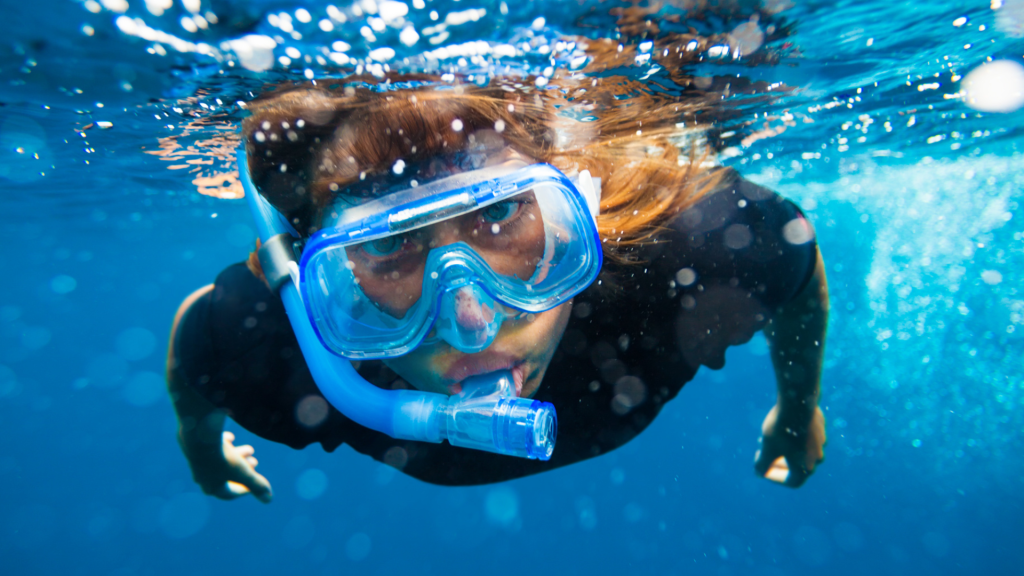

You know that feeling when you are craving a simple day in the water but the logistics feel like a puzzle. One website mentions easy shore access while another insists you need a boat, leaving you unsure about what to wear, where to change, and if the visibility will even be worth the drive.
That is why our team at WildyNess created this guide to simplify your Gulf of Oman adventure and ensure you feel confident from the moment you hit the sand.
Top Snorkeling Spots in Fujairah
Fujairah offers a distinct underwater landscape compared to the Arabian Gulf side of the UAE. Because it faces the Indian Ocean, the water is more nutrient-rich, attracting a higher density of marine life. For most snorkelers, two primary locations define the experience: Snoopy Island and Dibba Rock.
Snoopy Island at Al Aqah
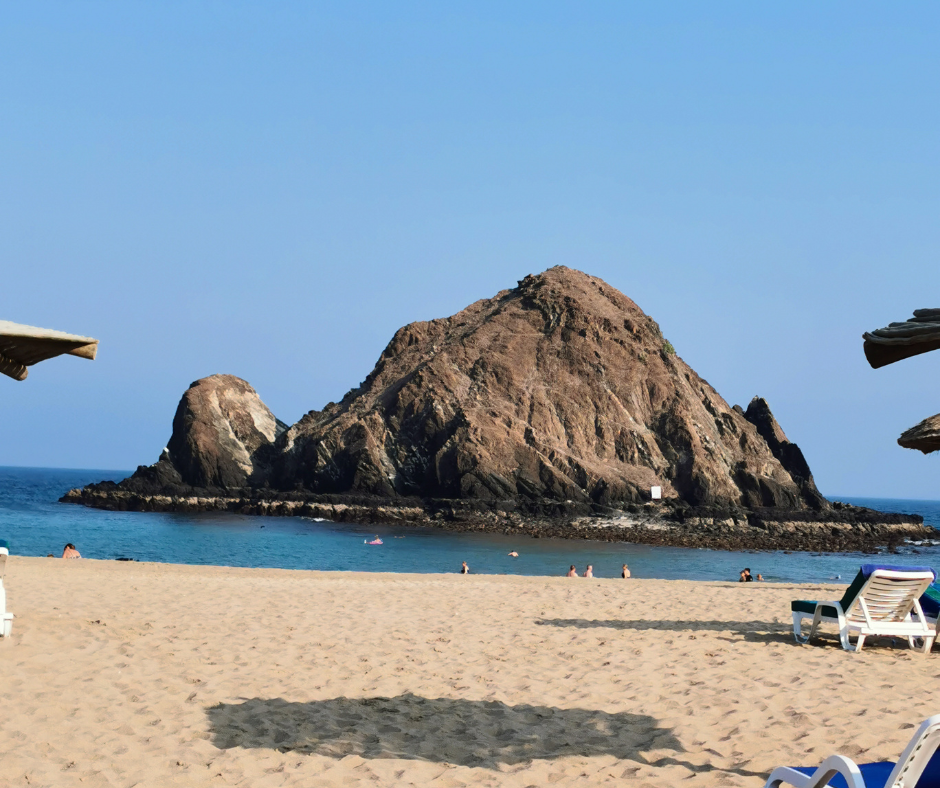
This is the most famous snorkeling destination in the emirate for a reason. Located just off the beach at Al Aqah, the island gets its name from its silhouette which resembles the cartoon character lying on his back. The depths here range from 3 to 7 meters around the rocky base, making it perfect for those who prefer staying close to the surface.
You can swim out directly from the beach in front of the Sandy Beach Hotel. As you reach the rocks, look for orange-spotted trevally and large schools of yellow-tail barracuda that often circle the island. The shallowest sections are covered in hard corals where parrotfish scrape for algae.
Dibba Rock
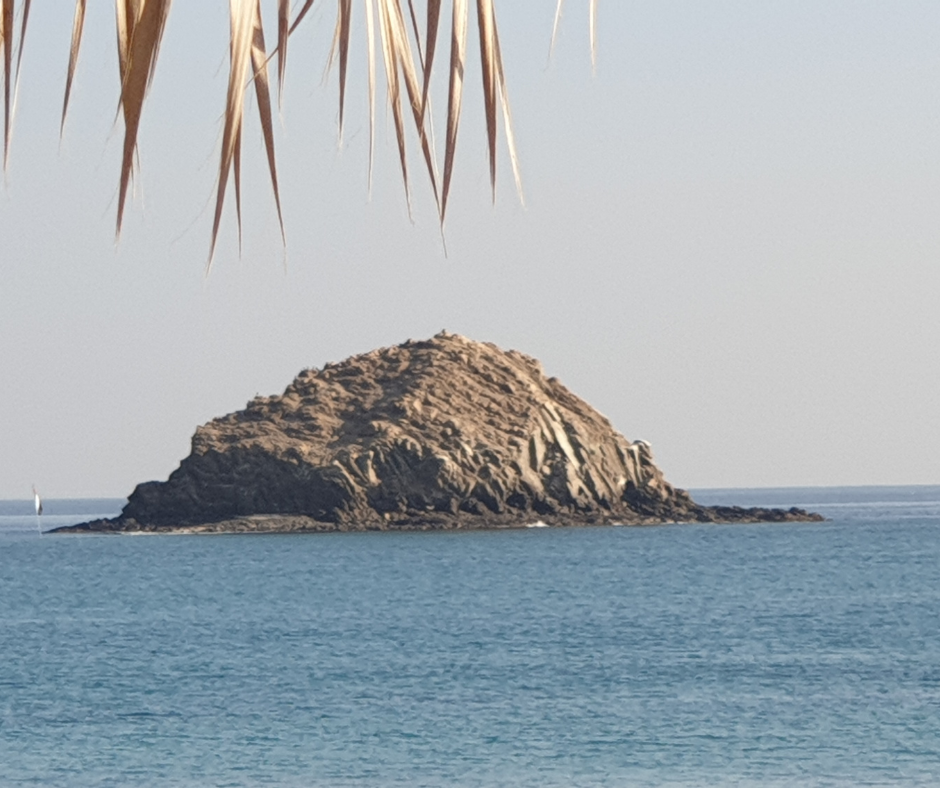
While Snoopy Island is great for shore access, Dibba Rock usually requires a short boat ride from the Dibba port or nearby resorts. This spot is a protected marine sanctuary, meaning the coral health is often superior. The depths vary between 4 and 16 meters. The shallow ledges on the western side are the best for snorkelers. This is the premier spot to see blacktip reef sharks.
These sharks are generally shy and pose no threat to humans, but watching them glide over the sandy bottom is a highlight for any snorkeler. You are also highly likely to spot green sea turtles and hawksbill turtles feeding on the seagrass patches nearby.
Understanding Water Conditions and Visibility
The Gulf of Oman is dynamic, and visibility can change based on currents and plankton blooms. On peak days, visibility reaches up to 25 meters, creating a crystal-clear window into the reef. On average days, you can expect 5 to 12 meters of clarity. We recommend checking the wind forecast before you leave. North-westerly winds can cause surface chop that makes snorkeling tiring and stirs up sediment.
Timing is the most important factor for a successful trip. We suggest entering the water as early as possible, ideally between 8:00 AM and 10:00 AM. During these hours, the sun is high enough to illuminate the reef but the afternoon winds have not yet picked up. If you visit on a Friday or Saturday, these early hours also help you avoid the largest crowds. Weekdays are significantly quieter and offer a more peaceful connection with the marine environment.
Logistics and Planning Your Visit
Getting to Fujairah from Dubai or Abu Dhabi is a straightforward drive through the Hajar Mountains. From Dubai, the trip takes approximately 90 minutes via the Sharjah-Kalba Road or the Khorfakkan Road. If you do not have a car, several tour operators offer day-trip shuttles that include gear rental and boat access.
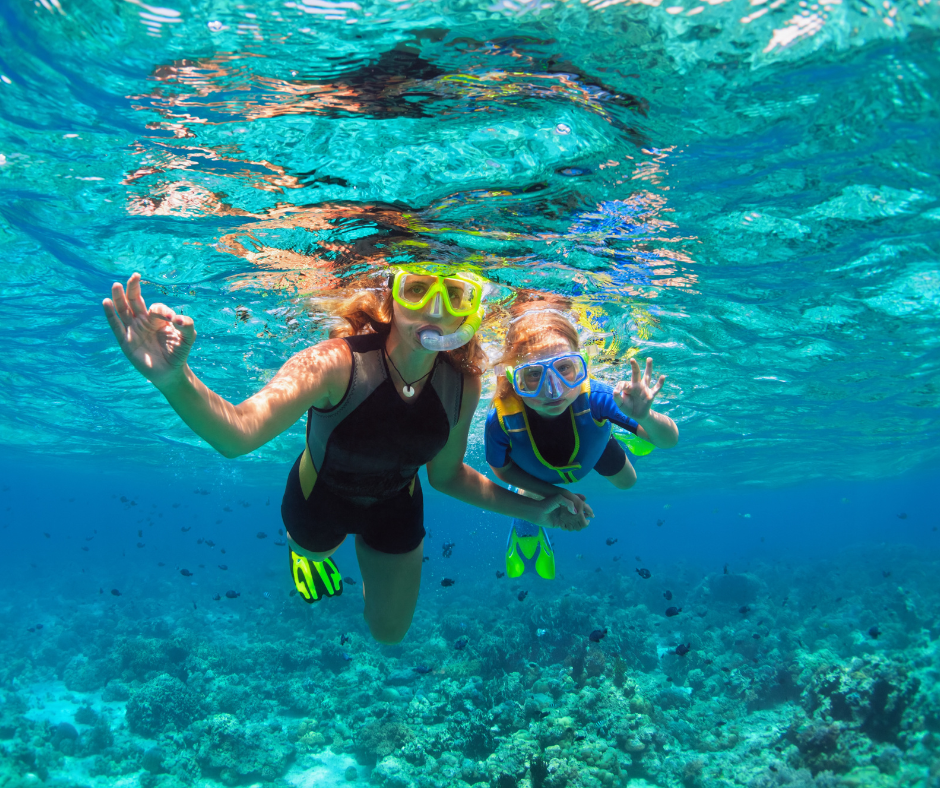
For gear, you have two choices. You can bring your own mask and fins for the best fit or rent from one of the many dive centers in Al Aqah or Dibba. Professional centers like Al Boom Diving or Nemo Diving Center provide high-quality silicone masks and fins that perform better than cheap supermarket sets. If you are snorkeling with children, we suggest renting a flotation vest. Even strong swimmers can get tired in the ocean, and a vest allows you to float effortlessly while looking down at the fish.

Marine Life You Will Encounter
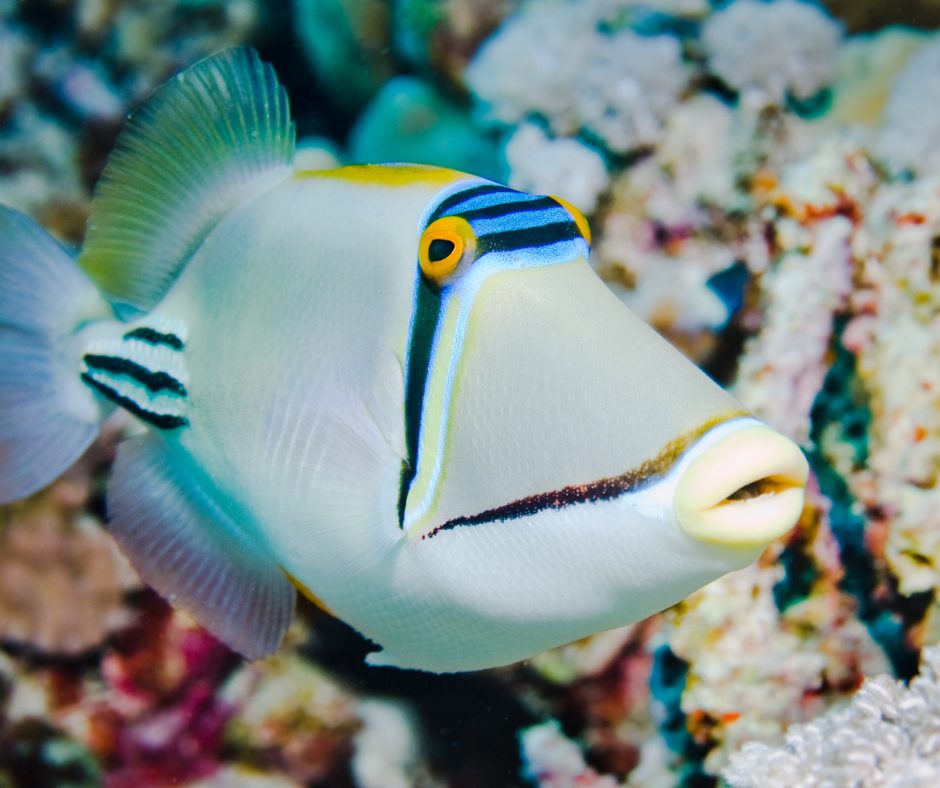
Snorkeling in Fujairah is like visiting a crowded underwater city. The most common resident is the Arabian Picasso Triggerfish, recognizable by its strange geometric patterns and bright colors. These fish are territorial, so if one swims toward you, simply move along and give it space.
You should also keep an eye out for the Porcupine Puffers that hide in rocky crevices during the day. If you look closely at the reef edges, you might spot a Snowflake Moray Eel poking its head out. Unlike the larger morays, these are small and quite shy. During the winter months, the water temperature drops to around 22°C, which often brings in larger schools of fusiliers and even the occasional honeycomb stingray resting on the sandy floor.
Cultural Etiquette and Beach Conduct
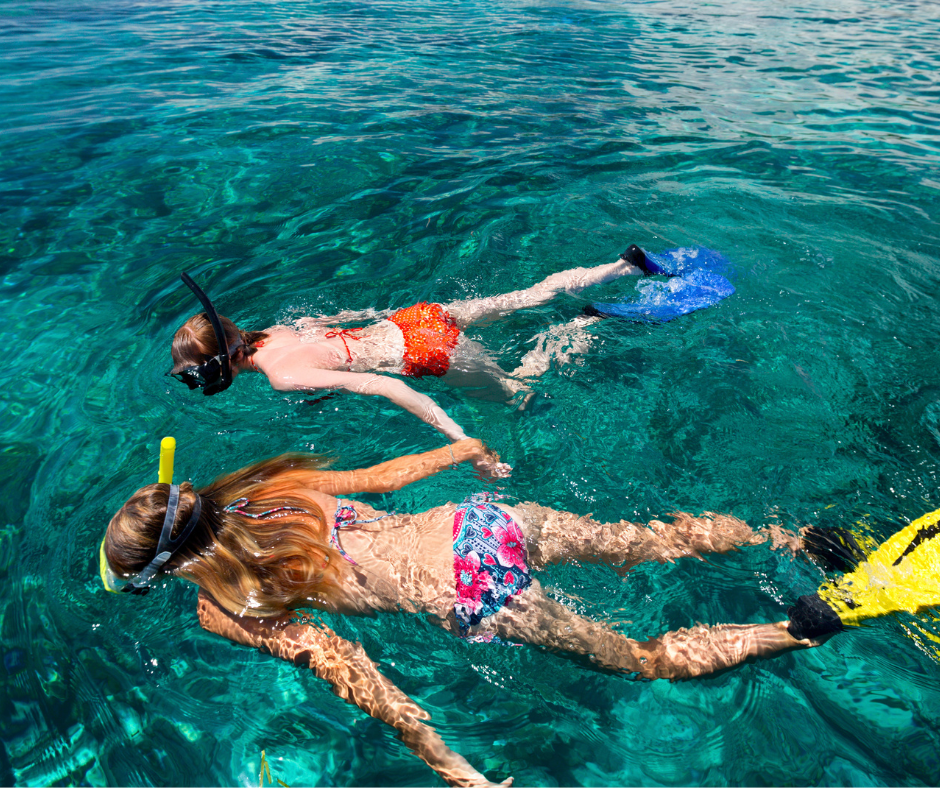
Fujairah is a conservative emirate, and respecting local customs ensures a positive experience for everyone. While resort beaches are accustomed to international swimwear, public beaches require more modesty. When you are on the sand at a public spot like Sandy Beach, standard swimsuits are acceptable, but you should avoid walking around in them once you leave the immediate water area.
We recommend having a dry set of clothes or a large sarong ready in your bag. As soon as you head to a cafeteria, a grocery store, or even the parking lot, put on a t-shirt and shorts. This small gesture of respect goes a long way with the local community. Additionally, please be mindful of families enjoying the beach. Avoid playing loud music and always ask for permission before taking photos that might include local people in the background.
Essential Safety and Reef Protection
Safety in the water starts with the buddy system. Never snorkel alone, even in shallow water. Currents around Snoopy Island can occasionally pull you away from the shore, so it is vital to have someone with you. If you feel a current pushing you, do not fight it directly. Instead, swim diagonally toward the shore until you are out of the pull.
Protecting the environment is just as important as your personal safety. The corals in Fujairah are fragile and grow only a few millimeters each year. Never stand on the rocks or the coral, as the oils from your skin and the weight of your fins can kill the organisms. We also urge you to use reef-safe sunscreen. Traditional sunscreens contain chemicals like oxybenzone that contribute to coral bleaching. Apply your sunscreen at least 20 minutes before entering the water so it has time to absorb into your skin rather than washing off into the sea.
Beyond the Water: Completing Your Adventure
A trip to Fujairah is more than just a snorkel session. To make the most of your day, we suggest exploring the rugged landscape of the Hajar Mountains after your morning swim. The contrast between the deep blue water and the jagged orange peaks is what makes this region special.
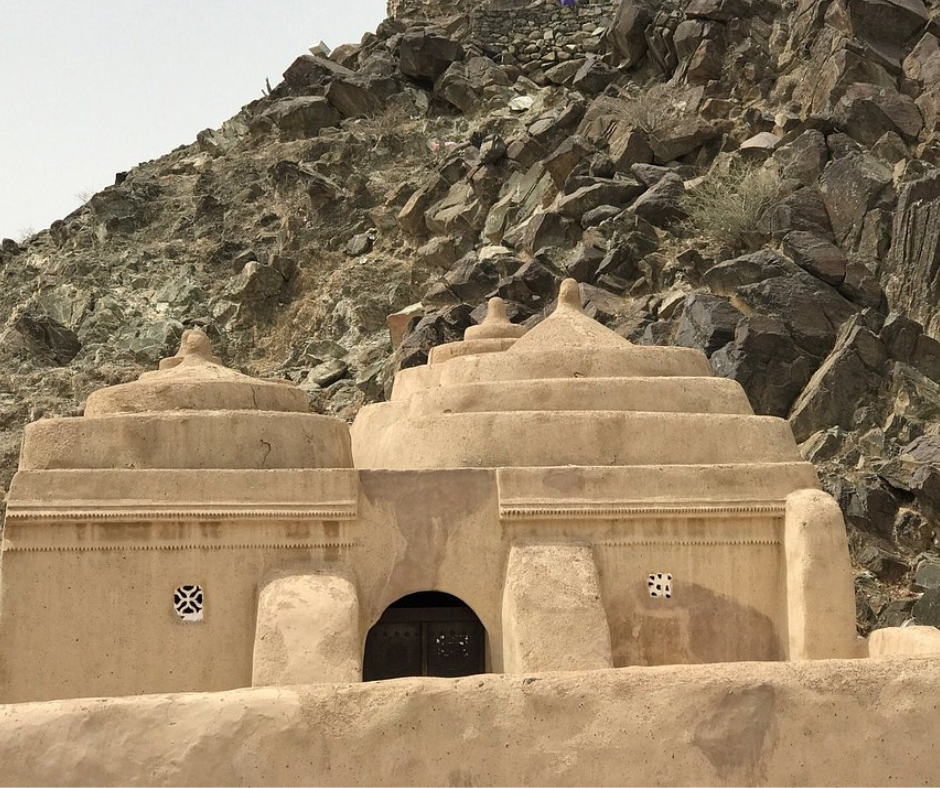
You can visit the Al Bidyah Mosque, which is the oldest known mosque in the United Arab Emirates. It is located just a few minutes from the Al Aqah snorkeling sites and offers a glimpse into the history of the region. For a late lunch, seek out local restaurants serving fresh grilled hammour or Omani-style seafood. If you still have energy, a short hike in Wadi Ghub or a visit to the Khorfakkan waterfall nearby provides a perfect end to the day.
For more hiking here, we recommend reading Hiking in Fujairah: Discover the Wild Heart of the UAE
Final Preparation for Your Trip
Before you zip up your bag, do a quick mental check of your essentials. Ensure you have plenty of fresh water because the salt water and the UAE sun will dehydrate you faster than you realize. Double-check your gear for any sand in the seals of your mask, which is the most common cause of leaks.
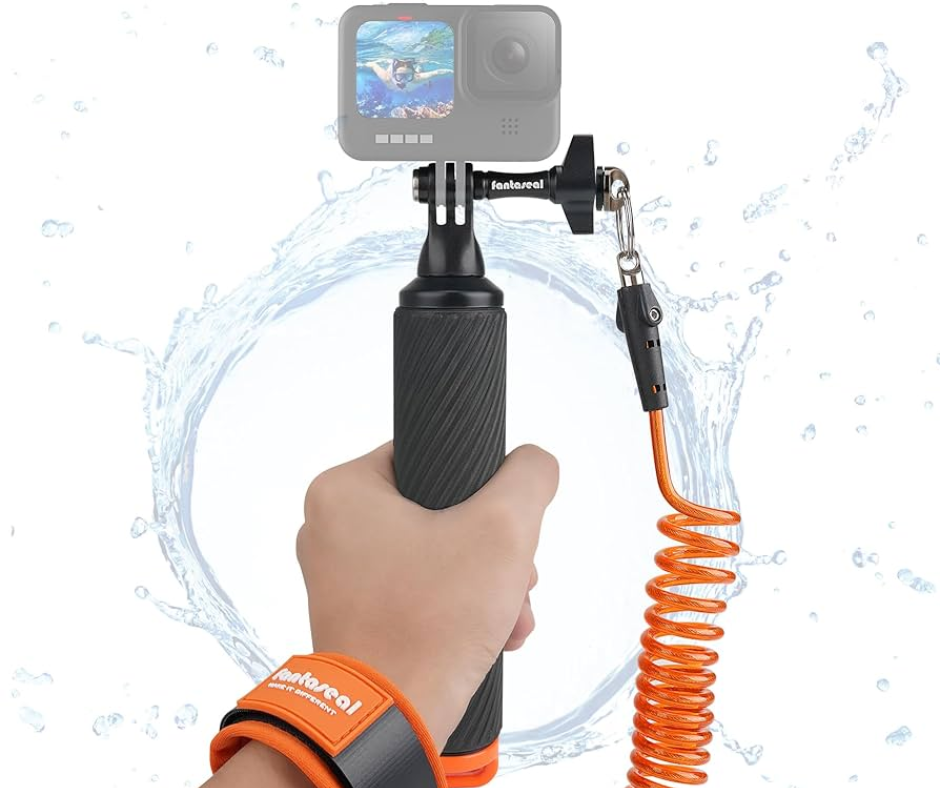
If you are using a GoPro or underwater camera, make sure the tether is secure around your wrist. Many cameras are lost each year at Dibba Rock because of loose straps. Most importantly, remember to move slowly in the water. The less you splash, the more the fish will accept your presence, allowing you to see behaviors like cleaning stations and territorial displays that frantic swimmers often miss.
Wildyness is here to help you navigate these experiences with ease. We believe that travel is best when it combines adventure with a deep respect for the places we visit. By following these guidelines, you are not just a tourist but a responsible explorer of the UAE’s most beautiful coastline.
For more depth, we recommend reading Diving in Fujairah, UAE
For more things to do in Fujairah, we suggest 8 Best Things to Do in Fujairah in 2026
Also read: Fujairah Beach Guide: Snorkeling, What to Wear & Top Tips