Arriving in a new city only to find restaurants closed and streets quiet during the day can leave any traveler feeling hungry, confused, and out of sync.
That is why our team at WildyNess created this guide to help you navigating the ramadan days in Riyadh.
Essential Rules for Non-Muslim Tourists
Eating and Drinking Etiquette in Public
Ramadan requires strict adherence to fasting rules during daylight hours. From dawn until the sun sets, you must not eat, drink, smoke, or chew gum in any public space. This applies to everyone in the city, regardless of your personal beliefs or cultural background. Carrying a water bottle in your hand while walking down the street is considered highly disrespectful and can lead to uncomfortable situations.
Instead, you should consume all meals and beverages in the privacy of your hotel room or private residence. Many major hotels keep room service running for their international guests throughout the entire day. You can also rely on local delivery applications like Jahez or HungerStation to bring groceries and hot meals directly to your door.
If you must carry water with you for medical reasons, keep it hidden inside a closed backpack and only take sips in a completely private restroom.
Choosing Modest and Respectful Attire
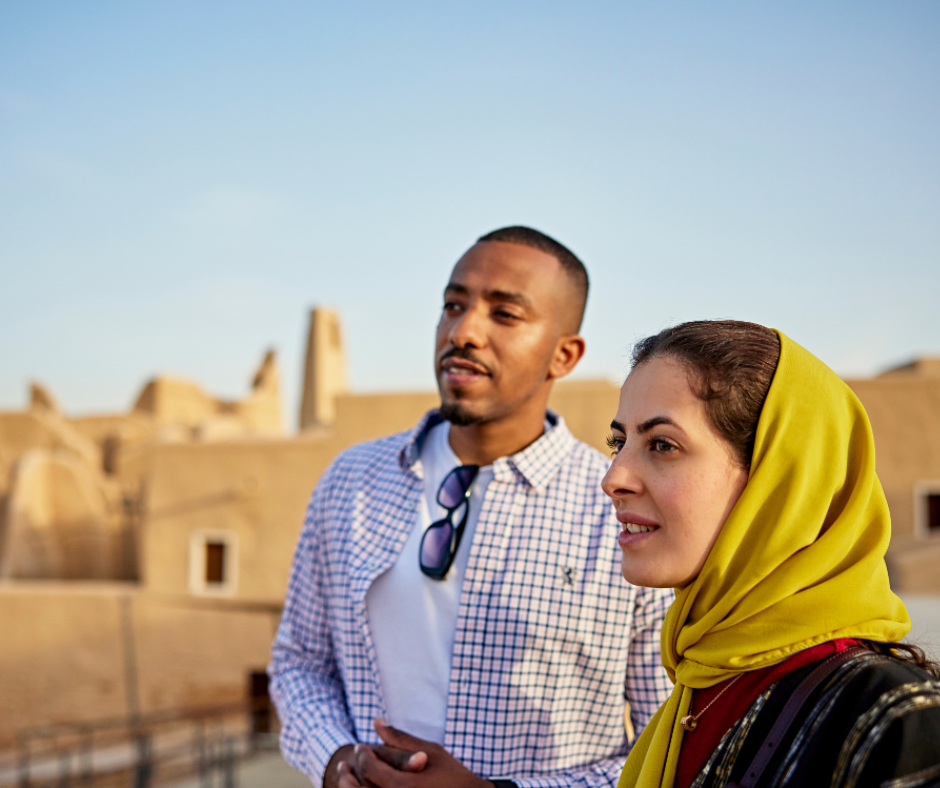
Dressing appropriately is always important in Saudi Arabia, but the holy month calls for an extra layer of modesty. Women are no longer legally required to wear an abaya, but doing so during Ramadan is warmly appreciated by locals as a sign of deep cultural respect. If you choose not to wear one, ensure your clothing is loose-fitting, fully covers your shoulders, and extends well below your knees. High necklines and opaque fabrics are the best choices for daytime exploration.
Men also need to adjust their standard vacation wardrobes to fit the local expectations. Shorts of any length are generally frowned upon in public spaces during this sacred time. You should pack lightweight, breathable trousers made of linen or cotton to stay cool in the desert heat. Sleeveless shirts or tank tops are entirely unacceptable outside of a private hotel gym.
Public Behavior and Common Courtesies
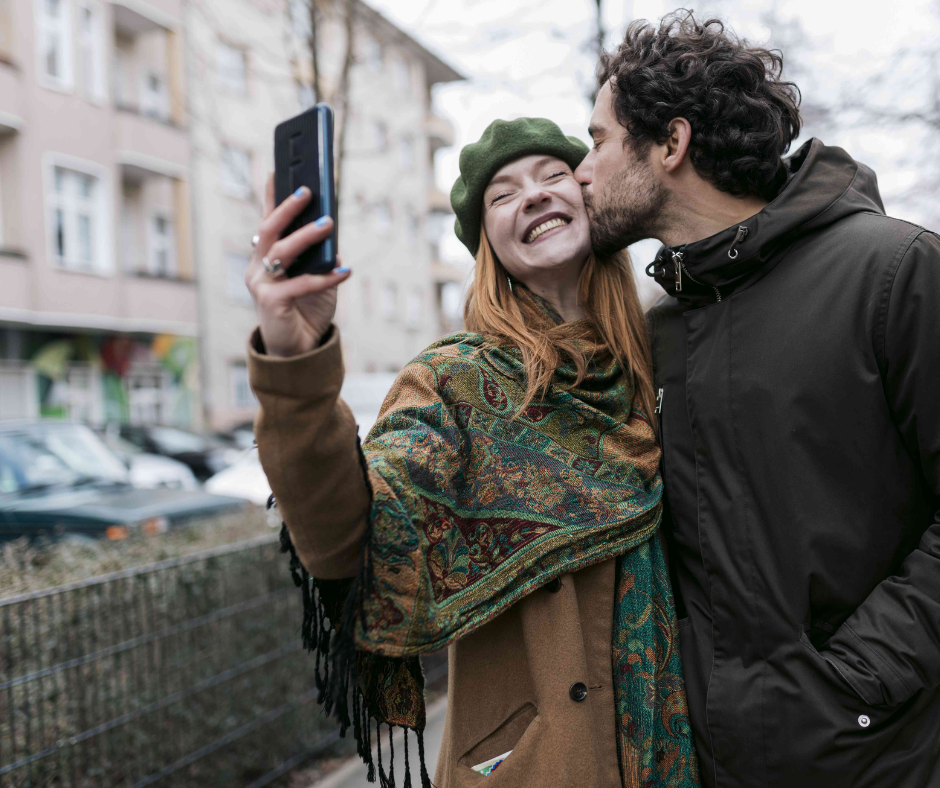
Your overall behavior in public spaces holds significant weight during this month of reflection. Keep public displays of affection to an absolute minimum to avoid offending fasting locals. You should also be mindful of your noise levels when walking through public squares or riding in taxis. Avoid playing loud music from your phone or speaking aggressively in crowded areas.
When you walk near mosques, maintain a quiet and respectful demeanor. You will likely see people gathered for prayer or quiet contemplation throughout the day. Never take photographs of people praying or fasting locals without asking for their explicit permission first. A polite approach and a calm attitude will ensure you are welcomed everywhere you go.
Navigating Adjusted Schedules and Logistics
What to Expect During Daylight Hours
Ramadan in Riyadh does not shut the city down. Instead, it flips the schedule entirely. During the morning and early afternoon, the pace of the city becomes incredibly quiet and slow. Many people sleep late into the day to recover from the late-night prayers and pre-dawn meals. You will notice fewer crowds in the streets and a very calm energy in most commercial districts.
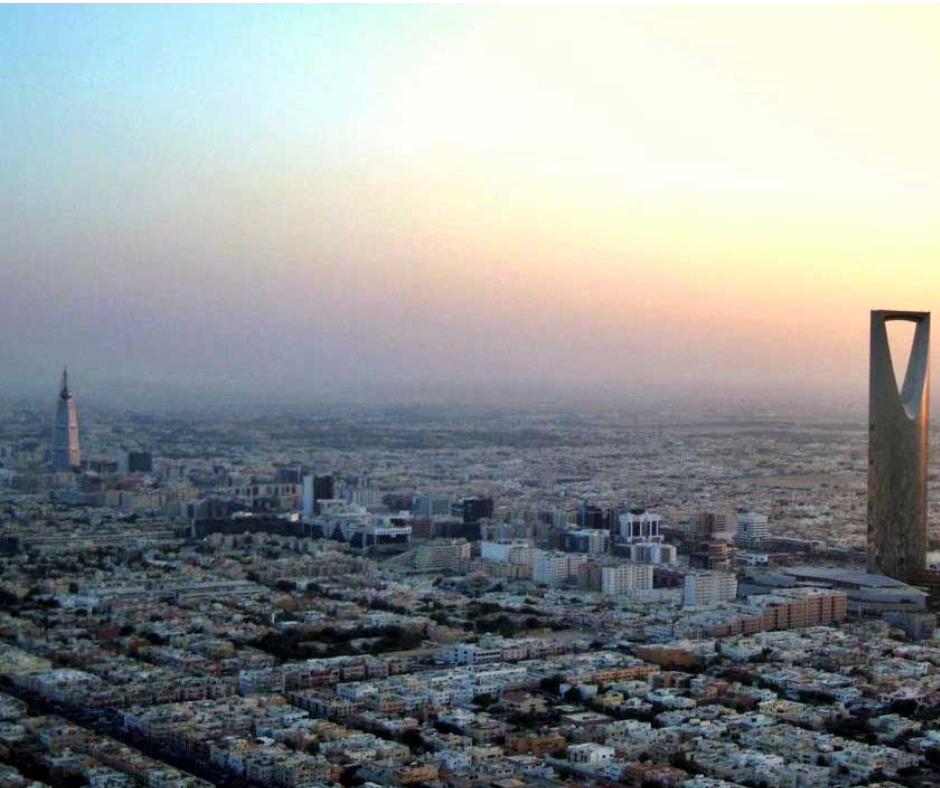
Business hours adjust significantly to accommodate the fasting population. Government offices, banks, and corporate headquarters often run on much shorter schedules. Malls remain open for walking and retail shopping, but all food courts will be closed or heavily curtained off. This quiet period is actually a fantastic time to enjoy peaceful walks through indoor, air-conditioned spaces like the Kingdom Centre without battling heavy foot traffic.
Managing Transportation Around Sunset
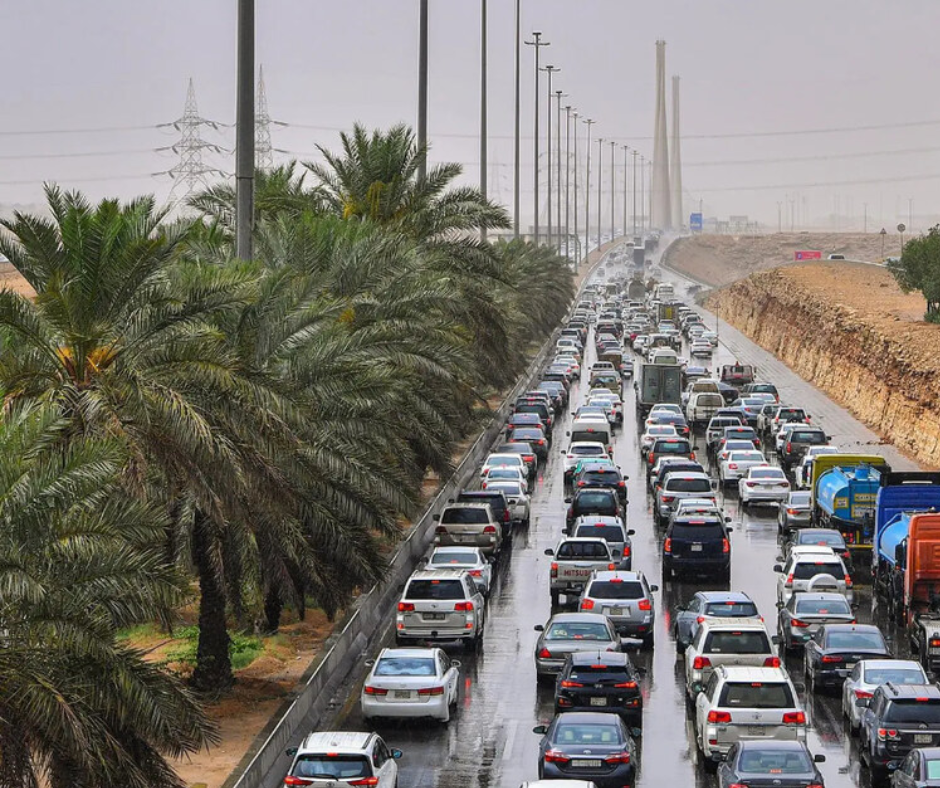
Right before Maghrib, which is the sunset prayer, the entire city shifts into a frantic rush. Traffic on major arteries like King Fahd Road and the Northern Ring Road intensifies rapidly as residents hurry home to break their fast with their families. If you are traveling thirty to sixty minutes before sunset, you are highly likely to get stuck in gridlock.
We recommend building a massive time buffer into your afternoon plans. Ride-hailing drivers for apps like Uber and Careem will also want to get home or to a mosque to break their fast, making cars harder to find. The smartest strategy is to be exactly where you want to spend your evening well before the sun goes down. Find a comfortable spot near your dinner reservation and simply relax while the city transitions.
Planning Museum and Attraction Visits
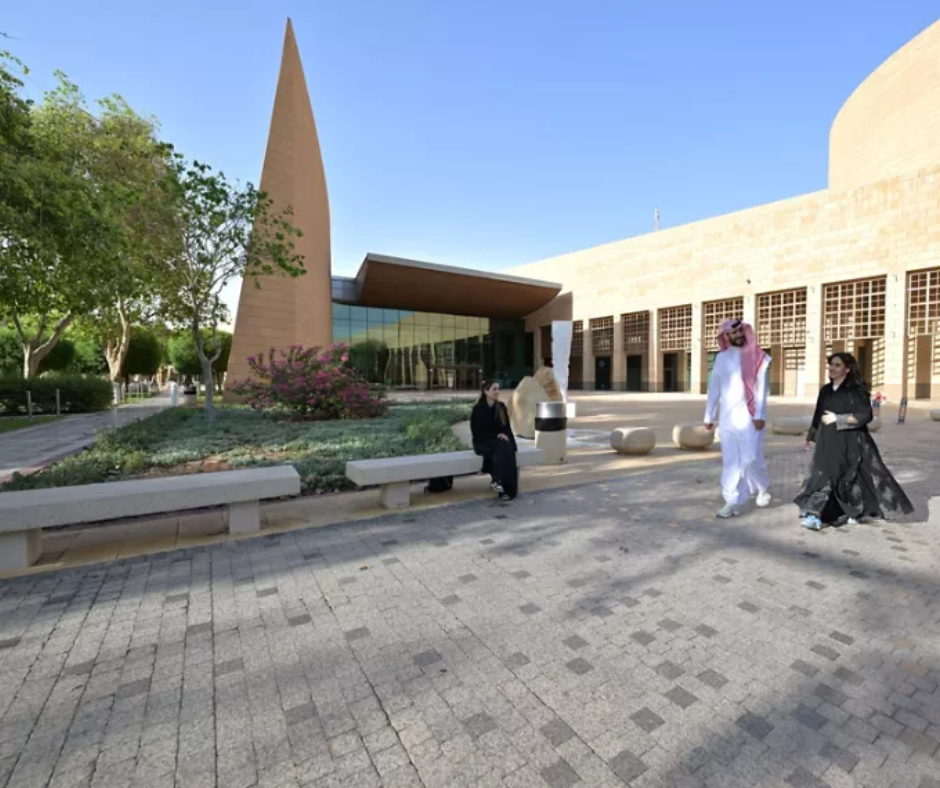
Touring historical landmarks requires a bit of daily verification. Major cultural stops like Al Masmak Fortress and the National Museum of Saudi Arabia often change their operating hours drastically. Many sites split their shifts, opening for a few hours in the late morning, closing for the entire afternoon, and reopening late into the night.
Always double-check operating hours on the same day you plan to visit. Official social media channels are usually much more accurate than standard search engine listings during the holy month. Plan your most important cultural visits for the early morning shift to beat the heat, and save the bustling outdoor spaces for your evening itinerary.
The Riyadh Iftar and Dining Scene
Securing Your Spot for the Fast-Breaking Meal
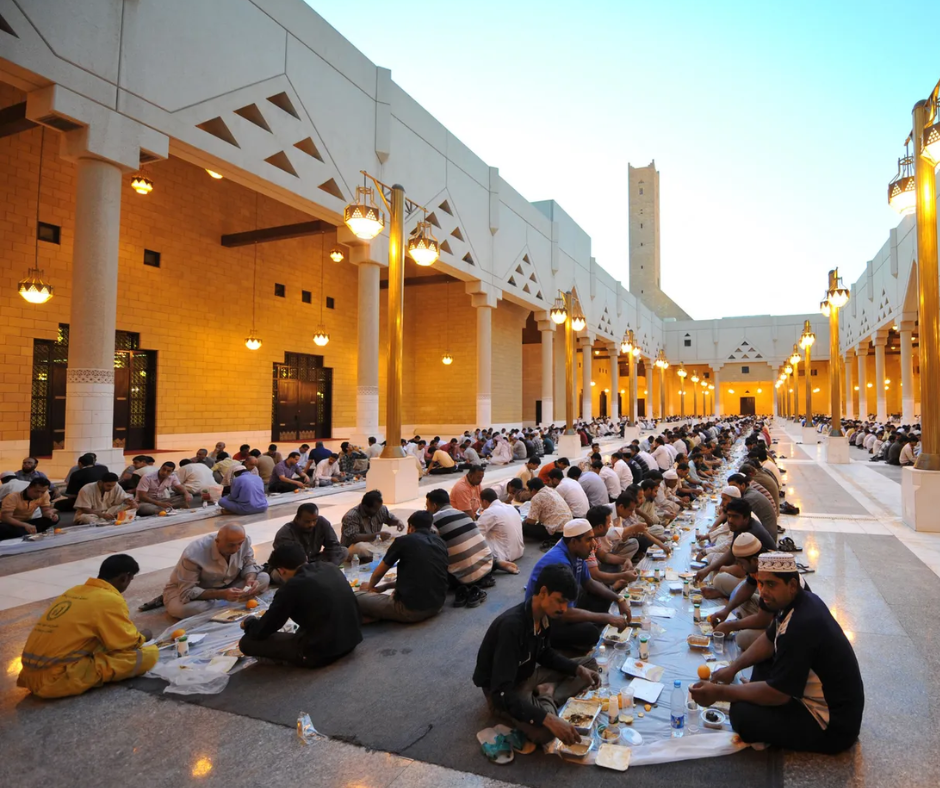
Iftar is the meal that breaks the daily fast, and experiencing it in Riyadh is a true cultural highlight. Countless restaurants and luxury hotels transform their standard services to offer lavish, multi-course Iftar buffets. These events are incredibly popular with both locals and expatriates, meaning tables fill up days in advance. You must make reservations early if you want to dine at popular venues in districts like Olaya or the King Abdullah Financial District.
Arrive at your chosen restaurant at least thirty minutes before sunset. You will find your table pre-set with traditional starters like dates, water, and warm soup. Do not start eating immediately. Wait until you hear the call to prayer echo from the local mosques, which is the signal that everyone can finally break their fast together.
Navigating the Late-Night Cafe Culture
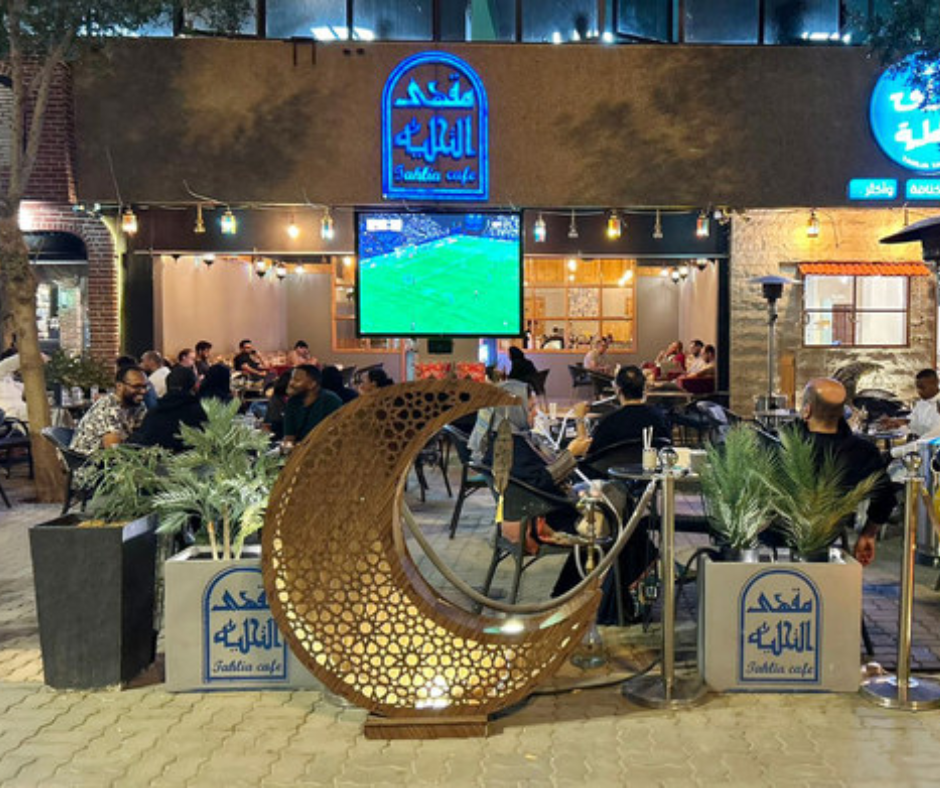
After the initial Iftar meal, Riyadh experiences a massive surge of energy that lasts well past midnight. The city boasts a thriving late-night cafe culture that kicks into high gear around ten o'clock at night. Outdoor lifestyle centers like U Walk, Riyadh Front, and Boulevard City become packed with families, friends, and couples enjoying the cool night air.
Coffee shops serve specialty roasts and elaborate desserts until two or three in the morning. This is the perfect time to grab an outdoor table, order an Arabic coffee, and simply people-watch. The atmosphere is highly social, incredibly safe, and very welcoming to tourists who want to experience the modern Saudi lifestyle.
Sampling Traditional Ramadan Delicacies
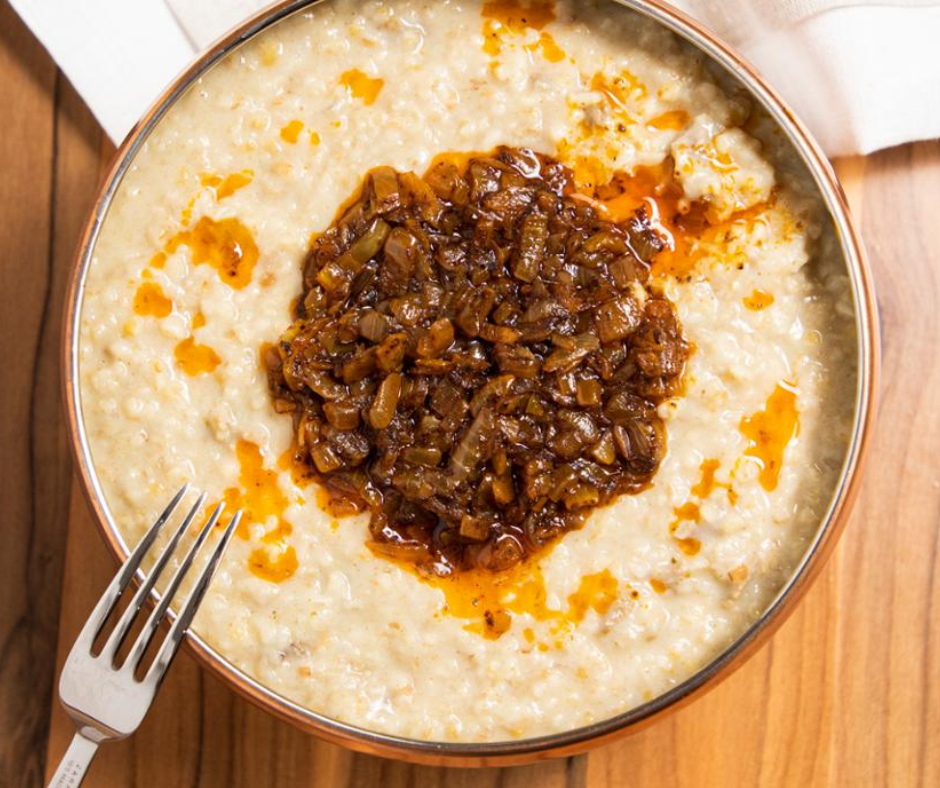
Ramadan brings out highly specific regional dishes that you might not find during the rest of the year. When you attend an Iftar or a late-night Suhoor meal, look for a traditional Saudi dish called Jareesh. This savory, comforting porridge is made from crushed wheat and slow-cooked meat, and it is a staple of the local holiday diet.
You should also look for sweet treats like Luqaimat, which are crispy, deep-fried dough balls drenched in date syrup or honey. To drink, you will find Vimto served almost everywhere. This sweet berry cordial has become an unexpected but deeply ingrained Ramadan tradition across the Arabian Peninsula. Trying these seasonal specialties connects you directly to the local celebratory spirit.
Exploring After-Dark Markets and Festivals
Discovering Local Crafts at Souq Al Zal
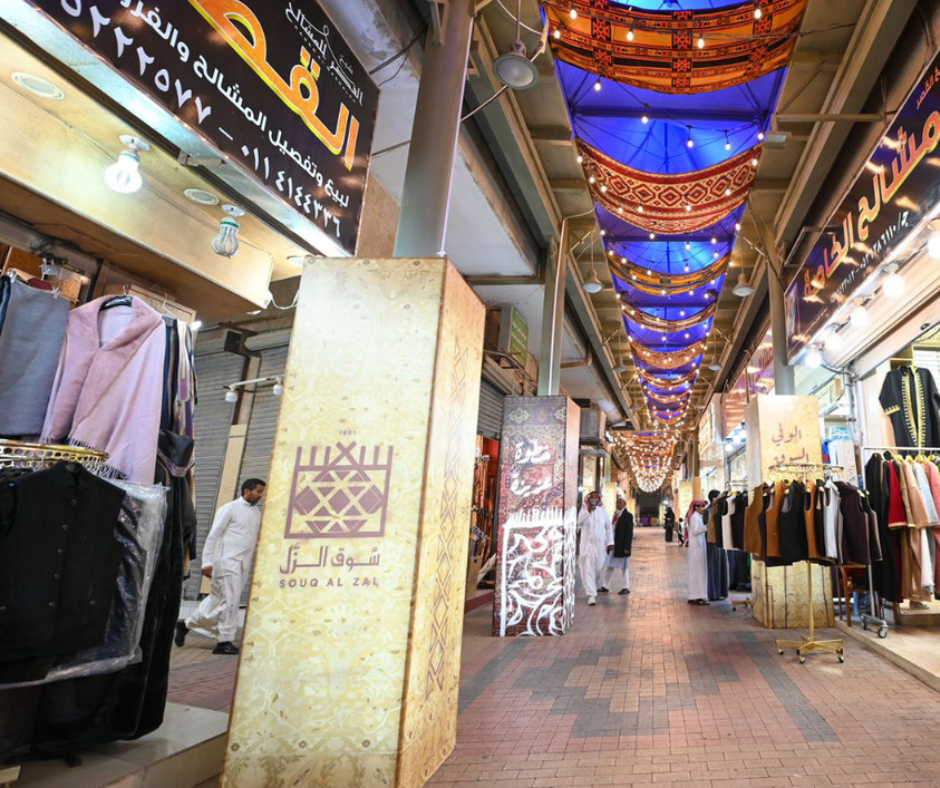
If you want to step away from the modern malls, head to Souq Al Zal in the older part of the city. This historic market truly comes alive after the evening Taraweeh prayers conclude. The narrow alleys fill with the rich scent of burning oud and the sound of vendors promoting their goods. It is an incredibly atmospheric place to spend two or three hours exploring.
Here, you can browse for authentic souvenirs like hand-woven rugs, intricate incense burners, and premium dates. Vendor stalls are brightly lit, and the shopkeepers are generally very patient and welcoming to international visitors. Bring small cash in Saudi Riyals, wear comfortable walking shoes, and feel free to politely negotiate prices for larger items.
Experiencing Cultural Events in Historic Diriyah
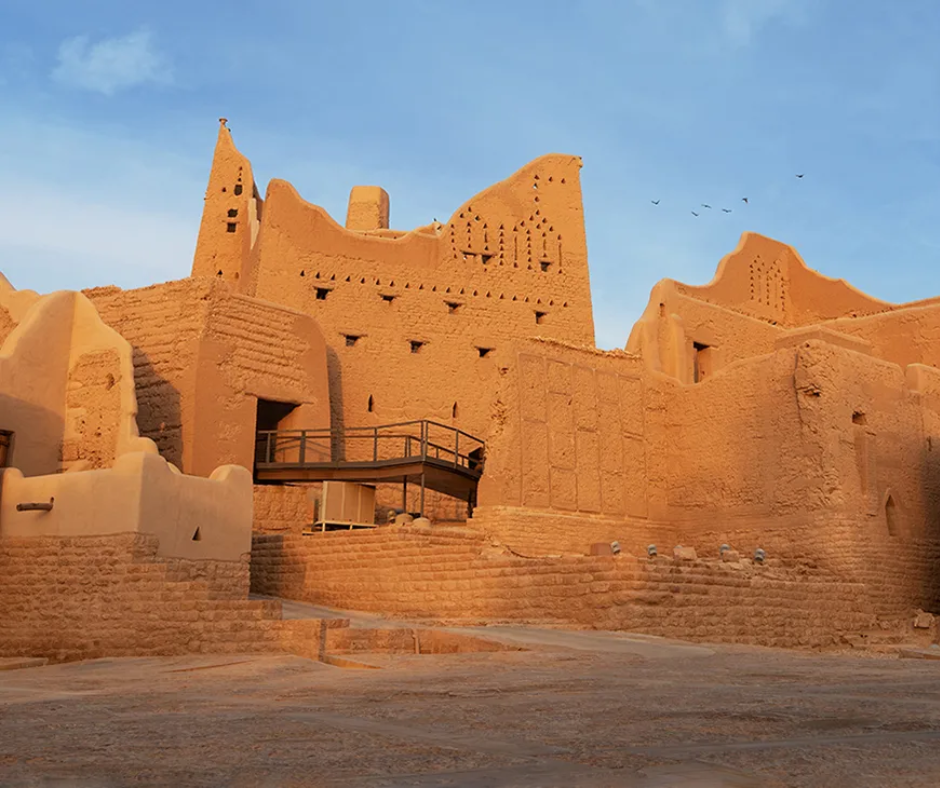
Diriyah is the ancestral home of the Saudi state, and it transforms into a spectacular cultural hub during Ramadan. The restored mud-brick architecture of the At-Turaif district is beautifully illuminated against the night sky. Across the valley at Bujairi Terrace, you will find premium dining options and pop-up heritage markets designed specifically for the season.
Local organizers frequently set up stages for poetry readings, traditional storytelling, and subtle musical performances that respect the holy month. Walking through Diriyah at night allows you to experience the deep historical roots of the region while enjoying world-class hospitality. Ensure your shoulders and knees are fully covered to match the respectful environment of this UNESCO site.
Joining Community Gatherings and Pop-Up Tents
Beyond the permanent historic sites, Riyadh hosts numerous temporary Ramadan tents known as Khaimas. These range from ultra-luxurious corporate pavilions to very simple, community-driven gathering spaces. Many neighborhoods set up long tables on the sidewalks where wealthy residents sponsor free meals for workers and passersby.
While you might not dine at a charity table, simply walking past these gatherings reveals the deep charitable focus of the month. You will often see locals standing at traffic lights right at sunset, handing out small bottles of water and boxes of dates to drivers stuck in traffic. Witnessing this spontaneous generosity is one of the most rewarding aspects of traveling during this time.
Practical Tips for a Smooth Trip
Adjusting Your Sleep and Activity Rhythm
Trying to maintain a standard nine-to-five vacation schedule will only lead to frustration. To truly enjoy Riyadh during this time, you must flip your internal clock. Stay out exploring, eating, and socializing until one or two in the morning. Then, allow yourself to sleep in late the next day.
Use the quiet afternoon hours to rest in your hotel room, read, or plan your upcoming evening. Fighting the local rhythm will leave you exhausted and hungry during the day, while missing out on the vibrant street life that only happens late at night. Embrace the nocturnal schedule to get the most out of your visit.
Engaging with the Local Community
Ramadan is a time of extreme hospitality. Do not be surprised if a shopkeeper, a guide, or even a friendly stranger invites you to share Iftar with their family. If you receive such an invitation and feel comfortable, absolutely say yes. These intimate, home-cooked meals provide unparalleled insight into Saudi family dynamics and traditions.
When greeting locals, use the phrase "Ramadan Kareem," which translates to "Generous Ramadan." This simple Arabic greeting opens doors and brings immediate smiles. Always accept coffee or dates with your right hand, as using the left hand for eating or receiving items is considered impolite in traditional Islamic culture.