
Planning a kitesurfing trip along an unfamiliar coastline like the red sea in saudi arabia can quickly turn into a frustrating puzzle of guessing wind directions, driving to inaccessible beaches, and struggling with unpredictable water conditions.
You want reliable winds, open water, and practical local advice without spending half your vacation searching through outdated forum posts.
That is why our team at WildyNess created this guide to kitesurfing along the Red Sea in Saudi Arabia.
Premier Flat Water and Lagoon Kitesurfing Spots
Gliding Across the Glassy Waters of Shoiaba Lagoon
Shoiaba Lagoon serves as one of the finest flat water kitesurfing destinations along the western coastline of Saudi Arabia. Located roughly ninety minutes south of Jeddah, this protected saltwater bay is shielded from open ocean swell by an extensive outer reef system and low lying sandbars.
The barrier creates mirror flat water on the inside, making it an exceptional training ground for riders looking to master new maneuvers without fighting choppy waves.
The conditions here are particularly forgiving for beginners and intermediate riders working on transitions, upwind riding, and their first unhooked freestyle tricks. When the northwesterly wind builds, you can hold a solid edge with minimal resistance, allowing for clean pop and soft landings.
Wind speeds typically range between fifteen and twenty two knots during peak afternoon cycles, blowing side-onshore to ensure safe drift back to the sand if you lose your board.
Navigating the lagoon requires paying close attention to tidal movements and water depth. During low tide, shallow sand patches and isolated coral heads can become exposed near the inner banks, so you should always scan the water color to identify deeper blue channels before attempting high speed runs.
Packing a reliable pair of neoprene booties is a smart choice to protect your feet when walking across sandy flats that contain sharp shell fragments.
Exploring the Turquoise Flats of Umluj Beach
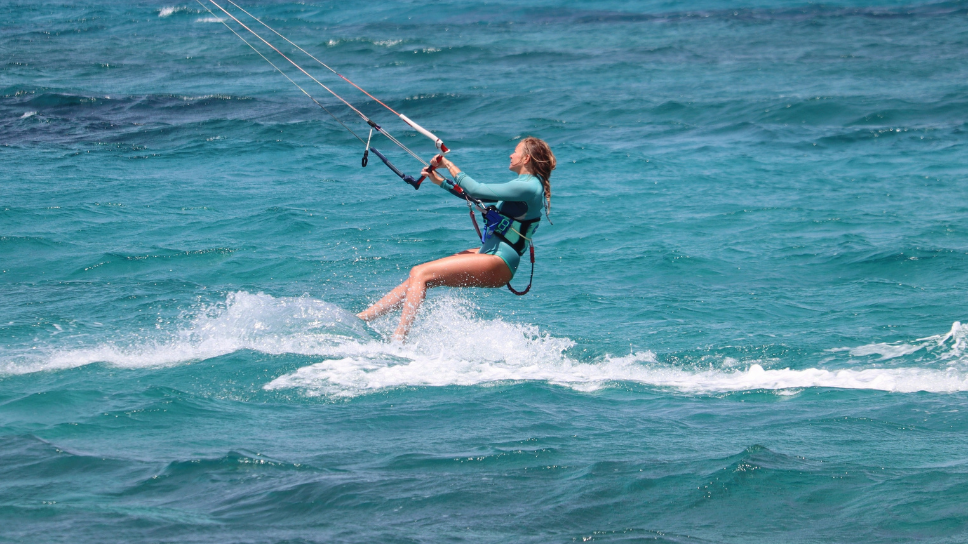
Umluj is frequently referred to as the Maldives of Saudi Arabia due to its remarkably clear, shallow turquoise waters and pristine sandbanks. For kitesurfers, this northern Red Sea destination provides vast expanses of undisturbed coastline where you can ride for hours without encountering crowds.
The wide shallows allow you to stand comfortably across large sections of the bay, which significantly accelerates the learning curve for body dragging and water starts.
The wind profile in Umluj is influenced by both regional trade winds and localized thermal dynamics. The most reliable conditions arrive between March and June, with a secondary windy window appearing throughout the autumn months from September to November.
During these seasons, riders can expect steady breezes averaging sixteen to twenty four knots that blow consistently from late morning until sunset.
Reaching the best launch zones in Umluj typically involves renting a four wheel drive vehicle to navigate the soft coastal tracks leading away from the main town center.
Setting up your gear on these open beaches gives you unobstructed access to the water with zero downwind obstacles. Because commercial kitesurfing infrastructure is still developing in this area, you must bring all essential repair kits, spare pump nozzles, and extra line sets with you.
Precision Riding Around Red Sea Mangrove Estuaries
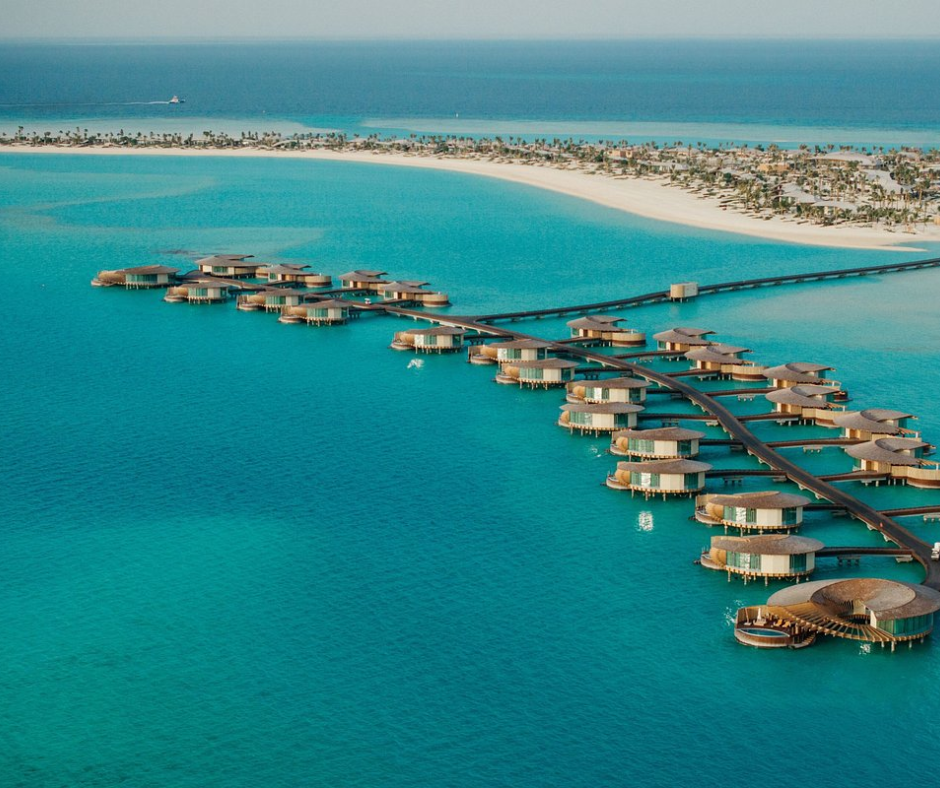
Kitesurfing along the natural mangrove channels found along protected stretches of the Red Sea coast offers a unique precision riding experience.
These coastal ecosystems feature dense thickets of salt tolerant trees that grow directly out of the shallow intertidal flats, creating natural windbreaks and glass flat channels between the vegetation. Gliding through these calm waterways requires disciplined kite control and a high level of situational awareness.
Riding in mangrove areas demands that you keep your kite flying high in the wind window to prevent your lines from tangling in the overhanging canopy.
You must maintain a strict buffer zone of at least thirty meters from the tree lines to avoid disturbing local bird populations or damaging sensitive root networks. If you drop your kite near a mangrove cluster, you should body drag out into open water rather than attempting an immediate water relaunch near the branches.
These delicate estuaries represent important marine habitats, making environmental respect an absolute priority for every visiting kiter.
You should avoid launching during extremely high spring tides when water encroaches deeply into the root systems, as this increases the risk of gear entanglement. Sticking to wide, well established water channels allows you to enjoy the smooth water while leaving the natural ecosystem entirely undisturbed.

Top Kitesurfing Beaches Around Jeddah
Riding Trade Winds at Silver Sands Beach Club
Silver Sands Beach Club is the premier private beach launch for kitesurfers based in the metropolitan area of Jeddah. Located along the northern coastline of the city, this members and day pass club offers a well maintained sandy beach that makes rigging and launching exceptionally comfortable.
The location benefits from clean, side-onshore trade winds that blow across the open Red Sea with minimal urban turbulence.
The launch area provides a safe entry point into the water, though riders should be mindful of the designated swimming zones marked by buoys near the shoreline.
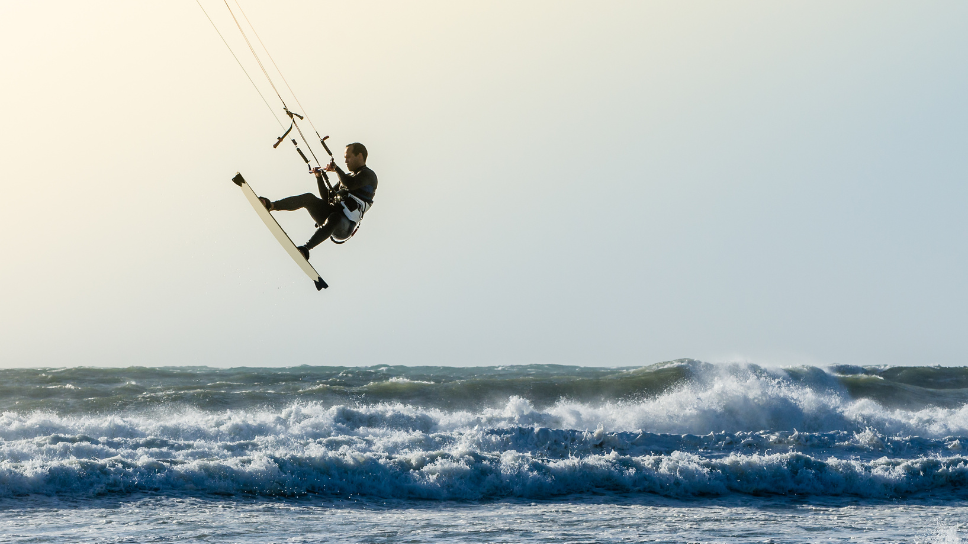
Once you clear the immediate beach area, you enter open water with rolling chop that is ideal for freeriding, boosting big airs, and carving across rolling swells. Wind speeds here frequently hit eighteen to twenty five knots during active weather systems, making nine meter and twelve meter kites the most common quiver choices.
The facility amenities at Silver Sands make it a stress free base for a full day of riding. You have immediate access to freshwater rinse stations to wash salt off your canopy and lines, shaded seating areas to rest between sessions, and on-site dining options.
While entry fees apply, the combination of safe beach access, rescue boat support, and dedicated packing lawns makes it well worth the investment for visiting travelers.
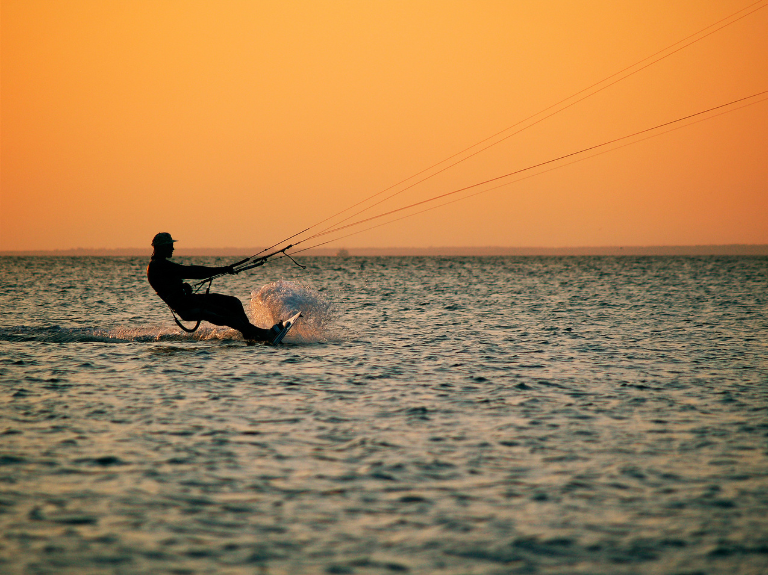
Catching Predictable Thermal Breezes at South Corniche
South Corniche is a well known open access riding area situated south of central Jeddah that comes alive when thermal winds develop.
As the vast desert interior heats up rapidly under the midday sun, the rising warm air pulls in cooler air from the Red Sea, generating a predictable onshore and side-onshore breeze. This thermal effect typically activates around noon and steadily builds in strength through the late afternoon hours.
The shoreline along South Corniche is wide and composed of compacted sand and gravel, giving you ample space to lay out your lines without crowding other water users.
The water conditions feature moderate chop that increases as the wind peaks, providing natural kickers for jumping. It is an excellent spot for self sufficient riders who want quick access to dependable wind without paying private club entrance fees.
Because South Corniche is a public coastal park, you must exercise extra caution when launching and landing your kite near pedestrians and families enjoying the promenade.
Always maintain a generous downwind safety margin of at least two line lengths from walkways, light poles, and parked vehicles. Landing your kite well before sunset is recommended, as the thermal breeze tends to shut off abruptly once the land temperature begins to cool.
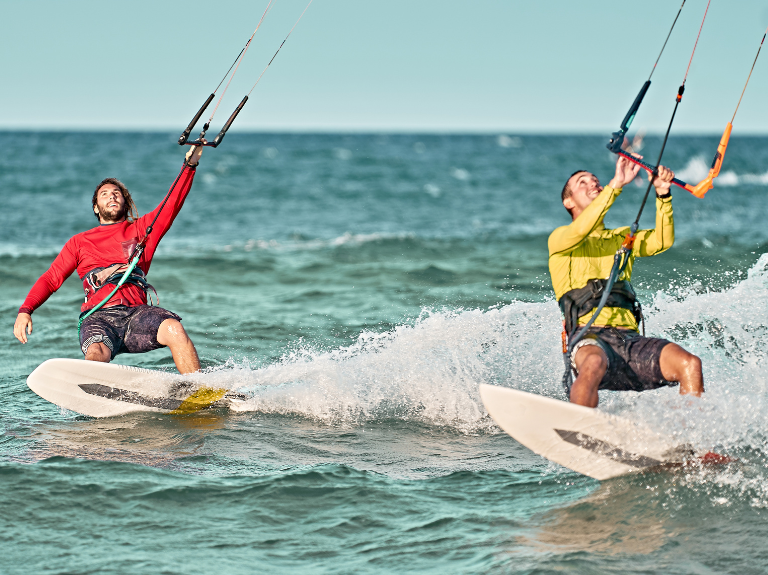
Mastering Deep Water Technique in Obhur Creek
Obhur Creek provides an exciting change of pace for advanced kitesurfers who want to test their technical skills in deep, open water channels.
Cutting inland from the Red Sea north of Jeddah, this marine waterway features deep blue water with zero shallow sandbars or standing areas once you leave the shoreline. Riding here requires complete confidence in your board recovery and deep water pack down skills.
The steep drop offs in Obhur Creek mean that mistakes carry higher stakes, as you cannot simply stand up to adjust your footstraps or untangle a bridle line.
Every transition and jump must be executed with precision, which delivers a fantastic sense of progression for confident riders. The wind funnels through the mouth of the creek, often accelerating slightly compared to the open sea and providing strong, consistent lift for aerial maneuvers.
Safety gear is mandatory when tackling deep water sessions in this active boating channel. You should always wear a properly certified impact vest and a high visibility helmet to protect yourself and remain visible to passing watercraft.
Pairing up with a riding partner and agreeing on clear hand signals ensures that someone is always monitoring your position if your kite goes down in the middle of the channel.
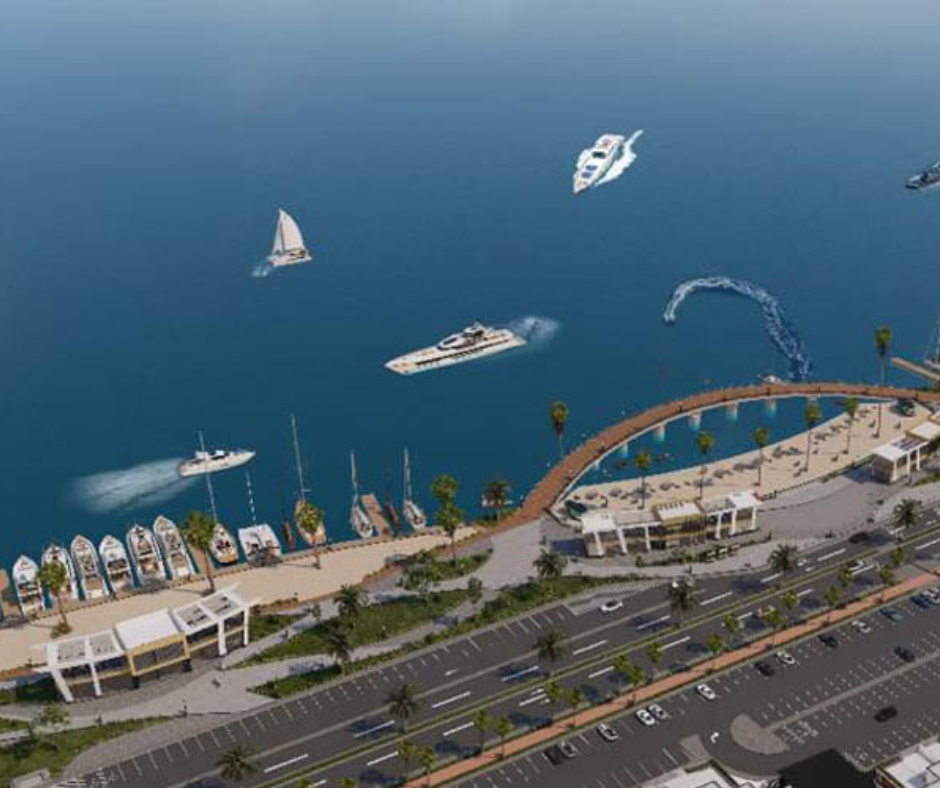
Northern and Southern Red Sea Coastal Launches
Wide Sandy Launches Along Yanbu Beach
Yanbu sits approximately three hundred kilometers north of Jeddah and is recognized as one of the most reliable wind hubs in the entire Kingdom.
The coastal geography of Yanbu features expansive sandy shorelines that stretch for kilometers, offering unobstructed launching zones that are completely free from urban obstacles. The prevailing wind blows side-shore from the northwest with remarkable consistency throughout the spring and summer months.
The riding environment in Yanbu is exceptionally versatile, featuring shallow sand flats close to shore that gradually transition into open rolling chop further out.
This variety makes it equally attractive to beginner students practicing board starts and seasoned freeriders looking for long downwind cruisers. Wind conditions often hold steady between eighteen and twenty eight knots, making it a reliable destination for smaller kite sizes ranging from seven to ten meters.
Staying in the modern city of Yanbu provides convenient logistics, with short drive times between downtown hotels and the prime beach launches. The local coastal roads provide straightforward access to the sand, allowing you to park your vehicle directly behind your rigging area.
The abundance of open space ensures you will rarely have to share a launch site with more than a handful of other kitesurfers.
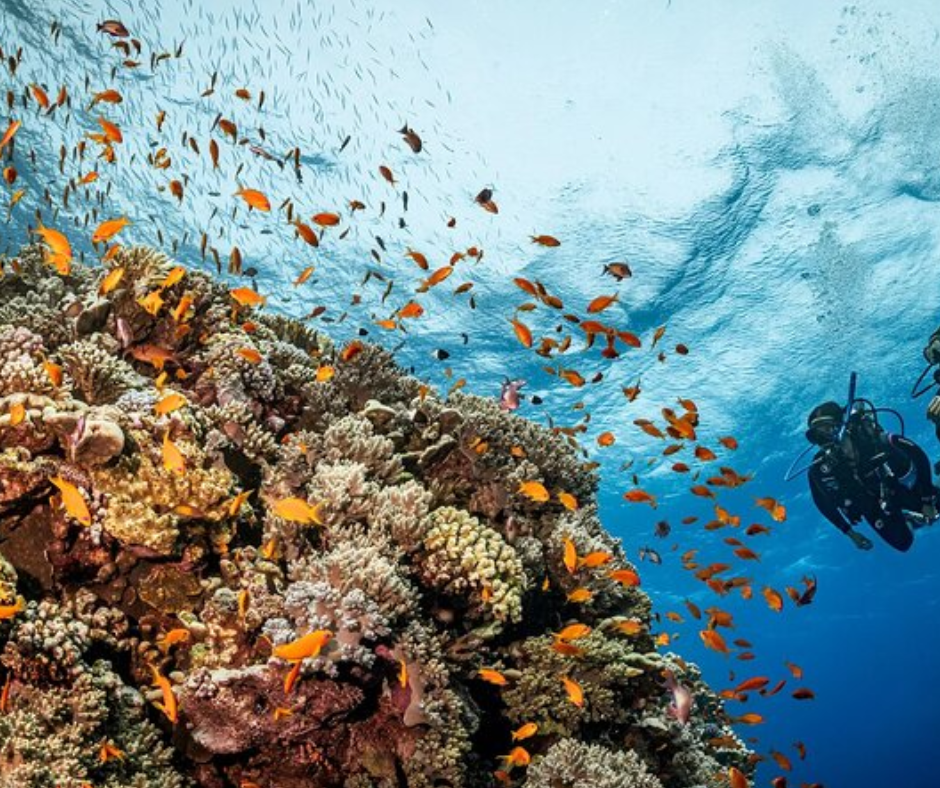
Uncrowded Coastal Spots Near Jazan and the Farasan Coast
The southern Red Sea coastline surrounding the city of Jazan remains one of the least explored frontiers for international kitesurfing.
The mainland coast opposite the Farasan Archipelago features remote sandy spits, shallow bays, and tidal lagoons that receive steady coastal breezes. This region is ideal for adventurous travelers who want to combine off the grid exploration with completely empty riding spots.
The water in the southern Red Sea is exceptionally warm year round, allowing you to ride in nothing more than boardshorts and a lightweight rashguard even during midwinter.
Wind patterns here are influenced by regional southern Red Sea weather systems, often producing favorable side-onshore breezes in the morning and early afternoon. The vast sandbars create pockets of flat water behind natural spits, offering pristine freestyle conditions in complete isolation.
Visiting this southern region requires a self sufficient mindset and thorough preparation. You must carry ample fresh drinking water, spare parts, and adequate sun protection, as remote beaches outside Jazan have zero commercial facilities.