
Navigating a massive Arabian market for the first time can easily turn from an exciting adventure into an overwhelming maze of aggressive sales pitches, confusing alleys, and overpriced souvenirs.
You want to experience the authentic culture and find genuine local treasures, but without a solid plan, you will likely end up lost and frustrated in the intense heat.
That is why our team at WildyNess created this guide to help you in your journey in Souk al Alawi in Jeddah.
What to Expect at Souk Al Alawi in Jeddah
Understanding the Labyrinth of Al Balad
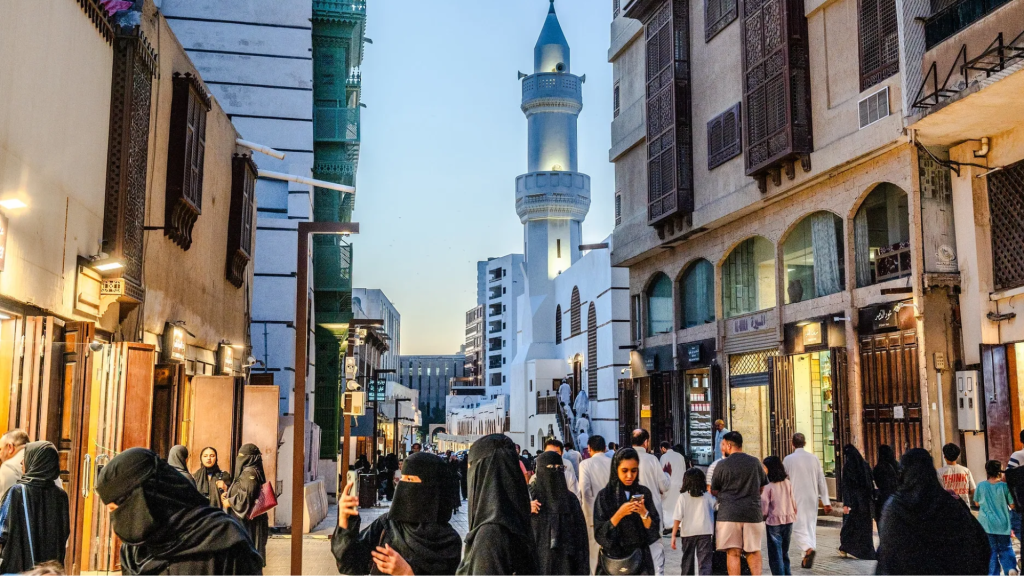
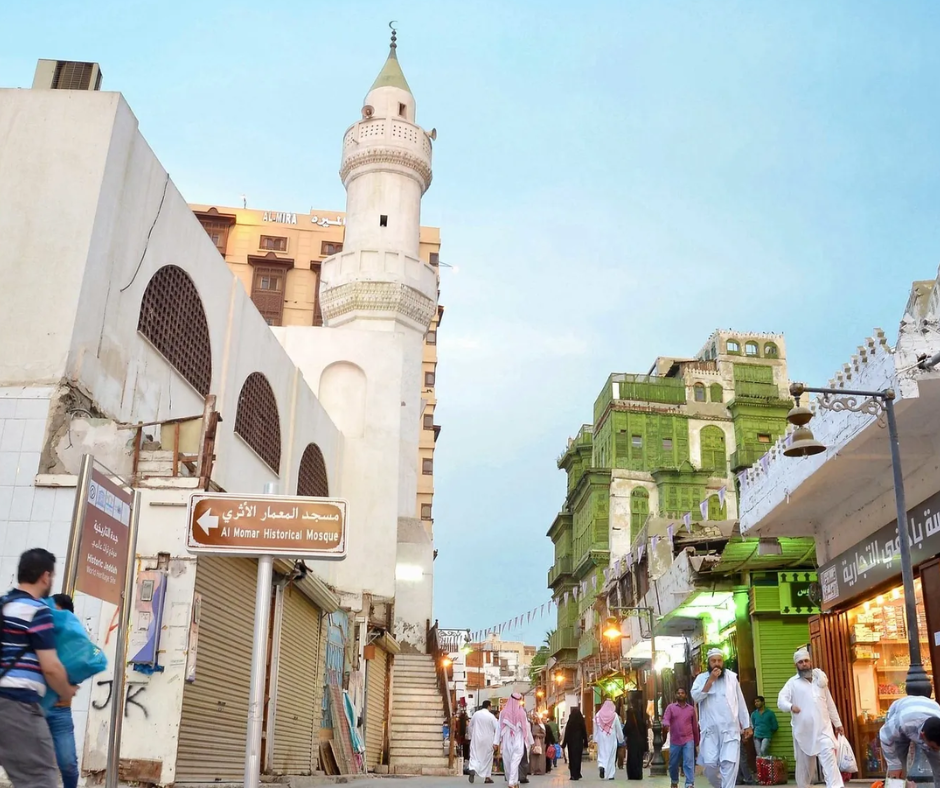
When you arrive at Souk Al Alawi, you are stepping into the heart of Al Balad, the historic downtown district of Jeddah. This is not a modern shopping mall with a clear grid layout and air conditioning. Instead, it is a sprawling, organic network of narrow laneways that has existed for centuries.
The architecture immediately sets the tone. You will walk past towering historical buildings constructed from ancient Red Sea coral stone, featuring intricate wooden enclosed balconies known as roshans.
The streets are incredibly dense, and the lines between one stall and the next blur completely. You will have to weave your way past wooden carts, locals carrying heavy boxes of goods, and the occasional motorbike squeezing through the crowds. Getting slightly lost is simply part of the authentic experience.
The Intense Atmosphere of the Market
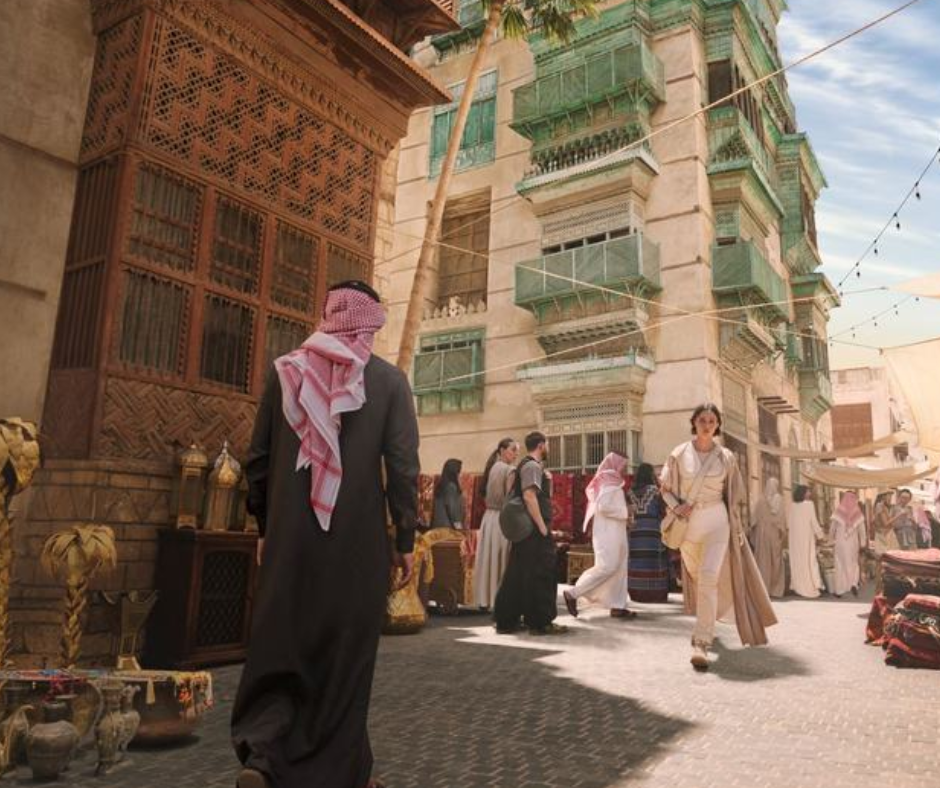
The atmosphere inside Souk Al Alawi demands your full attention. The very first thing you will notice is the incredible mix of scents hanging in the warm air.
The heavy, woody aroma of burning frankincense mixes constantly with the sharp scent of roasting coffee beans and sweet perfume oils.
Shopkeepers are highly active and vocal. They will stand outside their stalls, calling out to passersby and inviting you inside to look at their wares. While this can feel intense at first, you must remember that it is just the traditional style of Arabian commerce. The vendors are generally very friendly and welcoming.
If you simply smile, offer a polite greeting, and keep walking, they will never pressure you aggressively. Approaching the environment with a calm, curious mindset will instantly transform the chaos into a fascinating cultural theater.
The Best Things to Buy at Souk Al Alawi
Authentic Arabian Perfumes and Oud Oils
Shopping for fragrance is the ultimate Souk Al Alawi experience. This market is famous for its massive selection of oud, a highly prized and incredibly fragrant resinous wood. You will find vendors selling both the raw wood chips for burning and the concentrated essential oils.
When shopping for oils, always ask to test a small drop on the inside of your wrist. You need to walk around for at least ten minutes to let the oil mix with your natural skin chemistry, as the scent changes dramatically as it dries down. If you want something easier to travel with, look for small glass roll on bottles.
Be aware that pure oud is very expensive. If a vendor offers you a massive bottle for a very cheap price, it is almost certainly a synthetic blend.
Traditional Silver Jewelry and Antiques
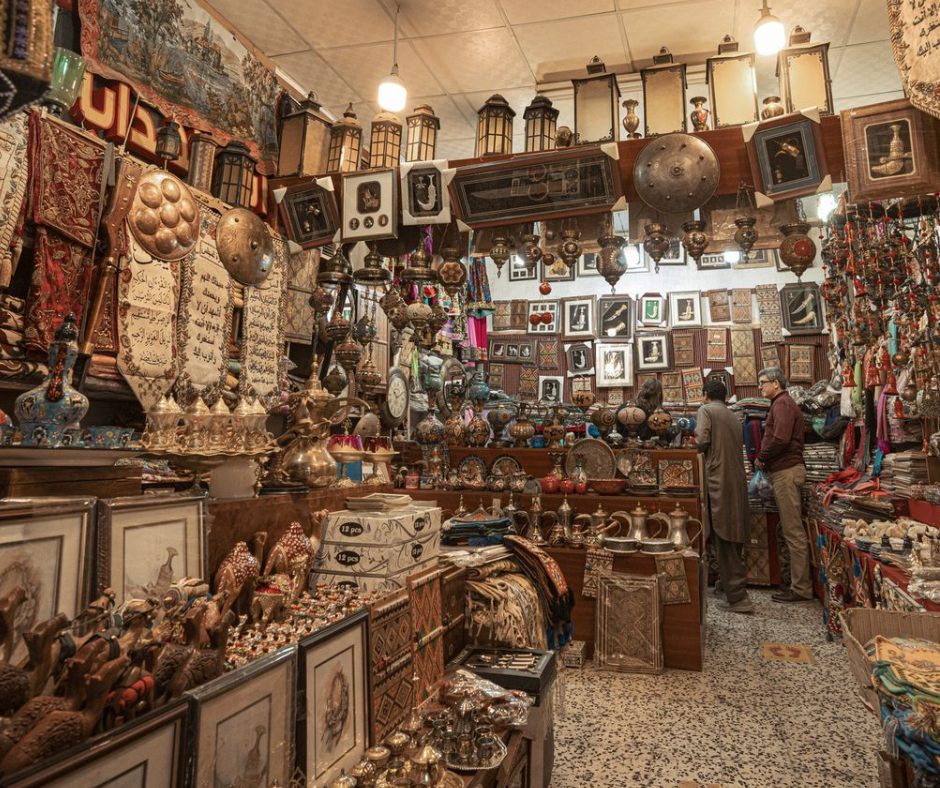
The jewelry stalls tucked away in the deeper corners of the souk are perfect for finding unique gifts. You should bypass the modern gold shops and look specifically for traditional Hijazi and Bedouin silver pieces.
These chunky, bold necklaces and rings often feature intricate geometric patterns and dangling silver coins.
When examining a piece of silver, check the weight in your hand. Authentic pieces will feel dense and substantial. You should also look closely at the clasps and the back of the pendants for a maker stamp, which indicates genuine craftsmanship. Rings and bracelets make excellent souvenirs because they are highly durable and do not require taking up much space in your luggage.
Regional Spices and Culinary Ingredients
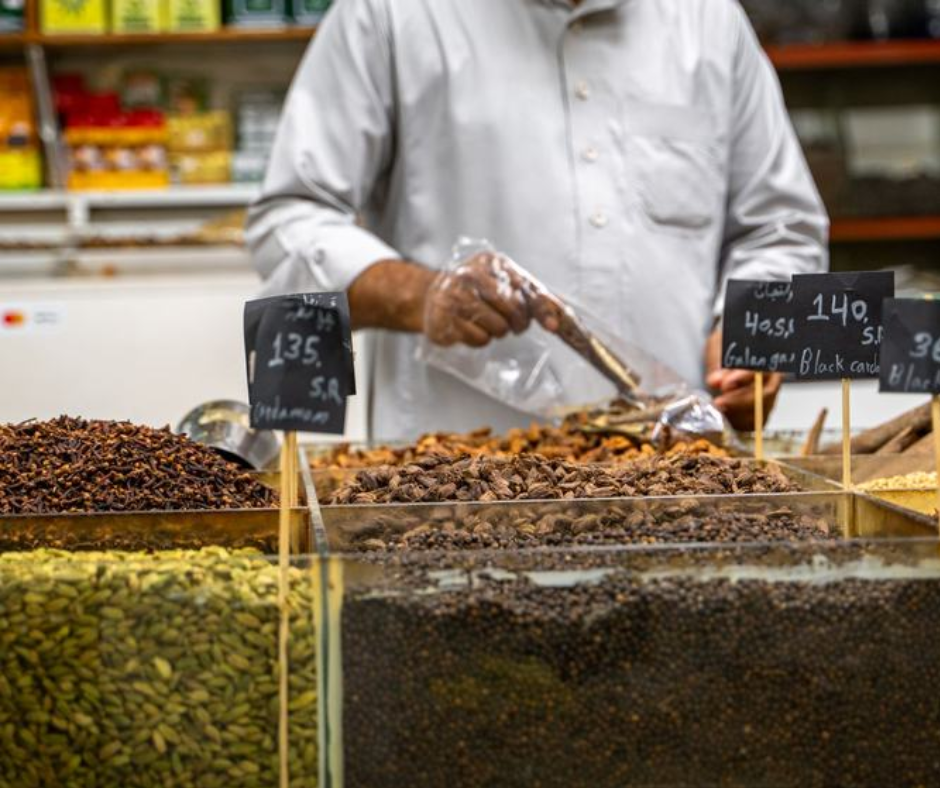
No trip to a traditional Arabian market is complete without visiting the spice merchants. These stalls are visual masterpieces, featuring massive burlap sacks overflowing with brightly colored powders.
You can easily find everyday essentials like cumin, coriander, and turmeric, but you should focus on the regional specialties. Look for dried black limes, known locally as loomi, which add a fantastic sour tang to stews and rice dishes.
You can also buy high quality saffron and fresh green cardamom pods for a fraction of the price you would pay at home. Always ask the merchant to seal your spices tightly in thick plastic bags, and pack them deep in the center of your checked luggage to prevent any fragrant explosions on your flight home.
Camel Leather Goods and Handcrafted Items
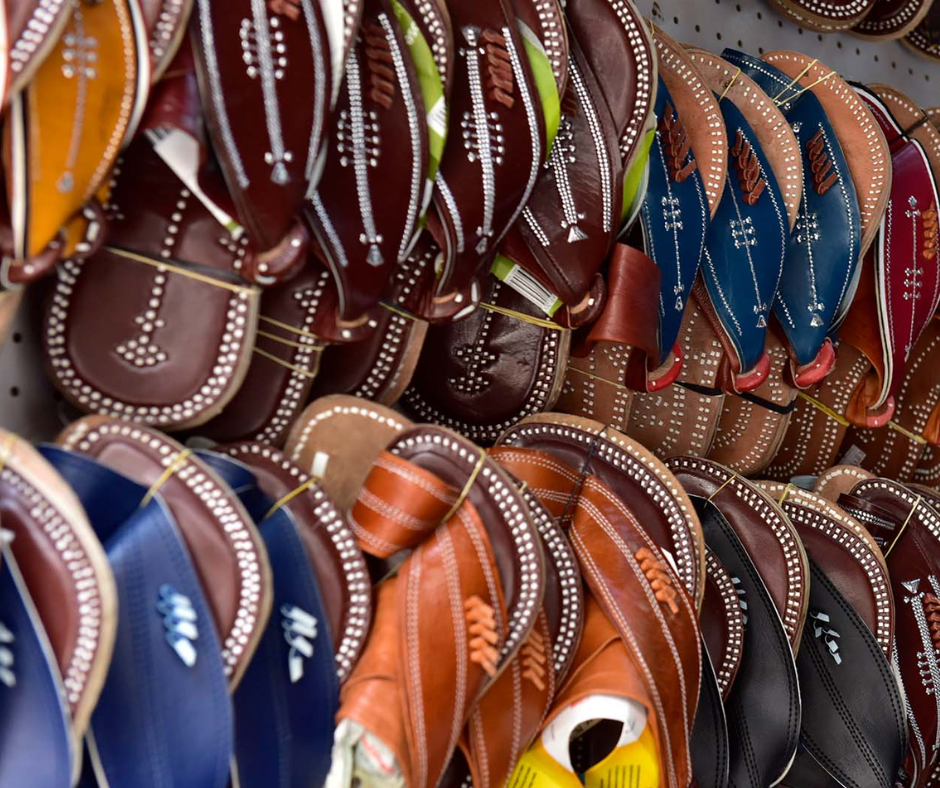
Leather goods are another major draw at Souk Al Alawi. You will find dozens of small stalls selling handmade belts, wallets, and traditional sandals crafted from tough camel leather.
Camel leather is distinct because it is highly durable and features a slightly more textured grain than standard cow leather. When shopping for these items, take a moment to inspect the craftsmanship.
You want to avoid any pieces that smell strongly of harsh chemicals or feature a heavily painted, glossy finish. A good piece of leather should smell earthy and natural.
Check the stitching along the edges to ensure it is tight and uniform. Handcrafted leather pieces are fantastic purchases because they last for years and naturally develop a beautiful patina over time.
Practical Tips for Navigating the Souk
The Best Times to Visit for Shopping
Timing your visit to Souk Al Alawi correctly will make a massive difference in your overall experience. If you prefer a quiet, relaxed environment where you can easily talk to the vendors and take photographs of the architecture, you should arrive in the late morning on a weekday.
However, you must be aware of the afternoon siesta. Many shops will close their doors tightly between noon and four in the afternoon to avoid the most brutal heat of the day. If you want to experience the true, electrifying energy of the market, plan your visit for the early evening just after the sunset prayers.
The temperature drops, the streetlights turn on, and the alleys become packed with local families out for their evening shopping.
How to Negotiate Prices Like a Local
Bargaining is an expected and highly respected part of the culture at Souk Al Alawi. You should never accept the first price a vendor offers you for souvenirs, textiles, or antiques.
Make sure you bring plenty of small cash denominations in Saudi Riyals, as many of the older stalls do not accept credit cards. When you find an item you like, ask for the price and immediately counter with an offer roughly thirty to forty percent lower. The vendor will act shocked, but this is just part of the game.
You simply smile, hold your ground, and slowly negotiate toward a middle number that works for both of you. The key is to keep the interaction lighthearted and playful rather than aggressive.